
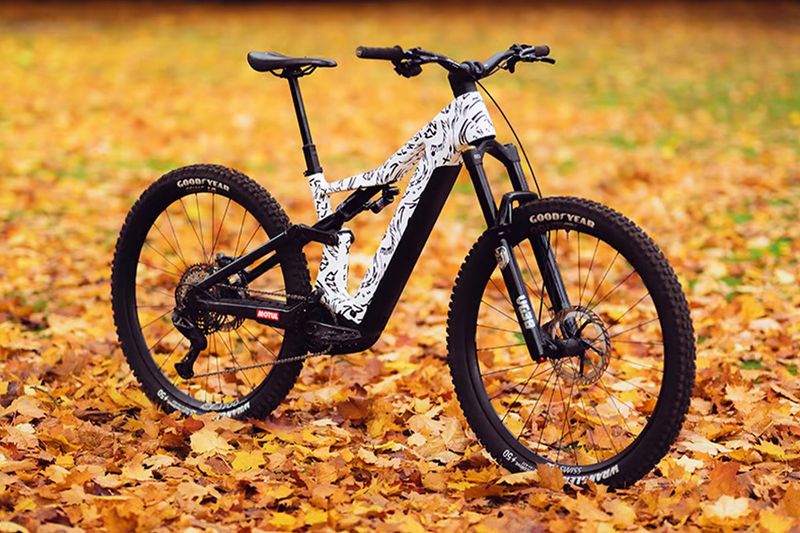
Could thermoplastic frames be the future of the bike industry?
Focus Bikes has paused its thermoplastic carbon frame project after Belgian partner Rein4ced went bankrupt. The recyclable frames were set for a limited 2026 release.
Commercialisation addresses the hardest part of the advanced carbons story: moving a material from a promising result to a product a customer will buy again. The Council was built for this transition, out of more than a decade convening producers, users, investors and policymakers, and it approaches commercialisation with data rather than optimism.
That evidence base is concrete. The ISO-based classification framework lets a market be described consistently, the in-person verification programme separates real capacity from announced capacity, and independent testing substantiates the performance claims a business case depends on. Market intelligence such as the graphene report programme, built on vetted company profiles and primary research, gives investors and operators a defensible view of demand, pricing and supply.
The division works across the levers that decide whether an advanced carbon material scales: supply chain readiness, investment and capital, standards adoption and end-market pull across more than forty verticals. Whether the question is qualifying a supplier, sizing an opportunity or shaping industrial policy, the goal is the same, to help credible materials reach the market with the integrity the sector needs to grow.
By The Numbers
Latest coverage
Reporting, analysis and policy the ACC is tracking across the topics and applications most relevant to this division.
Focus Bikes has paused its thermoplastic carbon frame project after Belgian partner Rein4ced went bankrupt. The recyclable frames were set for a limited 2026 release.
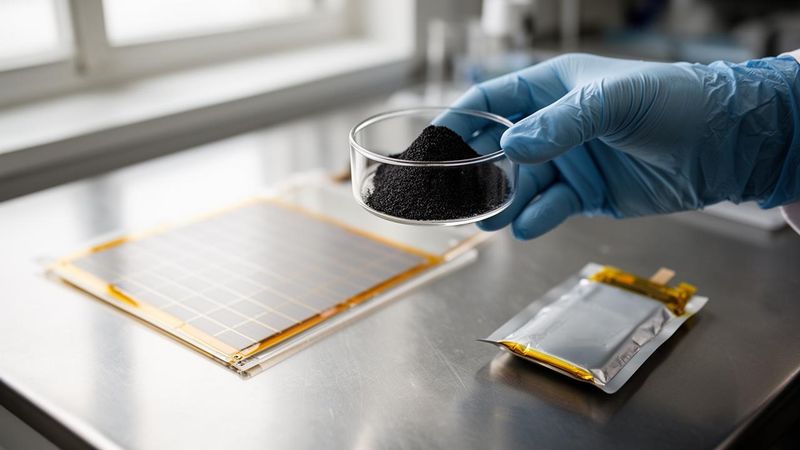
SK On has created a process to replace costly carbon nanotube paste with powder in LFP battery cathodes, reducing production costs.
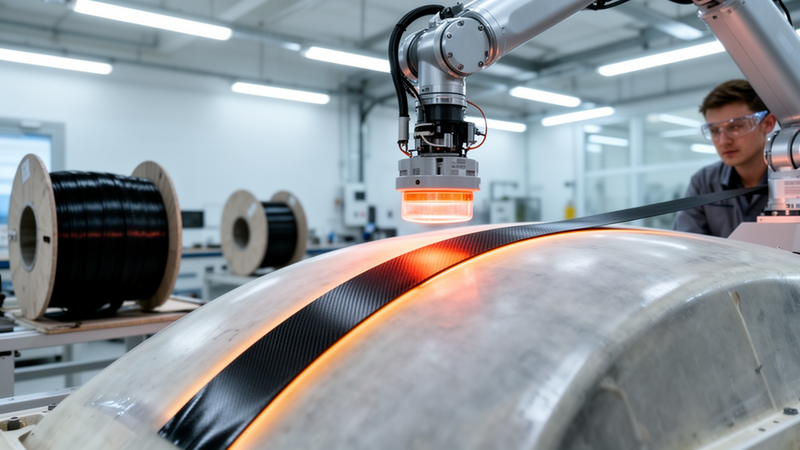
Researchers demonstrated improved mechanical properties in carbon fiber-polycarbonate composites using infrared-assisted automated fiber placement, highlighting its potential for semi-structural applications in aerospace and automotive industries.
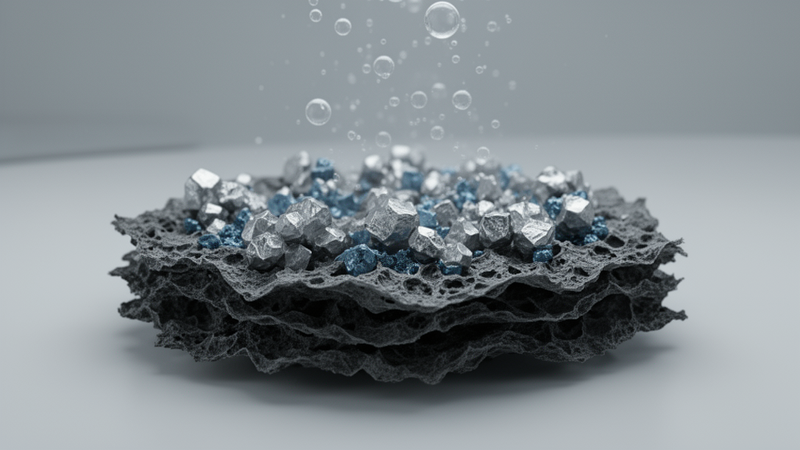
Researchers created a hybrid electrode with nickel cobalt oxide and cadmium oxide on reduced graphene oxide, achieving 2700 coulombs per gram in charge storage for supercapacitors.
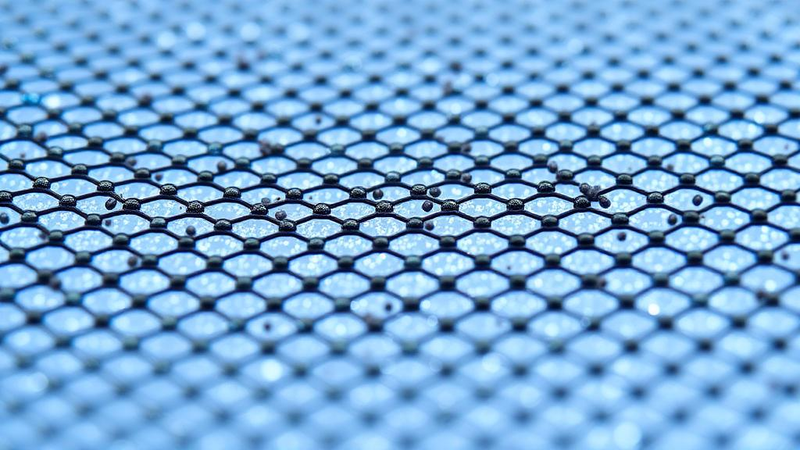
Researchers at the Federal University of Uberlândia developed a graphene oxide membrane achieving 99.04% hydrogen purity from mixed gas feeds, using a polydopamine primer on ceramic fibers.

Researchers have developed a new screening guide to rank methylene blue adsorbents, highlighting biochar's estimated production cost of approximately 0.5 dollars per kilogram.

Researchers developed a one-step method to convert CO2 into 3D graphene with a tunable structure, achieving over 200 mAh/g at 150C in lithium-ion battery anodes.
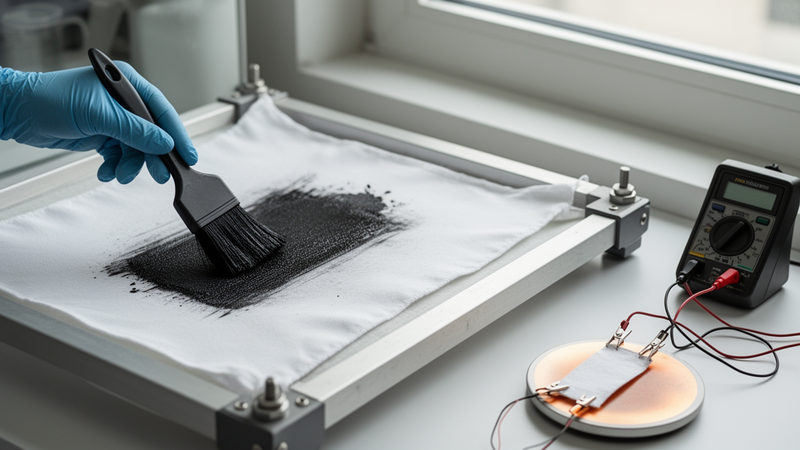
Researchers at the University of Minho demonstrated that Pyrograf III carbon nanofiber inks can transform cotton fabric into n-type thermoelectric textiles, achieving a conductivity of 35.4 siemens per meter.
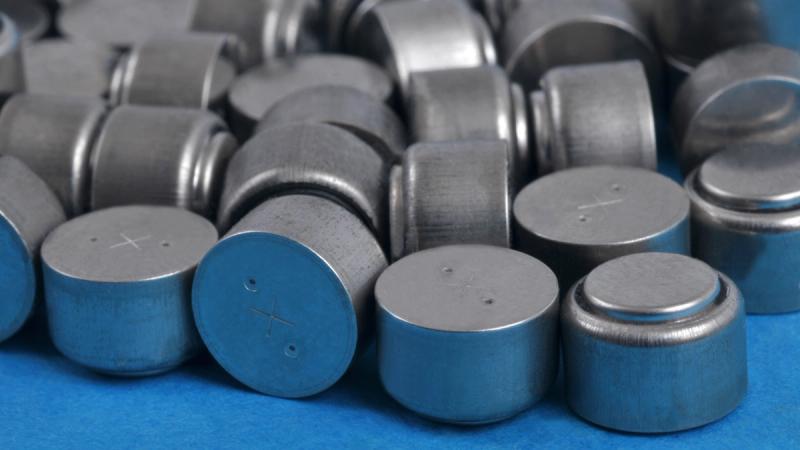
Researchers in China have developed a fluorinated graphene catalyst that boosts zinc-air battery efficiency to 98% and extends operational life to over 820 hours.
Get updates on advanced carbon materials. Choose your interests in the preference centre.
Access market intelligence, standards, and the global carbon materials network.
Become a member