News & Intelligence

Original reporting and market intelligence on advanced carbon materials.

Full intelligence on every material

For in-depth production methods, pricing dynamics, applications by sector, and verified company profiles, explore the ACC market reports covering each advanced carbon material.

View market reports

Materials

Filtered by topic:Safety & ToxicologyClear ×
News14 July 2026

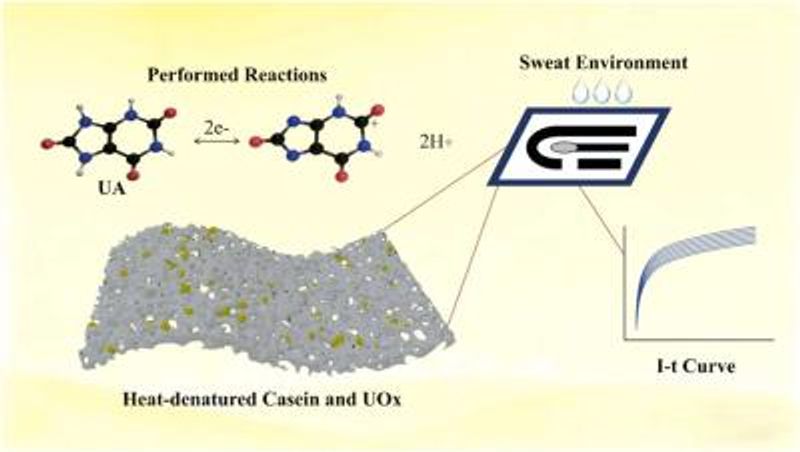
Laser-induced graphene sensor enables dopamine detection in tears

Researchers from Brazil's Federal University of Pelotas and Federal University of Rio Grande do Sul have developed a laser-induced graphene sensor capable of detecting dopamine in tear fluid with high sensitivity. This advancement could lead to noninvasive monitoring of neurological disorders, utilizing the electroactive properties of graphene to provide a compact and scalable alternative to traditional methods that often require blood or implanted devices.

Berlin lab solves perovskite solar's stability problem with graphene-oxide fix
News14 July 2026

Berlin lab solves perovskite solar's stability problem with graphene-oxide fix

Researchers at the Helmholtz-Zentrum Berlin, along with collaborators, have developed a perovskite solar cell with a graphene-oxide interface that achieves 27.3% power conversion efficiency and maintains over 90% of this efficiency after 770 hours of operation. This advancement addresses the stability issues in all-perovskite triple-junction cells, potentially paving the way for more durable and efficient solar technologies using carbon-based materials like graphene.

Enhancing shape sensing of slender medical robots with carbon nanotubes
News10 July 2026

Enhancing shape sensing of slender medical robots with carbon nanotubes

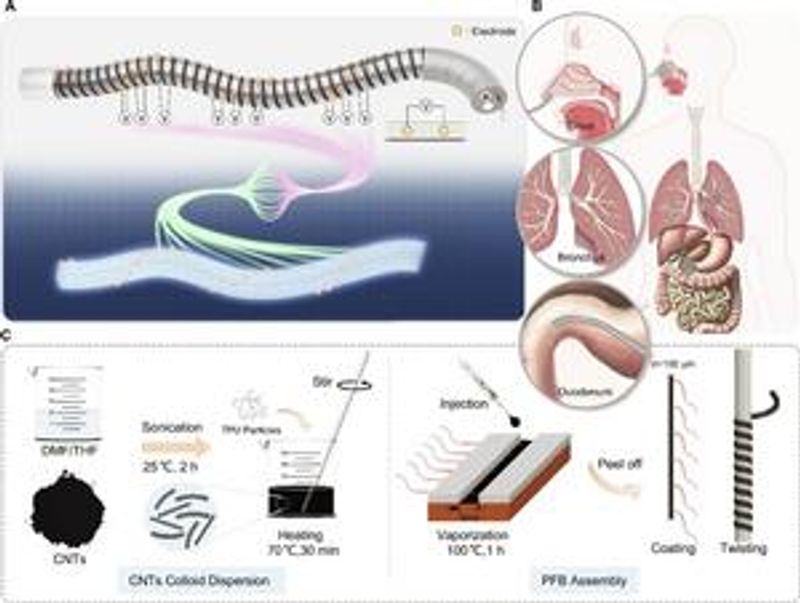
Researchers at Zhejiang University have developed a piezoresistive fiber bandage using multi-walled carbon nanotubes for shape sensing in slender medical continuum robots. This innovation provides a low-cost, highly stretchable alternative to fiber-optic systems, potentially expanding the use of carbon nanotube-based sensors in medical robotics for improved intraoperative guidance.

Study tracks toxic chemical from tire pollution in Hillsborough River
News10 July 2026

Study tracks toxic chemical from tire pollution in Hillsborough River

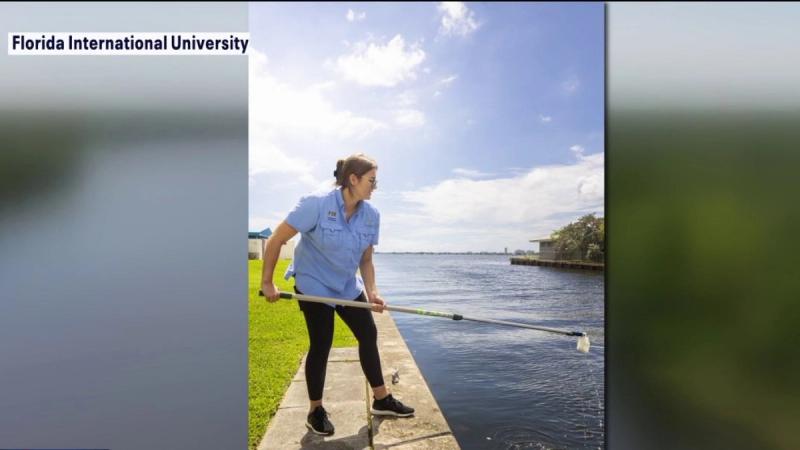
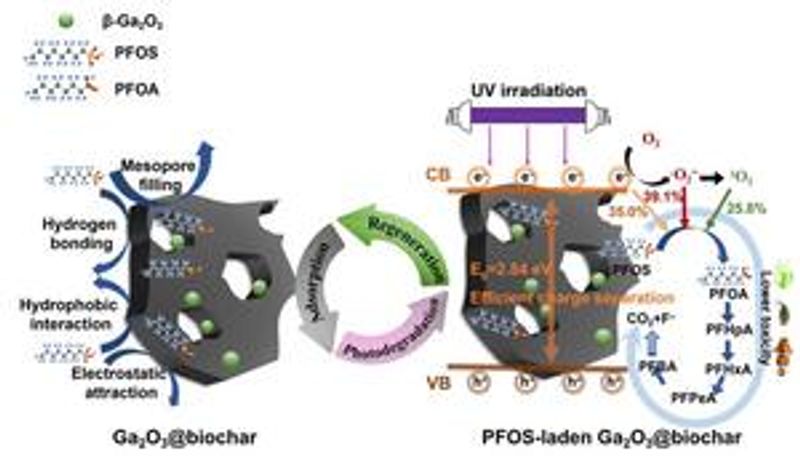
Researchers at Florida International University have found that a water sample from the Hillsborough River near downtown Tampa contained 12 nanograms per liter of 6PPD-Q, a toxic chemical from tire wear, exceeding the EPA benchmark of 11 nanograms per liter. This study highlights the potential of using sargassum-based biochar to filter out harmful pollutants, which could protect Florida's aquatic ecosystems from the adverse effects of tire-derived chemicals.

Biochar and smart water could make rice safer in polluted soils
News10 July 2026

Biochar and smart water could make rice safer in polluted soils

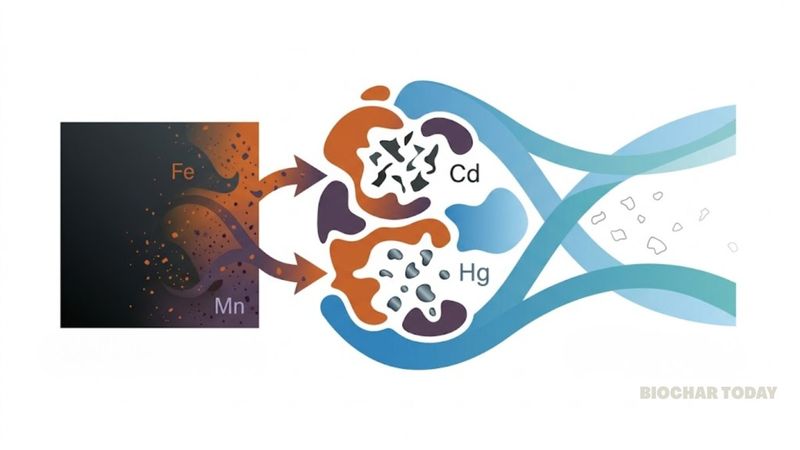
Researchers from the study published in Biochar have demonstrated that using iron and manganese modified biochar (FMBC) with specific irrigation strategies can significantly reduce cadmium and mercury levels in rice grown in co-contaminated paddy fields. This approach could enhance the safety of rice by stabilizing these metals and reducing their uptake, offering a viable solution for managing heavy metal contamination in agricultural soils.

Barcelona tests olive-pit asphalt that stores CO2 for decades
News10 July 2026

Barcelona tests olive-pit asphalt that stores CO2 for decades

Barcelona City Hall, in collaboration with the BIT Habitat foundation and BIMSA, is trialling asphalt mixed with biochar from olive pits and pine biomass, starting in September with monitoring through 2027. This initiative aims to reduce CO2 emissions by up to 76% and store carbon in the road itself, potentially transforming road infrastructure into a long-term carbon sink using biochar.

Sensor detects pesticides using material thinner than a strand of hair
News6 July 2026

Sensor detects pesticides using material thinner than a strand of hair

Researchers at the Vietnam Academy of Science and Technology have developed a sensor electrode using a composite material of graphene, carbon nanotubes (CNTs), and gold nanoparticles that can detect pesticide residues at concentrations as low as parts per billion (ppb). This advancement is significant for the field of advanced carbon materials as it enhances the sensitivity and functionality of sensors, contributing to improved agricultural product monitoring and food safety.

Singapore builds its largest composite warship piece
News6 July 2026

Singapore builds its largest composite warship piece

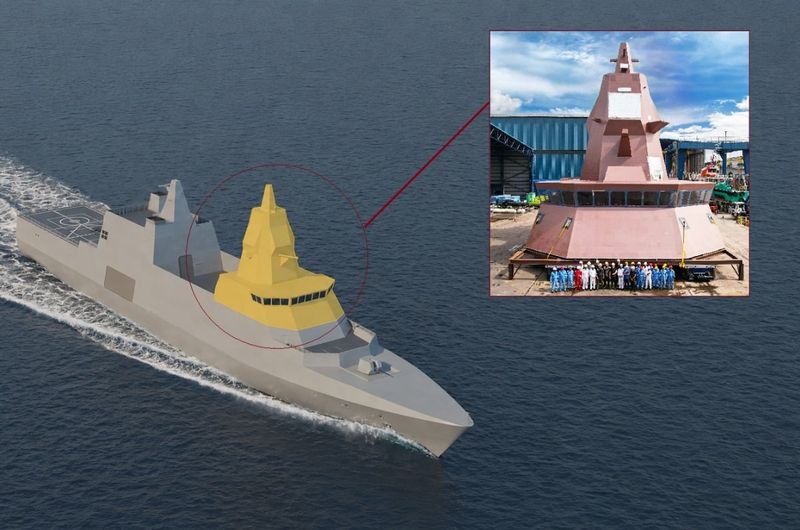
Penguin Shipyard International has completed and delivered the largest composite superstructure ever built in Singapore for the Republic of Singapore Navy's new Multi Role Combat Vessel, with the first of six structures handed over to Saab on June 27, 2026. The use of carbon fiber composites in the superstructure reduces weight and radar cross-section, enhancing the ship's stability and stealth capabilities compared to conventional steel designs.

Graphene quantum dot gold nanocomposite for drug-free antibacterial wound treatment
News1 July 2026

Graphene quantum dot gold nanocomposite for drug-free antibacterial wound treatment

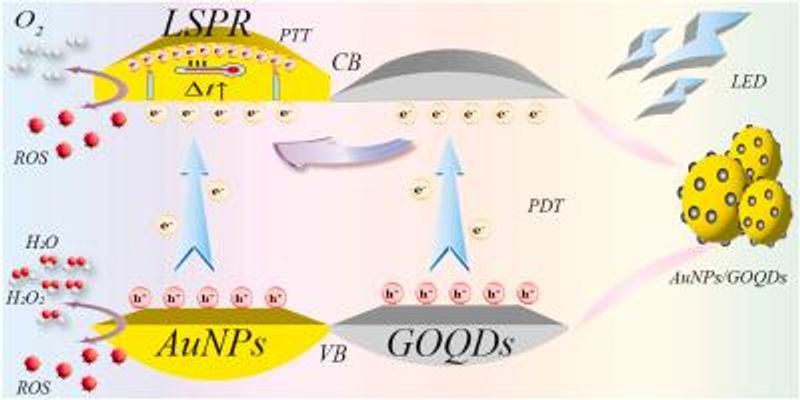
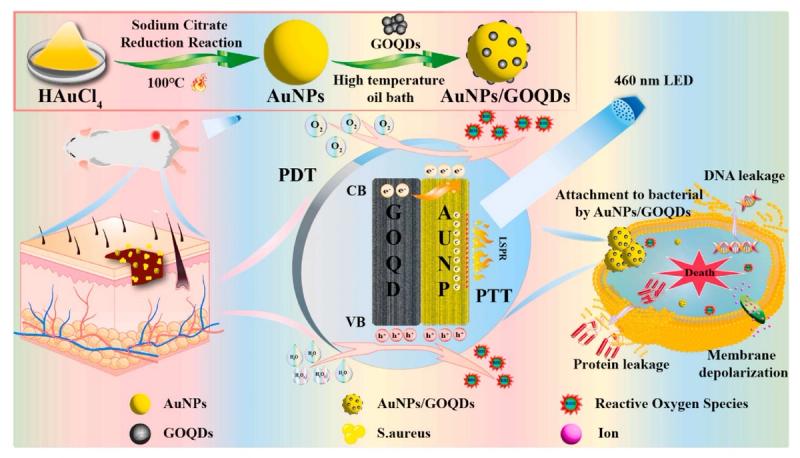
Researchers at Gannan Medical University and Shanghai University developed a gold nanoparticle–graphene oxide quantum dot (AuNPs/GOQDs) Schottky junction nanocomposite that achieved over 97% bacterial eradication in vitro and approximately 99% wound closure in mice within 9 days under 460 nm LED irradiation. The work advances graphene quantum dot applications by demonstrating that pairing GOQDs with AuNPs suppresses charge recombination to boost reactive oxygen species output while simultaneously enhancing photothermal conversion, offering a drug-free pathway to address multidrug-resistant infections.

Graphene thin films for neural interfaces
News1 July 2026

Graphene thin films for neural interfaces

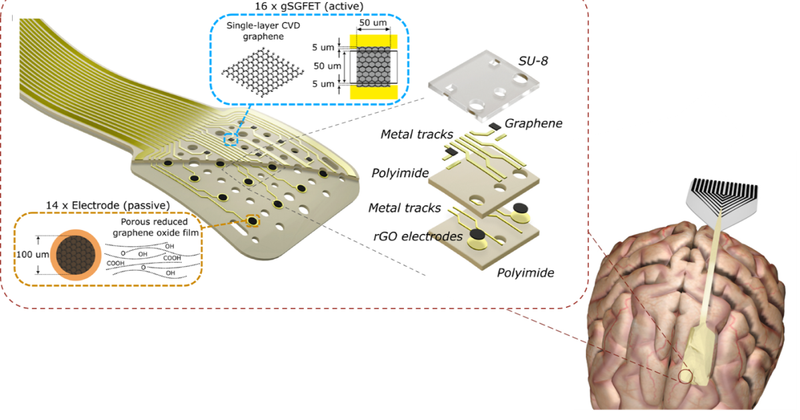
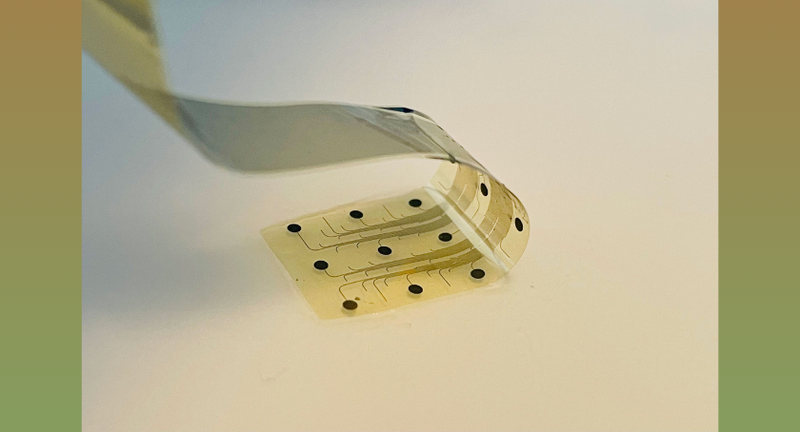
Researchers at ICN2, led by Jose A. Garrido, are developing graphene-based thin film devices for neural stimulation and recording, with work spanning device fabrication, in vivo testing in rodent and large-animal models, and clinical translation efforts. The work demonstrates a pathway for graphene to move from laboratory research into regulated medical devices, advancing the material's role in bioelectronics beyond conventional carbon fiber or composite applications.

INBRAIN Neuroelectronics Ends Enrollment in Study of Graphene Neural Interfaces
News1 July 2026

INBRAIN Neuroelectronics Ends Enrollment in Study of Graphene Neural Interfaces

INBRAIN Neuroelectronics completed enrollment of ten patients (eight treated) in a first-in-human trial of its graphene cortical interface, conducted during brain tumor resection surgeries at Northern Care Alliance NHS Foundation Trust, with no device-related adverse events or perioperative failures observed. The results support graphene as a viable electrode material for neural interfaces, with implications for the graphene sector as the technology advances toward clinical commercialization in brain-computer interface applications.

US study evaluates occupational health risks of graphene nanomaterials
News30 June 2026

US study evaluates occupational health risks of graphene nanomaterials

US NIOSH researchers measured occupational exposures to graphene family nanomaterials (GFN) across 11 manufacturing facilities, finding that 38% of respirable samples and 53% of inhalable samples exceeded the suggested occupational exposure band of <10 µg/m³. The findings indicate that graphene producers and downstream processors face uncontrolled worker exposure risks, with primary manufacturers showing higher inhalable concentrations due to handling dry powdered materials.

Why A Boeing 787 Or Airbus A350 Tail Strike Means Weeks In The Hangar While A 777 Does Not
News30 June 2026

Why A Boeing 787 Or Airbus A350 Tail Strike Means Weeks In The Hangar While A 777 Does Not

The Boeing 787 and Airbus A350 use carbon-fiber-reinforced composite materials for roughly 50% of their airframe by weight, making tail strike damage harder to detect and repair than on metal-fuselage aircraft like the Boeing 777, as illustrated by an Air France A350 that required nearly ten months of repairs after a 2024 tail strike in Toronto. For the carbon fiber composites sector, the article highlights that barely visible impact damage, complex non-destructive inspection requirements, and process-sensitive repair procedures drive significant maintenance downtime and cost, underscoring the need for advanced damage detection and repair capabilities in aerospace composite applications.

Shining blue light on gold-graphene nanodots achieves wound healing trifecta
News30 June 2026

Shining blue light on gold-graphene nanodots achieves wound healing trifecta

Chinese researchers combined gold nanoparticles with graphene oxide quantum dots to form a Schottky junction nanocomposite that, when activated by blue LED light, achieved 97% bacterial eradication and nearly 99% wound closure in mice within nine days. The work demonstrates a functional wound-treatment application for graphene oxide quantum dots, advancing their use beyond structural roles into photodynamic and photothermal biomedical therapies.

Microwave biochar could help turn waste biomass into cleaner water and safer soils
News29 June 2026

Microwave biochar could help turn waste biomass into cleaner water and safer soils

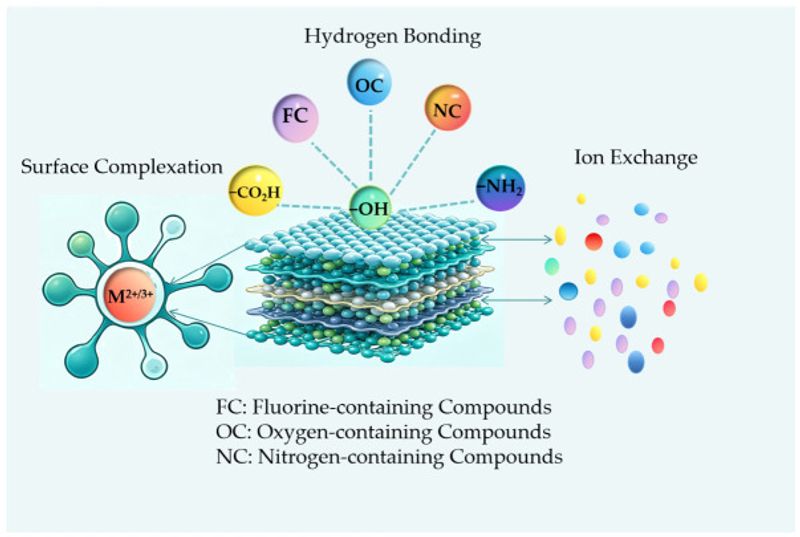
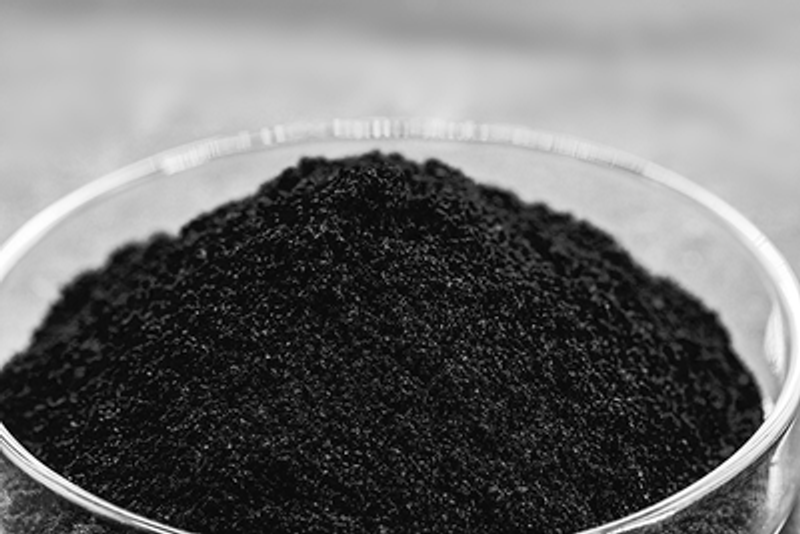
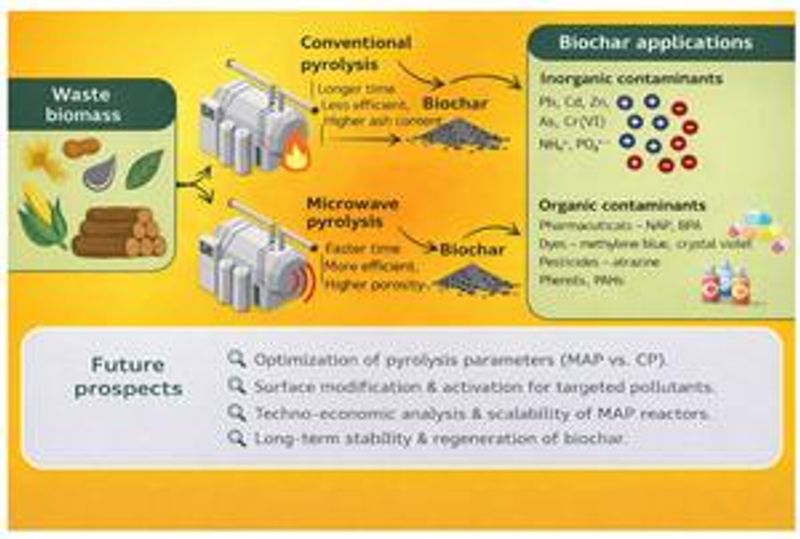
A review published in the journal *Biochar* compared conventional and microwave-assisted pyrolysis as production routes for biochar, finding that microwave-derived biochars typically exhibit higher surface area, stronger mesoporosity, and greater retention of functional groups relevant to pollutant capture. For the advanced carbon materials sector, the findings highlight biochar's expanding role beyond remediation into electrode materials and catalysis, while noting that reactor scale-up and energy balance challenges must be resolved before microwave-assisted pyrolysis reaches industrial viability.

Combining Iron Manganese Biochar with Strategic Irrigation Minimizes Grain Cadmium
News29 June 2026

Combining Iron Manganese Biochar with Strategic Irrigation Minimizes Grain Cadmium

Tong Sun and colleagues published a study in *Biochar* (2026) showing that iron-manganese oxide modified biochar combined with either continuous flooding or aerobic irrigation reduces grain cadmium to 0.05 mg/kg and total mercury to 0.02 mg/kg in co-contaminated rice paddies. The findings demonstrate a functional agricultural application for engineered biochar, where surface chemistry modifications directly determine remediation performance across competing heavy-metal pathways in soil.

Osaka University team builds graphene gas sensor that detects a single CO2 molecule
News10 June 2026

Osaka University team builds graphene gas sensor that detects a single CO2 molecule

A research team at Osaka University built a graphene nanoribbon-based gas sensor capable of detecting individual CO2 molecules at ambient pressure, achieving detection limits below 10 parts per trillion, as published in Nature Materials. The result demonstrates graphene nanoribbons as a viable platform for ultra-sensitive gas detection, with potential applications in environmental monitoring and medical breath analysis.

News10 June 2026

CSIC develops graphene-polymer separator for safer lithium-ion batteries

CSIC researchers developed an 18-micron graphene-polymer composite separator combining polypropylene with 0.5 wt% reduced graphene oxide, achieving 4x greater puncture resistance and a 60% reduction in thermal-runaway initiation temperatures in lithium-ion batteries. The development advances reduced graphene oxide as a functional additive in battery separators, with pilot-scale production underway alongside a Spanish cell manufacturer targeting NCM-based EV applications.
Advanced Graphene Products supplies graphene oxide to Boston Scientific for coating trial
News10 June 2026

Advanced Graphene Products supplies graphene oxide to Boston Scientific for coating trial

Advanced Graphene Products has begun supplying ISO 10993-certified graphene oxide from its Zielona Gora facility to Boston Scientific under a $4.2 million contract for a two-year, 480-patient FDA-approved clinical trial of antimicrobial-coated cardiac catheters. The trial represents a direct application of graphene oxide in regulated medical devices, with a potential commercial supply pathway if Boston Scientific proceeds to FDA submission.