Carbon Fiber vs Steel Beams for Bowed Basement Walls in Ohio
Ohio State Waterproofing published a guide on June 22, 2026, comparing carbon fiber straps and steel beams for stabilizing bowed basement walls in Ohio homes, noting carbon fiber suits moderate bowing with a 30-year lifespan while steel beams handle severe deformation and can last over 50 years. The article reflects continued demand for carbon fiber reinforcement in residential construction, where its corrosion resistance and low-invasiveness position it as a practical alternative to steel in moisture-prone foundation repair.
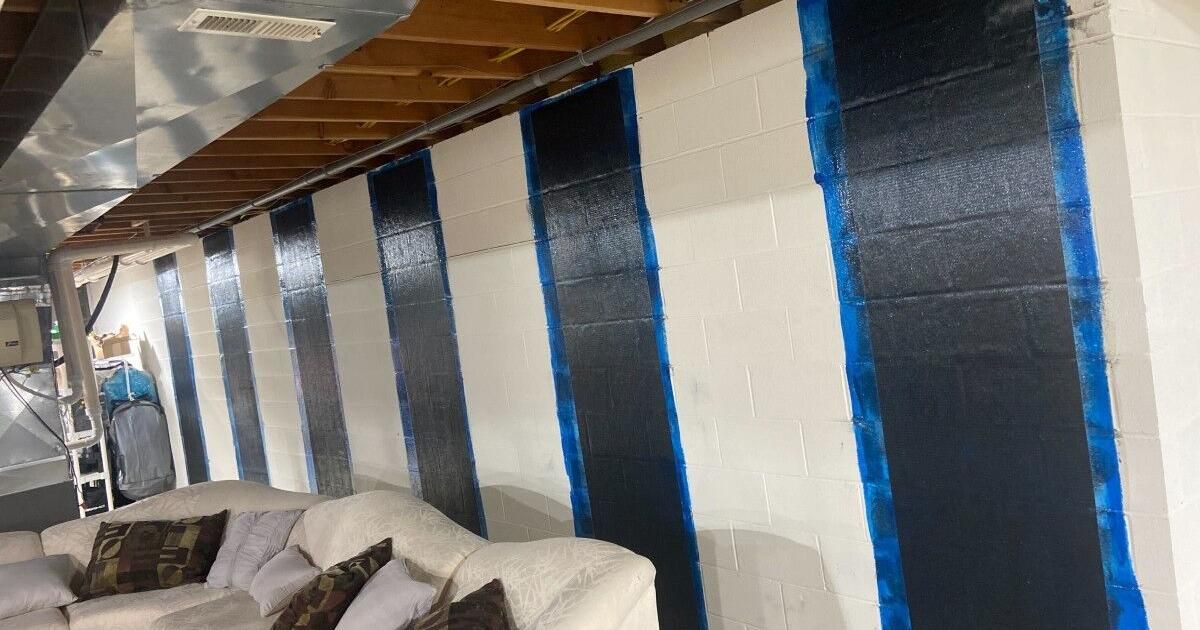
Carbon Fiber Reinforcement vs. Steel Beams for Stabilizing Bowed Basement Walls
Bowed basement walls pose a significant risk to structural integrity, prompting homeowners to choose between carbon fiber reinforcement and steel beams for stabilization. This article examines the effectiveness, costs, and installation processes of both methods, enabling informed decision-making for basement repairs.
Carbon fiber and steel beams both offer effective solutions for stabilizing bowed walls, though they differ in application. Carbon fiber is ideal for moderate bowing, providing flexible support that reinforces the existing structure. It uses high-strength materials to distribute pressure along the wall, crucial for long-term stability. Steel beams, on the other hand, are suitable for severe deformities, offering robust support for heavy loads.
Installation impact is a key consideration. Carbon fiber is less invasive, requiring no extensive excavation, while steel beams may be necessary for significant structural support. Proper application of either method ensures long-term stability. Financially, carbon fiber's initial costs are lower, but steel beams may offer better durability over decades.
Understanding the installation processes is crucial. Carbon fiber involves adhering high-tensile strength materials to the wall, creating a stabilizing framework. This method is beneficial in environments with varying moisture levels, as carbon fiber resists rust and degradation. Steel beams require technical expertise for effective stabilization, involving more invasive procedures.
Longevity and maintenance differ between the two methods. Carbon fiber can last over 30 years with proper monitoring, while steel beams can exceed 50 years but require periodic inspections to prevent rust. Environmental factors such as climate and soil conditions also influence durability.
Hydrostatic pressure from surrounding soil often causes bowed walls, exacerbated by rain or poor drainage. Recognizing these causes aids in determining the appropriate repair method. Timely reinforcement can alleviate pressure and prolong wall stability.
Carbon fiber reinforcement offers advantages over traditional methods, enhancing wall strength while minimizing invasive procedures. Steel beams provide superior strength for significant structural challenges but involve more complex installation.
Choosing between carbon fiber and steel beams involves assessing factors like strength, longevity, and installation disruption. Carbon fiber offers a quicker, cost-effective solution, while steel beams demand a higher initial investment with a longer lifespan.
Regular maintenance checks can identify potential issues before they escalate. Monitoring signs like cracks, bowing, and moisture intrusion aids in prompt intervention, minimizing structural damage risks.
Ohio State Waterproofing provides expert assessment services to evaluate structural integrity and recommend appropriate repairs. Integrating basement waterproofing with wall reinforcement helps prevent moisture intrusion, enhancing repair effectiveness.
Feedback from Ohio homeowners highlights satisfaction with carbon fiber's minimal disruption and long-term results, while steel beams are praised for their durability. Real-world case studies illustrate the effectiveness of both options, guiding homeowners in their repair decisions.
Experts recommend considering environmental factors and wall conditions when selecting a repair method. Ohio's climate necessitates attention to moisture levels, frost depth, and soil composition. Engaging with professionals ensures tailored insights for stabilization.
Utilizing waterproofing alongside wall reinforcement addresses existing issues and prevents future complications. By controlling moisture levels, homeowners can thwart potential bowing and mold growth, maximizing repair longevity and improving basement health.
Source: Carbon Fiber Feed