Scientists create memory device needing just one electron
Researchers at Fudan University developed a memory device that uses a single electron to store data, achieving a 0.5-volt signal shift at room temperature.
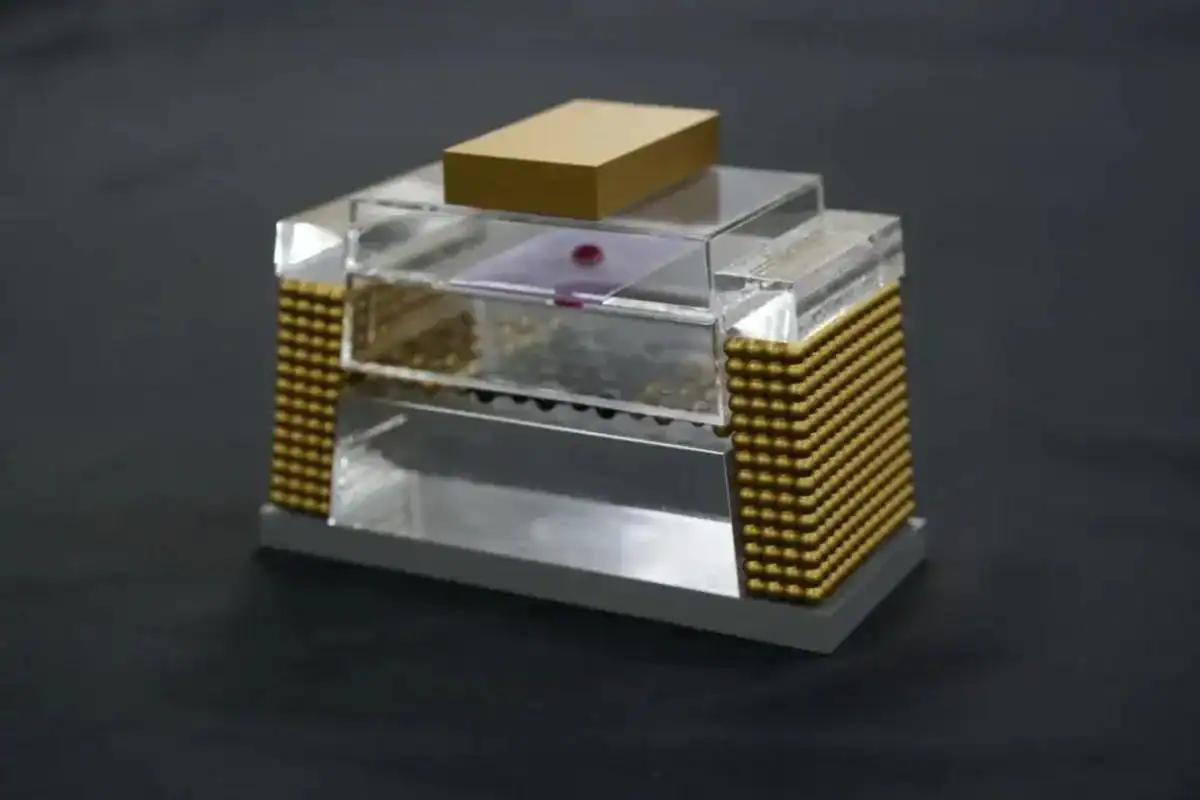
Researchers at Fudan University have developed an experimental memory device utilizing graphene, a carbon-based material, that operates at the smallest possible scale by using a single electron. This advancement in electronic storage demonstrates the potential of carbon materials in reducing energy consumption and increasing storage capacity.
The device can add or remove electrons individually, detect changes at room temperature, and maintain its state without power. This represents the physical limit of electronic memory, as an electron is the smallest unit of electric charge. The challenge was not only trapping a single electron but also ensuring it produced a significant electrical signal without escaping.
While the current prototype requires high programming voltages, the insights gained could lead to commercial memory devices that consume less energy and offer higher data density. The researchers demonstrated that the device's electrical response changes in precise steps of 0.5 volts as electrons are added or removed, indicating the successful handling of single electrons.
The device's construction involves layers only a few atoms thick, using graphene as the conductive path. This design helps suppress stray electrical effects, allowing the device to manage electron states one at a time. Although the technology is not yet ready for commercial use, it builds on previous advancements by the same research group, including a graphene flash device and a 2D flash chip integrated with silicon electronics.
The findings were published in the journal Science.
Source: Graphene Feed