News14 October 2026· Graphene Feed
Graphene oxide transforms stem cell spheroids into exosome factories for healing
GrapheneHealthcareMembranes & FiltrationResearch & InnovationSustainabilitySafety & Toxicology
459 articles on Sustainability.
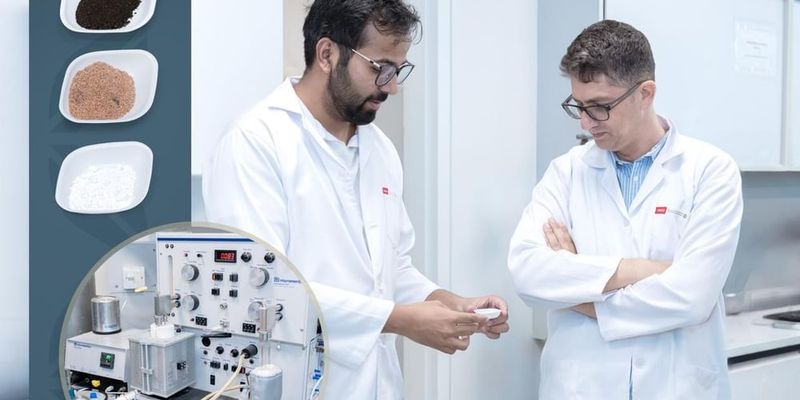
Researchers in South Korea used graphene oxide to nearly double exosome production from induced pluripotent stem cells. This method enhanced angiogenesis, promoting faster wound healing in animal models.
Chinese researchers have developed a coating of graphene oxide and carbon nanotubes that makes PET/TLCP composite fibres conductive.
Researchers in Mexico have developed a graphene oxide-modified titanium dioxide photoanode that degrades 85% of methylene blue dye in 120 minutes under acidic conditions, offering potential for direct treatment of industrial effluents.
Researchers converted waste tyre biochar using hydrogen peroxide to create a material that removes 99% of phosphorus from wastewater.
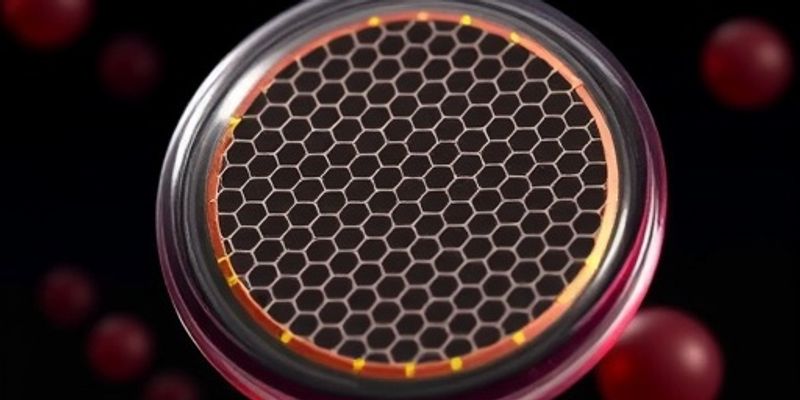
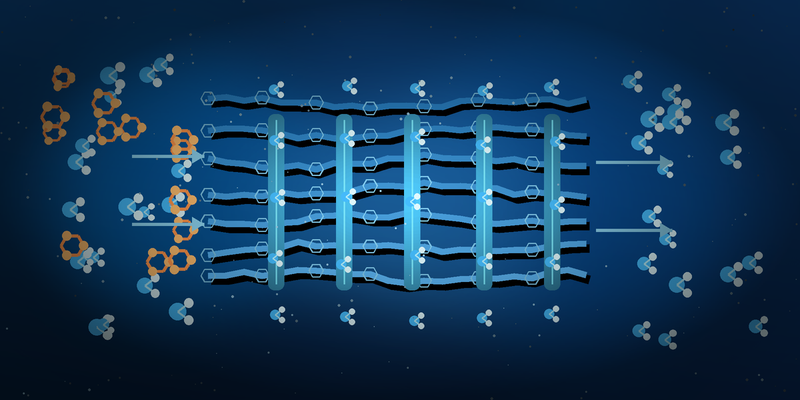
Researchers demonstrated that holey graphene membranes can desalinate water by allowing water molecules to pass through while blocking larger hydrated sodium and chloride ions.
Researchers developed a machine learning model to predict the thermal and wear behavior of grease enhanced with graphene.
Researchers have restored light emission in bilayer 2D semiconductors using atomic stacking techniques on graphene.
Researchers developed a hollow bowl-shaped structure using Ti3C2Tx MXene combined with FeNi3, designed to absorb radar waves and capture solar energy.

Researchers have achieved over 20% efficiency in organic solar cells using fullerene acceptors, which excel at light harvesting.

Researchers developed an antifouling polypyrrole membrane using a tannic acid-anchored titania nanosheet and graphitic carbon nitride interlayer to filter oily wastewater.
Researchers created carbon-fiber-reinforced geopolymer composites using red mud and ore tailings, achieving electromagnetic shielding effectiveness up to 33.5 decibels in the X-band frequency range.
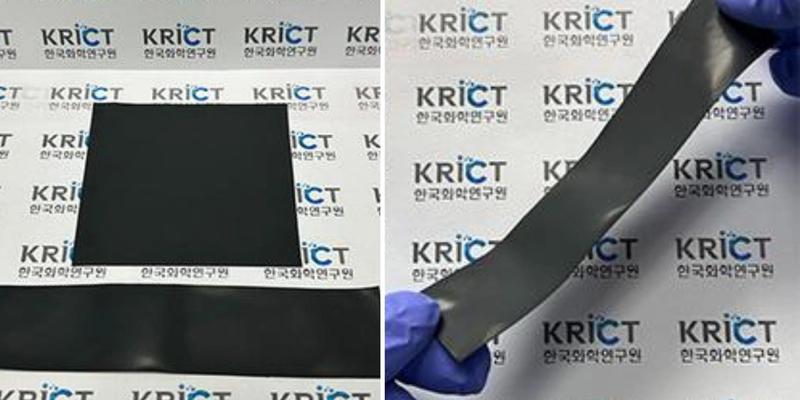
Researchers at KRICT used porous graphitic carbon nitride to guide lithium ions in thick, solvent-free cathodes, enhancing battery performance.
Researchers at the Indian Institute of Science developed a recyclable carbon fiber composite with a 53% increase in flexural strength and 96% strength retention after recycling.
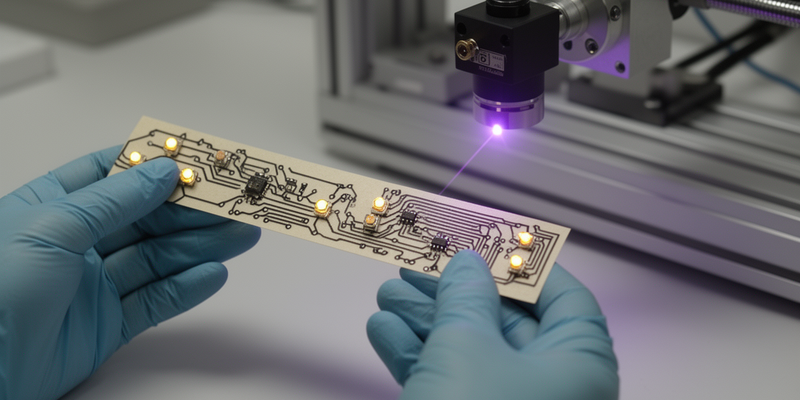
Researchers at the National University of Singapore have developed a method to create laser-induced graphene circuits on kraft paper using a 355-nanometer ultraviolet laser, enabling flexible, biodegradable electronics.
Researchers developed a supercapattery electrode using a carbon nanotube bridge, achieving record energy storage.
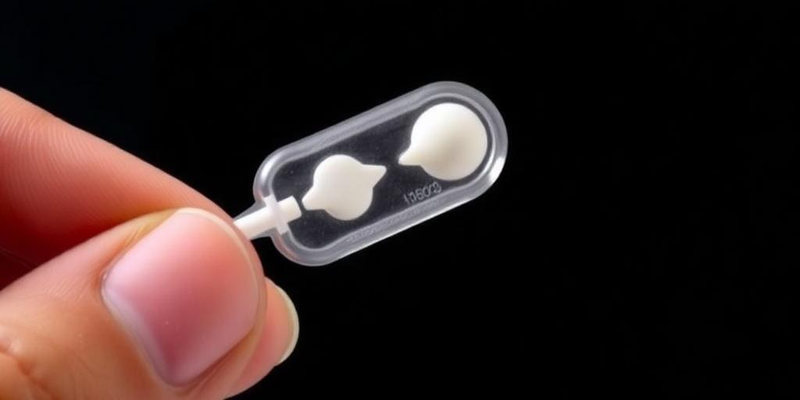
Researchers have developed Lollylab, a lollipop-shaped device that measures acetaminophen levels in saliva in under two minutes using a graphene sensor, offering a noninvasive testing method.
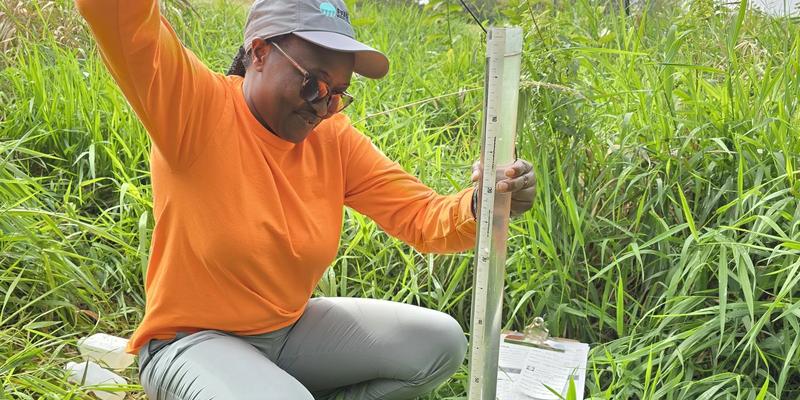
Researchers explore how biochar can enhance stormwater management practices by improving infiltration and retention, leading to better water quality solutions.
Researchers tested concrete mixtures containing 0.12 to 0.48 percent carbon fiber for compressive strength and volume resistivity.

Researchers developed a cost-effective method to integrate graphene oxide into contact lenses, enhancing smart vision capabilities while remaining compatible with current manufacturing processes.

Researchers at Khalifa University have developed hybrid membranes using gallic acid-functionalized MXene, achieving over 95% rejection of dyes and pharmaceuticals in wastewater treatment tests.
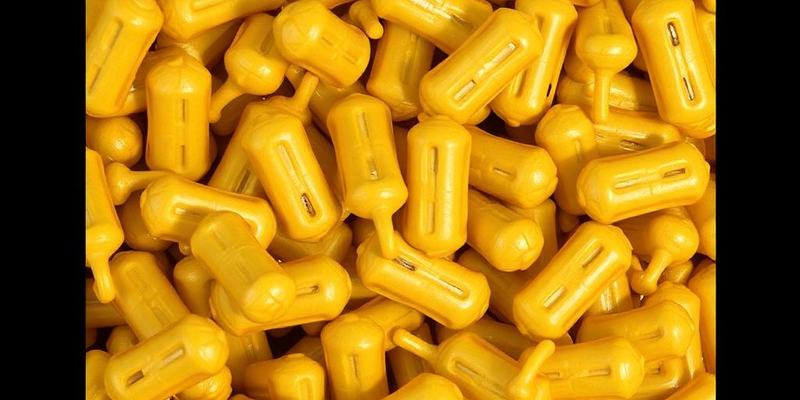
Chinese researchers found that incorporating polyimide pulp and graphitized carbon nanotubes into PTFE reduces friction by nearly 70%.
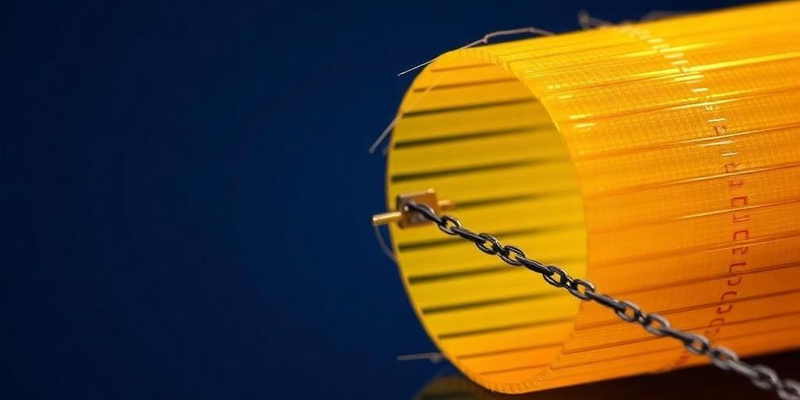
Researchers in Brazil have developed a disposable electrochemical sensor using recycled PET, bamboo biochar, and copper nanoparticles to detect the toxic herbicide paraquat.
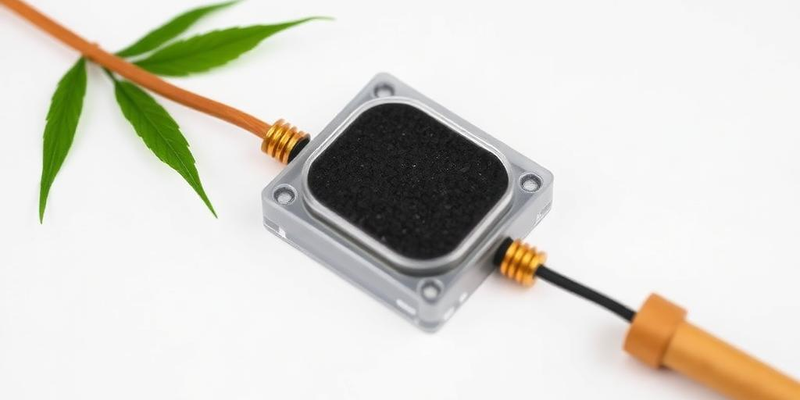
Sitos Treehouse Plant has released its first batch of almond shell biochar, produced using slow pyrolysis.
Researchers found that adding 10% biochar to sand significantly slowed the passage of microbes, suggesting a potential application in water purification.
Researchers used flash joule heating to modify bamboo-based biochar, creating a composite material that blocks electromagnetic radiation.
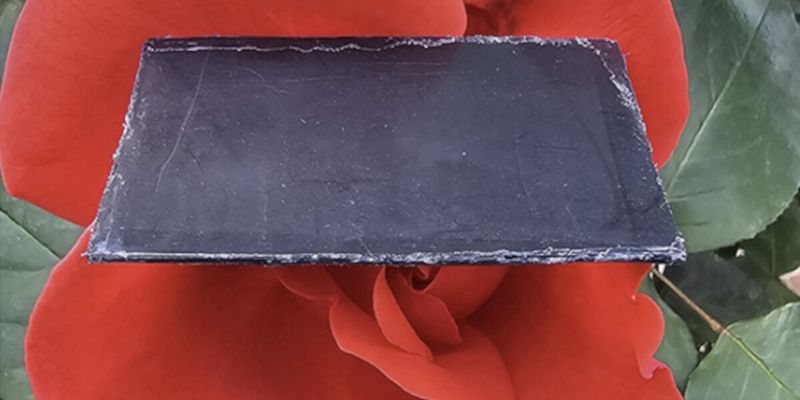
Researchers led by Weizhuo Zhang found that alkali-modified biochar in construction waste aggregates boosts carbon dioxide uptake and increases compressive strength by up to 851% through enhanced carbonation.
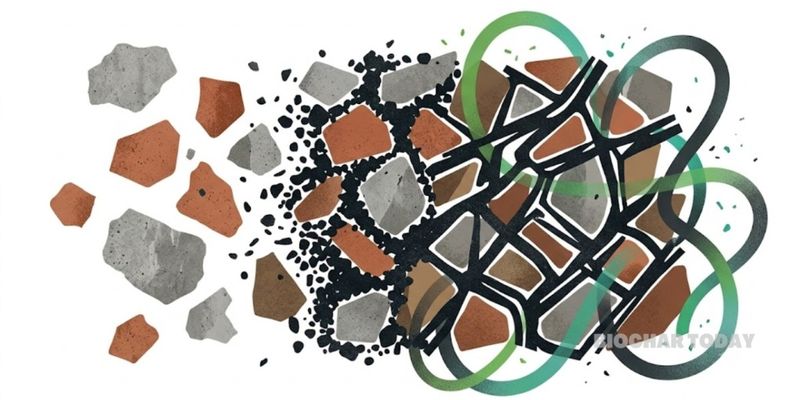
Researchers in China developed a supercapacitor using a CoS2/Nd2O3 composite and sulfur-treated carbon nanotubes for train applications.

Researchers tripled the power of flexible thermogalvanic cells by adding a carbon nanotube photothermal heating layer.

Researchers at the University of Illinois Urbana-Champaign used coal-derived carbon nanodots to integrate high-quality dielectric layers on 2D semiconductors, achieving a leakage current density below 0.1 mA/cm².
Environmental Clean Technologies has successfully synthesized MXene in Texas, achieving yields of 31% in their initial production runs.

Researchers explore using carbon fiber composites to improve power distribution systems. The material's minimal thermal expansion, compared to steel, offers potential advantages in maintaining structural integrity.
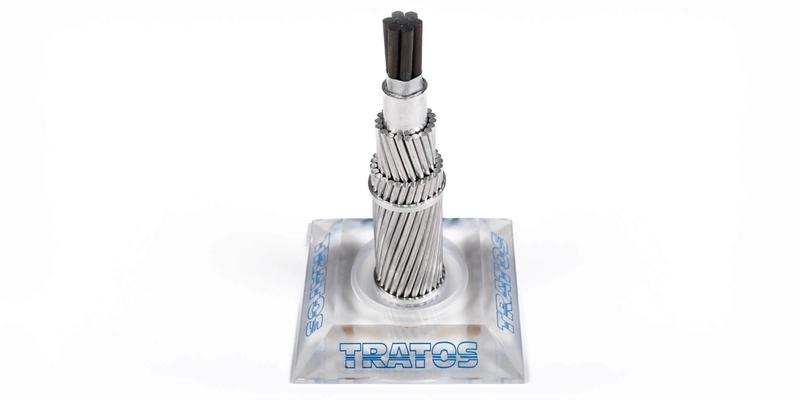
Park City is piloting biochar production in Thaynes Canyon to reduce wildfire risks and improve soil health. The project covers 200 acres and aims to enhance water retention.
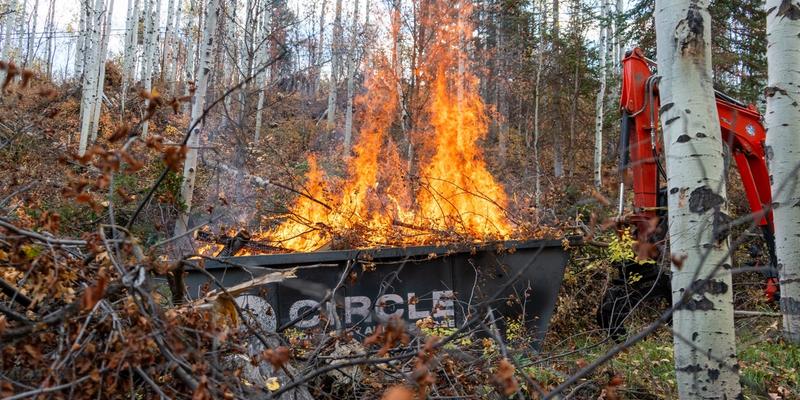
A new biochar manufacturing plant is being established in India, utilizing abundant local resources like coconut shells and agricultural residues.
Researchers from Peking University, Tsinghua University, and the University of Hong Kong developed graphene reservoirs to precisely control ice thickness in cryo-electron microscopy, achieving uniform depths as thin as 15 nanometers.
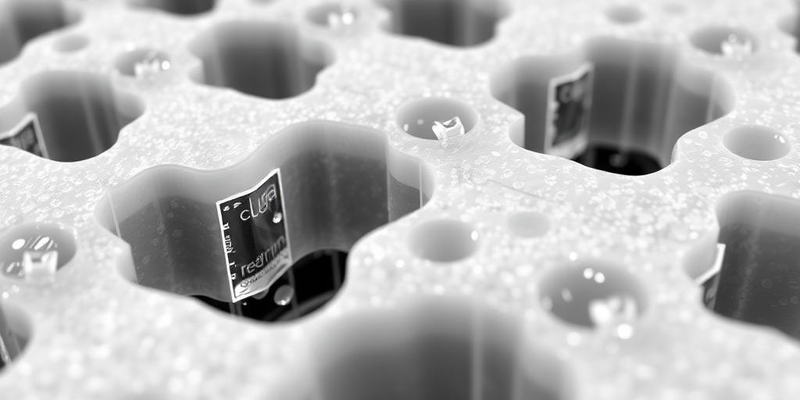
Researchers achieved thermal welding of PBAT and graphene oxide, reducing it to form porous composites with reduced graphene oxide.
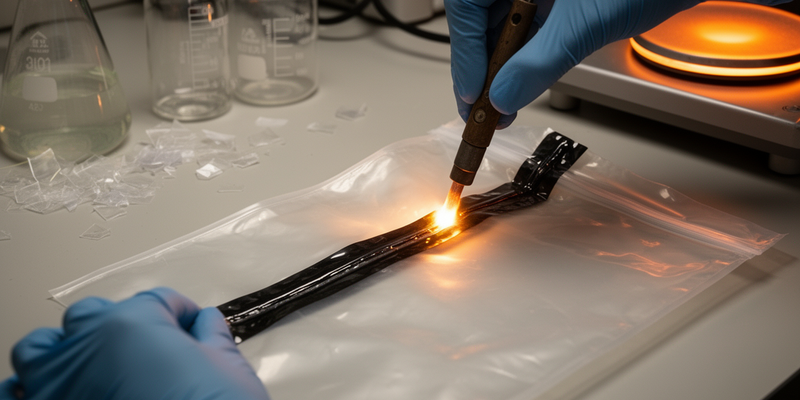
Researchers at the North University of China have optimized nitrogen-doped carbon nanotubes for lithium-ion battery anodes by pyrolyzing ZIF-67 at 700 degrees Celsius, enhancing fast-charging capabilities.
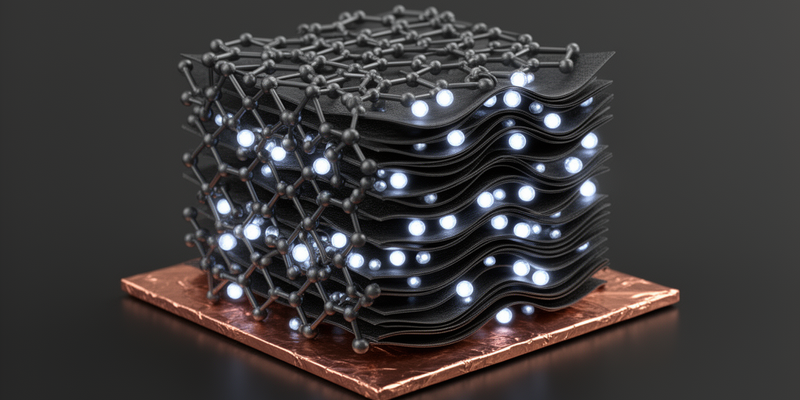
Researchers in the EU-funded MINIGRAPH project developed a magnetic robot to implant graphene electrodes in the brain along curved paths.
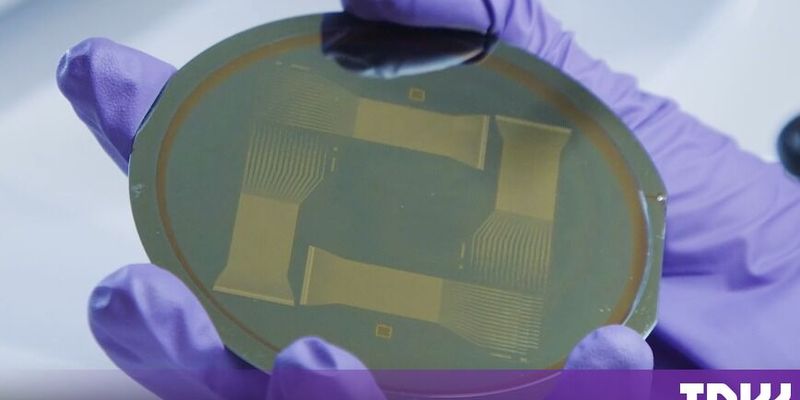
Researchers developed a PVA-gelatin hydrogel with CNTs@ZIF-67 nanoparticles, achieving over 33 dB electromagnetic shielding in the X-band while remaining flexible and adhesive for wearable applications.
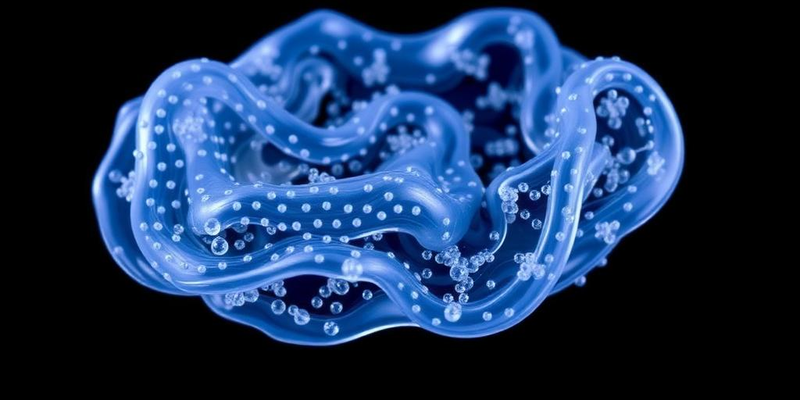
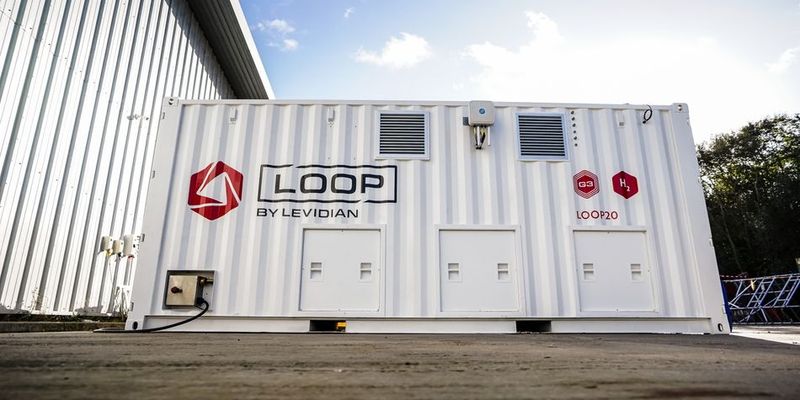
Dana Gas and Levidian have launched graphene production at Sharjah Graphene Park, with an annual capacity exceeding one tonne. The project began just four months after their initial agreement.
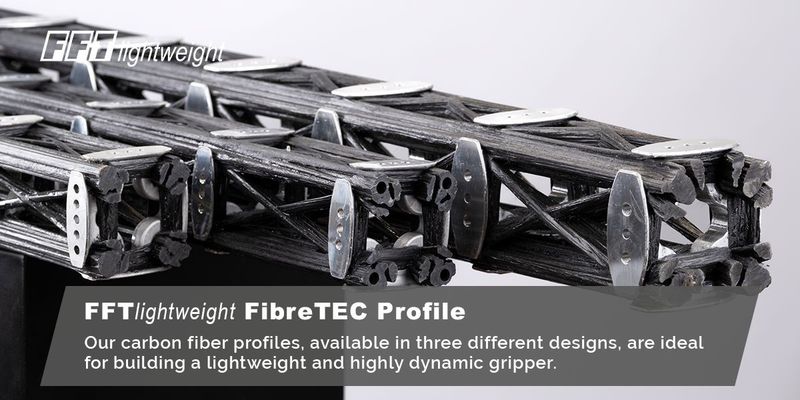
FFT Produktionssysteme's FibreTEC system reduces gripper weight by 41% compared to aluminum, enabling higher load capacity without larger robots.
Researchers developed a multi-walled carbon nanotube and cobalt oxide nanocomposite to detect glucose in sweat.

Researchers developed a nitrogen-enhanced graphene wrapper for platinum in fuel cells, increasing its lifespan.
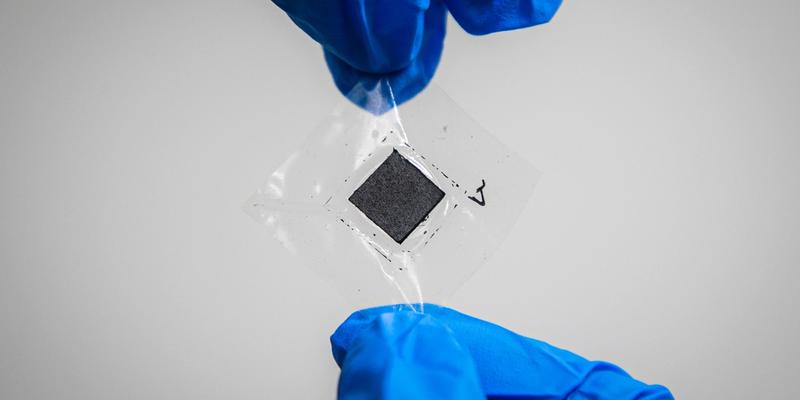
Researchers found that fully dense 3D-printed carbon fiber reinforced PA12 provides optimal strength and thermal performance for space applications.
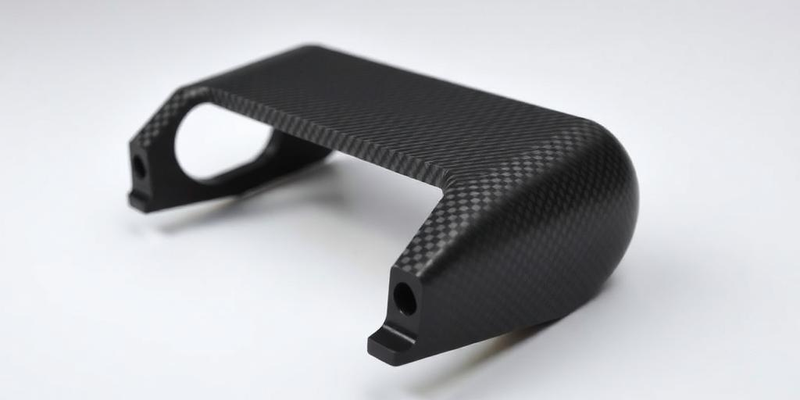
Researchers at Henan University used CatBoost machine learning models to predict cadmium adsorption on biochar with over 94% accuracy.
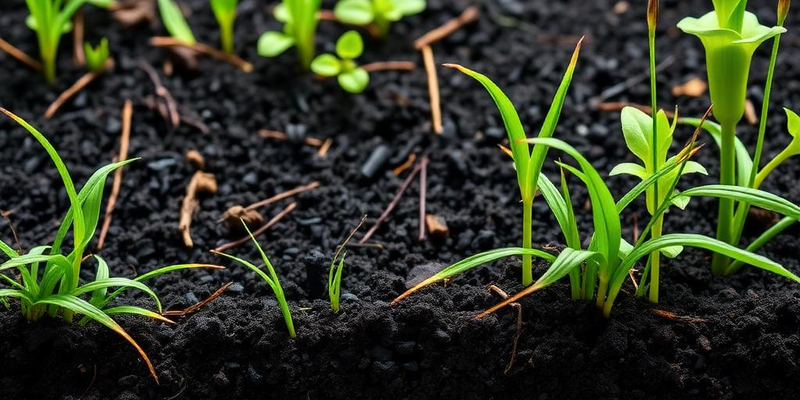
POSCO Future M has signed a $4.5 billion long-term supply deal with Samsung SDI for lithium iron phosphate cathode materials, doubling their previous agreement's volume.
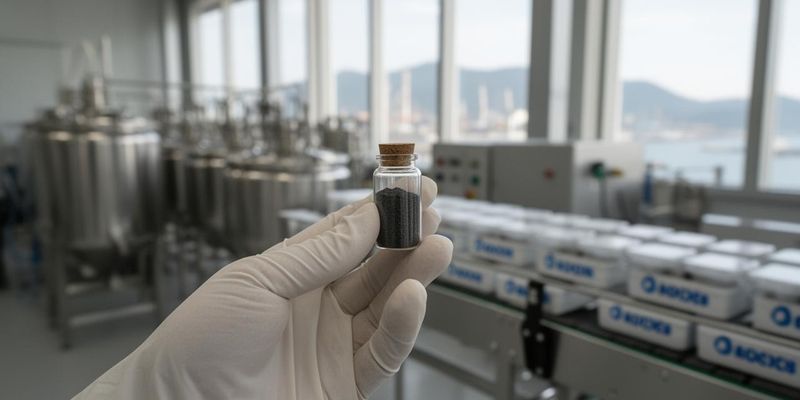
Researchers developed defect-engineered biochar that achieves over 99% radical selectivity, enhancing its effectiveness for water decontamination.
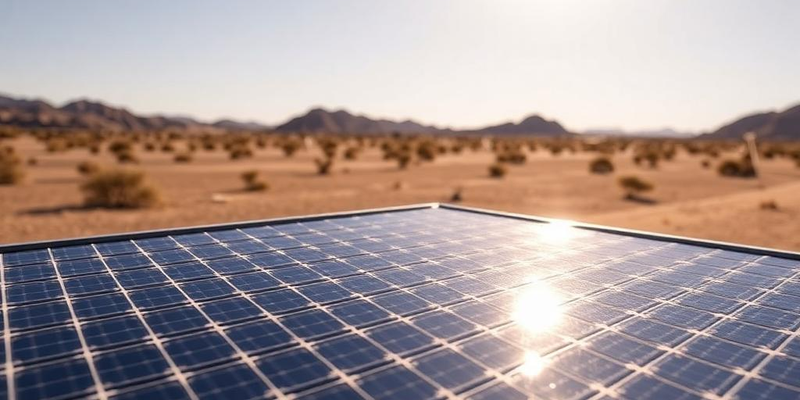
Researchers developed a graphene-enhanced MOF-303 composite that captures water from desert air using sunlight, achieving water collection of 0.254 grams per gram of material in 30 minutes.
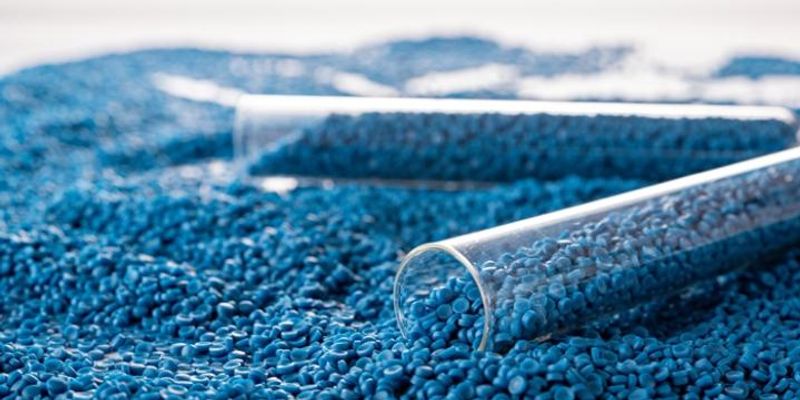
Polish researchers developed a recycled plastic composite with carbon nanoplatelets that conducts heat over four times better than the original material. This innovation enhances potential applications in electronics.
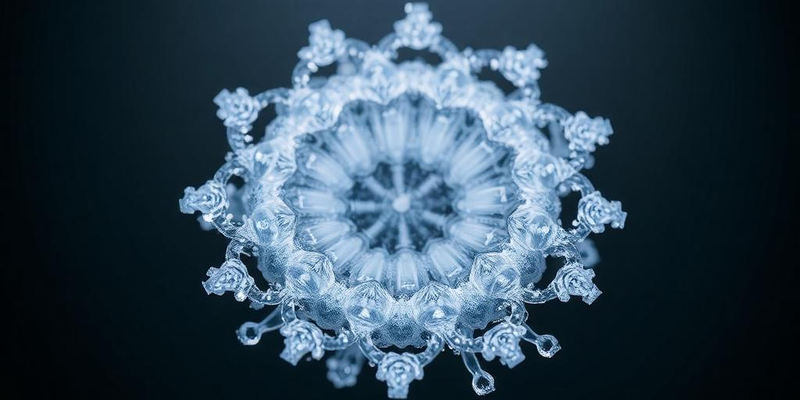
Researchers developed a carbon nanotube anode achieving approximately 45 Wh/kg with strong cycling stability.
Researchers have developed spinel CuAl2O4 nanoparticles on graphitic carbon nitride using a low-cost hydrothermal method, achieving a performance of 235 for water splitting.

Researchers created a nanocomposite combining graphitic carbon nitride, iron oxide, graphene oxide, and zinc oxide to convert sunlight and air into benzaldehyde at room temperature.

Researchers in South Korea developed a carbon nanotube nanocage that increased the glass transition temperature of a composite by 119%, from 160°C.
Researchers at Northeast Normal University developed a nano-magnesium oxide modified pyro-hydrochar from Rhus typhina biomass, achieving a fluoride adsorption capacity of 469.64 mg/g, outperforming other magnesium oxide adsorbents.
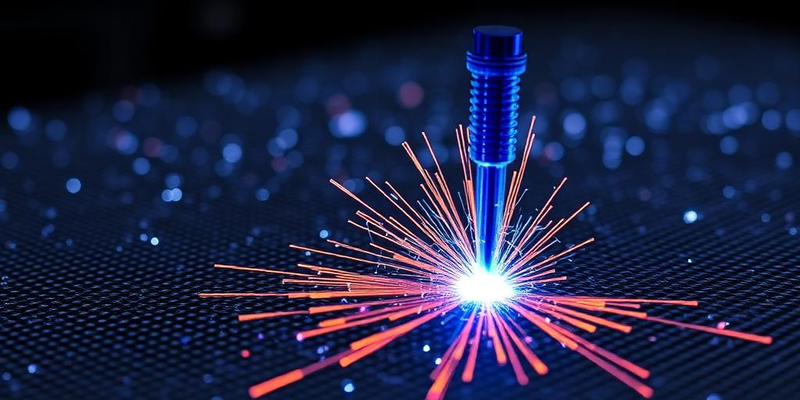
Researchers created a carbon nanotube and magnetite aerogel that nearly doubles heating efficiency in induction welding of carbon fiber composites.
Researchers in China developed a boron-doped graphitic carbon nitride homojunction that degrades 98.6% of antibiotics in water using persulfate and visible light.
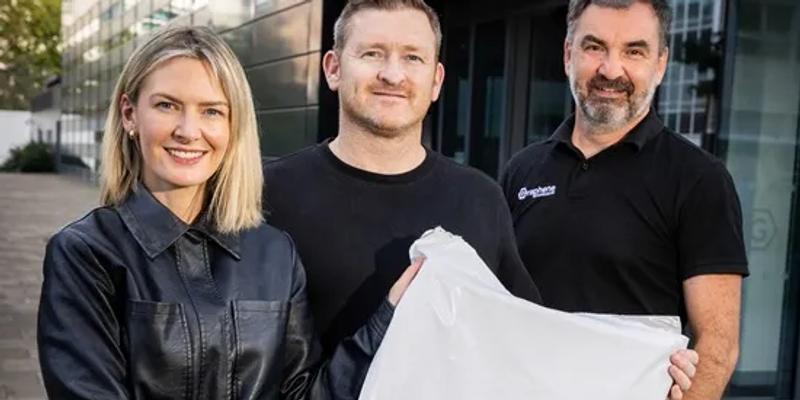
Duo Packaging has developed a new graphene-enhanced flexible packaging film in Manchester.
India's domestic battery industry faces challenges due to a lack of local synthetic graphite and anode material production.
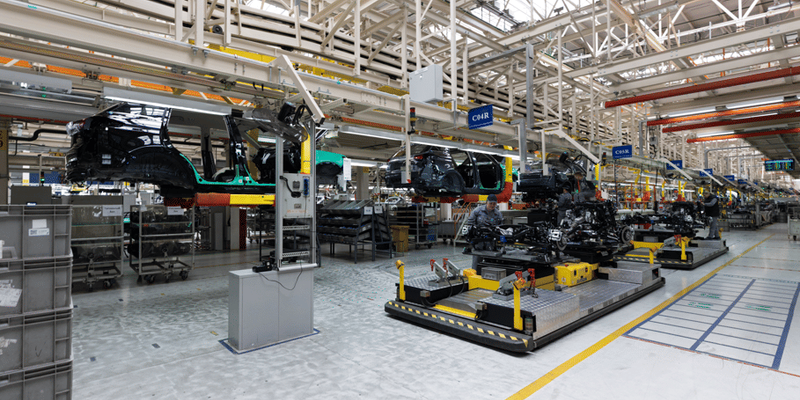
NorSAF and Nova Pangaea Technologies are collaborating to create a supply chain converting waste biomass into sustainable aviation fuel, with biochar as a carbon-negative byproduct.

Researchers at Khalifa University reviewed how graphene enhances high-density polyethylene (HDPE). They examined compounding techniques and found that graphene improves HDPE's thermal, electrical, and barrier properties when well-dispersed.
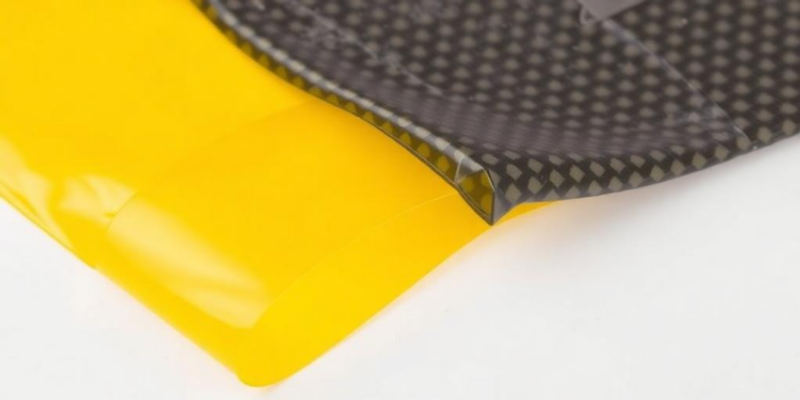
Researchers have developed MXene-wrapped phase change materials using Ti3C2Tx MXene and gelatin aerogels to enhance thermal energy storage capabilities.
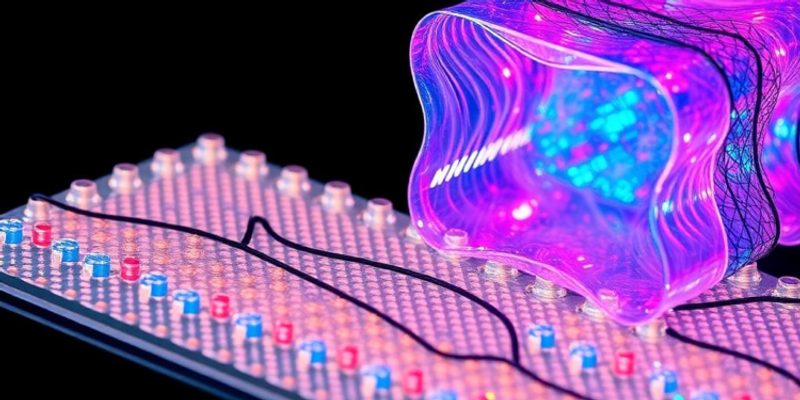
Researchers developed a self-healing MXene-polyurethane sensor that, with deep learning, can identify handwritten digits.

Researchers developed nitrogen-modified biochar by mixing corn stover biochar with urea in a 1:2 mass ratio and conducting a second pyrolysis.
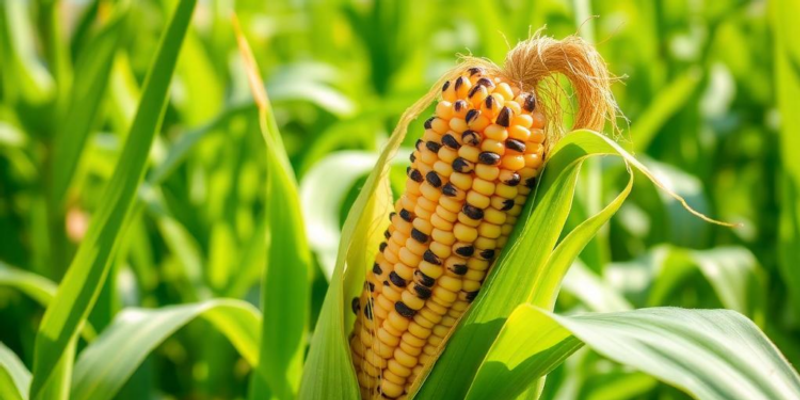
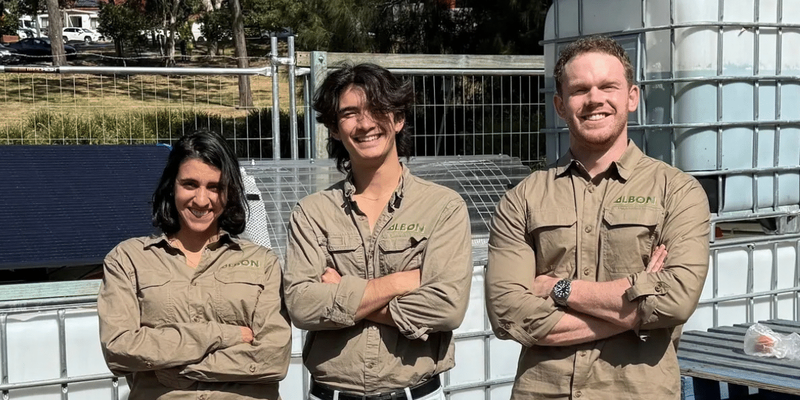
ALBON has developed a modular system that uses algae to treat wastewater, converting captured waste into biochar.
Engineers found that adding 12.5% coconut shell biochar to asphalt can enhance its strength, offering a sustainable alternative for road construction.

Verde Resources is commercializing its engineered biochar technology via partnerships, including one with Ergon Asphalt & Emulsions.
Duo Packaging and the University of Manchester's GEIC have developed a graphene-enhanced polyethylene film, 2DPE, increasing recycled content to 60% and reducing film thickness to 28 microns.

Researchers found that using a kitchen blender is more environmentally friendly and effective than traditional ball milling for processing multi-walled carbon nanotubes.

Researchers in Qatar discovered that non-activated biochar from banana peels increased biocrude yield from sewage sludge to 37.88%, thanks to its high potassium content.
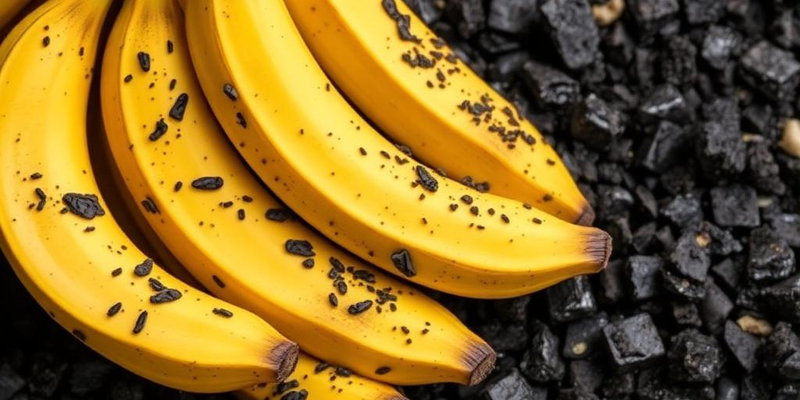
Obayashi used biochar-derived material in precast concrete curtain wall panels for the first time.
Researchers developed a floating polymer sponge with graphene quantum dots that converts sunlight into hydrogen at 7.16 millimoles per gram.
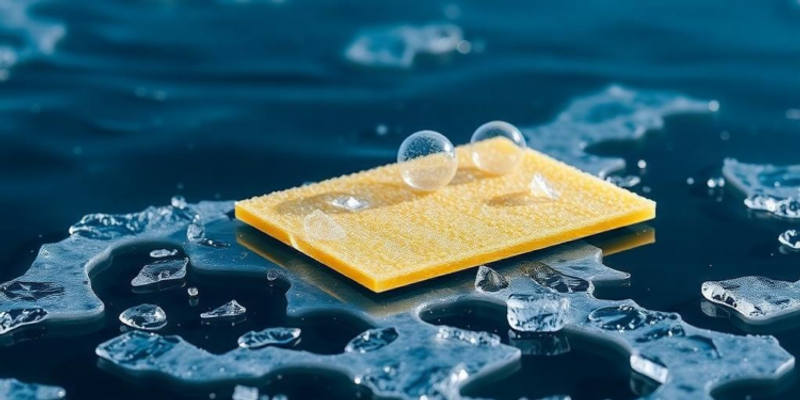
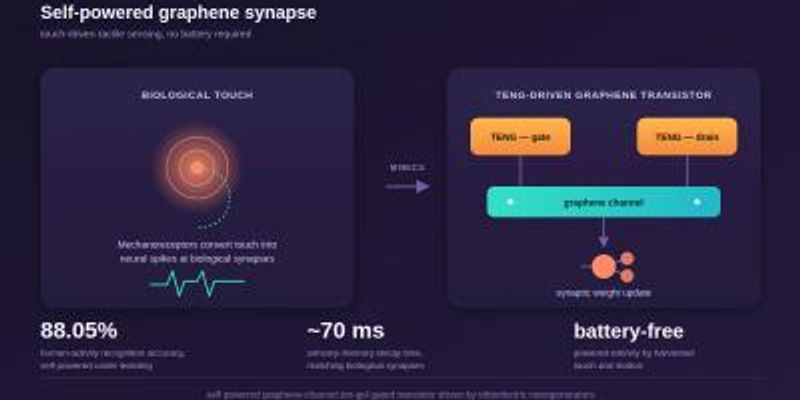
Researchers developed a flexible graphene neural interface that mimics synapses, integrating transistors and rGO electrodes for wearable sensing applications.
Researchers have developed carbon dots from papaya leaves that can purify water and combat cancer cells without needing external dopants.

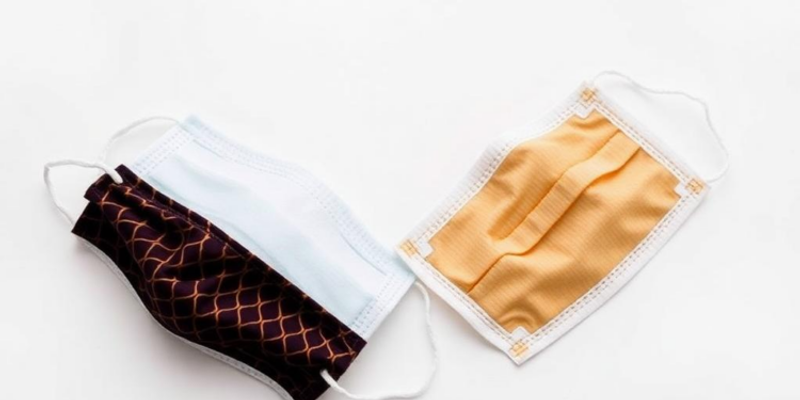
Researchers have transformed discarded masks into high-performance nanocomposites using carbon nanotubes and graphene nanoplatelets.
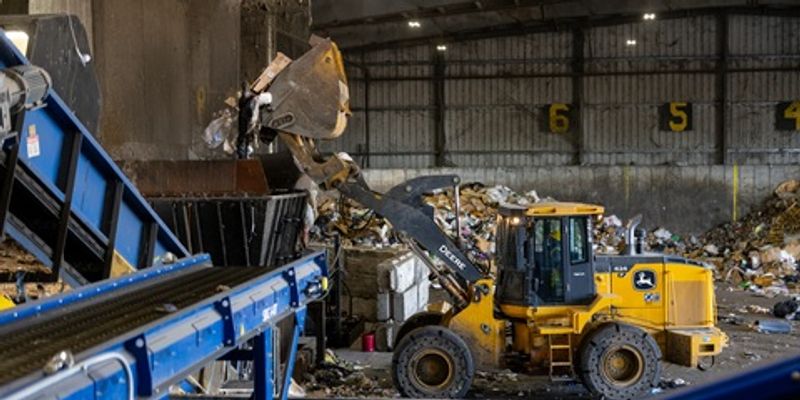
AMP has secured $70 million in financing led by Galvanize to expand its AI-powered waste processing in Portsmouth, Virginia. The facility will process over 500,000 tons of waste annually.
Researchers have enhanced composite bipolar plates for fuel cells using carbon nanotubes, surpassing stringent international performance standards.
Cotierra raised $3 million to expand its decentralized biochar systems for tropical agriculture. The funding, led by Carbon Removal Partners and PINC, will support commercial scaling.
Researchers demonstrated that platinum-copper and platinum-iron catalysts on MXene enhance fuel-cell efficiency and longevity.
Researchers developed an AI model to determine the ideal amount of graphene oxide needed to remove toxic metals from farmland.
A Korean research team improved the bonding strength of carbon fiber composites by 30.8% using a nanocomposite aerogel in an induction joining process.

A South Korean research team created a dry cathode method incorporating porous graphitic carbon nitride to improve lithium-ion EV batteries.
Researchers tested concrete mixes with bamboo biochar replacing cement at up to 1.5% and zeolite replacing fine aggregate at up to 50%.

A South Korean carbon fiber recycling start-up, Catack-H, has signed a memorandum of understanding with Lineat to develop sustainable carbon fiber composites.

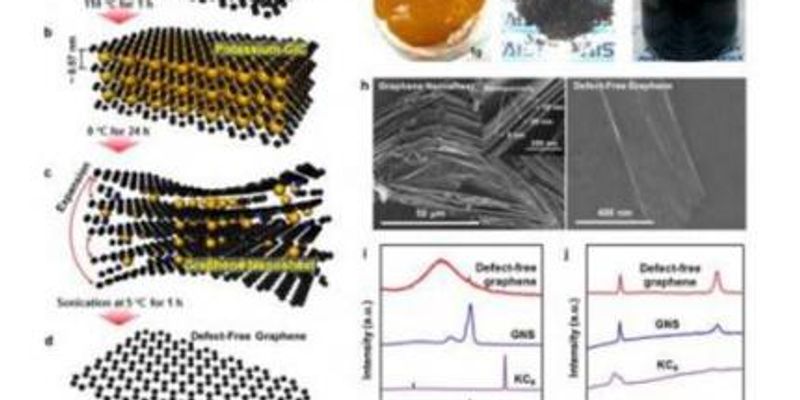
Researchers at KAIST have developed a method to produce defect-free graphene, potentially enhancing the performance of lithium-ion batteries.
Graphite One is advancing its strategy to supply natural and artificial graphite anode materials for lithium-ion batteries in electric vehicles and energy storage systems.

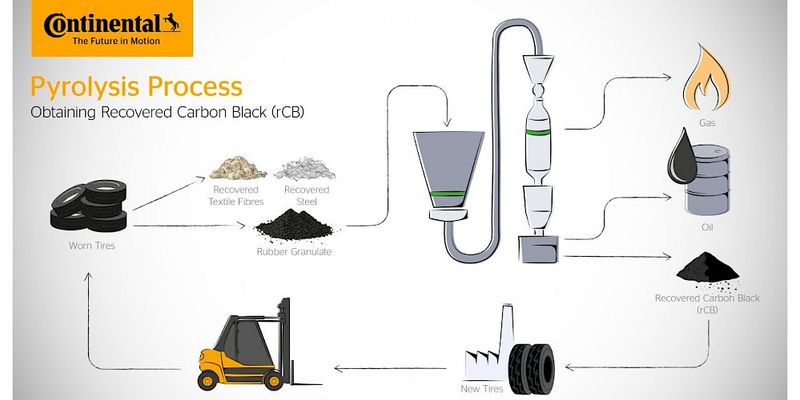
Continental is incorporating recovered carbon black from end-of-life tire pyrolysis into its tire production.
Researchers have developed a bilayer transparent conductive film combining single-walled carbon nanotubes with magnesium fluoride, achieving 96.36% efficiency in electrostatic dust removal.
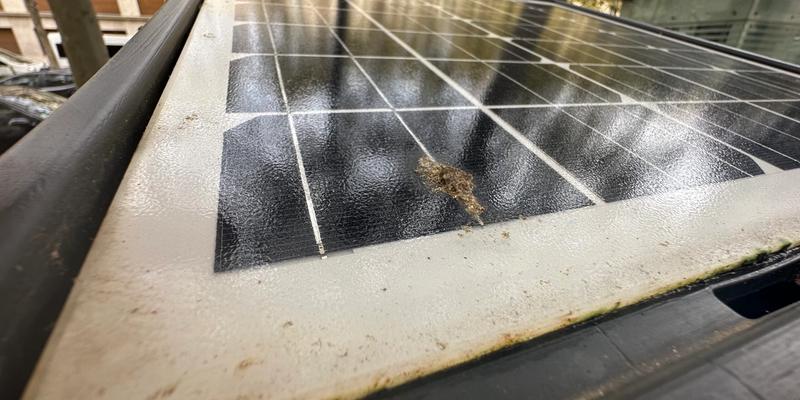
Paragraf is now producing molybdenum disulphide (MoS₂), a 2D semiconductor, alongside its existing graphene technologies to help reduce power consumption in data centres and AI chips.
Researchers evaluated biochar as a sustainable substitute for coal and coke in steelmaking, focusing on its metallurgical, technical, and environmental impacts from input to steel production.
The University of Florida has chosen Myno Carbon to convert sargassum seaweed into biochar, aiming to address coastal environmental issues.
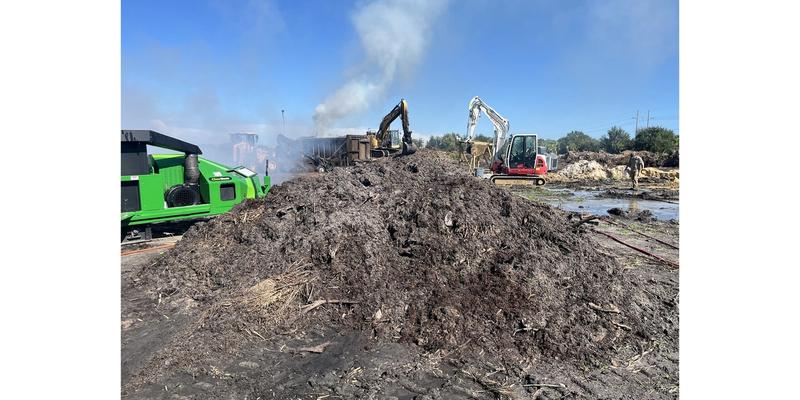
Turquoise Group reports laboratory results in which low additions of its synthetic graphene improved hardness, weathering resistance and corrosion performance in epoxy coatings. The tests included two-component epoxy and zinc-rich epoxy primer systems.

Haffner Energy received a €3.2 million contract to develop Quebec's inaugural Multi-Energy Hub, facilitating biochar and renewable fuel production.

Researchers found that concrete with 5 to 10 percent of its cement replaced by sewage-derived biochar strengthens over time.
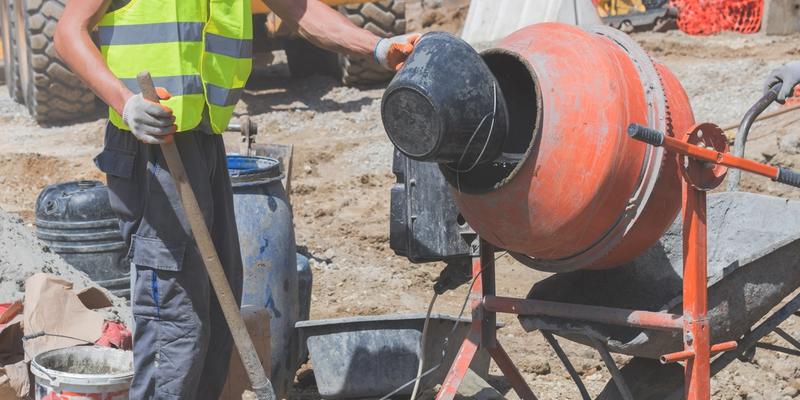
Researchers at Aston University are collaborating with Jesmonite to explore biochar as a sustainable alternative to cement.

Suzlon and Exel Composites have partnered for a multi-year agreement to manufacture carbon fibre composites for wind power applications.
Researchers have developed a method using carbon dots on graphene to produce hydrogen peroxide without metals, offering a cost-effective and sustainable alternative.
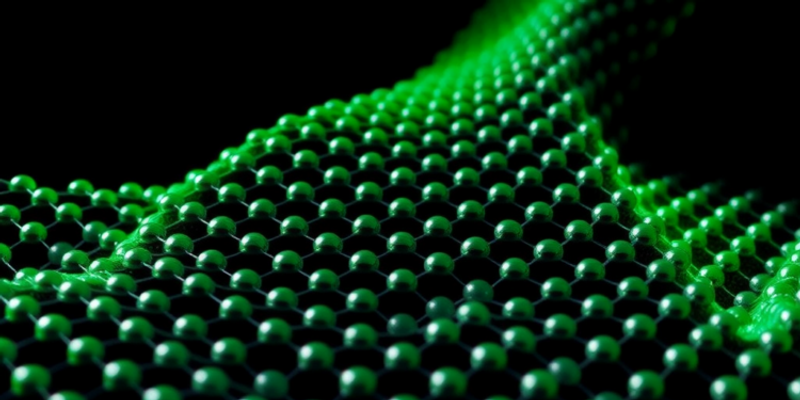
Researchers have demonstrated that few-layer graphene recovered from used sensors can be reprinted up to five times without losing performance.
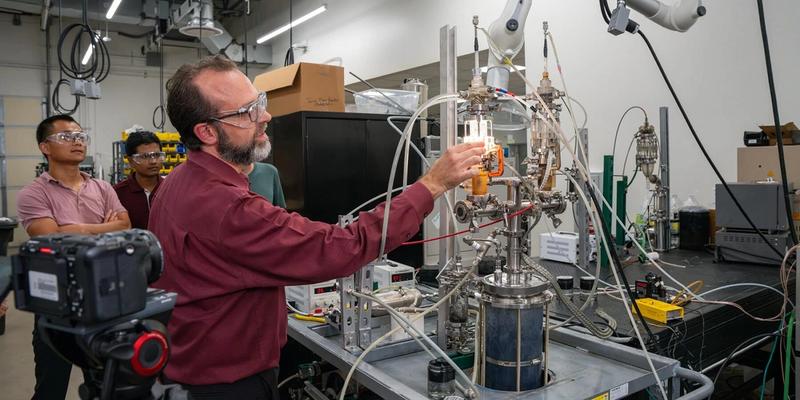
Researchers in Texas discovered their plasma reactor, initially aimed at hydrogen production, also creates graphene oxide from methane. This unexpected find offers a potentially cheaper production method.
Washington University in St. Louis researchers developed a lignin-based carbon fiber that meets automotive standards, reducing production costs by 25% and using half the petroleum-derived precursor.
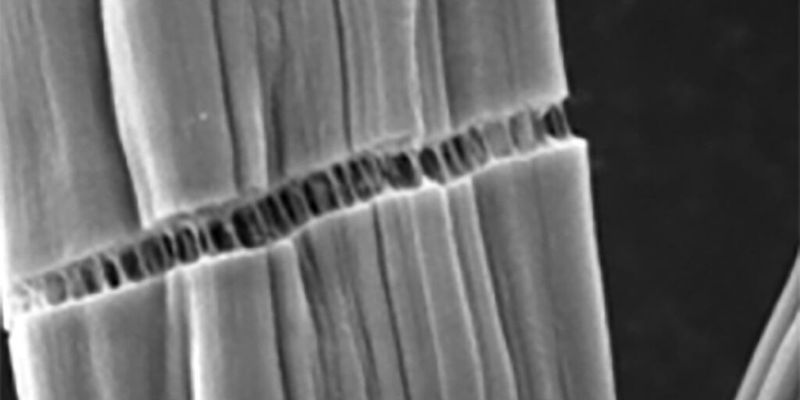
OCSiAl nanotubes are playing a critical role in a new project supported by the European Union through Horizon Europe that aims to develop aviation-grade battery cells capable of exceeding 400 Wh/kg— an energy density widely considered essential for commercially viable electric regional aircraft.

Researchers found that tiny particles from activated carbon and biochar can bypass water filters, carrying contaminants like lead. This challenges current water-treatment assessments.
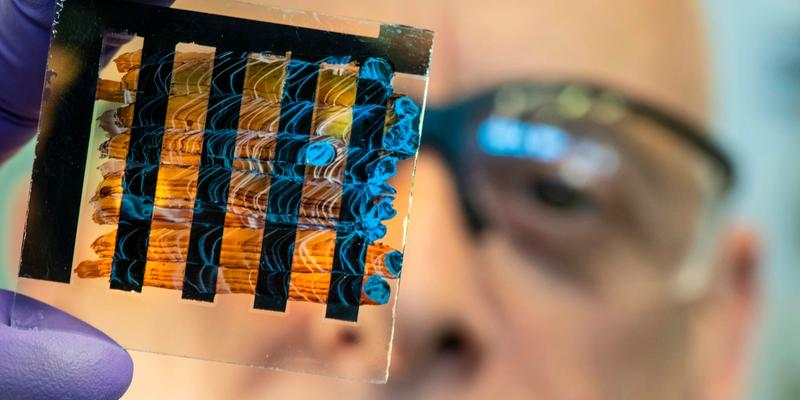
Researchers have published two studies cataloging nearly 9,000 two-dimensional materials, identifying over 1,600 candidates for twisting to create new quantum simulators.

Researchers highlight biochar's potential for carbon sequestration by converting biomass into stable carbon storage. Biochar can be produced globally and offers additional agricultural benefits when added to soil.

Researchers developed a carbon nanotube foam with mechanical memory, retaining its shape after compression. This property could lead to advanced impact-resistant materials and mechanical computing applications.
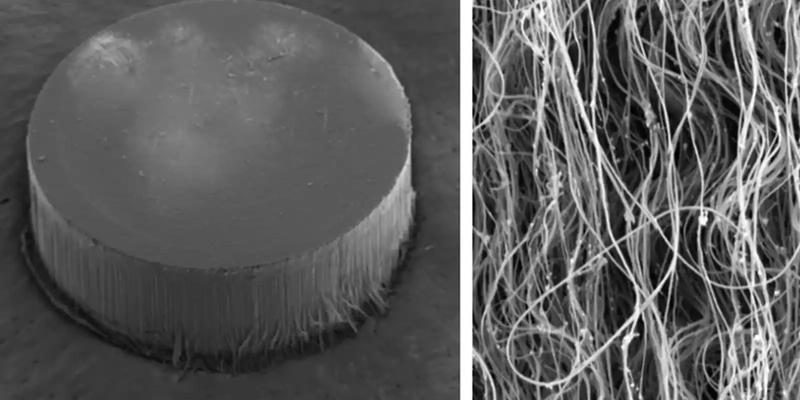
Researchers developed epoxy nanocomposite coatings using carbon nanotubes and nanoclay, enhancing fire safety and self-sensing capabilities.
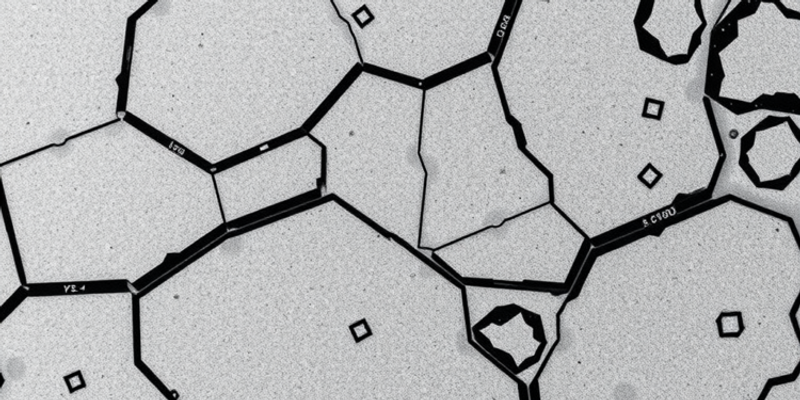
Tokai Carbon plans to launch a pilot plant for producing 'eco Carbon Black' by the end of 2027, in collaboration with Bridgestone and Japanese universities.
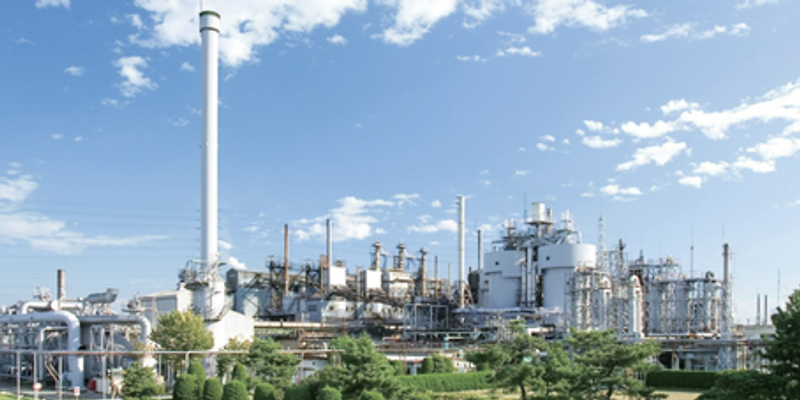
HydroGraph UK and CEAMS have developed graphene-enhanced nylon compounds for hydrogen tank liners, aiming to improve durability and reduce costs by addressing failure modes in Type IV tanks.
Researchers have developed a biomimetic nanoparticle platform using graphitic carbon nitride to control light for potential therapeutic applications.
Researchers have developed miniaturized biosensor platforms capable of detecting neurodegenerative disease biomarkers, such as amyloid-beta and tau proteins, at extremely low concentrations, potentially enabling earlier diagnosis.

Exomad Green and Carbonfuture will supply 1.1 million tonnes of biochar carbon removal by 2035, tackling Bolivia's supply issues with certified pyrolysis and comprehensive digital tracking.
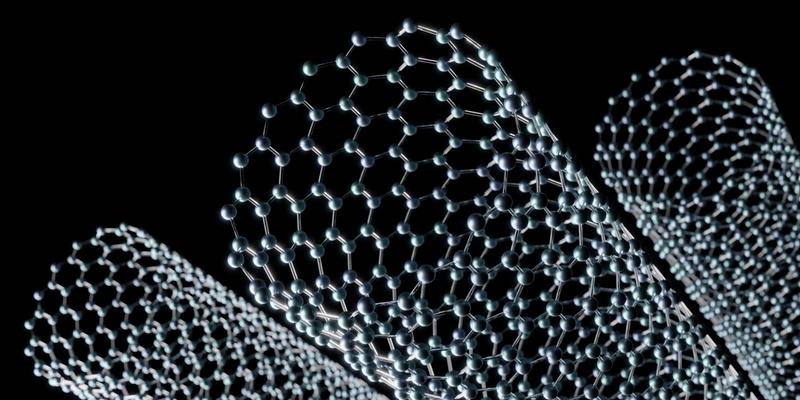
Researchers have developed a method to synthesize nanographenes with up to eight helicenes, each with controlled handedness. This allows for precise tuning of optical and electronic properties.
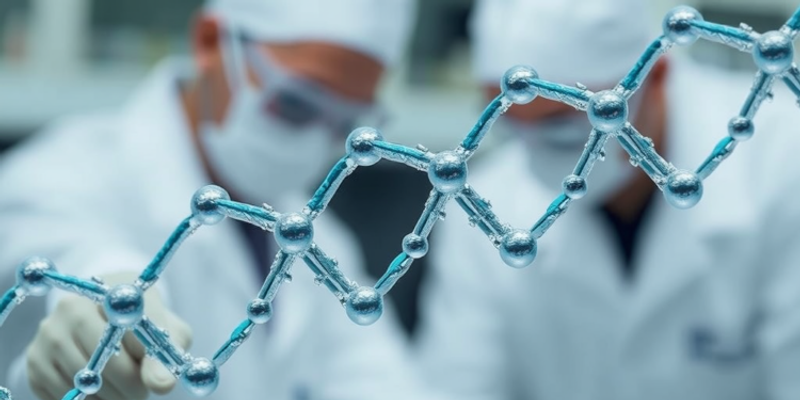
ARIA is funding the development of perovskite-carbon fiber-reinforced polymer solar cells for use in stratospheric aircraft.

BIG has obtained $1.5 million in pre-seed funding to expand biochar carbon removal initiatives throughout Africa.
South Korean researchers developed a 17.5-micrometer-thick film that blocks 99.9999999% of radar waves by combining carbon nanotube fibers with MXene nanosheets, enhancing stealth technology.
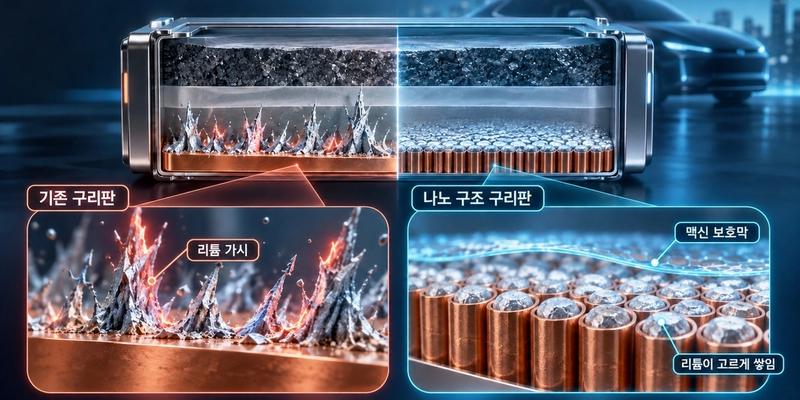
South Korean researchers have created a copper current collector that evenly spreads lithium, preventing dendrite formation and enhancing the durability of anode-free lithium-metal batteries.
Montauk Renewables has opened a $200 million facility in Sampson County, North Carolina, turning swine waste into renewable energy and biochar.

Researchers discovered that using polar solvents in the modification of single-walled carbon nanotubes enhances their optical properties, enabling the detection of cholesterol.
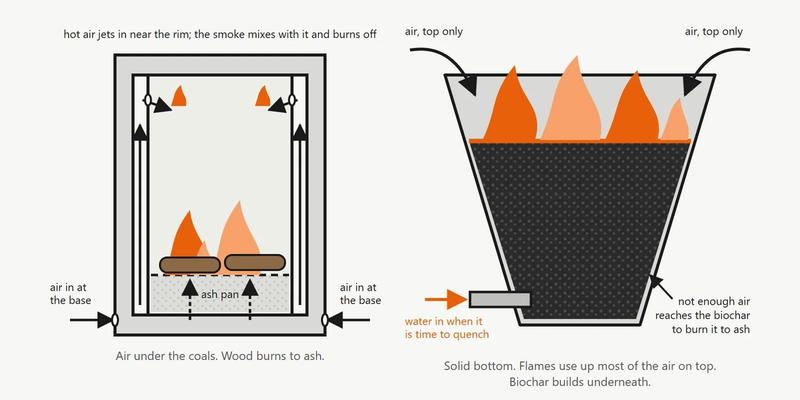
Smokeless fire pits efficiently burn wood by heating air between double walls for a cleaner burn, but they are not designed to produce biochar, which requires restricted airflow.
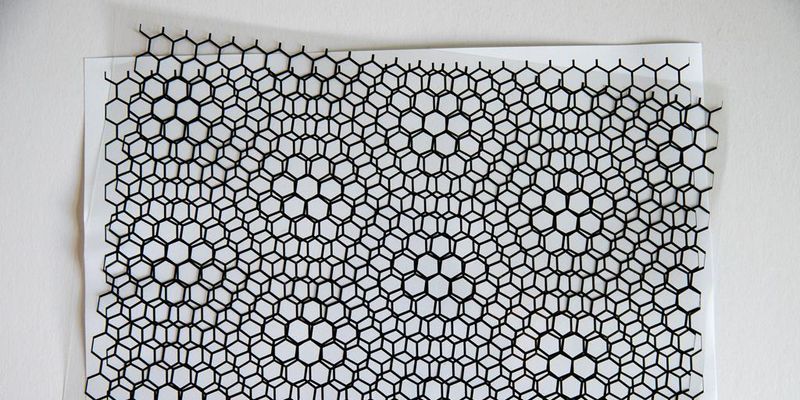
Researchers are studying exotic quantum phases in 2D nanomaterials by twisting them into moiré superlattices, with superconductivity in graphene observed at a 1.1° twist angle.
Colorfix presented commercial results for graphene-enhanced polyethylene films, including downgauging in baling, stretch, shrink and HDPE applications. The company reports resin savings and performance improvements across several packaging formats.
Korea Institute of Energy Technology developed a tube-type battery with a central cooling channel, enabling it to charge from 5% to 95% in just 9.6 minutes.
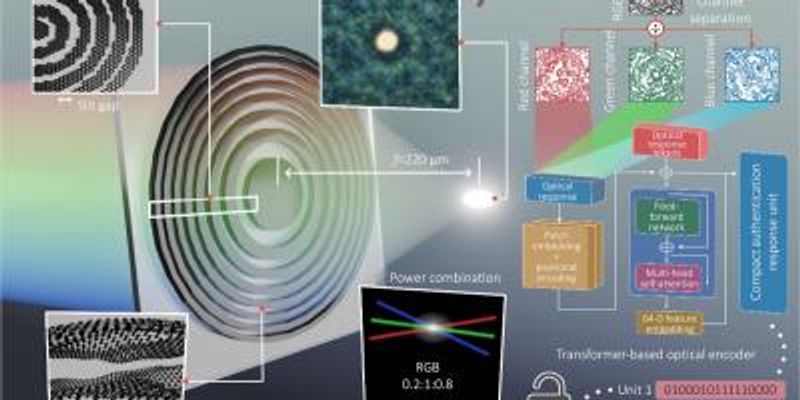
Yonsei University researchers created graphene diffractive zone plates that convert light patterns into unclonable binary security keys using a vision transformer-based model. The system shows promise for optical authentication.
Researchers led by Drexel University developed a gas-phase method to produce MXene crystals, eliminating costly and wasteful steps. This approach uses titanium tetrachloride and methane as precursors.
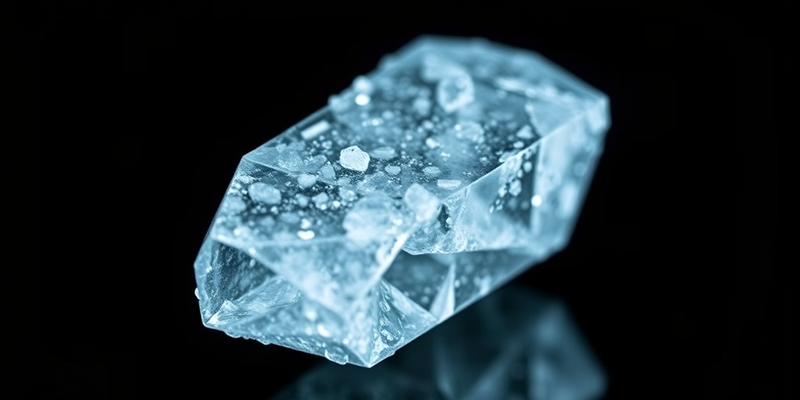
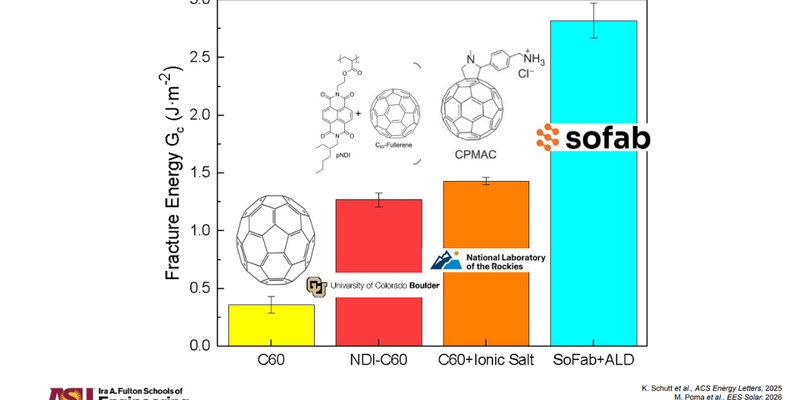
Sofab Inks' Tinfab modules maintained 87% efficiency after 504 hours in damp-heat conditions, surpassing fullerene-based modules that retained just 74.4%.
Researchers are exploring biochar-derived carbon nanomaterials to potentially reduce the cost of green hydrogen production.
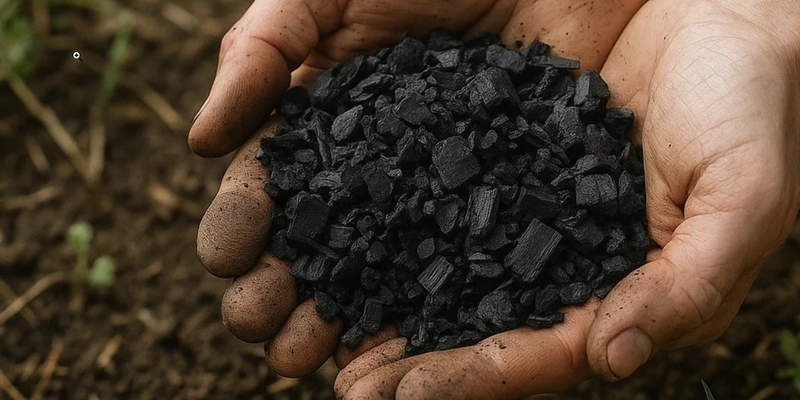
Engineers at Washington University in St. Louis have developed a renewable carbon fiber using lignin, reducing production costs by 25% and maintaining industry standards for strength.
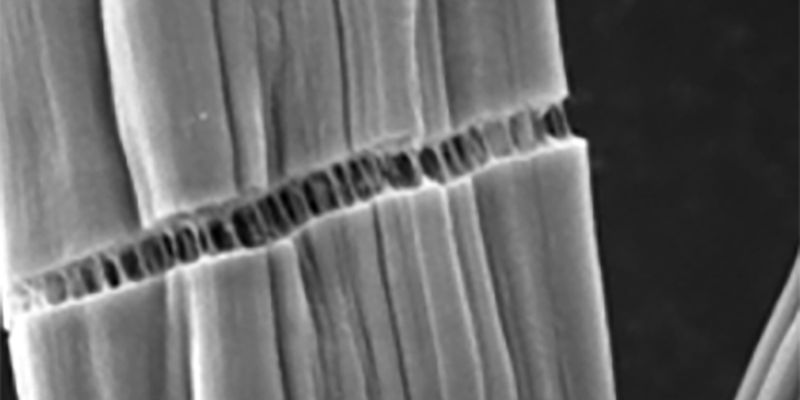
Researchers at Southeast University developed a carbon-layer-modified copper catalyst achieving over 99% selectivity for converting furfural to furfuryl alcohol at 160°C, enhancing biofuel precursor production efficiency.
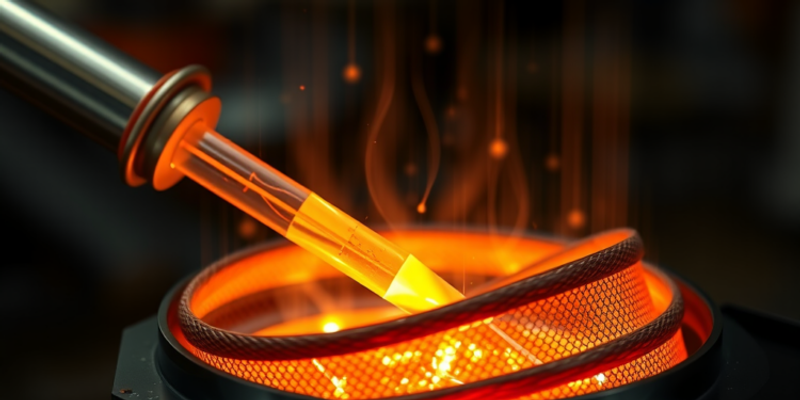
Engineers at Washington University in St. Louis developed a carbon fiber precursor using waste lignin, reducing production costs by 25% and cutting reliance on petroleum-based materials.
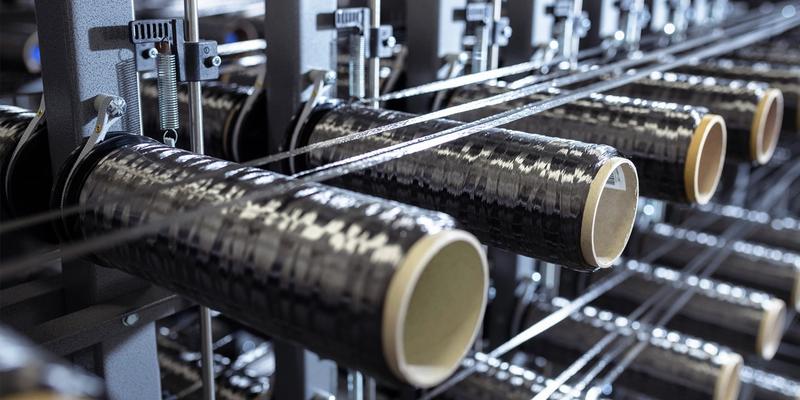
Researchers used a many-body approach and first-principles calculations to enhance superconductivity in two-dimensional materials like graphene and transition metal dichalcogenides with ionic liquids.
Bergen Carbon Solutions has secured a patent for its carbon purification technology, reinforcing its intellectual property in carbon material processing and supporting its strategy for high-quality carbon products.
Haydale's graphene-based additive boosts thermal conductivity in glycol coolants by 28%, aligning performance with water while preserving glycol's protective properties. The company is expanding market partnerships and production capacity.
Iowa State University researchers developed a method to print electronic circuits on 3D objects using aerosol-jet printing. NASA supports the commercialization with a $150,000 grant.
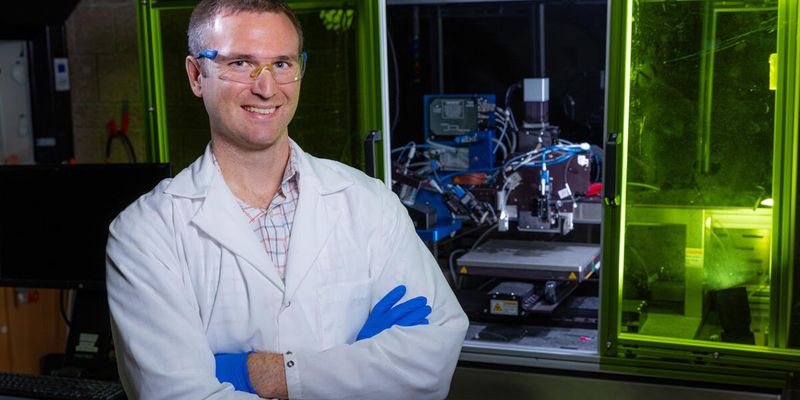
Researchers have developed a vapor-phase synthesis method to produce MXene nanomaterials, potentially reducing costs and improving scalability for electronic, environmental, and quantum technology applications.
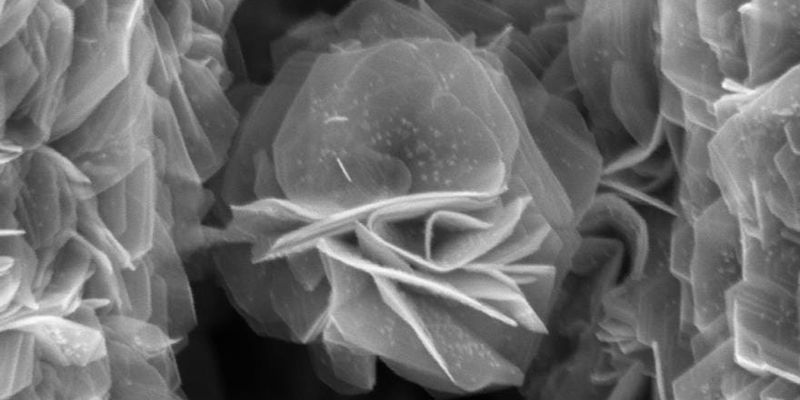
Mepco Schlenk Engineering College researchers developed a concrete mix with zeolite and bamboo biochar, increasing compressive strength by 7.48% and absorbing 1.2 grams of CO2 daily.

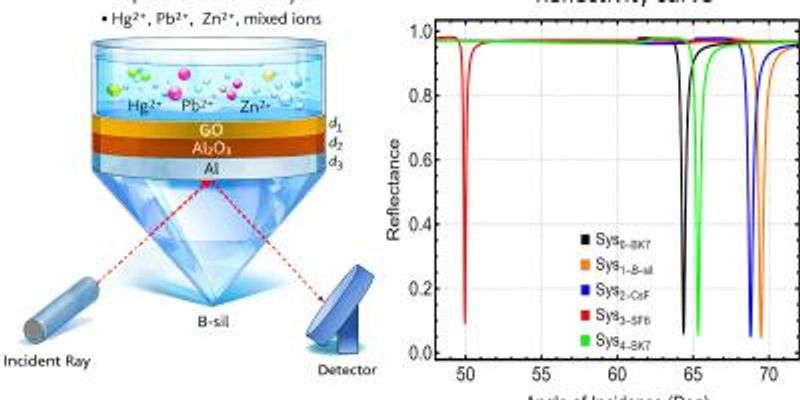
Researchers have designed a graphene oxide-based SPR sensor for detecting mercury, lead, and zinc in water. The simulated sensor achieved angular sensitivities up to 338°/RIU.
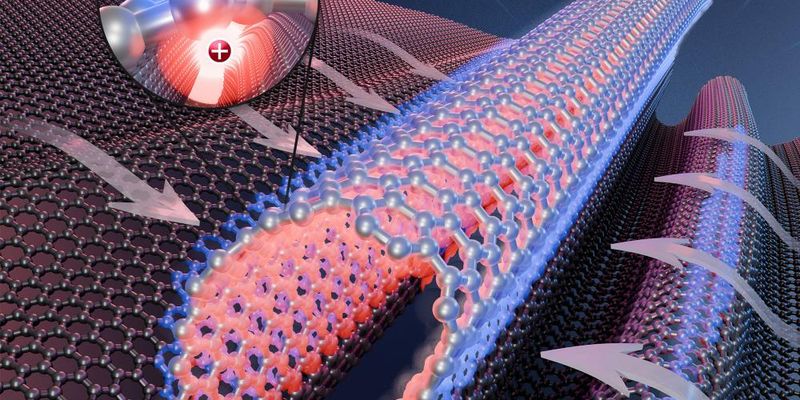
Researchers found that tiny wrinkles in graphene can alter its electrical properties. This discovery could lead to advanced control of electricity in ultrathin materials, enhancing sensor and electronic device performance.
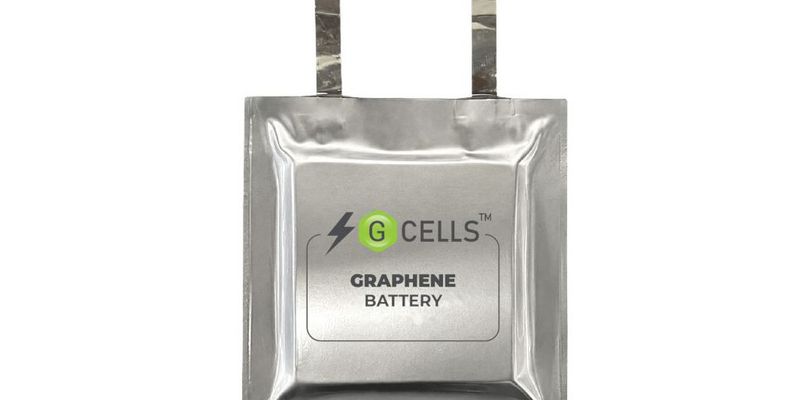
Graphene Manufacturing Group's G CELLS maintained capacity after 489 fast-charge cycles, outperforming lithium titanate oxide cells tested under the same conditions.
Levidian has introduced NanoFlow™ A1-30, a 30 wt.% aqueous graphene dispersion with water-like viscosity, expanding its NanoFlow™ range for easy integration into water-based applications.

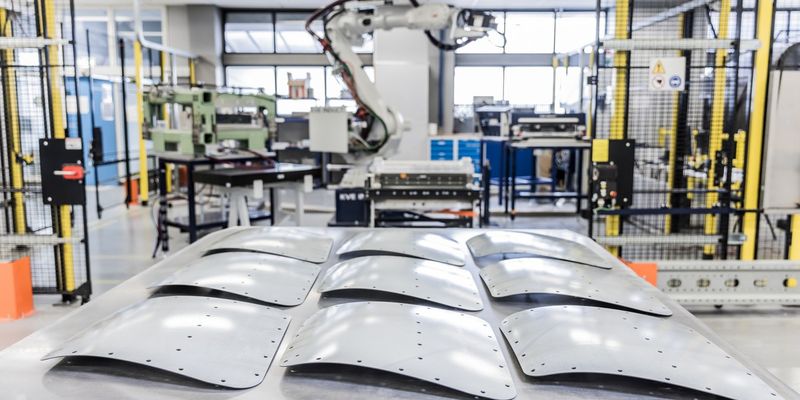
KVE has expanded its facility in The Hague by 1,800 square meters to meet growing demand for composite components in aerospace and defense, marking its 30th anniversary under Daher's ownership.
Recovered carbon black from end-of-life tyres is being considered to boost localisation in Indian tyre manufacturing.
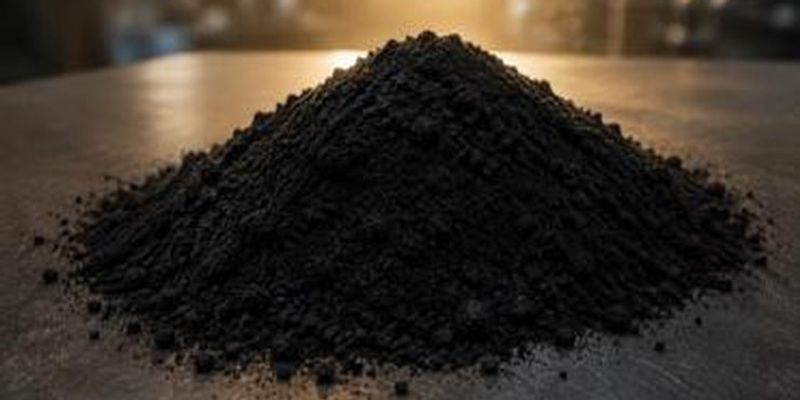
Schwalbe will expand its tyre recycling program beyond Germany in 2027, using pyrolysis to produce recycled carbon black and pyrolysis oil from the rubber.
The University of Southern Queensland received a $1.3 million grant to create sodium-ion battery electrodes that can self-repair using engineered graphene and polymer networks.

Talga Group has signed a non-binding letter of intent with EAS Batteries for a graphite anode supply from its Vittangi project in Sweden, aiming for a binding agreement by 2027.

Caterpillar offers graphene battery packs for power tools, featuring fast-charging and long-lasting performance. These batteries fully charge in just 20 minutes, enhancing tool efficiency and reliability.

Researchers created a composite using flash-Joule-heated bamboo biochar, achieving 36.7 dB EMI shielding with 84% absorption and a 173% increase in fracture toughness.

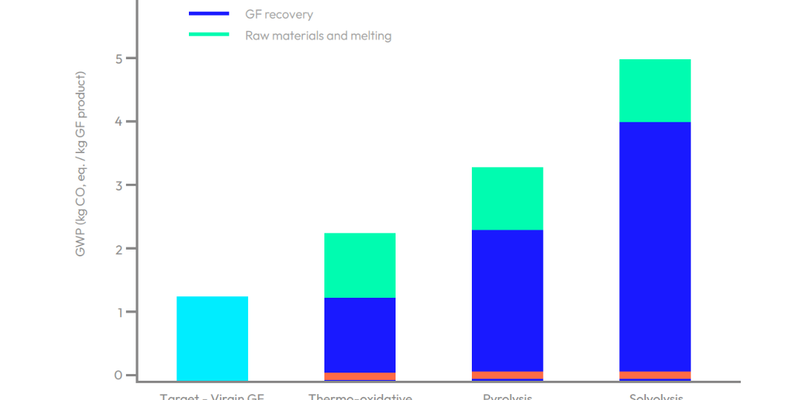
The NCC-led SusWIND program reports that recycled wind turbine blade glass fiber can achieve a carbon footprint similar to virgin fiber if recyclers improve pyrolysis efficiency and polymer recovery.
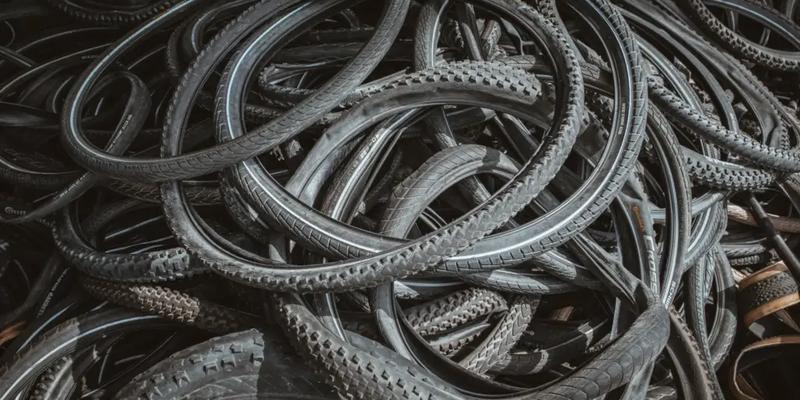
A Swedish company is recycling carbon fibre from wind turbines to produce skis.

South Korean researchers developed a graphene nanomesh for wearable gas sensors, achieving six times higher sensitivity than flat graphene sensors. The design maintains flexibility and breathability for mask integration.
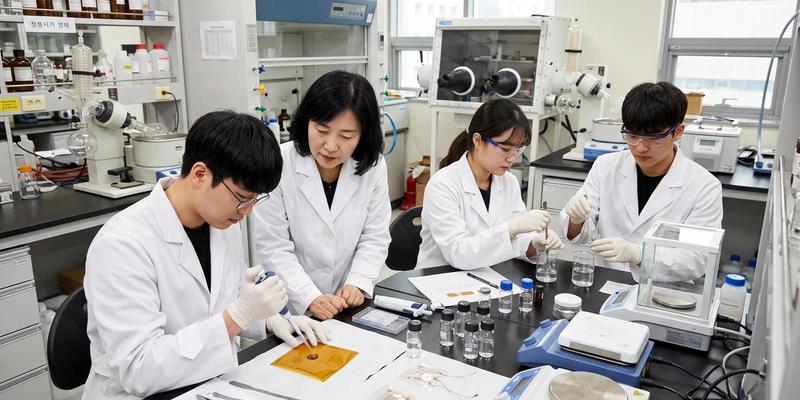
Green Carbon and ATOA Carbon plan to build biochar facilities in India, each processing 50 tons of biomass daily and generating carbon credits.
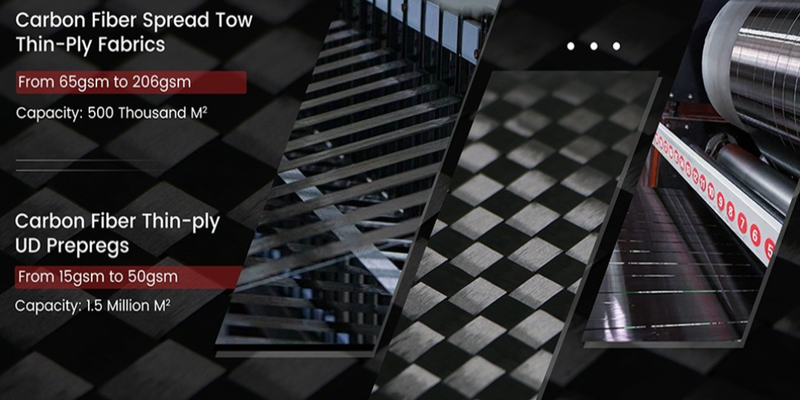
Beijing OnlyTop has developed an ultrasonic-guided process to produce thin-ply carbon fiber prepregs and fabrics from 12K and larger tows, enhancing precision in laminate design.
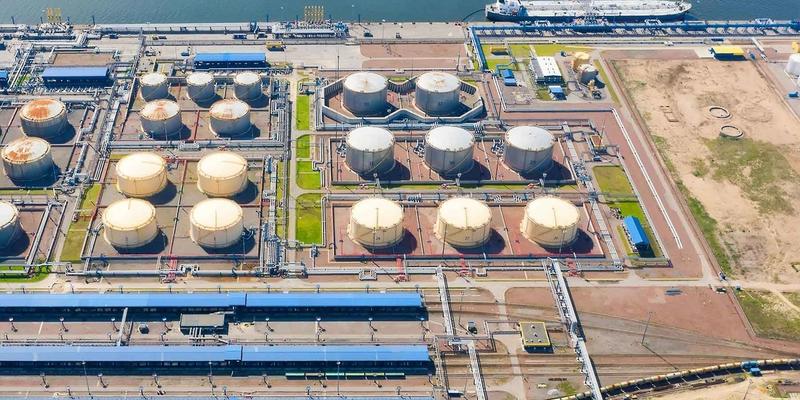
OroCarbo has reserved 12 Haffner systems for renewable hydrogen hubs planned in California, Oregon, and Washington State, utilizing residual biomass for clean energy production.
Researchers have significantly advanced MXene-based supercapacitors, particularly with binder-free Ti3C2Tx, since their initial demonstration in 2013.

Researchers have developed a sensor using carbon nanotubes and iron-doped zinc oxide nanoparticles to detect and remove toxic dye from wastewater at trace levels.

Researchers developed a 1-meter-diameter Type 5 cryogenic tank using carbon fiber/LMPAEK for hydrogen and methane storage under an ESA-funded project.
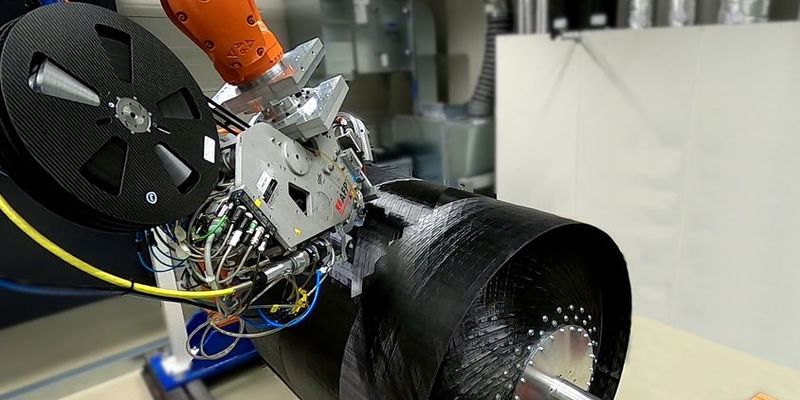
Researchers have developed biochar nanocomposites to serve as low-cost sensors for monitoring water pollution.
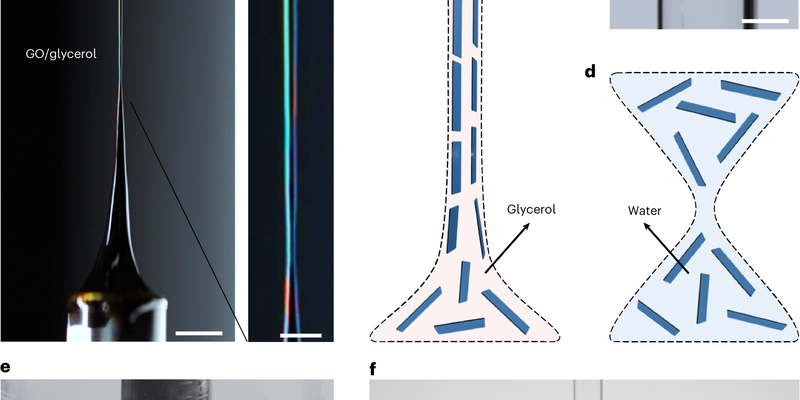
Researchers created polymer fibres with carbon nanotubes and graphene oxide flakes, reaching a gravimetric toughness of nearly 1,000 J g−1, surpassing spider silk and Kevlar.
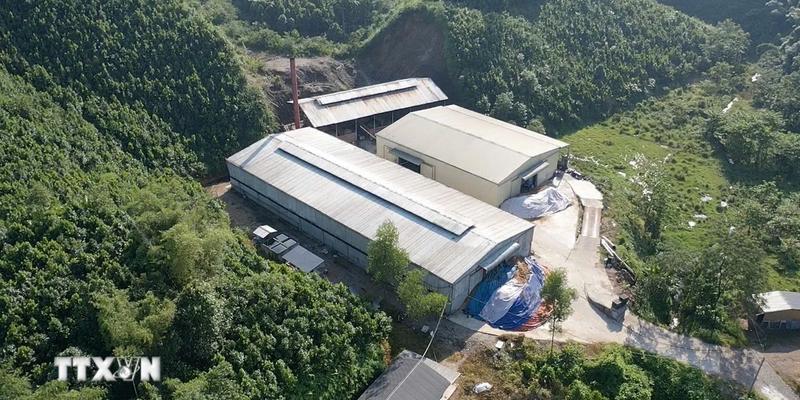
A biochar facility in Viet Hong commune, Lao Cai province, halted operations after complaints about emissions. The facility seeks guidance to complete legal procedures and resume production.
Researchers at Kunming University of Science & Technology measured the electron-transfer rate constant of dissolved black carbon, finding it increases with pyrolysis temperature, enhancing its electron-shuttle capability.

Novacium and Tokai COBEX are collaborating to evaluate a silicon and synthetic graphite anode material solution in France, aiming to enhance lithium-ion cell energy capacity.
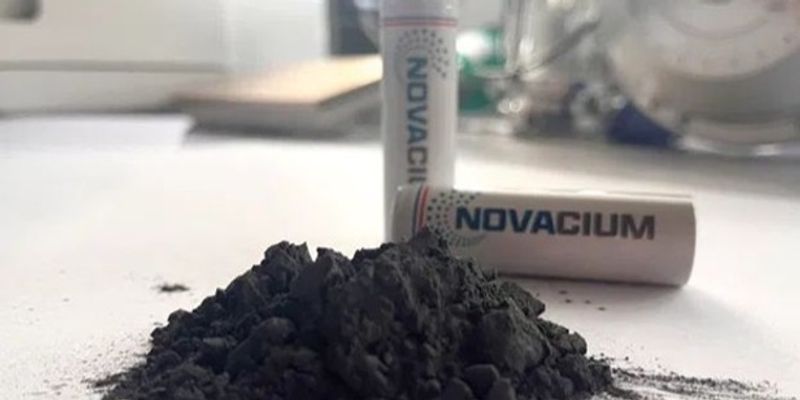
Carbon Hill's upgraded biochar plant in Wales now produces 2.5–3.0 tonnes daily, enhancing carbon sequestration efforts.
Researchers at the University of Vienna have achieved atomic-level control over nanopore shapes in hexagonal boron nitride, using electron irradiation and oxygen to form circular or triangular pores.

R&M International Sales Corporation has acquired Vartega's patented carbon fiber recovery technology.
Researchers in Houston found that C60-ser, a modified fullerene, reduced brain inflammation and improved spatial memory in mice after cranial radiation therapy.

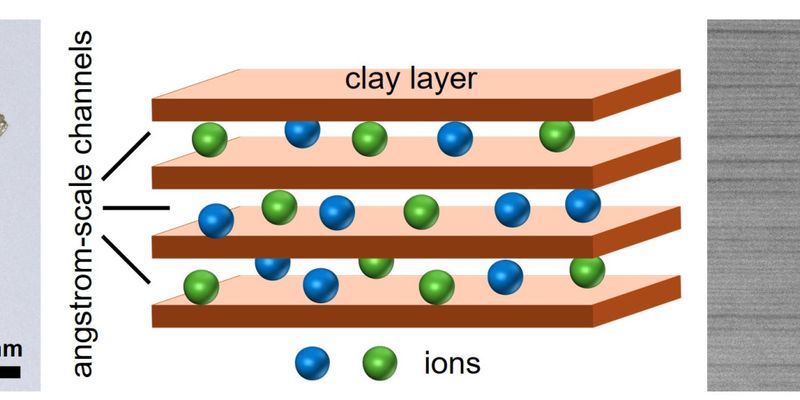
Researchers at the National Graphene Institute demonstrated that vermiculite clay channels can control ion flow in response to pressure, voltage, and pH, mimicking biological ion channels.
Romanian researchers developed a disposable graphene–copper sensor that detects lysine enantiomers in whole blood at concentrations as low as one attomole per litre, aiding cancer diagnostics.
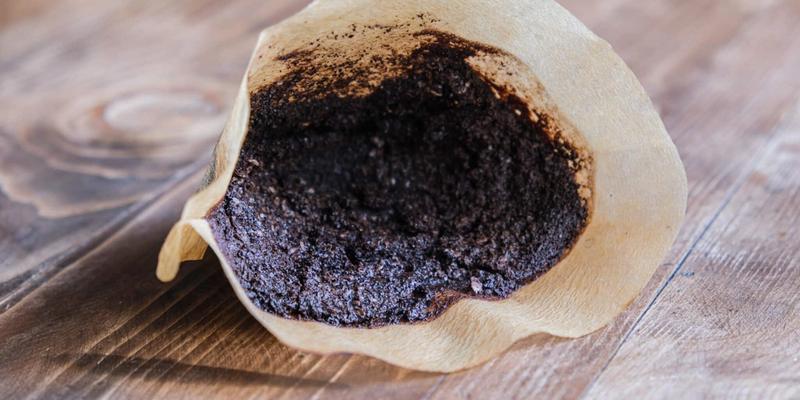
Researchers in South Korea have developed an insulation material from spent coffee grounds that performs comparably to Styrofoam. The material is biodegradable and uses a plant-based binder.
Researchers tested carbon dots for removing methylene blue dye from textile wastewater.
Researchers from Nagoya University and RIKEN developed a two-step method to synthesize diverse nanographenes, including those with rare curved structures. This method uses palladium catalysts and specific oxidants.
Researchers have developed a carbon fiber composite with a nanotube scaffold that withstands temperatures up to 437°C, surpassing previous void thresholds.

WasteX, a Singapore-based biochar pyrolysis manufacturer, has completed the first sale of its new model.
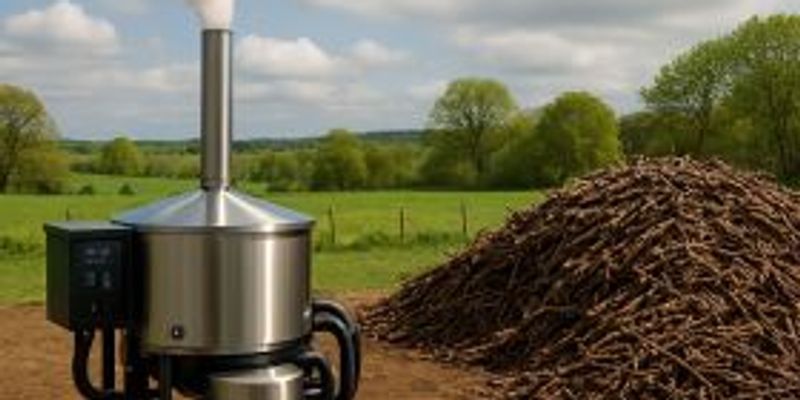
Researchers found that slow pyrolysis can transform heavy metal-contaminated crops into biochar, which can improve soil fertility and aid in pollution remediation due to its high specific surface area.
Researchers at the University of Oulu report wood-derived adsorbents can capture 863.8 milligrams of tetracycline per gram, highlighting their potential in addressing pharmaceutical pollution in wastewater.
Researchers created a dataset connecting manganese-modified biochar preparation and usage conditions to cadmium adsorption measurements.
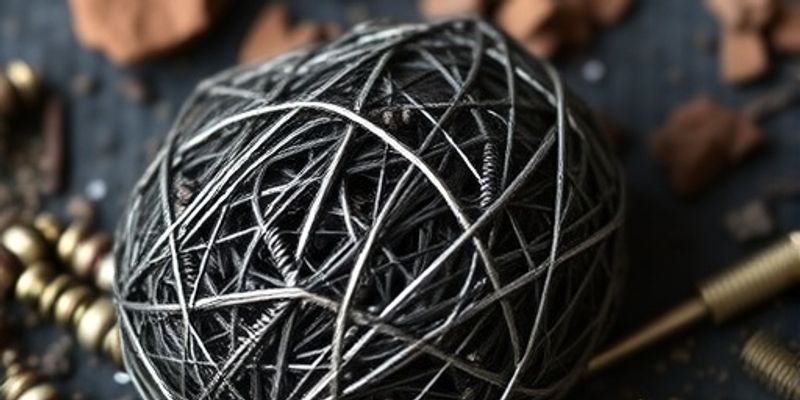
Engineers are developing new methods to reduce car weight without compromising strength, moving beyond traditional materials like carbon fiber and aluminum.
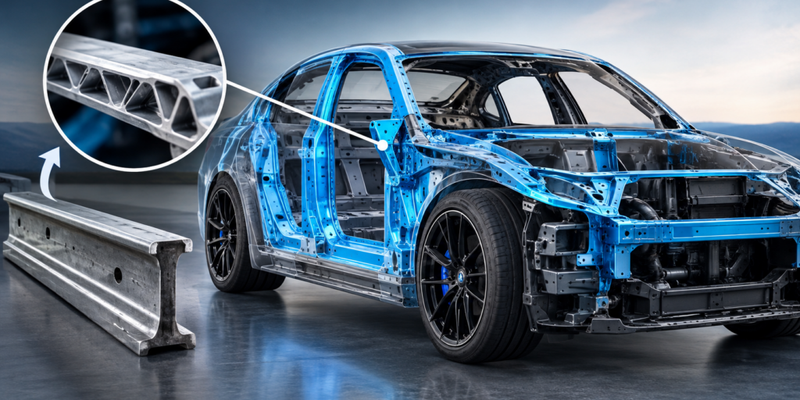
Researchers have developed a carbon-fiber reinforced plastic where fibers are encased in carbon, potentially speeding up production of hypersonic shields and rocket components.
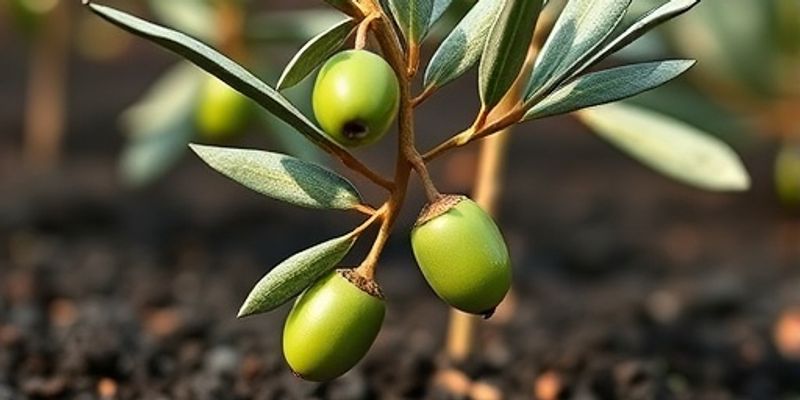
Researchers at the University of Castilla-La Mancha used zinc chloride to activate biochar from olive stones, creating a catalyst that achieved 20% CO2 conversion to methane.
Char Technologies is launching its first commercial-scale pyrolysis plant in Thorold, Ontario, this month. The facility will produce biocarbon and renewable natural gas from woody biomass.
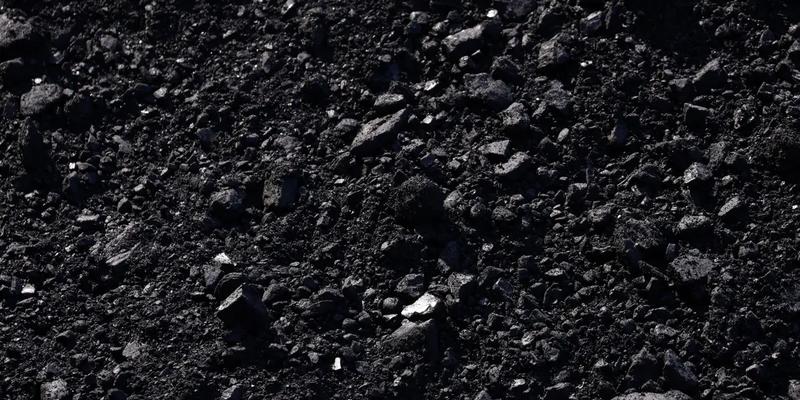
Researchers increased concrete's compressive strength by 29.3% by replacing 15% of sand with biochar from coffee grounds, charred at 350 degrees Celsius.
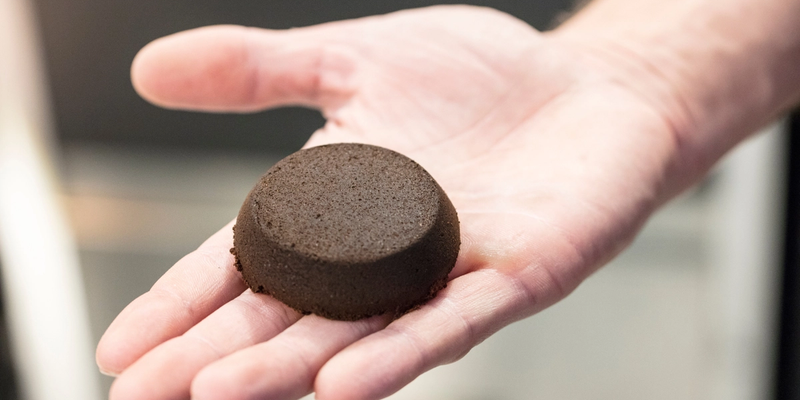
The India Innovation Centre for Graphene in Kerala hosts "Grand Challenges" for startups to create graphene-based products in sectors like energy and electronics.
Midea launched the SpaceMaster oven series at IFA, featuring Graphene Turbo Hot Air Technology with a rapid 0.2-second heating response.
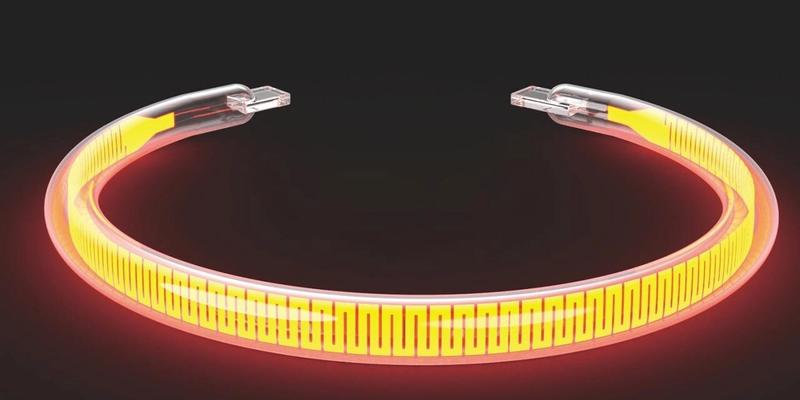
Researchers in the US and UK observed flexoelectricity in graphene, finding that extremely sharp bends create significant electrical polarization. This discovery aligns with theoretical predictions from 2008.

Chinese researchers found that polyvinylpyrrolidone-functionalized graphene significantly reduces asphalt aging, with optimal doses varying by binder type. This could enhance pavement durability in extreme climates.
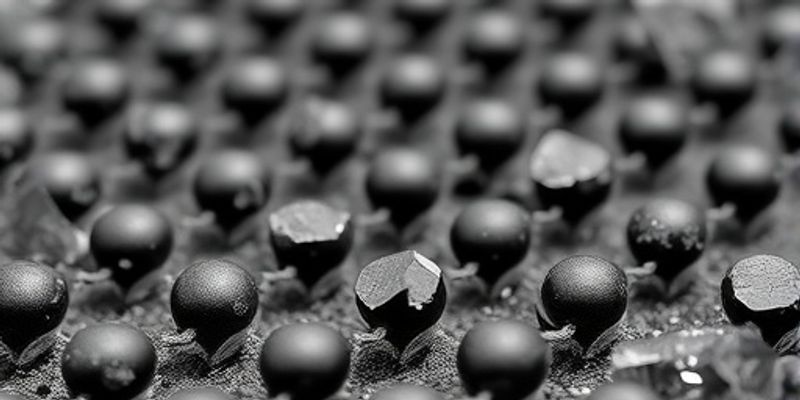
Researchers have integrated ultra-thin transparent electrodes made from reduced graphene oxide into a soft, electrically driven lens to enable focus adjustment without moving parts.
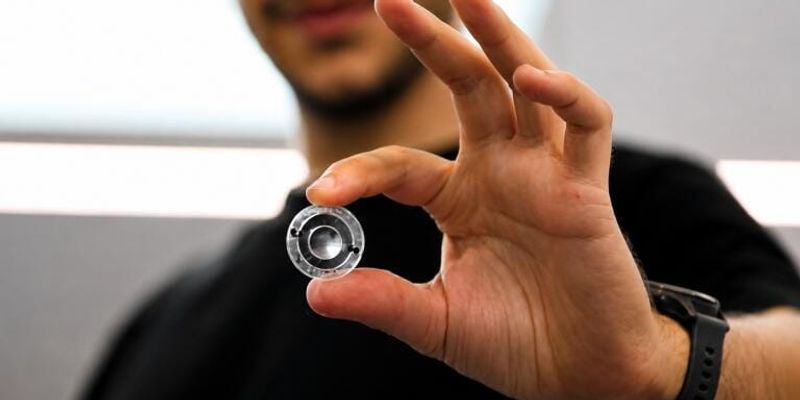
Nova Pangaea Technologies finished testing its biomass process, handling up to three tonnes of softwood residues daily. The company plans to establish its first commercial plant.

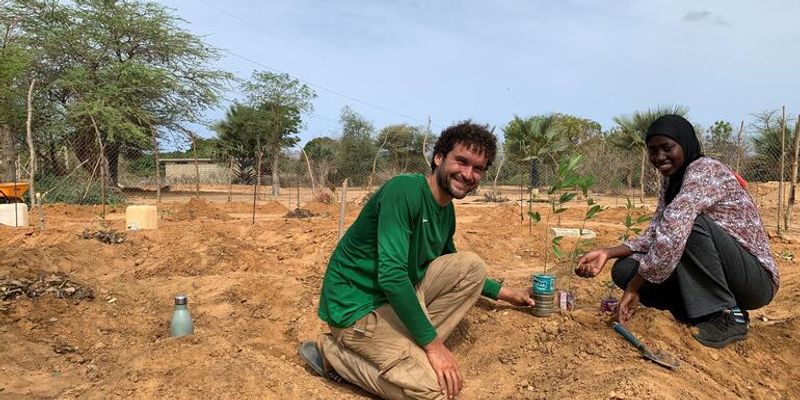
Young entrepreneurs in Ecuador, Senegal, Nigeria, and Bangladesh are transforming land restoration into economic opportunities, supported by the Youth Ecopreneur Programme. Their projects integrate technology and sustainable practices to boost productivity and market viability.
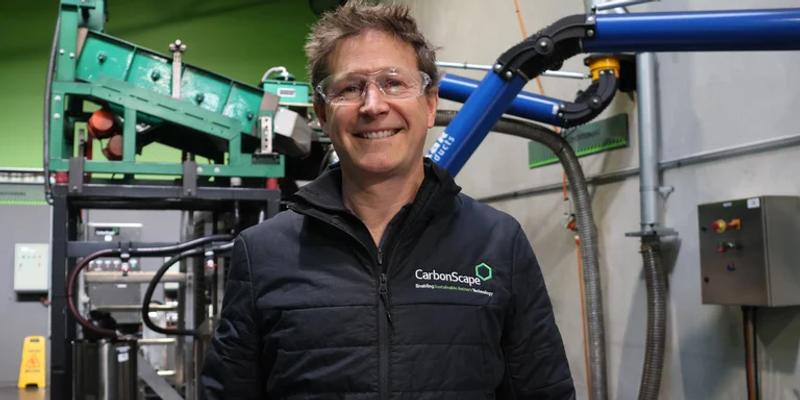
CarbonScape produces high-quality synthetic graphite by recycling materials, reducing reliance on fossil fuels for green energy components.
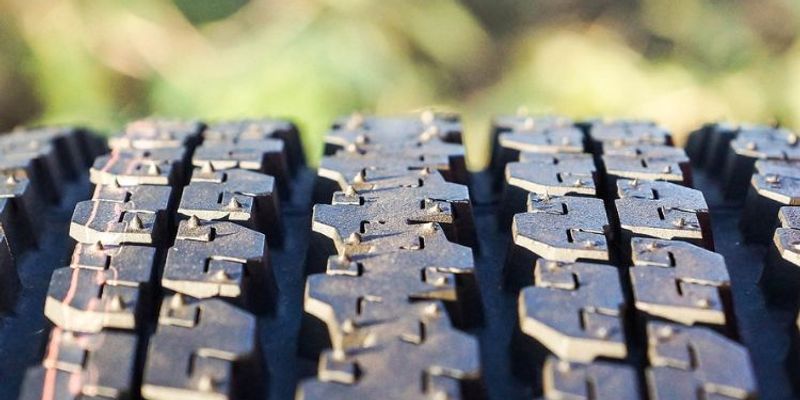
South Korea's government launched a €30 million R&D program to improve the use of recovered carbon black in tire compounds.
Researchers at United Arab Emirates University developed a catalyst for hydrogen production using desert sand, date-pit biochar, and nickel. The catalyst achieved a 38% methane conversion rate.
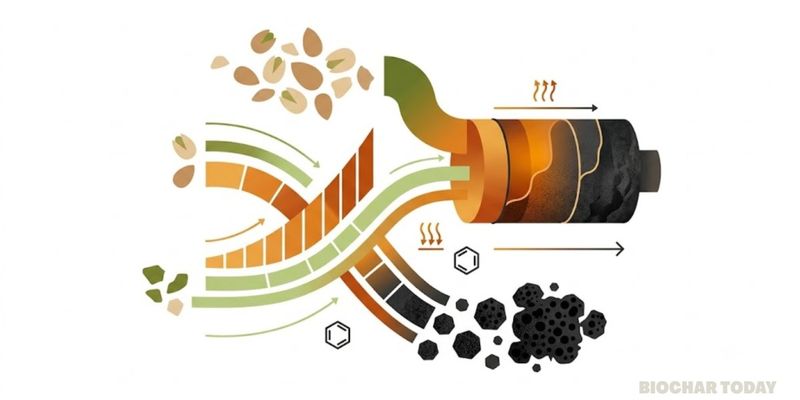
Researchers achieved biochar yields of up to 41.3% from almond shells using fixed-bed pyrolysis at temperatures between 400 and 500 degrees Celsius.
Researchers at TU Wien have developed a material combining MXene and gold that uses sunlight and electricity to produce ammonia from nitrate.
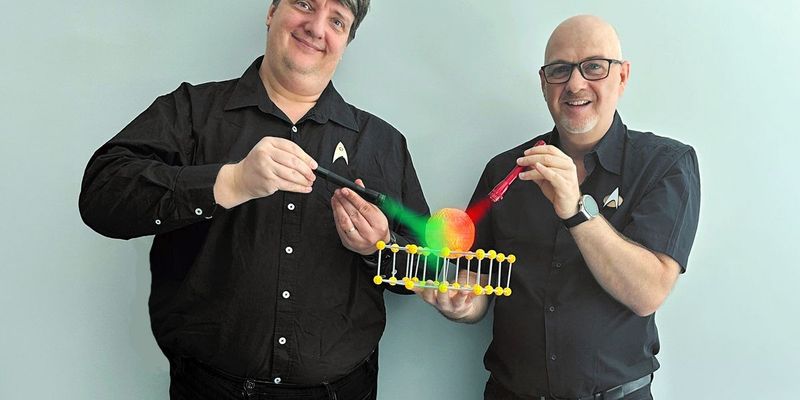
CCIC has launched a pilot line for producing ContRGF fabrics, using recycled carbon fibers for automotive and other applications. A hybrid automotive hood was demonstrated with this material.

Xenia's HM Upgrade enhances carbon fiber-reinforced thermoplastics, increasing stiffness and strength.
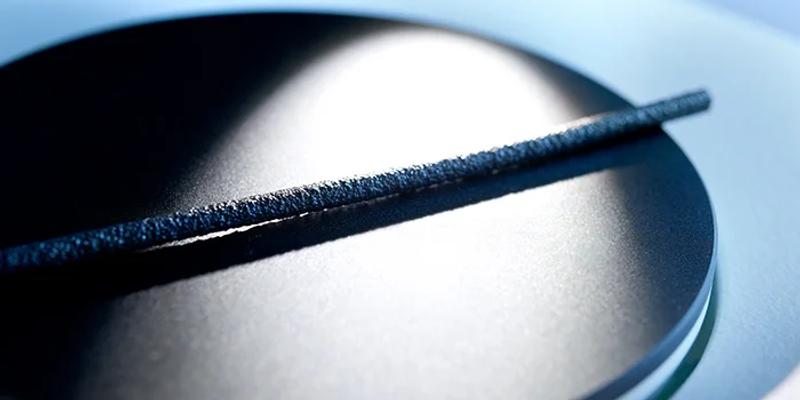
Researchers at the National University of Singapore have developed aerogels from aircraft composite waste, which may be used for insulation, noise reduction, and cleaning up oil spills.
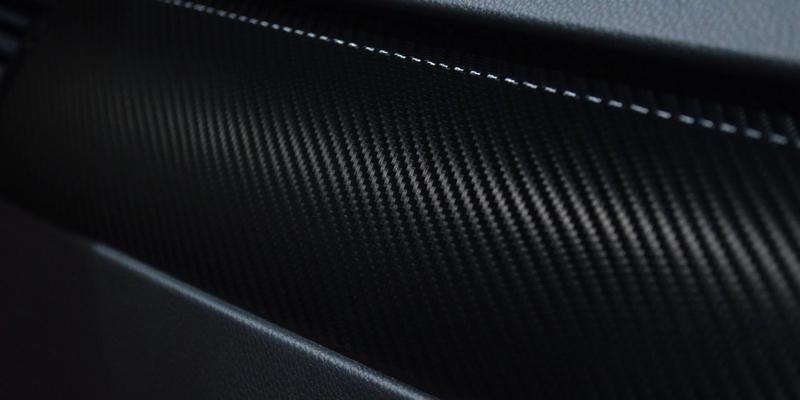
Lineat Composites is using Techlan's recycled Re-Liners to enhance sustainability in its production of aligned recycled carbon fiber.
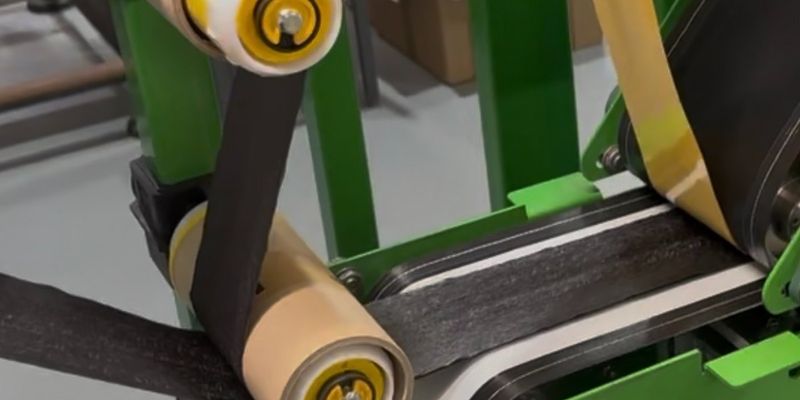
McLaren and Mercedes are exploring recycled carbon fibre for F1 components, planning to introduce a carbon fibre composite rear brake duct by 2025.

Recycled supercapacitors with carbon-fiber cathodes maintained performance comparable to original devices through initial fabrication and two recycling cycles.
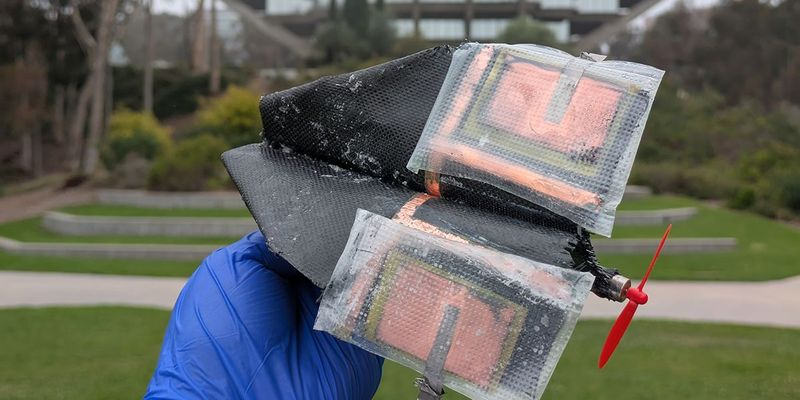
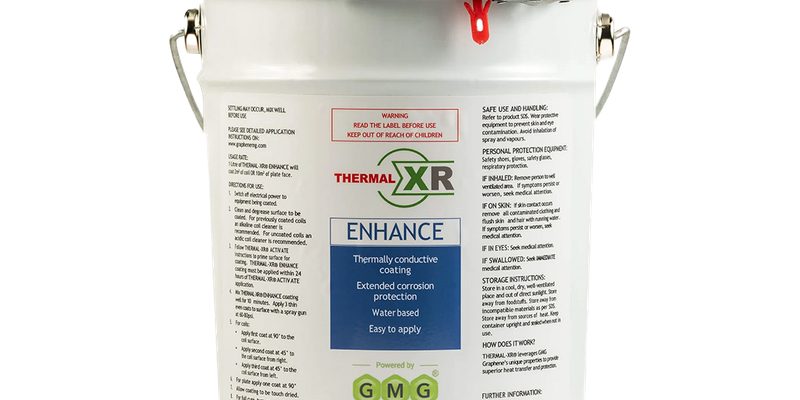
Graphene Manufacturing Group Ltd. has launched G FLUID, a graphene-based water coolant additive for data centres. Preliminary tests show a 20% increase in heat transfer when used at 1% concentration.
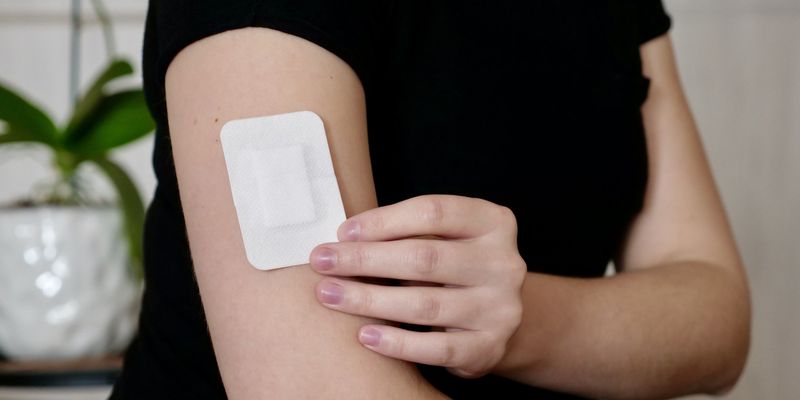
Researchers have developed a wearable skin patch with embedded copper oxide in graphene, designed to release copper ions when heated for a potential cancer treatment.
Researchers have created a graphene oxide membrane that enhances the efficiency of isopropanol purification by reducing energy consumption and increasing processing speed.
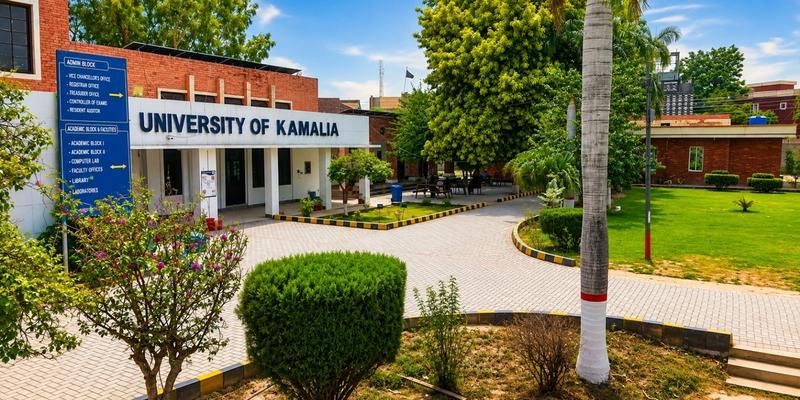
Kamalia University has initiated the SAFER PLUS project to convert agricultural residues into biochar, electricity, and surplus heat using an integrated system.
Researchers have developed biochar-based phase change composites from food waste, integrating them into paper membranes for energy storage applications.
Researchers led by Sahil Sharma have developed MXene-biochar hybrid catalysts that significantly enhance the efficiency of visible light-driven wastewater remediation.

The CO₂RE Greenhouse Gas Removal Hub is developing a biochar demonstrator to enhance soil health and increase nutrient availability in acidic soils.
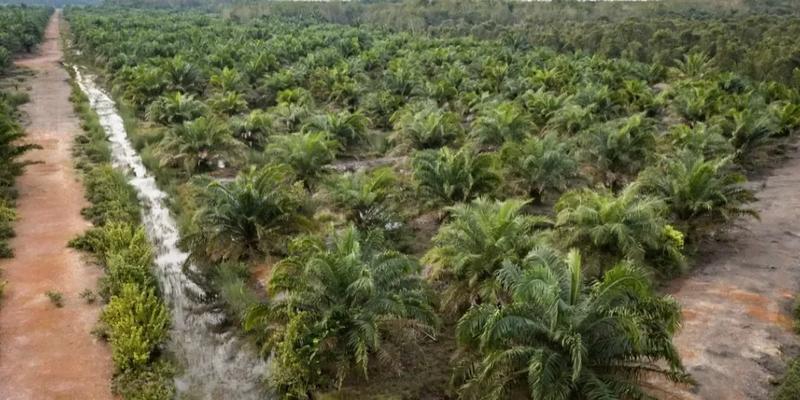
Researchers and industry leaders in Jakarta urge converting Palm Oil Mill Effluent into biogas. Indonesia's vast effluent pool remains largely untapped due to a lack of binding regulations.
Aviva is repurposing its gasification facility to produce biochar, generating 12 MW of electricity and around 47,000 carbon-removal units.
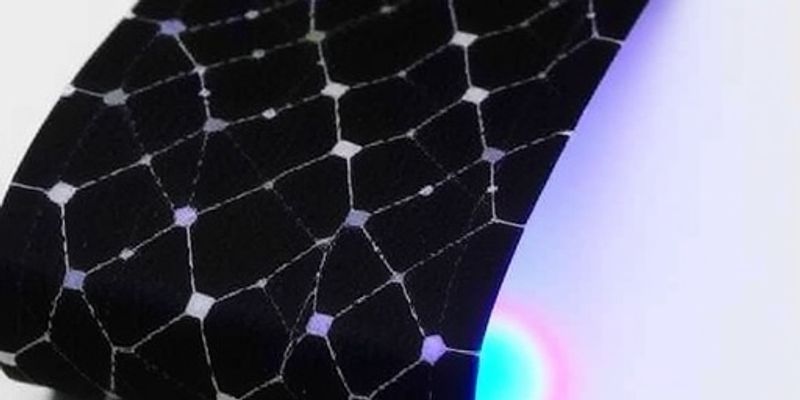
Researchers have printed an entire photodetector array by inkjet, using carbon nanotube and organic macrocycle hybrids to tell colors apart. The approach points to bendable optical sensors made without rigid silicon.
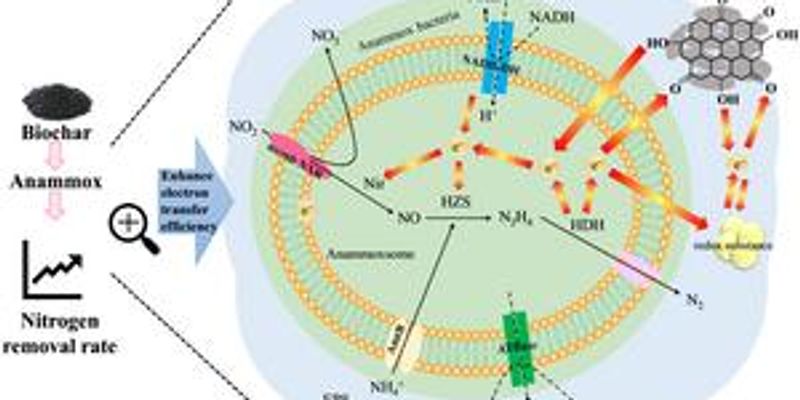
A review indicates that adding biochar to anammox reactors could enhance their efficiency by acting as a conductive interface.
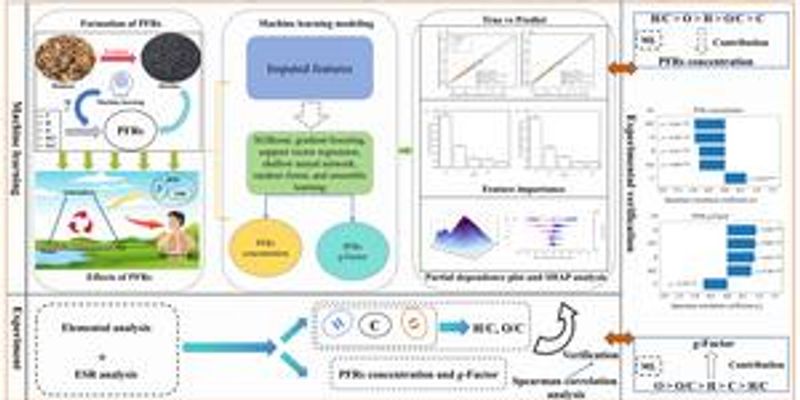
Researchers have used machine learning to predict the concentration of persistent free radicals and g-Factor in lignocellulose-derived biochar based on its elemental composition.
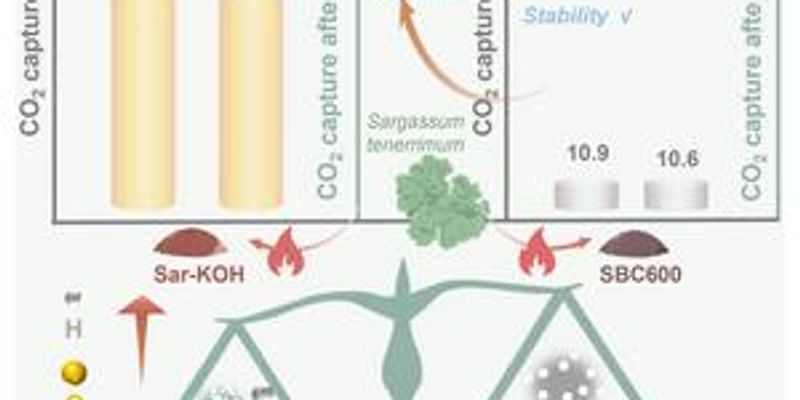
Researchers at Nankai University have developed Sar-KOH, a Sargassum-derived biochar with a CO2 adsorption capacity of 120.5 mg/g, using potassium hydroxide treatment before pyrolysis.
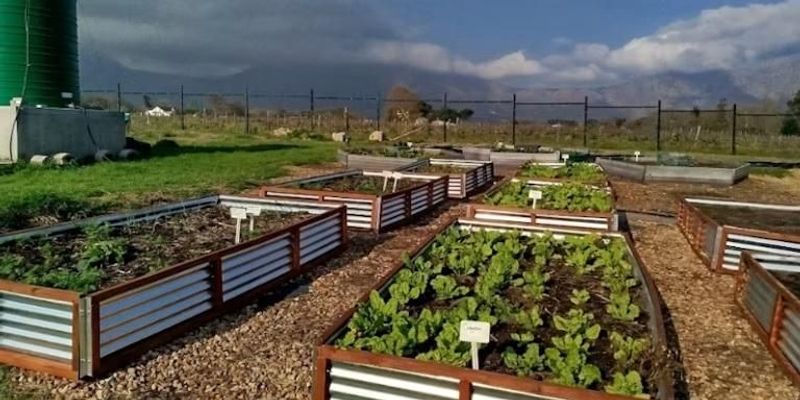
A natural filter using biochar, small stones, and coarse sand is effectively reducing bacteria levels in a polluted South African river.
Biochar production equipment transforms organic waste into biochar, enabling waste management facilities to earn carbon credits.
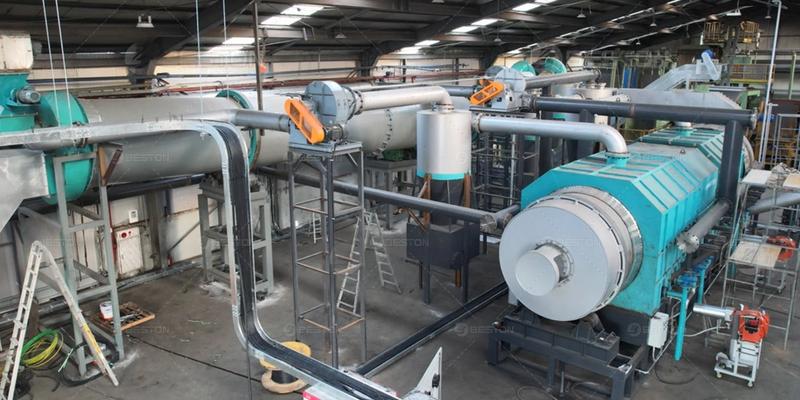
Researchers at MEPhI have developed a new ultra-strong composite material incorporating carbon nanotubes, aimed at applications in aviation, space, and machinery.
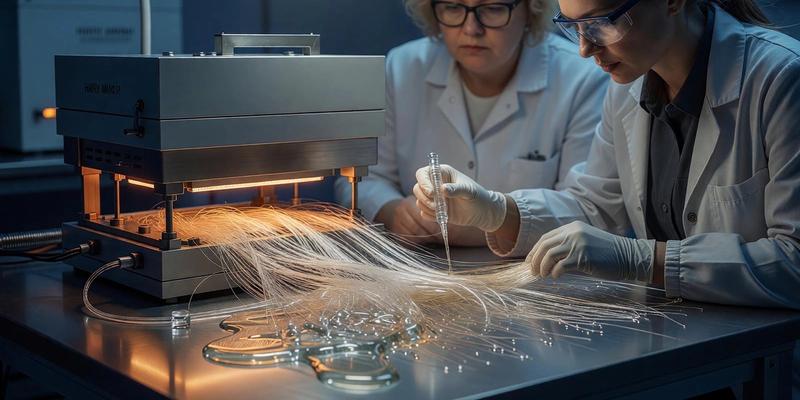
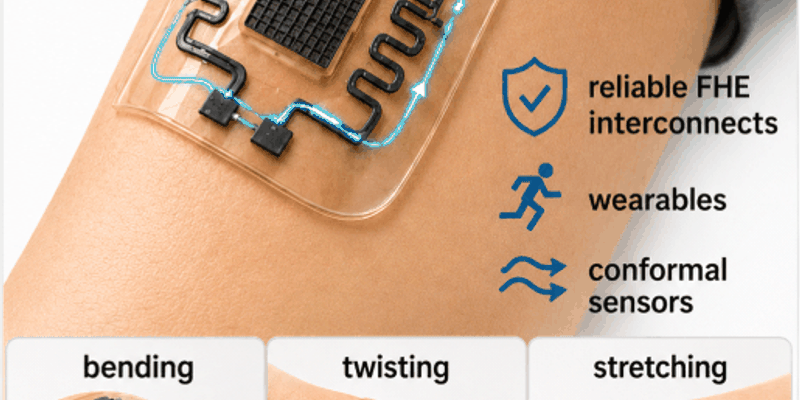
Researchers at Gachon University review printed graphene interconnects and vias made from reduced graphene oxide, a route to wiring flexible hybrid electronics without conventional metal deposition.
INBRAIN is advancing a graphene-based brain-computer interface for Parkinson's care, integrating neural decoding, stimulation, and Azure AI.
Levidian has launched NanoFlow-S1-20, a graphene additive containing 20 wt.% G3 graphene, designed for easy integration into solvent-based paints using standard mixing equipment.
Researchers have developed a new carbon nanotube strategy that could significantly extend the lifespan of wearable strain sensors, potentially lasting for years.

Researchers at the University of Patras improved E. coli retention in sand by adding 10% biochar from brewery waste, achieving 94.1% removal compared to 17.8% with unamended sand.

AMPP and the Advanced Carbons Council have signed a three-year MOU to collaborate on research, standards, education and technical knowledge around advanced carbon materials and materials protection. The partnership will initially focus on carbon-enhanced coatings, beginning with a September 10, 2026 webcast on graphene, CNTs and other advanced carbons in protective coatings.
PV PAINT plans to launch nanotube-enhanced zinc-rich coatings in Q3 2026, expanding its PERAPHENE™ line. These coatings offer long-term corrosion protection for harsh industrial environments.
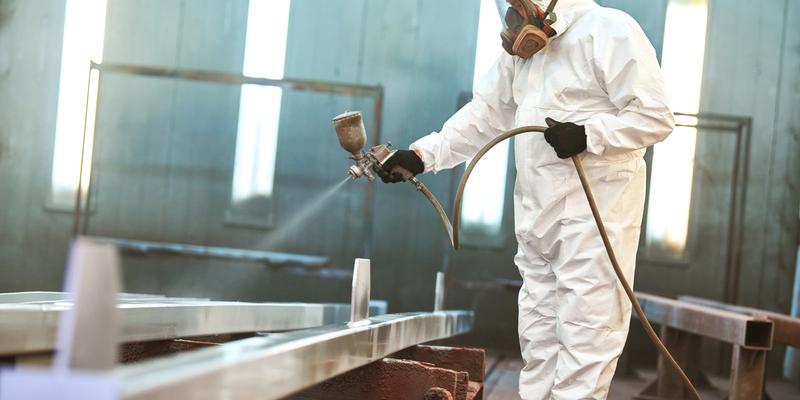
CO2 Sync has opened an emissions-free energy plant in Price, Utah, producing biochar to enhance soil nutrient retention.
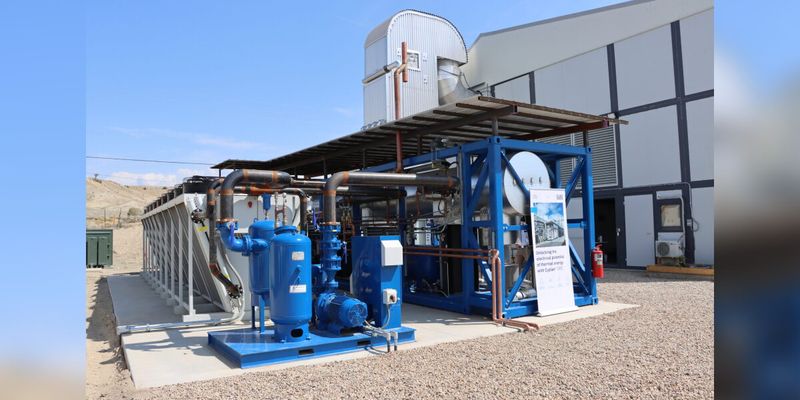
The IMMENSE team created a conductive photopolymer resin with multi-walled carbon nanotubes for advanced additive manufacturing applications.

Researchers at the University of Pittsburgh have developed a scaffold using carbon nanotubes and nano-hydroxyapatite to enhance immune cell activity for faster bone regeneration.
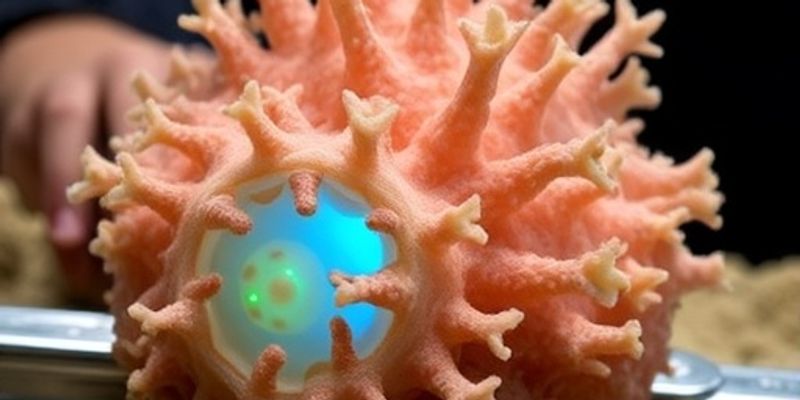
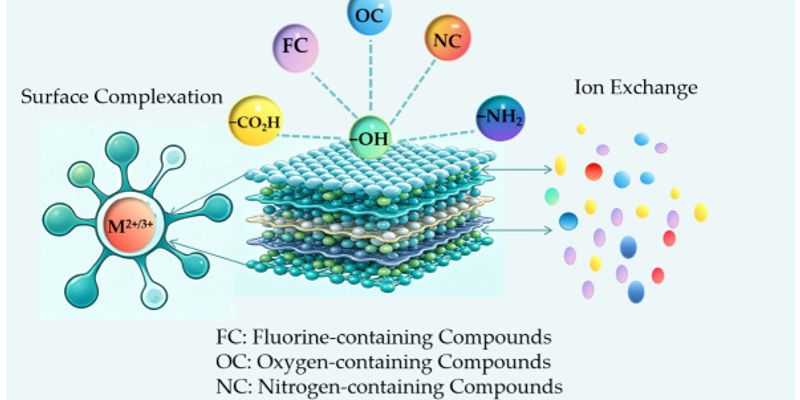
Researchers have reviewed the preparation and application of layered double hydroxides (LDHs) and biochar composites for water pollution control. The coprecipitation method shows promise for industrial-scale production due to its simplicity and effective pollutant adsorption.
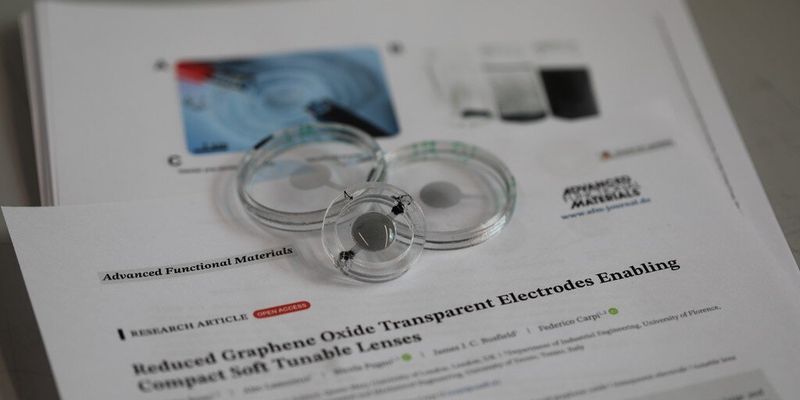
Researchers at Queen Mary University of London have developed a graphene-based soft lens that can electronically change focus without bulky parts, potentially advancing medical devices and cameras.
POINTVALUES, a BC Tech finalist, is transforming mustard waste into biochar and bio-oil, enhancing carbon sequestration and soil remediation capabilities.

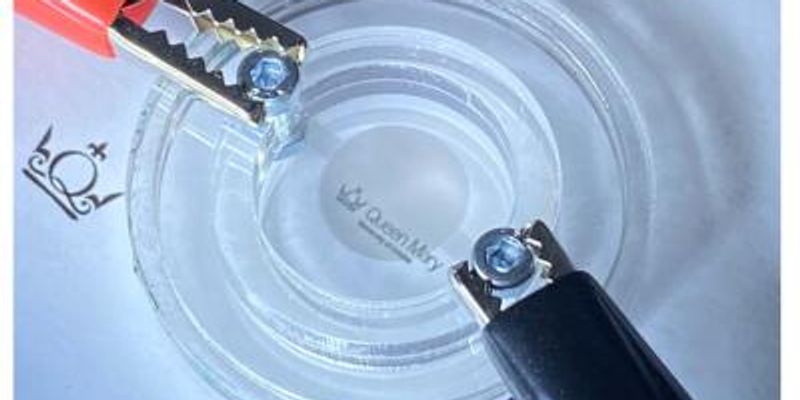
Researchers at Queen Mary University of London created compact, electrically tunable soft lenses using transparent electrodes made from reduced graphene oxide.
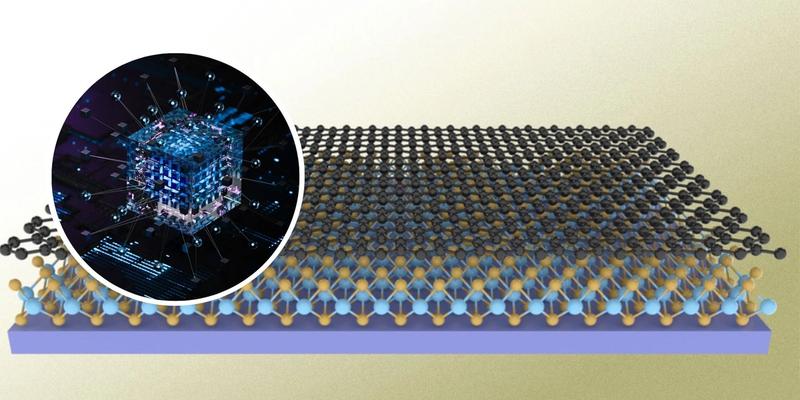
MIT researchers have developed a method to grow large, air-stable niobium diselenide films using graphene encapsulation. This advance could lead to more compact superconducting quantum devices.
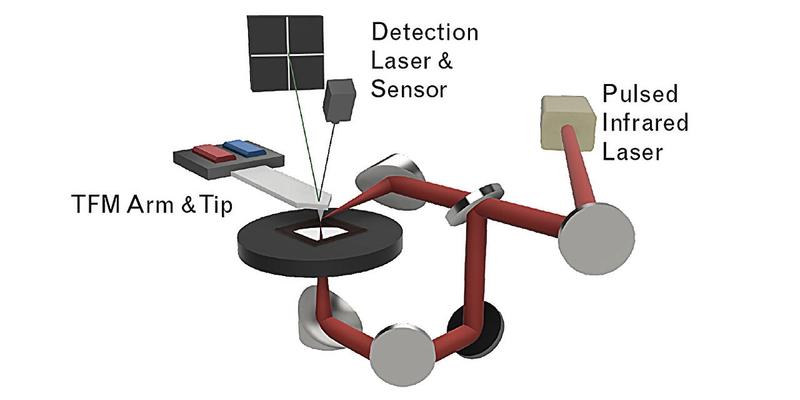
Researchers at the University of Maryland developed infrared torsional force microscopy, enabling near-nanometer precision imaging of material surfaces responding to infrared light.
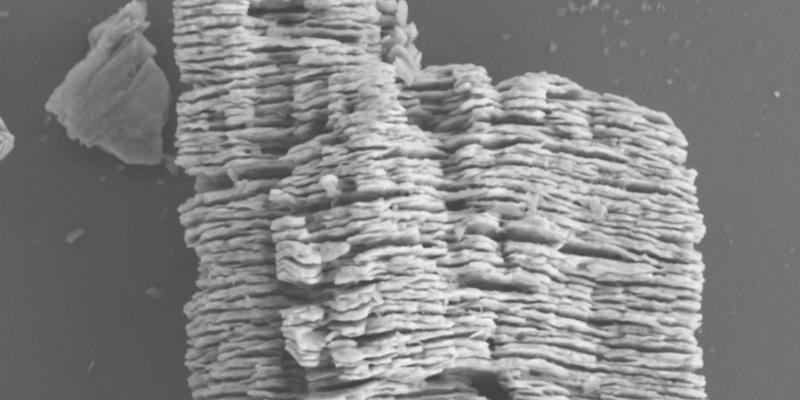
Researchers at Zhejiang University developed a new synthesis method to create rare earth MXenes, yielding semiconducting and magnetic properties valuable for future electronics.
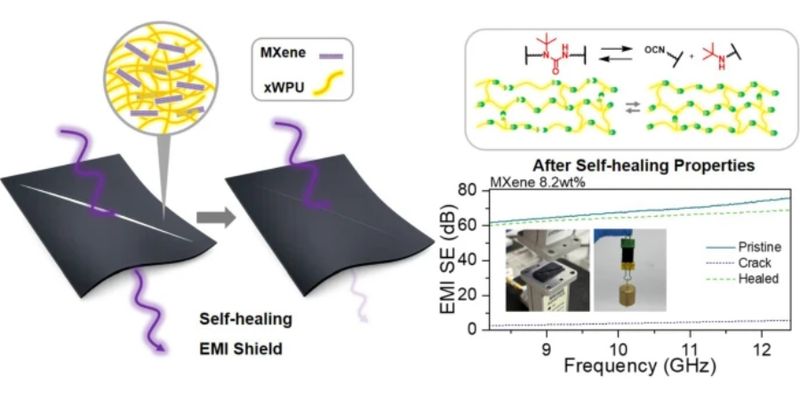
Researchers in South Korea have created a self-healing waterborne polyurethane coating that shields electronics from electromagnetic interference. The coating repairs damage with heat or near-infrared light.
Automated Fibre Placement and high-pressure resin transfer moulding have made carbon fibre components more viable for mass automotive production, increasing their use in everyday vehicles.

Researchers developed a conductive e-skin patch using aminated multi-walled carbon nanotubes and dopamine integrated into carboxymethyl starch.
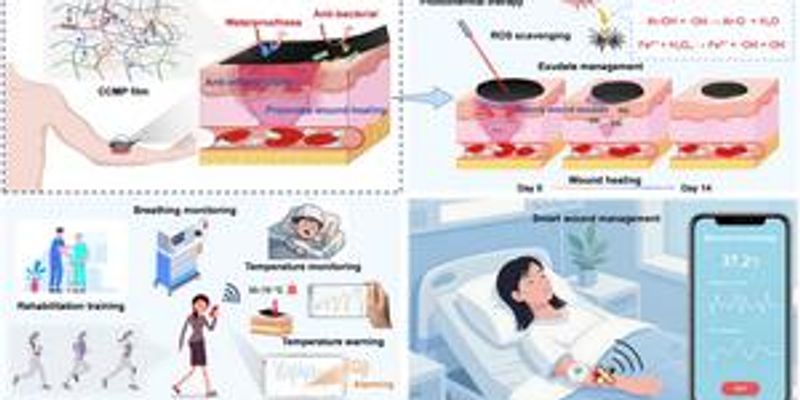
Researchers at Otto-von-Guericke University Magdeburg and MTU Aero Engines find that low gravity and vacuum change how carbon-fibre-reinforced polymers cure, challenging the assumption that terrestrial composite production transfers directly to orbit.

Researchers at KU Leuven have developed a graphene oxide membrane that efficiently separates water from isopropanol, reducing energy use in solvent purification.
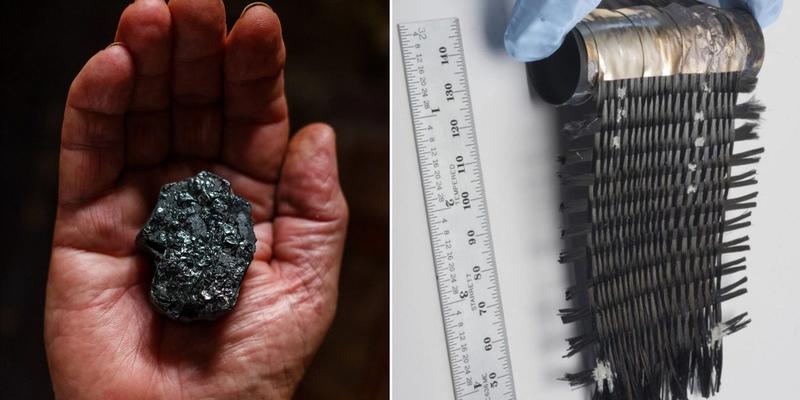
China has introduced a technology to convert regular coal into advanced carbon materials like carbon fibers and graphene.
NanoXplore is the largest global producer of graphene, offering industrial-scale, cost-effective graphene solutions.
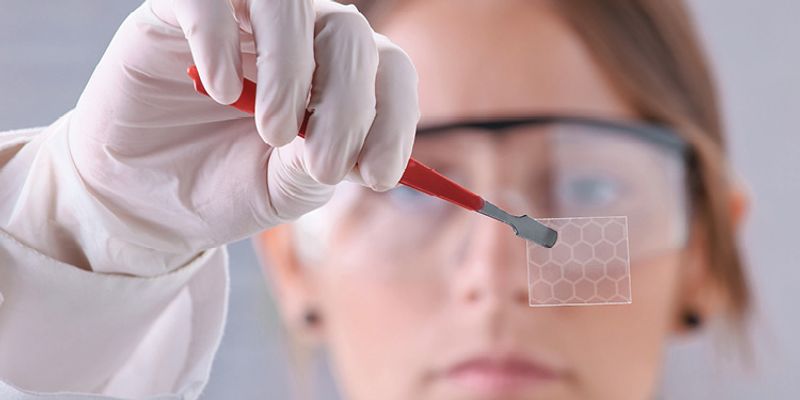
Researchers incorporated thermally exfoliated graphene oxide into PVDF, enhancing both piezoelectric and triboelectric responses. This nanocomposite could advance self-powered wearables and flexible sensors.
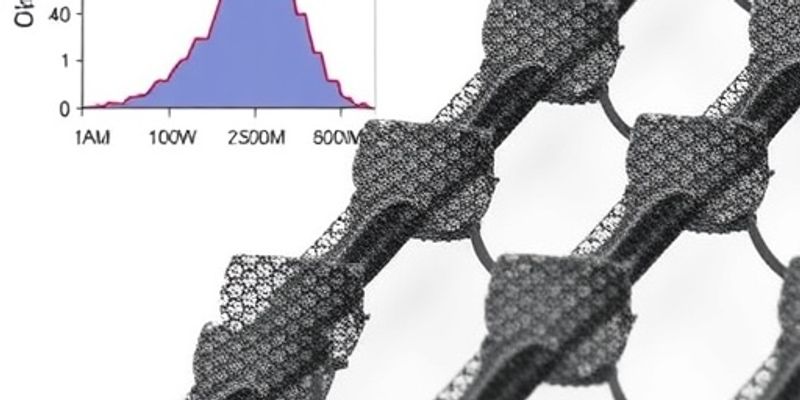
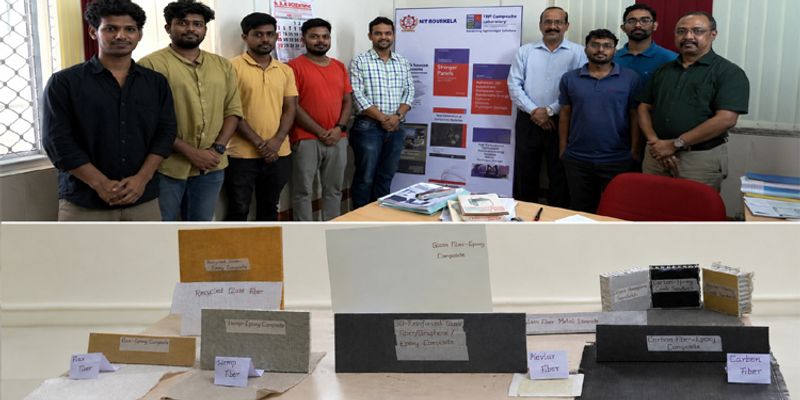
NIT Rourkela has patented a 3D-reinforced composite technology that boosts Fibre-Reinforced Polymer strength and durability, with potential applications in aerospace and automotive industries.
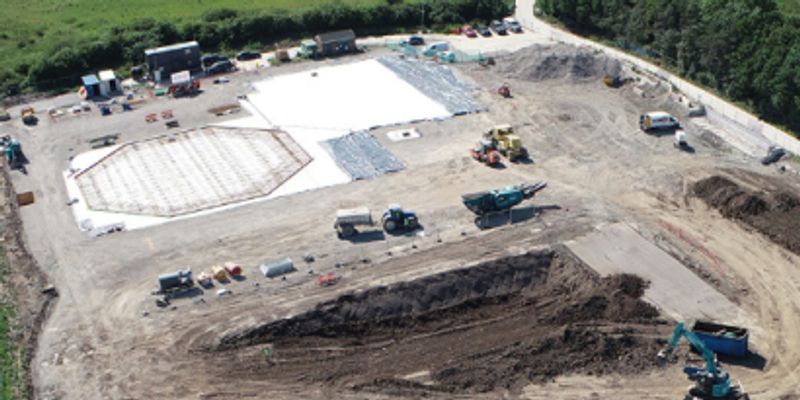
The Ellington anaerobic digestion facility will use 115 tons of Arigna biochar for ground stabilization, aiding carbon offset in construction. Completion is expected in approximately 18 months.
Researchers found that the gas environment during biomass heating significantly impacts biochar quality, alongside temperature.
The North Carolina Department of Environmental Quality awarded $1 million for mobile biochar equipment to convert Hurricane Helene debris into a soil amendment for flood-damaged farmland in Haywood County.
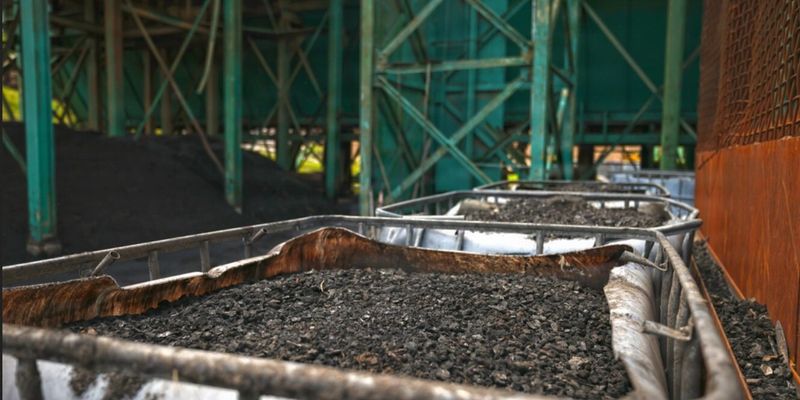
FIU researcher Islam Ibrahim Hussein developed a reusable filter from rice husk biochar to remove industrial dyes from water. The material was effective in tests and can be reused multiple times.
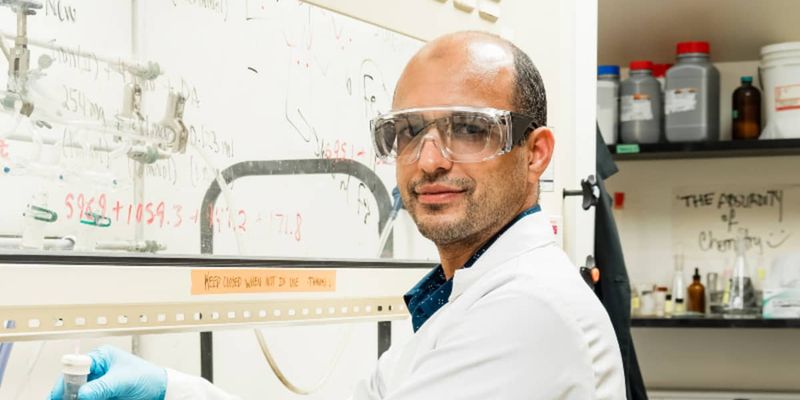
The federal government is providing $7 million to the Capital Regional District for a biosolids project on Vancouver Island, transforming wastewater treatment leftovers into biochar.
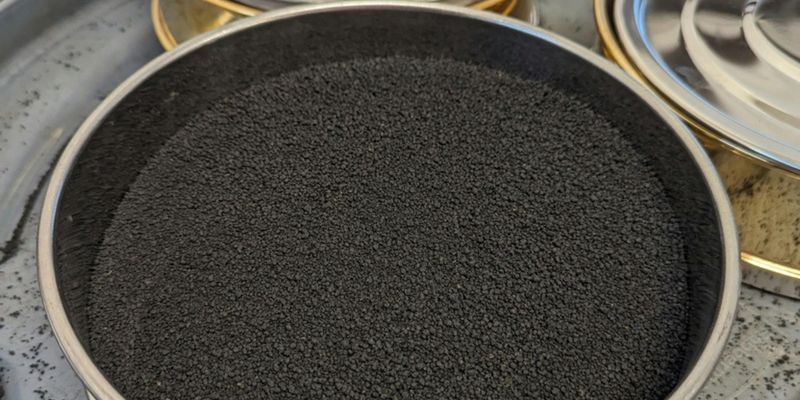
A company led by Cambridge PhD Liu Zhenyu is advancing carbon nanotube materials for lightweight applications.
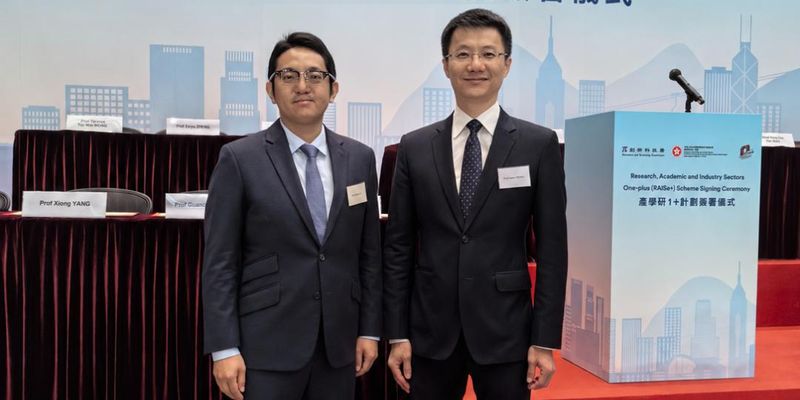
Researchers developed a non-invasive glucose monitoring device using carbon nanotubes and a 2D nickel-based metal-organic framework.
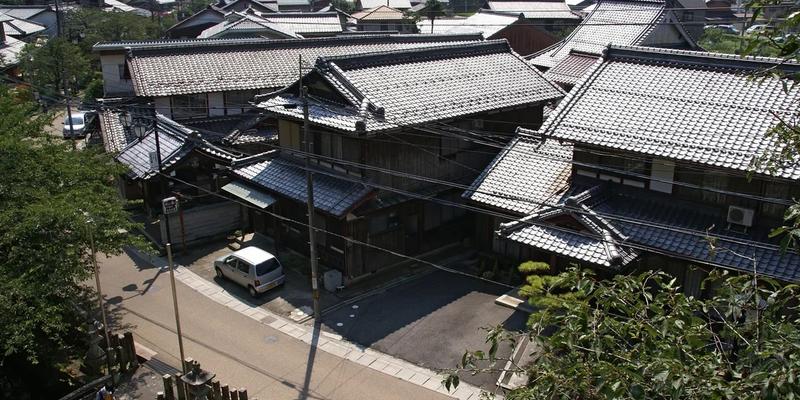
NEDO supports a feasibility study in Maibara, Japan, focusing on hydrogen and carbon nanotubes, with participation from six industrial partners.
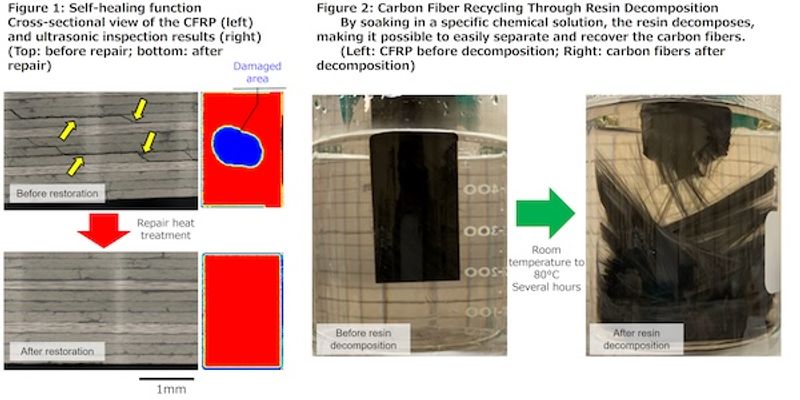
Teijin Limited has developed a thermosetting carbon fiber-reinforced plastic with a self-healing function and high recyclability, aiming to provide samples by 2028.
Researchers in China have developed an ultra-strong carbon fiber that could transform aerospace and energy sectors, offering enhanced performance and efficiency.
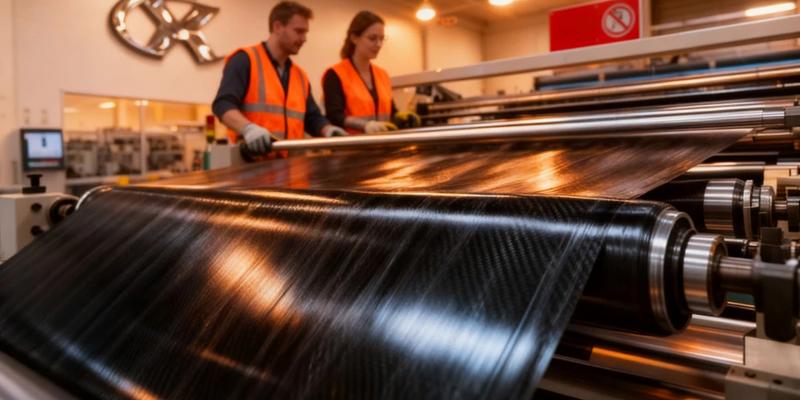
Researchers at Concordia University have created carbon-fiber composite wind turbine blades that are approximately 80% lighter than standard blades.
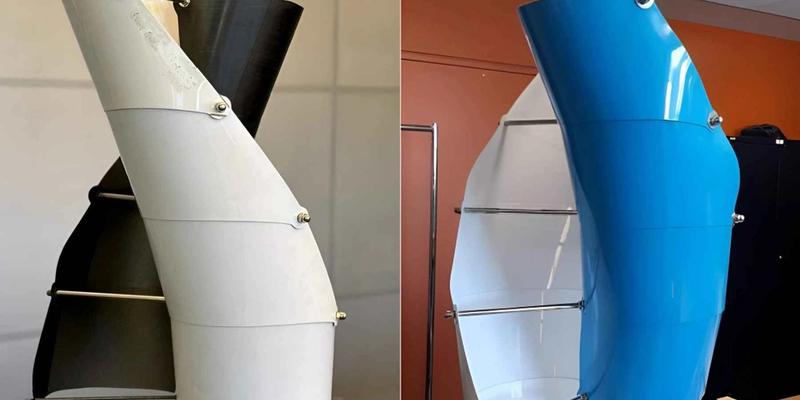
Aimplas produced lab-scale carbon fiber tapes with graphene nanoplatelets and an LMPAEK matrix for the CompSTLar project.
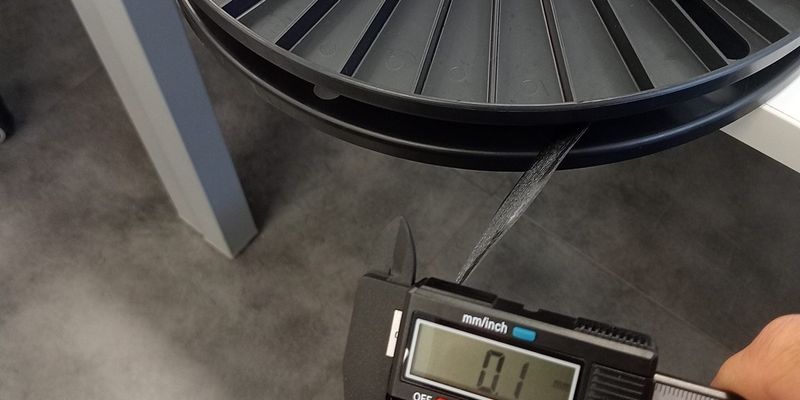
Graphene Manufacturing Group has partnered with Blackwoods to distribute its graphene-based lubricant additive, G® LUBRICANT, across Australia.
Researchers at Fudan University developed a memory device that uses a single electron to store data, achieving a 0.5-volt signal shift at room temperature.
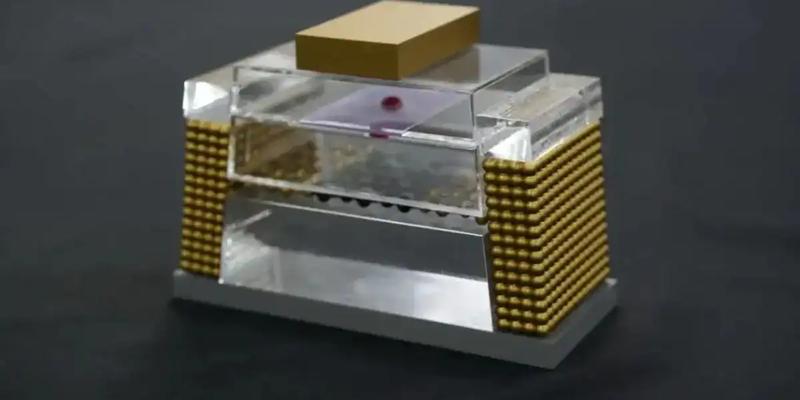
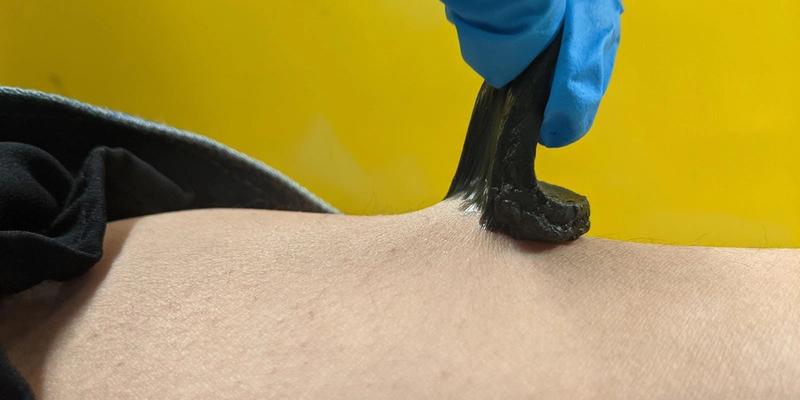
Drexel and Penn State researchers created a new hydrogel for biosensors that maintains skin contact through sweat and hair, enhancing durability and comfort during physical activity.
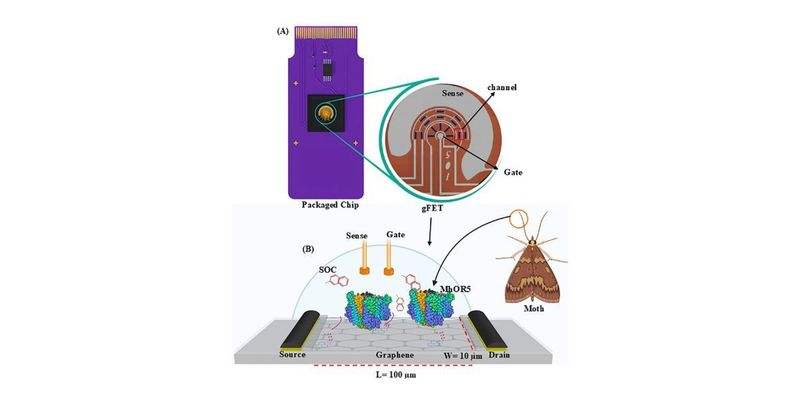
Bioengineers at UC San Diego integrated an insect olfactory receptor into graphene chips, creating a sensor that detects diverse organic compounds. This could lead to scalable, nature-inspired chemical sensors.
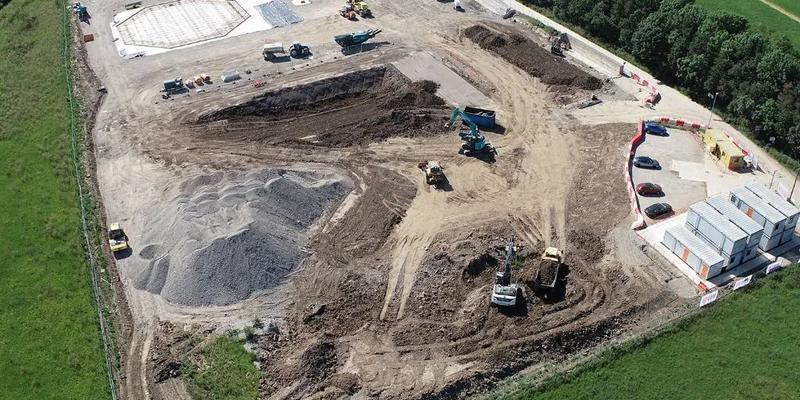
Arigna will supply 115 tonnes of biochar for ground stabilisation at the £35m anaerobic digestion plant in Northumberland, reducing the project's embodied carbon.
Researchers at Yunnan Minzu University developed a biochar catalyst from spent coffee grounds that converts over 99% of hydrogen sulfide into elemental sulfur, offering a sustainable waste treatment solution.

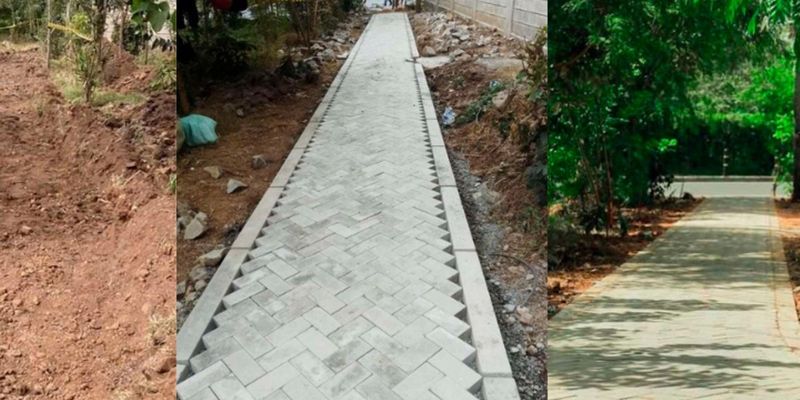
A new walkway in Nairobi's Upper Hill uses carbon-capturing concrete with biochar to test carbon-negative construction methods.
Penn State researchers are assessing the sustainability of Woodland Biomass Innovations' plan to convert 1,000 tons of wood residues daily into gasoline and biochar in Tioga County, Pennsylvania.
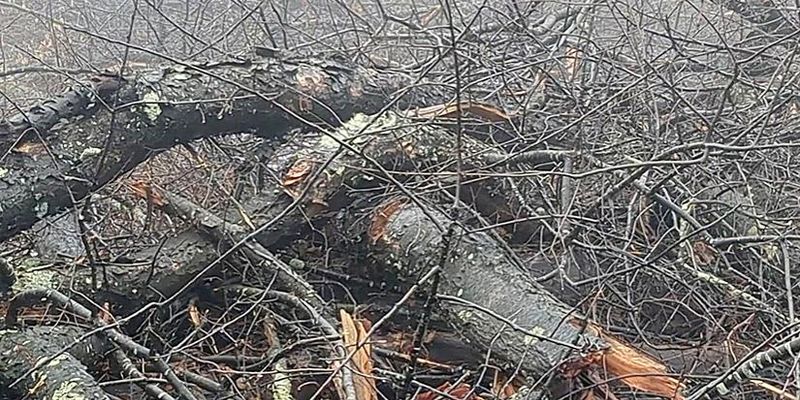
Himachal Pradesh has launched India's first indigenous biochar plant, processing 1.5 tonnes of pine needles daily to combat forest fires and climate change.
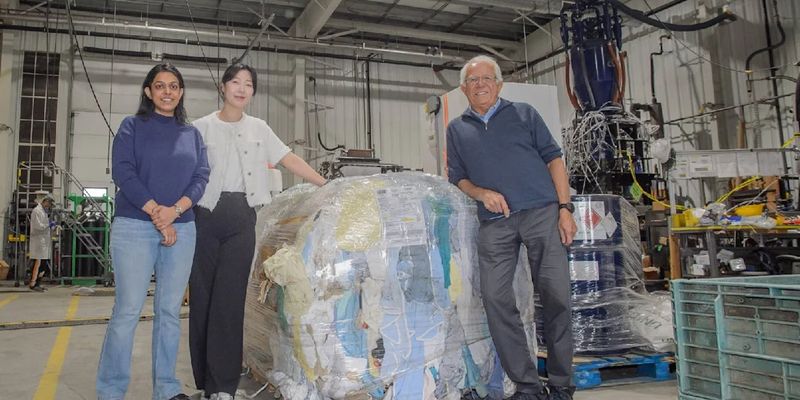
Goodwill is collaborating with Western University and Fanshawe College to recycle textile waste into biochar using pyrolysis, diverting 5,000 pounds of clothing from landfills over four years.
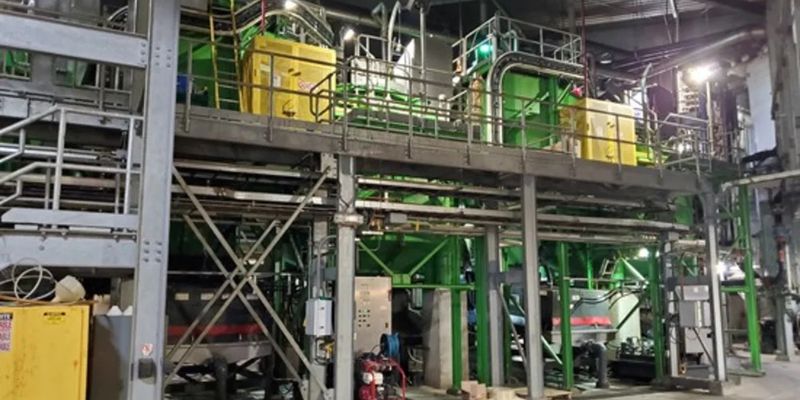
The European Commission released new certification rules for EU-wide permanent carbon removals, addressing DACCS, BioCCS, and biochar.
CCI BioEnergy has secured a contract to supply equipment for the Disco Road Organics Processing Facility in Toronto.
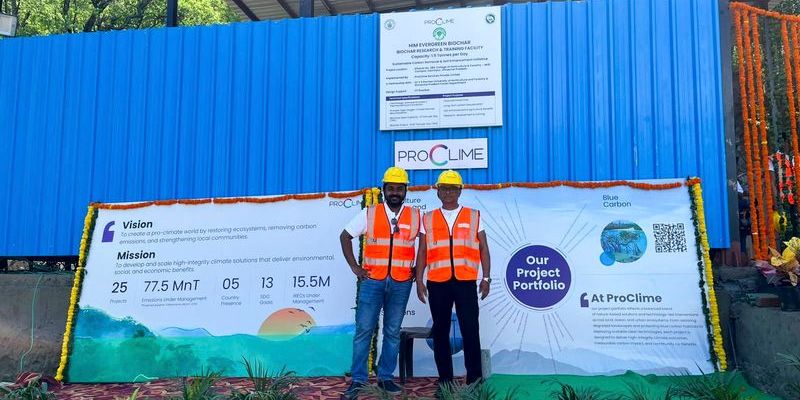
A new Biochar Research and Training Facility with a 1.5-ton daily processing capacity opened at Y.S. Parmar University in Himachal Pradesh to address forest fire hazards.

Miguel Angel Gomez Aristizabal at the National University of Colombia developed carbon nanotubes from coconut shells to reduce steel corrosion in cement by up to 70%.
Researchers incorporated carboxylated multi-walled carbon nanotubes into a chitosan hydrogel to enhance red blood cell membrane stability for use in environmental sensors.

Researchers at Oxylus Energy studied cobalt phthalocyanine catalysts on carbon nanotube supports to enhance electrochemical processes for sustainable fuel and chemical production.
Researchers at Fudan University developed a 2D flash memory chip using graphene that stores data with a single electron at room temperature, significantly reducing energy consumption.
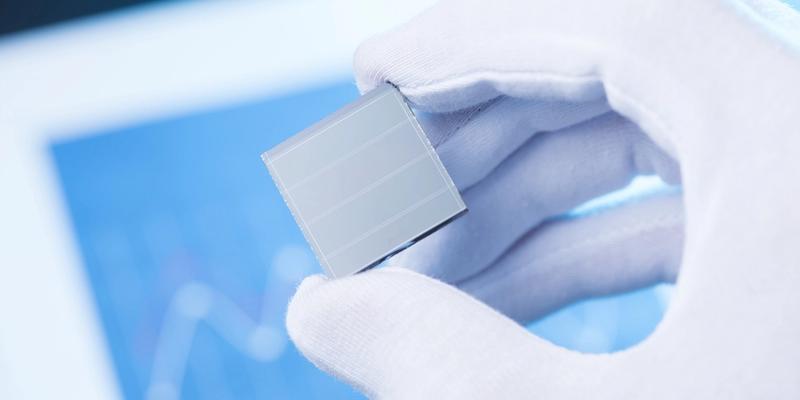
Helmholtz-Zentrum Berlin, Universität Potsdam, and Empa developed a solar cell with 27.3% efficiency using a graphene oxide and self-assembled monolayer bilayer, targeting 30% efficiency.
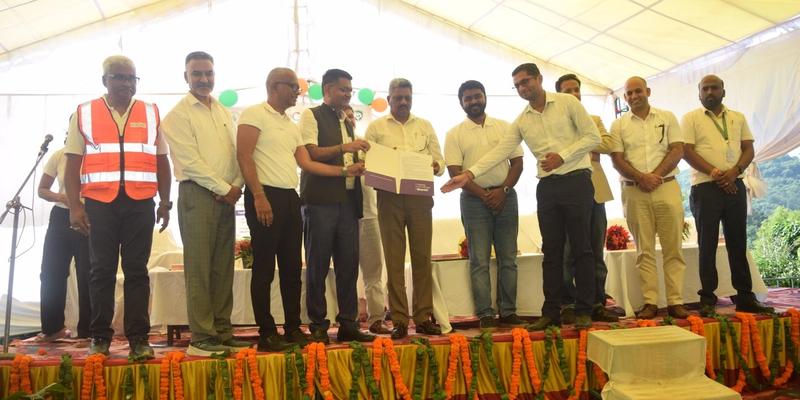
A new Biochar Research and Training Facility has opened at the College of Horticulture and Forestry in Neri, Hamirpur.
HydroGraph urges US policymakers to classify graphene as a critical material, highlighting its production from domestic hydrocarbon gases instead of imported graphite.
Vietnamese researchers are producing biochar and charcoal pellets from durian peels to reduce waste and increase the value of agricultural byproducts.
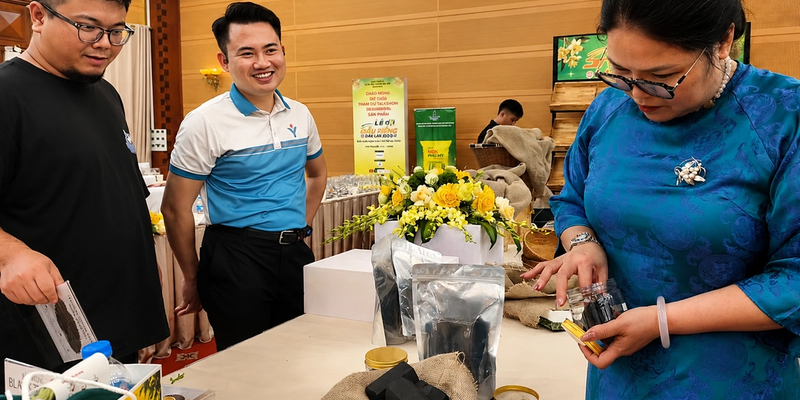
Vink Chemicals and pyropower GmbH celebrated the topping-out of a new biochar power plant in Schwerin, Germany, designed to supply energy to Vink's production site.

A review in Nano Research highlights how terminal groups (Tₓ) on MXenes influence their properties and applications, emphasizing their potential for tailored electronic, optical, and mechanical functionalities.

Researchers have created an MXene-based flame retardant for waterborne epoxy coatings, significantly improving fire protection and thermal performance.
Researchers found that adding biochar to green roof substrates significantly enhances their capacity to absorb methane.
Researchers converted eucalyptus wood waste into biochar, achieving an aluminum adsorption capacity of 139.2 mg/g. The biochar retained 78% capacity after five reuse cycles, highlighting its durability.

An Australian company plans a $30 million biochar facility in central Queensland, with Rio Tinto committing to purchase the biochar to potentially reduce coal use in its operations.
The EU's proposed carbon market update could allow hemp-based carbon storage technologies to qualify for trading in the Emissions Trading System starting in 2030.
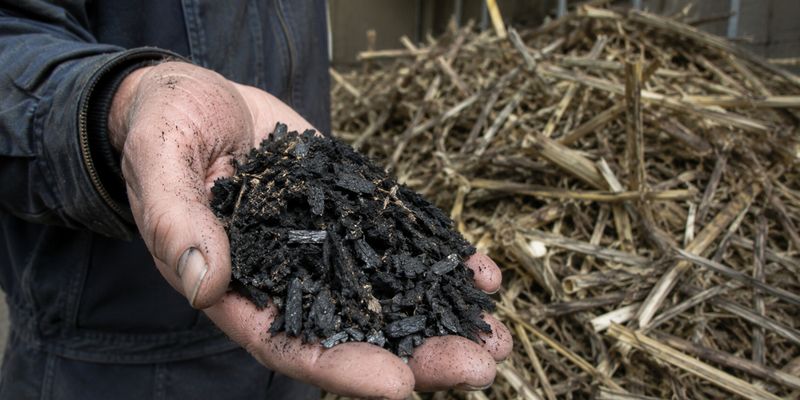
Researchers at Punjab Agricultural University review biochar's production routes and its use across environmental remediation, energy and catalysis, mapping how its physicochemical properties drive each application.
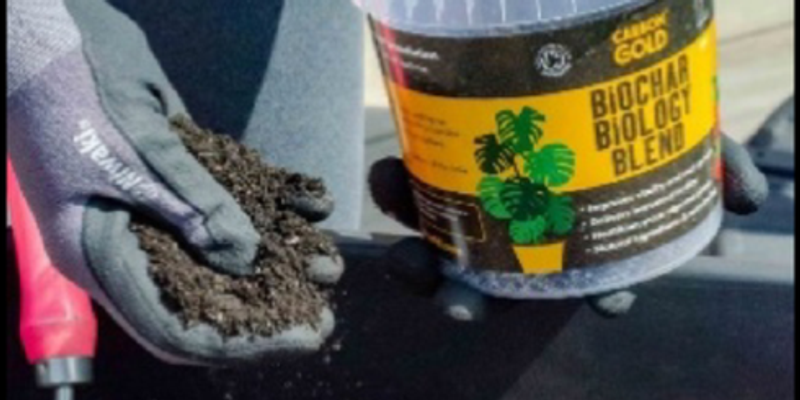
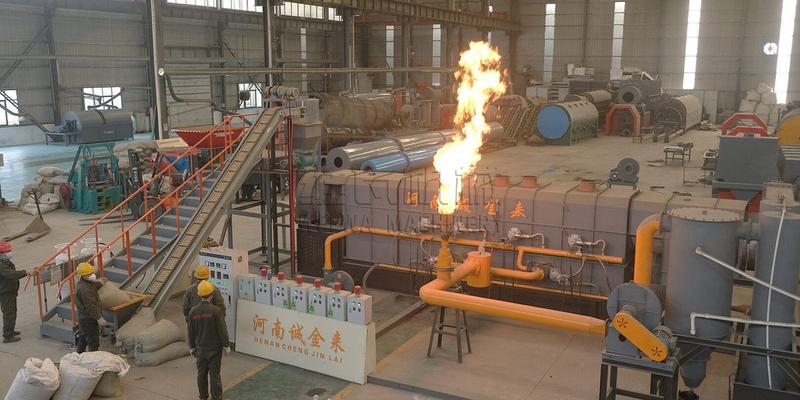
Weiwa Machinery shipped a continuous carbonization furnace to Pakistan, designed for high-capacity biochar production from local agricultural residues like coconut shells and rice husks.
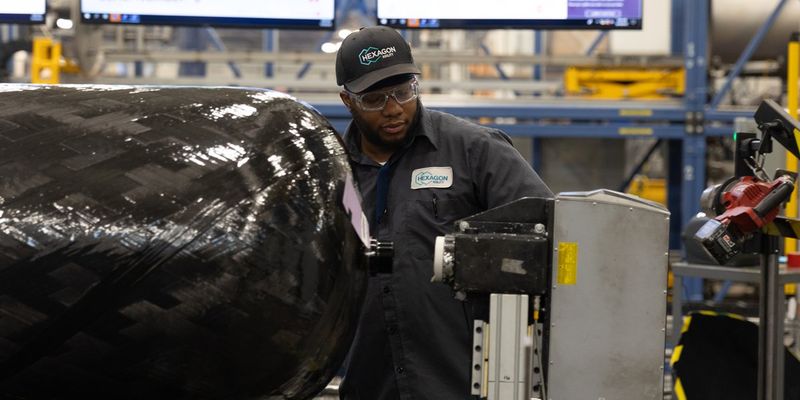
Hexagon Agility manufactures carbon-fiber tanks in Lincoln for storing and transporting natural gas, supporting data center operations.
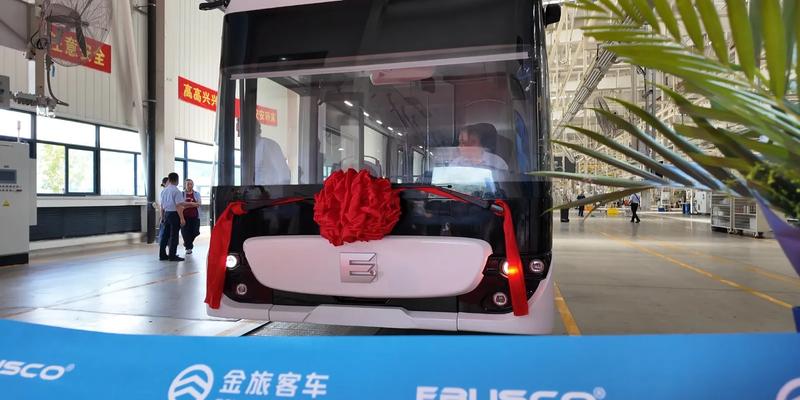
Golden Dragon and Ebusco have finished making the first carbon fiber electric bus at Golden Dragon's Longhai facility.
Researchers have enhanced the durability of Carbon Fibre Reinforced Polymer (CFRP) in aerospace structures by adding an electroformed nickel leading-edge guard.

Researchers at QUT developed a molecular strategy to prevent carbon nanotube clumping, enhancing thermal power efficiency for wearable devices that convert body heat into electricity.

Researchers at Queensland University of Technology used a small molecule to stop single-walled carbon nanotubes clumping, achieving record heat-to-electricity conversion in a problem that had stalled the field for two decades.
Researchers at the University of Science and Technology of China have developed carbon nanotubes from distilled grain residues to enhance potassium-ion battery performance.
Mackenzie Fly Fishing has developed graphene-infused outdoor clothing that deters ticks, following unexpected results during a Highlands stalking trip. The fabric's anti-tick properties require no chemical treatments.

Researchers created a flexible memristor using perovskite quantum dots and graphene oxide, improving low-light image recognition by over 10% and doubling the signal-to-noise ratio.
City Oil Field has developed the RGO system to extract oil from plastic waste in rural Korea.
Researchers at the University of Arizona demonstrated that graphene nanoribbons can withstand gamma radiation, suggesting their potential use as radiation sensors in fusion reactors and deep space applications.
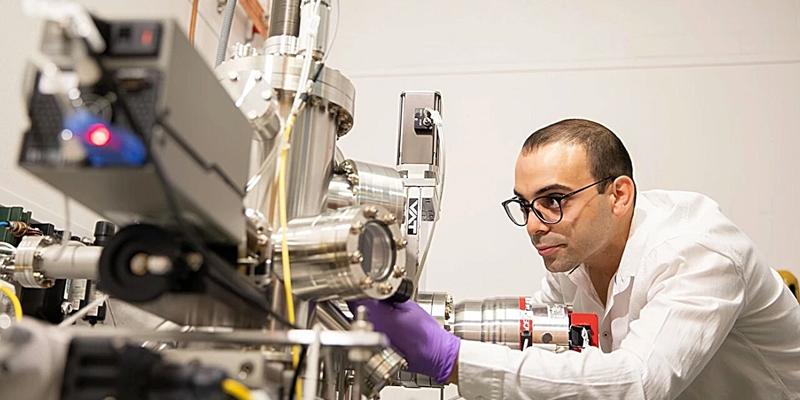
Graphene Manufacturing Group Ltd signed an exclusive MOU with Alstom to develop graphene products for rail HVAC systems.

Researchers are evaluating graphene-enhanced concrete for infrastructure projects in North Carolina's Outer Banks, comparing its performance to traditional concrete methods.

HydroGraph's fractal graphene is being tested in Sparc Technologies' ecosparc® additives to improve the durability of steel in challenging conditions.
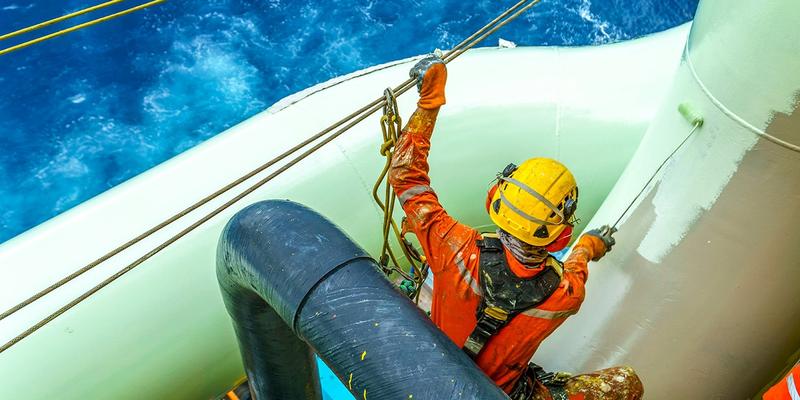
Graphene Leaders Canada has commercialized its graphene-enhanced electroless nickel additive, offering improved corrosion resistance and wear performance. The technology is now available to industrial sectors worldwide.
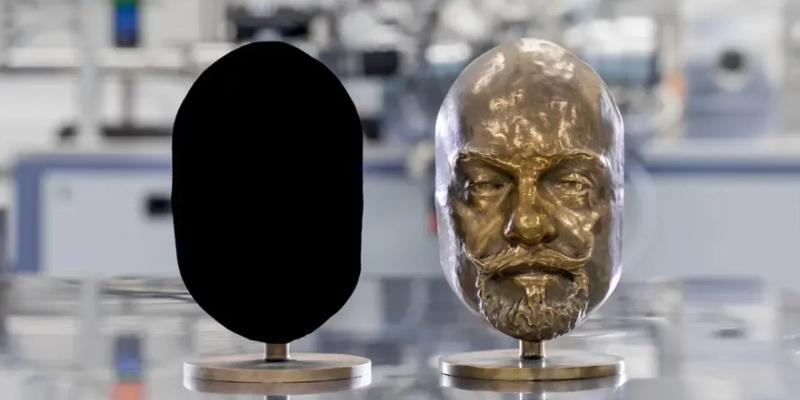
Vantablack, developed in Great Britain from carbon nanotubes, absorbs 99.965% of light, offering a potential solution to light pollution from satellite constellations like Starlink.
Smoltek has joined the MAXBATT consortium, which includes Scania and Volvo, to enhance sustainable battery production using carbon nanofiber technology.
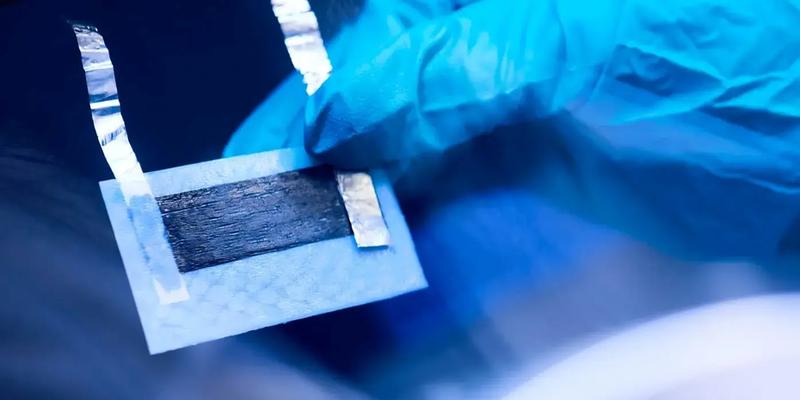
Operators can boost profits from tire pyrolysis by refining oil and carbon black into higher-value products. Upgraded materials meet industrial standards, attracting stable buyers and better margins.
Researchers at Texas A&M University have developed a process to convert methane into graphene oxide using a nonthermal plasma-water interface, potentially reducing production costs.
Researchers at Kyushu University developed a pumpkin peel-based nanomaterial that surpasses plastic in blocking UV light, reducing microbial growth, and preserving antioxidants, offering a sustainable packaging alternative.
Researchers have shown that graphene nanoribbons may enhance semiconductor technologies, benefiting applications in fusion energy and space environments.
Bacterial cellulose converted into biomass-derived carbon gives supercapacitor electrodes that charge rapidly and survive millions of cycles, offering a renewable feedstock for high-power energy storage.
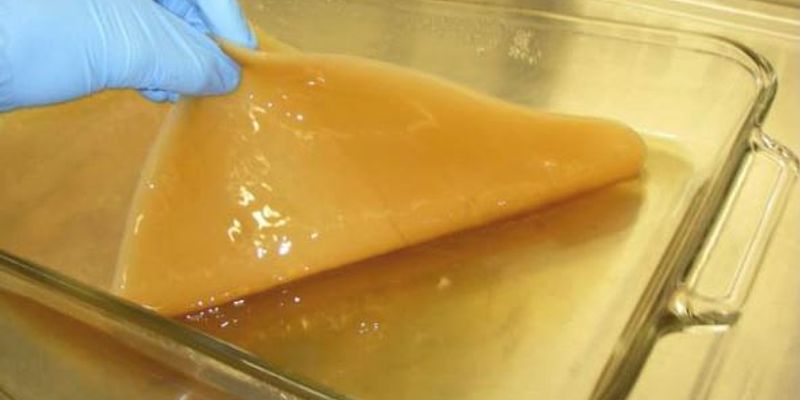
A major tyre producer reports increased use of recycled carbon black in their products.
Researchers evaluated four graphene-based materials in carbon fibre/epoxy laminates for hydrogen storage tanks. The study focused on microwave-assisted graphene intermediate (MGI) composites.
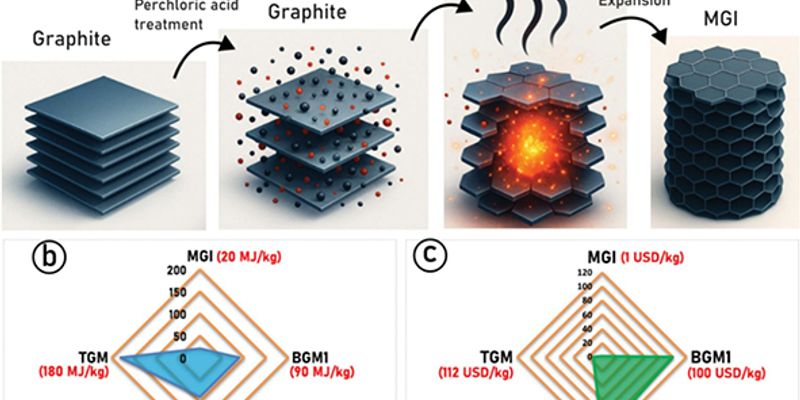
Researchers at Concordia University have developed a method to shape carbon fiber wind blades without molds by curing flat carbon-fiber plies that curve upon cooling.
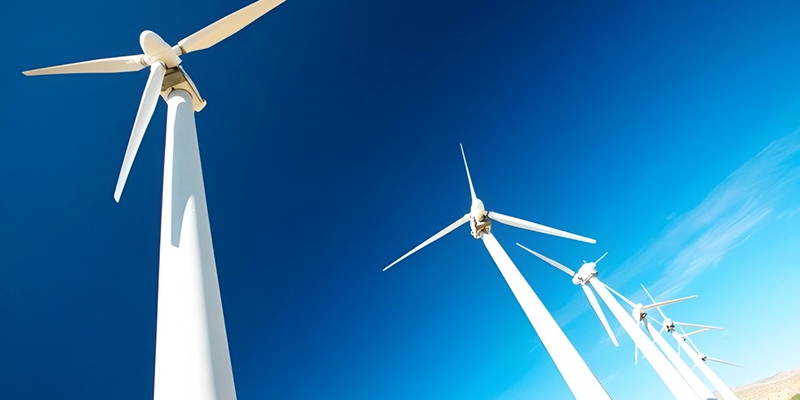
Biochar from carbonization plants is now recognized as a valuable engineered carbon sink, offering new revenue opportunities beyond its traditional use as a soil amendment.
Researchers found that mixing rice-straw biochar with potassium-solubilizing bacteria boosts water-soluble potassium levels in acidic soil.
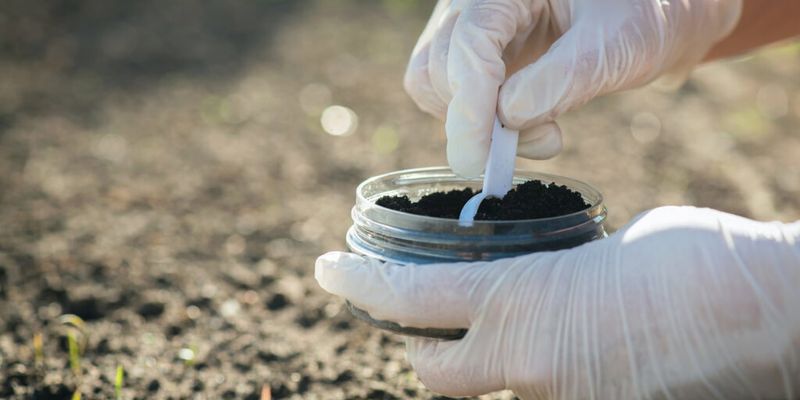
Researchers incorporated carbon fiber into jute-based laminates, enhancing the mechanical performance of the composite compared to other materials.
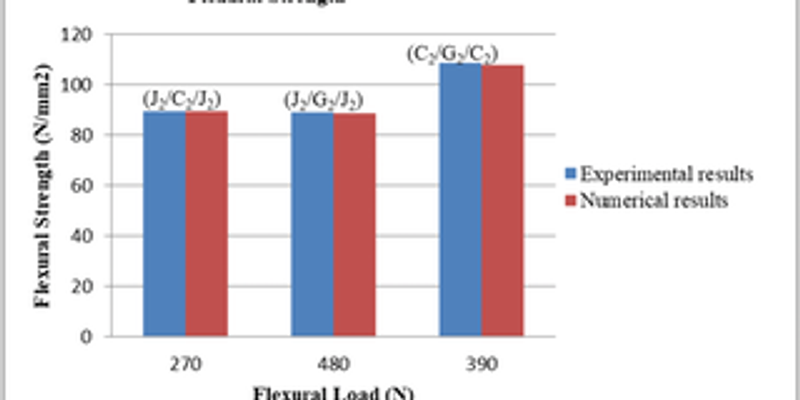
A team from UAS-B is training 100 farmers across Karnataka to create biochar from crop residue using an affordable, portable drum method.
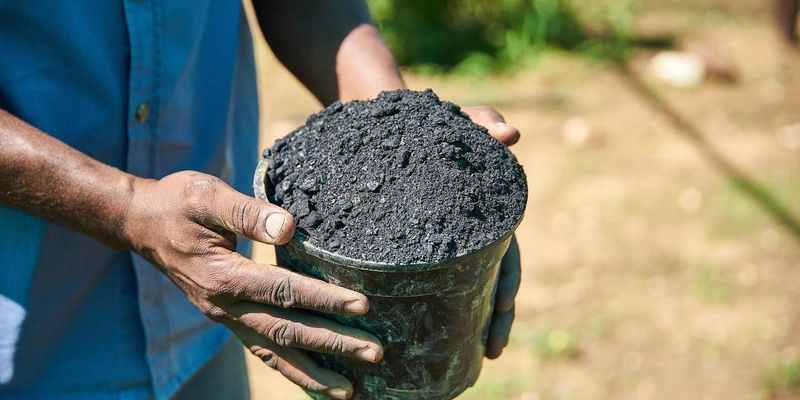
Eramet and the Gabonese Republic signed a memorandum to develop a biochar production sector using forestry by-products. An industrial seed fund "Made in Gabon" will also be launched.

The EU plans a €50 billion Emissions Trading System market for carbon removal, initially excluding lower-tech options like biochar. Future reviews may consider these technologies.

Researchers studied how biochar, made from rice husk and banana peel, absorbs lead and chromium. They tested both raw and magnesium oxide-impregnated versions.
The city of Barcelona plans to transform a street into a climate laboratory by 2027, using asphalt that incorporates biochar made from olive pits and other biomass. This initiative aims to explore the potential of biochar in reducing urban heat and enhancing the sustainability of road materials.

AMP Robotics has implemented a biochar process at their Hampton Roads facility to manage organic waste. This development is significant for the advanced carbon materials sector as it utilizes biochar, a form of carbon, to enhance waste management and potentially improve soil health.
Researchers at the World Resources Institute report that current global CO₂ removal capacity is insufficient to meet the 2030 target of one billion tonnes, with technologies like Direct Air Capture and biochar facing high costs and scalability challenges. This shortfall impacts the advanced carbon materials sector, as these technologies are crucial for achieving net-negative emissions and supporting the sustainable use of biochar and other carbon-based solutions.
Researchers at the Skolkovo Institute of Science and Technology have developed a room-temperature infrared phototransistor using single-walled carbon nanotubes (SWCNTs) and lithium niobate (LiNbO3), achieving specific detectivities of up to 10^10 cm·Hz^1/2/W. This advancement in SWCNT-based pyroelectric phototransistors could lead to more affordable and portable IR sensing technologies, potentially transforming applications such as thermal imaging, environmental monitoring, and optical communications.
NanoMalaysia (NMB) is set to begin small-scale production of a graphene-enhanced lithium-ion battery for electric vehicles at its 15,000-square-foot facility in Sepang, Malaysia. By incorporating graphene instead of graphite, the battery aims to triple energy storage capacity, which could significantly enhance the performance of carbon-based materials in EV applications.
Researchers at Penn State have developed a battery-free solar computing chip that integrates silicon photovoltaics, MoS₂/WSe₂ complementary logic, and graphene chemical sensors. This innovation highlights the potential of graphene in enhancing the efficiency and functionality of solar-powered computing devices.
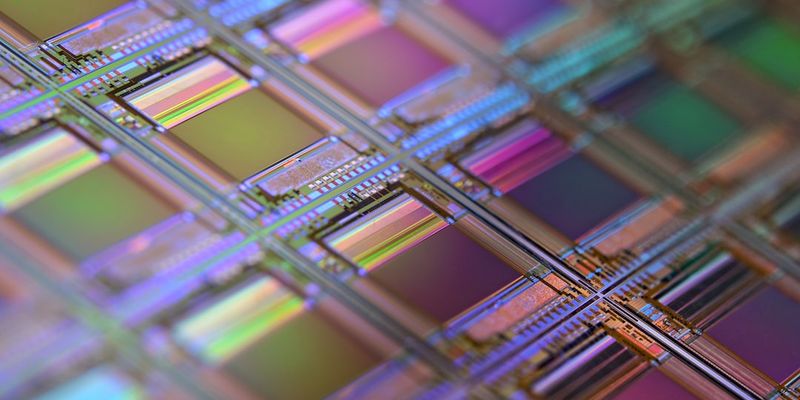
Researchers at Helmholtz-Zentrum Berlin have developed a new perovskite solar cell by incorporating graphene, enhancing its durability and efficiency. This advancement in perovskite technology could significantly reduce production costs and improve the performance of solar cells, potentially increasing the adoption of lightweight, flexible solar solutions over traditional silicon-based panels.

Researchers at Texas A&M University have developed a scalable process to produce graphene oxide from methane, a component of natural gas. This advancement could lower the cost of graphene oxide production, enhancing its availability for use in batteries, coatings, and electronics.
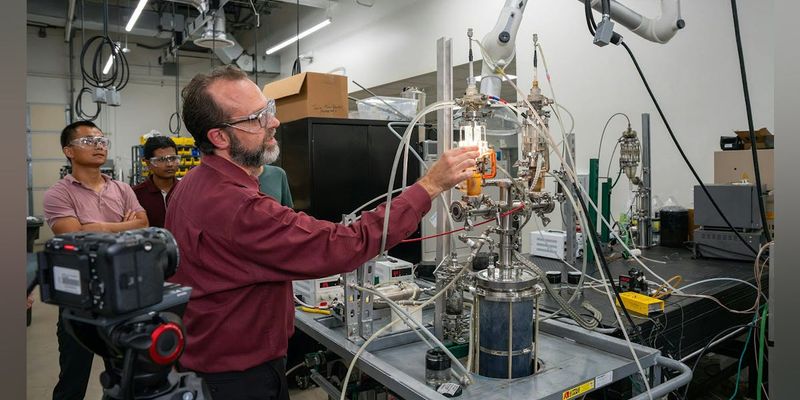
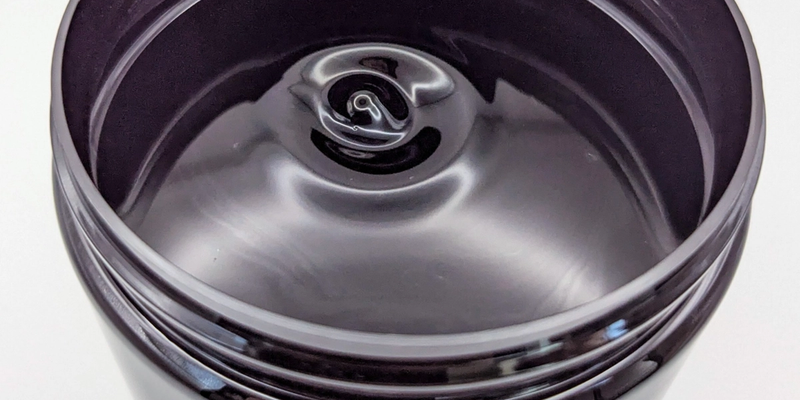
HydroGraph Clean Power has launched Fractal Graphene Paste, a pre-dispersed aqueous concentrate containing 20% graphene by weight, designed to simplify the incorporation of graphene into water-based industrial formulations. This development is significant for the advanced carbon materials sector as it addresses the dispersion challenges associated with graphene, potentially accelerating its adoption in applications such as construction materials, coatings, and thermal management systems.
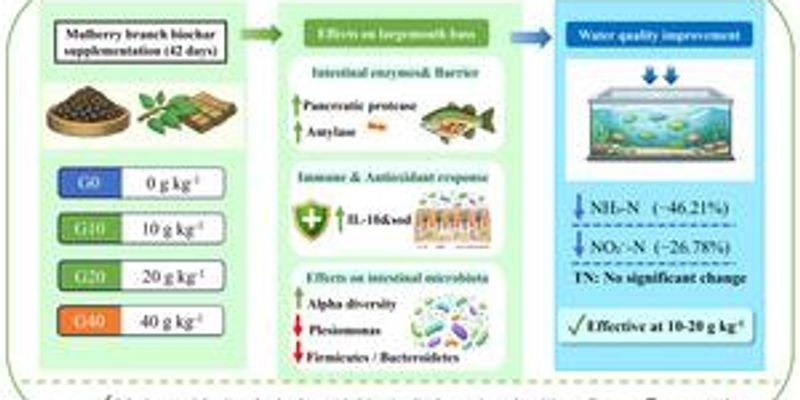
Dietary mulberry branch biochar improved intestinal health in largemouth bass and water quality in the surrounding aquaculture system, pointing to a feed additive use for the material.
Holcim introduced its biochar concrete at the Venice Biennale in 2025, collaborating with architect Alejandro Aravena. This development is significant for advanced carbon materials as biochar can enhance the sustainability of concrete by reducing its carbon footprint.
The RM of Ritchot has signed a memorandum of understanding with a biochar manufacturer to extend its landfill operations. This partnership could enhance the use of biochar in waste management, potentially improving sustainability and generating economic benefits.
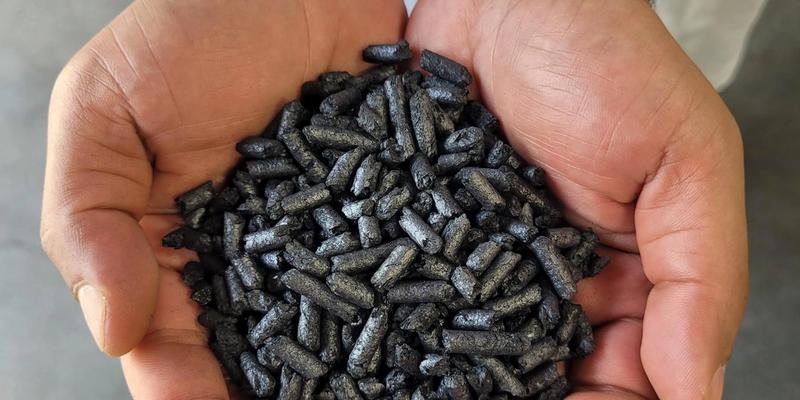
A report on biochar plants in Rajasthan indicates that UV treatment effectively maintains faecal coliform levels within permissible limits in treated liquids at most sites. This is significant for the biochar sector as it highlights the potential of biochar to be used in wastewater management while addressing environmental safety concerns.
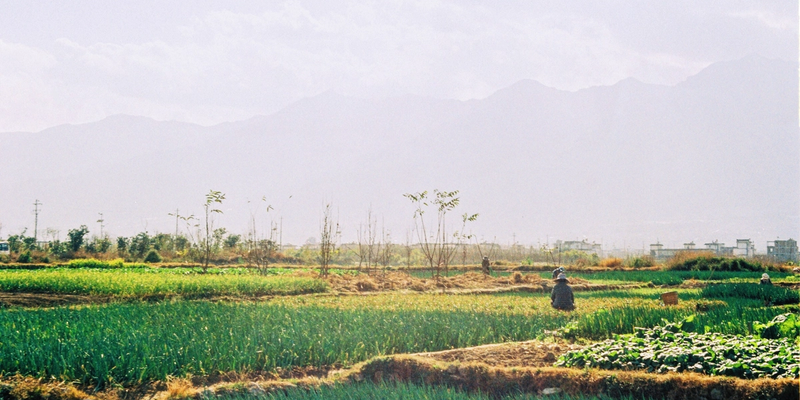
Nex Cap Energy has identified key industries that benefit most from graphene supercapacitors, highlighting sectors such as telecommunications, electric vehicle fleets, solar, and marine applications. This development underscores the potential of graphene in enhancing energy storage solutions across diverse fields.
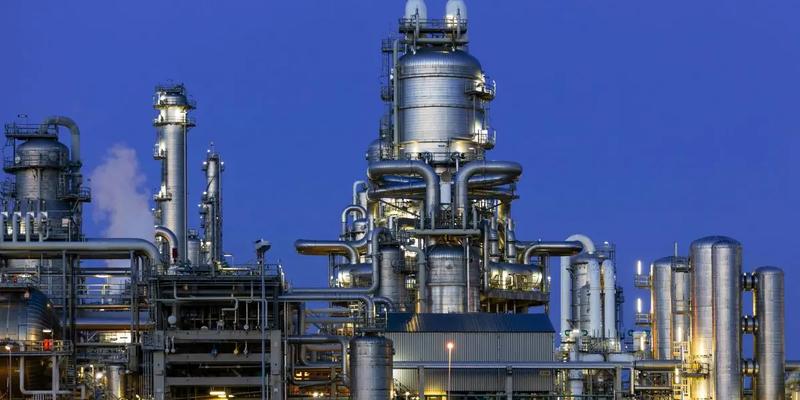
Firefly Aerospace has secured a $13 million subcontract from NASA's Jet Propulsion Laboratory to produce and test the aeroshell for the SkyFall Mars mission, slated for a late 2028 launch. This project will utilize carbon fiber composites for the aeroshell's backshell and heatshield, highlighting the material's critical role in protecting spacecraft during the harsh entry, descent, and landing phases on Mars.

The Government of Québec has announced its Plan de gestion intégrée des ressources énergétiques (PGIRE), committing $87 billion over 25 years to boost renewable energy, including forest bioenergy. This investment could significantly advance the production of renewable natural gas and biocarbon, both critical for decarbonizing industries reliant on carbon-based fuels.
Researchers at Western University have partnered with Goodwill to reduce textile waste by using biochar and AI-powered sorting technologies. This collaboration is significant for the advanced carbon materials sector as it demonstrates a novel application of biochar in waste management, potentially increasing demand for biochar production.
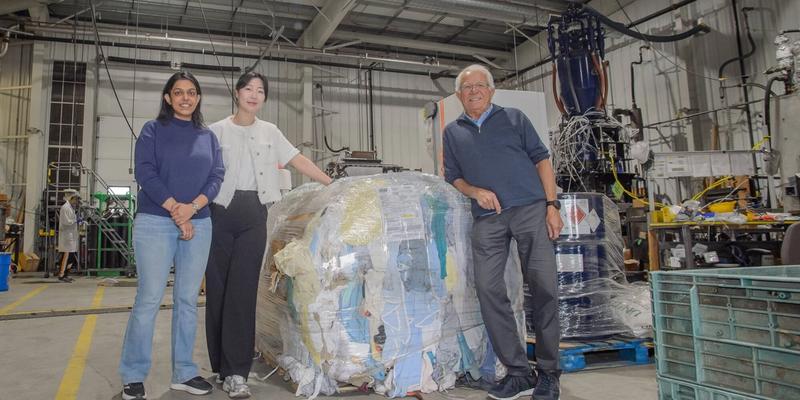
St. Louis County, the city of Duluth, and other partners have implemented a green-infrastructure project at Hartley Nature Center to divert and filter stormwater runoff from 117 acres, using biochar among other materials to remediate contaminants. This initiative is significant for advanced carbon materials as it utilizes biochar, a form of carbon, to improve water quality by removing pollutants, benefiting ecosystems connected to Lake Superior.
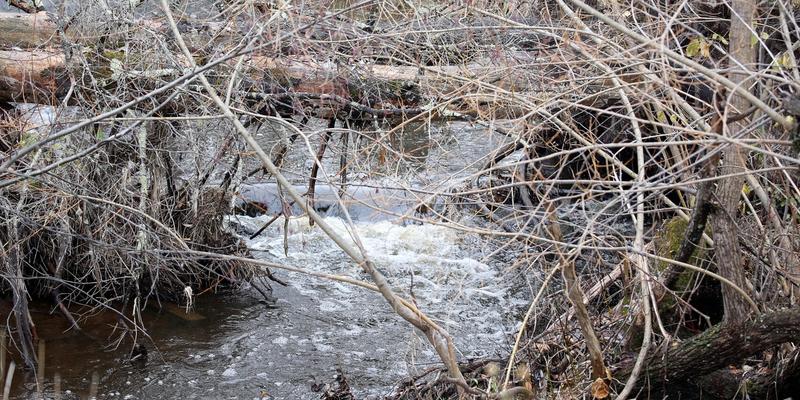
Hina Battery is establishing a 2 GWh sodium-ion battery production line in Wuhan to support commercial transport and cargo operations along the Yangtze River. This development is significant as it leverages local carbon resources to reduce reliance on imported lithium, ensuring stable battery supply for heavy-duty vehicles.
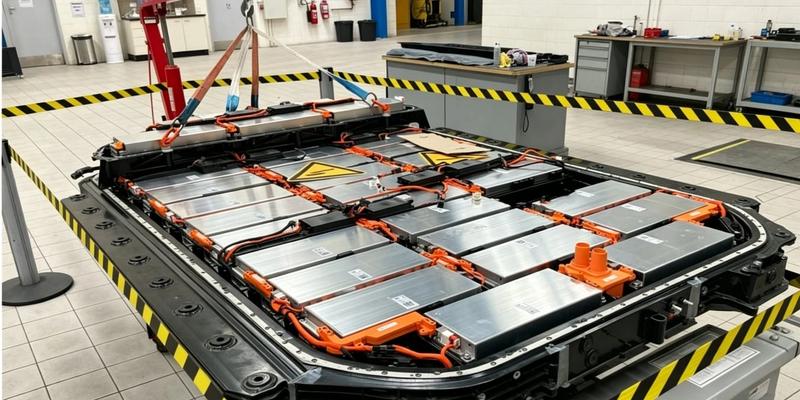
Valency International has opened Africa's first large-scale biochar plant using cashew nut shells in Côte d'Ivoire. This development could enhance the production of biochar, a carbon-rich material, from agricultural waste, promoting sustainable practices in the region.
Converting accumulated forest biomass into biochar is being put forward as a wildfire prevention measure, tackling the untreated combustible material that satellite monitoring shows is driving record burn areas.

Researchers from Brazil's Federal University of Pelotas and Federal University of Rio Grande do Sul have developed a laser-induced graphene sensor capable of detecting dopamine in tear fluid with high sensitivity. This advancement could lead to noninvasive monitoring of neurological disorders, utilizing the electroactive properties of graphene to provide a compact and scalable alternative to traditional methods that often require blood or implanted devices.
Researchers at the Helmholtz-Zentrum Berlin, along with collaborators, have developed a perovskite solar cell with a graphene-oxide interface that achieves 27.3% power conversion efficiency and maintains over 90% of this efficiency after 770 hours of operation. This advancement addresses the stability issues in all-perovskite triple-junction cells, potentially paving the way for more durable and efficient solar technologies using carbon-based materials like graphene.
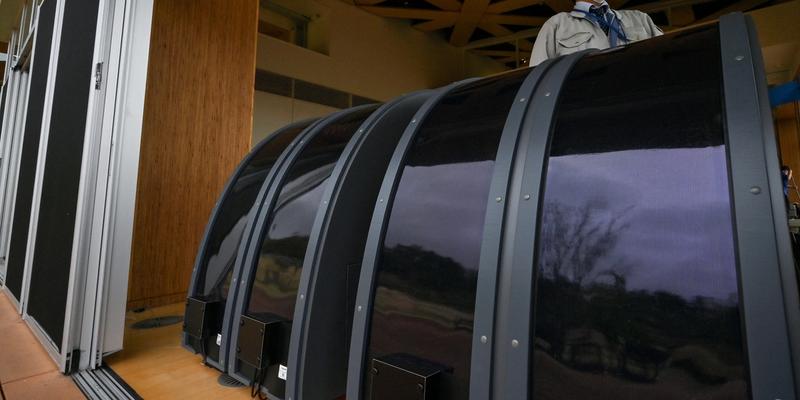
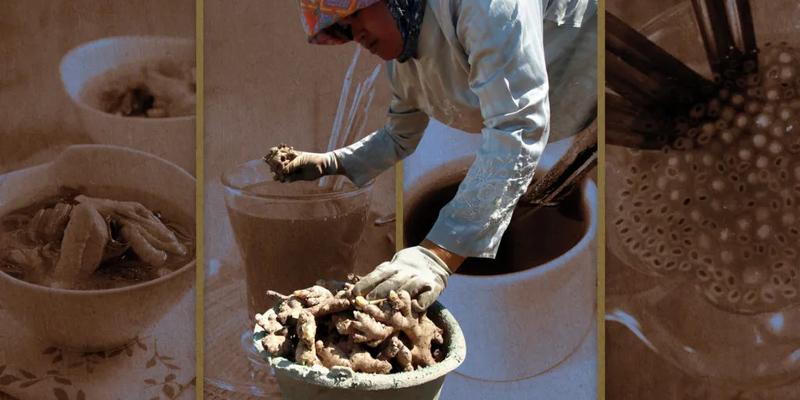
Researchers at the National Research and Innovation Agency have developed biobriquettes from ginger rhizome waste, offering an alternative energy source. This innovation not only reduces environmental pollution from ginger waste but also supports the clean energy transition by utilizing biochar derived from lignocellulose-rich materials.
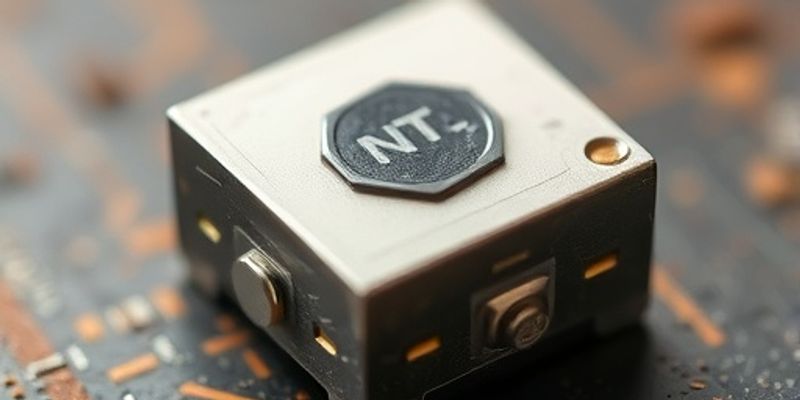
Researchers at the University of Electronic Science and Technology of China have developed a CNT@Ag-MXene sensor that resists corrosion even under high strain conditions. This advancement in carbon nanotube composites could enhance the durability and lifespan of sensors used in harsh environments.
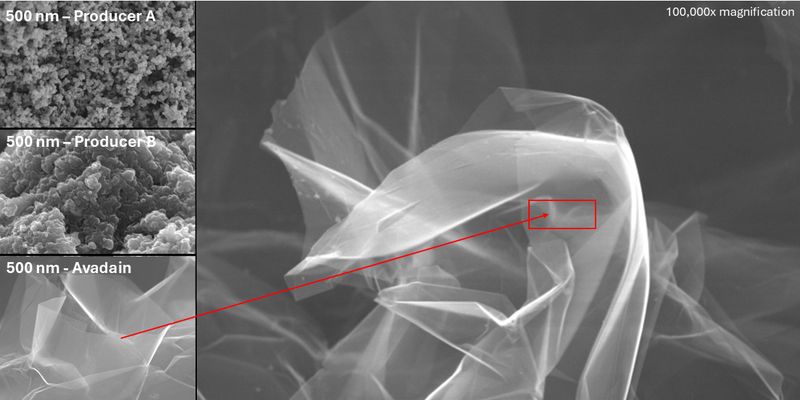
Avadain has developed a new graphene type called Large, Thin, Defect-Free (LTDF) graphene, which features flakes in the 25-100+ µm² range and averages under 5 atomic layers, aiming to enhance applications in critical minerals, rare-earth-free magnets, and high-power electronics. This advancement is significant because it addresses key limitations of commercial graphene, such as flake size, layer count, and defect density, potentially improving the performance of carbon-based materials in demanding applications.
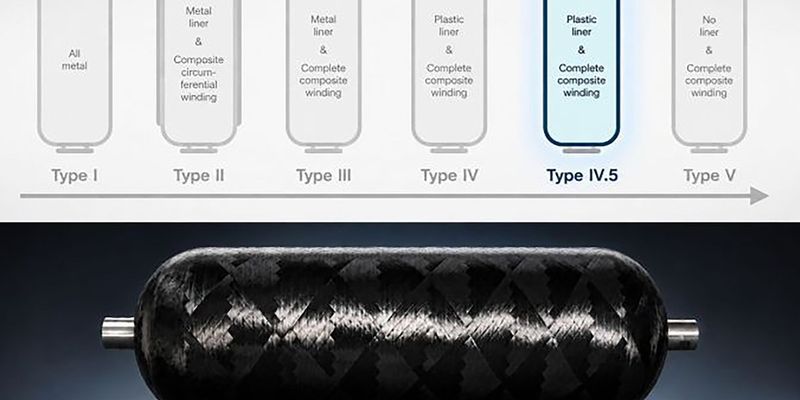
Avanco Composites has introduced a Type 4.5 pressure vessel that uses thermoplastic composites to match the polymer in the plastic liner with the matrix system in the overwrap. This fusion allows for enhanced storage solutions, particularly benefiting applications that require lightweight and efficient carbon fiber-reinforced structures.
Turquoise Group has achieved Verified Graphene Producer® status, confirming its capability to produce 30 tonnes of high-purity few-layer graphene annually at its Brisbane facility. This certification enhances the company's credibility in delivering high-quality graphene, a material crucial for applications in coatings, composites, and energy storage.

ÉireComposites has manufactured three carbon fibre stray light baffles for the European Space Agency's Altius ozone monitoring mission. This development highlights the use of carbon fibre in aerospace applications, particularly in enhancing the performance of optical instruments.
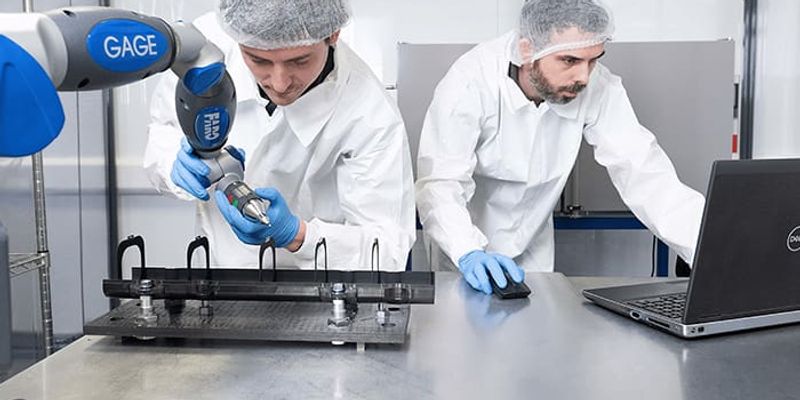
Researchers at Texas A&M University found a scalable route to graphene oxide while working on a hydrogen project, a discovery that could cut the cost of a material used in batteries and electronics.
Researchers at Helmholtz-Zentrum Berlin built a perovskite triple-junction solar cell reaching 27.3% efficiency with no measurable degradation over 770 hours of operation.
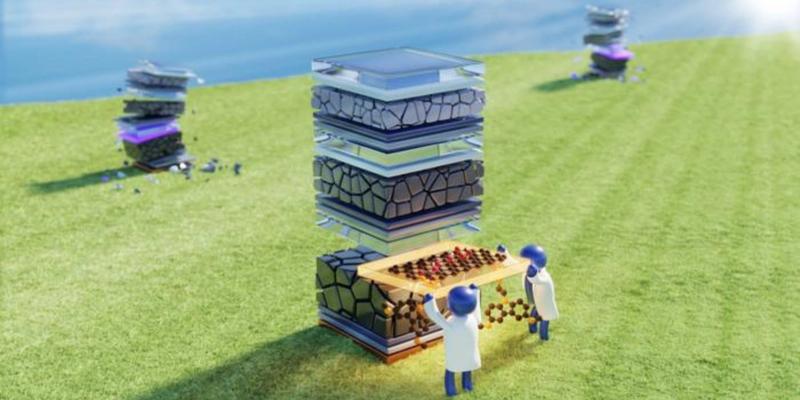
Researchers have optimized reduced Ti3C2 MXene to achieve a photothermal conversion efficiency of 91.66% under an 808-nanometer laser. This enhancement in free electron concentration can significantly improve MXene's performance in photothermal applications, potentially impacting fields like energy conversion and thermal management.
Researchers at the Institute of Environment under the Hefei Comprehensive National Science Center have developed a technology for large-scale biochar production from agricultural and forestry biomass, capable of producing over 50,000 tonnes annually. This advancement in biochar technology supports environmental sustainability by transforming agricultural waste into a high-value carbon-rich material, with applications in soil enhancement, energy storage, and more.
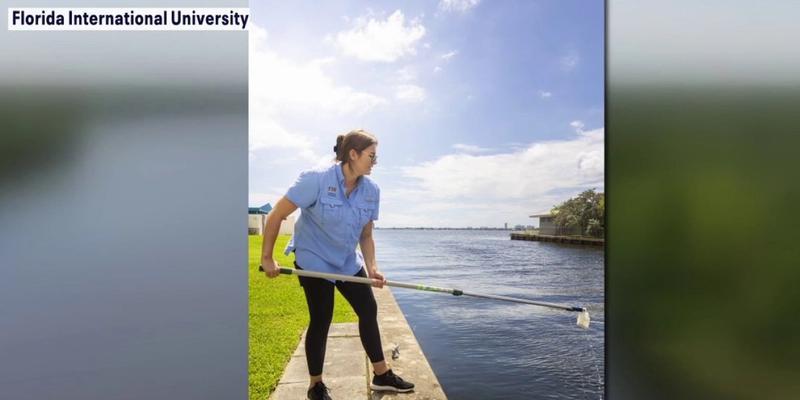
Researchers at Florida International University have found that a water sample from the Hillsborough River near downtown Tampa contained 12 nanograms per liter of 6PPD-Q, a toxic chemical from tire wear, exceeding the EPA benchmark of 11 nanograms per liter. This study highlights the potential of using sargassum-based biochar to filter out harmful pollutants, which could protect Florida's aquatic ecosystems from the adverse effects of tire-derived chemicals.
Verde Resources, through its subsidiary Verde Renewables, has signed a 10-year Master Commercialization and Collaboration Agreement with Ergon Asphalt & Emulsions to supply engineered biochar for road paving and manage associated carbon removal credits. This partnership positions Verde as a key supplier in the asphalt industry, leveraging biochar to create sustainable infrastructure solutions and potentially generating additional revenue through carbon credits.

Researchers from the Skolkovo Institute of Science and Technology have developed a new infrared sensor using single-walled carbon nanotubes, which shows a conductivity change 10,000 to 100,000 times more pronounced than graphene. This advancement could lead to more sensitive and compact thermal cameras and medical sensors, leveraging the unique properties of carbon nanotubes for enhanced infrared detection without the need for cooling.
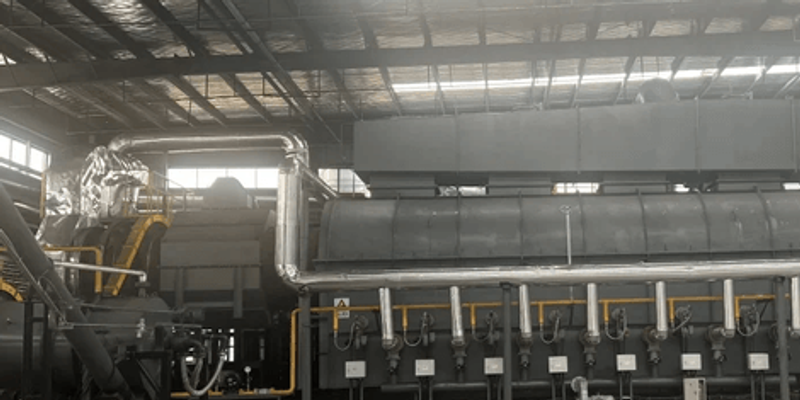
BrandName has introduced a continuous bamboo pyrolysis machine designed to convert waste bamboo materials into biochar. This development is significant for the biochar sector as it offers a sustainable method to recycle flue gas as heating fuel, enhancing the efficiency and environmental impact of biochar production.
Researchers at the Harbin Institute of Technology and the University of Wollongong interfaced MXene flakes onto fibre fabric to create an ultrafast electron transport layer for energy storage.
Researchers at City University of Hong Kong reached 20.5% power conversion efficiency in an organic solar cell by recovering normally non-emissive triplet excitons as extractable charge carriers.
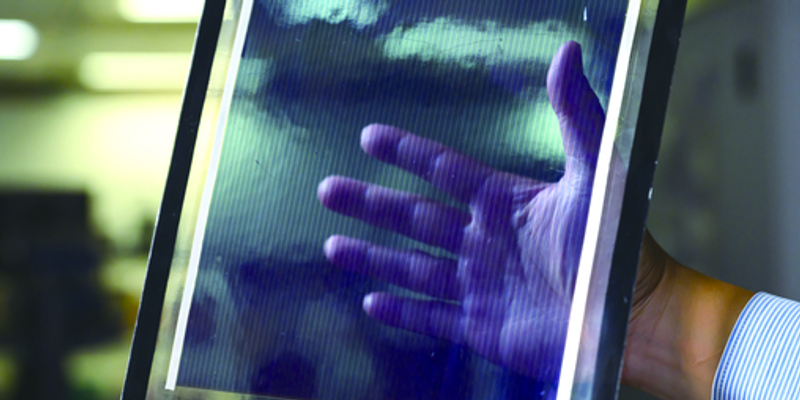
Verde Resources and Ergon Asphalt & Emulsions have signed a 10-year agreement to advance the use of engineered biochar in cold paving applications, moving their collaboration into a commercial phase. This development is significant for the advanced carbon materials sector as it tests biochar's practical performance in real-world infrastructure projects, potentially paving the way for wider adoption of carbon-storing materials in road maintenance and construction.

Researchers from the study published in Biochar have demonstrated that using iron and manganese modified biochar (FMBC) with specific irrigation strategies can significantly reduce cadmium and mercury levels in rice grown in co-contaminated paddy fields. This approach could enhance the safety of rice by stabilizing these metals and reducing their uptake, offering a viable solution for managing heavy metal contamination in agricultural soils.
Researchers at Peking University have developed the first all-carbon nanotube CFET digital logic circuits, achieving highly balanced electrical performance between p-type and n-type transistors. This advancement is significant for the future of carbon nanotube technology, as it introduces a new path for high-density computing architectures in artificial intelligence and edge computing applications.

Researchers at Chulalongkorn University used graphene quantum dots as nanoadditives in cement, tailoring interfacial processes during hydration to improve the mechanical performance of the set material.
The FURHY project, funded by the European Union's Horizon Europe program, has released three new key exploitable results, including a hybrid nonwoven material combining recycled carbon fiber and hemp fiber, as it enters its final six months. These developments are significant for the advanced carbon materials sector as they aim to create fully recyclable, bio-based composite materials with reduced carbon footprints, targeting applications in automotive and sports industries.
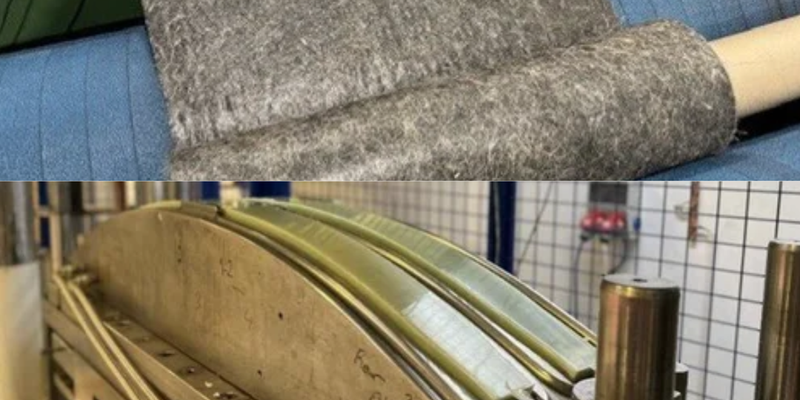
Green Development plans to establish a large battery storage facility at its biochar plant in Quonset. The project could enhance the integration of biochar production with renewable energy storage, potentially increasing efficiency and sustainability in the sector.
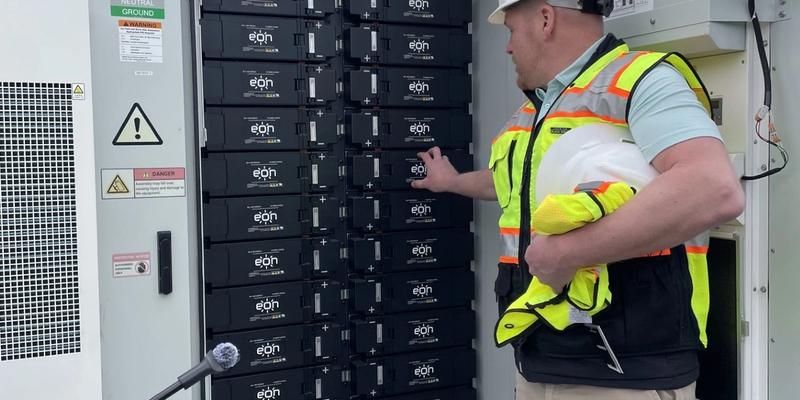
The Government of Himachal Pradesh, in collaboration with Dr Y.S. Parmar University of Horticulture and Forestry and ProClime Services Private Limited, has launched India's first indigenous biochar project in Hamirpur district, aiming to convert forest biomass into biochar to reduce fire risks and generate carbon credits. This initiative is significant for the advanced carbon materials sector as it transforms waste biomass into biochar, a stable carbon-rich material, thereby contributing to carbon sequestration and offering a sustainable model for forest management and rural livelihoods.

Sustainable Green Team, Ltd. (OTC:SGTM) announced a strategic partnership to expand its biochar production capabilities in the United States. This development is significant for the biochar sector as it aligns with new federal support under the Farm, Food, and National Security Act of 2026.
Eden Innovations Ltd showcased its carbon nanotube technology and EdenCrete® product at the Aarhus Power-to-X Symposium 2026 in Denmark. This participation highlights the potential of carbon nanotubes in reducing the CO2 footprint of construction materials, aligning with global trends towards sustainable construction solutions.

Barcelona City Hall, in collaboration with the BIT Habitat foundation and BIMSA, is trialling asphalt mixed with biochar from olive pits and pine biomass, starting in September with monitoring through 2027. This initiative aims to reduce CO2 emissions by up to 76% and store carbon in the road itself, potentially transforming road infrastructure into a long-term carbon sink using biochar.
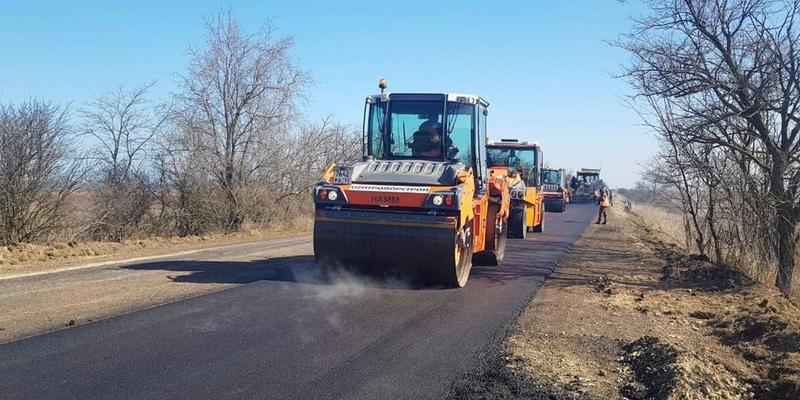
Microwave-assisted, cyclodextrin-modified biochar made from waste cotton stalks and eggshells removes tetracycline from wastewater, with machine learning and life cycle assessment used to evaluate the route.
Contemporary Amperex Technology Co., Limited and CarbonScape have formed a strategic partnership to explore the use of biochar in improving soil health, with initial trials showing a 23% increase in topsoil organic carbon when combined with a 10% reduction in irrigation. This collaboration highlights the potential of biochar as a viable solution for enhancing soil carbon content, which is crucial for sustainable agriculture and carbon sequestration efforts.
Physicists at Martin Luther University Halle-Wittenberg have demonstrated that carbon nanotori, specifically C₁₂₀, C₁₄₄, and C₁₆₈, can generate and control toroidal dipole moments, offering a third control channel for quantum computers with zero crosstalk. This discovery is significant for quantum computing as it introduces a new method for qubit control that is orthogonal to existing electric and magnetic control methods, potentially reducing errors caused by crosstalk in superconducting quantum processors.
Kazakh Agriculture Minister Aidarbek Saparov met with representatives from Full Vision Capital, Towngas, and EcoCeres to discuss a project for producing sustainable aviation fuel from industrial oilseeds. This initiative could enhance the use of carbon materials like biochar by utilizing agricultural and food waste, contributing to environmentally friendly fuel alternatives.

Innofibre is collaborating with PyroGenesis to convert biomass into syngas, focusing on the development and commercialization of bio-based products. This collaboration is significant for the advanced carbon materials sector as it enhances the production and application of biochar, a valuable carbon material.
The International Virtual Institute of Global Changes and COMLURB have converted approximately one ton of urban tree trimmings in Rio de Janeiro into 300 kilograms of biochar and pyrolytic oil using pyrolysis. This initiative transforms municipal green waste into valuable resources for soil improvement and energy research, highlighting a sustainable approach to waste management in the carbon materials sector.
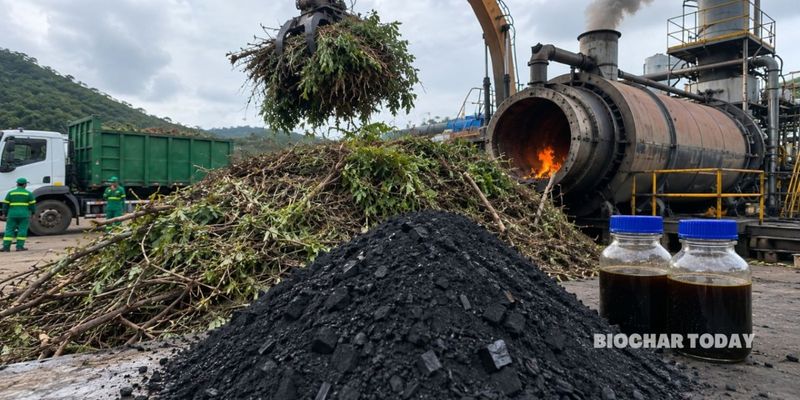
Rainbow has updated its BioCCS methodology to align with the EU CRCF framework, including biochar as an eligible CO2 capture module. This alignment could enhance the adoption of biochar in carbon capture and storage strategies within the EU.
INNANO Ltd has established its operations at Exeter Science Park to further develop its graphene-enabled technologies for next-generation protective coatings. This move supports the advancement of graphene as a smart material, enhancing the protection, durability, and performance of materials in sectors like construction and energy.
Researchers at Tohoku University have developed a covalent organic framework (COF)-graphene interlayer that significantly reduces polysulfide shuttling in lithium-sulfur batteries, achieving a high reversible capacity of 1455.7 mA h g⁻¹ at 0.2 A g⁻¹. This advancement is crucial for the practical deployment of lithium-sulfur batteries, as it addresses the long-standing challenge of polysulfide migration, potentially leading to more efficient and durable energy storage solutions.
Researchers at Tohoku University have developed a graphene-based interlayer for lithium-sulfur batteries that maintains capacity over 1,000 charge-discharge cycles. This advancement addresses the polysulfide shuttle effect, enhancing the lifespan and efficiency of lithium-sulfur batteries, which are seen as a promising alternative to lithium-ion technology due to their higher energy storage potential.
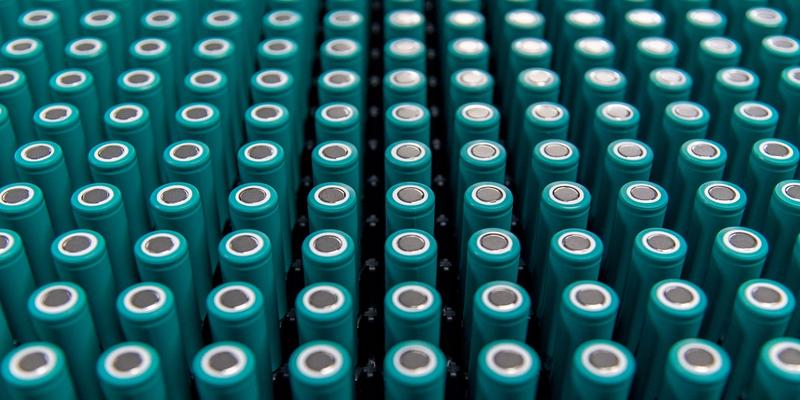
First Graphene Limited has signed a Memorandum of Understanding with The Sixth Element (Changzhou) Material Technology Co Ltd to distribute its PureGRAPH® CEM additive in China. This agreement targets the cement and concrete sector, offering a significant opportunity for graphene-enhanced materials to reduce carbon emissions in the world's largest cement market.

Researchers at Texas A&M University have developed a new method to produce graphene oxide from methane using a plasma-based reactor, which simultaneously generates hydrogen as a byproduct. This scalable approach could reduce reliance on graphite for graphene oxide production, offering a cost-effective alternative for applications in batteries, electronics, and advanced manufacturing.
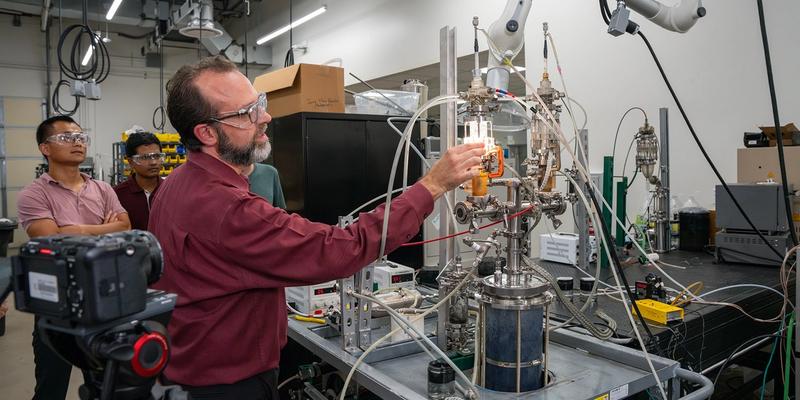
The Morning reports that India's new mineral policy includes guidelines for the treatment and potential sale of effluent generated during the production of reduced graphene oxide. This development could impact the graphene industry by providing a framework for managing waste and potentially creating additional revenue streams from effluent sales.
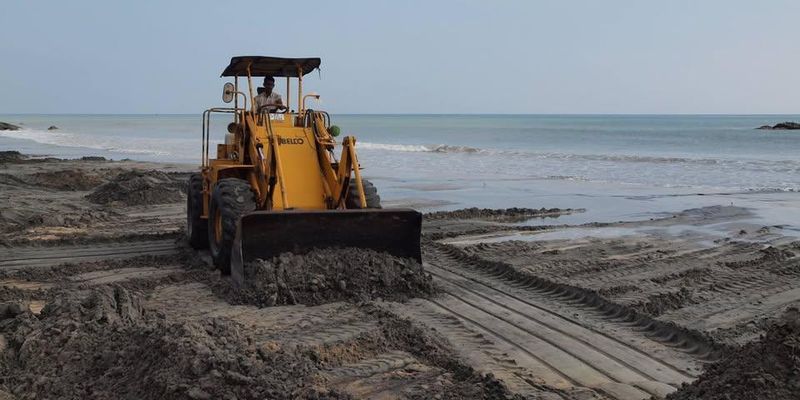
Researchers at MIT have discovered that rhombohedral graphene can host multiple superconducting states simultaneously, with some states becoming stronger under magnetic fields. This finding is significant for advanced carbon materials as it reveals new possibilities for manipulating graphene's superconducting properties, which could impact quantum computing and other technologies relying on superconductivity.
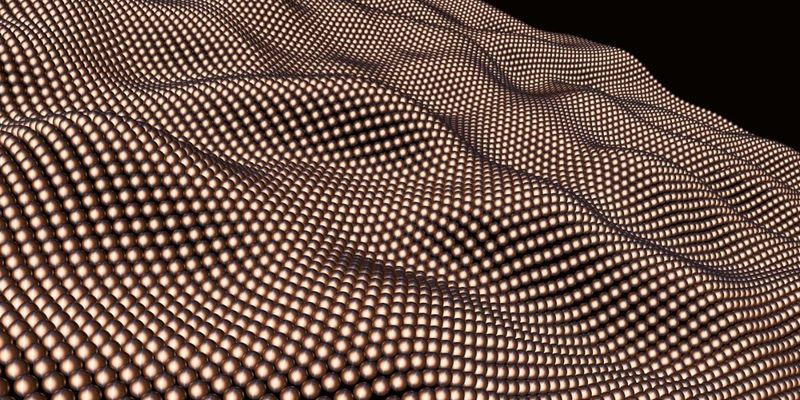
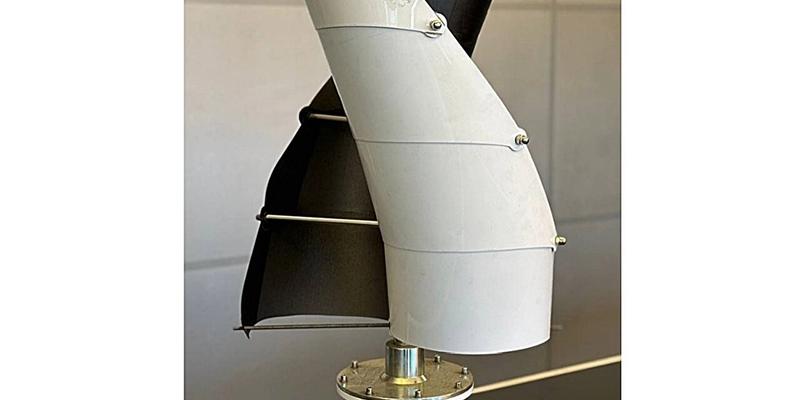
Researchers at Concordia University have developed a 4D-printing method to create curved blades for vertical-axis wind turbines from flat carbon-fibre composite panels, resulting in blades that weigh 80% less than commercial aluminum blades. This advancement could significantly reduce manufacturing costs and promote the use of lightweight carbon-fibre composites in renewable energy systems.
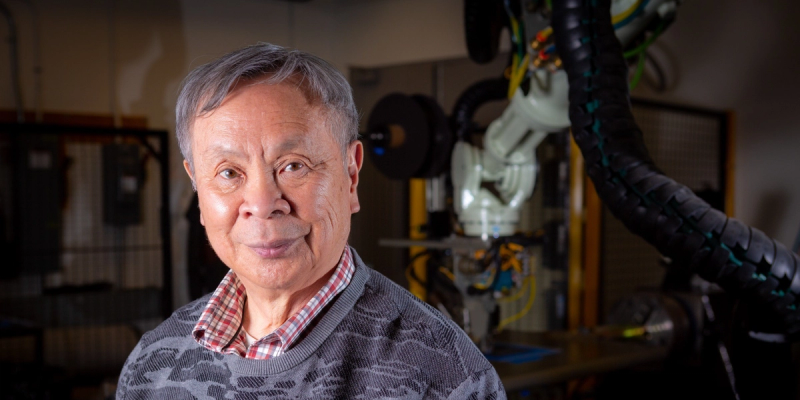
Durian peel pyrolysis yields both bio-lubricants and biochar, and a tribological analysis assesses how each performs, pointing to a use for a plentiful fruit-processing waste.
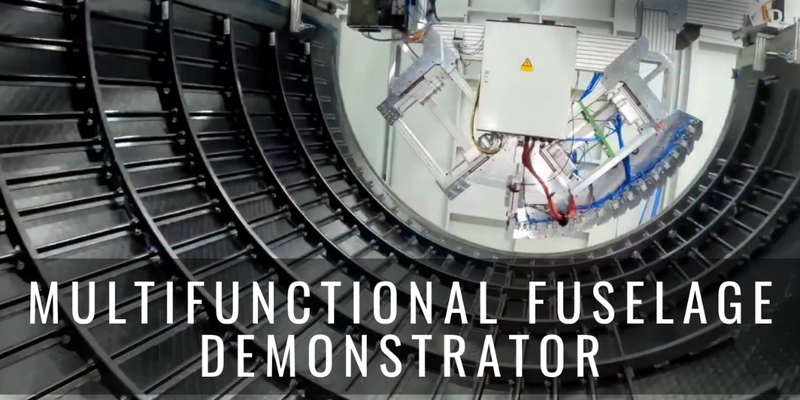
The Multifunctional Fuselage Demonstrator, conceived in 2014 under the EU's Clean Sky 2 initiative, is the largest welded thermoplastic composite aircraft structure ever built. A decade of its development is now under review.
Researchers at Concordia University have developed a 4D-printing method for carbon-fibre composite panels that makes small vertical-axis wind turbine blades lighter, cheaper and easier to produce.
Nandina REM and Odyssey Space are collaborating to explore the use of recycled carbon fiber in spacecraft applications. This initiative could enhance the sustainability and cost-effectiveness of spacecraft manufacturing by utilizing recycled materials.

A team of University of Central Florida graduates has developed a method to convert seaweed into coatings for carbon fiber and metals at their Lake Nona materials lab. This innovation could enhance the sustainability and functionality of carbon fiber composites used in various industries.

Researchers chemically restructured terpene molecules from pine resin rosin to make high-quality bulk graphite, overcoming a longstanding limitation of biomass-derived carbon precursors.

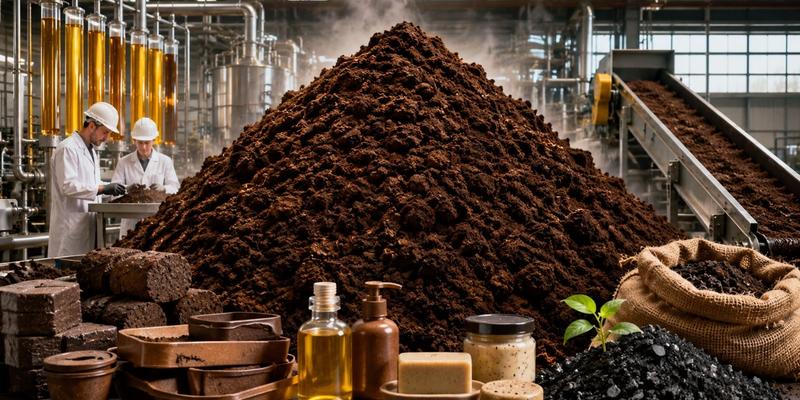
Coffee!Up in the Czech Republic is transforming used coffee grounds into products like natural soap, coffee oil, biomass, and biochar, as highlighted by the European Commission. This initiative is significant for the advanced carbon materials sector because it demonstrates the potential for waste coffee grounds to be converted into valuable materials such as biochar, which can improve soil health and contribute to carbon sequestration efforts.
Biomass-derived carbon nanoparticles deliver high-rate sodium storage, offering a route to sodium-ion battery anodes made from renewable feedstock rather than graphite.
W&nergy and Enerfip in France have launched a crowdfunding campaign to finance the conversion of local biomass into renewable syngas and high-stability biochar. This initiative could enhance biochar production, which is valued for its potential to improve soil health and sequester carbon.
Talbros has partnered with Lohum to establish a joint venture for trading, manufacturing, and refining recovered carbon black. This collaboration aims to enhance the supply chain and utilization of recovered carbon black, a sustainable alternative to traditional carbon black in composites and rubber products.
CCIC and UNNC have introduced a recycled carbon fiber manufacturing platform at the SAMPE China 2026 Conference, addressing four major industry challenges including extreme energy use. This innovation is significant for the carbon fiber reinforced polymer (CFRP) sector as it promises to reduce costs and carbon emissions associated with production.
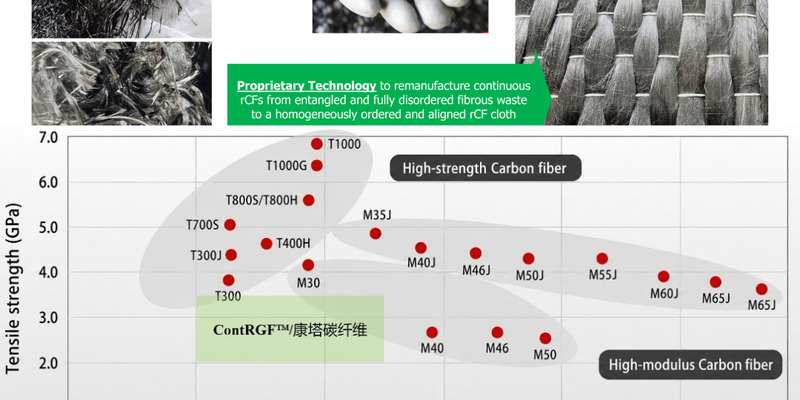
Researchers at the International Virtual Institute of Global Changes, COPPE/UFRJ, in partnership with COMLURB, have converted one ton of urban pruning waste in Rio de Janeiro into approximately 300 kilos of biochar and pyrolytic oil. This initiative demonstrates the potential of using urban plant waste as a raw material for producing carbon-rich biochar, which can be used as a soil conditioner and for carbon storage, contributing to sustainable waste management and decarbonization efforts.
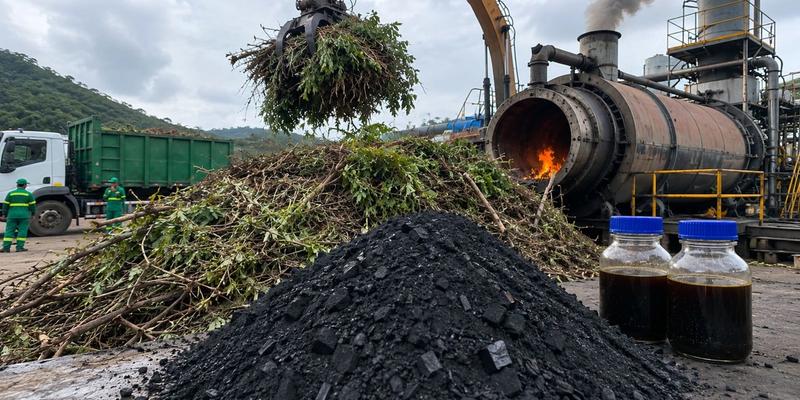
Researchers at the Vietnam Academy of Science and Technology have developed a sensor electrode using a composite material of graphene, carbon nanotubes (CNTs), and gold nanoparticles that can detect pesticide residues at concentrations as low as parts per billion (ppb). This advancement is significant for the field of advanced carbon materials as it enhances the sensitivity and functionality of sensors, contributing to improved agricultural product monitoring and food safety.
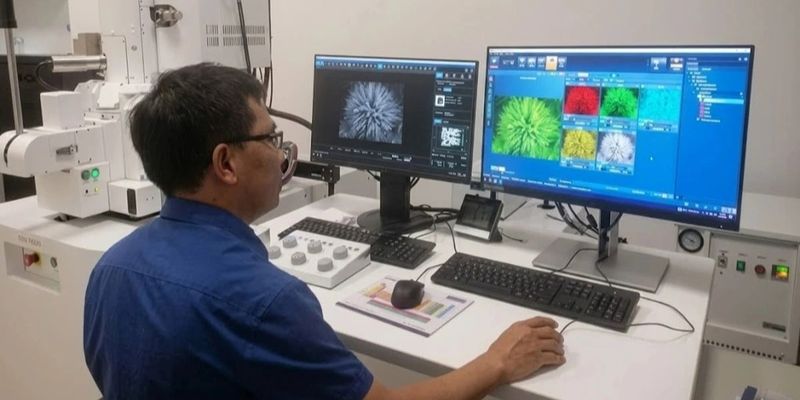
A physics-informed machine learning model optimises biochar production for water treatment, aiming to close the gap between laboratory results and large-scale application.
Researchers have identified several uses for Fullerene C70 in organic photovoltaics, organic electronics, and advanced nanomaterials, noting its unique elongated carbon cage structure and electron-accepting behavior. This matters because C70's distinct optical and electronic properties, compared to C60, make it a valuable material for studying and optimizing charge transport and light absorption in these advanced carbon-based applications.
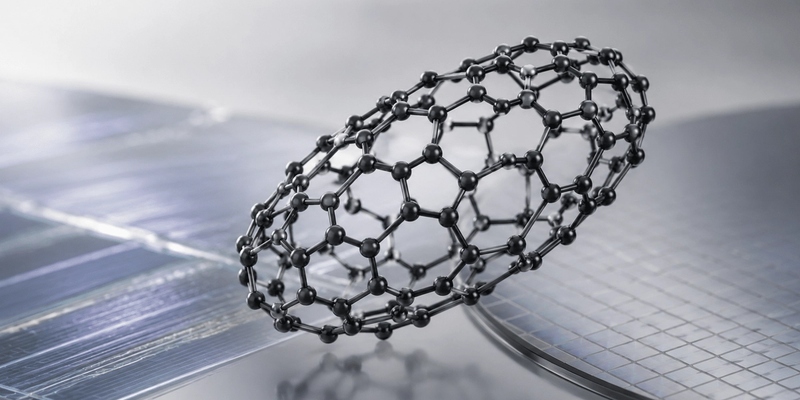
Ant Studio in Noida has designed a sustainable home for Kamran Haider using green cement and biochar to offset carbon emissions. This approach highlights the potential for advanced carbon materials like biochar to enhance sustainability in building design by reducing embodied carbon and improving energy efficiency.

Researchers at RSC Advances led by Hai Bang Truong have demonstrated that engineered biochar can increase arsenic removal efficiency by seventy-two times. This advancement in biochar technology could significantly enhance water purification processes, making it a valuable tool for environmental remediation.

Biochar integrated into nature-based treatment systems improves pesticide bioremediation in urban water, drawing on the tunable porosity it gains from pyrolysis or hydrothermal carbonisation.
A nano-biochar soil amendment cut reactive gaseous nitrogen losses and raised grain yield, addressing the limited effectiveness of conventional biochar in reducing nitrogen emissions.
Evonik has introduced VISIOMER Terra HEMA-P100, a bio-based specialty methacrylate designed to enhance sustainability in various applications. This development is significant for the advanced carbon materials sector as it supports the integration of bio-based carbon content, potentially impacting the production and sustainability of carbon fibre composites.

Researchers at Beijing Renhe Information Technology Co., Ltd. have developed a new CNT/BC composite hydrogel membrane, designated CBC4. This material could enhance the mechanical properties of carbon nanotube-based composites, offering potential improvements in strength and flexibility for various applications.
Talbros Automotive Components has formed a joint venture with Lohum Cleantech to create Lohum Talbros CarbonTech Private Limited, focusing on the production of recovered carbon black and devulcanized rubber. This collaboration marks Talbros' strategic move into sustainable automotive materials, leveraging advanced carbon materials like recovered carbon black to support the circular economy.

A machine learning model predicts how stress evolves inside carbon fibre reinforced polymer microstructures, linking microscopic behaviour to the macroscopic performance of the composite.
Bakkafrost Scotland showcased its Applecross recirculating aquaculture system (RAS) facility during a visit by Scotland’s marine minister, highlighting its strategy of rearing salmon longer in freshwater conditions. The facility plans to install pyrolysis technology to convert hatchery waste into biochar, aligning with efforts to reduce environmental impact and enhance sustainability in aquaculture.
Researchers have synthesized a waterborne polymer/reduced graphene oxide (rGO) nanocomposite. This development is significant for the production of environmentally friendly coatings and materials utilizing graphene's unique properties.
Avadain has increased its crowdfunding cap to $3.75 million to support its graphene production initiatives. This funding boost is significant for the advanced carbon materials sector as Avadain's graphene has the potential to replace silver in printed electronics and mined graphite in battery anodes.

A hybrid electrode pairing VS2 nanosheets with porous graphitic carbon nitride nanotubes speeds charge transport, improving the rate performance of solid-state supercapacitors.
Researchers at the University of California at Los Angeles have discovered how graphene oxide (GO) can enhance concrete strength, achieving a more than 20% increase in 28-day compressive strength with just 0.05 wt.% GO dosage. This insight into GO's mechanisms of hydration-seeding and pore-refinement could lead to more effective applications of GO in commercial concrete, optimizing its use for improved structural performance.
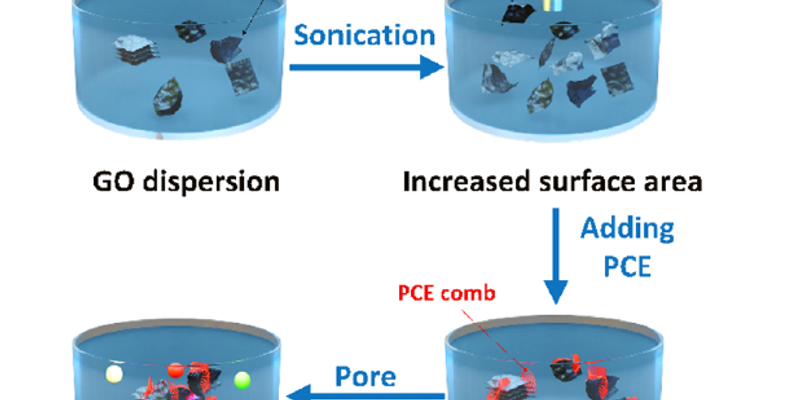
Integrals Power has been selected as the LMFP supplier for the EU-funded OLiMPUS battery project, which aims for mass production in Europe by 2032. This development is significant for the advanced carbon materials sector as it involves synthetic graphite anodes, which are crucial for reducing the carbon footprint and enhancing the sustainability of battery production.
Researchers from China and Russia have developed stretchable metasurfaces using single-walled carbon nanotube (SWCNT) film, achieving dynamic terahertz wavefront manipulation at 0.35 THz. This advancement is significant for the development of smart, wearable THz components in 6G communication and intelligent sensing applications.
A review published in the journal Biochar highlights the potential of biochar-based porous materials for sustainable uranium capture. This is significant for advanced carbon materials as it suggests a new application for biochar in environmental remediation and resource recovery.
Hexagon Composites has developed larger Type 4 composite pressure vessels utilizing carbon fiber-reinforced polymer (CFRP) to meet increasing demands in data centers and space applications. This advancement in CFRP technology allows for lighter and more efficient storage solutions, crucial for industries requiring high-performance materials.
Researchers prepared 4D-printed shape memory polyurethane nanocomposites containing 0.25 to 1.0 wt% multi-walled carbon nanotubes by solvent casting, characterising the effect on mechanical and shape-recovery behaviour.
Researchers at UCLA have demonstrated that adding 0.05 percent graphene oxide by weight to concrete can increase its 28-day compressive strength by over 20 percent. This finding clarifies graphene oxide's role in enhancing concrete strength, potentially paving the way for its effective commercial application in construction.
Researchers at an unnamed institution have developed a photoregenerable β-Ga₂O₃-functionalized biochar that captures and breaks down PFOS, a persistent "forever chemical," under UV light. This advancement could significantly enhance the use of biochar in water treatment applications, addressing contamination by PFOS and potentially other similar pollutants.
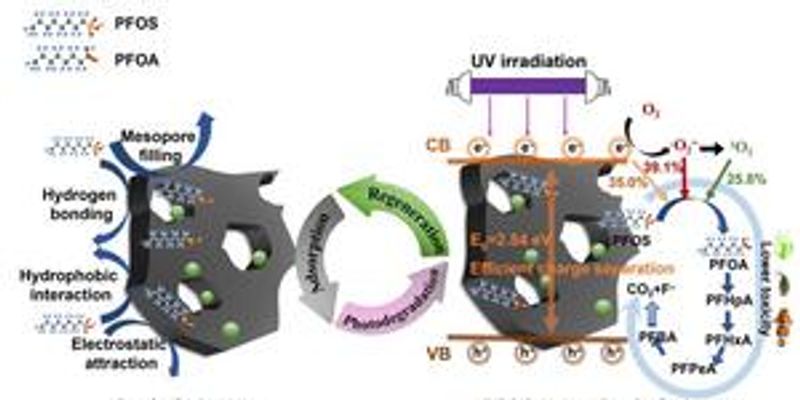
Researchers at Jinan University and San Diego State University developed a photoregenerable gallium-oxide-functionalised biochar that both captures and degrades PFOS, one of the most persistent forever chemicals.

Chief Minister Sukhvinder Singh Sukhu announced that biochar plants under construction in Hamirpur, Himachal Pradesh, will contribute to earning carbon credits and creating employment. This development is significant for the biochar sector as it highlights the potential of biochar to support sustainable economic growth and carbon management.
A biochar-enhanced three-dimensional conductive network improves the kinetics of thick electrodes, addressing a bottleneck in the efficiency of lithium extraction.
Researchers have developed an electrified process to convert CO2 and biochar into carbon monoxide and activated carbon. This advancement could enhance the production of activated carbon, a material crucial for water treatment, metals recovery, and air purification.
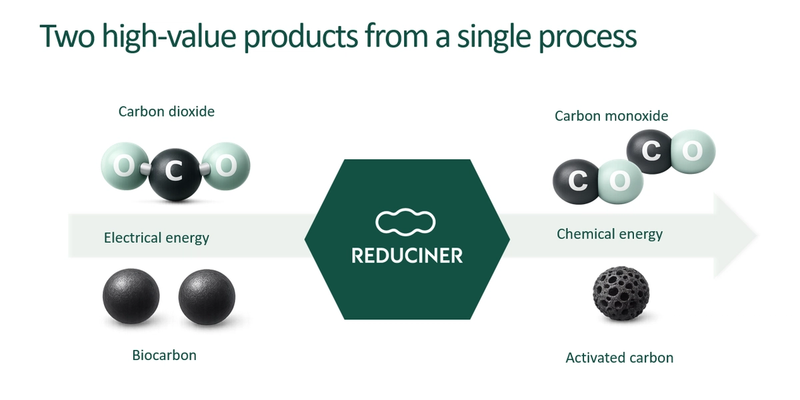
The recovered carbon black (rCB) market, produced by pyrolyzing end-of-life tires, is projected to grow at a 6.4% CAGR from 2023 to 2028, with each ton of rCB saving up to 1.7 tons of CO2 compared to virgin carbon black. Inconsistent output quality and complex regulatory requirements remain the primary barriers limiting broader adoption of rCB as a substitute feedstock in tire, rubber, and carbon materials manufacturing.
Researchers tested M30 grade concrete mixes replacing partial cement with biochar and anatase-phase TiO₂ nanoparticles, finding that a 1% BC + 0.5% TiO₂ mix achieved 41.19 MPa compressive strength at 7 days but exhibited strength regression by 28 days due to thermal eigenstress and micro-cracking at biochar–paste interfaces. The findings highlight a durability limitation for biochar-based concrete composites, indicating that nano-TiO₂ accelerates early hydration at the cost of long-term mechanical performance.

Researchers developed a biochar-based catalyst to convert microalgae into cleaner fuels, as reported on June 30, 2026. This advances biochar's role beyond soil amendment into catalytic applications, expanding its relevance within the advanced carbon materials sector.
AMSA, ELSAN, and the Universitat Politècnica de Catalunya developed an asphalt mixture incorporating biochar derived from olive pits and pine residues via pyrolysis, with lab tests showing up to 75% emissions reduction in the treated pavement layer. The development expands biochar applications into road construction, positioning agricultural and forestry waste as a carbon-sequestering input for infrastructure materials.
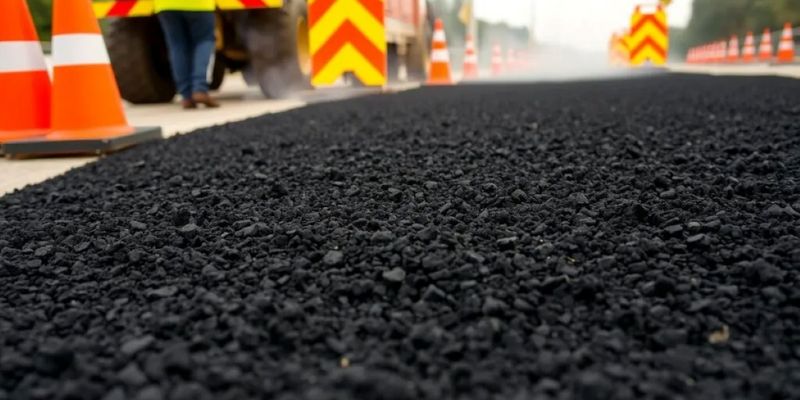
The MXeneCatSus COST Action is a European research network established to engineer MXene-based catalysts—two-dimensional materials made from Earth-abundant elements—for hydrogen generation, CO2 conversion, and nitrogen fixation. The initiative is relevant to advanced carbon materials research as MXenes share structural and functional characteristics with other 2D carbon materials and are being developed as alternatives or complements to graphene in catalytic applications.

Boeing and Mitsubishi Chemical Advanced Materials are testing prototype cabin sidewall panels made from pyrolysis-derived recycled carbon fiber under Mitsubishi's KyronTEX material line, while separate simulation research found a scaled-down wing spar built from recycled carbon fiber performed within acceptable stress margins compared to a virgin-fiber equivalent. Recycled carbon fiber remains limited to non-structural or secondary aerospace applications due to unresolved fiber length, alignment, and surface sizing deficiencies, with primary structural qualification requiring years of additional testing and supply chain development.
Researchers at the University of Aveiro developed 3D-printed filters from bauxite refining waste (red mud) that removed over 90% of the antibiotic ciprofloxacin within one hour under UV light. The work demonstrates a functional application for carbon nanotubes in photocatalytic water treatment using industrial byproducts, with the material retaining performance across multiple decontamination cycles.
Graphene-based energy storage systems have been reported to reach energy densities up to 650 Wh/kg, compared to 150–250 Wh/kg for conventional lithium-ion batteries, according to a report focused on Italy's renewable energy storage needs. This performance gap highlights graphene's potential role in grid-scale storage applications, a key growth area for the advanced carbon materials sector.
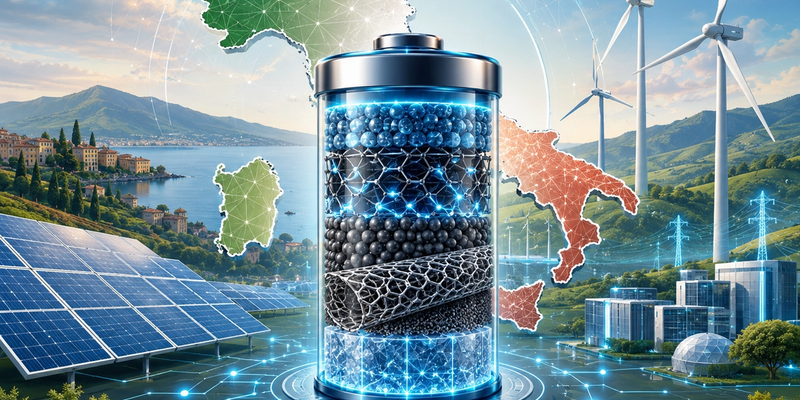
Canada's graphene sector has developed across production, construction, filtration, printed electronics, and energy storage, with companies such as NanoXplore operating a 4,000-metric-ton-per-year facility in Montréal and firms like Zentek and Graphene Leaders Canada advancing application-specific products toward commercial deployment. The ecosystem signals a shift from materials science demonstration toward repeatable industrial use cases in carbon-based composites, conductive additives, and separation technologies, though commercial viability still depends on product qualification, standardization, and cost competitiveness against incumbent materials.
Researchers and engineers are evaluating graphene oxide and reduced graphene oxide as adsorbents, antifouling coatings, catalytic supports, and modified membrane layers within industrial water treatment systems targeting COD removal, biofouling control, and reverse osmosis feed protection. The graphene sector faces a clear scaling challenge, as industrial adoption of these carbon nanomaterials depends on demonstrating mechanical stability, resistance to chemical cleaning cycles, controlled delamination, and validated cost-per-cubic-meter performance in pilot tests using real effluent matrices.
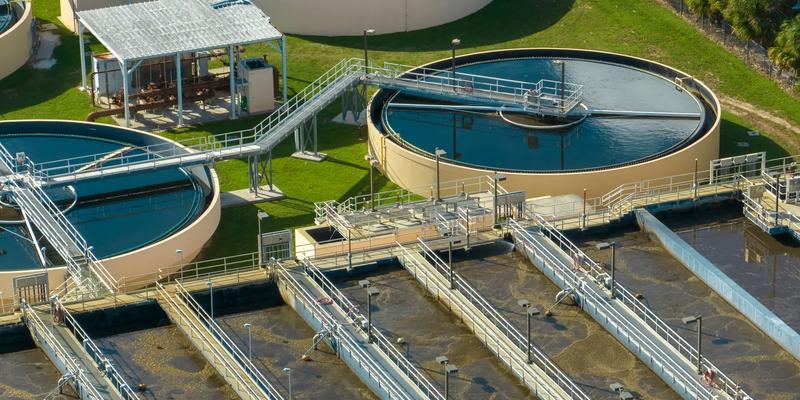
Researchers at the University of Córdoba's Plasma Innovation Laboratory developed two methods for depositing graphene onto metal surfaces using microwave plasmas at atmospheric pressure, but found that neither achieved sufficient adhesion between the graphene layer and the metal. The work advances graphene's potential as a corrosion-resistant coating for industrial applications such as fuel cell electrodes, while identifying adhesion as the key technical barrier to overcome.

Researchers at POSTECH in South Korea engineered hollow silicon nanotube structures that reduced thermal conductivity by 70% compared to solid silicon nanowires by trapping phonons at near-room temperature. The approach uses abundant silicon compatible with existing semiconductor manufacturing, offering a potential alternative to rare-material-dependent thermoelectric devices for waste heat recovery in data centers, EV batteries, and industrial facilities.
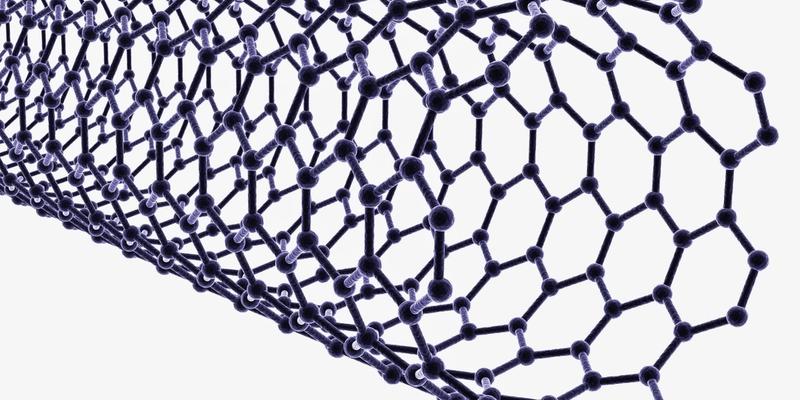
Researchers at Shihezi University used phosphoric acid-activated walnut shell biochar to catalytically pyrolyze waste agricultural plastic mulch film at three temperatures (300, 350, 400 °C), finding that 350 °C maximized olefin selectivity at 69% while 400 °C reduced tar deposition and produced carbon deposits with lower activation energy for easier regeneration. The findings give biochar catalyst developers a temperature-based framework for balancing product selectivity against catalyst deactivation and regenerability in agricultural plastic pyrolysis systems.
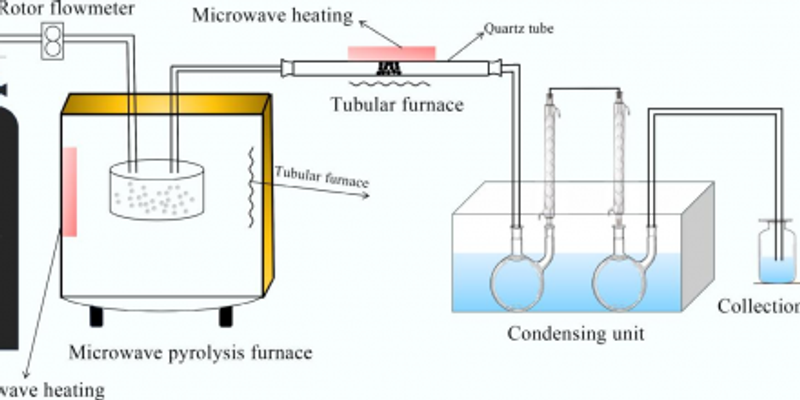
Penn State researchers converted waste PET plastic bottles into synthetic graphite by blending shredded PET with 2.5% graphene oxide by weight and applying heat treatment, producing crystallite dimensions that exceeded those of natural graphite without metal catalysts. The metal-free process reduces post-processing steps needed to achieve battery-grade purity and could supply graphitic carbon for lithium-ion anodes and hard carbon for sodium-ion batteries from a single plastic waste feedstock.
Researchers at the University of Johannesburg fabricated a three-layer nanocomposite photocatalyst (Ti1.33N@BiVO4/GdIn2Se3) incorporating a custom-synthesized MXene, achieving 20× greater electrical conductivity and charge-carrier lifetimes up to 59.5 seconds compared to single-component baselines. The MXene engineering approach demonstrates a pathway for improving charge-carrier retention in 2D carbon-adjacent materials, with direct relevance to MXene-based composite development for energy and environmental applications.
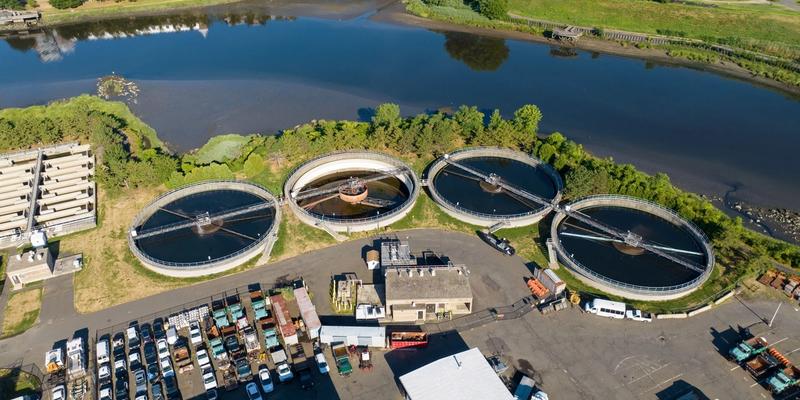
Researchers from Cambridge, Harvard, Caltech, and the Max-Planck Institute for Polymer Research used machine-learning simulations to study water confined between graphene and hexagonal boron nitride sheets, finding that confinement alone does not alter water's reactivity but that pressure and surface chemistry of the confining material are the controlling factors. For the carbon materials sector, the study establishes that graphene's chemically inert surface does not enhance water dissociation, while reactive surfaces like hBN do, offering a design principle for selecting 2D carbon and non-carbon materials in membranes, fuel cells, and electrochemical systems.
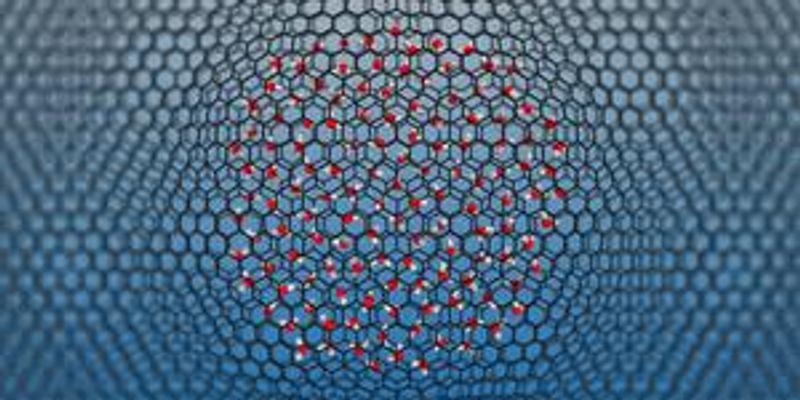
Chohee Yang and colleagues published a study in npj Clean Water showing that copper-incorporated biochar synthesized under a CO₂ atmosphere removes 90.8% of bisphenol A via adsorption and achieves over 99% total degradation with peroxydisulfate, while the production process yields syngas comprising 94% of total gas output. The findings are relevant to the biochar sector as they demonstrate a pathway to engineer biochar with both high-performance catalytic water treatment capability and improved thermochemical energy recovery in a single production process.
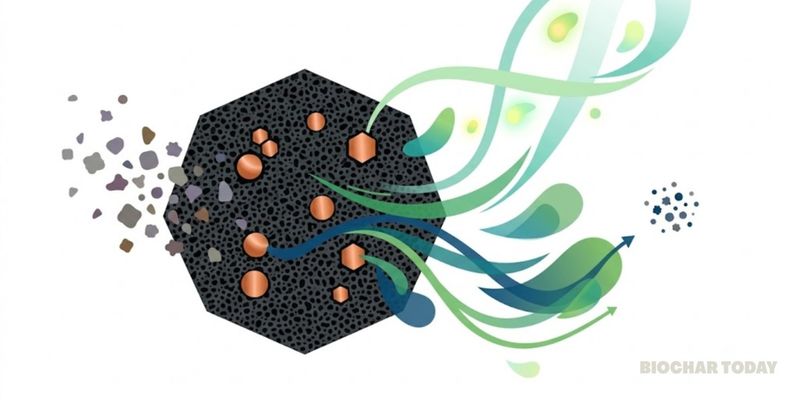
Yilmaz et al. tested pyrolysis conditions across 45 experiments using five agricultural waste streams—wheat straw, tomato waste, carnation stalks, banana residues, and vineyard prunings—finding that higher temperatures reduce yield but increase stable fixed carbon content, with feedstock type and peak temperature being the dominant variables. For the biochar sector, the results provide feedstock-specific processing parameters that directly inform production decisions where carbon stability and mineral retention are quality targets.
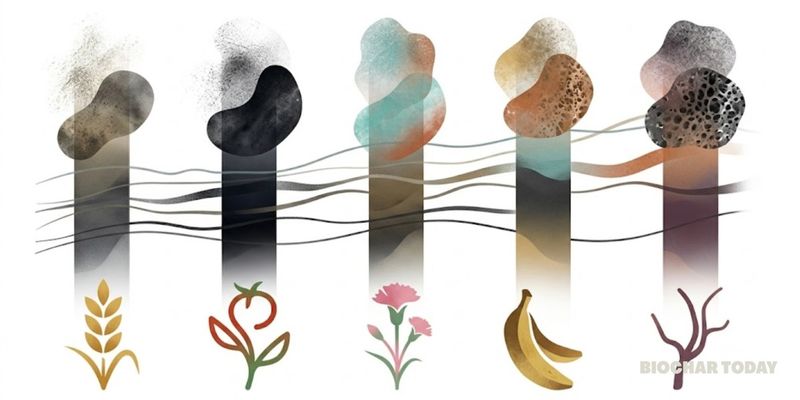
Researchers at RMIT University published a study in the Journal of Cleaner Production showing that spent coffee grounds processed via pyrolysis into biochar can increase concrete strength by up to 30%. The finding is relevant to the biochar sector as it demonstrates a scalable pathway for converting organic waste into a functional carbon-based construction material, potentially reducing landfill volumes and demand for natural sand.
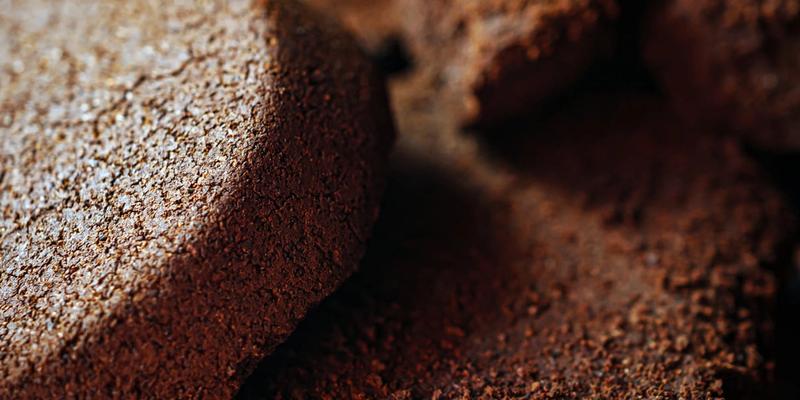
Researchers from the University of Exeter and Lund University published a Sustainability Hierarchy Framework that ranks environmental interventions by priority, placing reduction of extraction and consumption above downstream measures like recycling and offsets. The framework has no direct implication for the advanced carbon materials sector, but its push to redirect funding away from downstream cleanup toward upstream production limits is notable for industries reliant on fossil fuel-derived feedstocks such as carbon fiber precursors and synthetic graphite.
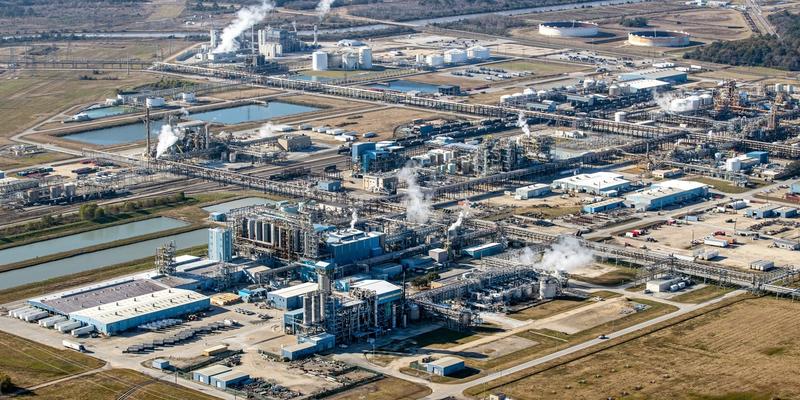
A review published in *Biochar* by Rasool et al. compared conventional and microwave-assisted pyrolysis, finding that microwave-derived biochars exhibit higher surface area, stronger mesoporosity, and greater retention of functional groups. For the biochar sector, the findings indicate microwave-assisted pyrolysis can produce more effective adsorbents for heavy metals and organic pollutants, though reactor scale-up and energy balance challenges must be resolved before industrial adoption.
Jamco joined a NEDO-led Japanese consortium—including Nagoya University, Subaru, and JAXA—to develop a circular economy supply chain for recovering and reusing CFRP from retired aircraft. The project targets a persistent gap in the carbon fiber composites sector: the lack of validated processes and standards needed to reintroduce recycled CFRP into certified aircraft components.

Holcim conducted biochar concrete pilot projects across Europe in 2025, including test pours with Canary Wharf Group using biochar from forestry residues and coffee grounds, producing their first net-zero concrete mix. The trials signal a shift for the biochar sector from experimental additive to commercial-scale construction material, with Holcim describing it as a high-performance emissions-reduction input rather than a niche product.

A review published in the journal *Biochar* compared conventional and microwave-assisted pyrolysis as production routes for biochar, finding that microwave-derived biochars typically exhibit higher surface area, stronger mesoporosity, and greater retention of functional groups relevant to pollutant capture. For the advanced carbon materials sector, the findings highlight biochar's expanding role beyond remediation into electrode materials and catalysis, while noting that reactor scale-up and energy balance challenges must be resolved before microwave-assisted pyrolysis reaches industrial viability.
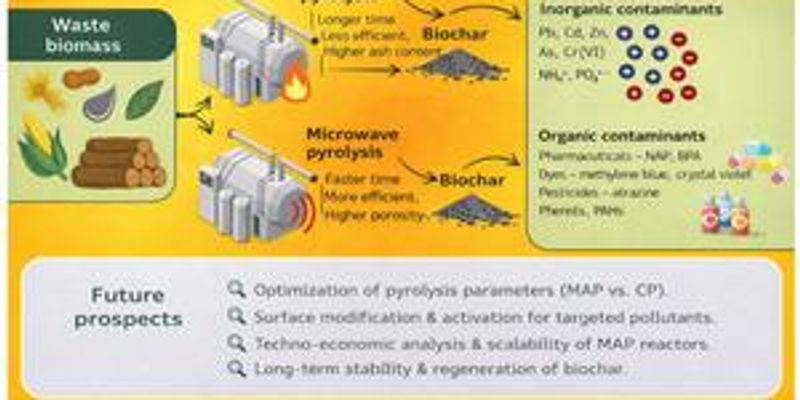
Bolder Industries received final permits on 15 June 2025 to build an 86ktpa end-of-life tire pyrolysis facility at the Port of Antwerp-Bruges, to be developed in two phases with EU Innovation Fund co-funding. The plant will supply recovered carbon black at commercial scale to European markets, adding to Bolder's existing US operations in Missouri and Indiana.
A study published in *Biochar* (2026) found that both free and bound water in lignocellulosic biomass slow pyrolysis reaction intensity and increase biochar yield, with ~30% moisture content identified as a practical optimum balancing yield and energy demand. For the biochar sector, the findings provide a molecular-level basis for using feedstock moisture as a controllable process variable to tailor biochar yield and properties without pre-drying.
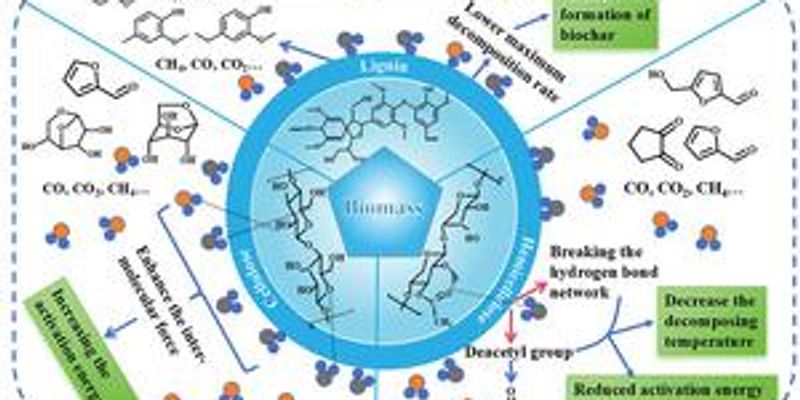
The EU-funded HOOP project helped eight European cities and regions mobilise EUR 124 million to convert urban biowaste into circular bioeconomy outputs including biochar, biogas, bioplastics, and agricultural nutrients. Biochar production via pyrolysis emerged as a replicable pathway across multiple territories, with Kuopio (Finland) establishing an operational pilot plant and Münster (Germany) confirming technical feasibility, signaling growing municipal-scale demand for pyrolysis infrastructure relevant to the biochar sector.
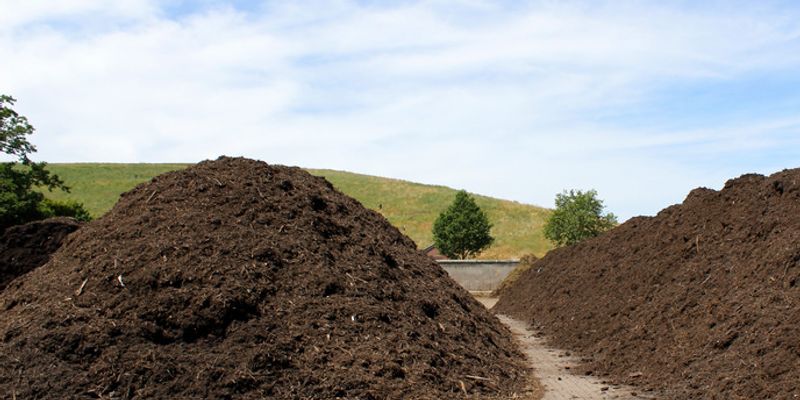
Tong Sun and colleagues published a study in *Biochar* (2026) showing that iron-manganese oxide modified biochar combined with either continuous flooding or aerobic irrigation reduces grain cadmium to 0.05 mg/kg and total mercury to 0.02 mg/kg in co-contaminated rice paddies. The findings demonstrate a functional agricultural application for engineered biochar, where surface chemistry modifications directly determine remediation performance across competing heavy-metal pathways in soil.
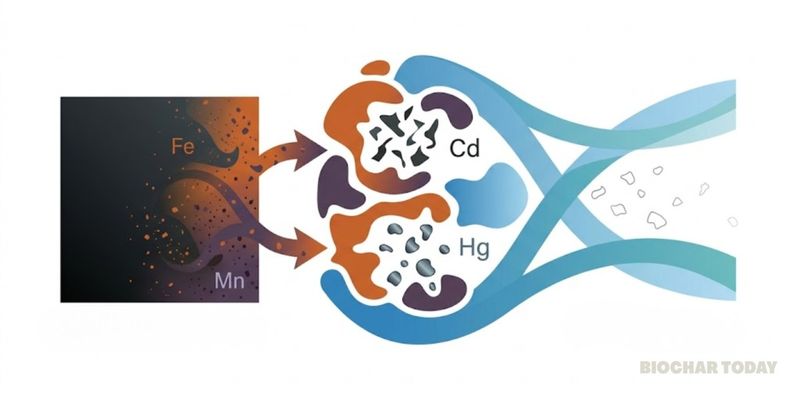
Researchers at Harbin Institute of Technology (Shenzhen) embedded sorghum straw biochar into a polyzwitterionic hydrogel and achieved a solar evaporation rate of 3.57 kg m⁻² h⁻¹ under one-sun irradiation, roughly 1.87 times higher than the biochar-free hydrogel. The study demonstrates that low-cost biomass-derived biochar can simultaneously enhance photothermal conversion, heat localization, and water molecule activation in hydrogel evaporators, offering a viable pathway for biochar use in solar-driven desalination materials.

TNB Research has operated an anaerobic digestion and torrefaction pilot facility in Kajang since 2018, processing up to 350kg of food waste daily to produce biogas with 60–65% methane content and 10–30kg of biochar per torrefaction cycle. The biochar output is being evaluated for carbon material applications, soil improvement, and solid fuel enhancement, with data from the pilot intended to inform future scale-up decisions.
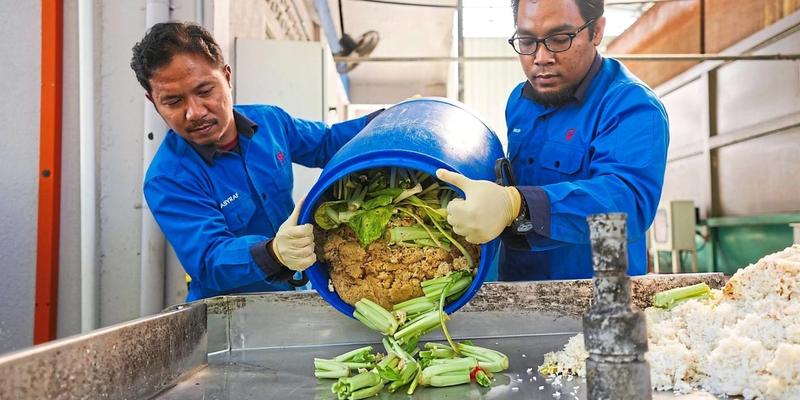
BRIN's Molecular Chemistry Research Center used slow pyrolysis to convert empty oil palm fruit bunch waste into bio-oil, liquid smoke, and biochar, with processing times of two to four hours. The process yields biochar as a value-added carbon material and bio-oil containing phenolic compounds usable as industrial boiler fuel or potential fuel additives.
Alastair Collier, chief R&D officer of A Healthier Earth, argues in this op-ed that the carbon removal sector's primary obstacle is no longer technological but structural, citing fragmented credit markets, misaligned procurement timelines, and the absence of durable policy frameworks as the core barriers to scale. For the biochar and broader CDR industry, the piece highlights that integrating high-integrity removals into mechanisms like the UK and EU ETS could provide the long-term demand signals and price certainty needed to move projects from pilots to industrial-scale infrastructure.
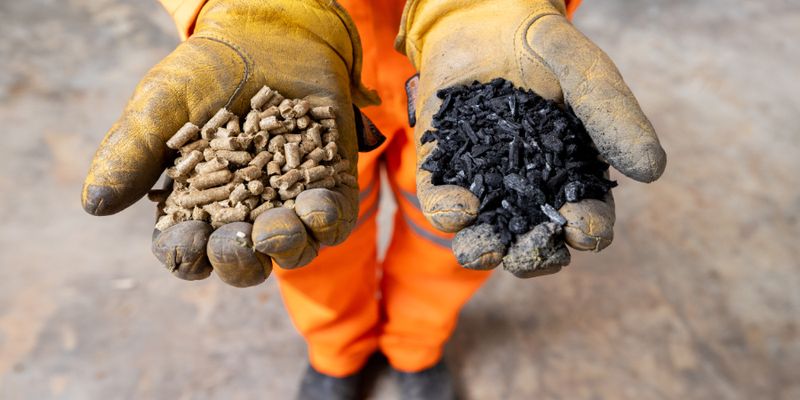
The Advanced Carbons Council published a position paper in May 2026 arguing that carbon credit financing should be redirected from geological carbon capture and sequestration toward conversion of captured carbon into advanced materials such as graphene, carbon fiber, biochar, and carbon nanotubes. The paper contends that carbon-to-materials conversion projects are commercially self-sustaining without ongoing subsidies, unlike CCS, and deliver compounding lifecycle emissions reductions across sectors including construction, aerospace, agriculture, and energy storage.

The Advanced Carbons Council published an overview of graphene and other advanced carbon materials being adopted in construction, citing applications in concrete (Concretene, First Graphene, Versarien), asphalt, and corrosion-resistant coatings (Petronas). These developments indicate growing commercial deployment of graphene additives in construction materials, with documented performance gains in compressive strength, road durability, and steel protection at low material loadings.
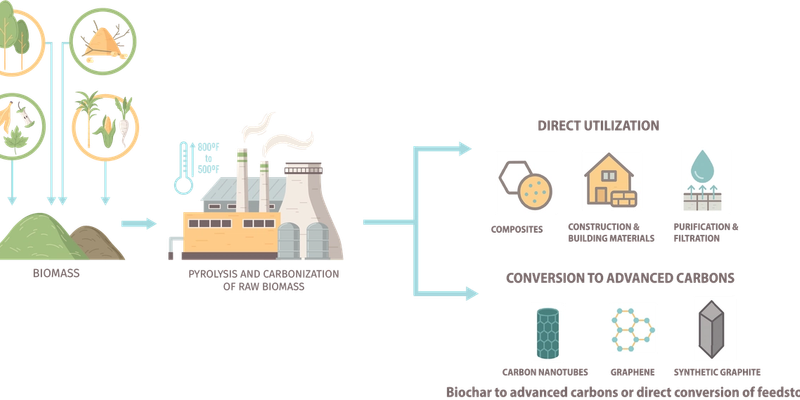
The Advanced Carbons Council highlights graphene and related carbon materials being adopted in construction applications including concrete additives (Concretene, First Graphene), graphene-reinforced 3D-printed components (Versarien), asphalt modification, and corrosion-resistant coatings (Petronas). For the advanced carbon materials sector, construction has emerged as a leading commercial deployment area, with multiple suppliers demonstrating validated, scalable products that improve strength, durability, and emissions performance without requiring major process changes.

Nanospan commercially launched GalvaShield-G, a graphene-enhanced corrosion inhibitor coating for offshore wind turbine towers and monopile foundations, priced at EUR 18 per litre and produced at its Hyderabad facility at 1,200 tonnes per annum capacity. The product demonstrates a commercial application of graphene in protective coatings for harsh marine environments, with third-party-validated maintenance interval extension from 5 to 12 years supporting the case for graphene's functional value in infrastructure composites.

Researchers at EMPA demonstrated a graphene-composite leading-edge skin that reduces aircraft de-icing energy consumption by 60%, achieving ice shedding at 5 W/cm² in panels tested at -25°C and 240 km/h after 1,200 cycles without delamination. The result advances graphene's case as a functional heating element within carbon-fibre-reinforced polymer structures for aerospace applications, with EMPA now scaling production toward trial integration in a commercial trainer aircraft.

NeoGraf commissioned a new production line at its Lakewood, Ohio facility, adding 2,000 tonnes per annum of flexible graphite sheet capacity funded by a $38 million investment, bringing its total to 11,000 tonnes per annum. The expansion increases domestic supply of high-purity exfoliated graphite sheets for EV battery thermal management, where the material's in-plane thermal conductivity above 600 W/m·K at low density addresses a critical requirement for North American automotive manufacturers.

GraphEnergyTech, the University of Cambridge, Taiwan Perovskite Solar Corporation, and ITRI launched the GETPSC project to develop graphene-based electrodes as a replacement for silver electrodes in perovskite solar cells. The project targets a known barrier to commercial-scale perovskite adoption, with potential secondary applications for GraphEnergyTech's conductive carbon technology in batteries, supercapacitors, and electronics.
Harvard researchers demonstrated a nanoporous single-layer graphene membrane that desalinates seawater at 40% lower energy than reverse osmosis, achieving 99.4% salt rejection over 1,000 hours at 12 bar, published in Science. The result advances graphene's viability as a functional membrane material at scale, with a 100 m³/day pilot plant planned in Carlsbad, California in collaboration with Suez Environnement and IDE Technologies.
Levidian and Zentek have signed an agreement to explore building a graphene-integrated manufacturing facility in the Middle East, combining Levidian's methane-derived graphene production with Zentek's graphene-enhanced air filters. The deal signals growing regional demand for graphene-enhanced products and positions the Middle East as an emerging hub for graphene manufacturing and deployment across multiple industries.
Argo Graphene Solutions Corp. completed its first graphene-infused concrete test pour of 12.5 cubic meters in Bristol, Tennessee, and launched a second pour of 15 cubic meters at the same site, with compressive strength testing scheduled at intervals through Day 56 per ASTM C39 standards. The project provides field-scale data on graphene's performance in cement matrices, targeting up to 30% gains in compressive and tensile strength, which could support broader commercial adoption of graphene in construction materials.

Levidian and Graphmatech announced a partnership to co-develop graphene-based polymer composites for hydrogen applications, including pipelines and pressure vessels where graphene reduces hydrogen gas leakage by up to 83%. The collaboration combines Levidian's graphene production with Graphmatech's dispersion technology, targeting a growing market for high-performance composites in the hydrogen sector.
First Graphene and Halocell Energy, in collaboration with Queensland University of Technology, reported that adding First Graphene's PureGraph graphene product to Halocell's perovskite solar cells raised efficiency to 30.6% and cut production costs by up to 80% by replacing gold and silver conductors via roll-to-roll processing. The result demonstrates a commercial application for graphene as a functional coating material in photovoltaics, with cost and efficiency metrics that could accelerate perovskite cell adoption over conventional silicon.
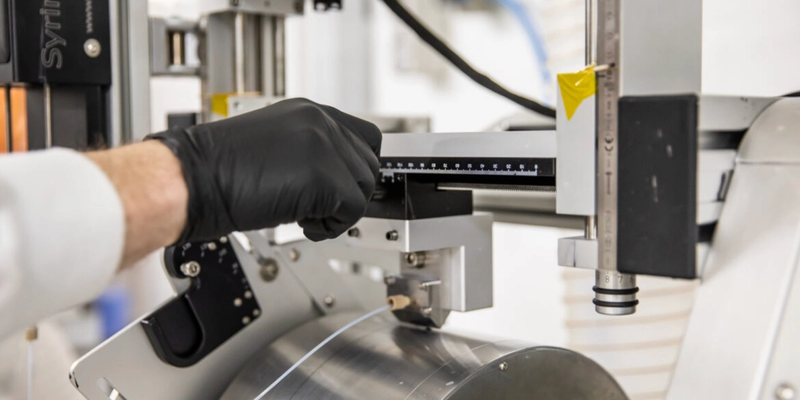
Lancaster University has filed patents on a graphene oxide-enhanced concrete mix using 0.025 wt% graphene oxide that reaches 52 MPa compressive strength with 30% less Portland cement. The development indicates a scalable construction application for graphene oxide that could expand commercial demand for the material while reducing concrete's carbon footprint by 23% per cubic metre.
Researchers developed a 3D porous solar evaporator using recycled carbon fiber combined with a CuO/reduced graphene oxide photothermal layer to improve solar-driven water evaporation performance and salt resistance. The work demonstrates a pathway for valorizing recycled carbon fiber as a functional substrate in graphene-based photothermal composites, linking carbon fiber recycling with emerging solar evaporation applications.