Graphene proves effective support for iron-cobalt-manganese catalysts
Researchers found that graphene-supported iron-cobalt-manganese nanocatalysts outperform those on activated carbon and carbon nanotubes in a recent study.
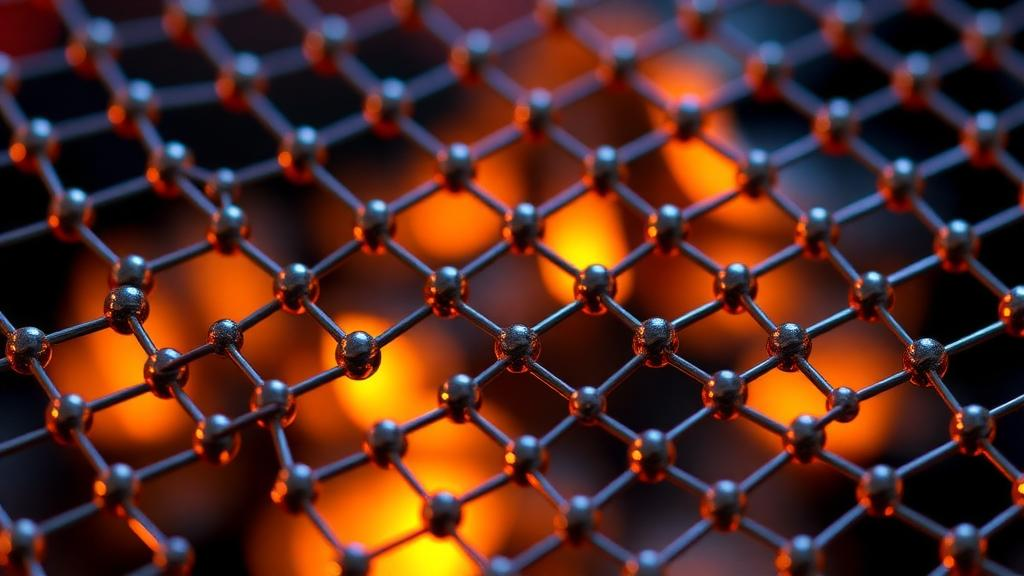
Graphene has been identified as the most effective support material for iron-cobalt-manganese (Fe-Co-Mn) nanocatalysts in Fischer-Tropsch synthesis, according to a study published in Results in Engineering. This catalytic process, which converts carbon monoxide and hydrogen into liquid fuels, relies heavily on the support material used for the catalysts. The research, led by Maryam Arsalanfar, compared Fe-Co-Mn nanocatalysts supported on activated carbon, carbon nanotubes, and graphene. The findings revealed that graphene significantly outperformed the other carbonaceous supports under identical reaction conditions.
The study focused on the ternary Fe-Co-Mn composition due to its known benefits in producing olefins and alcohols. Despite the advantages of this metal combination, the support material plays a crucial role in catalyst performance. Conventional oxide supports can form inactive compounds during high-temperature treatments, whereas carbonaceous supports offer greater chemical stability and thermal conductivity. The research team prepared the catalysts using an impregnation method, ensuring identical metal loading and treatment conditions across all supports.
Graphene's performance was notably superior. It achieved a 68.7% conversion rate of carbon monoxide, compared to 37.9% for activated carbon. Methane selectivity was lower on graphene, while selectivity for valuable C5-plus hydrocarbons was higher. The study also found that graphene-supported catalysts maintained stability over a 122-hour test, indicating potential for continuous operation.
The advantages of graphene were attributed to its structural properties. It provided the largest surface area and pore volume among the supports, facilitating better reactant transport and maximizing catalyst-reactant interactions. Electron microscopy showed smaller and more evenly distributed metal nanoparticles on graphene, enhancing the number of active sites. Additionally, graphene's reduction behavior was more favorable, requiring lower temperatures to activate the catalyst.
Surface chemistry analysis revealed that graphene influenced the oxidation states of the metal species, potentially enhancing catalytic behavior. Structural analyses confirmed that the carbon lattice remained intact, avoiding the formation of inactive compounds. The study concludes that graphene's combination of high surface area, pore volume, and favorable chemical properties makes it an optimal support for Fe-Co-Mn catalysts in syngas conversion to liquid fuels.
Source: Carbon Nanotubes Feed