71 articles on Carbon Nanotubes (CNTs).


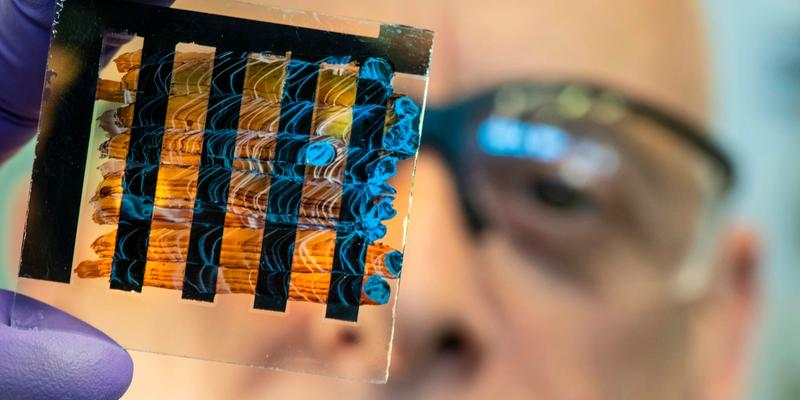
Researchers have printed an entire photodetector array by inkjet, using carbon nanotube and organic macrocycle hybrids to tell colors apart. The approach points to bendable optical sensors made without rigid silicon.

Researchers at MEPhI have developed a new ultra-strong composite material incorporating carbon nanotubes, aimed at applications in aviation, space, and machinery.

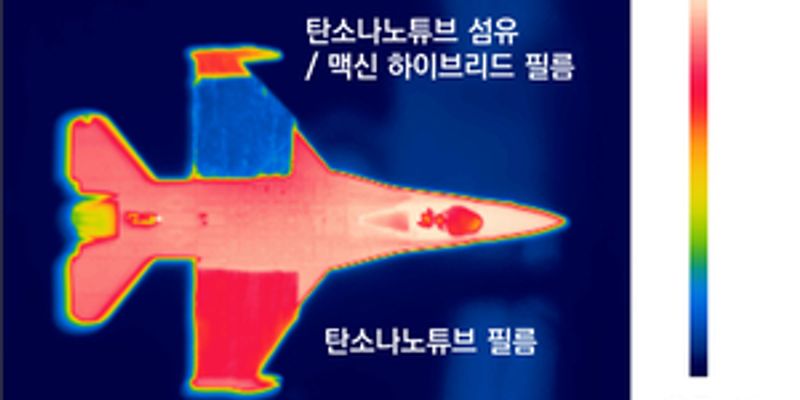
South Korean researchers have built a carbon nanotube film thinner than a human hair that blocks more than 99.9999999% of electromagnetic waves and evades thermal imaging, with fighter jets and drones the intended use.

Researchers have developed a new carbon nanotube strategy that could significantly extend the lifespan of wearable strain sensors, potentially lasting for years.

Researchers in China have developed a crystal incorporating multi-walled carbon nanotubes, enhancing its fracture toughness beyond that of diamond.

AMPP and the Advanced Carbons Council have signed a three-year MOU to collaborate on research, standards, education and technical knowledge around advanced carbon materials and materials protection. The partnership will initially focus on carbon-enhanced coatings, beginning with a September 10, 2026 webcast on graphene, CNTs and other advanced carbons in protective coatings.
PV PAINT plans to launch nanotube-enhanced zinc-rich coatings in Q3 2026, expanding its PERAPHENE™ line. These coatings offer long-term corrosion protection for harsh industrial environments.

The IMMENSE team created a conductive photopolymer resin with multi-walled carbon nanotubes for advanced additive manufacturing applications.

Researchers at the University of Pittsburgh have developed a scaffold using carbon nanotubes and nano-hydroxyapatite to enhance immune cell activity for faster bone regeneration.

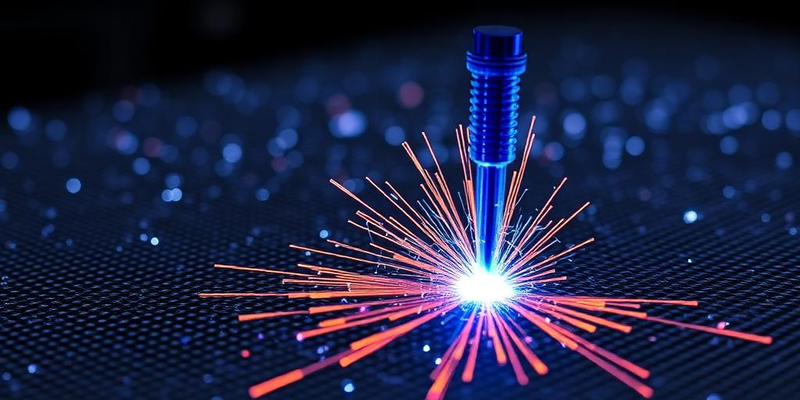
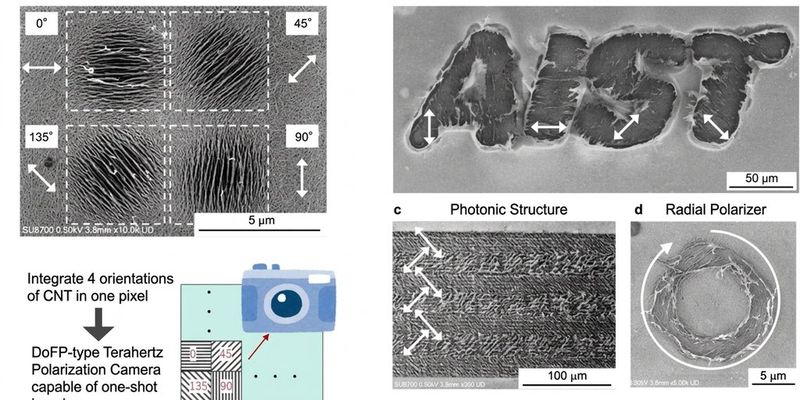
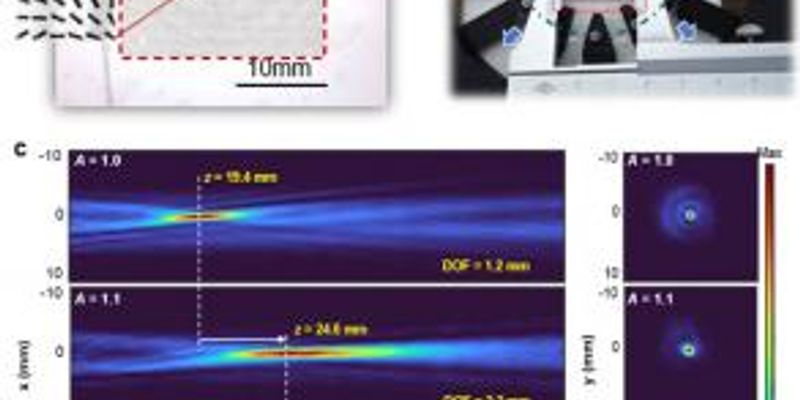
Researchers at Tokyo University of Science have developed a laser processing technique to align carbon nanotubes at the sub-micrometer scale.

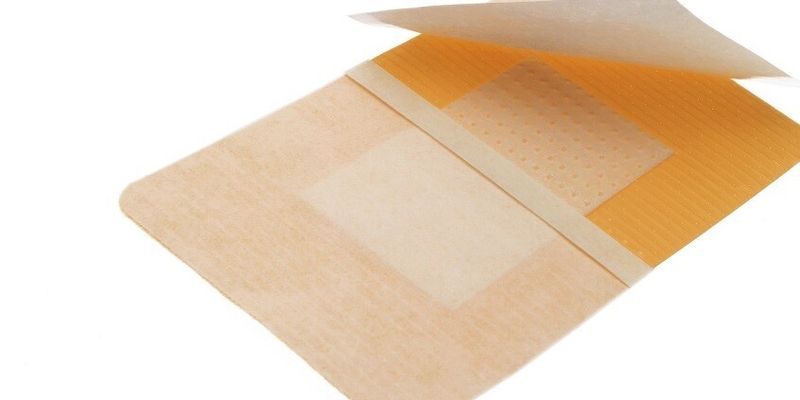
Researchers developed a conductive e-skin patch using aminated multi-walled carbon nanotubes and dopamine integrated into carboxymethyl starch.

A company led by Cambridge PhD Liu Zhenyu is advancing carbon nanotube materials for lightweight applications.

Researchers developed a non-invasive glucose monitoring device using carbon nanotubes and a 2D nickel-based metal-organic framework.

Engineers at ICFO have developed a carbon nanotube device that achieves motion control at the quantum limit through ultrastrong coupling.

Researchers developed suspended microdevices to measure the thermal conductivity of carbon nanotubes, revealing quasiballistic transport behavior at micrometer lengths, challenging traditional diffusive models.

NEDO supports a feasibility study in Maibara, Japan, focusing on hydrogen and carbon nanotubes, with participation from six industrial partners.

Miguel Angel Gomez Aristizabal at the National University of Colombia developed carbon nanotubes from coconut shells to reduce steel corrosion in cement by up to 70%.

Researchers incorporated carboxylated multi-walled carbon nanotubes into a chitosan hydrogel to enhance red blood cell membrane stability for use in environmental sensors.

Researchers at Oxylus Energy studied cobalt phthalocyanine catalysts on carbon nanotube supports to enhance electrochemical processes for sustainable fuel and chemical production.
Himadri Specialty Chemicals will establish India's first carbon nanotube production facility at its West Bengal complex, with an initial capacity of 200 tons per year, starting commercial production by FY2027.

Researchers at École Polytechnique are studying fermion parity in a carbon nanotube system using a pair of quantum-dot Josephson junctions.

Researchers at Skoltech and the Harbin Institute of Technology have modelled how carbon nanotube smart sensors behave under the extreme temperatures and loads found in aircraft, predicting performance without physical testing.

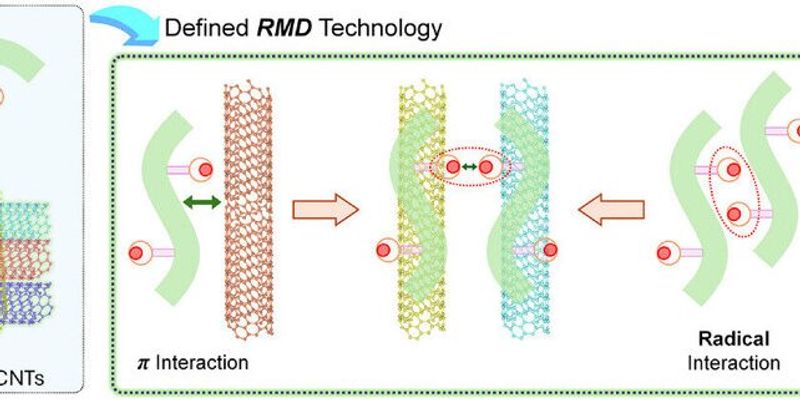
Researchers at QUT developed a molecular strategy to prevent carbon nanotube clumping, enhancing thermal power efficiency for wearable devices that convert body heat into electricity.

Researchers incorporated carboxylated multi-walled carbon nanotubes into a chitosan hydrogel to enhance electrical conductivity and signal transmission in red blood cell sensors.

Researchers at Queensland University of Technology used a small molecule to stop single-walled carbon nanotubes clumping, achieving record heat-to-electricity conversion in a problem that had stalled the field for two decades.

Himadri Speciality Chemical is focusing on carbon nanotubes as a potential growth area to complement its existing battery materials business.

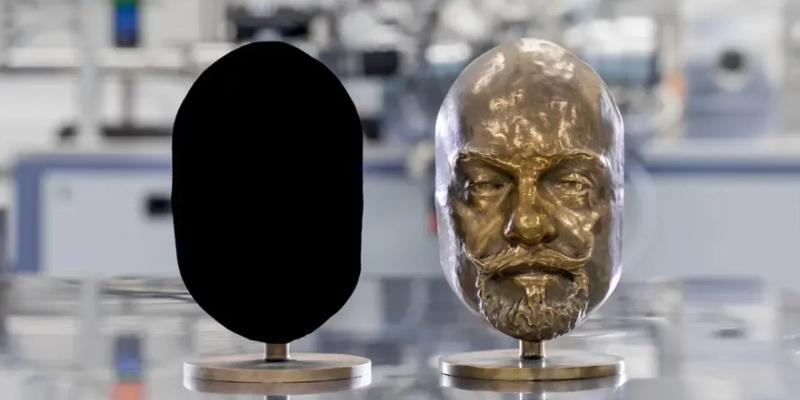
Vantablack, developed in Great Britain from carbon nanotubes, absorbs 99.965% of light, offering a potential solution to light pollution from satellite constellations like Starlink.

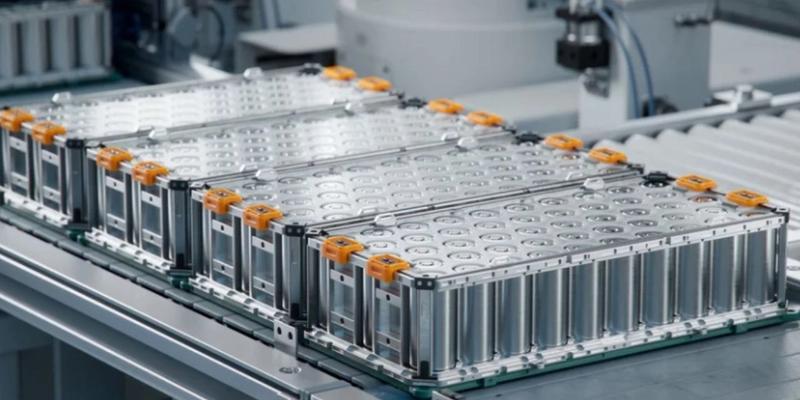
Kumho plans to increase production of multi-walled carbon nanotubes (MWCNT) to enhance electric vehicle battery performance.

Researchers at the Skolkovo Institute of Science and Technology have developed a room-temperature infrared phototransistor using single-walled carbon nanotubes (SWCNTs) and lithium niobate (LiNbO3), achieving specific detectivities of up to 10^10 cm·Hz^1/2/W. This advancement in SWCNT-based pyroelectric phototransistors could lead to more affordable and portable IR sensing technologies, potentially transforming applications such as thermal imaging, environmental monitoring, and optical communications.

Researchers at Aix-Marseille University, CNRS and C12 Quantum Electronics have demonstrated a hybrid qubit-boson gate in a circuit QED platform, using a carbon nanotube double quantum dot as the mechanical element.

Researchers at the University of Modena and Reggio Emilia have demonstrated that narrow-gap carbon nanotubes function as excitonic insulators, with exciton binding energy scaling inversely with tube radius. This finding is significant for the study of carbon nanotubes, as it reveals the potential for spontaneous exciton condensation, which could influence the electronic properties and applications of these materials in advanced carbon technologies.

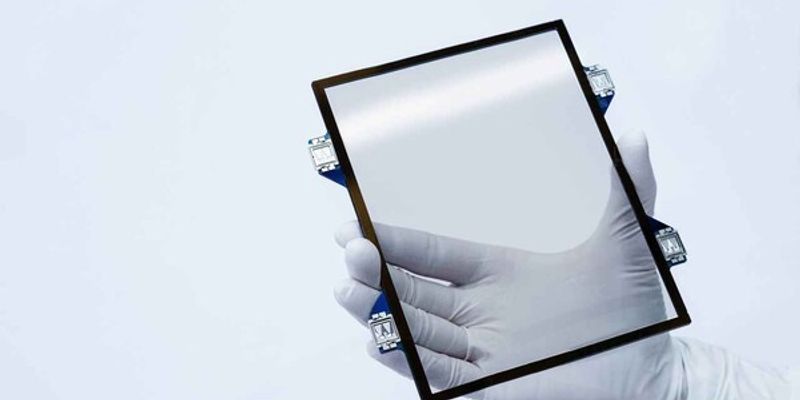
Canatu has appointed Walter Braun as Chief Technology Officer and Bernd Meier as Chief Marketing Officer, effective September 1, 2026. These appointments aim to enhance Canatu's capabilities in scaling the production and commercialization of its carbon nanotube technologies, crucial for its applications in the semiconductor and medical diagnostics industries.
Varex Imaging has developed Multi-Beam X-Ray (MBX) technology utilizing Cold Cathode Emitters (CCE) based on carbon nanotube technology. This advancement could enhance the performance and efficiency of x-ray imaging systems by leveraging the unique properties of carbon nanotubes.

Researchers at the University of Electronic Science and Technology of China have developed a CNT@Ag-MXene sensor that resists corrosion even under high strain conditions. This advancement in carbon nanotube composites could enhance the durability and lifespan of sensors used in harsh environments.

Plasma functionalisation stops multi-walled carbon nanotubes agglomerating in polyurethane coatings, a dispersion problem that has limited their antimicrobial performance in solid films.
Researchers at Zhejiang University have developed a piezoresistive fiber bandage using multi-walled carbon nanotubes for shape sensing in slender medical continuum robots. This innovation provides a low-cost, highly stretchable alternative to fiber-optic systems, potentially expanding the use of carbon nanotube-based sensors in medical robotics for improved intraoperative guidance.

Researchers from the Skolkovo Institute of Science and Technology have developed a new infrared sensor using single-walled carbon nanotubes, which shows a conductivity change 10,000 to 100,000 times more pronounced than graphene. This advancement could lead to more sensitive and compact thermal cameras and medical sensors, leveraging the unique properties of carbon nanotubes for enhanced infrared detection without the need for cooling.

Pure Resources (ASX: PR1) and Rice University have announced peer-reviewed validation of their carbon nanotube fibre (CNTF) technology, highlighting its high thermal conductivity and potential to outperform traditional materials like copper and aluminum. This development is significant for advanced carbon materials as it demonstrates the potential of CNTF to enhance thermal management in applications such as AI data centers, drones, and defense systems.

Researchers at Peking University have developed the first all-carbon nanotube CFET digital logic circuits, achieving highly balanced electrical performance between p-type and n-type transistors. This advancement is significant for the future of carbon nanotube technology, as it introduces a new path for high-density computing architectures in artificial intelligence and edge computing applications.

Carbice has partnered with Noctua to introduce a thermal pad for DIY PC builders that uses vertically aligned carbon nanotube technology. This collaboration brings advanced thermal management solutions, previously used in aerospace and AI infrastructure, to the consumer electronics market.
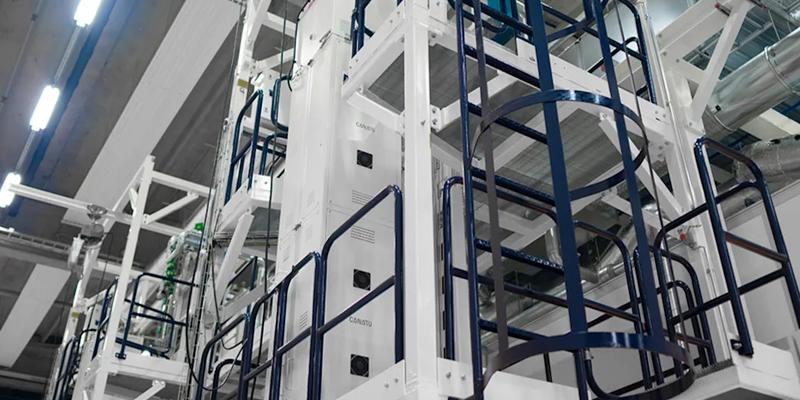
Eden Innovations Ltd showcased its carbon nanotube technology and EdenCrete® product at the Aarhus Power-to-X Symposium 2026 in Denmark. This participation highlights the potential of carbon nanotubes in reducing the CO2 footprint of construction materials, aligning with global trends towards sustainable construction solutions.

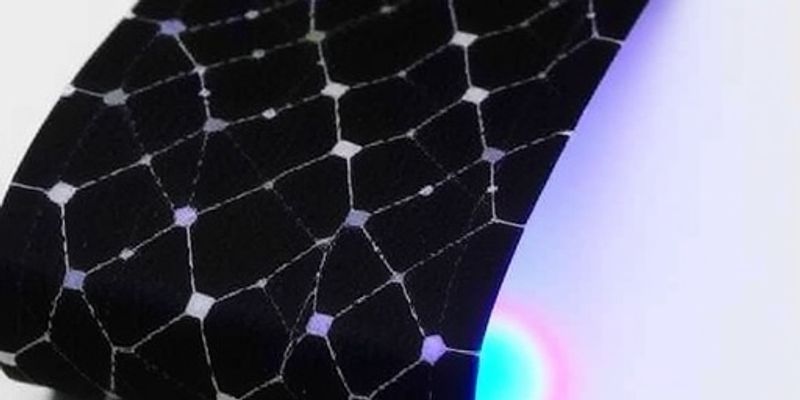
Physicists at Martin Luther University Halle-Wittenberg have demonstrated that carbon nanotori, specifically C₁₂₀, C₁₄₄, and C₁₆₈, can generate and control toroidal dipole moments, offering a third control channel for quantum computers with zero crosstalk. This discovery is significant for quantum computing as it introduces a new method for qubit control that is orthogonal to existing electric and magnetic control methods, potentially reducing errors caused by crosstalk in superconducting quantum processors.

TCMC has launched Carbonix Materials to develop a U.S. supply chain for graphene. This initiative aims to enhance the availability and integration of graphene in advanced carbon materials, particularly benefiting applications in composites and electronics.
Researchers at Manipal Academy of Higher Education have built a taxonomy of topological failure modes in carbon nanotube field-effect transistors, addressing a barrier to their adoption in sequential logic.
AwesomeRay is advancing the industrialization of carbon nanotubes in South Korea, focusing on applications in semiconductors and defense. This development is significant for the carbon nanotube sector as it could lead to enhanced performance and new capabilities in these high-tech industries.

Researchers at the Vietnam Academy of Science and Technology have developed a sensor electrode using a composite material of graphene, carbon nanotubes (CNTs), and gold nanoparticles that can detect pesticide residues at concentrations as low as parts per billion (ppb). This advancement is significant for the field of advanced carbon materials as it enhances the sensitivity and functionality of sensors, contributing to improved agricultural product monitoring and food safety.

Researchers at Van Yüzüncü Yıl University fabricated twelve carbon nanotube-modified PVC/PMMA nanocomposites at three PVC ratios, characterising how the nanotubes change thermal and electrical behaviour.
Composites reinforced with graphene and multi-walled carbon nanotubes are reshaping defence and aerospace design, where strength-to-weight now counts for more than the tonnage of steel and platforms.

Researchers at Beijing Renhe Information Technology Co., Ltd. have developed a new CNT/BC composite hydrogel membrane, designated CBC4. This material could enhance the mechanical properties of carbon nanotube-based composites, offering potential improvements in strength and flexibility for various applications.
Researchers have built binder-free carbon nanotube cathodes for lithium-oxygen batteries, removing the polymer binder that limits cycle life and extending the working lifespan of the cell.
Researchers from China and Russia have developed stretchable metasurfaces using single-walled carbon nanotube (SWCNT) film, achieving dynamic terahertz wavefront manipulation at 0.35 THz. This advancement is significant for the development of smart, wearable THz components in 6G communication and intelligent sensing applications.

Researchers prepared 4D-printed shape memory polyurethane nanocomposites containing 0.25 to 1.0 wt% multi-walled carbon nanotubes by solvent casting, characterising the effect on mechanical and shape-recovery behaviour.

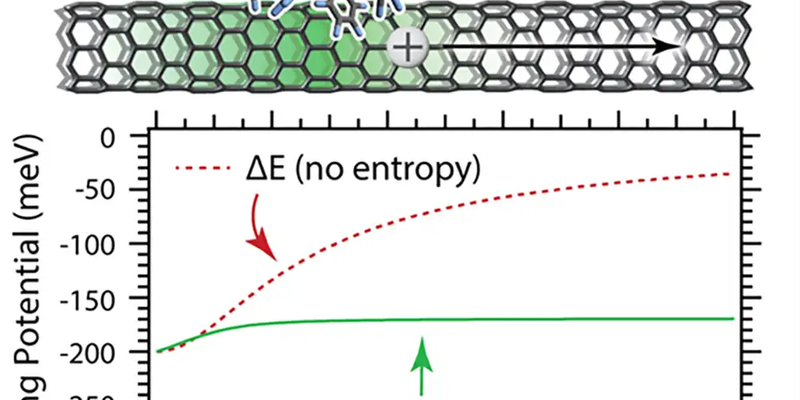
Researchers at the Netherlands Lattice Research (NLR) have demonstrated that entropy can facilitate charge separation in single-walled carbon nanotubes (SWCNTs) by attaching a negatively charged dodecaborane structure. This finding could enhance the efficiency of carbon nanotube-based semiconductors, potentially impacting electronics and energy applications.

Researchers functionalized fabric with reduced graphene oxide (RGO) and MWCNT-CuxO composites to create a flexible, non-enzymatic glucose sensor. The work advances carbon nanotube and graphene applications in wearable electrochemical sensing for health monitoring.
OCSiAl has been named a single-wall carbon nanotube supplier to Volkswagen Group's battery subsidiary PowerCo for its Unified Cell platform, with supply coming from OCSiAl's audited production facility in Serbia. The deal extends single-wall carbon nanotube use into a major European automaker's standardized battery platform, where the material serves as a conductive additive in graphite anodes to improve conductivity, heat dissipation, and fast-charging performance.

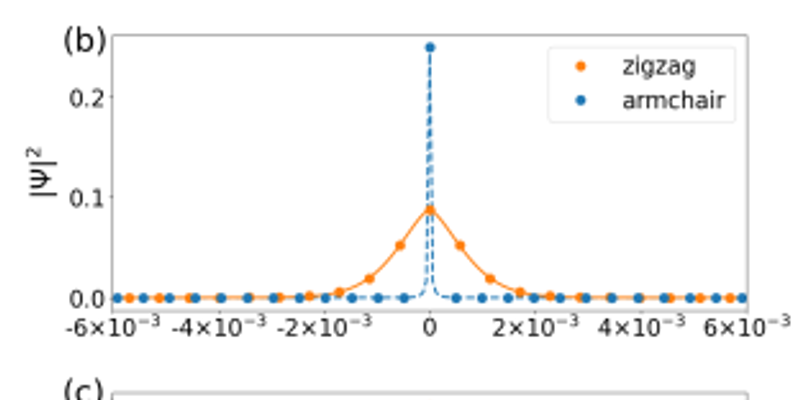
Researchers integrated carbon nanotubes into an on-chip topological photonic system to enable electrical tuning of photonic properties. This demonstrates a functional role for carbon nanotubes in reconfigurable photonic devices, expanding potential applications beyond electronics and conventional optical components.
Researchers at Kyiv Aviation Institute published a review of 2021–2026 experimental studies on multi-walled carbon nanotubes (MWCNTs) in reinforced concrete, finding that dosages of 0.05–0.15% by weight of binder increase crack initiation moment by 20–42% and reinforcement bond strength by 16–35%. The findings support broader use of carbon nanotubes as a concrete additive, with identified synergistic effects when combined with fiber reinforcement or micro-fillers offering a pathway to more ductile structural composites.

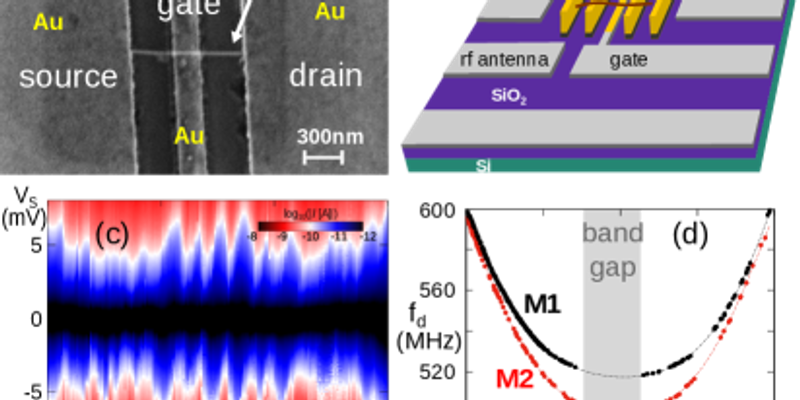
Researchers measured the Duffing nonlinear mechanical response of a suspended single-wall carbon nanotube quantum dot at 13 mK, extracting an electromechanical coupling ratio g/ωm of 4.0 and observing an anomalous stiffening-spring Duffing parameter near single-electron tunneling regions where softening was theoretically expected. The unexplained sign discrepancy in the nonlinear spring behavior challenges existing models of electron-vibron coupling in carbon nanotube resonators and has implications for the design of CNT-based nanoelectromechanical sensors and qubits operating in the ultrastrong coupling regime.

Professor Chang Liu of the Institute of Metal Research, Chinese Academy of Sciences presented research at an NTU MSE seminar on SWCNT-based hybrid materials, including a SWCNT/Cu core-shell fiber with a specific electrical conductivity of 1.15×10⁴ S m² kg⁻¹ and FeCl3-filled CNT fibers reaching 1.35×10⁷ S m⁻¹ conductivity and 2.54 GPa tensile strength. The work advances CNT fiber and film applications in electrical conductors, thermoelectric devices, and electrocatalysis by addressing the longstanding dispersion challenge that has limited SWCNT composite development.

Researchers at the University of Aveiro developed 3D-printed filters from bauxite refining waste (red mud) that removed over 90% of the antibiotic ciprofloxacin within one hour under UV light. The work demonstrates a functional application for carbon nanotubes in photocatalytic water treatment using industrial byproducts, with the material retaining performance across multiple decontamination cycles.

Micro-X Limited (ASX: MX1) released an investor presentation outlining its strategy to apply proprietary carbon nanotube X-ray technology to CT imaging, while noting the material is not a prospectus and that its securities are not registered in the United States. The update signals continued commercial development of carbon nanotube-based X-ray sources for medical imaging, a niche application that could influence demand and performance benchmarks for nanotube components in the medtech sector.

EPFL researchers, led by Nikita Kavokine at the Quantum Plumbing Lab, are studying water confined to nanometer-scale channels and found that electromagnetic coupling between water molecules and channel wall electrons creates a friction mechanism not predicted by classical hydrodynamics. For the carbon nanotubes sector, this work helps explain the anomalously fast water flow observed through carbon nanotubes and points toward nanotube-based systems capable of converting hydraulic energy or improving filtration efficiency.

PowerCo, Volkswagen Group's battery subsidiary, selected OCSiAl to supply TUBALL single-wall carbon nanotube additives for the graphite anodes of its Unified Cell platform, manufactured at OCSiAl's Serbia facility. The deal expands the role of single-wall carbon nanotubes in large-scale EV battery production, with OCSiAl now supplying the majority of European EV battery manufacturers and planning a $300 million graphene nanotube facility in Luxembourg.

Researchers at the University of Gothenburg developed a 3 cm soft robot made of polymer artificial muscles that moves like a caterpillar, reinforced with carbon nanotubes to improve durability and radiation resistance. The use of carbon nanotubes in flexible robotic actuators demonstrates a functional application for the material in extreme-environment electronics protection beyond traditional structural composites.

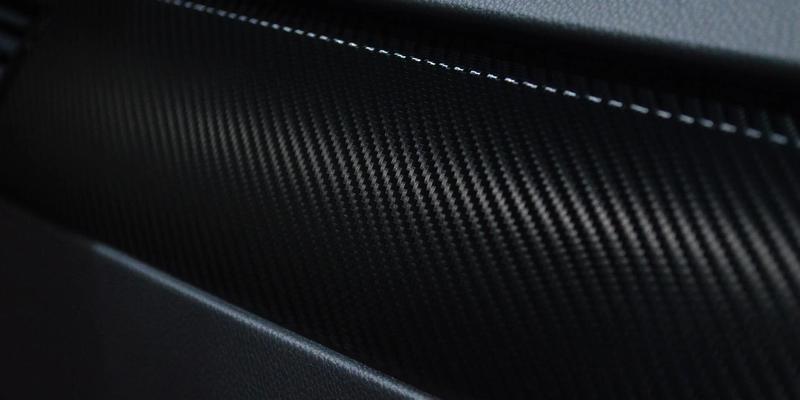
Chinese researchers developed an ultra-black automotive coating combining nanoscale carbon black and carbon nanotubes that absorbs over 99.90% of light, withstands high humidity, and survived 10-day water submersion without visible degradation. The coating demonstrates a scalable production method for carbon nanotube-based finishes with improved adhesion, though long-term scratch, abrasion, and UV durability remain untested.

Researchers at POSTECH in South Korea engineered hollow silicon nanotube structures that reduced thermal conductivity by 70% compared to solid silicon nanowires by trapping phonons at near-room temperature. The approach uses abundant silicon compatible with existing semiconductor manufacturing, offering a potential alternative to rare-material-dependent thermoelectric devices for waste heat recovery in data centers, EV batteries, and industrial facilities.

Canatu Plc restructured its leadership team on June 25, 2026, consolidating reporting lines directly to CEO Maximilian Slawinski and renaming its Automotive business unit to Robotics, Mobility and Defence. The reorganization signals Canatu's broadened market focus for its carbon nanotube products beyond automotive into robotics and defence applications.
Hari Prakash Thanabalan at the University of Gothenburg built an inchworm-inspired soft robot using alternating polymer-carbon electrode layers that expand roughly 10% under low voltage, with no rigid parts, and ran it for four hours daily over four months without performance loss. The use of carbon nanotubes as a protective sheath—allowing the robot to continue functioning after needle punctures—demonstrates a practical structural application of CNTs in soft robotics actuators designed for harsh or remote environments.

The Advanced Carbons Council published an overview of graphene and other advanced carbon materials being adopted in construction, citing applications in concrete (Concretene, First Graphene, Versarien), asphalt, and corrosion-resistant coatings (Petronas). These developments indicate growing commercial deployment of graphene additives in construction materials, with documented performance gains in compressive strength, road durability, and steel protection at low material loadings.