Continental Concept Tire Uses 43% Recycled Materials - AftermarketNews
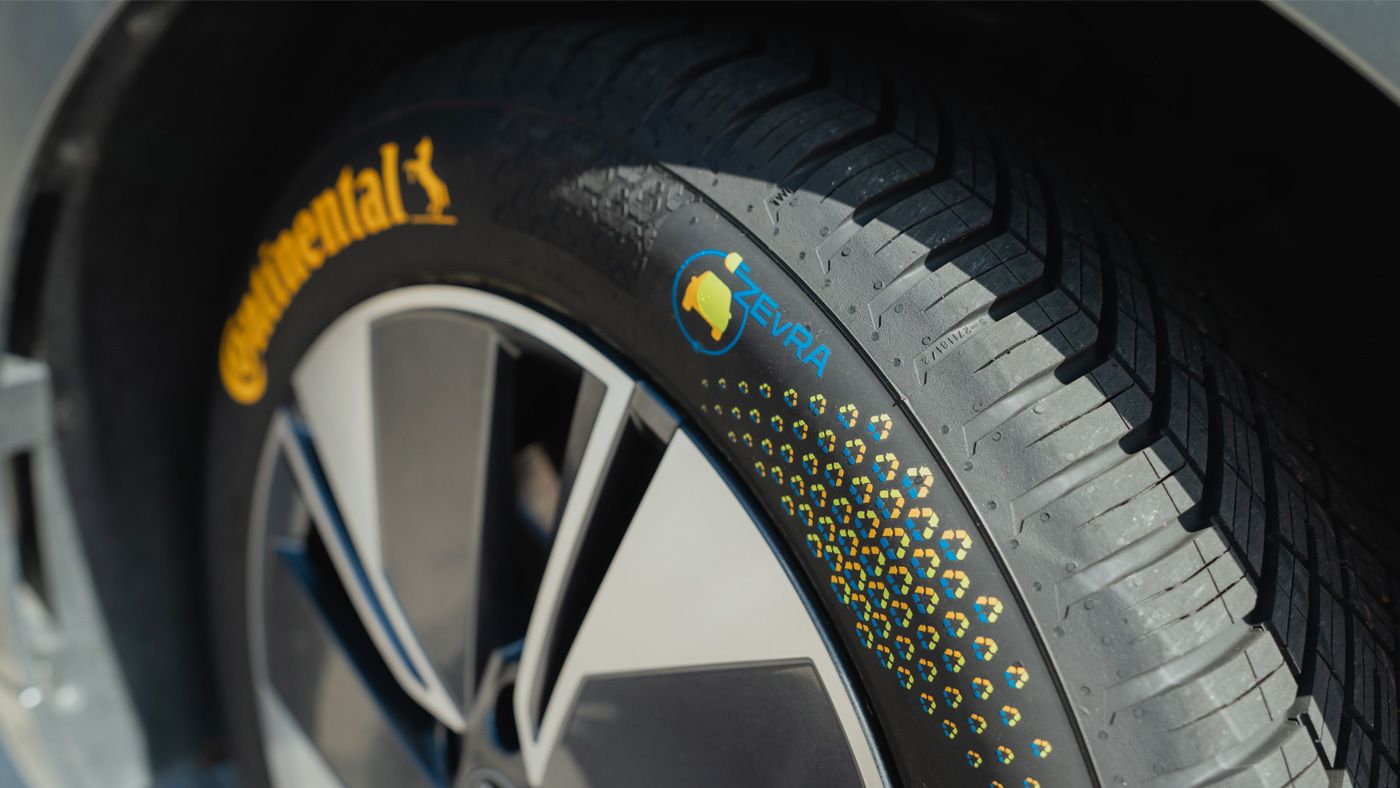
Continental AG has introduced a concept tire composed of approximately 43% recycled materials, showcasing innovative material approaches in tire manufacturing. This development underscores the necessity for a reliable framework to adopt recycling technologies on an industrial scale.
Dr. Andreas Topp, head of Platform Development and Industrialization for passenger-car tires at Continental, emphasized the role of circular materials in conserving resources and energy while reducing greenhouse gas emissions. He noted that the concept tire exemplifies what is technically feasible today and serves as a catalyst for future innovations.
The ZEvRA project, which stands for 'Zero Emission Electric Vehicles Enabled by Harmonized Circularity,' is a two-year EU initiative concluding in 2026. It aims to enhance the circular economy of electric vehicles across the value chain, with Continental as the sole tire manufacturer in the consortium.
Tires require a precise balance of high-performance raw materials to ensure safety, efficiency, and longevity, making circularity a challenging endeavor. The concept tire, which includes recycled tall oil, steel, rubber from end-of-life tires, and polyester fibers from recycled PET bottles, demonstrates the compatibility of sustainability and performance by achieving the highest EU rolling resistance label rating.
Continental employs technologies such as pyrolysis to extract materials like recovered carbon black (rCB) from end-of-life tires for reuse. Since 2023, the company has incorporated rCB in all newly produced solid rubber tires at its Korbach site, primarily for forklift trucks.
The recycling process also utilizes rSand, a residue from foundries, to manufacture an alternative silica variant. This process keeps materials in circulation and reduces the need for primary raw materials, highlighting the potential for highly circular tire production.
Continental plans to leverage these insights to further develop related materials and technologies, focusing on the industrial availability and processing of suitable recycling materials. The company aims to increase the share of recycled materials in future tire generations.
Recovered carbon black is already in effective use, but many processes are still being industrialized. Dr. Topp stated that technological progress requires reliable frameworks to support the market ramp-up of new processes, emphasizing the need for standardized European definitions and clear criteria for recycled materials.
Jorge Almeida, head of Sustainability for Continental’s Tires group sector, highlighted the importance of establishing innovative recycling technologies on an industrial scale and setting up closed material flows. He called for a standardized approach to calculation and reporting, developed through dialogue between policymakers and stakeholders, to promote genuine progress in the circular economy.
Source: Biomass & Recycled Carbons Feed