News17 September 2026· Biomass & Recycled Carbons Feed
Recovered carbon black boosts local production in Indian tire manufacturing
Biomass & Recycled CarbonsRubber & SyntheticsSustainabilitySupply Chain
18 articles on Biomass & Recycled Carbons.
Recovered carbon black from end-of-life tyres is being considered to boost localisation in Indian tyre manufacturing.
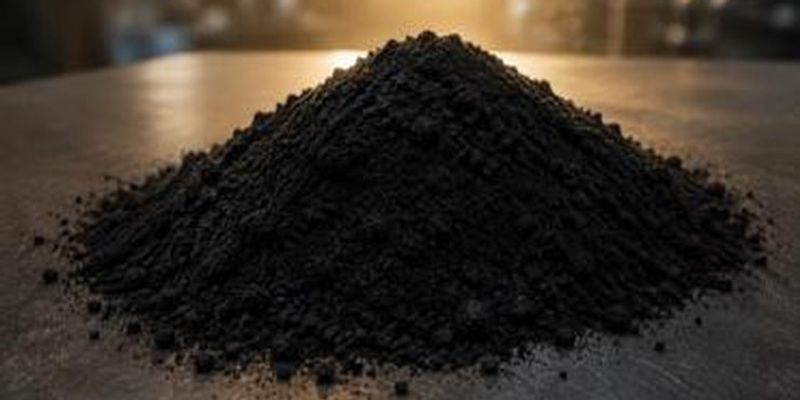
Schwalbe will expand its tyre recycling program beyond Germany in 2027, using pyrolysis to produce recycled carbon black and pyrolysis oil from the rubber.
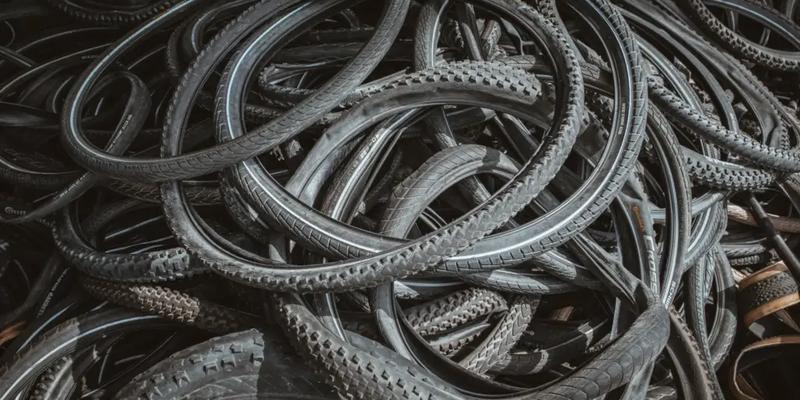
South Korea's government launched a €30 million R&D program to improve the use of recovered carbon black in tire compounds.
Researchers at the University of Science and Technology of China have developed carbon nanotubes from distilled grain residues to enhance potassium-ion battery performance.
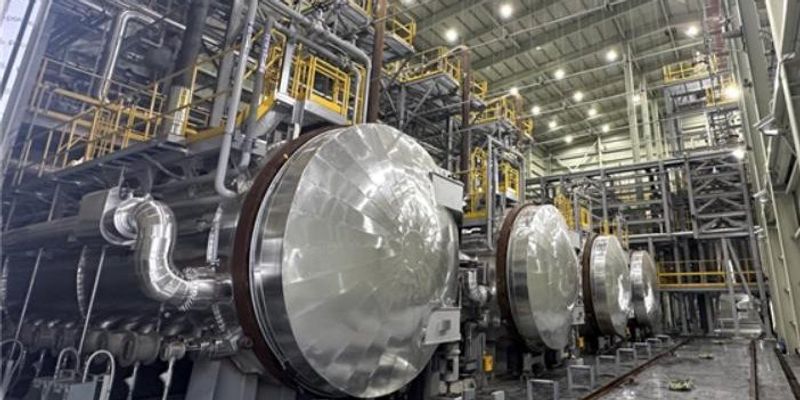
City Oil Field has developed the RGO system to extract oil from plastic waste in rural Korea.
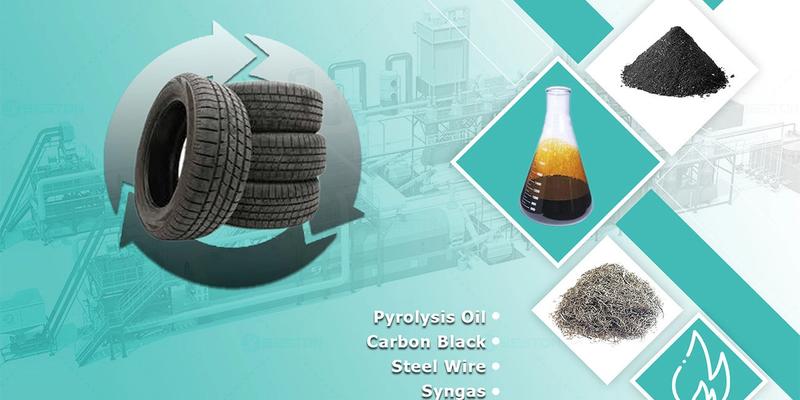
Operators can boost profits from tire pyrolysis by refining oil and carbon black into higher-value products. Upgraded materials meet industrial standards, attracting stable buyers and better margins.
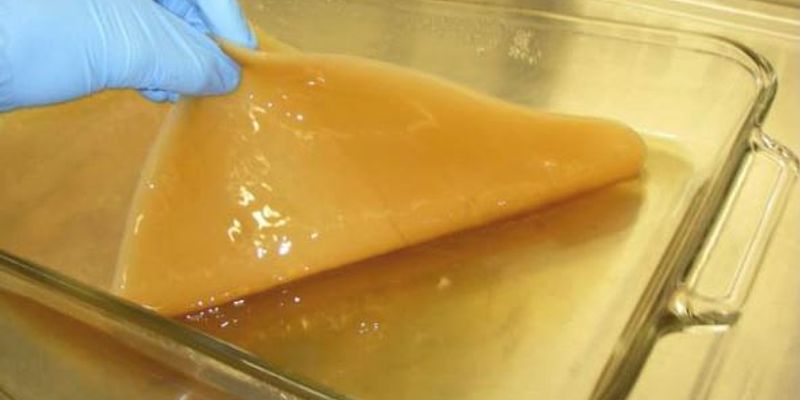
Bacterial cellulose converted into biomass-derived carbon gives supercapacitor electrodes that charge rapidly and survive millions of cycles, offering a renewable feedstock for high-power energy storage.
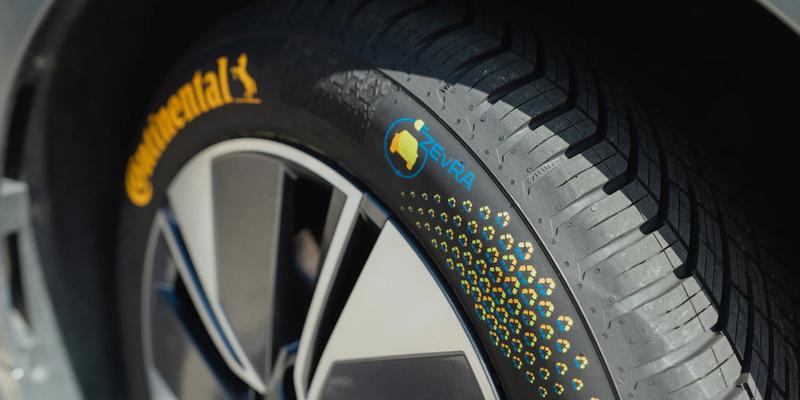
A major tyre producer reports increased use of recycled carbon black in their products.
Researchers chemically restructured terpene molecules from pine resin rosin to make high-quality bulk graphite, overcoming a longstanding limitation of biomass-derived carbon precursors.

Biomass-derived carbon nanoparticles deliver high-rate sodium storage, offering a route to sodium-ion battery anodes made from renewable feedstock rather than graphite.
Talbros has partnered with Lohum to establish a joint venture for trading, manufacturing, and refining recovered carbon black. This collaboration aims to enhance the supply chain and utilization of recovered carbon black, a sustainable alternative to traditional carbon black in composites and rubber products.
Evonik has introduced VISIOMER Terra HEMA-P100, a bio-based specialty methacrylate designed to enhance sustainability in various applications. This development is significant for the advanced carbon materials sector as it supports the integration of bio-based carbon content, potentially impacting the production and sustainability of carbon fibre composites.

Talbros Automotive Components has formed a joint venture with Lohum Cleantech to create Lohum Talbros CarbonTech Private Limited, focusing on the production of recovered carbon black and devulcanized rubber. This collaboration marks Talbros' strategic move into sustainable automotive materials, leveraging advanced carbon materials like recovered carbon black to support the circular economy.

Pyrum Innovations has announced that its tire recycling plant project in Perl-Besch, Germany is back on track following the successful optimisation of its Dillingen facility, which now produces stable recovered carbon black (rCB). This development is crucial for the advanced carbon materials sector as it demonstrates the viability of producing high-quality rCB, a key component for sustainable tire manufacturing and other applications.
The recovered carbon black (rCB) market, produced by pyrolyzing end-of-life tires, is projected to grow at a 6.4% CAGR from 2023 to 2028, with each ton of rCB saving up to 1.7 tons of CO2 compared to virgin carbon black. Inconsistent output quality and complex regulatory requirements remain the primary barriers limiting broader adoption of rCB as a substitute feedstock in tire, rubber, and carbon materials manufacturing.

Bolder Industries received final permits on 15 June 2025 to build an 86ktpa end-of-life tire pyrolysis facility at the Port of Antwerp-Bruges, to be developed in two phases with EU Innovation Fund co-funding. The plant will supply recovered carbon black at commercial scale to European markets, adding to Bolder's existing US operations in Missouri and Indiana.
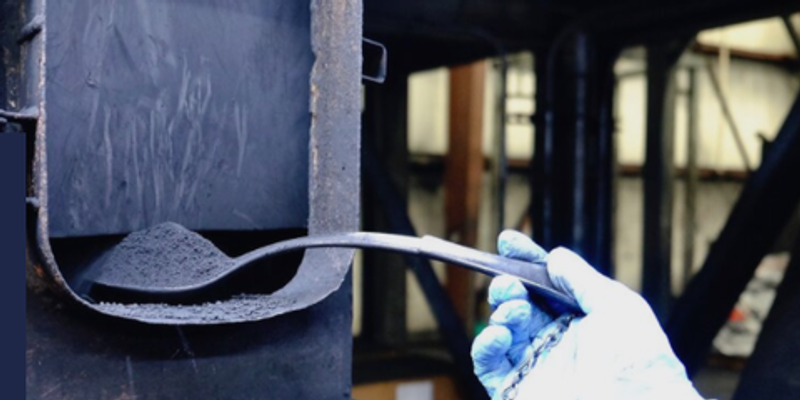
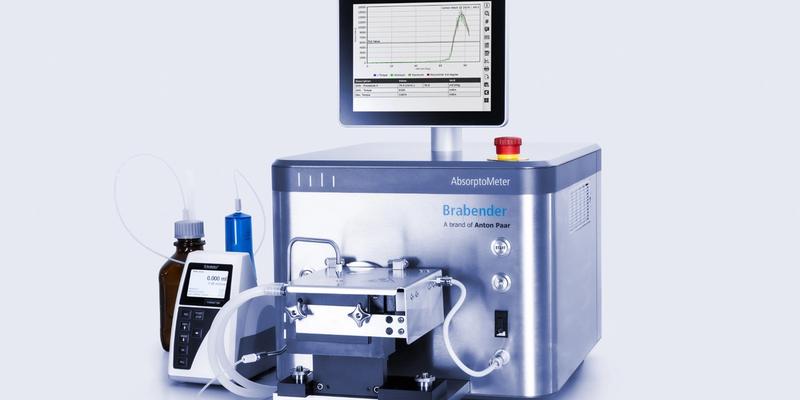
Anton Paar launched the Brabender AbsorptoMeter, an automated instrument that measures oil absorption numbers (OAN and COAN) in powders including carbon black, recovered carbon black, graphene, and battery electrode materials, supporting ASTM and ISO test methods. The system automates a previously manual testing process for carbon black and graphene characterisation, with software-controlled titration, real-time torque monitoring, and enterprise data integration via OPC UA and Brabender WebAPI.