Graphene and Carbon Nanotubes Move From Lab Results to Commercial Coatings
Graphene and carbon nanotubes are now sold in named coatings. ACC's webcast with AMPP looked at where they add value, why grades that look alike can behave very differently and what evidence buyers should ask for before specifying them.

Graphene is now sold in an exterior wall paint in India that carries a 12-year durability warranty. AkzoNobel released a graphene-enhanced version of its Interzone 954 protective coating in Australia in May 2026, after more than 21 months of field trials, and carbon nanotubes (CNTs) are going into zinc-rich primers and anti-static tank linings. Ten years ago, the same materials offered coatings formulators impressive laboratory results and very little they could put in a can.
That shift was the focus of “Advanced Carbon Materials in Coatings Applications,” a Forefront Series webcast hosted by the Association for Materials Protection and Performance (AMPP) on Sept. 10, 2026, and presented by Dr. Chirag Ratwani, chief science officer at the Advanced Carbons Council (ACC). The session was the first initiative under the three-year memorandum of understanding between AMPP and ACC, which begins with carbon-enhanced coatings.
In ACC’s view, the physics behind these materials has not changed over that decade. The supply side has. Consistent, pre-dispersed and regulation-compliant products now come from companies that run production plants and back their coatings with warranties and named test standards. The carbon is the means, and the evidence behind the product is what a buyer should rely on.
Why shape matters
Graphene is a single layer of carbon atoms in a hexagonal lattice, and its value in coatings comes from geometry rather than exotic chemistry. A platelet a few micrometers across and about 1 nanometer thick has an aspect ratio in the thousands, the same principle formulators already use in flake pigments, taken much further. Rolled into a tube, the sheet becomes a nanotube with an aspect ratio in the tens of thousands. That is why a CNT network can carry current across a coating film at loadings well under 1%, where conventional conductive fillers need several percent.
The names cover materials that behave very differently. Graphene nanoplatelets (GNPs), defined by a thickness of 1 to 3 nm and lateral dimensions of about 100 nm to 100 µm, make up most of what goes into coatings and are usually the practical choice for barrier work. Graphene oxide disperses easily in water but is effectively an electrical insulator. Single-wall CNTs percolate at very low loadings, while multi-wall CNTs cost less but may need more material to do the same job.
Where the value sits
ACC maps coating applications by how hard they are to formulate and qualify against the value they could add. Coatings for electrostatic discharge (ESD) and electromagnetic interference (EMI) shielding, conductive inks and thermal interface materials sit at the quick end, because a formulator can find out in a short time whether they work. Premium anti-corrosion coatings are the largest opportunity and the slowest route to market. They must pass cyclic corrosion, electrochemical impedance spectroscopy, scribe creep, humidity, UV and thermal aging tests before a customer’s own approval cycle even begins.
GNPs suit barrier, corrosion protection, heat spreading and wear applications. The platelets align in the film and lengthen the path that water and chloride must travel to reach the substrate, the same tortuous-path effect that glass flake and micaceous iron oxide provide, at a far smaller length scale and lower loading. CNTs add electrical conductivity through percolating networks at loadings low enough to protect rheology, and GNP and CNT hybrids target formulations that need thermal and electrical performance together.
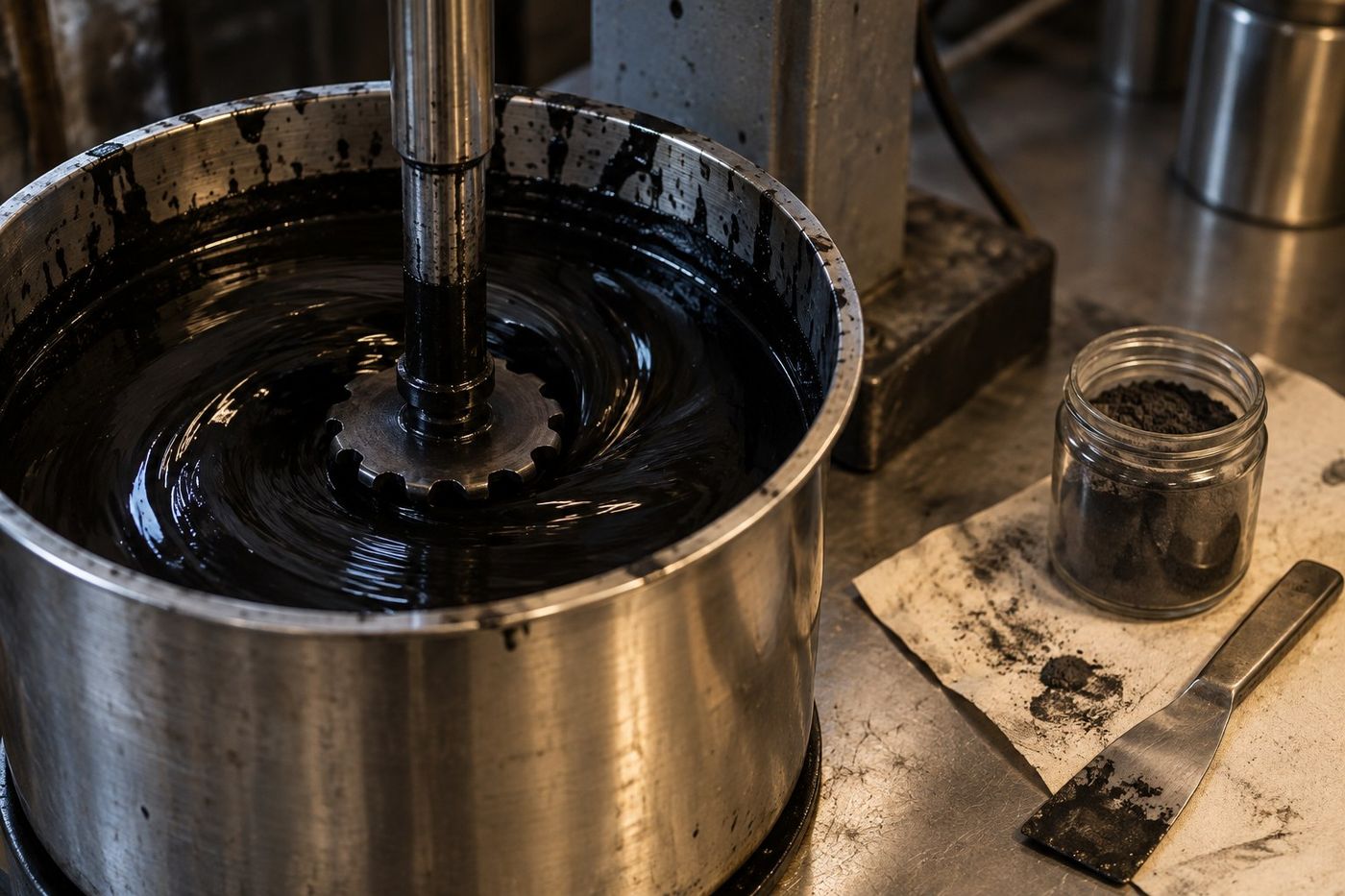
Formulation decides whether that geometry pays off. Poorly dispersed platelets form agglomerates that act as defect sites rather than a barrier, and graphene’s conductivity has to be managed so that a percolating network does not open an unintended conductive pathway to the substrate. ACC suggests three checks between a promising additive and a qualified coating: how the formulation behaves, including dispersion, rheology, film build, cure, adhesion and any change for the applicator; durable proof against named standards over real durations, ideally from independent testing; and cost in use per liter of finished coating rather than per kilogram of additive.
Coatings already on the market
The examples discussed in the webcast ranged from consumer paint to offshore assets. Asian Paints sells its graphene exterior wall paint, Apex Ultima Protek Advanced, with a 12-year durability warranty, 10-year waterproofing and anti-algal warranties and crack bridging to 2 mm (0.08 inch). A warranty of that length on a retail product puts a company’s balance sheet behind the claim.
PETRONAS developed its ProShield+ graphene paint additive in-house for its own upstream and downstream assets. The company reports about three times the water barrier of a conventional epoxy and up to three times the abrasion resistance, with no change to its blending process, which means no new capital and no requalification. Its headline figures, a doubling of average coating life to about 16 years and up to 66% lower repainting spend per platform, come from simulation. ACC’s advice is to treat numbers like these as model outputs and to ask what went into the model.
In Vietnam, PV PAINT is launching PERAPHENE, a zinc-rich epoxy containing TUBALL single-wall CNTs from OCSiAl, for offshore platforms, refineries, storage tanks and marine infrastructure. It passed independent corrosion and adhesion testing to internationally recognized standards and is marketed on latitude: a thinner film or less zinc for the same corrosion life. The proposed mechanism is a nanotube network that connects zinc particles otherwise isolated in the binder, so more of the zinc provides galvanic protection. If that holds at scale, the benefits extend to zinc cost, film weight, volatile organic compounds and worker exposure.
Graphene Manufacturing Group reports that THERMAL-XR, its heat-transfer and protection coating for heating, ventilation, air conditioning and refrigeration equipment, has completed 30,000 hours of benchmark corrosion testing without signs of corrosion. That is roughly three and a half years of continuous chamber time.
Functions a pigment cannot provide
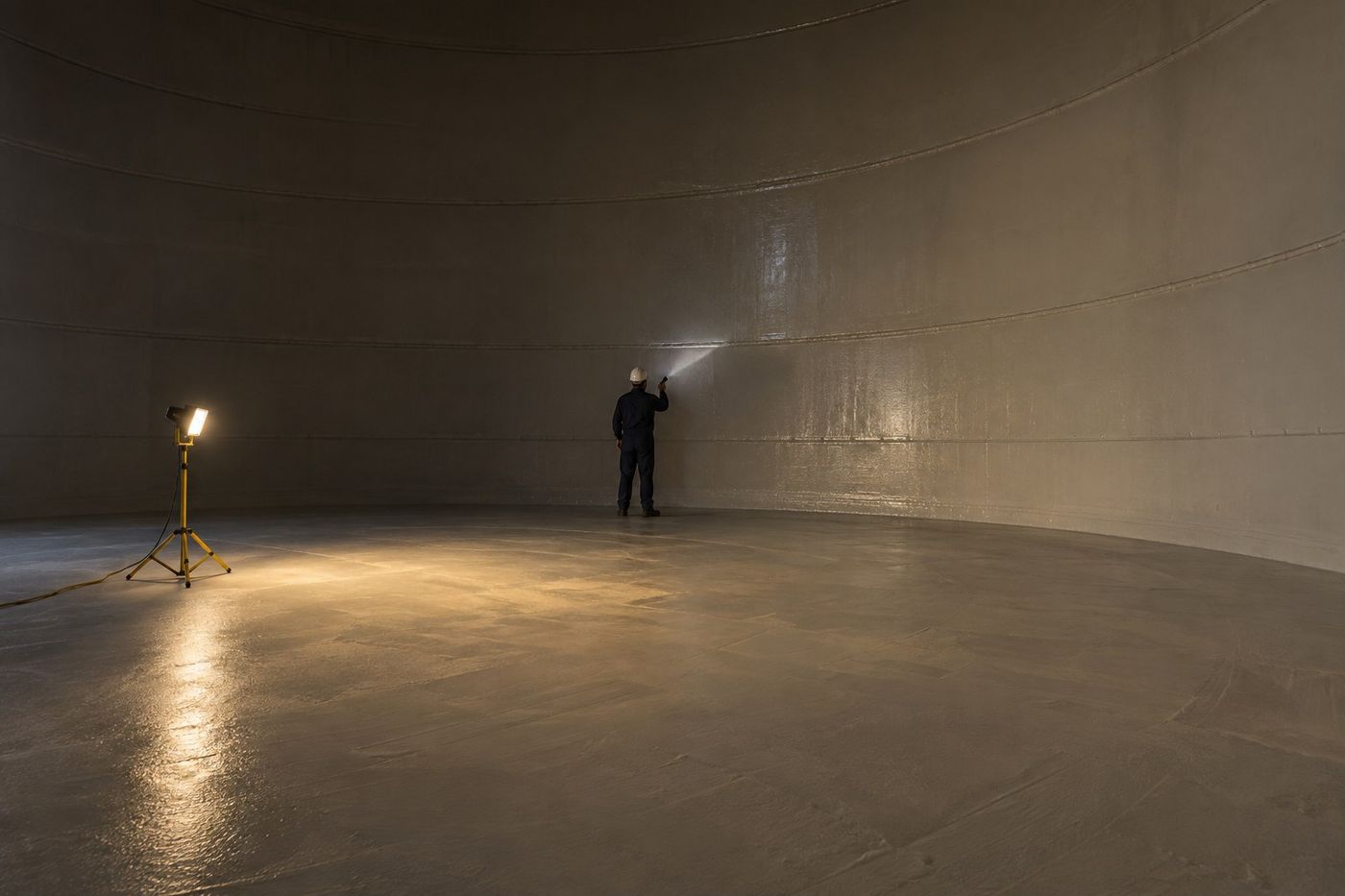
Some applications give a coating a property it did not have before, which leaves no incumbent filler to displace on price. ACC regards this as the most underrated part of the category. OCSiAl’s TUBALL nanotubes are used in tank linings, powder coatings, self-leveling floors and transparent anti-static films, where electrical resistivity stays stable over time and does not vary with humidity. The low dosage also allows light colors, which matters in service: anti-static tank linings are usually black, and a black lining cannot be inspected visually.
Heating is another example. G THERM, a water-based graphene paint developed by Graphene Star with Rustins, goes on as a single 80 to 100 µm (3.1 to 3.9 mil) layer. It has a resistance of 1 to 2 ohms per square, runs on 1 to 240 volts AC or DC and self-regulates as it warms through a positive temperature coefficient, which suits it to surface heating, de-icing, pipelines and rail equipment.
Why testing and characterization matter
The long gap between promising laboratory data and products on the market came down largely to grade selection. Graphene is a category name, not a specification. Materials sold under the same name can look identical in a jar and still differ in layer count, lateral flake size, oxygen content, defect density and, above all, batch-to-batch consistency. The attrition can be severe. Sparc Technologies, which supplies graphene additives to coatings manufacturers, reports that only 3% to 5% of the graphene grades it has screened passed its tests for corrosion performance, batch consistency and stability in liquid media.
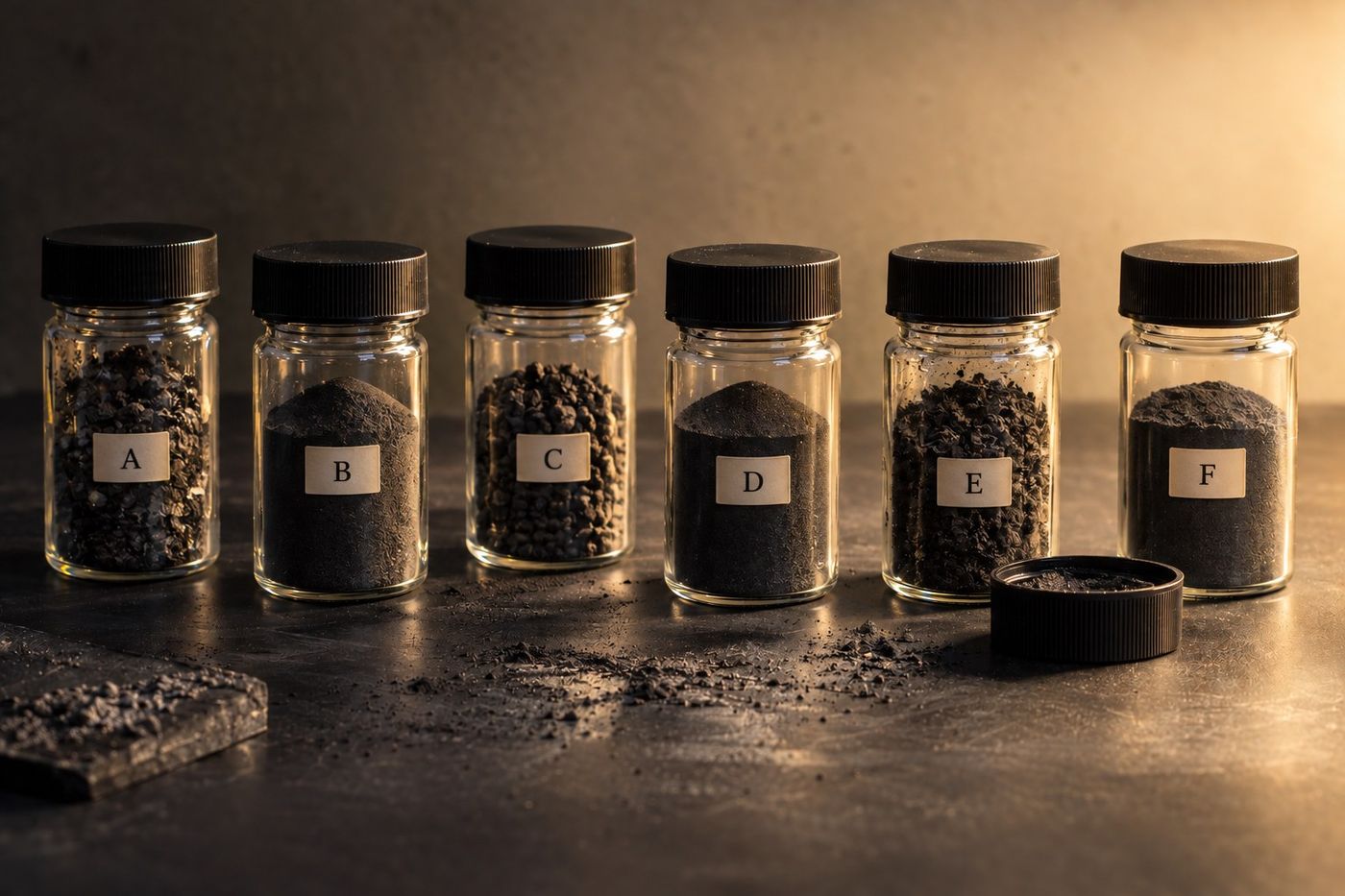
In the early years nobody in the supply chain screened grades on formulators’ behalf, so a trial that showed little benefit most likely used the wrong material for the formulation. Measuring the material itself, rather than trusting the name on the label, is the purpose of ACC’s testing and characterization services and its application development support. Pre-dispersed additives designed to drop into existing production lines have also filled part of the gap, with regulatory approvals under U.S. EPA and EU REACH rules treated as a gate for entering the coatings supply base. Levidian, for example, supplies graphene pre-dispersed at 20 wt% in xylene for addition to Part A of a two-component system using standard mixing equipment.
Claims need the same discipline. One result shown in the webcast reported 39% to 60% less scribe corrosion creep for a graphene additive in water-based systems, measured to ASTM D1654-08 over 1,680 hours, with the method, the duration and the testing source all stated. That is the level of detail buyers should expect.
Verification at the source
All of this assumes that a drum contains what its certificate says. Batch inconsistency tends to end coating programs about 18 months in, after a material has been qualified and specified. ACC’s in-person verification program sends auditors into producers’ plants to inspect production lines and test material, and it issues separate producer and product marks valid for three years. Companies that hold the mark are listed in ACC’s Verified Registry.
What end users wanted to know
The webcast drew a steady stream of questions from end users curious about how to judge these additives before putting them anywhere near a specification. ACC’s answer comes down to three requests for any supplier. The first is which grade, from which producer, with batch-to-batch consistency data across several batches. The second is which test standard, duration and substrate were used, and who ran the test. The third is the cost per liter of finished coating, including any change needed on the production line or by the applicator.
“Get good answers to all three and you’re talking to a product,” Dr. Ratwani said. “If you don’t, you’re talking to a material.”
Company figures are as published by the companies named and have not been independently verified by ACC. The scribe creep result comes from Sparc Technologies’ testing of HydroGraph FGA-1 graphene, reported in July 2026.