News14 October 2026· Graphene Feed
Mathematical graph tools uncover electronic secrets of butterfly-shaped nanographenes
GrapheneElectronicsOptoelectronicsResearch & InnovationMarket Intelligence
128 articles on Market Intelligence.
Researchers used graph theory and entropy to analyze π-electron properties in nanographene butterfly structures, revealing correlations between graph-theoretical descriptors and electronic properties with high accuracy.

Graphene-X's new All Rounder Pants, featuring a 200 g/m² graphene-integrated fabric, surpassed their $100,000 stretch goal on Kickstarter within 60 hours, with over $115,000 pledged.

Researchers at the North University of China have optimized nitrogen-doped carbon nanotubes for lithium-ion battery anodes by pyrolyzing ZIF-67 at 700 degrees Celsius, enhancing fast-charging capabilities.
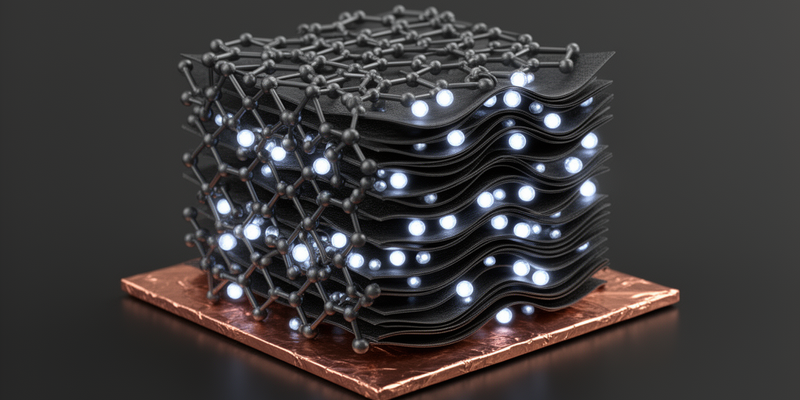
Zentek will present findings on ultra-high-purity Albany graphite at the Global Nuclear Graphite Meeting.
Global Graphene Group seeks a Sales Engineer in Dayton, Ohio, to expand its graphene markets. Apply by December 31, 2026.
Researchers at KAIST have discovered liquid crystal behavior in graphene oxide, marking a world first in materials science.
Graphano Energy Ltd. has completed prospecting at its Black Jack graphite site in Québec and plans to expand exploration westward. The company seeks $900,000 through a private placement.
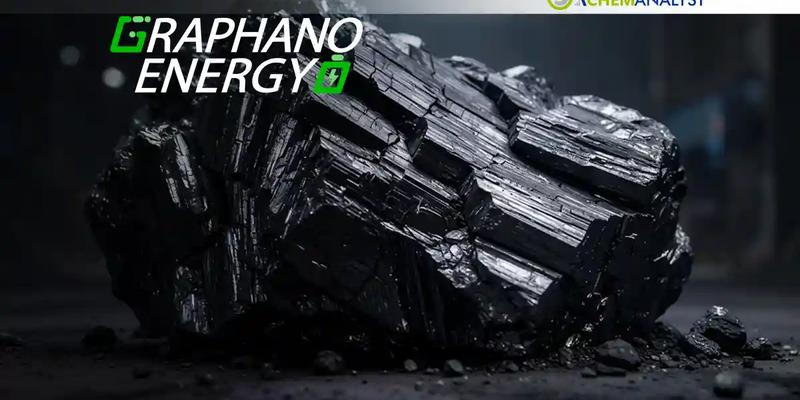
Researchers developed a graphene-enhanced MOF-303 composite that captures water from desert air using sunlight, achieving water collection of 0.254 grams per gram of material in 30 minutes.

Graphene pioneer Novoselov commends China's progress in material science, highlighting significant advancements since his discovery of graphene in 2004.

First Graphene and Aeropreg have signed a three-year agreement to develop and commercialise graphene-enhanced carbon fibre prepreg for aerospace and automotive markets.

Researchers have developed carbon dots capable of bending light uphill, enabling optical disks to potentially store up to 400 terabits of data on a DVD-sized disk.

Graphite One has launched the G1 Advanced Systems Division to focus on graphite and graphene applications in energy and defense technologies.

Graphite tolling fees rose 2.3% from June to August, increasing costs for synthetic graphite anode producers.
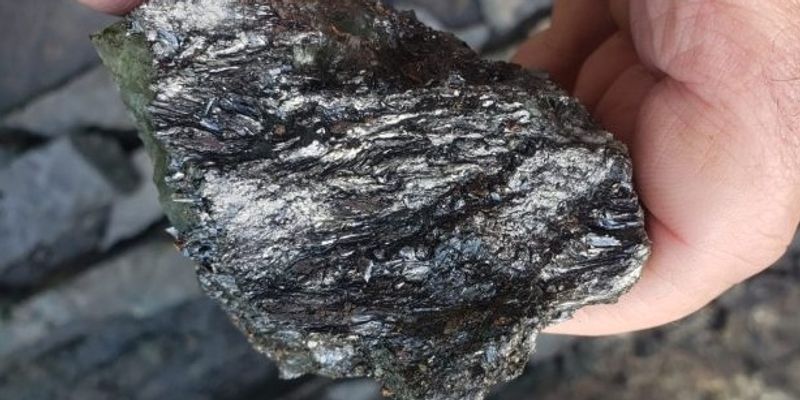
First Graphene and Vector have partnered to launch PureGRAPH® heat sensors.
Carbon fiber nylon (PA12 CF) is identified as the strongest 3D printer filament based on tensile strength, surpassing polycarbonate.
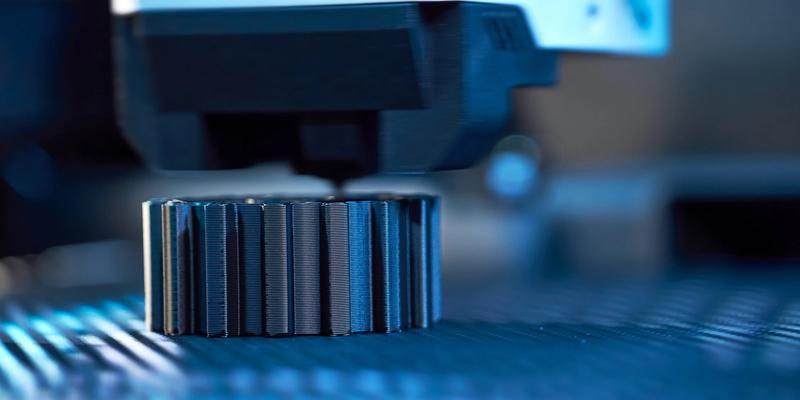
Researchers have published two studies cataloging nearly 9,000 two-dimensional materials, identifying over 1,600 candidates for twisting to create new quantum simulators.

Researchers have developed ultra-thin transparent electrodes using reduced graphene oxide for soft lenses, potentially transforming camera focus technology.

Researchers at the National University of Singapore used 0.14-terahertz radiation to isolate electronic contributions to resistance in twisted bilayer graphene, revealing significant electron interactions at the magic angle.

Researchers found that tiny wrinkles in graphene can alter its electrical properties. This discovery could lead to advanced control of electricity in ultrathin materials, enhancing sensor and electronic device performance.
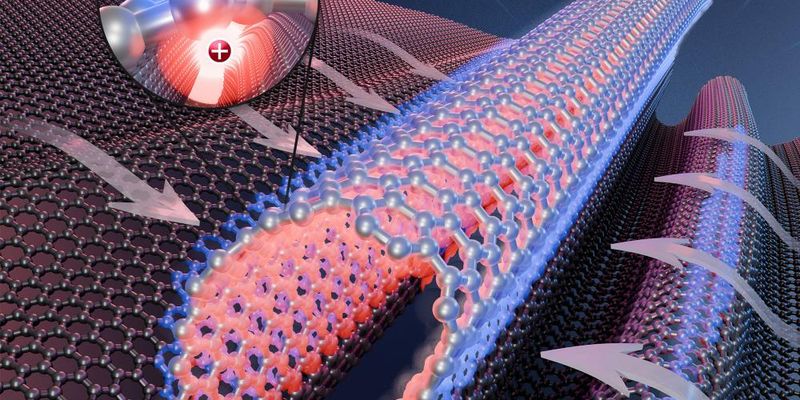
VoltaXplore is redirecting its 21700 lithium-ion cells from electric vehicles to defence drones and unmanned ground vehicles, supporting testing and qualification at its 1-MWh facility.
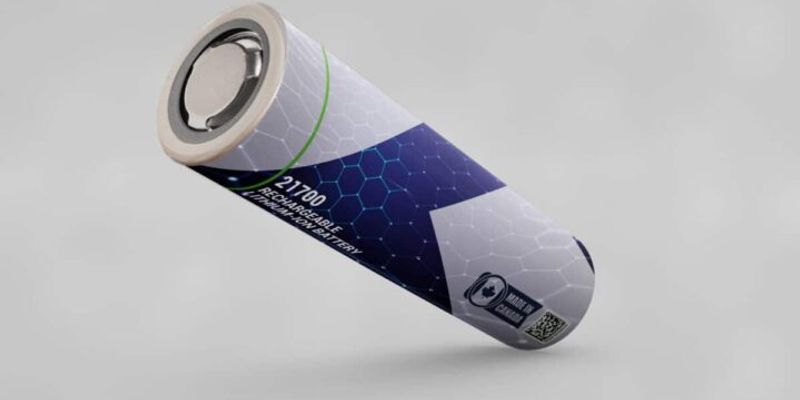
Graphene and carbon nanotubes are now sold in named coatings. ACC's webcast with AMPP looked at where they add value, why grades that look alike can behave very differently and what evidence buyers should ask for before specifying them.

Caterpillar offers graphene battery packs for power tools, featuring fast-charging and long-lasting performance. These batteries fully charge in just 20 minutes, enhancing tool efficiency and reliability.
Isar Aerospace's Spectrum rocket, made with carbon fiber composites, successfully reached orbit on its second flight.

Researchers have developed graphene multielectrode arrays for versatile extracellular measurements, enhancing electronic biosensing capabilities.
NOVONIX received testing results from a lead customer for its synthetic graphite anode qualification sample.

Researchers have developed digital X-ray technology using carbon nanotubes, a material discovered in 1991, marking a significant advancement in medical imaging.

First Graphene received its first production order from Pacific Urethanes for PureGRAPH, enhancing fire-retardant properties in polyurethane for the Australian mining sector.
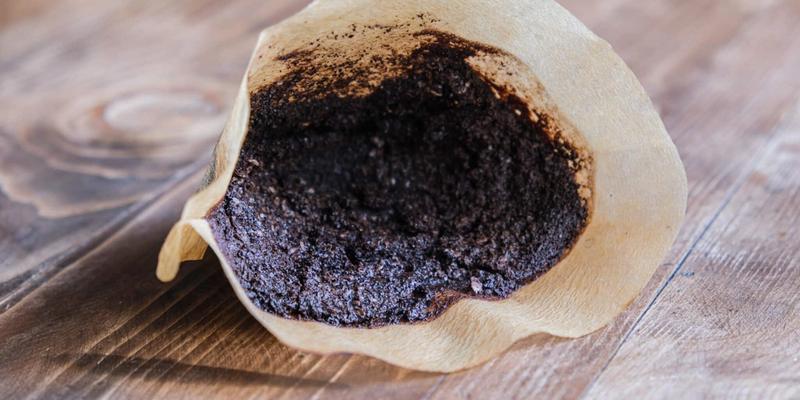
Researchers in South Korea have developed an insulation material from spent coffee grounds that performs comparably to Styrofoam. The material is biodegradable and uses a plant-based binder.
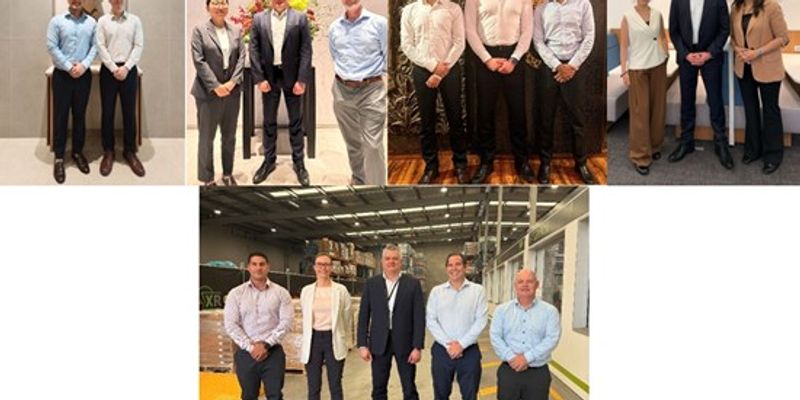
A company has launched a new sales team in the Asia Pacific region to enhance its market reach for graphene products.
HydroGraph's graphene research suggests that fewer layers do not always result in better quality. This challenges the common belief that thinner graphene is superior.
Paragraf has introduced a 12-channel graphene-based FET platform, featuring a real-time reader for enhanced performance in graphene electronics applications.
China GRINM, Beijing Graphene Institute, and China Reform Fund are collaborating to commercialize graphene-metal composites, advancing the material from laboratory research to market applications.
NOVONIX provided a mass-production qualification C-sample of synthetic graphite anode material to Panasonic Energy in June 2026.

Researchers in the US and UK observed flexoelectricity in graphene, finding that extremely sharp bends create significant electrical polarization. This discovery aligns with theoretical predictions from 2008.

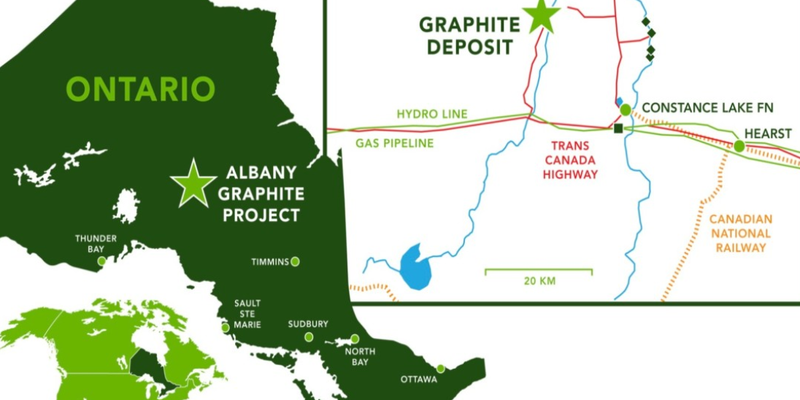
The Albany graphite deposit in Northern Ontario holds 23.1 million indicated tonnes with 4.14% graphitic carbon, suggesting over 30 years of mining potential.
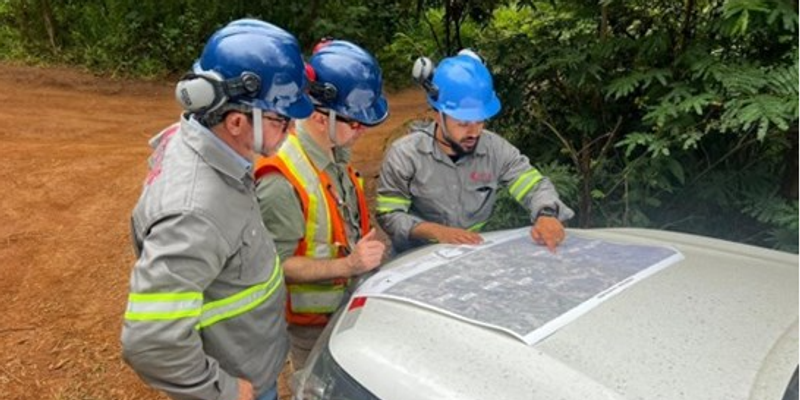
Atlas Critical Minerals Corp. reported 100% success in intersecting graphite mineralization across 20 drill holes in its Minas Gerais, Brazil project, with notable high-grade intervals confirmed by SGS Geosol.
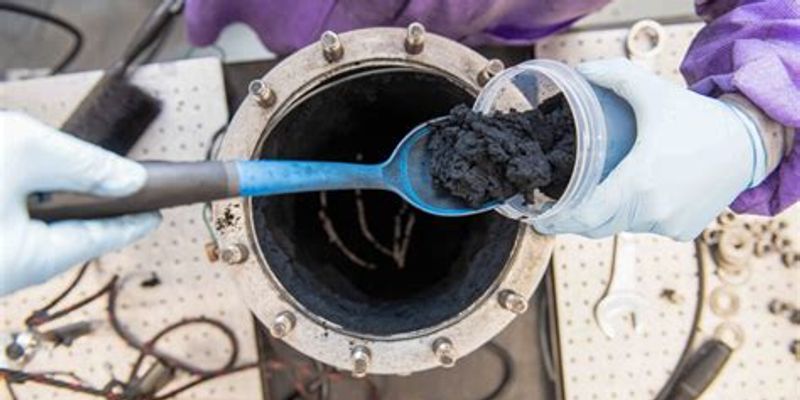
Graphene is being formulated, screened, qualified and packaged around specific applications. Some of those products are beginning to move through conventional distribution networks. That may be one of the clearest signs yet that parts of the graphene industry are maturing.
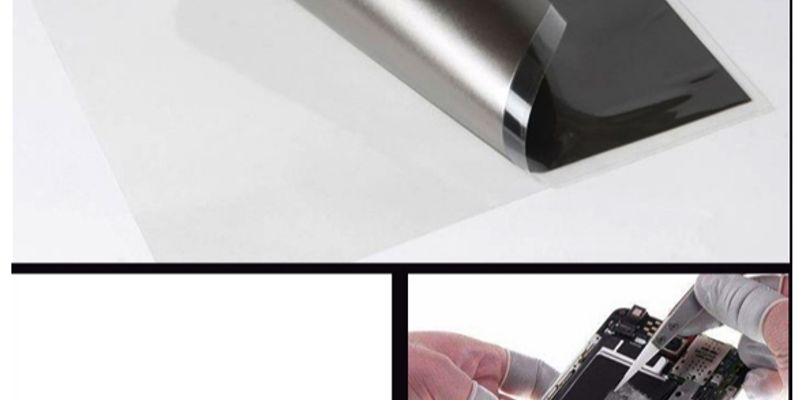
DASEN Group has expanded its multi-factory network across China and Vietnam, enhancing global supply of graphite sheets and carbon fiber products with coordinated production and R&D facilities.
NanoMalaysia Bhd and an Indonesian partner have launched an NMC-graphene lithium-ion pouch cell at a conference, marking a step toward industrial-scale battery production in the region.

ABII and IDSurvey are enhancing standards, testing, and certification to meet rising global demand for Indonesian biochar.
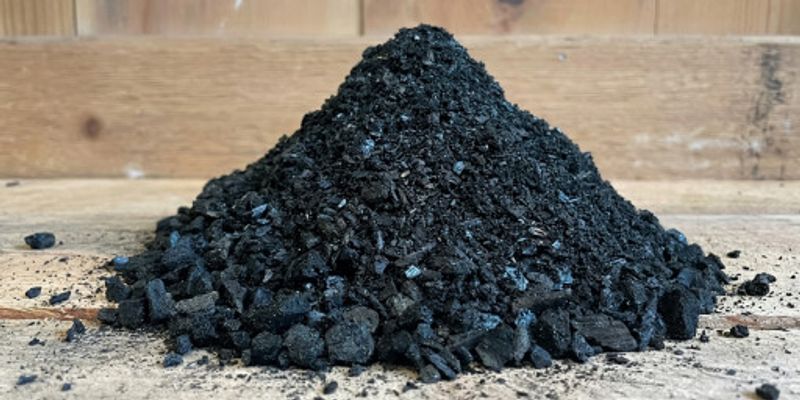
Paragraf has introduced a new graphene-based sensing platform and data acquisition system designed for enhanced sensor performance.
A team at the National University of Singapore has turned magic-angle twisted bilayer graphene from an insulator into a metal using only faint long-wavelength light, pointing to a new class of terahertz and far-infrared detectors.
Researchers in China have developed a crystal incorporating multi-walled carbon nanotubes, enhancing its fracture toughness beyond that of diamond.
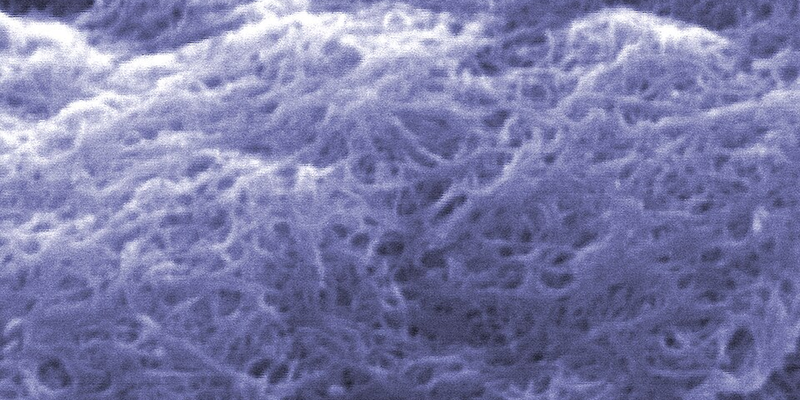
Graphene Manufacturing Group has rebranded its graphene battery cells to highlight their fast-charging and long-lasting features, collaborating with partners including the University of Queensland and Rio Tinto.
MIT researchers have developed a method to grow large, air-stable niobium diselenide films using graphene encapsulation. This advance could lead to more compact superconducting quantum devices.
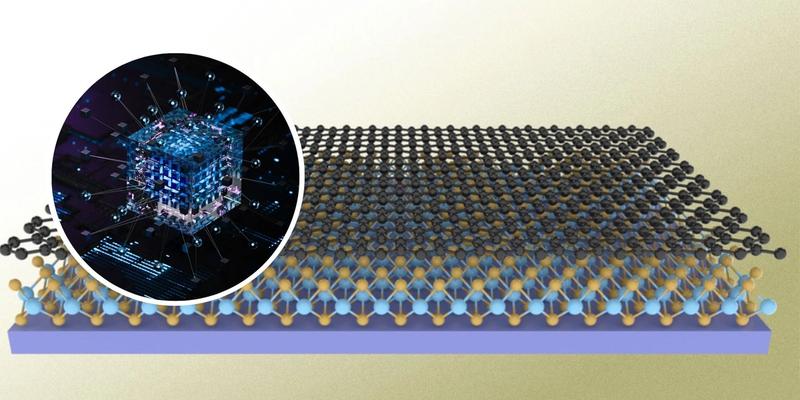
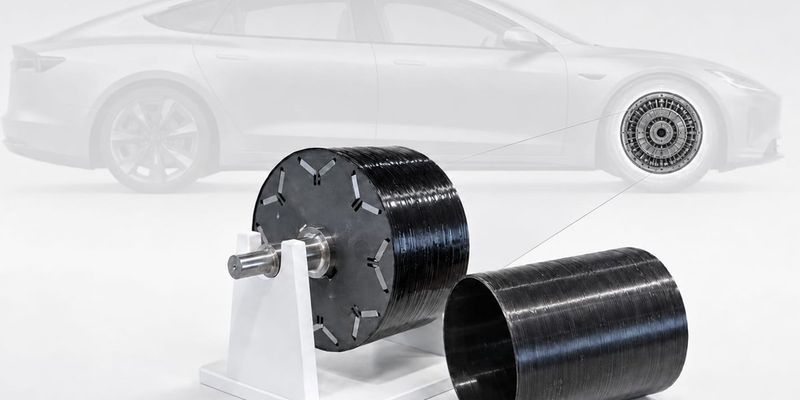
AZL Aachen GmbH is leading a consortium to benchmark CFRP rotor sleeves for electric motors, focusing on press-fit and direct-winding concepts. Production starts in August 2026.
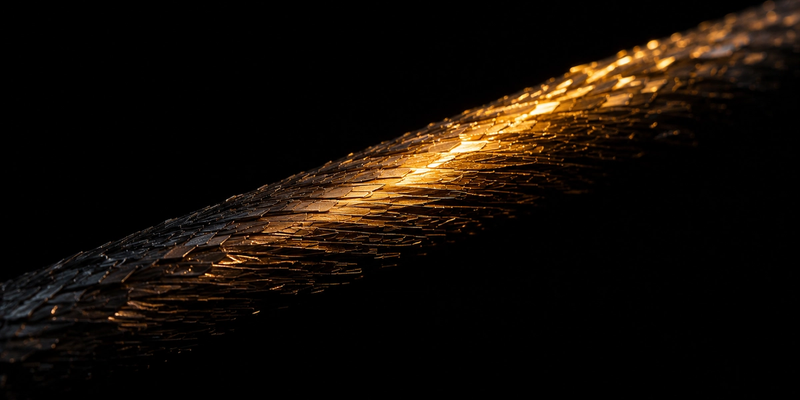
First Graphene agreed with Sixth Element Material Technology to supply PureGRAPH4 CEM in China.

Graphene fibers, when graphitized at high temperatures, achieve thermal conductivities around 1290 W m⁻¹K⁻¹, surpassing most metals, but require per-fiber measurement for accurate application-specific values.
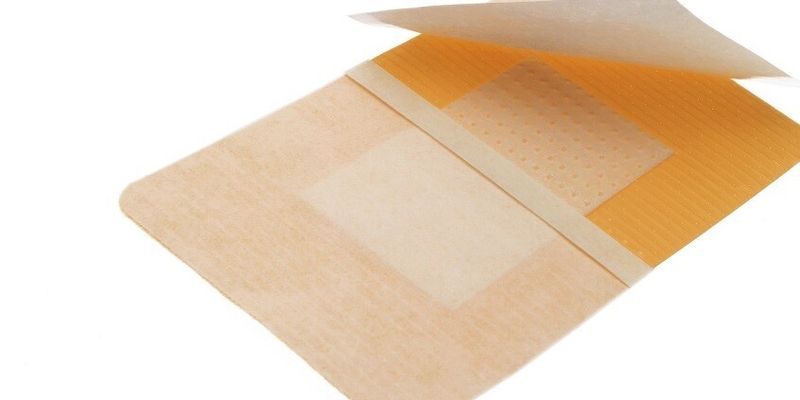
Researchers developed a non-invasive glucose monitoring device using carbon nanotubes and a 2D nickel-based metal-organic framework.
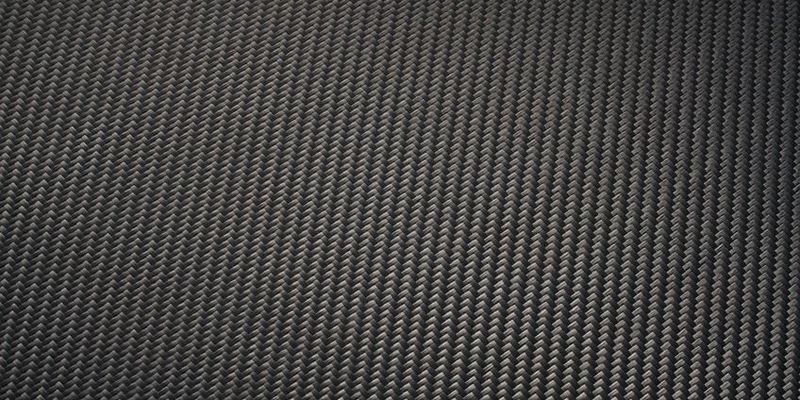
MASTERMATE is advancing carbon fiber NFC technology, enabling premium smart products with seamless digital connectivity for business, luxury, and automotive applications.
Researchers have directly measured the anisotropic thermal properties of micrometer-thick graphene-based films, providing insight into their potential for advanced thermal management applications.
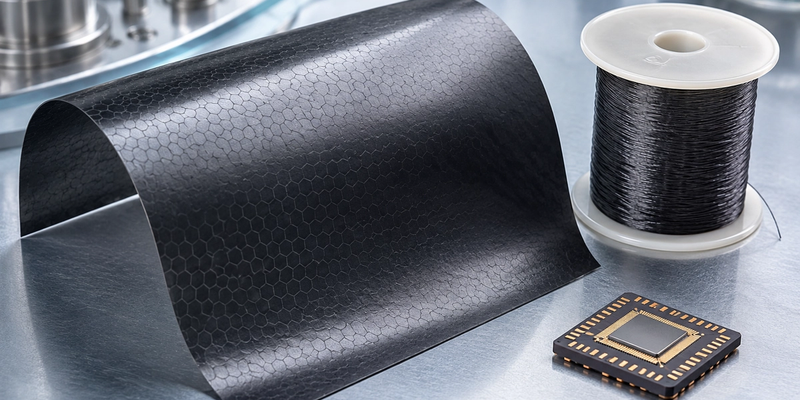
Researchers have set out a roadmap for improving electrical contacts in two-dimensional materials such as graphene, the persistent bottleneck holding back ultra-scaled transistors and flexible devices.

Researchers in China have developed a new flash memory device using a graphene-based structure that operates with a single electron.
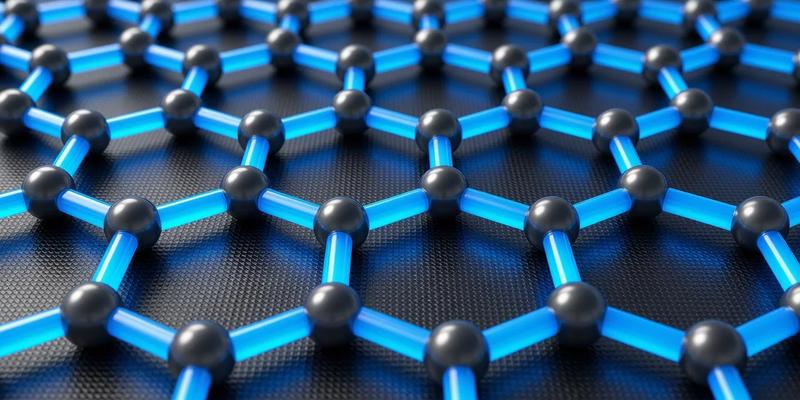
Adisyn's graphene deposition process has been independently verified as repeatable. The company also received a US patent allowance for its graphene coating technology for metallic surfaces.
Adisyn Ltd raised A$14 million through an institutional placement, signaling investor interest in its graphene-based semiconductor strategy via its subsidiary, 2D Generation Ltd.

Researchers at Fudan University developed a 2D flash memory chip using graphene that stores data with a single electron at room temperature, significantly reducing energy consumption.
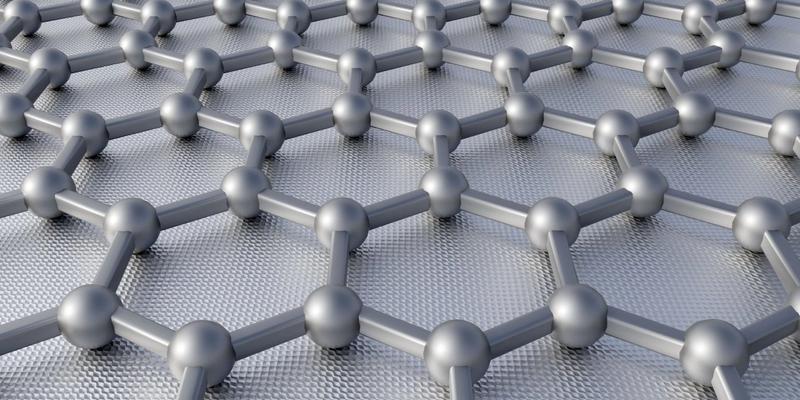
Argo Graphene Solutions Corp. secured a 10-year exclusive license from Grapherry, Inc. for its STREAM graphene production technology, issuing 2.5 million shares and 5.5 million warrants.

Mivium is developing high-quality gallium nitride nanopowders to enhance semiconductor performance, while Avadain is licensing technology to produce large-scale, defect-free graphene for industrial applications.
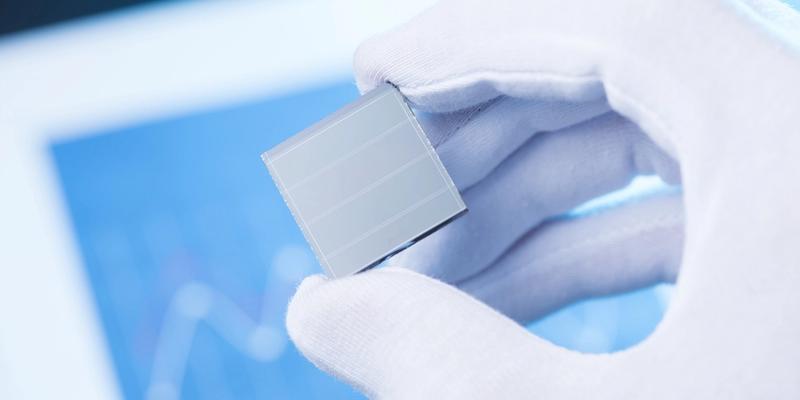
Helmholtz-Zentrum Berlin, Universität Potsdam, and Empa developed a solar cell with 27.3% efficiency using a graphene oxide and self-assembled monolayer bilayer, targeting 30% efficiency.
Argo Graphene Solutions Corp. shares rose 6.52% as investor confidence grew in the company's commercialization prospects for advanced materials.

Lyten showcased its 3D graphene technology and high-temperature adhesives, emphasizing their applications in AI data centers.
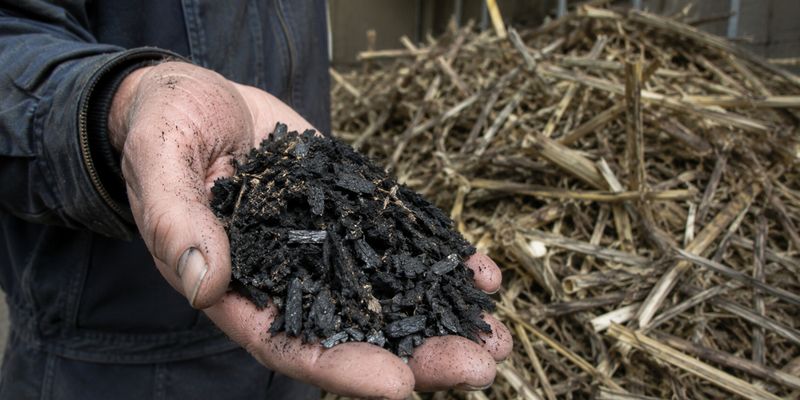
The EU's proposed carbon market update could allow hemp-based carbon storage technologies to qualify for trading in the Emissions Trading System starting in 2030.
Hexcel has qualified its HexPly M91 carbon fiber-reinforced epoxy prepreg system as of July 21, 2026.
Researchers at QUT developed a molecular strategy to prevent carbon nanotube clumping, enhancing thermal power efficiency for wearable devices that convert body heat into electricity.

Researchers at ICREA have integrated semiconducting nanoporous graphene into sensing devices, using on-surface synthesis to build architectures that carry a usable bandgap.
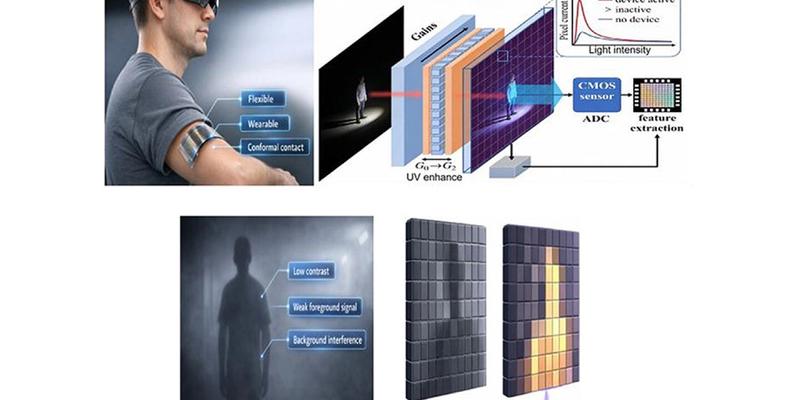
Researchers created a flexible memristor using perovskite quantum dots and graphene oxide, improving low-light image recognition by over 10% and doubling the signal-to-noise ratio.
Researchers at two London universities used QuEra's Aquila device to validate a method for extracting thermodynamic properties from nitrogen-doped graphene, tested on a 78-site system.
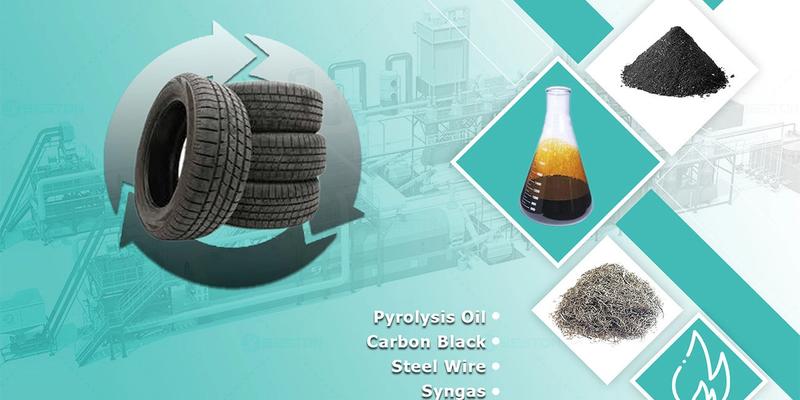
Operators can boost profits from tire pyrolysis by refining oil and carbon black into higher-value products. Upgraded materials meet industrial standards, attracting stable buyers and better margins.
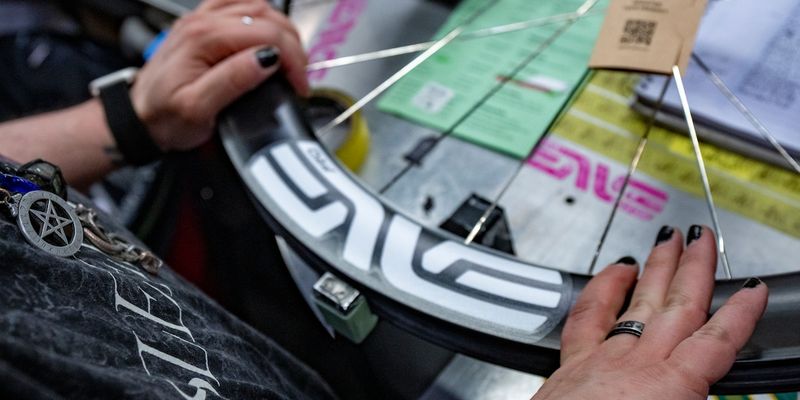
ENVE Composites in Ogden produces handmade carbon fiber wheels, now used by the Tour de France leader.
Toray Group celebrates its 100th anniversary, marking a century since its founding in Japan as a rayon producer before evolving into a leader in carbon-fiber technology. This milestone highlights Toray's long-standing impact and innovation in the carbon fiber industry, crucial for advanced composites used in aerospace and other sectors.
Abasca has expanded its Loki graphite resource in Saskatchewan to include 6.99 million indicated tonnes grading 8.27% graphitic carbon, equating to 580,000 tonnes of contained metal. This expansion enhances the supply potential of graphite, a key material for batteries and other advanced carbon applications.

CompositesWorld reports that new composite materials marketed as PyroKarb, PyroSic, and PyroXide are narrowing the thermal performance gap between carbon fiber-reinforced polymers (CFRPs) and ceramic matrix composites (CMCs). This development is significant for applications requiring high thermal resistance, enhancing the utility of CFRPs in industries like aerospace and automotive.
Researchers at the Skolkovo Institute of Science and Technology have developed a room-temperature infrared phototransistor using single-walled carbon nanotubes (SWCNTs) and lithium niobate (LiNbO3), achieving specific detectivities of up to 10^10 cm·Hz^1/2/W. This advancement in SWCNT-based pyroelectric phototransistors could lead to more affordable and portable IR sensing technologies, potentially transforming applications such as thermal imaging, environmental monitoring, and optical communications.
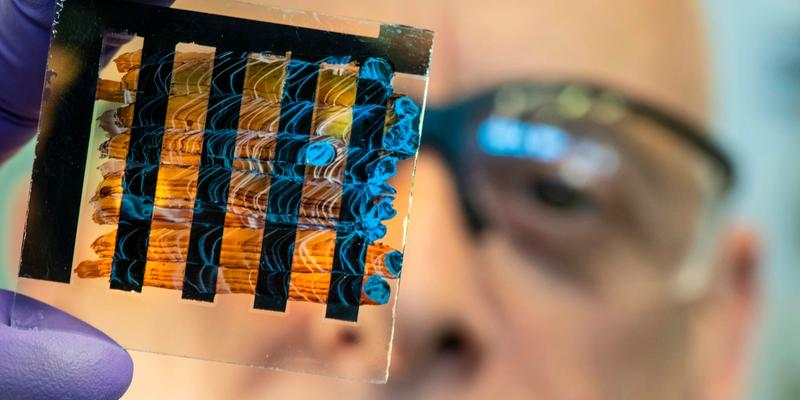
Researchers at Aix-Marseille University, CNRS and C12 Quantum Electronics have demonstrated a hybrid qubit-boson gate in a circuit QED platform, using a carbon nanotube double quantum dot as the mechanical element.

Researchers at the University of Modena and Reggio Emilia have demonstrated that narrow-gap carbon nanotubes function as excitonic insulators, with exciton binding energy scaling inversely with tube radius. This finding is significant for the study of carbon nanotubes, as it reveals the potential for spontaneous exciton condensation, which could influence the electronic properties and applications of these materials in advanced carbon technologies.
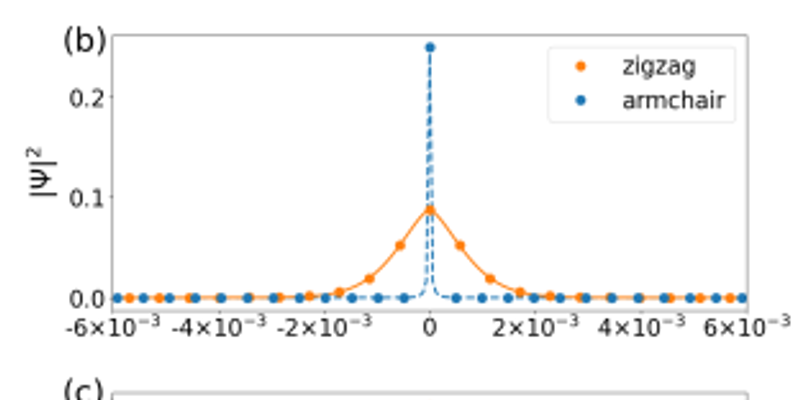
Graphene Manufacturing Group (GMG) has reported over AU$400,000 (around US$278,000) in sales orders for their THERMAL‑XR graphene coating in June 2026. This milestone underscores the growing demand for graphene-based solutions in corrosion resistance applications.
Nex Cap Energy has identified key industries that benefit most from graphene supercapacitors, highlighting sectors such as telecommunications, electric vehicle fleets, solar, and marine applications. This development underscores the potential of graphene in enhancing energy storage solutions across diverse fields.

Varex Imaging has developed Multi-Beam X-Ray (MBX) technology utilizing Cold Cathode Emitters (CCE) based on carbon nanotube technology. This advancement could enhance the performance and efficiency of x-ray imaging systems by leveraging the unique properties of carbon nanotubes.
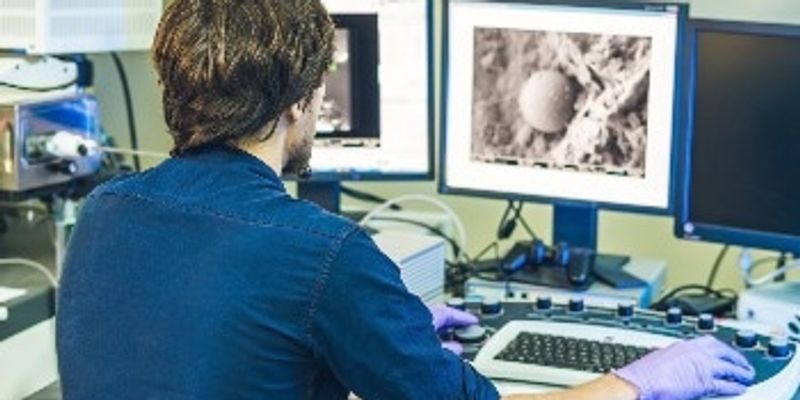
Researchers at China University of Petroleum, Beijing review carbon fibre reinforced polymers in marine structures, covering buckle arrestors and the durability challenges of prolonged seawater exposure.
Firefly Aerospace has secured a $13 million subcontract from NASA's Jet Propulsion Laboratory to produce and test the aeroshell for the SkyFall Mars mission, slated for a late 2028 launch. This project will utilize carbon fiber composites for the aeroshell's backshell and heatshield, highlighting the material's critical role in protecting spacecraft during the harsh entry, descent, and landing phases on Mars.

Hexcel and TPC Technologies have expanded their product portfolio to include carbon fiber composite materials for use in commercial aircraft. This expansion is significant for the advanced carbon materials sector as it highlights the growing demand and application of carbon fiber composites in the aerospace industry.
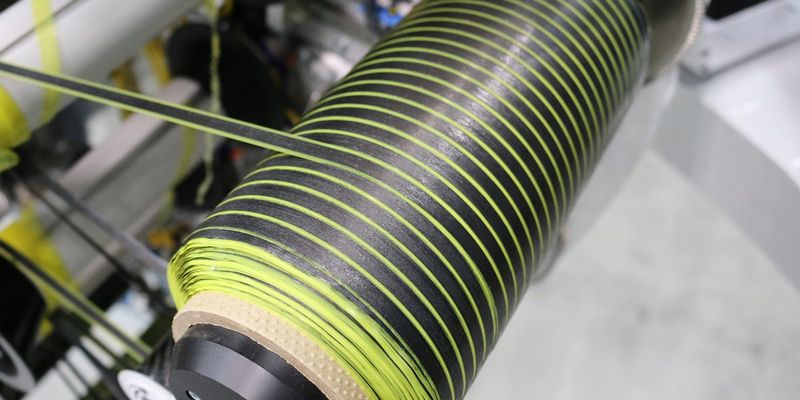
ArianeGroup has signed a contract with Beyond Gravity to supply 27 carbon fiber-reinforced polymer (CFRP) payload fairings for the Ariane 6 rocket, with deliveries starting at the end of 2026. This contract supports the increased production rate of Ariane 6 and highlights the critical role of CFRP materials in enhancing payload capacity and flexibility for the European heavy-launcher program.
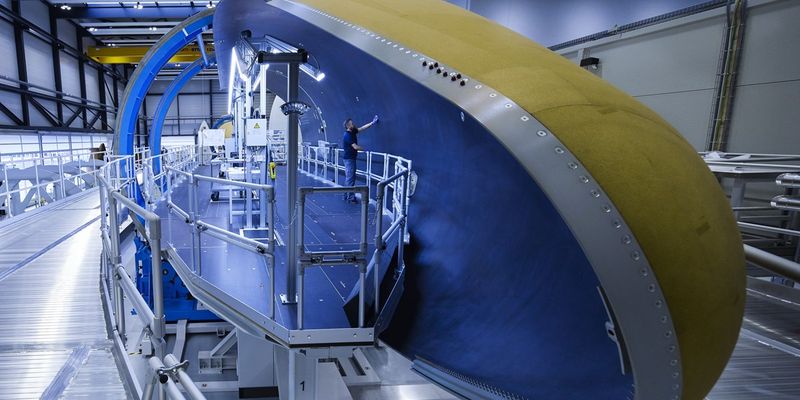
Turquoise Group has achieved Verified Graphene Producer® status, confirming its capability to produce 30 tonnes of high-purity few-layer graphene annually at its Brisbane facility. This certification enhances the company's credibility in delivering high-quality graphene, a material crucial for applications in coatings, composites, and energy storage.

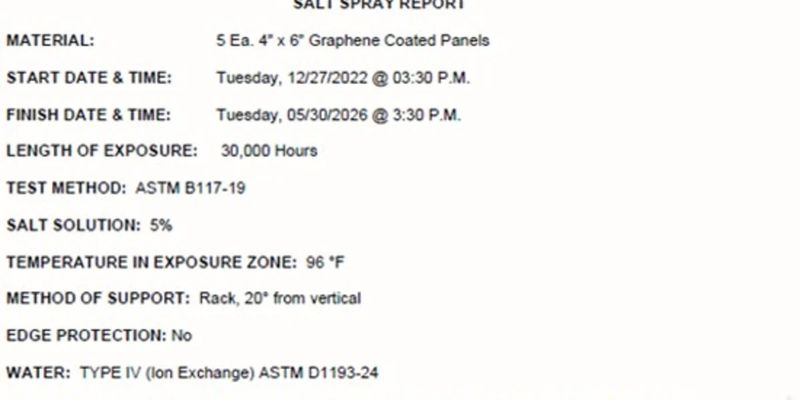
Graphene Manufacturing Group Ltd. (GMG) announced that its graphene coating product, THERMAL-XR(R), has reached a global benchmark testing milestone. This development is significant for the graphene sector as it demonstrates the material's potential in enhancing thermal management solutions.
Posco Future M has announced its growth strategy in battery materials, emphasizing the development and supply of anode materials like synthetic graphite. This focus on synthetic graphite is crucial as it plays a key role in enhancing the performance and efficiency of lithium-ion batteries used in various applications.

Researchers from the Skolkovo Institute of Science and Technology have developed a new infrared sensor using single-walled carbon nanotubes, which shows a conductivity change 10,000 to 100,000 times more pronounced than graphene. This advancement could lead to more sensitive and compact thermal cameras and medical sensors, leveraging the unique properties of carbon nanotubes for enhanced infrared detection without the need for cooling.
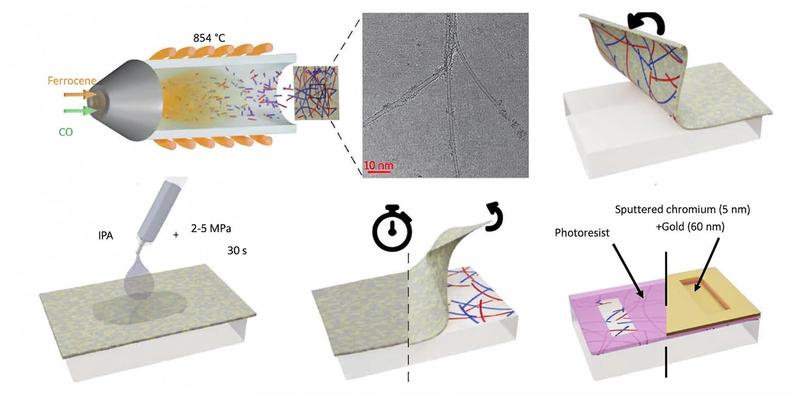
Pure Resources (ASX: PR1) and Rice University have announced peer-reviewed validation of their carbon nanotube fibre (CNTF) technology, highlighting its high thermal conductivity and potential to outperform traditional materials like copper and aluminum. This development is significant for advanced carbon materials as it demonstrates the potential of CNTF to enhance thermal management in applications such as AI data centers, drones, and defense systems.

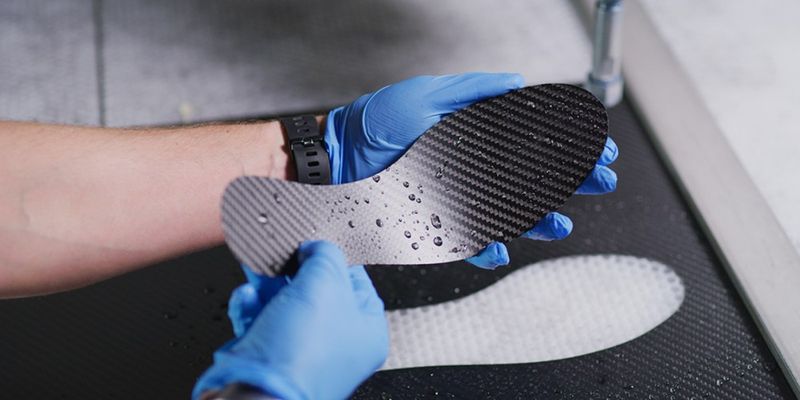
Carbitex has developed a flexible carbon fiber technology that is being utilized in performance footwear, enhancing both comfort and durability. This advancement in carbon fiber applications could lead to broader adoption in industries requiring lightweight and flexible materials, such as sports equipment and automotive components.
Researchers at Peking University have developed the first all-carbon nanotube CFET digital logic circuits, achieving highly balanced electrical performance between p-type and n-type transistors. This advancement is significant for the future of carbon nanotube technology, as it introduces a new path for high-density computing architectures in artificial intelligence and edge computing applications.

Physicists at Martin Luther University Halle-Wittenberg have demonstrated that carbon nanotori, specifically C₁₂₀, C₁₄₄, and C₁₆₈, can generate and control toroidal dipole moments, offering a third control channel for quantum computers with zero crosstalk. This discovery is significant for quantum computing as it introduces a new method for qubit control that is orthogonal to existing electric and magnetic control methods, potentially reducing errors caused by crosstalk in superconducting quantum processors.
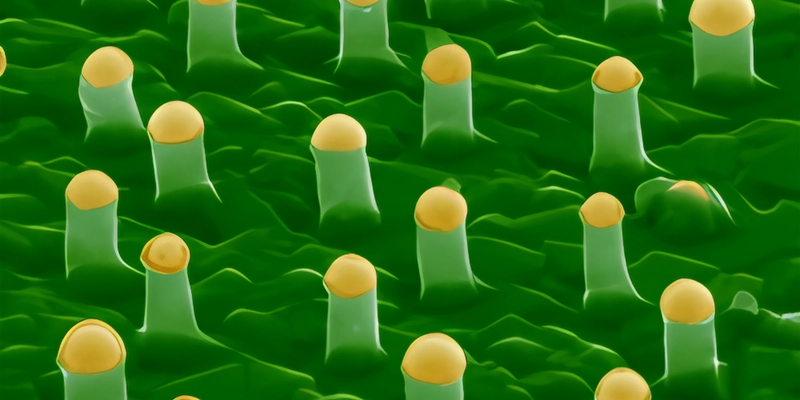
Researchers at Tohoku University have developed a covalent organic framework (COF)-graphene interlayer that significantly reduces polysulfide shuttling in lithium-sulfur batteries, achieving a high reversible capacity of 1455.7 mA h g⁻¹ at 0.2 A g⁻¹. This advancement is crucial for the practical deployment of lithium-sulfur batteries, as it addresses the long-standing challenge of polysulfide migration, potentially leading to more efficient and durable energy storage solutions.
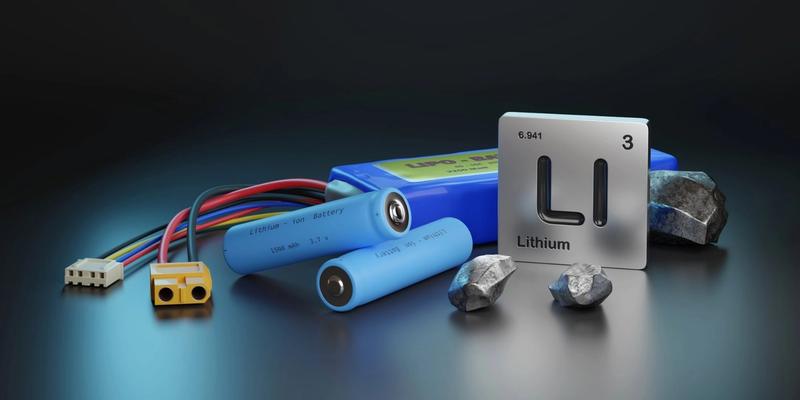
ZNShine Solar has partnered with Solmais to expand the distribution of its photovoltaic modules across Brazil, leveraging Solmais' extensive network. This collaboration is notable for the integration of ZNShine's patented graphene technology, which enhances the efficiency and durability of solar panels.
Avadain has increased its crowdfunding cap to $3.75 million in response to growing demand for graphene-based alternatives to critical minerals. This development highlights the rising interest in graphene as a versatile material capable of replacing scarce and expensive resources.
AwesomeRay is advancing the industrialization of carbon nanotubes in South Korea, focusing on applications in semiconductors and defense. This development is significant for the carbon nanotube sector as it could lead to enhanced performance and new capabilities in these high-tech industries.

Researchers at the University of Lisbon have developed a new graphene-based composite material that significantly enhances the strength-to-weight ratio of military aircraft components. This advancement could lead to lighter, more durable aircraft structures, improving fuel efficiency and performance in military aviation.
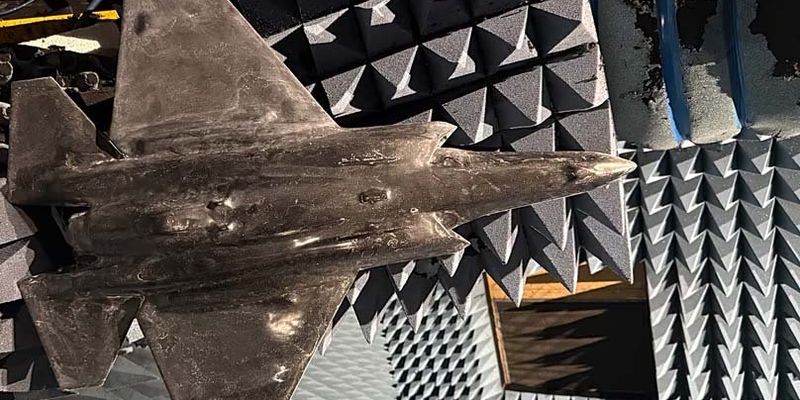
Researchers have identified several uses for Fullerene C70 in organic photovoltaics, organic electronics, and advanced nanomaterials, noting its unique elongated carbon cage structure and electron-accepting behavior. This matters because C70's distinct optical and electronic properties, compared to C60, make it a valuable material for studying and optimizing charge transport and light absorption in these advanced carbon-based applications.
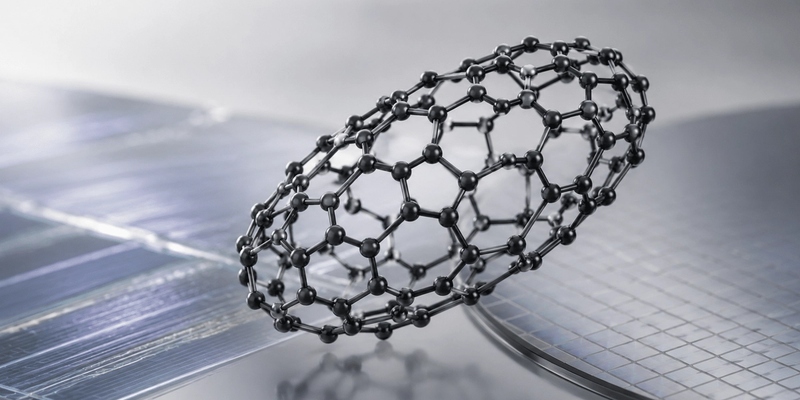
Graphene Manufacturing Group is expanding its production capabilities to meet increasing demand for its graphene products. This development is significant for the graphene sector as it enhances supply availability, potentially lowering costs and enabling broader application in industries such as electronics and energy storage.
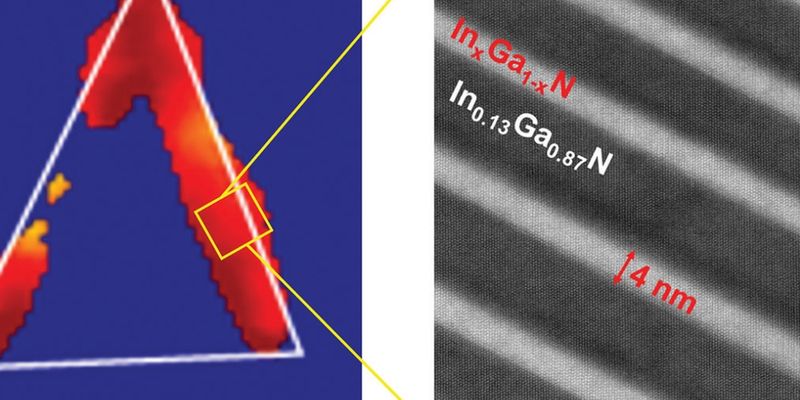
Researchers at CEA-Leti and CRHEA/CNRS grew InGaN nanopyramids through a patterned graphene monolayer on SiC, achieving red, green, and blue emission from a single epitaxial growth with an indium content up to 45 percent in the quantum wells. The approach uses graphene as a selective-area growth mask to produce relaxed InGaN pseudo-substrates, addressing the long-standing efficiency drop in InGaN-based red emitters that has blocked monolithic full-colour microLED integration for AR displays.
Researchers at UCLA have demonstrated that adding 0.05 percent graphene oxide by weight to concrete can increase its 28-day compressive strength by over 20 percent. This finding clarifies graphene oxide's role in enhancing concrete strength, potentially paving the way for its effective commercial application in construction.
Sparc Technologies launched SparcES™, a graphene additive range for ESD and conductive coatings targeting data centres, semiconductor facilities and EV battery plants, following 24 months of internal conductivity testing. The range positions graphene as a potential lower-dosage alternative to carbon black, graphite, carbon nanotubes and metal nanowires in a global ESD and conductive coatings market estimated at US$1.2 billion in 2026.

The recovered carbon black (rCB) market, produced by pyrolyzing end-of-life tires, is projected to grow at a 6.4% CAGR from 2023 to 2028, with each ton of rCB saving up to 1.7 tons of CO2 compared to virgin carbon black. Inconsistent output quality and complex regulatory requirements remain the primary barriers limiting broader adoption of rCB as a substitute feedstock in tire, rubber, and carbon materials manufacturing.

European semiconductor companies raised substantial funding in 2025, with the ten largest rounds ranging from NXP Semiconductors' €1 billion EIB loan down to IQE's £18 million convertible note, spanning AI chips, photonics, power electronics, memory, and chip cooling. Two graphene-focused companies, Paragraf ($55M Series C) and CamGraPhIC (€25M Series A), secured funding to scale graphene-based electronic devices and graphene silicon photonics respectively, signaling continued investor commitment to graphene's commercial role in semiconductors and optical interconnects.

HydroGraph Clean Power Inc. commercially launched Fractal Graphene Paste, a 20% graphene-by-weight aqueous dispersion with a 99.8% carbon purity and over two-year shelf life, and has supplied samples to more than 30 customers. The product targets the graphene sector's core adoption barrier—dispersion difficulty—by delivering a stable, ready-to-use concentrate compatible with standard mixing equipment, which could accelerate graphene uptake in composites, coatings, and construction materials.

Zhongfu Shenying commissioned three high-performance carbon fiber production lines in Lianyungang, Jiangsu on June 28, comprising a 1,000-ton/year T1100-grade aerospace line, a 5,000-ton/year 48K large-tow line, and a 600-ton/year M40 high-modulus line, as the first phase of a CNY6 billion project targeting 30,000 tons of annual capacity. The lines expand China's domestic supply of high-grade carbon fiber across aerospace, wind energy, hydrogen storage, and EV applications, reducing reliance on foreign sources for critical materials.
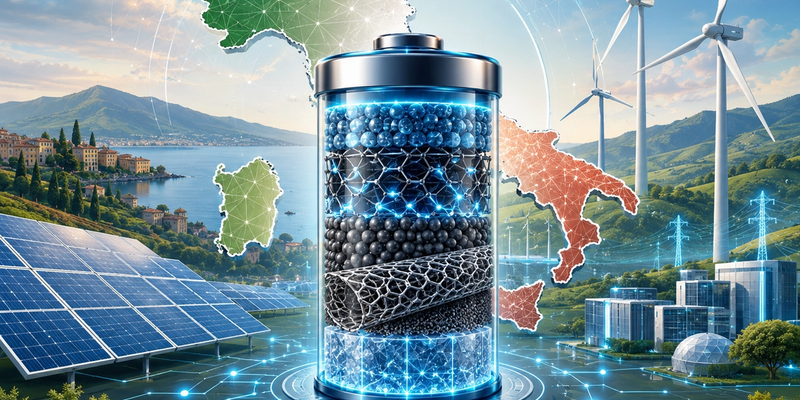
Graphene-based energy storage systems have been reported to reach energy densities up to 650 Wh/kg, compared to 150–250 Wh/kg for conventional lithium-ion batteries, according to a report focused on Italy's renewable energy storage needs. This performance gap highlights graphene's potential role in grid-scale storage applications, a key growth area for the advanced carbon materials sector.
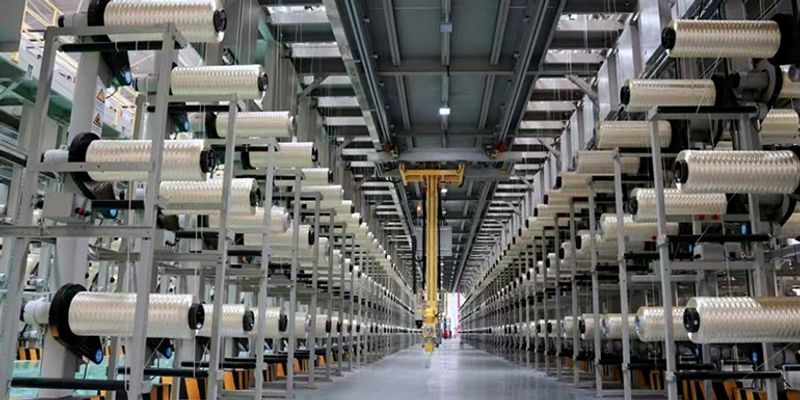
Shenzhen MASTERMATE Technology Co., Ltd., an ISO 9001-certified carbon fiber OEM/ODM manufacturer founded in 2014, produces custom carbon fiber products including drone frames, automotive parts, helmets, and jewelry for clients in over 100 countries. The company's broad custom manufacturing capabilities across autoclave molding, CNC machining, and forged carbon reflect continued demand for flexible, small-to-mid-scale carbon fiber production partnerships among global brands.
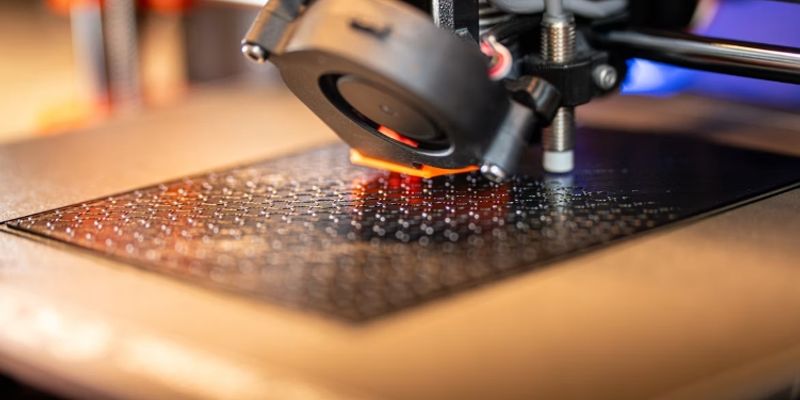
Researchers from Cambridge, Harvard, Caltech, and the Max-Planck Institute for Polymer Research published findings in Science Advances showing that nanoconfined water's apparent chemical reactivity is driven by pressure and surface chemistry rather than confinement itself, with hydroxide ions bonding to hexagonal boron nitride walls but not to inert graphene. The work offers a design principle for tailoring water reactivity by selecting confining materials and controlling internal pressures, with direct relevance to graphene-based membranes, carbon electrodes in batteries and fuel cells, and the broader development of two-dimensional carbon and carbon-adjacent materials for electrochemical applications.

The Boeing 787 and Airbus A350 use carbon-fiber-reinforced composite materials for roughly 50% of their airframe by weight, making tail strike damage harder to detect and repair than on metal-fuselage aircraft like the Boeing 777, as illustrated by an Air France A350 that required nearly ten months of repairs after a 2024 tail strike in Toronto. For the carbon fiber composites sector, the article highlights that barely visible impact damage, complex non-destructive inspection requirements, and process-sensitive repair procedures drive significant maintenance downtime and cost, underscoring the need for advanced damage detection and repair capabilities in aerospace composite applications.

Terrance Barkan of the Advanced Carbons Council and Dr. Andrew Pollard of the UK's National Physical Laboratory discussed how measurement science, standardization, and materials verification underpin the commercialization of graphene and other advanced carbon materials. For the sector, the conversation highlights that without validated characterization methods and traceable measurement standards, reproducible manufacturing and scalable deployment of carbon nanomaterials — including graphene, carbon nanotubes, and emerging MXenes — remain unachievable.
Chinese researchers developed an ultra-black automotive coating combining nanoscale carbon black and carbon nanotubes that absorbs over 99.90% of light, withstands high humidity, and survived 10-day water submersion without visible degradation. The coating demonstrates a scalable production method for carbon nanotube-based finishes with improved adhesion, though long-term scratch, abrasion, and UV durability remain untested.

Fullerene C60, a cage-like carbon nanomaterial discovered in 1985, is under active research for applications in organic electronics, photovoltaics, lubricants, coatings, biomedical systems, and perovskite/silicon tandem solar cells. Within the advanced carbon materials sector, C60 occupies a distinct niche from fiber- or graphene-based materials, with its electron-accepting properties and molecular tunability driving continued interest in energy and specialty coating applications.
Graphene's single-atom-thick sheet structure forms strong in-plane covalent bonds that enable rapid heat conduction along its surface while limiting conductivity in the perpendicular direction, producing highly anisotropic thermal behavior. This directional heat management capability makes graphene-based thermal materials relevant for electronics cooling and composite applications where controlling heat flow pathways is a design requirement.

Alastair Collier, chief R&D officer of A Healthier Earth, argues in this op-ed that the carbon removal sector's primary obstacle is no longer technological but structural, citing fragmented credit markets, misaligned procurement timelines, and the absence of durable policy frameworks as the core barriers to scale. For the biochar and broader CDR industry, the piece highlights that integrating high-integrity removals into mechanisms like the UK and EU ETS could provide the long-term demand signals and price certainty needed to move projects from pilots to industrial-scale infrastructure.
Petro Vietnam Paint will incorporate Sparc Technologies' ecosparc graphene additive into its PERAPHENE steel protective coatings range, following in-house and third-party testing that showed improved anti-corrosion performance, with commercial availability expected later in 2026. The adoption adds to ecosparc's growing commercial traction in the graphene-enhanced protective coatings sector, where graphene additives are being validated for marine, offshore, and industrial steel infrastructure applications.
Terrance Barkan of The Graphene Council published a framework mapping the commercialization maturity journey of graphene through stages from discovery to mature commercialization, identifying nine recurring obstacles including capital access, regulation, standardization, and value chain complexity. The framework positions graphene as approaching proven commercial viability in multiple application areas—including composites, construction materials, and thermal management—while arguing that its "killer application" lies in broad adoption as a performance-enhancing additive across sectors rather than in any single use case.
Researchers at the National University of Singapore developed monolayer amorphous carbon (MAC), a two-dimensional material with toughness measured at eight times that of graphene's ~130 GPa tensile strength benchmark. The finding suggests that engineered structural disorder in carbon nanomaterials may offer performance advantages over crystalline perfection, with potential implications for composite reinforcement and next-generation carbon material design.
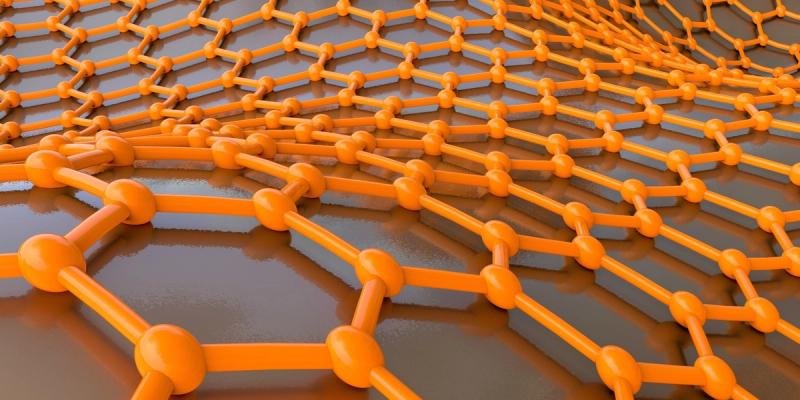
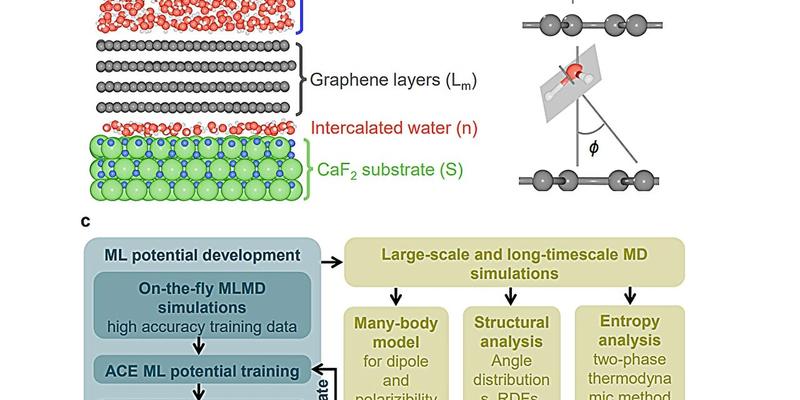
Researchers at the Institute for Basic Science and Korea University used machine-learning interatomic potentials to demonstrate that pristine graphene is intrinsically hydrophobic, with apparent hydrophilic behavior in prior experiments caused by water molecules intercalating beneath monolayer graphene and canceling spectroscopic signals. The findings clarify graphene's true interfacial properties, with direct implications for graphene-based desalination membranes, nanofluidic devices, and fuel cells where unintended water intercalation must be accounted for in design.
Hong Kong-based Graphene-X, founded by Jorge Barros in 2019, built a multi-million-dollar apparel brand around graphene-infused fabrics, generating $500,000 in Kickstarter pre-sales and partnering with Shanghai-based certified graphene producer Kyorene to develop graphene-woven yarns for products ranging from shell jackets to polo shirts. The brand demonstrates a viable commercial pathway for graphene in consumer textiles beyond its established industrial uses in electronics, batteries, and composites, with major outerwear players including Arc'teryx, The North Face, and Stone Island also integrating the material into their pipelines.

Graphene Manufacturing Group (GMG) submitted a Significant New Use Notice (SNUN) to the US EPA on June 2, 2026, seeking authorization to manufacture, distribute, and sell graphene coatings, lubricants, and fluids domestically in the United States, with approval expected by end of June 2027. The filing marks a shift from export-only access to domestic graphene production in the US, which could establish a local graphene supply chain for industrial applications including HVAC coatings and engine lubricant additives.
A team at the National University of Singapore developed a graphene field-effect transistor biosensor that detects four oral cancer biomarkers from saliva in 90 seconds, achieving 94.2% sensitivity and 91.8% specificity in a 220-patient clinical pilot. The device demonstrates a scalable diagnostic application for functionalized graphene, with a spinout company pursuing commercialization and a projected per-test cost under 4 USD.
Premier Graphene Inc and Mitsubishi Pencil Company signed a joint development agreement to co-develop graphene-based conductive inks for printed electronics, targeting two co-branded product launches in late 2026 with a combined first-year revenue target of 12 million USD. The deal advances commercial adoption of single-layer graphene dispersions in printed electronics applications such as RFID tags, smart packaging, and biosensor electrodes.

HydroGraph Clean Power received US EPA TSCA Section 5(e) clearance for two turbostratic graphene materials (P-24-0086/P-24-0087) alongside UK REACH and EU REACH registrations, authorizing commercial manufacture and supply across the US, UK, and EU. The approvals remove a key regulatory barrier for graphene commercialization in three major markets, allowing customers to scale up applications under defined compliance conditions.
Researchers at the Indian Institute of Science published a graphene quantum dot LED achieving 23% external quantum efficiency in the blue spectrum in Nature Photonics, using sulfur-functionalized, size-controlled graphene quantum dots to reduce non-radiative recombination. The result advances graphene quantum dots as viable blue emitters for display applications, with the team already collaborating with Samsung Display on integration into commercial display stacks.

HydroGraph added Hubron International, a Manchester-based masterbatch and conductive polymer compounder with over 90 years of experience, to its Fractal Graphene Compounding Partner Program on February 10, 2026. The partnership gives HydroGraph access to Hubron's global distributor network and established carbon nanomaterial processing capabilities, supporting broader commercial adoption of graphene in thermoplastic applications across automotive, electronics, and other sectors.

Phoenix EOD has released Kronos, a graphene-infused ceramic clear coat aimed at automotive and industrial surface protection, claiming improved hardness and durability over conventional ceramics.
ACC calls for harmonised quality-classification standards for graphene to support procurement confidence and cross-border trade.
First Graphene (ASX:FGR) reported 53% revenue growth in the half to December 2025, pinning its scale-up thesis on construction additives, protective coatings and energy-storage applications.