News14 October 2026· Graphene Feed
Graphene and Nanotube Coating Makes PET Fibres Conductive
GrapheneCoatingsConductive InksTextilesResearch & InnovationSustainability
71 articles on Coatings.
Chinese researchers have developed a coating of graphene oxide and carbon nanotubes that makes PET/TLCP composite fibres conductive.
Researchers have developed closed-form entropy measures for degree-based topological indices in hyper armchair carbon nanotubes.
Researchers created carbon-fiber-reinforced geopolymer composites using red mud and ore tailings, achieving electromagnetic shielding effectiveness up to 33.5 decibels in the X-band frequency range.

Researchers at Khalifa University have developed hybrid membranes using gallic acid-functionalized MXene, achieving over 95% rejection of dyes and pharmaceuticals in wastewater treatment tests.
Global Graphene Group seeks a Sales Engineer in Dayton, Ohio, to expand its graphene markets. Apply by December 31, 2026.
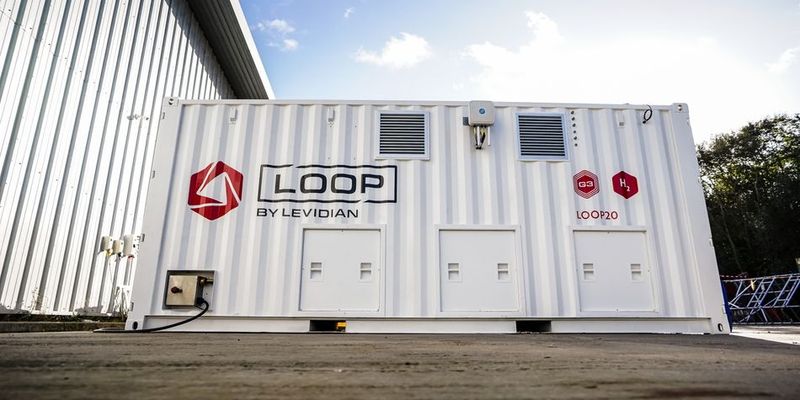
Dana Gas and Levidian have launched graphene production at Sharjah Graphene Park, with an annual capacity exceeding one tonne. The project began just four months after their initial agreement.
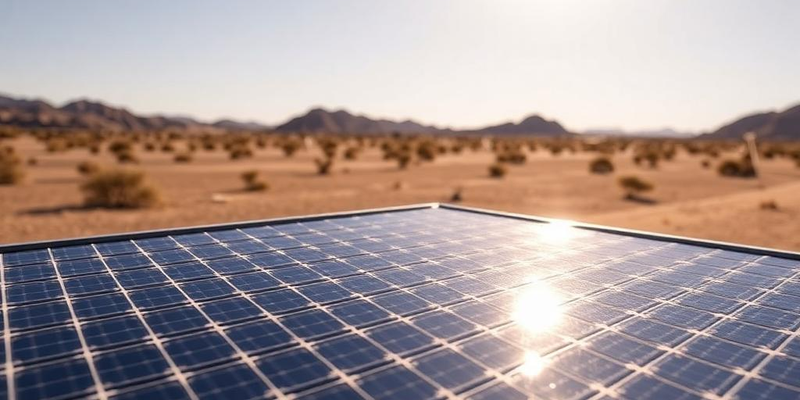
Researchers developed a graphene-enhanced MOF-303 composite that captures water from desert air using sunlight, achieving water collection of 0.254 grams per gram of material in 30 minutes.
Researchers at Khalifa University reviewed how graphene enhances high-density polyethylene (HDPE). They examined compounding techniques and found that graphene improves HDPE's thermal, electrical, and barrier properties when well-dispersed.
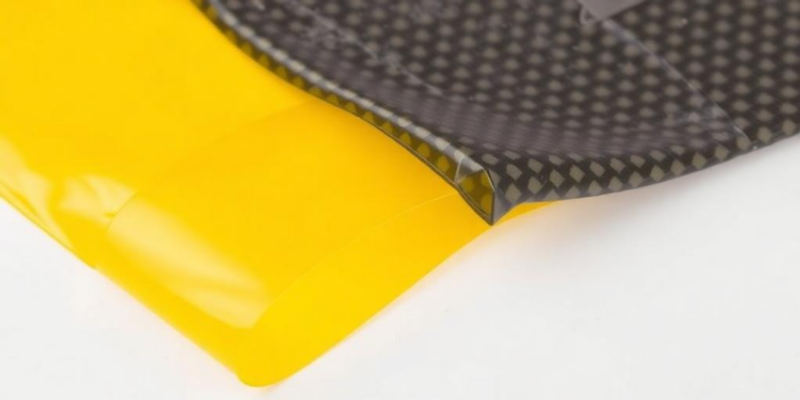
Researchers developed epoxy nanocomposite coatings using carbon nanotubes and nanoclay, enhancing fire safety and self-sensing capabilities.
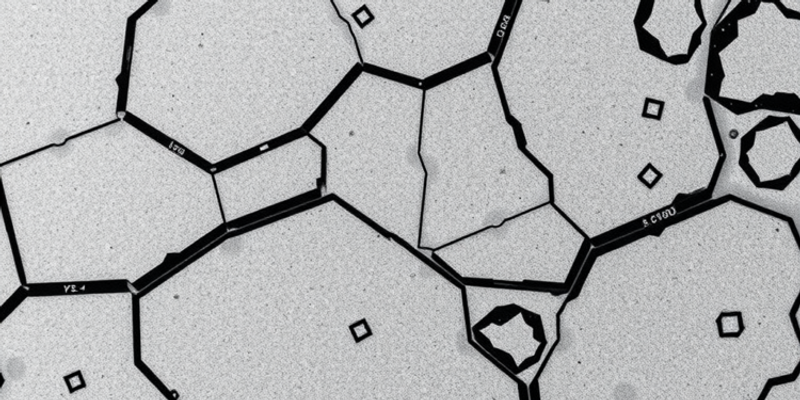
The Advanced Carbons Council calls for a U.S. carbon materials innovation platform focused on standards, testing and buyer qualification. The paper links engineered-carbon supply chains to manufacturing, energy, defense and AI infrastructure. Serves as a model for governments world-wide.
Graphene Manufacturing Group has started its second-generation graphene plant, aiming to produce 10 tonnes annually once optimised. Completion is expected by September 2026.
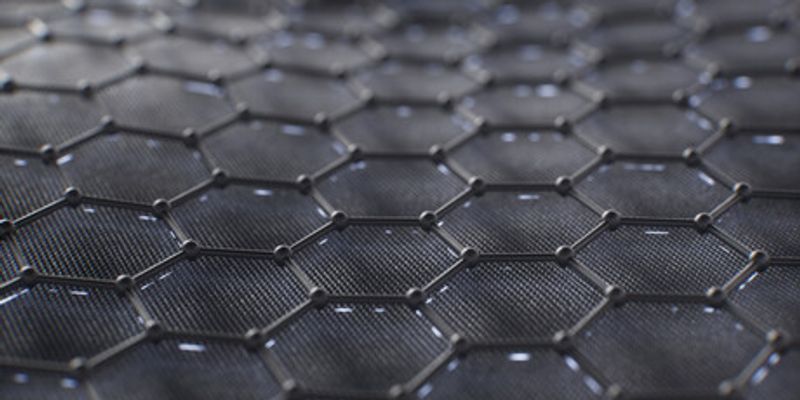
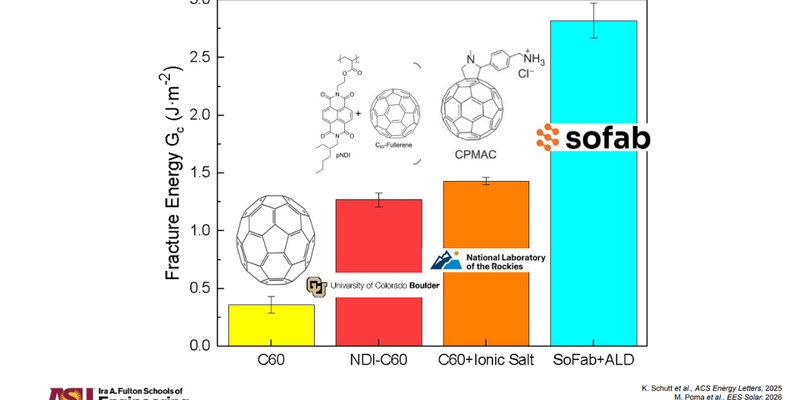
Sofab Inks' Tinfab modules maintained 87% efficiency after 504 hours in damp-heat conditions, surpassing fullerene-based modules that retained just 74.4%.
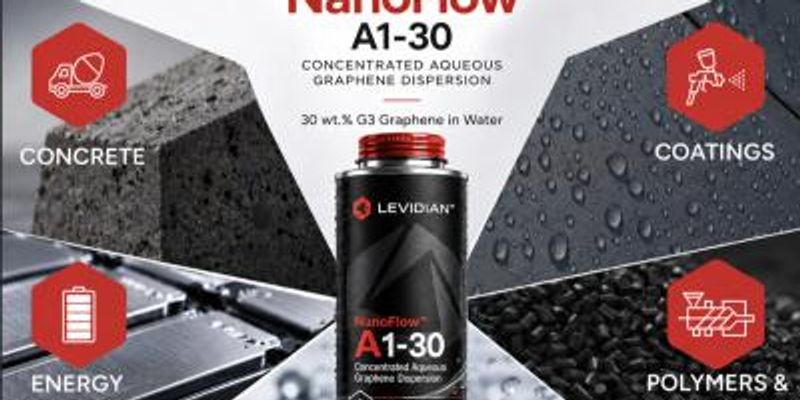
Levidian has introduced NanoFlow™ A1-30, a 30 wt.% aqueous graphene dispersion with water-like viscosity, expanding its NanoFlow™ range for easy integration into water-based applications.
Graphene and carbon nanotubes are now sold in named coatings. ACC's webcast with AMPP looked at where they add value, why grades that look alike can behave very differently and what evidence buyers should ask for before specifying them.

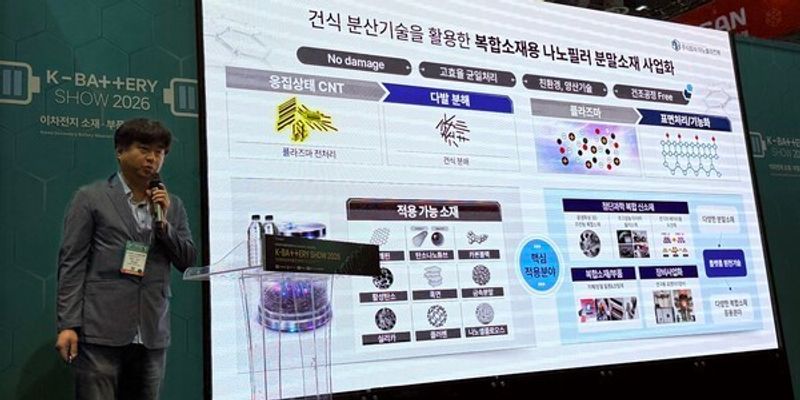
Inoplaztech plans to increase its carbon nanotube conductive additive production to 100 tons annually using proprietary plasma technology, targeting the dry electrode market for batteries.
First Graphene received its first production order from Pacific Urethanes for PureGRAPH, enhancing fire-retardant properties in polyurethane for the Australian mining sector.
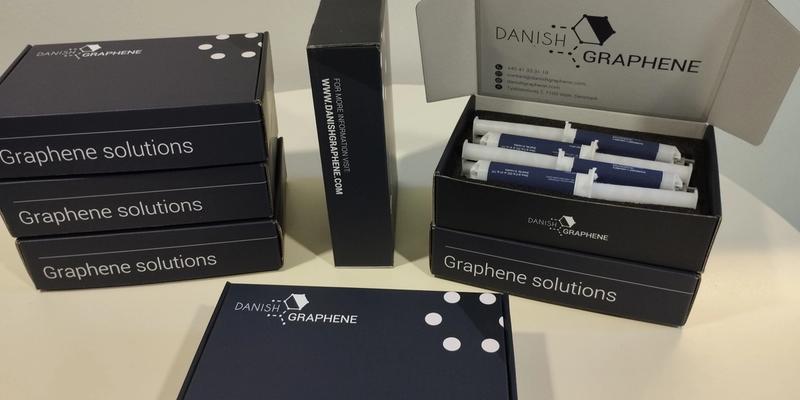
Danish Graphene secured GBP 2.5 million in seed funding to scale up production of its graphene-enhanced thermal adhesive for the space industry, attracting significant interest from hardware manufacturers.
Chinese researchers found that polyvinylpyrrolidone-functionalized graphene significantly reduces asphalt aging, with optimal doses varying by binder type. This could enhance pavement durability in extreme climates.
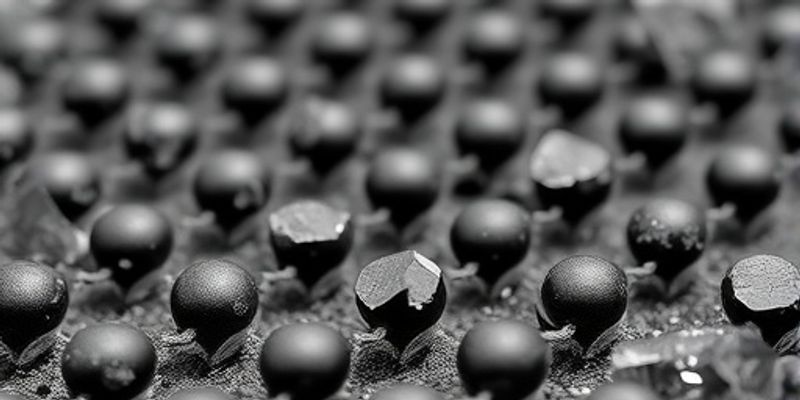
Graphene is being formulated, screened, qualified and packaged around specific applications. Some of those products are beginning to move through conventional distribution networks. That may be one of the clearest signs yet that parts of the graphene industry are maturing.
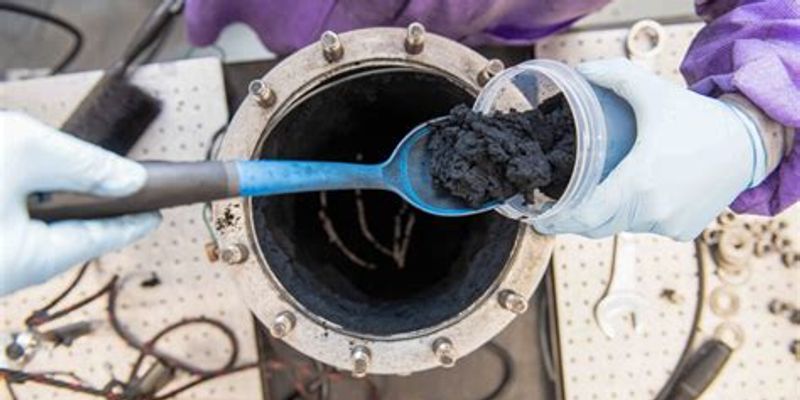
Levidian has launched NanoFlow-S1-20, a graphene additive containing 20 wt.% G3 graphene, designed for easy integration into solvent-based paints using standard mixing equipment.
AMPP and the Advanced Carbons Council have signed a three-year MOU to collaborate on research, standards, education and technical knowledge around advanced carbon materials and materials protection. The partnership will initially focus on carbon-enhanced coatings, beginning with a September 10, 2026 webcast on graphene, CNTs and other advanced carbons in protective coatings.
PV PAINT plans to launch nanotube-enhanced zinc-rich coatings in Q3 2026, expanding its PERAPHENE™ line. These coatings offer long-term corrosion protection for harsh industrial environments.
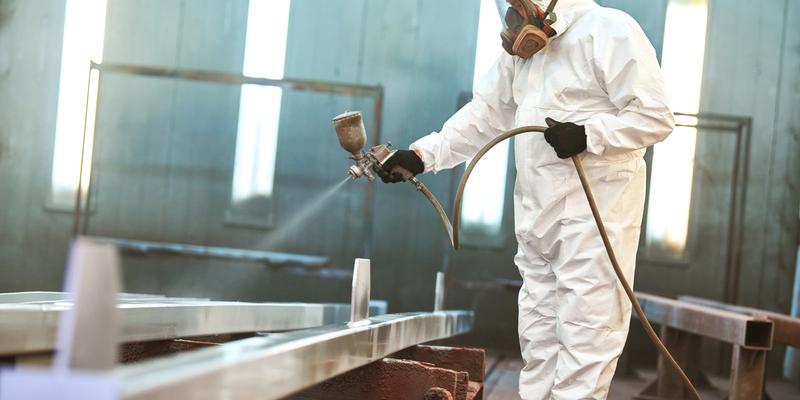
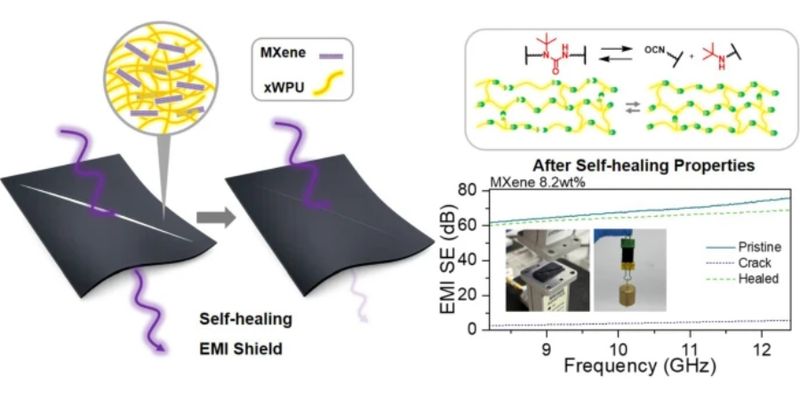
Researchers in South Korea have created a self-healing waterborne polyurethane coating that shields electronics from electromagnetic interference. The coating repairs damage with heat or near-infrared light.
Himadri Specialty Chemicals will establish India's first carbon nanotube production facility at its West Bengal complex, with an initial capacity of 200 tons per year, starting commercial production by FY2027.

Adisyn's graphene deposition process has been independently verified as repeatable. The company also received a US patent allowance for its graphene coating technology for metallic surfaces.
Adisyn Ltd raised A$14 million through an institutional placement, signaling investor interest in its graphene-based semiconductor strategy via its subsidiary, 2D Generation Ltd.

Mivium is developing high-quality gallium nitride nanopowders to enhance semiconductor performance, while Avadain is licensing technology to produce large-scale, defect-free graphene for industrial applications.

HydroGraph Clean Power is urging the U.S. to classify graphene as a critical material to reduce reliance on foreign graphite, highlighting its domestic production capability from hydrocarbon gases.
Researchers have created an MXene-based flame retardant for waterborne epoxy coatings, significantly improving fire protection and thermal performance.
Graphene Manufacturing Group Ltd signed an exclusive MOU with Alstom to develop graphene products for rail HVAC systems.
HydroGraph's fractal graphene is being tested in Sparc Technologies' ecosparc® additives to improve the durability of steel in challenging conditions.

Graphene Leaders Canada has commercialized its graphene-enhanced electroless nickel additive, offering improved corrosion resistance and wear performance. The technology is now available to industrial sectors worldwide.
In a video, HydroGraph CEO Kjirstin Breure discusses how their graphene enabled a biosensor company to create technology that wasn't possible with other commercially available graphenes.

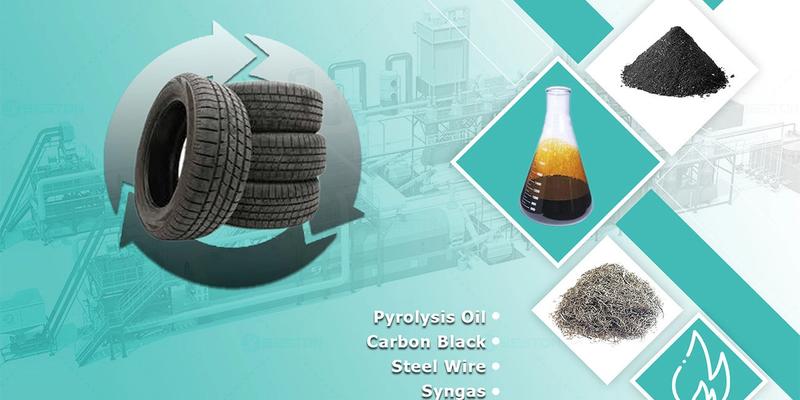
Operators can boost profits from tire pyrolysis by refining oil and carbon black into higher-value products. Upgraded materials meet industrial standards, attracting stable buyers and better margins.
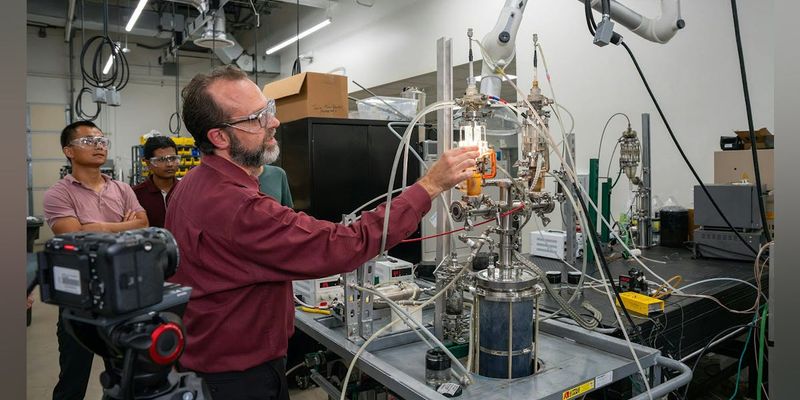
Researchers at Texas A&M University have developed a process to convert methane into graphene oxide using a nonthermal plasma-water interface, potentially reducing production costs.

Researchers have developed a new interface that improves the interlaminar strength of carbon fibre/epoxy composites, as reported in Progress in Organic Coatings.
Researchers at Helmholtz-Zentrum Berlin have developed a new perovskite solar cell by incorporating graphene, enhancing its durability and efficiency. This advancement in perovskite technology could significantly reduce production costs and improve the performance of solar cells, potentially increasing the adoption of lightweight, flexible solar solutions over traditional silicon-based panels.

Researchers at Texas A&M University have developed a scalable process to produce graphene oxide from methane, a component of natural gas. This advancement could lower the cost of graphene oxide production, enhancing its availability for use in batteries, coatings, and electronics.
HydroGraph Clean Power has launched Fractal Graphene Paste, a pre-dispersed aqueous concentrate containing 20% graphene by weight, designed to simplify the incorporation of graphene into water-based industrial formulations. This development is significant for the advanced carbon materials sector as it addresses the dispersion challenges associated with graphene, potentially accelerating its adoption in applications such as construction materials, coatings, and thermal management systems.
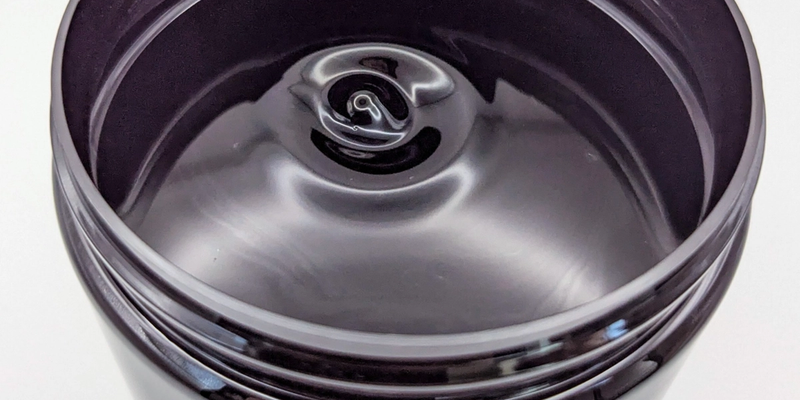
Graphene Manufacturing Group (GMG) has reported over AU$400,000 (around US$278,000) in sales orders for their THERMAL‑XR graphene coating in June 2026. This milestone underscores the growing demand for graphene-based solutions in corrosion resistance applications.
Premier Graphene and HGI Industrial Technologies have reached a new milestone by completing the first manufacturing payment for 1,600 protective military belts under a contract with Mexico's Secretaría de la Defensa Nacional. This development highlights the growing use of graphene in defense applications, showcasing its potential to enhance the durability and protective capabilities of military equipment.
Turquoise Group has achieved Verified Graphene Producer® status, confirming its capability to produce 30 tonnes of high-purity few-layer graphene annually at its Brisbane facility. This certification enhances the company's credibility in delivering high-quality graphene, a material crucial for applications in coatings, composites, and energy storage.

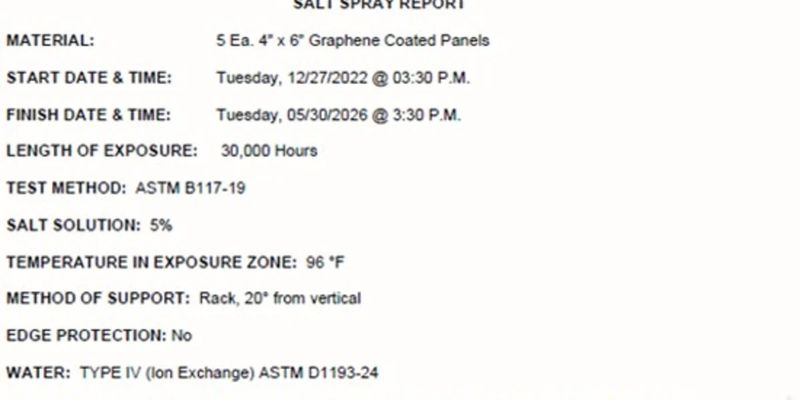
Graphene Manufacturing Group Ltd. (GMG) announced that its graphene coating product, THERMAL-XR(R), has reached a global benchmark testing milestone. This development is significant for the graphene sector as it demonstrates the material's potential in enhancing thermal management solutions.
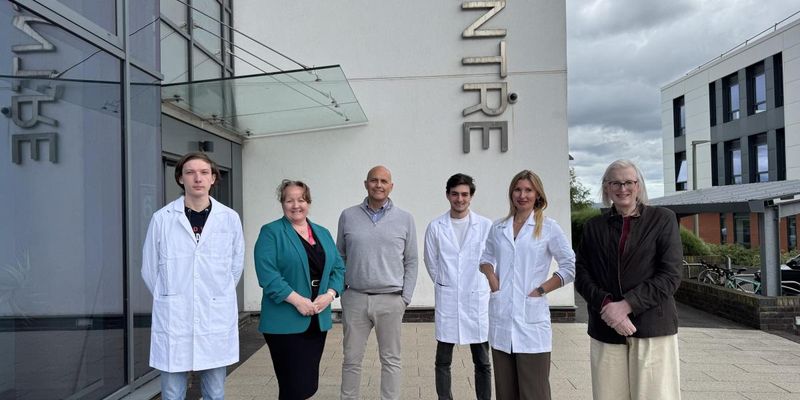
INNANO Ltd has established its operations at Exeter Science Park to further develop its graphene-enabled technologies for next-generation protective coatings. This move supports the advancement of graphene as a smart material, enhancing the protection, durability, and performance of materials in sectors like construction and energy.
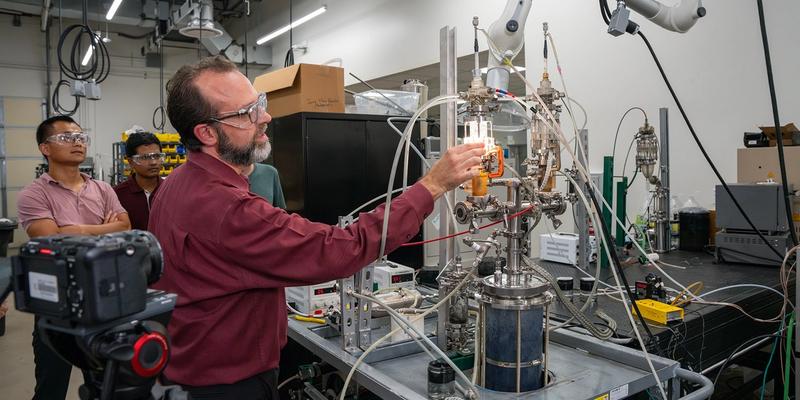
Researchers at Texas A&M University have developed a new method to produce graphene oxide from methane using a plasma-based reactor, which simultaneously generates hydrogen as a byproduct. This scalable approach could reduce reliance on graphite for graphene oxide production, offering a cost-effective alternative for applications in batteries, electronics, and advanced manufacturing.
A team of University of Central Florida graduates has developed a method to convert seaweed into coatings for carbon fiber and metals at their Lake Nona materials lab. This innovation could enhance the sustainability and functionality of carbon fiber composites used in various industries.

Coffee!Up in the Czech Republic is transforming used coffee grounds into products like natural soap, coffee oil, biomass, and biochar, as highlighted by the European Commission. This initiative is significant for the advanced carbon materials sector because it demonstrates the potential for waste coffee grounds to be converted into valuable materials such as biochar, which can improve soil health and contribute to carbon sequestration efforts.

Researchers at the Vietnam Academy of Science and Technology have developed a sensor electrode using a composite material of graphene, carbon nanotubes (CNTs), and gold nanoparticles that can detect pesticide residues at concentrations as low as parts per billion (ppb). This advancement is significant for the field of advanced carbon materials as it enhances the sensitivity and functionality of sensors, contributing to improved agricultural product monitoring and food safety.
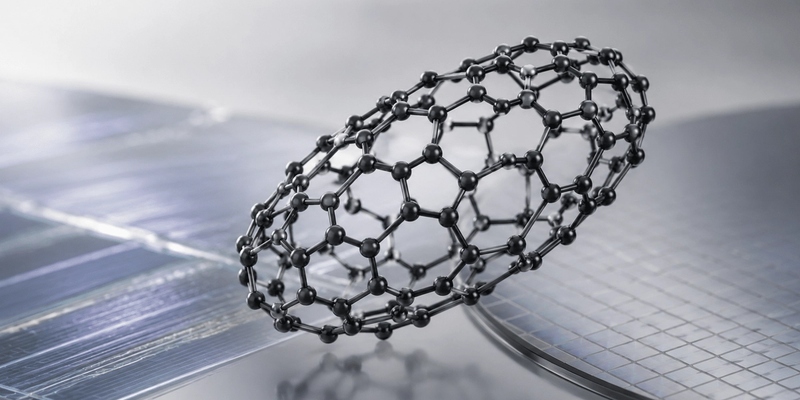
Researchers have identified several uses for Fullerene C70 in organic photovoltaics, organic electronics, and advanced nanomaterials, noting its unique elongated carbon cage structure and electron-accepting behavior. This matters because C70's distinct optical and electronic properties, compared to C60, make it a valuable material for studying and optimizing charge transport and light absorption in these advanced carbon-based applications.
Ant Studio in Noida has designed a sustainable home for Kamran Haider using green cement and biochar to offset carbon emissions. This approach highlights the potential for advanced carbon materials like biochar to enhance sustainability in building design by reducing embodied carbon and improving energy efficiency.

Evonik has introduced VISIOMER Terra HEMA-P100, a bio-based specialty methacrylate designed to enhance sustainability in various applications. This development is significant for the advanced carbon materials sector as it supports the integration of bio-based carbon content, potentially impacting the production and sustainability of carbon fibre composites.

Sparc Technologies announced the expansion of its graphene additive range with a product line called Sparces on June 29, 2026. The move broadens the company's graphene additive offerings, which are relevant to composite and materials manufacturers seeking graphene-based performance enhancements.

GTechPlasma, a spin-off from Instituto Superior Técnico in Lisbon, has developed a plasma-produced graphene powder that its researchers estimate could reduce an F-16's radar signature to that of a bird, and has already supplied 260 grams of the material to a Portuguese drone manufacturer. The development is notable for the graphene sector because it demonstrates a tunable, plasma-based production process capable of reaching 40 milligrams per minute, with industrialization underway through partner company Plasmaphene, targeting a market—radar-absorbent coatings—currently restricted to U.S. suppliers.
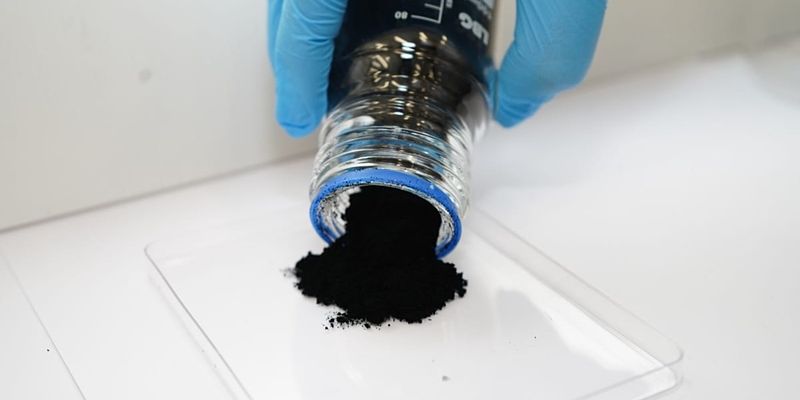
Sparc Technologies launched SparcES™, a graphene additive range for ESD and conductive coatings targeting data centres, semiconductor facilities and EV battery plants, following 24 months of internal conductivity testing. The range positions graphene as a potential lower-dosage alternative to carbon black, graphite, carbon nanotubes and metal nanowires in a global ESD and conductive coatings market estimated at US$1.2 billion in 2026.

HydroGraph Clean Power Inc. commercially launched Fractal Graphene Paste, a 20% graphene-by-weight aqueous dispersion with a 99.8% carbon purity and over two-year shelf life, and has supplied samples to more than 30 customers. The product targets the graphene sector's core adoption barrier—dispersion difficulty—by delivering a stable, ready-to-use concentrate compatible with standard mixing equipment, which could accelerate graphene uptake in composites, coatings, and construction materials.

Tsinghua University Press awarded the 13th annual Nano Research Award to UCLA professor Xiangfeng Duan, recognized for his work on 2D materials, van der Waals heterostructures, and porous graphene architectures, and to Akira Fujishima of the University of Shanghai for Science and Technology, recognized for discovering the Honda–Fujishima Effect and pioneering TiO₂ photocatalysis. Duan's advances in graphene-based energy storage and 2D material synthesis are directly relevant to the carbon materials sector, while Fujishima's photocatalytic coatings have established commercial applications in surface decontamination and industrial wastewater treatment.

Professor Roman Gorbachev at the University of Manchester received a £1.9 million EPSRC Open Fellowship to lead a five-year project scaling van der Waals 2D material heterostructures from micrometre samples to wafer-scale fabrication using a new ultra-high vacuum platform. The work directly advances graphene and 2D materials manufacturing by targeting industrial-process compatibility and establishing a UK fabrication hub accessible to academic and industry users.

Canada's graphene sector has developed across production, construction, filtration, printed electronics, and energy storage, with companies such as NanoXplore operating a 4,000-metric-ton-per-year facility in Montréal and firms like Zentek and Graphene Leaders Canada advancing application-specific products toward commercial deployment. The ecosystem signals a shift from materials science demonstration toward repeatable industrial use cases in carbon-based composites, conductive additives, and separation technologies, though commercial viability still depends on product qualification, standardization, and cost competitiveness against incumbent materials.
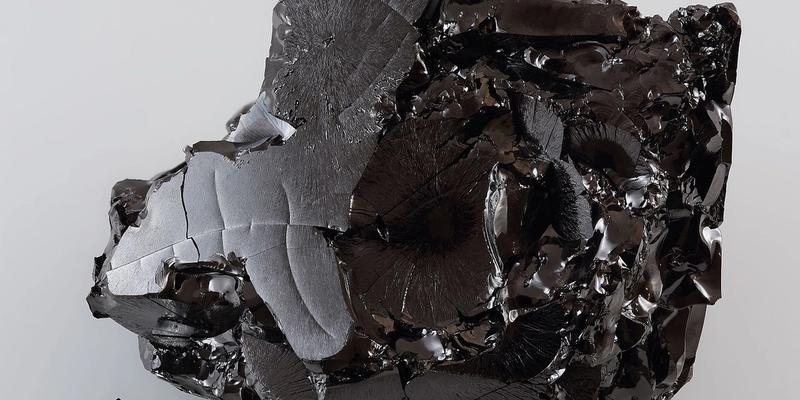
Researchers at the University of Córdoba's Plasma Innovation Laboratory developed two methods for depositing graphene onto metal surfaces using microwave plasmas at atmospheric pressure, but found that neither achieved sufficient adhesion between the graphene layer and the metal. The work advances graphene's potential as a corrosion-resistant coating for industrial applications such as fuel cell electrodes, while identifying adhesion as the key technical barrier to overcome.

Chinese researchers developed an ultra-black automotive coating combining nanoscale carbon black and carbon nanotubes that absorbs over 99.90% of light, withstands high humidity, and survived 10-day water submersion without visible degradation. The coating demonstrates a scalable production method for carbon nanotube-based finishes with improved adhesion, though long-term scratch, abrasion, and UV durability remain untested.

Fullerene C60, a cage-like carbon nanomaterial discovered in 1985, is under active research for applications in organic electronics, photovoltaics, lubricants, coatings, biomedical systems, and perovskite/silicon tandem solar cells. Within the advanced carbon materials sector, C60 occupies a distinct niche from fiber- or graphene-based materials, with its electron-accepting properties and molecular tunability driving continued interest in energy and specialty coating applications.
Petro Vietnam Paint will incorporate Sparc Technologies' ecosparc graphene additive into its PERAPHENE steel protective coatings range, following in-house and third-party testing that showed improved anti-corrosion performance, with commercial availability expected later in 2026. The adoption adds to ecosparc's growing commercial traction in the graphene-enhanced protective coatings sector, where graphene additives are being validated for marine, offshore, and industrial steel infrastructure applications.
The Advanced Carbons Council published an overview of graphene and other advanced carbon materials being adopted in construction, citing applications in concrete (Concretene, First Graphene, Versarien), asphalt, and corrosion-resistant coatings (Petronas). These developments indicate growing commercial deployment of graphene additives in construction materials, with documented performance gains in compressive strength, road durability, and steel protection at low material loadings.
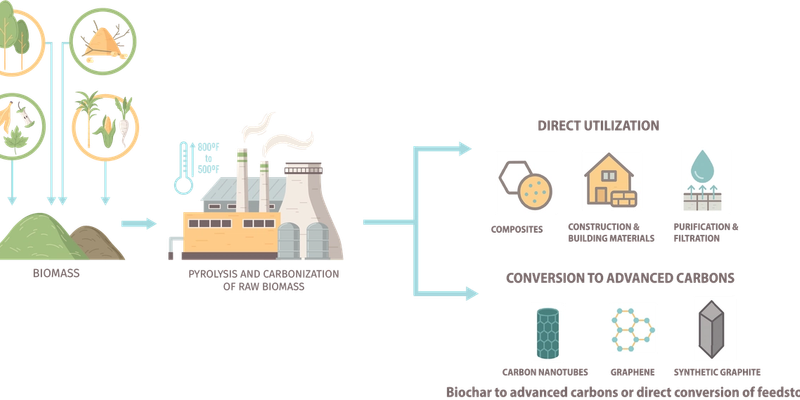
The Advanced Carbons Council highlights graphene and related carbon materials being adopted in construction applications including concrete additives (Concretene, First Graphene), graphene-reinforced 3D-printed components (Versarien), asphalt modification, and corrosion-resistant coatings (Petronas). For the advanced carbon materials sector, construction has emerged as a leading commercial deployment area, with multiple suppliers demonstrating validated, scalable products that improve strength, durability, and emissions performance without requiring major process changes.

Nanospan commercially launched GalvaShield-G, a graphene-enhanced corrosion inhibitor coating for offshore wind turbine towers and monopile foundations, priced at EUR 18 per litre and produced at its Hyderabad facility at 1,200 tonnes per annum capacity. The product demonstrates a commercial application of graphene in protective coatings for harsh marine environments, with third-party-validated maintenance interval extension from 5 to 12 years supporting the case for graphene's functional value in infrastructure composites.

Graphene Manufacturing Group (GMG) submitted a Significant New Use Notice (SNUN) to the US EPA on June 2, 2026, seeking authorization to manufacture, distribute, and sell graphene coatings, lubricants, and fluids domestically in the United States, with approval expected by end of June 2027. The filing marks a shift from export-only access to domestic graphene production in the US, which could establish a local graphene supply chain for industrial applications including HVAC coatings and engine lubricant additives.

Researchers led by Elisa Riedo at NYU applied mechanical pressure via nanoindentation to nitrogen-doped CVD bilayer graphene at room temperature, inducing a partial transition to diamond-like sp³ bonding that nearly doubled film stiffness, as reported in Advanced Materials Technologies. The use of standard CVD graphene and mild processing conditions makes this phase-transition pathway potentially compatible with industrial-scale fabrication of ultrathin wear-resistant coatings in the graphene and advanced carbon materials sector.
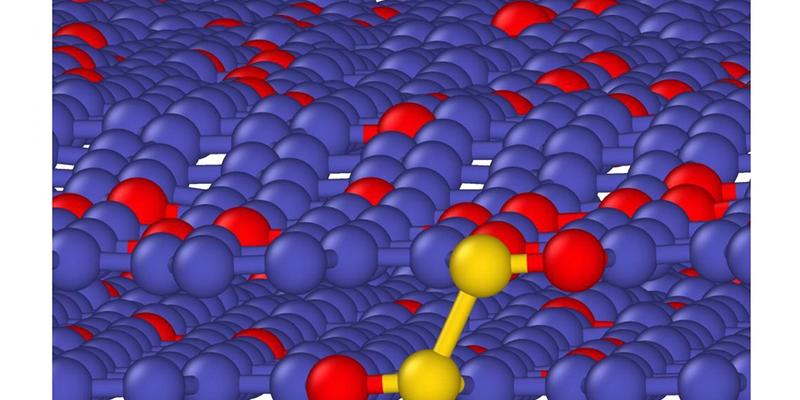
Advanced Graphene Products has begun supplying ISO 10993-certified graphene oxide from its Zielona Gora facility to Boston Scientific under a $4.2 million contract for a two-year, 480-patient FDA-approved clinical trial of antimicrobial-coated cardiac catheters. The trial represents a direct application of graphene oxide in regulated medical devices, with a potential commercial supply pathway if Boston Scientific proceeds to FDA submission.

First Graphene and Halocell Energy, in collaboration with Queensland University of Technology, reported that adding First Graphene's PureGraph graphene product to Halocell's perovskite solar cells raised efficiency to 30.6% and cut production costs by up to 80% by replacing gold and silver conductors via roll-to-roll processing. The result demonstrates a commercial application for graphene as a functional coating material in photovoltaics, with cost and efficiency metrics that could accelerate perovskite cell adoption over conventional silicon.
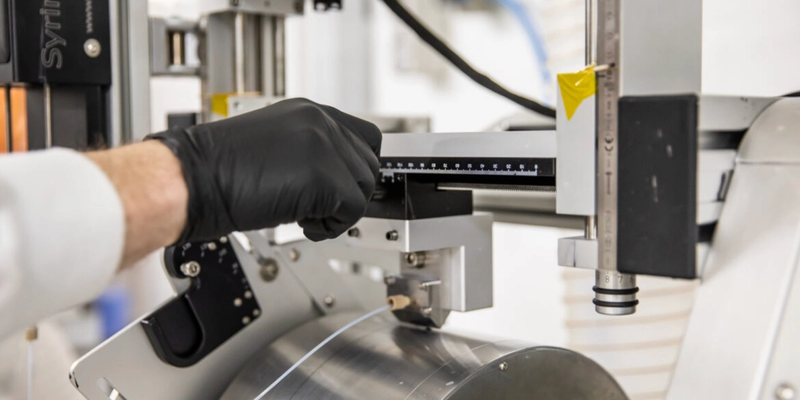
Phoenix EOD has released Kronos, a graphene-infused ceramic clear coat aimed at automotive and industrial surface protection, claiming improved hardness and durability over conventional ceramics.
First Graphene (ASX:FGR) reported 53% revenue growth in the half to December 2025, pinning its scale-up thesis on construction additives, protective coatings and energy-storage applications.