Scientists discover light can create friction without contact
Researchers found that exposing submerged graphene nanotubes to bright, hot light increases friction without physical contact.
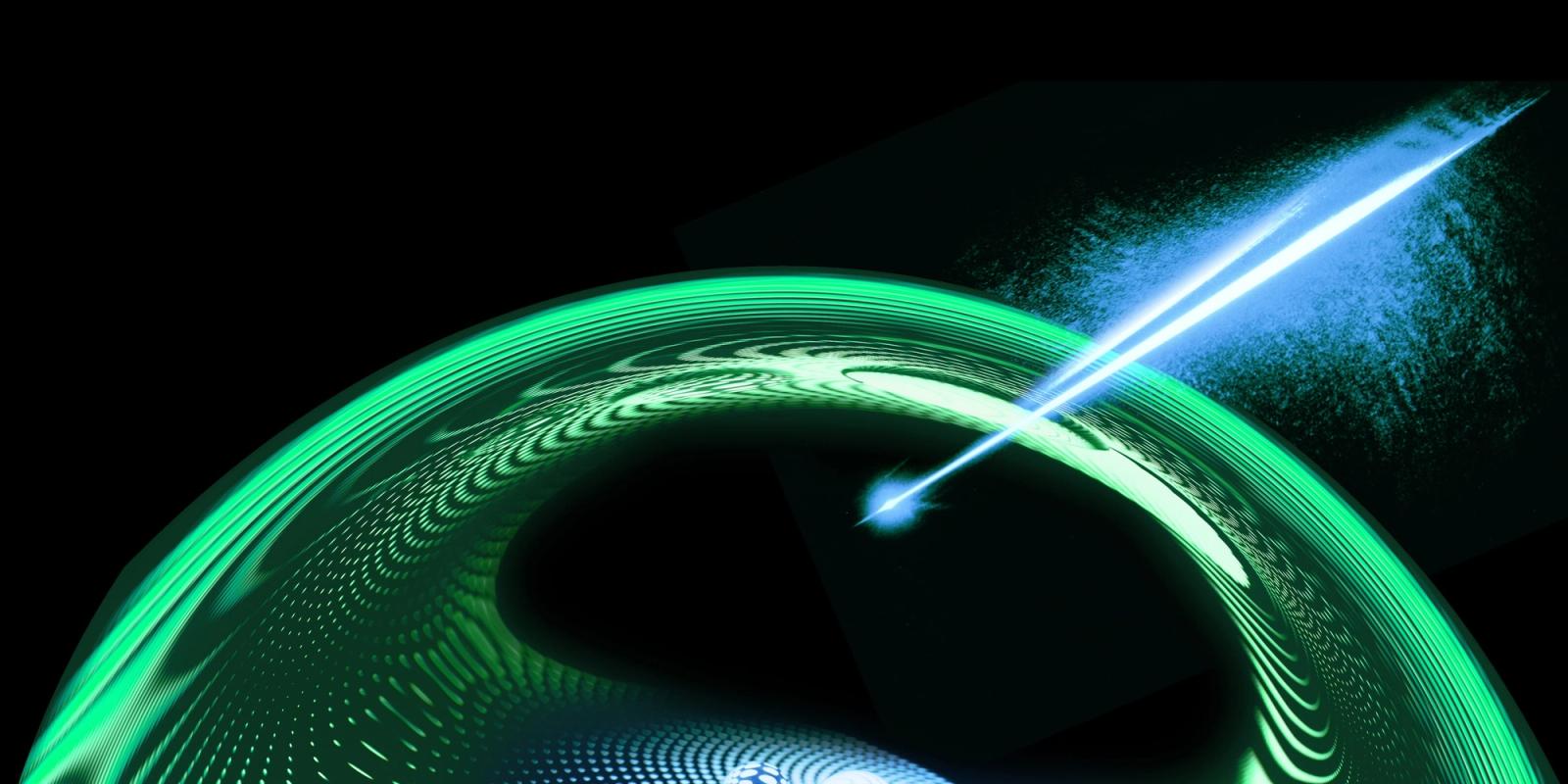
Researchers have demonstrated that friction can occur in the quantum realm without physical contact, using graphene nanotubes as the focal point. When submerged in water and exposed to light, these nanotubes exhibited a slowdown under brighter and hotter illumination, contrary to typical thermal energy effects.
The phenomenon, termed quantum friction, arises from fluctuating charges on the graphene surface interacting with surrounding water molecules, creating a drag force that intensifies with increased light exposure. This discovery challenges the traditional understanding of friction, which usually requires physical contact between surfaces.
In 2022, it was found that the interaction between water molecules and carbon nanotubes could generate friction through electromagnetic interactions rather than surface roughness. Building on this, a team led by Sebastian Kruss at Ruhr-University Bochum investigated the effects of light on graphene nanotubes in water. They observed that instead of accelerating, the nanotubes decelerated under intense illumination due to an unexpected source of friction.
The source of this contactless drag lies in graphene's unique properties. The formation of excitons—electron-hole pairs—on the graphene surface under light exposure creates fluctuating electrical charges. These fluctuations transfer momentum to water molecules at the graphene-water interface, generating drag without physical contact.
Terahertz spectroscopy confirmed that removing excitons eliminated the friction entirely. This discovery suggests potential applications, such as controlling chemical reactions or steering nanorobots by manipulating quantum friction with light. The findings also raise questions about the presence of this effect in other systems with high exciton mobility and charge fluctuations.
Source: Graphene Feed