Graphene-wrapped titanium nanotubes break down dyes even in harsh acid
Researchers in Mexico have developed a graphene oxide-modified titanium dioxide photoanode that degrades 85% of methylene blue dye in 120 minutes under acidic conditions, offering potential for direct treatment of industrial effluents.
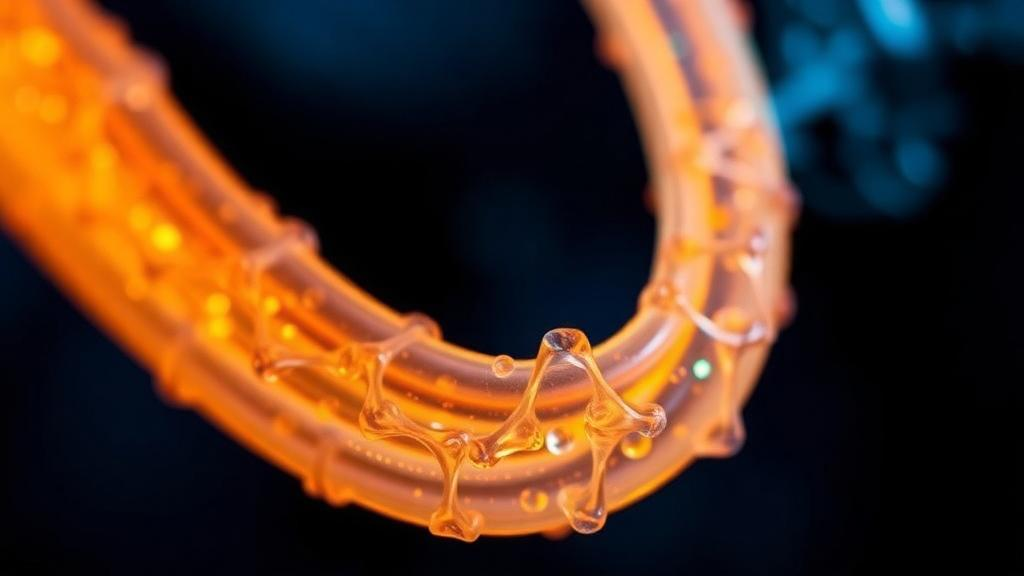
Researchers in Mexico have developed a titanium dioxide photoanode enhanced with graphene oxide, demonstrating exceptional performance in acidic environments that typically hinder photocatalysts. Published in the Journal of Nanoparticle Research, the study by Amanda Rodríguez-Álvarez and her team shows that this modified photoanode can degrade 85% of methylene blue dye in 120 minutes under artificial solar light, even at a pH of 1. This innovation could significantly impact industries like textile dyeing and metal finishing, where acidic and colorful effluents are common.
The core material, a sophisticated titanium dioxide nanotube-nanoring array, exhibits a hierarchical architecture that enhances photocatalytic efficiency. The structure, known as NT/NR-TiO2, increases surface area for light absorption and pollutant interaction while facilitating charge transport. Scanning electron microscopy and X-ray diffraction confirmed the well-defined, crystalline nature of the arrays, with anatase as the dominant phase, known for its photocatalytic properties.
Incorporating graphene oxide altered the crystallite size, reducing it from 20.36 to 17.42 nanometers, which improved charge carrier mobility by increasing grain boundaries and surface defects. The graphene layers serve as anchoring platforms, enhancing electron interactions at the oxide interface. Photoelectrochemical measurements revealed that the graphene oxide composite achieved the highest photocurrent response, indicating efficient photon-to-charge conversion, even in harsh acidic conditions.
The study highlights the role of π-π interactions in pollutant removal, as graphene oxide layers facilitate methylene blue adsorption through strong stacking interactions. This ensures that dye molecules are concentrated near the reactive surface, optimizing the photocatalytic process. The graphene oxide modified photoanode not only achieved significant dye degradation but also reduced chemical oxygen demand by 78.6%, indicating thorough oxidation of organic fragments.
The composite's durability was tested over 600 minutes of operation, retaining 80% efficiency, showcasing its potential for continuous use in wastewater treatment. This stability in acidic conditions suggests that the material could treat industrial effluents directly, bypassing the need for costly neutralization steps. The research, conducted by institutions including the Centro de Investigaciones en Óptica and Universidad Autónoma del Estado de Morelos, was funded by SECIHTI and CIMAV.
The findings also contribute to the debate on the efficacy of graphene oxide versus reduced graphene oxide in photocatalysis. Despite reduced graphene oxide's higher conductivity, graphene oxide proved superior in this context due to its functional groups that optimize interfacial potential and charge separation. This research provides a framework for developing solar-driven water treatment systems capable of handling acidic wastewater efficiently.
Source: Graphene Feed