Biochar is a game changer says Elementar
Elementar has developed a new method for producing biochar using pyrolysis of agricultural residues. This advancement could enhance soil health and carbon sequestration, making biochar a more viable option for sustainable agriculture.
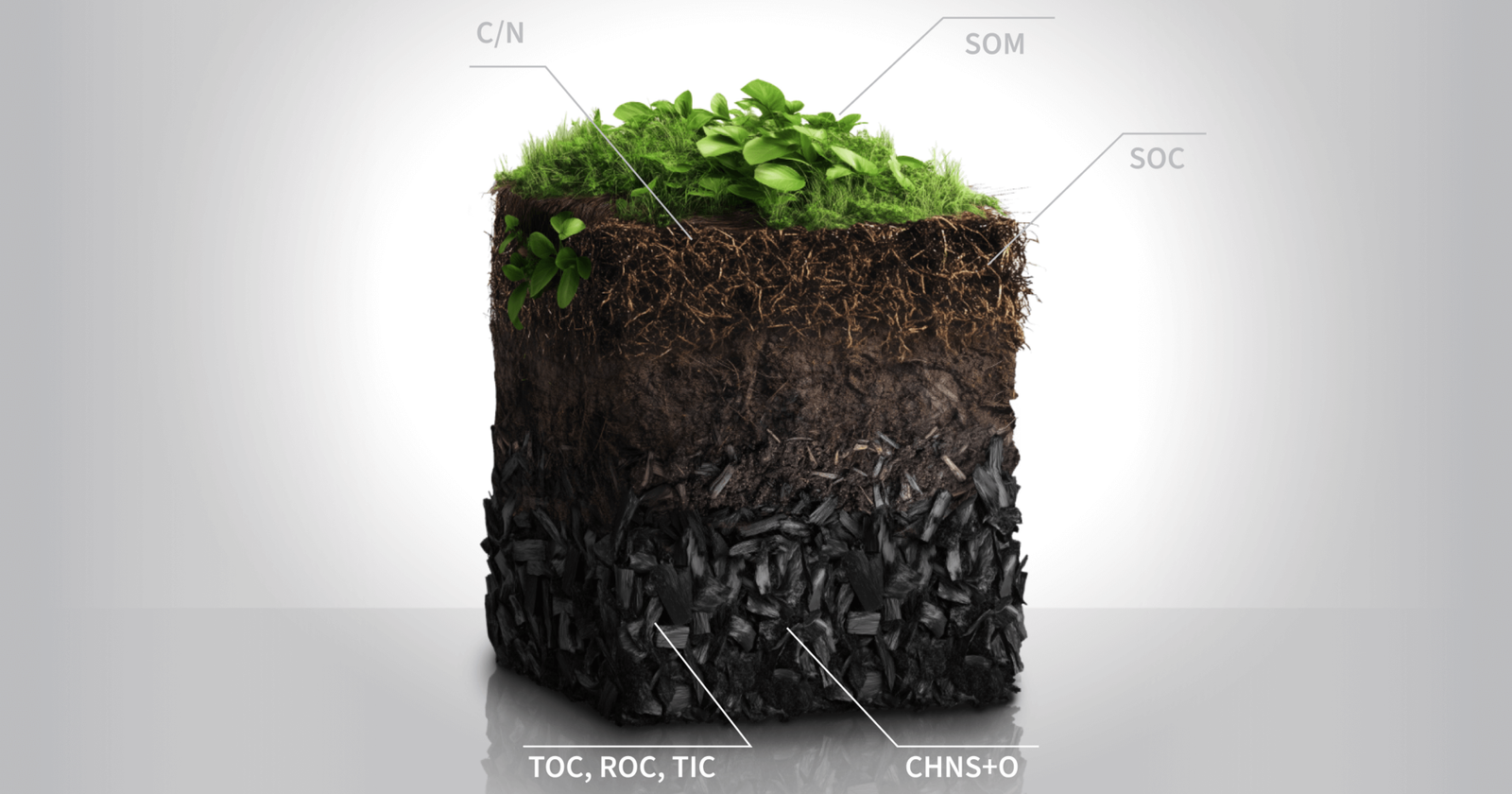
Biochar, a carbon-rich material produced through pyrolysis, is gaining attention for its potential in climate change mitigation. This process involves heating biomass like wood chips or agricultural residues in low-oxygen conditions to create a stable, charcoal-like substance. Biochar is considered carbon negative as it sequesters more carbon dioxide than it emits during production. Its origins trace back to ancient Amazonian terra preta soils, where indigenous practices enhanced soil fertility with charcoal and organic waste.
Unlike traditional charcoal, biochar is engineered for specific applications, such as improving soil fertility, enhancing building materials, and supporting the circular economy. In soils, it improves water retention and reduces the need for synthetic fertilizers. These benefits, combined with its carbon storage capabilities, have increased interest in biochar.
Dr. Mauro Giorcelli, Associate Professor at the Politecnico di Torino and board member of the Italian Biochar Association (ICHAR), is a leading figure in biochar research. He focuses on engineering biochar for high-value applications, including polymer composites, coatings, and low-carbon construction materials. His work emphasizes the importance of standards and transparency to attract investment and establish climate credibility.
Dr. Giorcelli highlights the need for reliable feedstock supply chains, consistent production processes, and proper finance to scale biochar use. Verified biochar can generate high-integrity carbon credits, aiding investment in equipment and quality control. Feedstock choice affects biochar properties, with rice-husk biochar being suitable for construction additives and wood-derived biochars excelling in soil and filtration applications.
Accurate data on the CHNS+O composition of biochar is crucial for verifying its climate benefits. This data is essential for calculating carbon sequestration and decarbonization impact, particularly in carbon credits and market-based mechanisms. Lower H/C and O/C ratios indicate more stable, carbon-rich biochar, useful for batch consistency.
Biochar's potential in construction includes applications in lightweight concrete, acoustic panels, and asphalt modifiers. Consistency in biochar properties is vital for its use in the built environment. Standards and quality control allow designers to specify biochar with confidence.
Challenges include the use of virgin feedstock, weak data, and over-claiming of benefits. Certified feedstocks, published methods, and independent verification are necessary for market and regulatory trust. Biochar is already present in everyday products, demonstrating its integration into daily life.
Biochar complements reforestation by providing a more permanent form of carbon storage. Opportunities exist in converting agricultural residues into biochar, turning pollution problems into revenue streams. Certification opens access to credit markets, supporting local priorities and job creation.
Clear standards and smart procurement can drive demand for biochar-enhanced materials. Better integration with waste systems, capturing useful co-products, and cross-disciplinary collaboration can move biochar from niche to necessity.
Source: Biochar Feed