News14 October 2026· Biochar Feed
Old Tyres Turned Phosphorus Magnets Could Feed Crops and Clean Wastewater
BiocharHydrogenMembranes & FiltrationRubber & SyntheticsSustainabilityResearch & Innovation
172 articles on Biochar.
Researchers converted waste tyre biochar using hydrogen peroxide to create a material that removes 99% of phosphorus from wastewater.
Researchers explore how biochar can enhance stormwater management practices by improving infiltration and retention, leading to better water quality solutions.
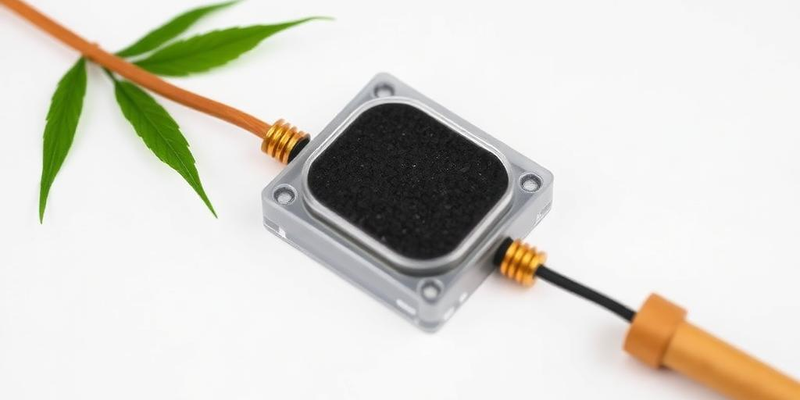
Researchers in Brazil have developed a disposable electrochemical sensor using recycled PET, bamboo biochar, and copper nanoparticles to detect the toxic herbicide paraquat.
Sitos Treehouse Plant has released its first batch of almond shell biochar, produced using slow pyrolysis.
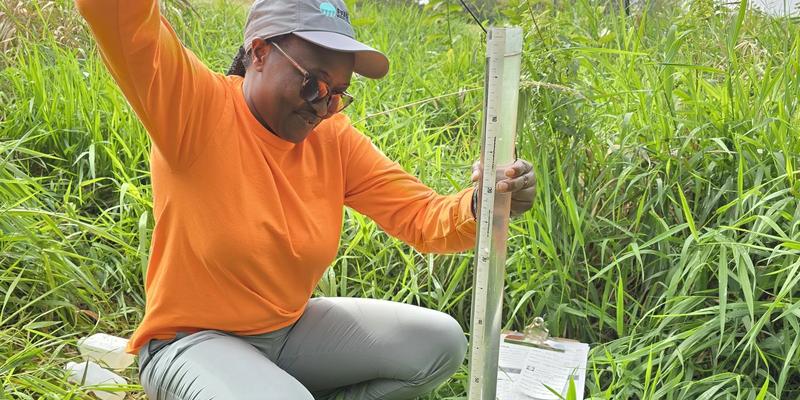
Researchers found that adding 10% biochar to sand significantly slowed the passage of microbes, suggesting a potential application in water purification.
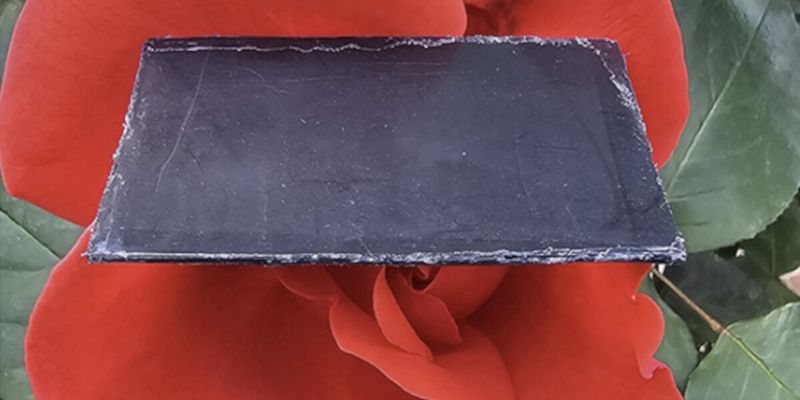
Researchers used flash joule heating to modify bamboo-based biochar, creating a composite material that blocks electromagnetic radiation.
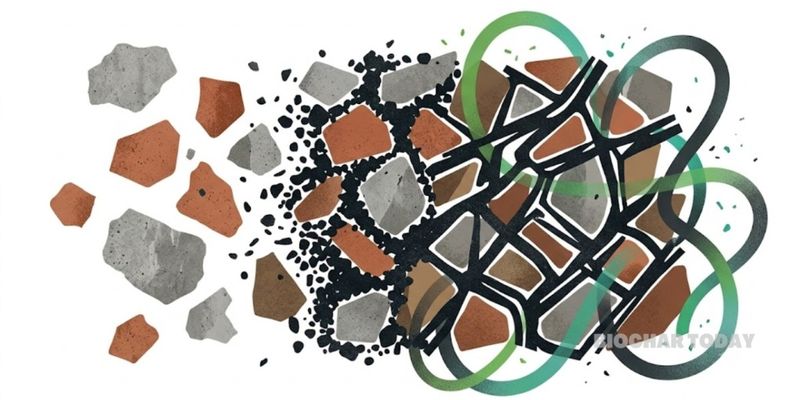
Researchers led by Weizhuo Zhang found that alkali-modified biochar in construction waste aggregates boosts carbon dioxide uptake and increases compressive strength by up to 851% through enhanced carbonation.
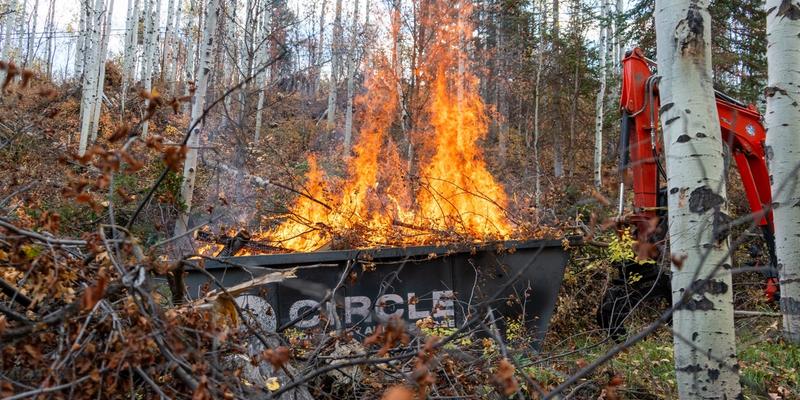
Park City is piloting biochar production in Thaynes Canyon to reduce wildfire risks and improve soil health. The project covers 200 acres and aims to enhance water retention.
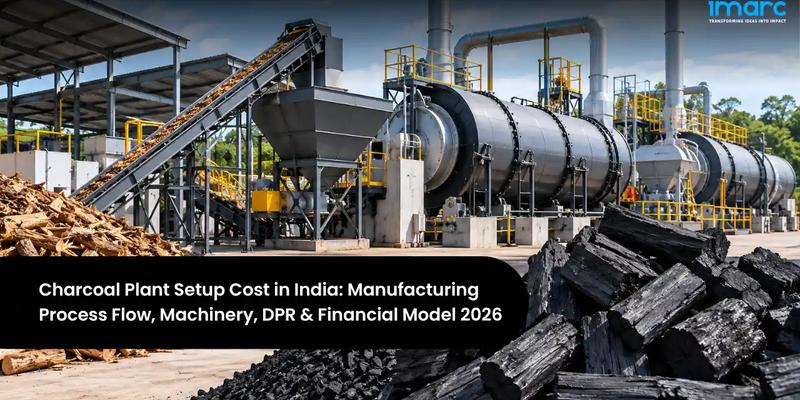
A new biochar manufacturing plant is being established in India, utilizing abundant local resources like coconut shells and agricultural residues.
Researchers at Henan University used CatBoost machine learning models to predict cadmium adsorption on biochar with over 94% accuracy.
Researchers developed defect-engineered biochar that achieves over 99% radical selectivity, enhancing its effectiveness for water decontamination.
Researchers at Northeast Normal University developed a nano-magnesium oxide modified pyro-hydrochar from Rhus typhina biomass, achieving a fluoride adsorption capacity of 469.64 mg/g, outperforming other magnesium oxide adsorbents.
NorSAF and Nova Pangaea Technologies are collaborating to create a supply chain converting waste biomass into sustainable aviation fuel, with biochar as a carbon-negative byproduct.

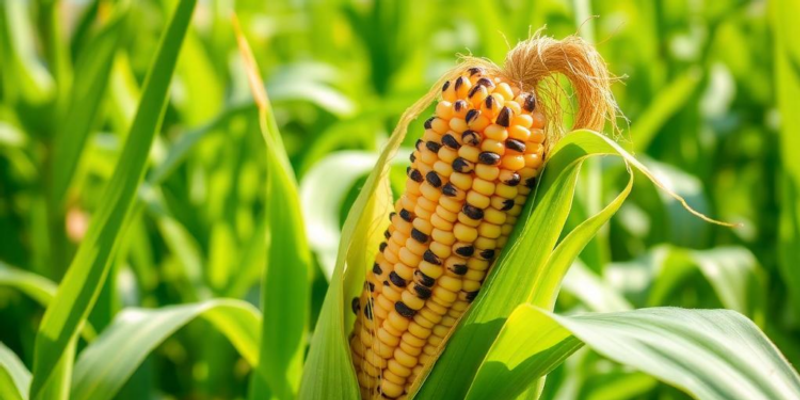
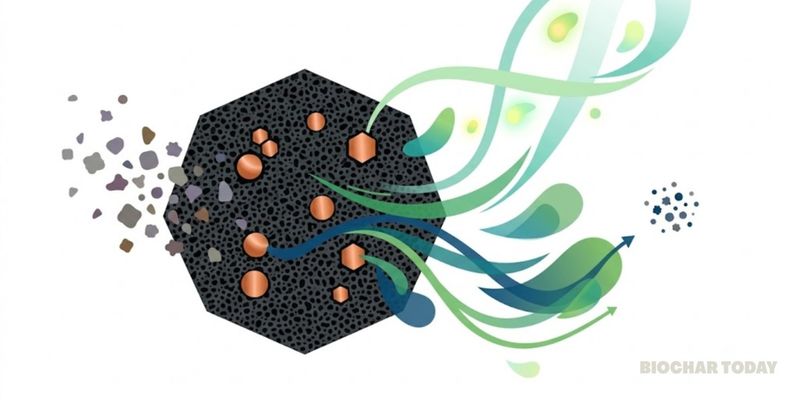
Researchers developed nitrogen-modified biochar by mixing corn stover biochar with urea in a 1:2 mass ratio and conducting a second pyrolysis.
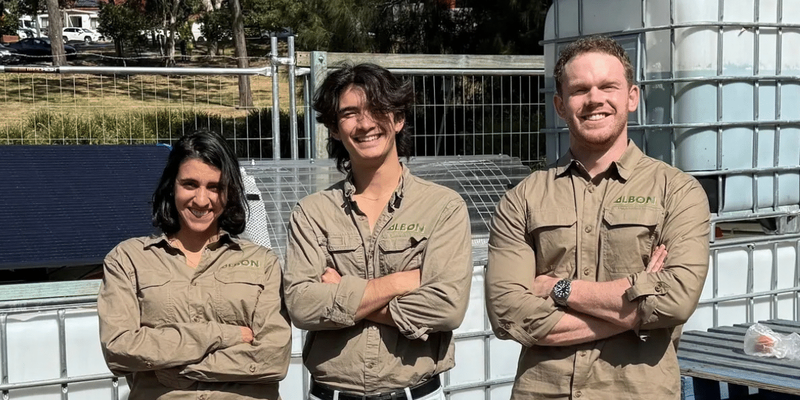
ALBON has developed a modular system that uses algae to treat wastewater, converting captured waste into biochar.
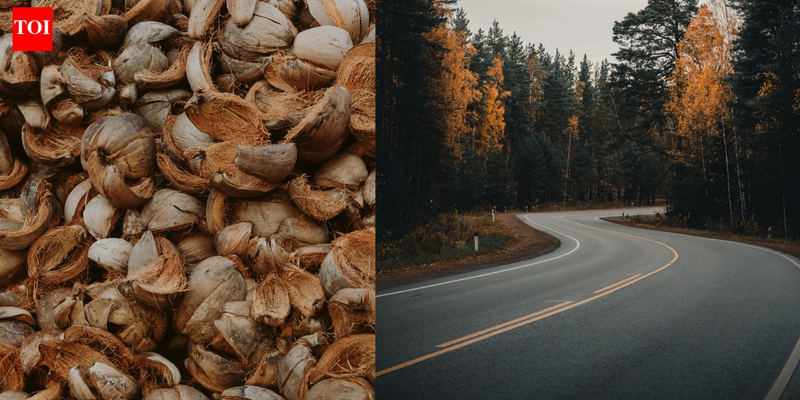
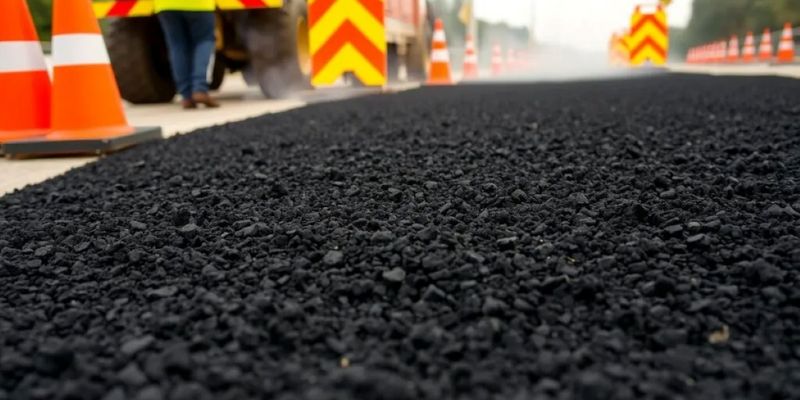
Engineers found that adding 12.5% coconut shell biochar to asphalt can enhance its strength, offering a sustainable alternative for road construction.
Verde Resources is commercializing its engineered biochar technology via partnerships, including one with Ergon Asphalt & Emulsions.
Researchers in Qatar discovered that non-activated biochar from banana peels increased biocrude yield from sewage sludge to 37.88%, thanks to its high potassium content.
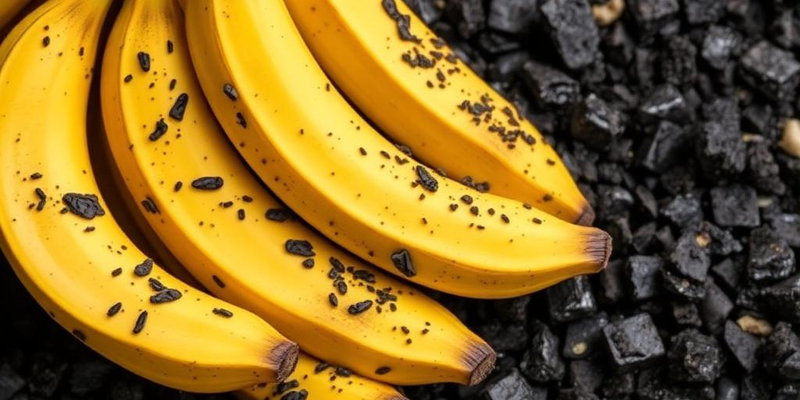
Obayashi used biochar-derived material in precast concrete curtain wall panels for the first time.
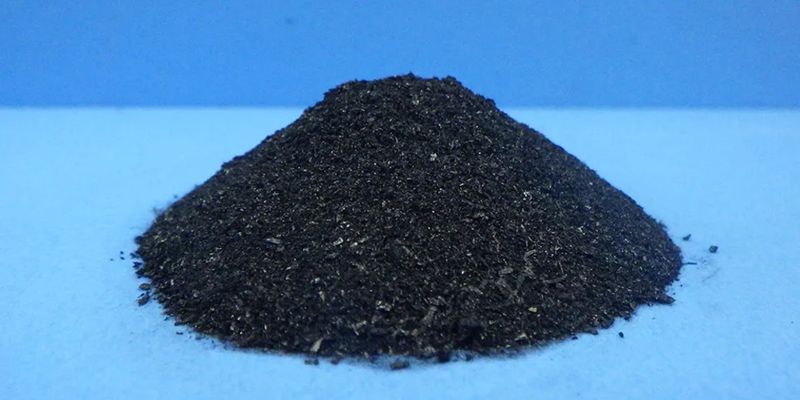
AMP has secured $70 million in financing led by Galvanize to expand its AI-powered waste processing in Portsmouth, Virginia. The facility will process over 500,000 tons of waste annually.
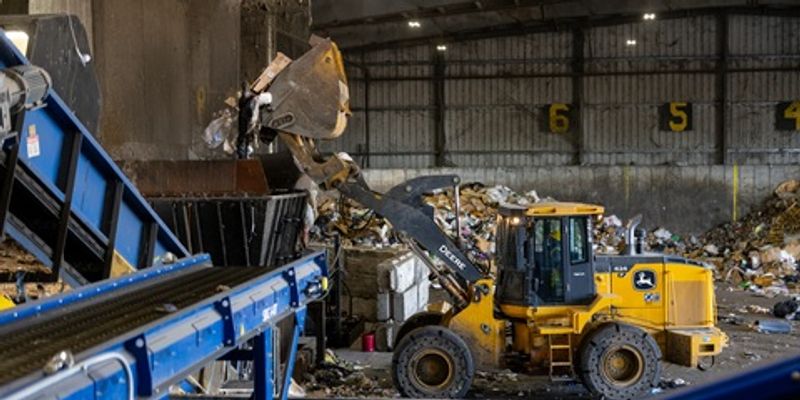
Cotierra raised $3 million to expand its decentralized biochar systems for tropical agriculture. The funding, led by Carbon Removal Partners and PINC, will support commercial scaling.
Researchers developed an AI model to determine the ideal amount of graphene oxide needed to remove toxic metals from farmland.
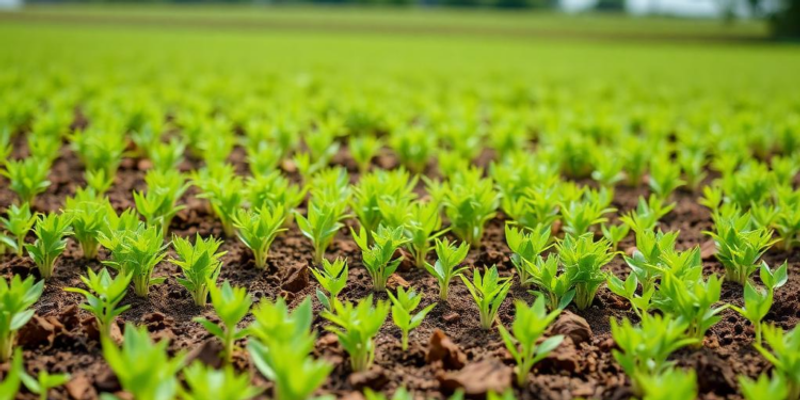
Researchers tested concrete mixes with bamboo biochar replacing cement at up to 1.5% and zeolite replacing fine aggregate at up to 50%.
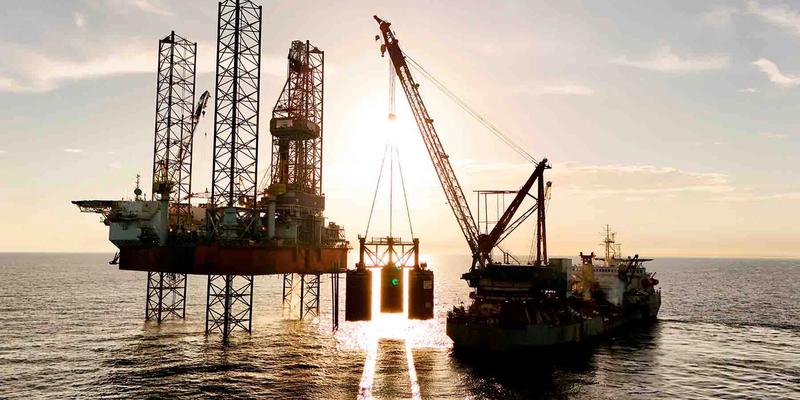
Researchers evaluated biochar as a sustainable substitute for coal and coke in steelmaking, focusing on its metallurgical, technical, and environmental impacts from input to steel production.
The University of Florida has chosen Myno Carbon to convert sargassum seaweed into biochar, aiming to address coastal environmental issues.
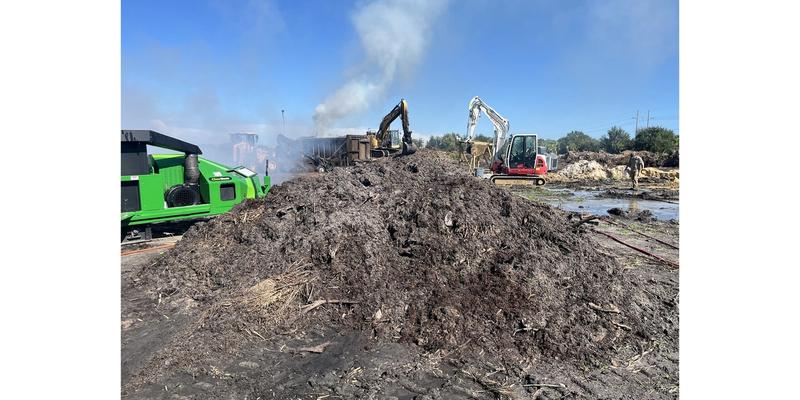
Haffner Energy received a €3.2 million contract to develop Quebec's inaugural Multi-Energy Hub, facilitating biochar and renewable fuel production.
Researchers found that concrete with 5 to 10 percent of its cement replaced by sewage-derived biochar strengthens over time.
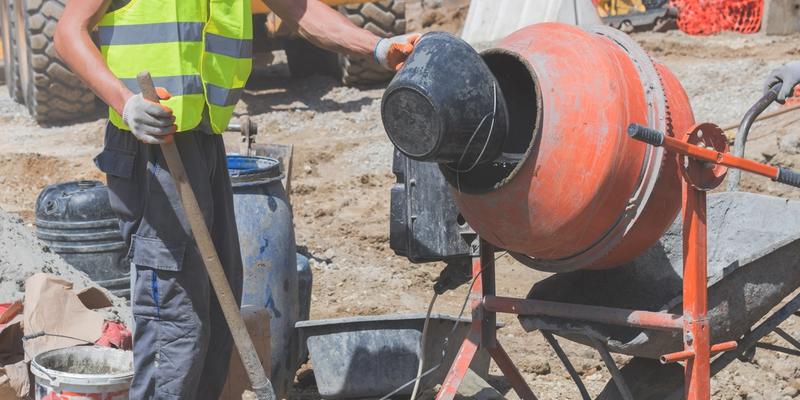
Researchers at Aston University are collaborating with Jesmonite to explore biochar as a sustainable alternative to cement.
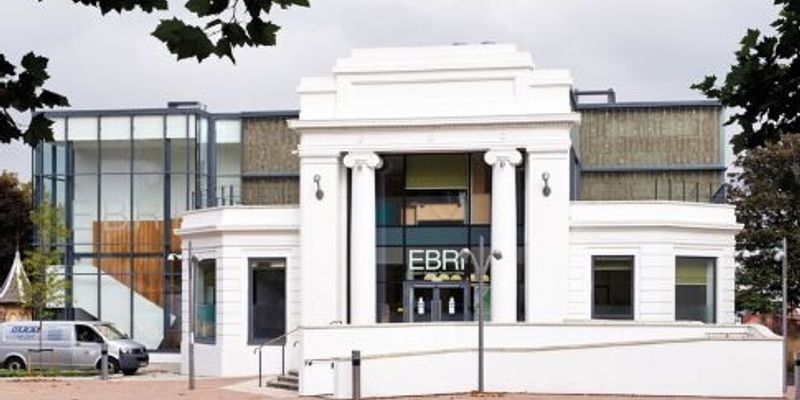
Researchers found that tiny particles from activated carbon and biochar can bypass water filters, carrying contaminants like lead. This challenges current water-treatment assessments.
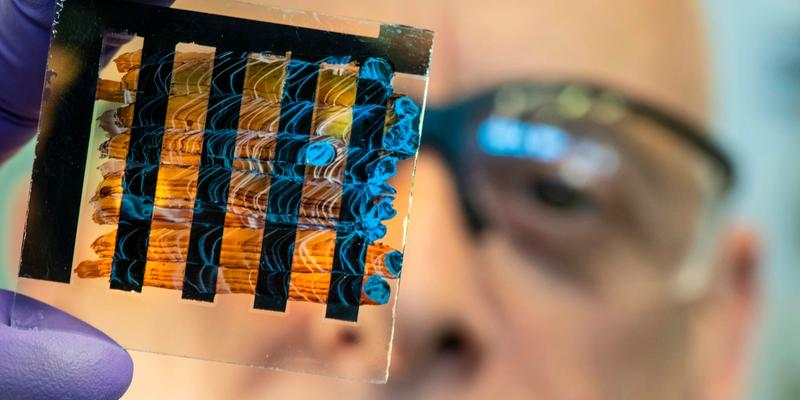
Researchers highlight biochar's potential for carbon sequestration by converting biomass into stable carbon storage. Biochar can be produced globally and offers additional agricultural benefits when added to soil.
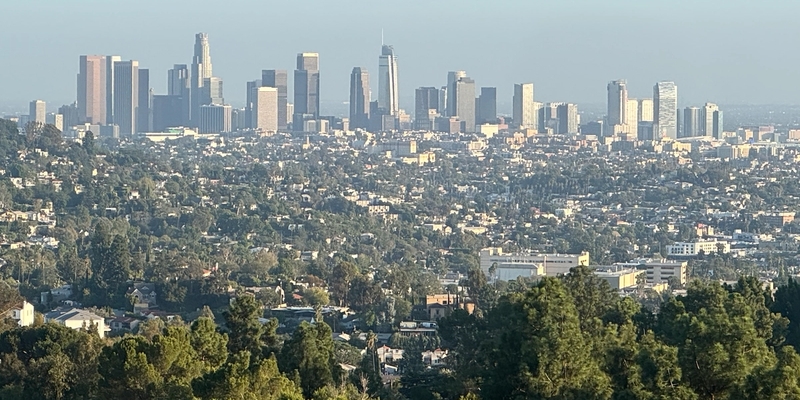
Exomad Green and Carbonfuture will supply 1.1 million tonnes of biochar carbon removal by 2035, tackling Bolivia's supply issues with certified pyrolysis and comprehensive digital tracking.
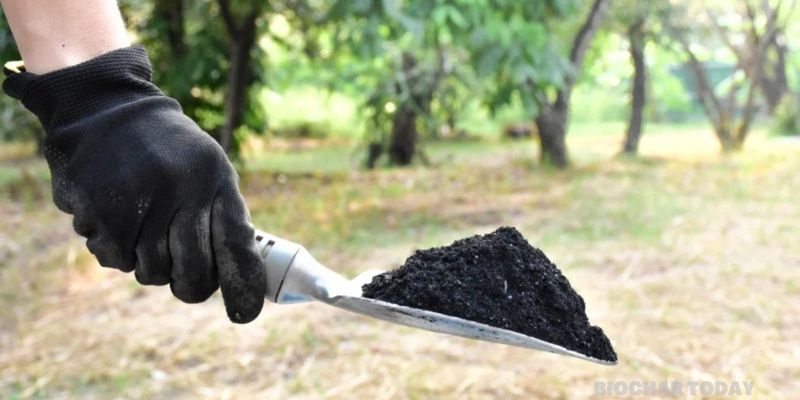
The Advanced Carbons Council calls for a U.S. carbon materials innovation platform focused on standards, testing and buyer qualification. The paper links engineered-carbon supply chains to manufacturing, energy, defense and AI infrastructure. Serves as a model for governments world-wide.
BIG has obtained $1.5 million in pre-seed funding to expand biochar carbon removal initiatives throughout Africa.
Montauk Renewables has opened a $200 million facility in Sampson County, North Carolina, turning swine waste into renewable energy and biochar.

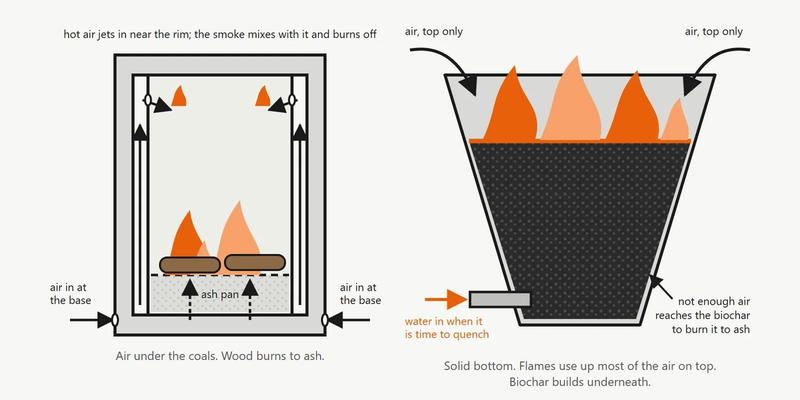
Smokeless fire pits efficiently burn wood by heating air between double walls for a cleaner burn, but they are not designed to produce biochar, which requires restricted airflow.
Researchers are exploring biochar-derived carbon nanomaterials to potentially reduce the cost of green hydrogen production.
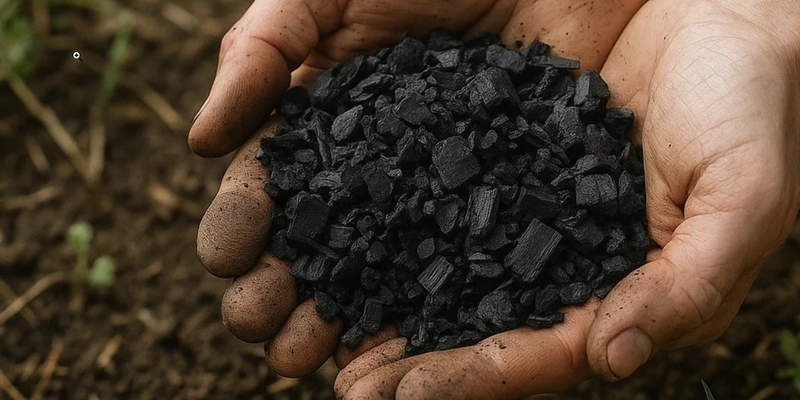
Researchers at Southeast University developed a carbon-layer-modified copper catalyst achieving over 99% selectivity for converting furfural to furfuryl alcohol at 160°C, enhancing biofuel precursor production efficiency.
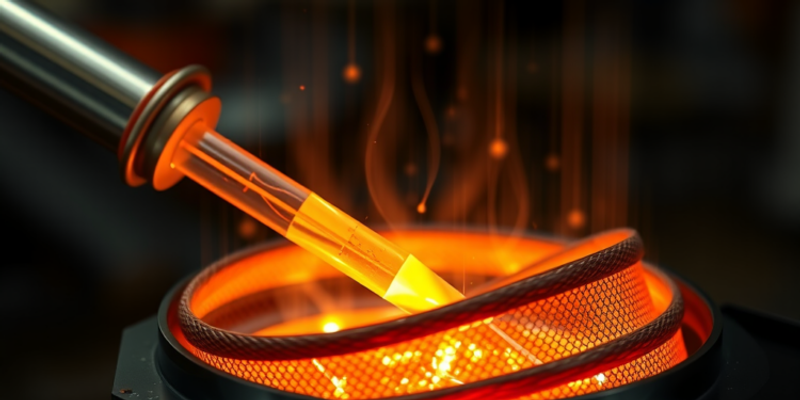
Mepco Schlenk Engineering College researchers developed a concrete mix with zeolite and bamboo biochar, increasing compressive strength by 7.48% and absorbing 1.2 grams of CO2 daily.

Researchers created a composite using flash-Joule-heated bamboo biochar, achieving 36.7 dB EMI shielding with 84% absorption and a 173% increase in fracture toughness.

Green Carbon and ATOA Carbon plan to build biochar facilities in India, each processing 50 tons of biomass daily and generating carbon credits.
OroCarbo has reserved 12 Haffner systems for renewable hydrogen hubs planned in California, Oregon, and Washington State, utilizing residual biomass for clean energy production.
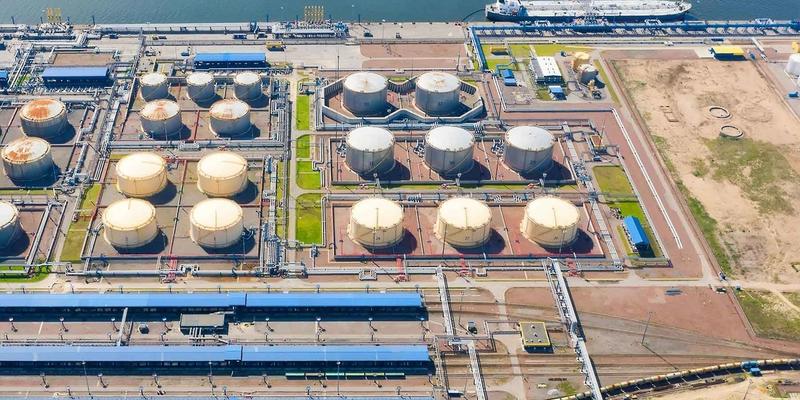
Researchers have developed biochar nanocomposites to serve as low-cost sensors for monitoring water pollution.
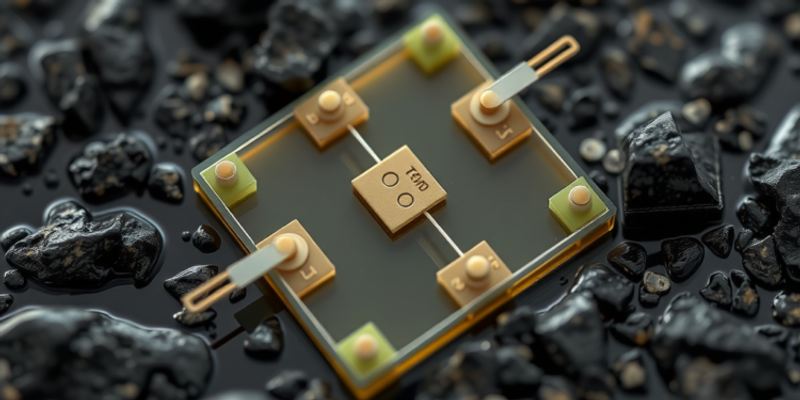
A biochar facility in Viet Hong commune, Lao Cai province, halted operations after complaints about emissions. The facility seeks guidance to complete legal procedures and resume production.
Researchers at Kunming University of Science & Technology measured the electron-transfer rate constant of dissolved black carbon, finding it increases with pyrolysis temperature, enhancing its electron-shuttle capability.

Carbon Hill's upgraded biochar plant in Wales now produces 2.5–3.0 tonnes daily, enhancing carbon sequestration efforts.
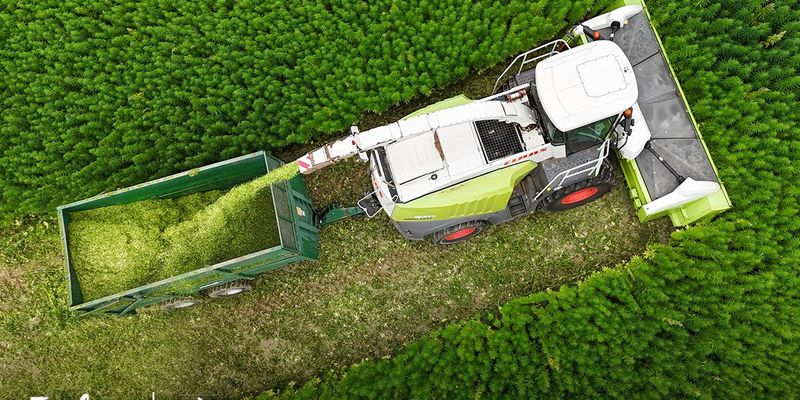
Researchers in South Korea have developed an insulation material from spent coffee grounds that performs comparably to Styrofoam. The material is biodegradable and uses a plant-based binder.
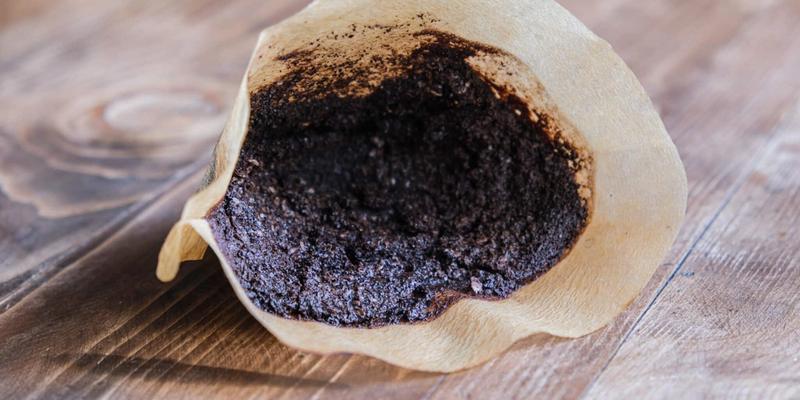
WasteX, a Singapore-based biochar pyrolysis manufacturer, has completed the first sale of its new model.
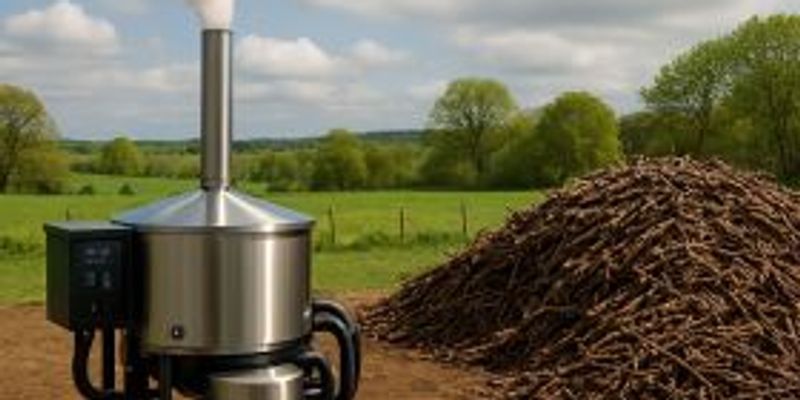
Researchers found that slow pyrolysis can transform heavy metal-contaminated crops into biochar, which can improve soil fertility and aid in pollution remediation due to its high specific surface area.
Researchers at the University of Oulu report wood-derived adsorbents can capture 863.8 milligrams of tetracycline per gram, highlighting their potential in addressing pharmaceutical pollution in wastewater.
Researchers created a dataset connecting manganese-modified biochar preparation and usage conditions to cadmium adsorption measurements.

Researchers at the University of Castilla-La Mancha used zinc chloride to activate biochar from olive stones, creating a catalyst that achieved 20% CO2 conversion to methane.
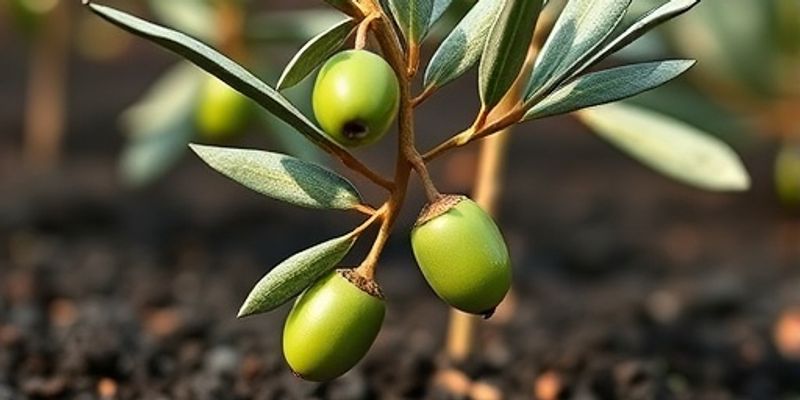
Char Technologies is launching its first commercial-scale pyrolysis plant in Thorold, Ontario, this month. The facility will produce biocarbon and renewable natural gas from woody biomass.
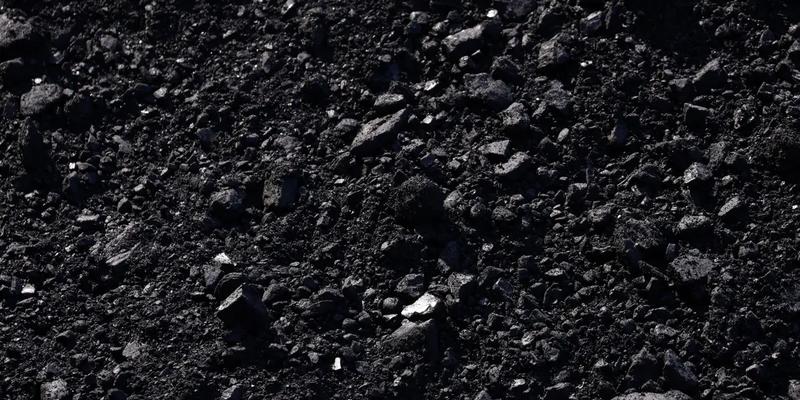
Researchers increased concrete's compressive strength by 29.3% by replacing 15% of sand with biochar from coffee grounds, charred at 350 degrees Celsius.
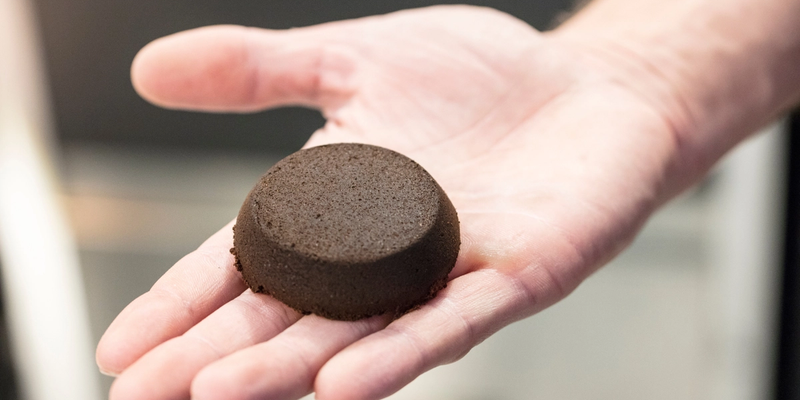
Nova Pangaea Technologies finished testing its biomass process, handling up to three tonnes of softwood residues daily. The company plans to establish its first commercial plant.

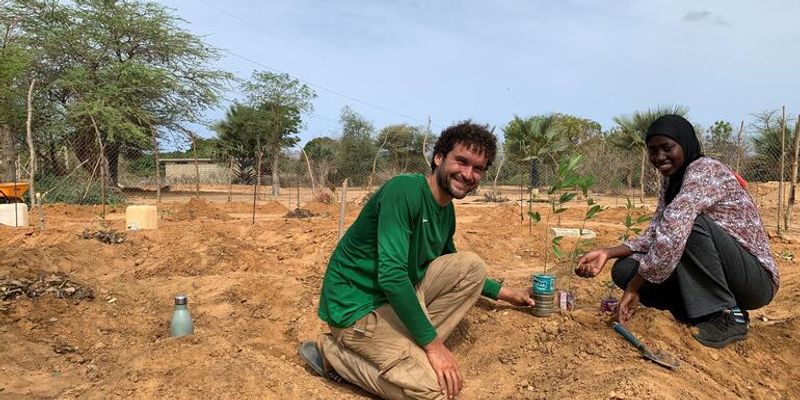
Young entrepreneurs in Ecuador, Senegal, Nigeria, and Bangladesh are transforming land restoration into economic opportunities, supported by the Youth Ecopreneur Programme. Their projects integrate technology and sustainable practices to boost productivity and market viability.
Researchers at United Arab Emirates University developed a catalyst for hydrogen production using desert sand, date-pit biochar, and nickel. The catalyst achieved a 38% methane conversion rate.
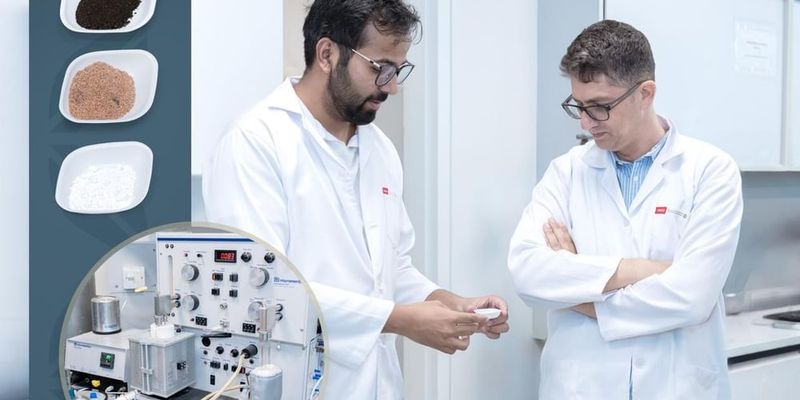
Researchers achieved biochar yields of up to 41.3% from almond shells using fixed-bed pyrolysis at temperatures between 400 and 500 degrees Celsius.
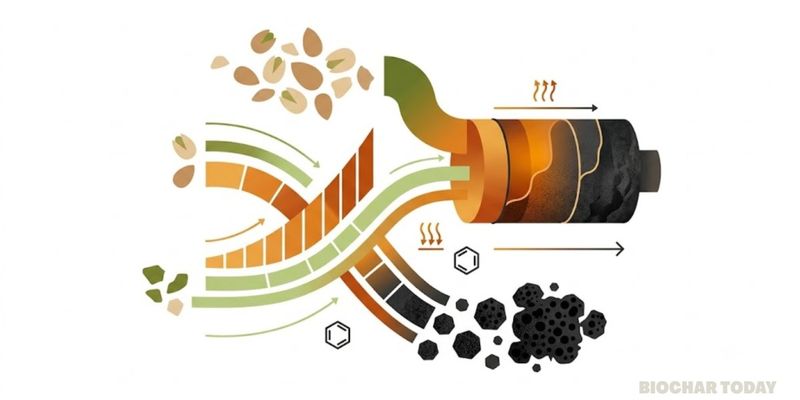
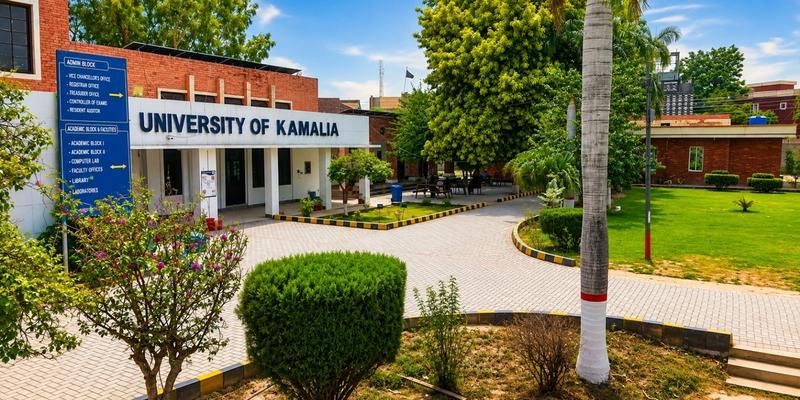
Kamalia University has initiated the SAFER PLUS project to convert agricultural residues into biochar, electricity, and surplus heat using an integrated system.
Researchers have developed biochar-based phase change composites from food waste, integrating them into paper membranes for energy storage applications.
Researchers led by Sahil Sharma have developed MXene-biochar hybrid catalysts that significantly enhance the efficiency of visible light-driven wastewater remediation.
The CO₂RE Greenhouse Gas Removal Hub is developing a biochar demonstrator to enhance soil health and increase nutrient availability in acidic soils.
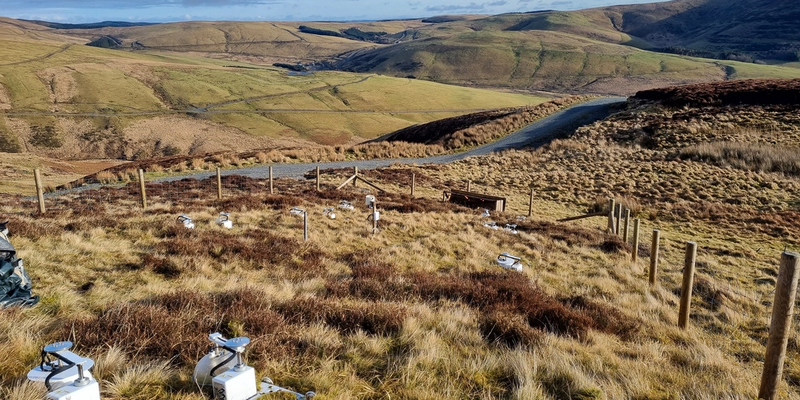
ABII and IDSurvey are enhancing standards, testing, and certification to meet rising global demand for Indonesian biochar.
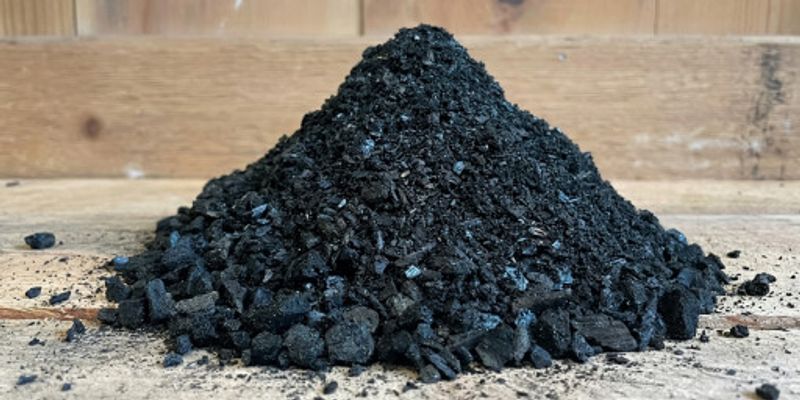
Researchers and industry leaders in Jakarta urge converting Palm Oil Mill Effluent into biogas. Indonesia's vast effluent pool remains largely untapped due to a lack of binding regulations.
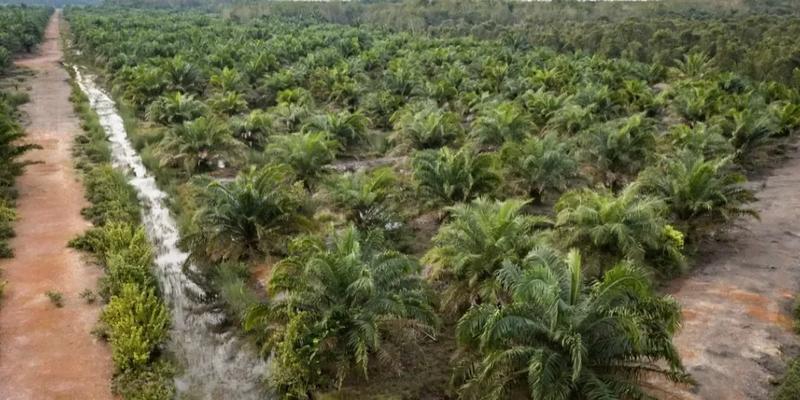
Aviva is repurposing its gasification facility to produce biochar, generating 12 MW of electricity and around 47,000 carbon-removal units.
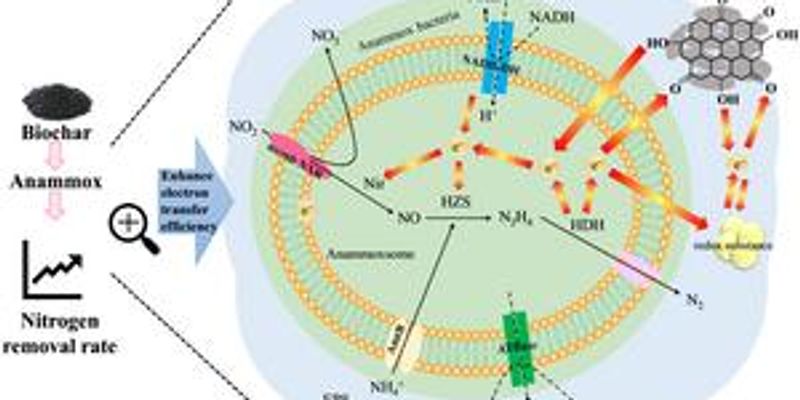
A review indicates that adding biochar to anammox reactors could enhance their efficiency by acting as a conductive interface.
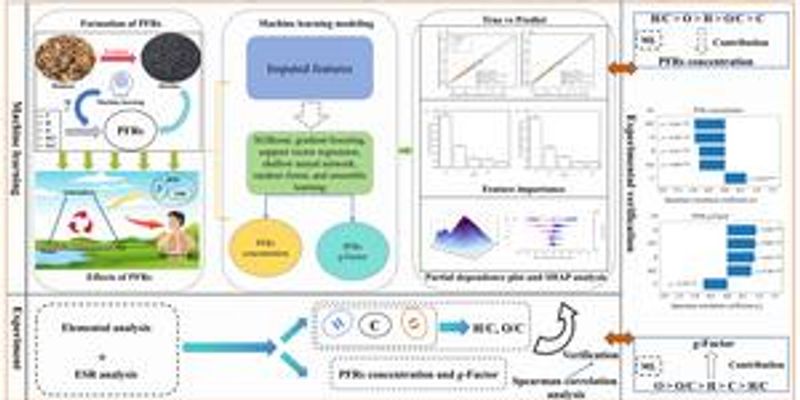
Researchers have used machine learning to predict the concentration of persistent free radicals and g-Factor in lignocellulose-derived biochar based on its elemental composition.
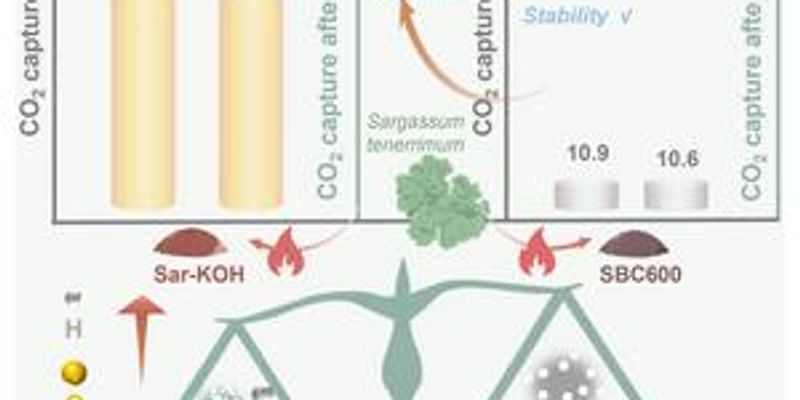
Researchers at Nankai University have developed Sar-KOH, a Sargassum-derived biochar with a CO2 adsorption capacity of 120.5 mg/g, using potassium hydroxide treatment before pyrolysis.
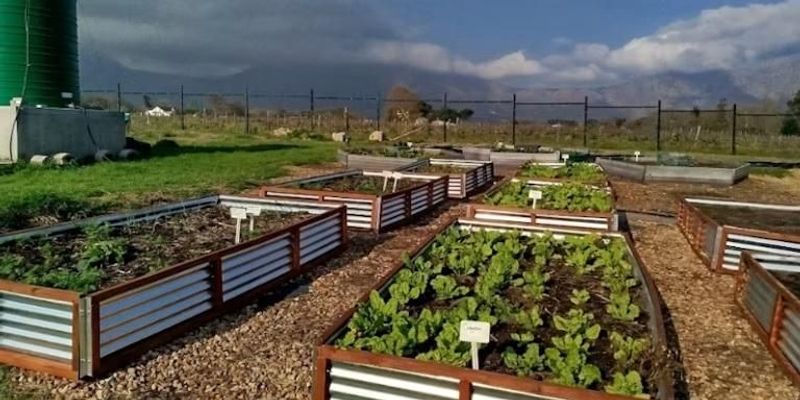
A natural filter using biochar, small stones, and coarse sand is effectively reducing bacteria levels in a polluted South African river.
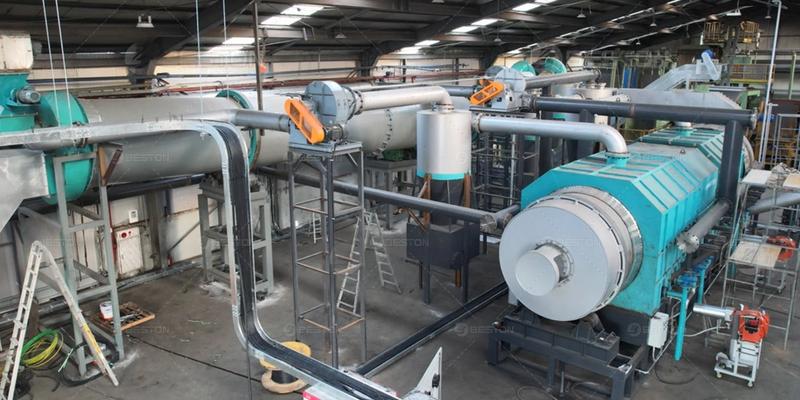
Biochar production equipment transforms organic waste into biochar, enabling waste management facilities to earn carbon credits.
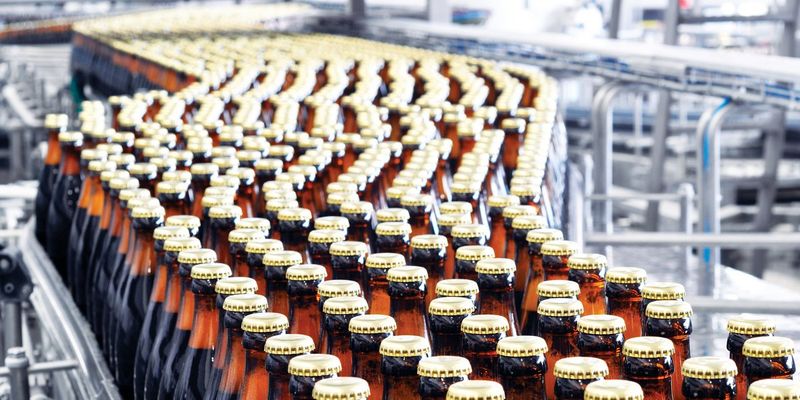
Researchers at the University of Patras improved E. coli retention in sand by adding 10% biochar from brewery waste, achieving 94.1% removal compared to 17.8% with unamended sand.

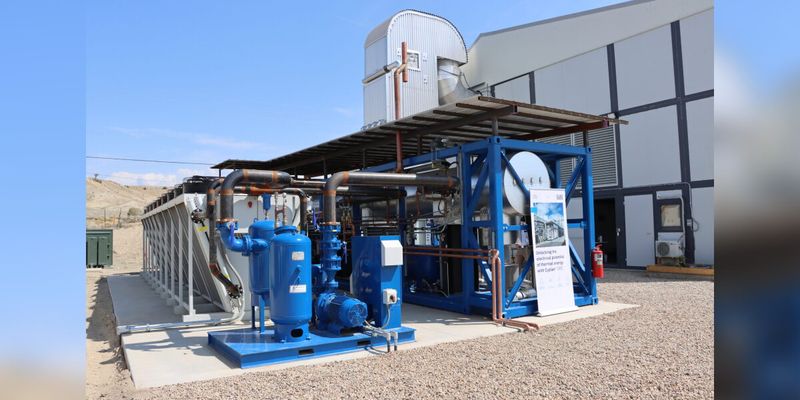
CO2 Sync has opened an emissions-free energy plant in Price, Utah, producing biochar to enhance soil nutrient retention.
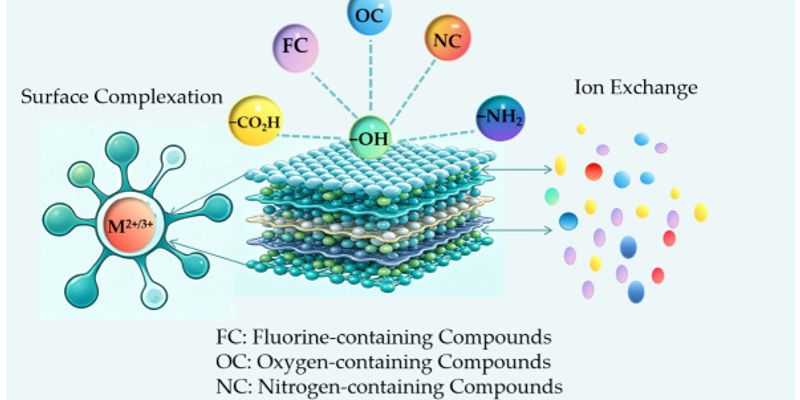
Researchers have reviewed the preparation and application of layered double hydroxides (LDHs) and biochar composites for water pollution control. The coprecipitation method shows promise for industrial-scale production due to its simplicity and effective pollutant adsorption.
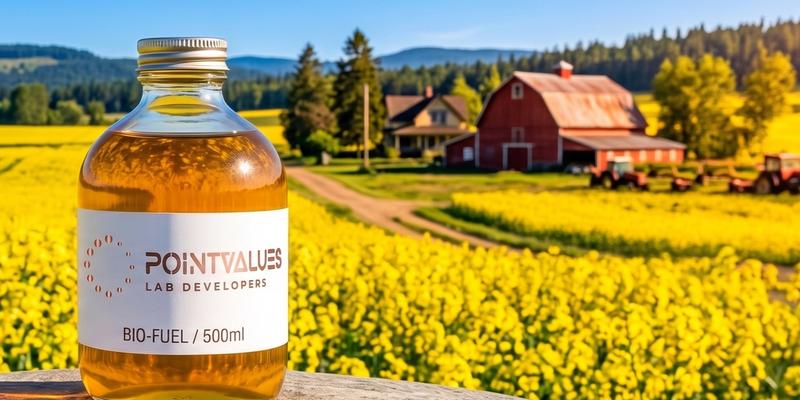
POINTVALUES, a BC Tech finalist, is transforming mustard waste into biochar and bio-oil, enhancing carbon sequestration and soil remediation capabilities.
The Ellington anaerobic digestion facility will use 115 tons of Arigna biochar for ground stabilization, aiding carbon offset in construction. Completion is expected in approximately 18 months.
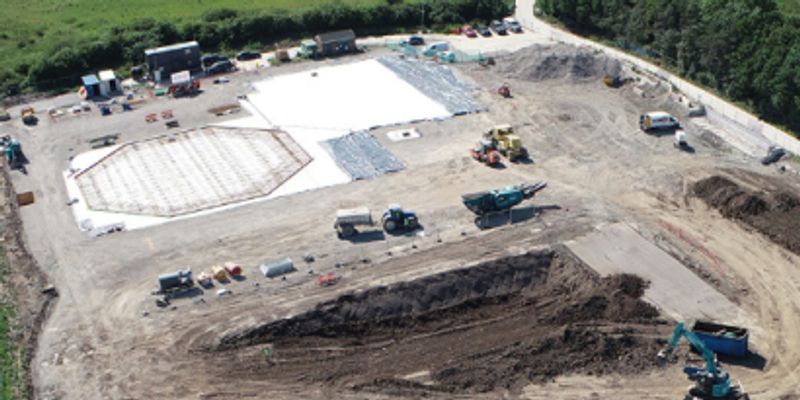
Researchers found that the gas environment during biomass heating significantly impacts biochar quality, alongside temperature.
The North Carolina Department of Environmental Quality awarded $1 million for mobile biochar equipment to convert Hurricane Helene debris into a soil amendment for flood-damaged farmland in Haywood County.
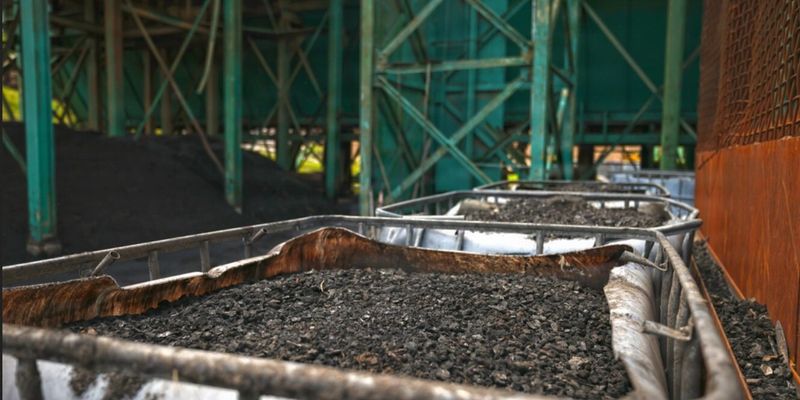
FIU researcher Islam Ibrahim Hussein developed a reusable filter from rice husk biochar to remove industrial dyes from water. The material was effective in tests and can be reused multiple times.
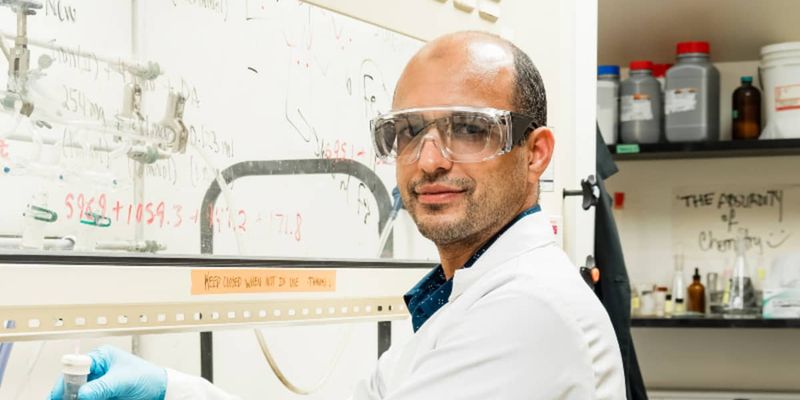
The federal government is providing $7 million to the Capital Regional District for a biosolids project on Vancouver Island, transforming wastewater treatment leftovers into biochar.
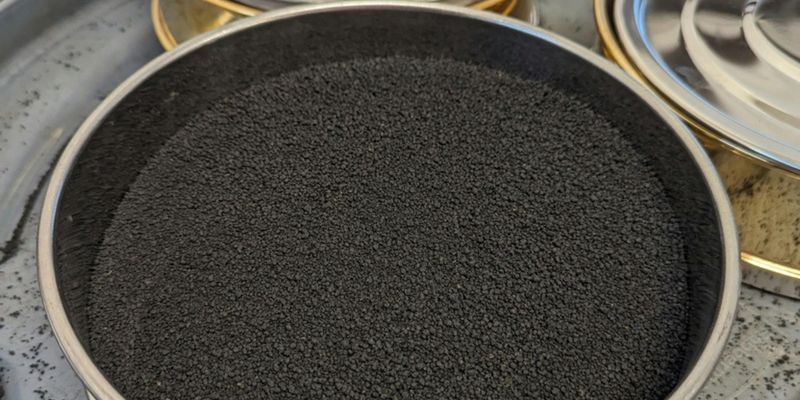
Arigna will supply 115 tonnes of biochar for ground stabilisation at the £35m anaerobic digestion plant in Northumberland, reducing the project's embodied carbon.
Researchers at Yunnan Minzu University developed a biochar catalyst from spent coffee grounds that converts over 99% of hydrogen sulfide into elemental sulfur, offering a sustainable waste treatment solution.

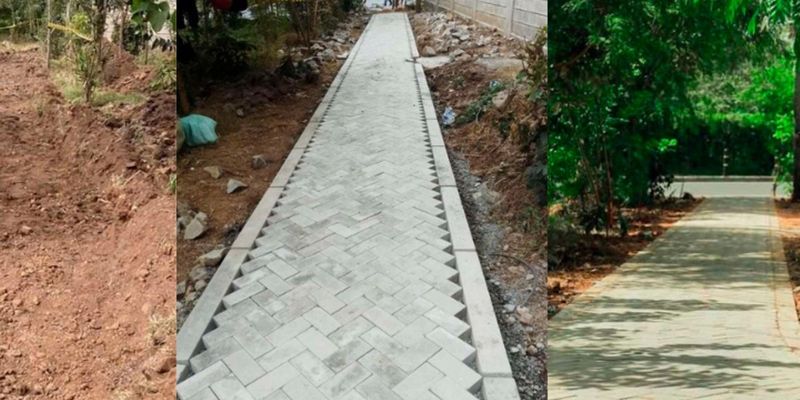
A new walkway in Nairobi's Upper Hill uses carbon-capturing concrete with biochar to test carbon-negative construction methods.
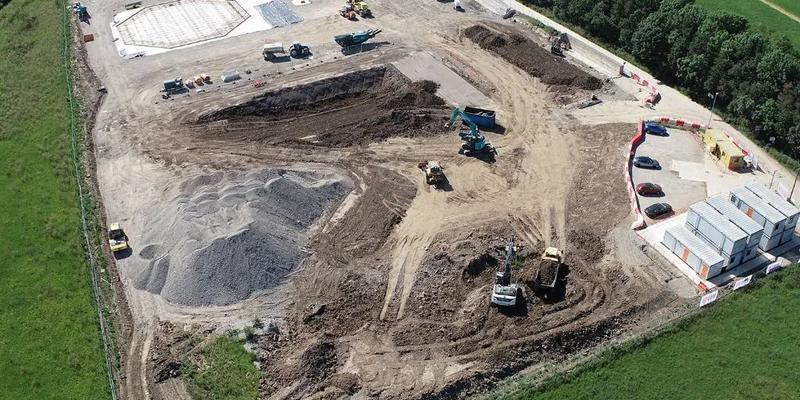
Penn State researchers are assessing the sustainability of Woodland Biomass Innovations' plan to convert 1,000 tons of wood residues daily into gasoline and biochar in Tioga County, Pennsylvania.
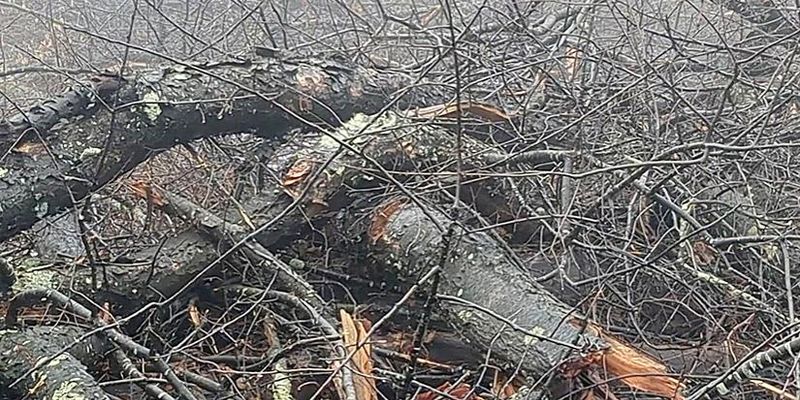
Himachal Pradesh has launched India's first indigenous biochar plant, processing 1.5 tonnes of pine needles daily to combat forest fires and climate change.
Goodwill is collaborating with Western University and Fanshawe College to recycle textile waste into biochar using pyrolysis, diverting 5,000 pounds of clothing from landfills over four years.
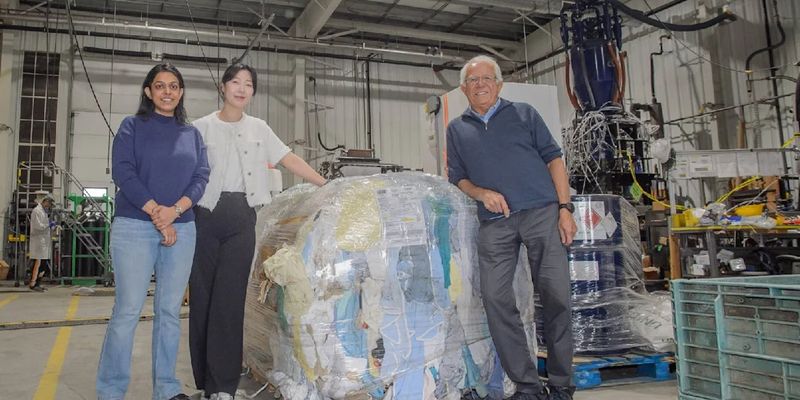
The European Commission released new certification rules for EU-wide permanent carbon removals, addressing DACCS, BioCCS, and biochar.
CCI BioEnergy has secured a contract to supply equipment for the Disco Road Organics Processing Facility in Toronto.
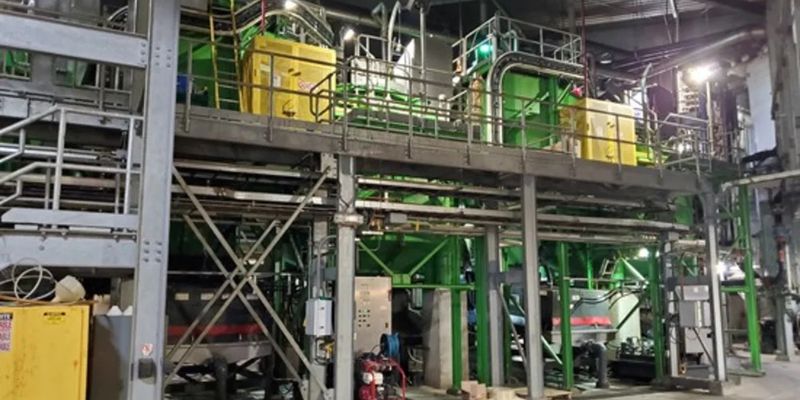
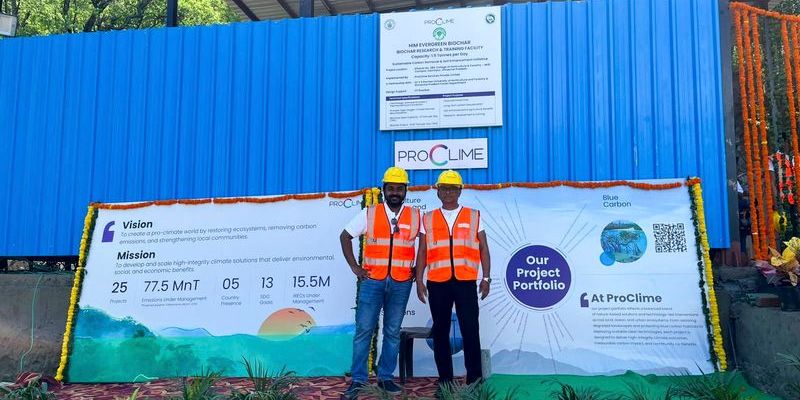
A new Biochar Research and Training Facility with a 1.5-ton daily processing capacity opened at Y.S. Parmar University in Himachal Pradesh to address forest fire hazards.

A new Biochar Research and Training Facility has opened at the College of Horticulture and Forestry in Neri, Hamirpur.
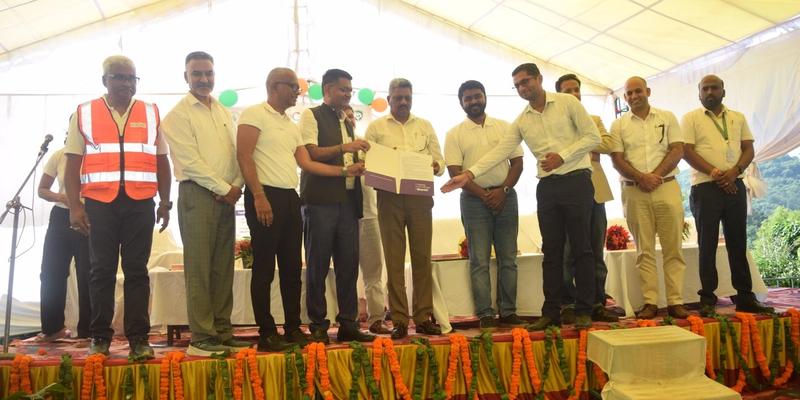
Vietnamese researchers are producing biochar and charcoal pellets from durian peels to reduce waste and increase the value of agricultural byproducts.
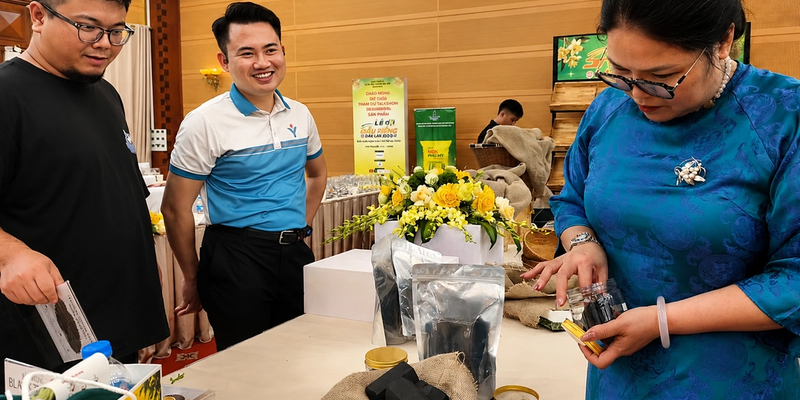
Vink Chemicals and pyropower GmbH celebrated the topping-out of a new biochar power plant in Schwerin, Germany, designed to supply energy to Vink's production site.

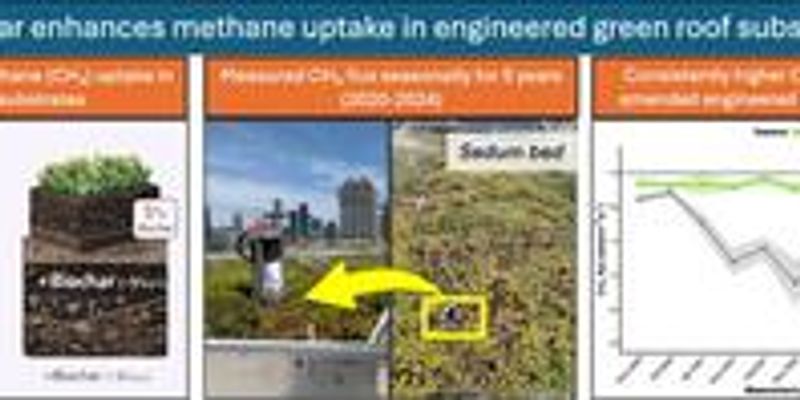
Researchers found that adding biochar to green roof substrates significantly enhances their capacity to absorb methane.
Researchers converted eucalyptus wood waste into biochar, achieving an aluminum adsorption capacity of 139.2 mg/g. The biochar retained 78% capacity after five reuse cycles, highlighting its durability.

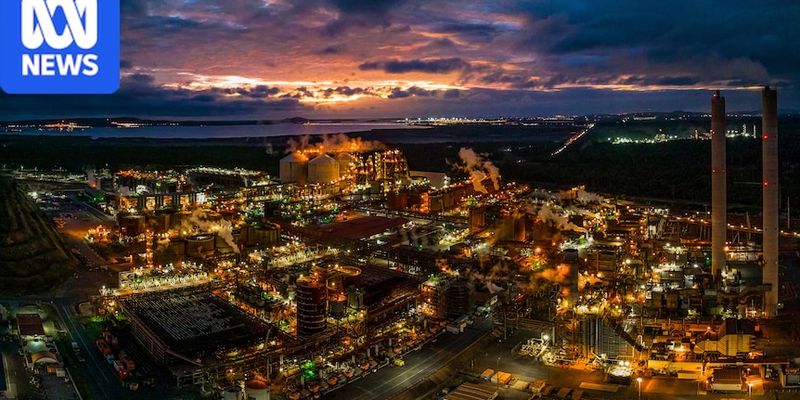
An Australian company plans a $30 million biochar facility in central Queensland, with Rio Tinto committing to purchase the biochar to potentially reduce coal use in its operations.
The EU's proposed carbon market update could allow hemp-based carbon storage technologies to qualify for trading in the Emissions Trading System starting in 2030.
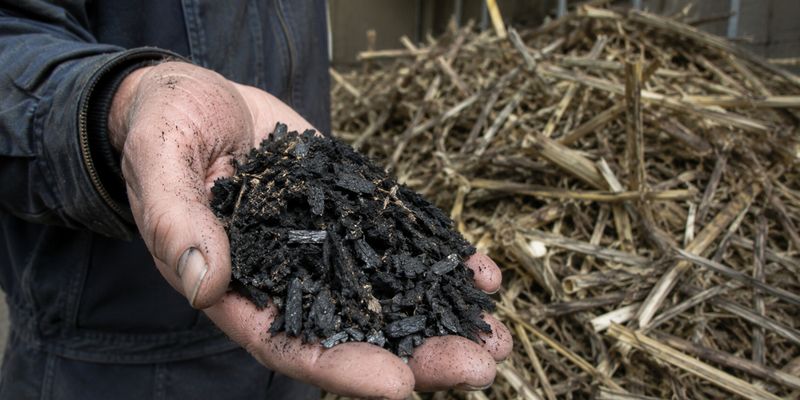
Researchers at Punjab Agricultural University review biochar's production routes and its use across environmental remediation, energy and catalysis, mapping how its physicochemical properties drive each application.
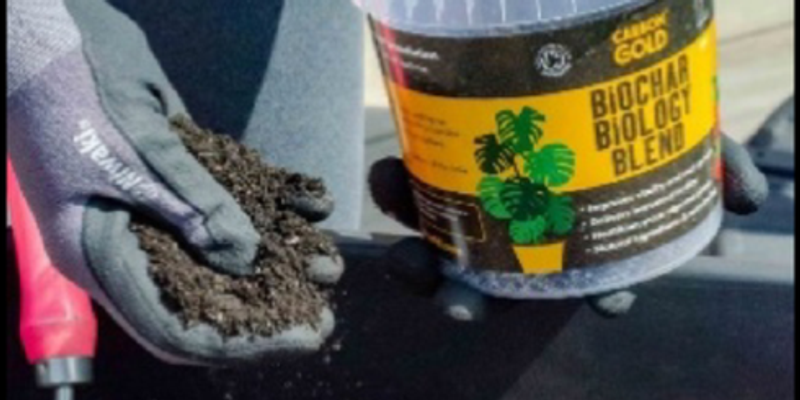
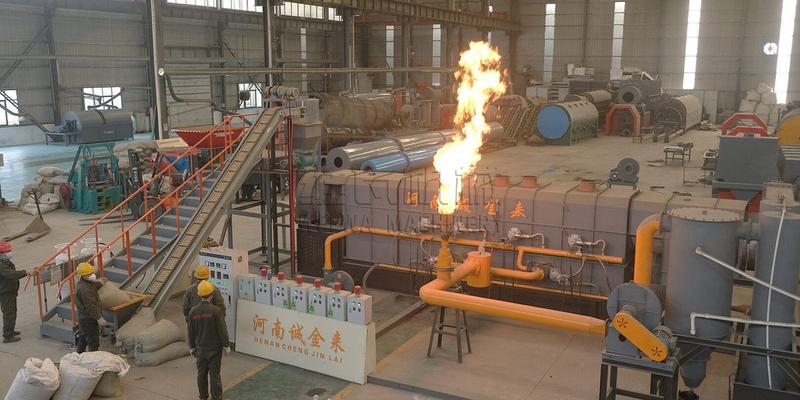
Weiwa Machinery shipped a continuous carbonization furnace to Pakistan, designed for high-capacity biochar production from local agricultural residues like coconut shells and rice husks.
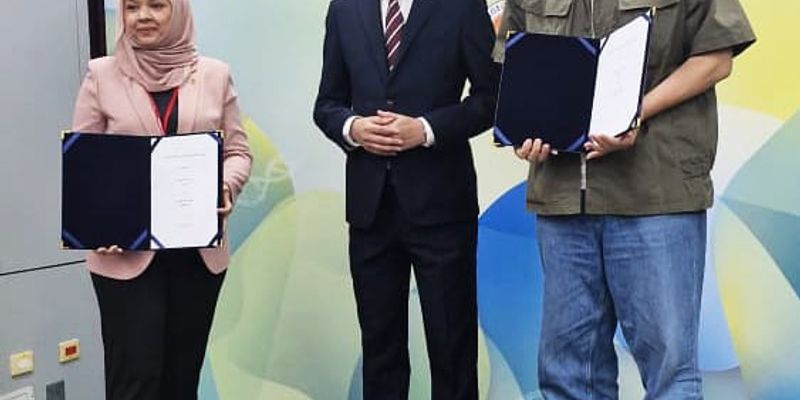
Malaysia's Bioeconomy Development Corporation secured three deals worth RM7 million with Taiwanese partners, including a RM1 million agreement for 20 tonnes of biochar with TCHAR Co Ltd.
Biochar from carbonization plants is now recognized as a valuable engineered carbon sink, offering new revenue opportunities beyond its traditional use as a soil amendment.
Researchers found that mixing rice-straw biochar with potassium-solubilizing bacteria boosts water-soluble potassium levels in acidic soil.
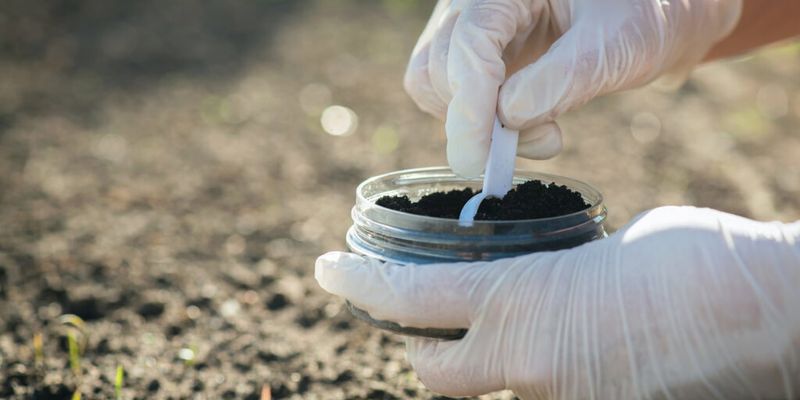
A team from UAS-B is training 100 farmers across Karnataka to create biochar from crop residue using an affordable, portable drum method.
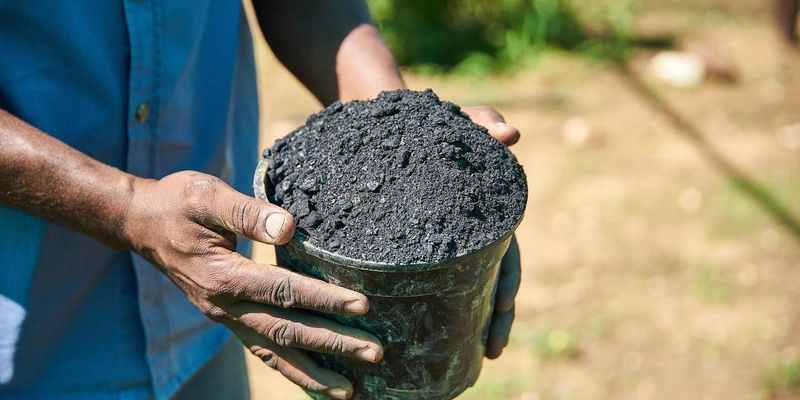
Eramet and the Gabonese Republic signed a memorandum to develop a biochar production sector using forestry by-products. An industrial seed fund "Made in Gabon" will also be launched.

The EU plans a €50 billion Emissions Trading System market for carbon removal, initially excluding lower-tech options like biochar. Future reviews may consider these technologies.

Researchers studied how biochar, made from rice husk and banana peel, absorbs lead and chromium. They tested both raw and magnesium oxide-impregnated versions.
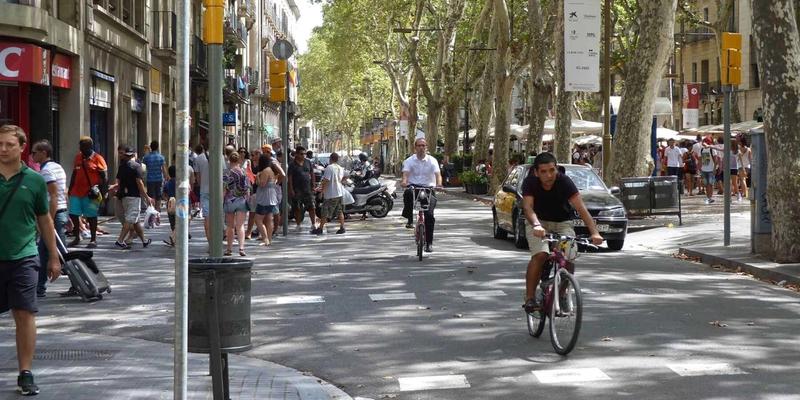
The city of Barcelona plans to transform a street into a climate laboratory by 2027, using asphalt that incorporates biochar made from olive pits and other biomass. This initiative aims to explore the potential of biochar in reducing urban heat and enhancing the sustainability of road materials.
AMP Robotics has implemented a biochar process at their Hampton Roads facility to manage organic waste. This development is significant for the advanced carbon materials sector as it utilizes biochar, a form of carbon, to enhance waste management and potentially improve soil health.
Researchers at the World Resources Institute report that current global CO₂ removal capacity is insufficient to meet the 2030 target of one billion tonnes, with technologies like Direct Air Capture and biochar facing high costs and scalability challenges. This shortfall impacts the advanced carbon materials sector, as these technologies are crucial for achieving net-negative emissions and supporting the sustainable use of biochar and other carbon-based solutions.
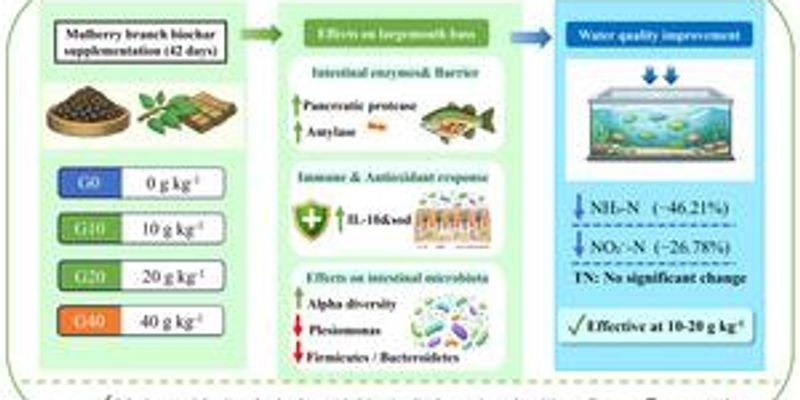
Dietary mulberry branch biochar improved intestinal health in largemouth bass and water quality in the surrounding aquaculture system, pointing to a feed additive use for the material.
Holcim introduced its biochar concrete at the Venice Biennale in 2025, collaborating with architect Alejandro Aravena. This development is significant for advanced carbon materials as biochar can enhance the sustainability of concrete by reducing its carbon footprint.
The RM of Ritchot has signed a memorandum of understanding with a biochar manufacturer to extend its landfill operations. This partnership could enhance the use of biochar in waste management, potentially improving sustainability and generating economic benefits.
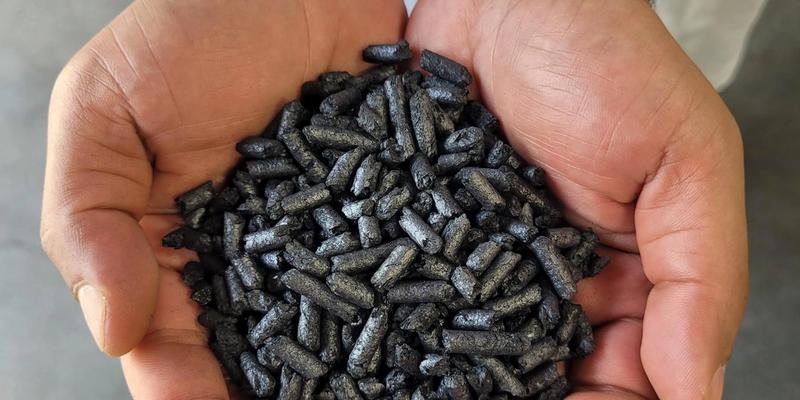
A report on biochar plants in Rajasthan indicates that UV treatment effectively maintains faecal coliform levels within permissible limits in treated liquids at most sites. This is significant for the biochar sector as it highlights the potential of biochar to be used in wastewater management while addressing environmental safety concerns.
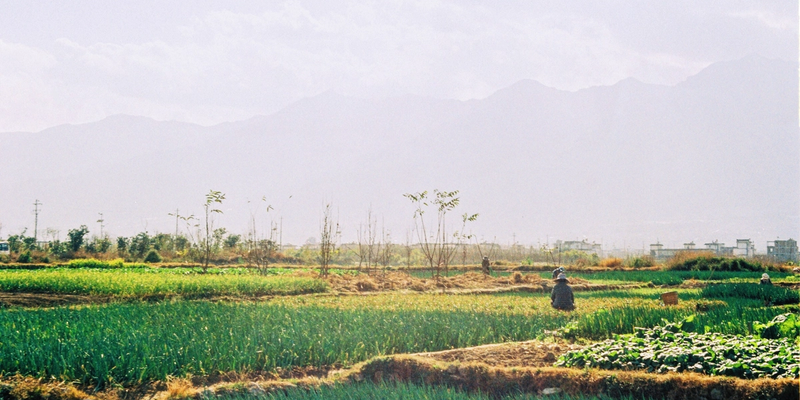
The Government of Québec has announced its Plan de gestion intégrée des ressources énergétiques (PGIRE), committing $87 billion over 25 years to boost renewable energy, including forest bioenergy. This investment could significantly advance the production of renewable natural gas and biocarbon, both critical for decarbonizing industries reliant on carbon-based fuels.
Researchers at Western University have partnered with Goodwill to reduce textile waste by using biochar and AI-powered sorting technologies. This collaboration is significant for the advanced carbon materials sector as it demonstrates a novel application of biochar in waste management, potentially increasing demand for biochar production.
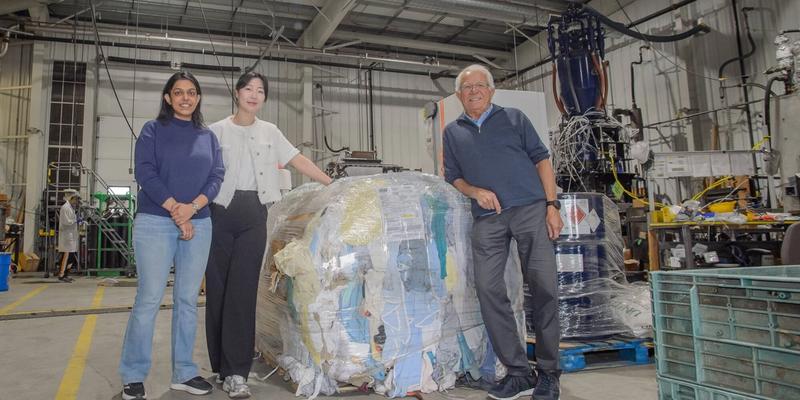
St. Louis County, the city of Duluth, and other partners have implemented a green-infrastructure project at Hartley Nature Center to divert and filter stormwater runoff from 117 acres, using biochar among other materials to remediate contaminants. This initiative is significant for advanced carbon materials as it utilizes biochar, a form of carbon, to improve water quality by removing pollutants, benefiting ecosystems connected to Lake Superior.
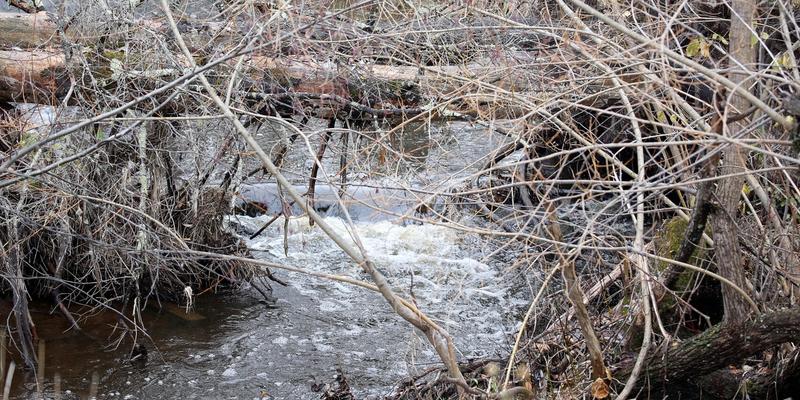
Valency International has opened Africa's first large-scale biochar plant using cashew nut shells in Côte d'Ivoire. This development could enhance the production of biochar, a carbon-rich material, from agricultural waste, promoting sustainable practices in the region.
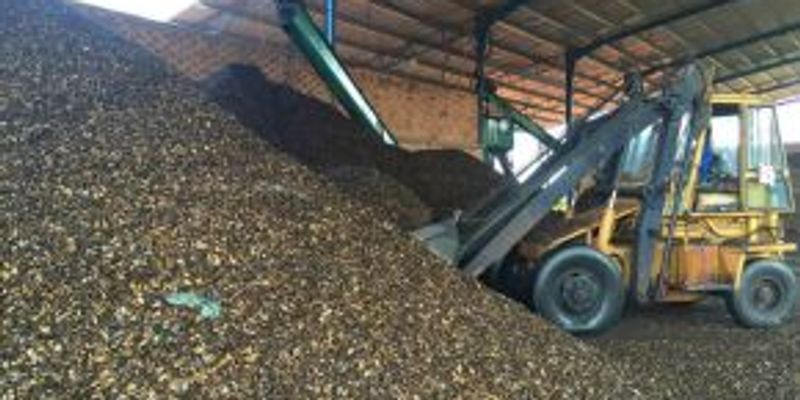
Converting accumulated forest biomass into biochar is being put forward as a wildfire prevention measure, tackling the untreated combustible material that satellite monitoring shows is driving record burn areas.

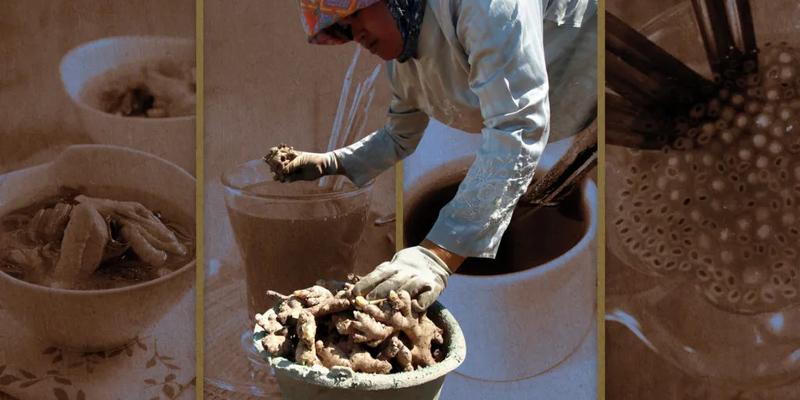
Researchers at the National Research and Innovation Agency have developed biobriquettes from ginger rhizome waste, offering an alternative energy source. This innovation not only reduces environmental pollution from ginger waste but also supports the clean energy transition by utilizing biochar derived from lignocellulose-rich materials.
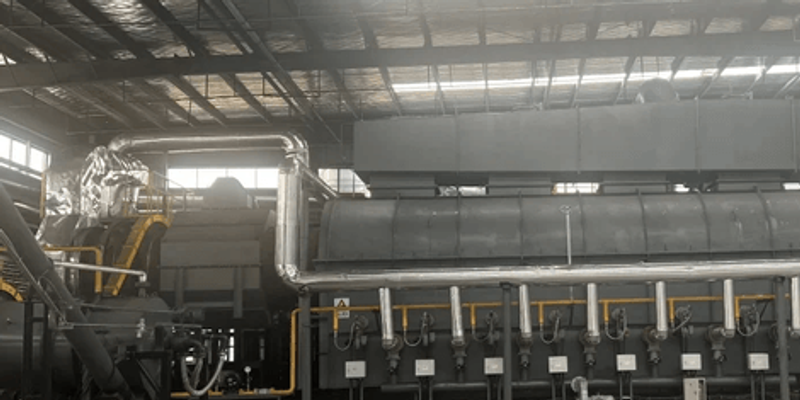
Researchers at the Institute of Environment under the Hefei Comprehensive National Science Center have developed a technology for large-scale biochar production from agricultural and forestry biomass, capable of producing over 50,000 tonnes annually. This advancement in biochar technology supports environmental sustainability by transforming agricultural waste into a high-value carbon-rich material, with applications in soil enhancement, energy storage, and more.
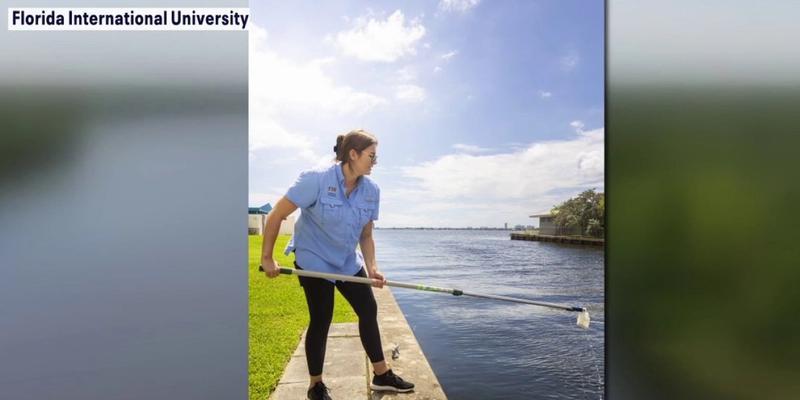
Researchers at Florida International University have found that a water sample from the Hillsborough River near downtown Tampa contained 12 nanograms per liter of 6PPD-Q, a toxic chemical from tire wear, exceeding the EPA benchmark of 11 nanograms per liter. This study highlights the potential of using sargassum-based biochar to filter out harmful pollutants, which could protect Florida's aquatic ecosystems from the adverse effects of tire-derived chemicals.
Verde Resources, through its subsidiary Verde Renewables, has signed a 10-year Master Commercialization and Collaboration Agreement with Ergon Asphalt & Emulsions to supply engineered biochar for road paving and manage associated carbon removal credits. This partnership positions Verde as a key supplier in the asphalt industry, leveraging biochar to create sustainable infrastructure solutions and potentially generating additional revenue through carbon credits.

BrandName has introduced a continuous bamboo pyrolysis machine designed to convert waste bamboo materials into biochar. This development is significant for the biochar sector as it offers a sustainable method to recycle flue gas as heating fuel, enhancing the efficiency and environmental impact of biochar production.
Verde Resources and Ergon Asphalt & Emulsions have signed a 10-year agreement to advance the use of engineered biochar in cold paving applications, moving their collaboration into a commercial phase. This development is significant for the advanced carbon materials sector as it tests biochar's practical performance in real-world infrastructure projects, potentially paving the way for wider adoption of carbon-storing materials in road maintenance and construction.

Researchers from the study published in Biochar have demonstrated that using iron and manganese modified biochar (FMBC) with specific irrigation strategies can significantly reduce cadmium and mercury levels in rice grown in co-contaminated paddy fields. This approach could enhance the safety of rice by stabilizing these metals and reducing their uptake, offering a viable solution for managing heavy metal contamination in agricultural soils.
Green Development plans to establish a large battery storage facility at its biochar plant in Quonset. The project could enhance the integration of biochar production with renewable energy storage, potentially increasing efficiency and sustainability in the sector.
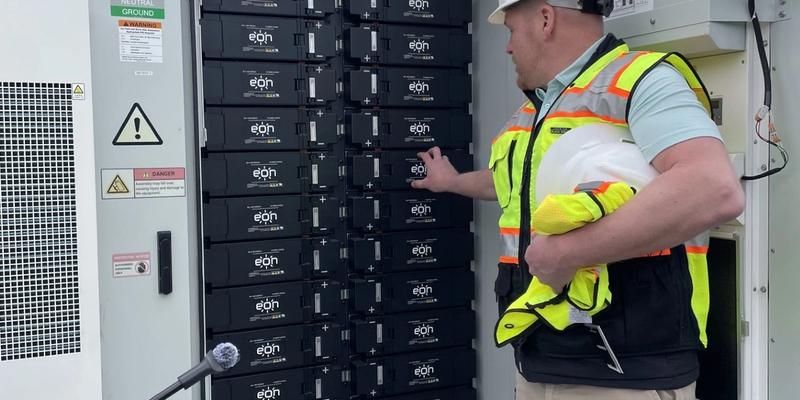
The Government of Himachal Pradesh, in collaboration with Dr Y.S. Parmar University of Horticulture and Forestry and ProClime Services Private Limited, has launched India's first indigenous biochar project in Hamirpur district, aiming to convert forest biomass into biochar to reduce fire risks and generate carbon credits. This initiative is significant for the advanced carbon materials sector as it transforms waste biomass into biochar, a stable carbon-rich material, thereby contributing to carbon sequestration and offering a sustainable model for forest management and rural livelihoods.
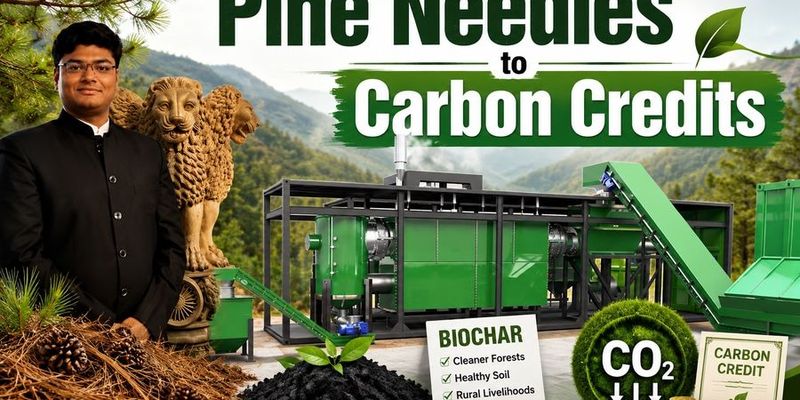
Sustainable Green Team, Ltd. (OTC:SGTM) announced a strategic partnership to expand its biochar production capabilities in the United States. This development is significant for the biochar sector as it aligns with new federal support under the Farm, Food, and National Security Act of 2026.
Researchers at the Federal University of Rio de Janeiro (UFRJ) have developed a new site for pyrolysis processes aimed at producing biochar. This advancement in biochar production is important for carbon sequestration and soil enhancement, contributing to sustainable agricultural practices.
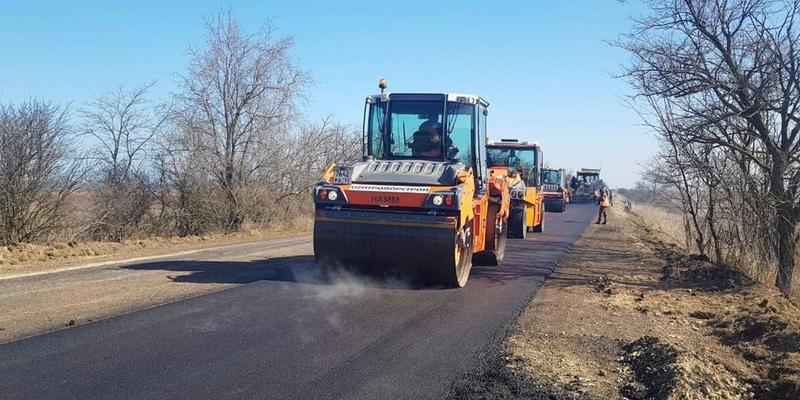
Barcelona City Hall, in collaboration with the BIT Habitat foundation and BIMSA, is trialling asphalt mixed with biochar from olive pits and pine biomass, starting in September with monitoring through 2027. This initiative aims to reduce CO2 emissions by up to 76% and store carbon in the road itself, potentially transforming road infrastructure into a long-term carbon sink using biochar.
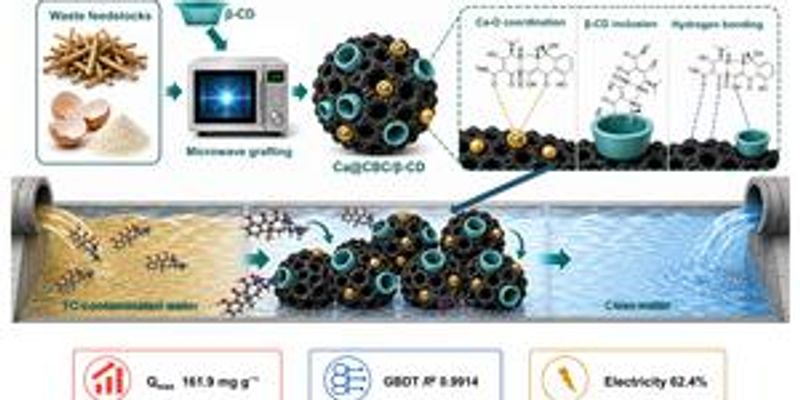
Microwave-assisted, cyclodextrin-modified biochar made from waste cotton stalks and eggshells removes tetracycline from wastewater, with machine learning and life cycle assessment used to evaluate the route.
Contemporary Amperex Technology Co., Limited and CarbonScape have formed a strategic partnership to explore the use of biochar in improving soil health, with initial trials showing a 23% increase in topsoil organic carbon when combined with a 10% reduction in irrigation. This collaboration highlights the potential of biochar as a viable solution for enhancing soil carbon content, which is crucial for sustainable agriculture and carbon sequestration efforts.
Kazakh Agriculture Minister Aidarbek Saparov met with representatives from Full Vision Capital, Towngas, and EcoCeres to discuss a project for producing sustainable aviation fuel from industrial oilseeds. This initiative could enhance the use of carbon materials like biochar by utilizing agricultural and food waste, contributing to environmentally friendly fuel alternatives.

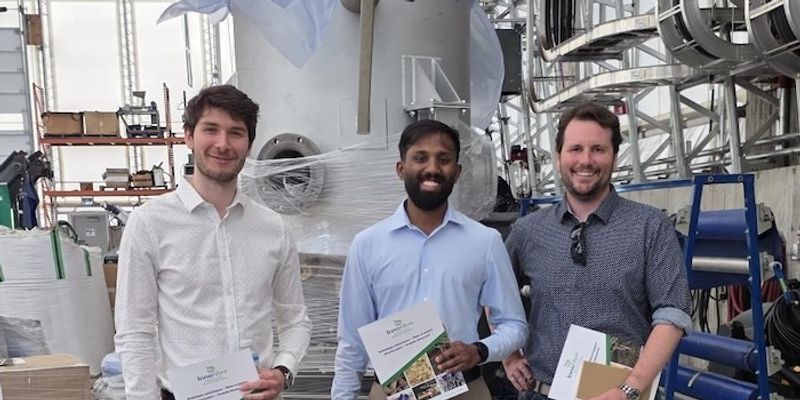
Innofibre is collaborating with PyroGenesis to convert biomass into syngas, focusing on the development and commercialization of bio-based products. This collaboration is significant for the advanced carbon materials sector as it enhances the production and application of biochar, a valuable carbon material.
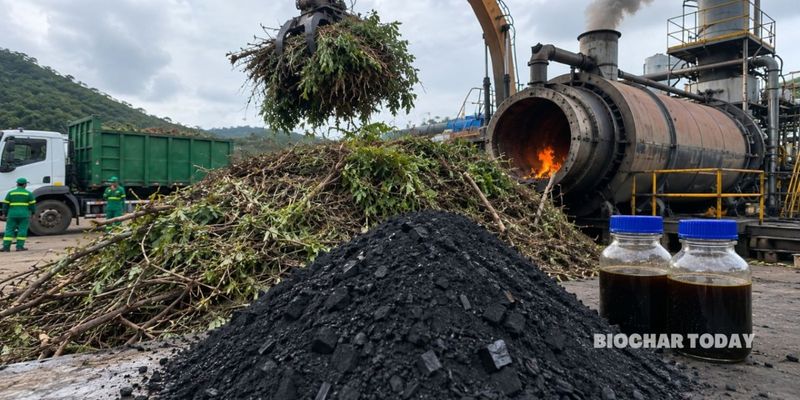
The International Virtual Institute of Global Changes and COMLURB have converted approximately one ton of urban tree trimmings in Rio de Janeiro into 300 kilograms of biochar and pyrolytic oil using pyrolysis. This initiative transforms municipal green waste into valuable resources for soil improvement and energy research, highlighting a sustainable approach to waste management in the carbon materials sector.
Rainbow has updated its BioCCS methodology to align with the EU CRCF framework, including biochar as an eligible CO2 capture module. This alignment could enhance the adoption of biochar in carbon capture and storage strategies within the EU.
Durian peel pyrolysis yields both bio-lubricants and biochar, and a tribological analysis assesses how each performs, pointing to a use for a plentiful fruit-processing waste.
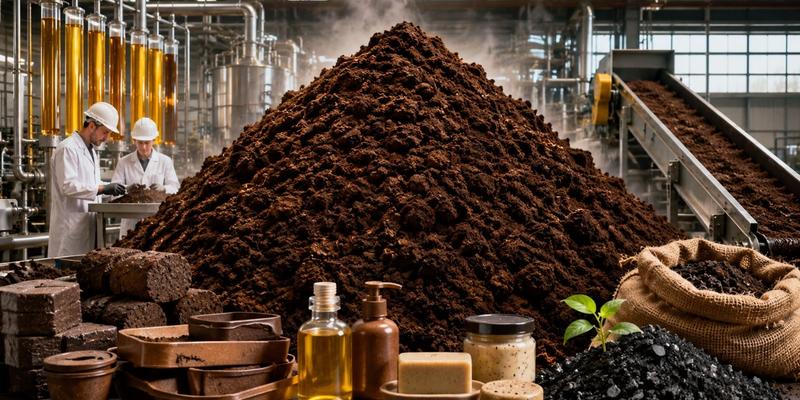
Coffee!Up in the Czech Republic is transforming used coffee grounds into products like natural soap, coffee oil, biomass, and biochar, as highlighted by the European Commission. This initiative is significant for the advanced carbon materials sector because it demonstrates the potential for waste coffee grounds to be converted into valuable materials such as biochar, which can improve soil health and contribute to carbon sequestration efforts.
W&nergy and Enerfip in France have launched a crowdfunding campaign to finance the conversion of local biomass into renewable syngas and high-stability biochar. This initiative could enhance biochar production, which is valued for its potential to improve soil health and sequester carbon.
Researchers at the International Virtual Institute of Global Changes, COPPE/UFRJ, in partnership with COMLURB, have converted one ton of urban pruning waste in Rio de Janeiro into approximately 300 kilos of biochar and pyrolytic oil. This initiative demonstrates the potential of using urban plant waste as a raw material for producing carbon-rich biochar, which can be used as a soil conditioner and for carbon storage, contributing to sustainable waste management and decarbonization efforts.
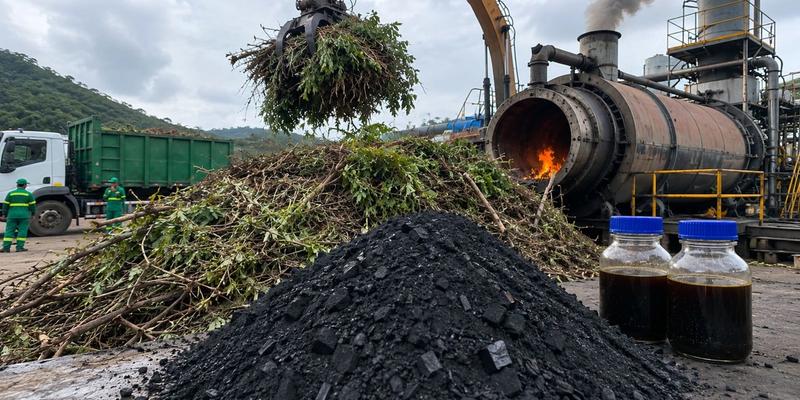
A physics-informed machine learning model optimises biochar production for water treatment, aiming to close the gap between laboratory results and large-scale application.
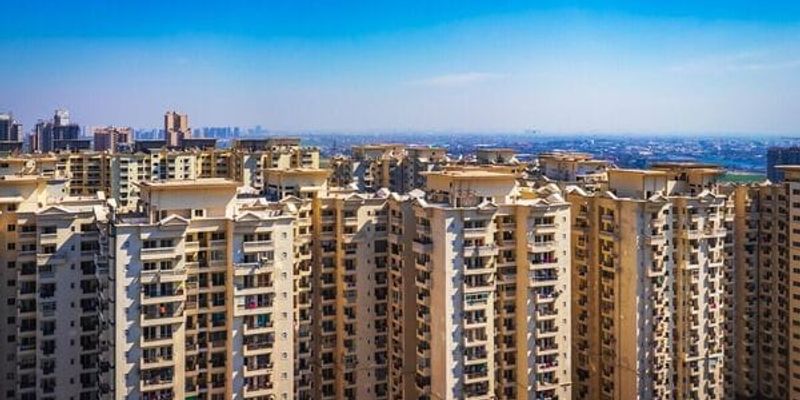
Ant Studio in Noida has designed a sustainable home for Kamran Haider using green cement and biochar to offset carbon emissions. This approach highlights the potential for advanced carbon materials like biochar to enhance sustainability in building design by reducing embodied carbon and improving energy efficiency.
Researchers at RSC Advances led by Hai Bang Truong have demonstrated that engineered biochar can increase arsenic removal efficiency by seventy-two times. This advancement in biochar technology could significantly enhance water purification processes, making it a valuable tool for environmental remediation.

Biochar integrated into nature-based treatment systems improves pesticide bioremediation in urban water, drawing on the tunable porosity it gains from pyrolysis or hydrothermal carbonisation.
A nano-biochar soil amendment cut reactive gaseous nitrogen losses and raised grain yield, addressing the limited effectiveness of conventional biochar in reducing nitrogen emissions.
Bakkafrost Scotland showcased its Applecross recirculating aquaculture system (RAS) facility during a visit by Scotland’s marine minister, highlighting its strategy of rearing salmon longer in freshwater conditions. The facility plans to install pyrolysis technology to convert hatchery waste into biochar, aligning with efforts to reduce environmental impact and enhance sustainability in aquaculture.
A review published in the journal Biochar highlights the potential of biochar-based porous materials for sustainable uranium capture. This is significant for advanced carbon materials as it suggests a new application for biochar in environmental remediation and resource recovery.
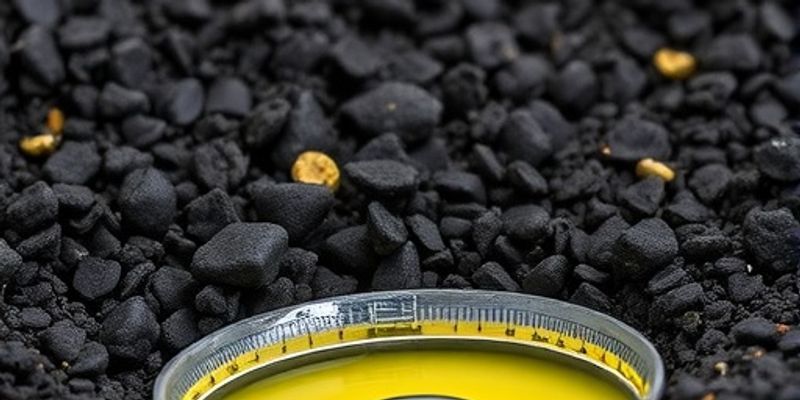
Researchers at an unnamed institution have developed a photoregenerable β-Ga₂O₃-functionalized biochar that captures and breaks down PFOS, a persistent "forever chemical," under UV light. This advancement could significantly enhance the use of biochar in water treatment applications, addressing contamination by PFOS and potentially other similar pollutants.
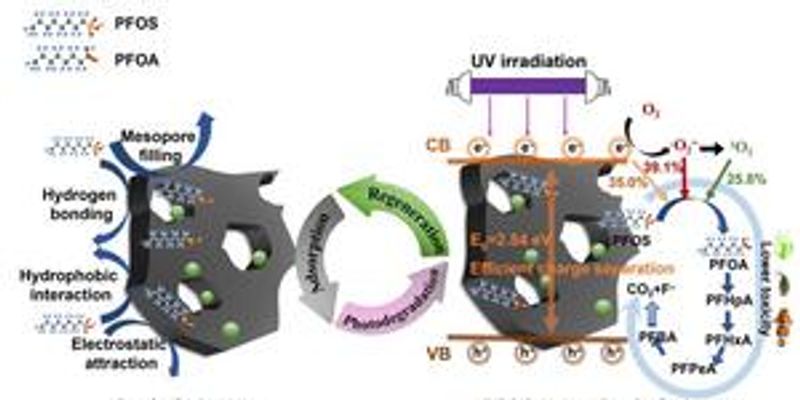
Researchers at Jinan University and San Diego State University developed a photoregenerable gallium-oxide-functionalised biochar that both captures and degrades PFOS, one of the most persistent forever chemicals.

Chief Minister Sukhvinder Singh Sukhu announced that biochar plants under construction in Hamirpur, Himachal Pradesh, will contribute to earning carbon credits and creating employment. This development is significant for the biochar sector as it highlights the potential of biochar to support sustainable economic growth and carbon management.
A biochar-enhanced three-dimensional conductive network improves the kinetics of thick electrodes, addressing a bottleneck in the efficiency of lithium extraction.
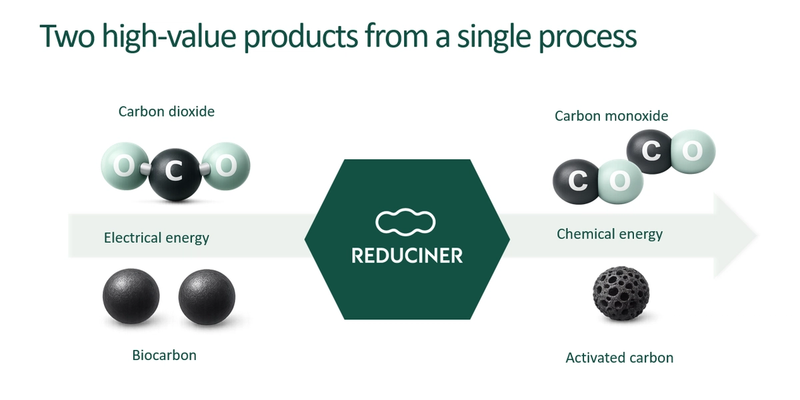
Researchers have developed an electrified process to convert CO2 and biochar into carbon monoxide and activated carbon. This advancement could enhance the production of activated carbon, a material crucial for water treatment, metals recovery, and air purification.
Researchers tested M30 grade concrete mixes replacing partial cement with biochar and anatase-phase TiO₂ nanoparticles, finding that a 1% BC + 0.5% TiO₂ mix achieved 41.19 MPa compressive strength at 7 days but exhibited strength regression by 28 days due to thermal eigenstress and micro-cracking at biochar–paste interfaces. The findings highlight a durability limitation for biochar-based concrete composites, indicating that nano-TiO₂ accelerates early hydration at the cost of long-term mechanical performance.

Researchers at the Universidade Federal de Viçosa tested biochar made from pequi seeds, a Brazilian Cerrado residue, as a support for palladium nanoparticles in catalytic hydrogen evolution.
Researchers developed a biochar-based catalyst to convert microalgae into cleaner fuels, as reported on June 30, 2026. This advances biochar's role beyond soil amendment into catalytic applications, expanding its relevance within the advanced carbon materials sector.
Researchers have used biochar-supported nanoscale zero-valent iron to break down tetracycline hydrochloride under anoxic conditions, drawing on the reductive capacity of the biochar support itself.
Elementar has developed a new method for producing biochar using pyrolysis of agricultural residues. This advancement could enhance soil health and carbon sequestration, making biochar a more viable option for sustainable agriculture.
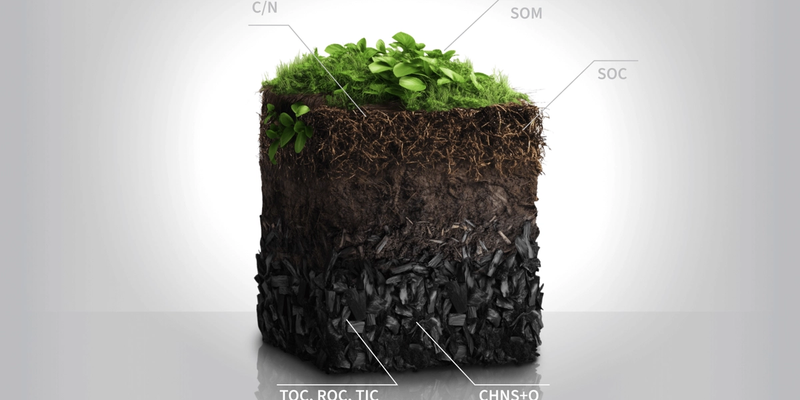
AMSA, ELSAN, and the Universitat Politècnica de Catalunya developed an asphalt mixture incorporating biochar derived from olive pits and pine residues via pyrolysis, with lab tests showing up to 75% emissions reduction in the treated pavement layer. The development expands biochar applications into road construction, positioning agricultural and forestry waste as a carbon-sequestering input for infrastructure materials.
Researchers at Shihezi University used phosphoric acid-activated walnut shell biochar to catalytically pyrolyze waste agricultural plastic mulch film at three temperatures (300, 350, 400 °C), finding that 350 °C maximized olefin selectivity at 69% while 400 °C reduced tar deposition and produced carbon deposits with lower activation energy for easier regeneration. The findings give biochar catalyst developers a temperature-based framework for balancing product selectivity against catalyst deactivation and regenerability in agricultural plastic pyrolysis systems.
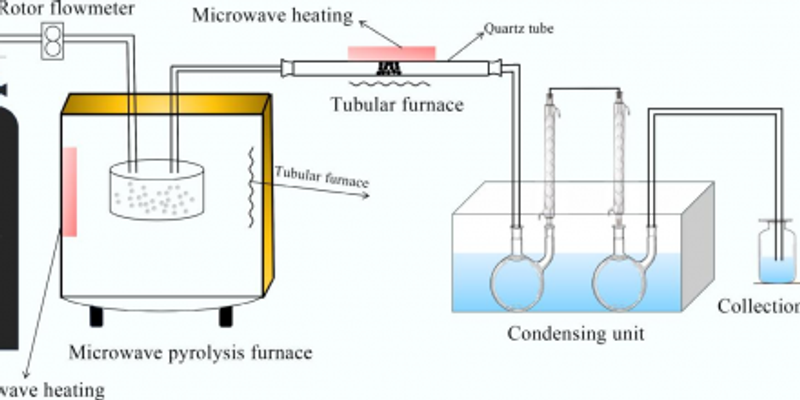
Chohee Yang and colleagues published a study in npj Clean Water showing that copper-incorporated biochar synthesized under a CO₂ atmosphere removes 90.8% of bisphenol A via adsorption and achieves over 99% total degradation with peroxydisulfate, while the production process yields syngas comprising 94% of total gas output. The findings are relevant to the biochar sector as they demonstrate a pathway to engineer biochar with both high-performance catalytic water treatment capability and improved thermochemical energy recovery in a single production process.
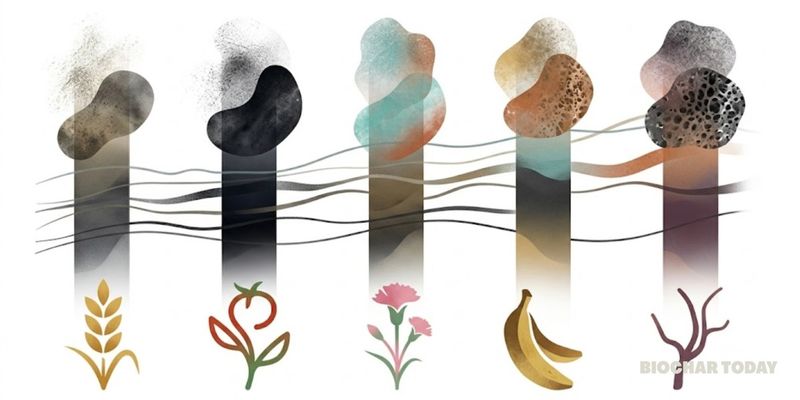
Yilmaz et al. tested pyrolysis conditions across 45 experiments using five agricultural waste streams—wheat straw, tomato waste, carnation stalks, banana residues, and vineyard prunings—finding that higher temperatures reduce yield but increase stable fixed carbon content, with feedstock type and peak temperature being the dominant variables. For the biochar sector, the results provide feedstock-specific processing parameters that directly inform production decisions where carbon stability and mineral retention are quality targets.
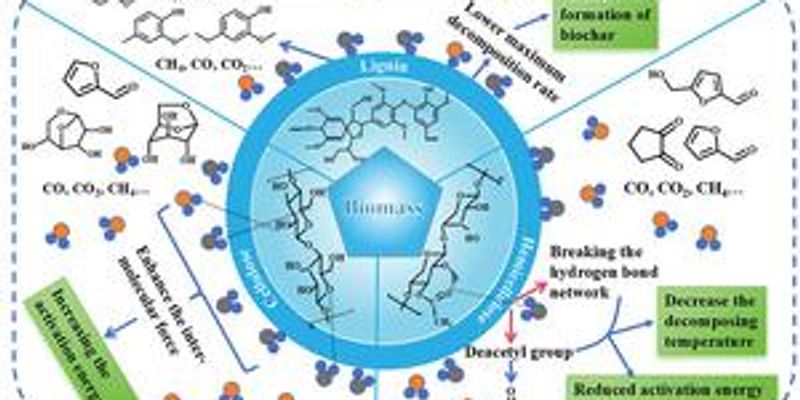
A study published in *Biochar* found that free and bound water in plant biomass reduce pyrolysis reaction intensity and increase biochar yield, with bound water lowering activation energy for hemicellulose decomposition while raising it for cellulose, and a 30% moisture content identified as a practical operating point. The findings give biochar producers a molecular-level basis for managing feedstock moisture to improve yield and char stability rather than treating water solely as a processing inefficiency.
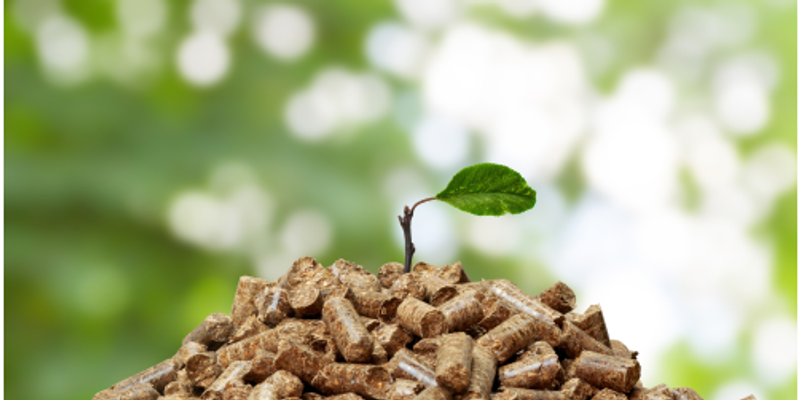
Researchers at RMIT University published a study in the Journal of Cleaner Production showing that spent coffee grounds processed via pyrolysis into biochar can increase concrete strength by up to 30%. The finding is relevant to the biochar sector as it demonstrates a scalable pathway for converting organic waste into a functional carbon-based construction material, potentially reducing landfill volumes and demand for natural sand.
Researchers from the University of Exeter and Lund University published a Sustainability Hierarchy Framework that ranks environmental interventions by priority, placing reduction of extraction and consumption above downstream measures like recycling and offsets. The framework has no direct implication for the advanced carbon materials sector, but its push to redirect funding away from downstream cleanup toward upstream production limits is notable for industries reliant on fossil fuel-derived feedstocks such as carbon fiber precursors and synthetic graphite.
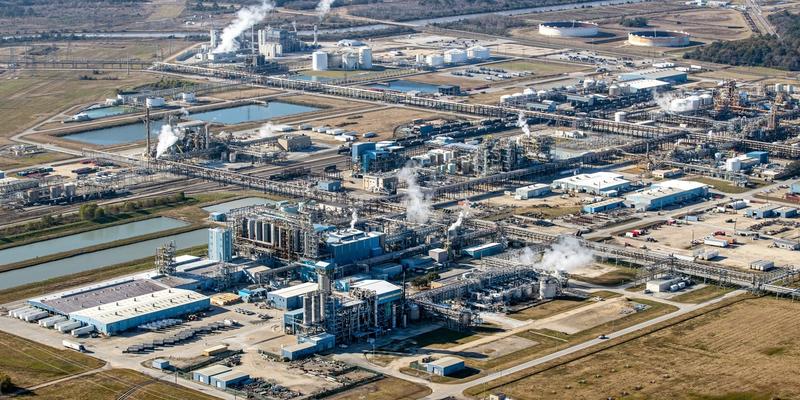
A review published in *Biochar* by Rasool et al. compared conventional and microwave-assisted pyrolysis, finding that microwave-derived biochars exhibit higher surface area, stronger mesoporosity, and greater retention of functional groups. For the biochar sector, the findings indicate microwave-assisted pyrolysis can produce more effective adsorbents for heavy metals and organic pollutants, though reactor scale-up and energy balance challenges must be resolved before industrial adoption.
Holcim conducted biochar concrete pilot projects across Europe in 2025, including test pours with Canary Wharf Group using biochar from forestry residues and coffee grounds, producing their first net-zero concrete mix. The trials signal a shift for the biochar sector from experimental additive to commercial-scale construction material, with Holcim describing it as a high-performance emissions-reduction input rather than a niche product.

A review published in the journal *Biochar* compared conventional and microwave-assisted pyrolysis as production routes for biochar, finding that microwave-derived biochars typically exhibit higher surface area, stronger mesoporosity, and greater retention of functional groups relevant to pollutant capture. For the advanced carbon materials sector, the findings highlight biochar's expanding role beyond remediation into electrode materials and catalysis, while noting that reactor scale-up and energy balance challenges must be resolved before microwave-assisted pyrolysis reaches industrial viability.
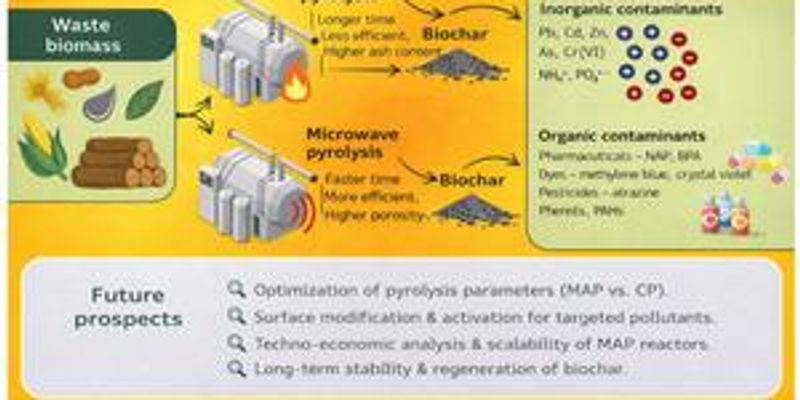
A study published in *Biochar* (2026) found that both free and bound water in lignocellulosic biomass slow pyrolysis reaction intensity and increase biochar yield, with ~30% moisture content identified as a practical optimum balancing yield and energy demand. For the biochar sector, the findings provide a molecular-level basis for using feedstock moisture as a controllable process variable to tailor biochar yield and properties without pre-drying.
The EU-funded HOOP project helped eight European cities and regions mobilise EUR 124 million to convert urban biowaste into circular bioeconomy outputs including biochar, biogas, bioplastics, and agricultural nutrients. Biochar production via pyrolysis emerged as a replicable pathway across multiple territories, with Kuopio (Finland) establishing an operational pilot plant and Münster (Germany) confirming technical feasibility, signaling growing municipal-scale demand for pyrolysis infrastructure relevant to the biochar sector.
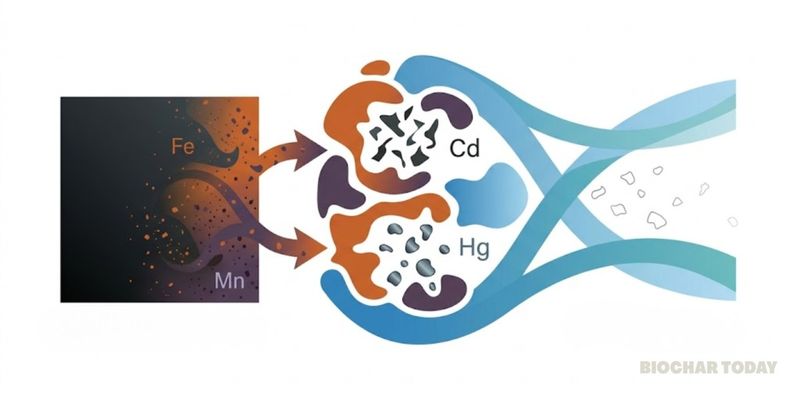
Tong Sun and colleagues published a study in *Biochar* (2026) showing that iron-manganese oxide modified biochar combined with either continuous flooding or aerobic irrigation reduces grain cadmium to 0.05 mg/kg and total mercury to 0.02 mg/kg in co-contaminated rice paddies. The findings demonstrate a functional agricultural application for engineered biochar, where surface chemistry modifications directly determine remediation performance across competing heavy-metal pathways in soil.
Researchers at Harbin Institute of Technology (Shenzhen) embedded sorghum straw biochar into a polyzwitterionic hydrogel and achieved a solar evaporation rate of 3.57 kg m⁻² h⁻¹ under one-sun irradiation, roughly 1.87 times higher than the biochar-free hydrogel. The study demonstrates that low-cost biomass-derived biochar can simultaneously enhance photothermal conversion, heat localization, and water molecule activation in hydrogel evaporators, offering a viable pathway for biochar use in solar-driven desalination materials.

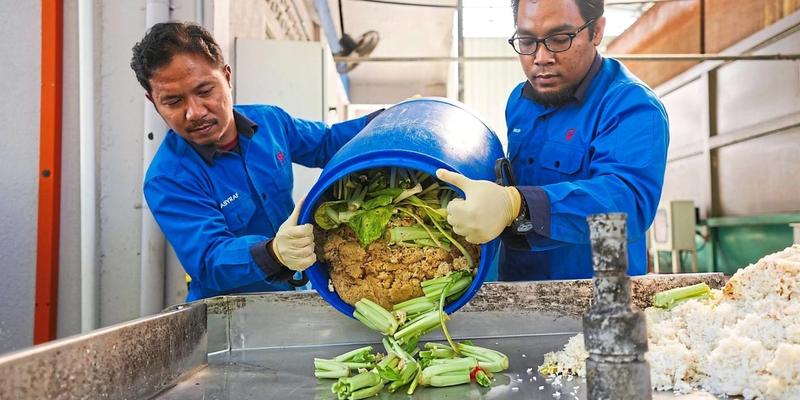
TNB Research has operated an anaerobic digestion and torrefaction pilot facility in Kajang since 2018, processing up to 350kg of food waste daily to produce biogas with 60–65% methane content and 10–30kg of biochar per torrefaction cycle. The biochar output is being evaluated for carbon material applications, soil improvement, and solid fuel enhancement, with data from the pilot intended to inform future scale-up decisions.
BRIN's Molecular Chemistry Research Center used slow pyrolysis to convert empty oil palm fruit bunch waste into bio-oil, liquid smoke, and biochar, with processing times of two to four hours. The process yields biochar as a value-added carbon material and bio-oil containing phenolic compounds usable as industrial boiler fuel or potential fuel additives.
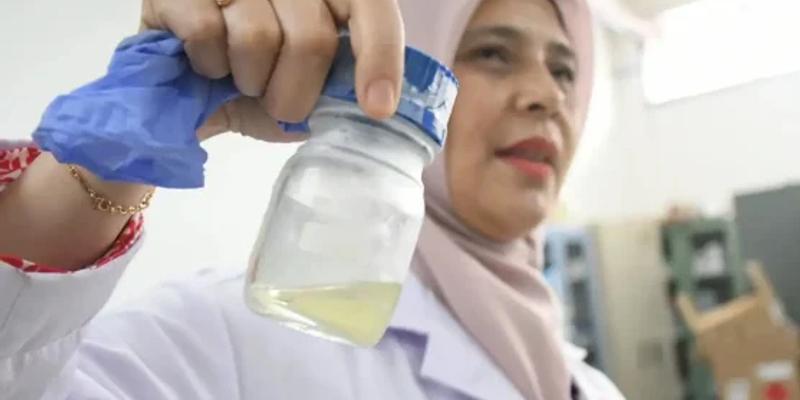
Alastair Collier, chief R&D officer of A Healthier Earth, argues in this op-ed that the carbon removal sector's primary obstacle is no longer technological but structural, citing fragmented credit markets, misaligned procurement timelines, and the absence of durable policy frameworks as the core barriers to scale. For the biochar and broader CDR industry, the piece highlights that integrating high-integrity removals into mechanisms like the UK and EU ETS could provide the long-term demand signals and price certainty needed to move projects from pilots to industrial-scale infrastructure.
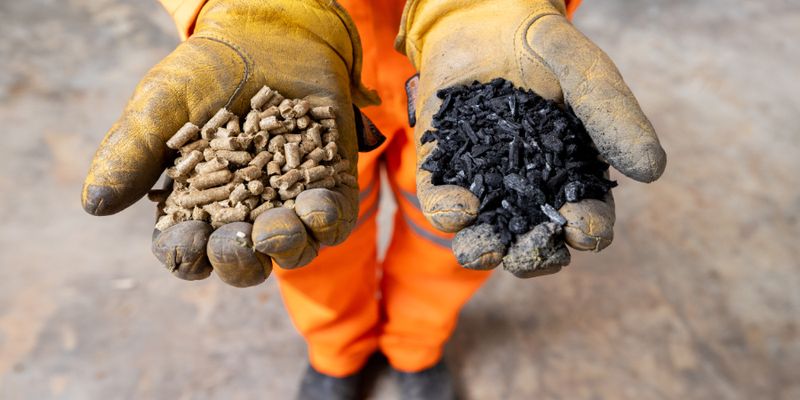
The Advanced Carbons Council highlights graphene and related carbon materials being adopted in construction applications including concrete additives (Concretene, First Graphene), graphene-reinforced 3D-printed components (Versarien), asphalt modification, and corrosion-resistant coatings (Petronas). For the advanced carbon materials sector, construction has emerged as a leading commercial deployment area, with multiple suppliers demonstrating validated, scalable products that improve strength, durability, and emissions performance without requiring major process changes.