Sitos Treehouse Plant Releases Almond Shell Biochar From $10 Million Facility
Sitos Treehouse Plant has released its first batch of almond shell biochar, produced using slow pyrolysis.
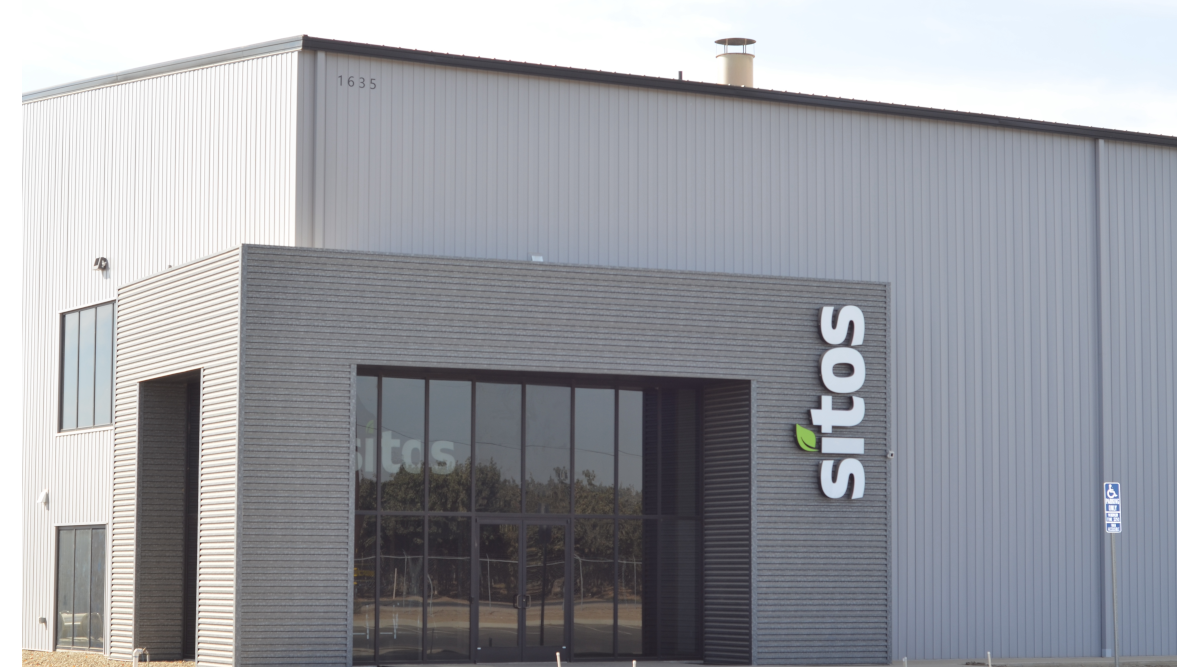
Treehouse California Almonds and Sitos Group have announced the production of the first batch of biochar at their new commercial facility in Delano, California. This facility, developed by Sitos Group, transforms almond by-products into biochar, a carbon-rich material that enhances soil health and sequesters carbon. The biochar will be distributed to growers across California to improve soil quality and support carbon sequestration efforts.
Biochar is created through slow pyrolysis, a process that converts agricultural biomass into a stable, carbon-rich solid. This method retains carbon within the biochar, preventing its release into the atmosphere. The biochar from the Sitos Treehouse plant, when mixed with compost, is expected to enhance soil health, reduce chemical fertilizer use, improve crop yields, and increase soil moisture retention, aiding drought resistance.
The 25,000 square-foot facility, operational since October 2024, is the first of its kind on the West Coast. It features three slow-pyrolysis units and a fully integrated drying system with emissions control. Sitos Group aims to further utilize the energy generated during pyrolysis for clean energy production, enhancing resource efficiency.
Jessica Bronner, Director of Business Operations at Sitos Group, highlighted biochar's potential to sequester carbon long-term and its role in regenerative agriculture. Mark Masten, President of Treehouse California Almonds, emphasized the technology's potential to improve the carbon footprint of almond hullers and its alignment with California's greenhouse gas reduction goals.
Biochar offers significant environmental benefits, including improved soil quality, reduced need for chemical fertilizers, and enhanced crop yields. It also aids in soil remediation, reduces nutrient runoff, and provides a sustainable solution for organic waste management. By repurposing agricultural by-products, biochar contributes to both sustainable agriculture and climate change mitigation.
Source: Biochar Feed