Carbon fiber is a strategic capability America can't afford to lose
Hexcel emphasizes the strategic need for a robust U.S. carbon fiber supply chain to support aerospace and defense, amidst rising global production and geopolitical uncertainties.
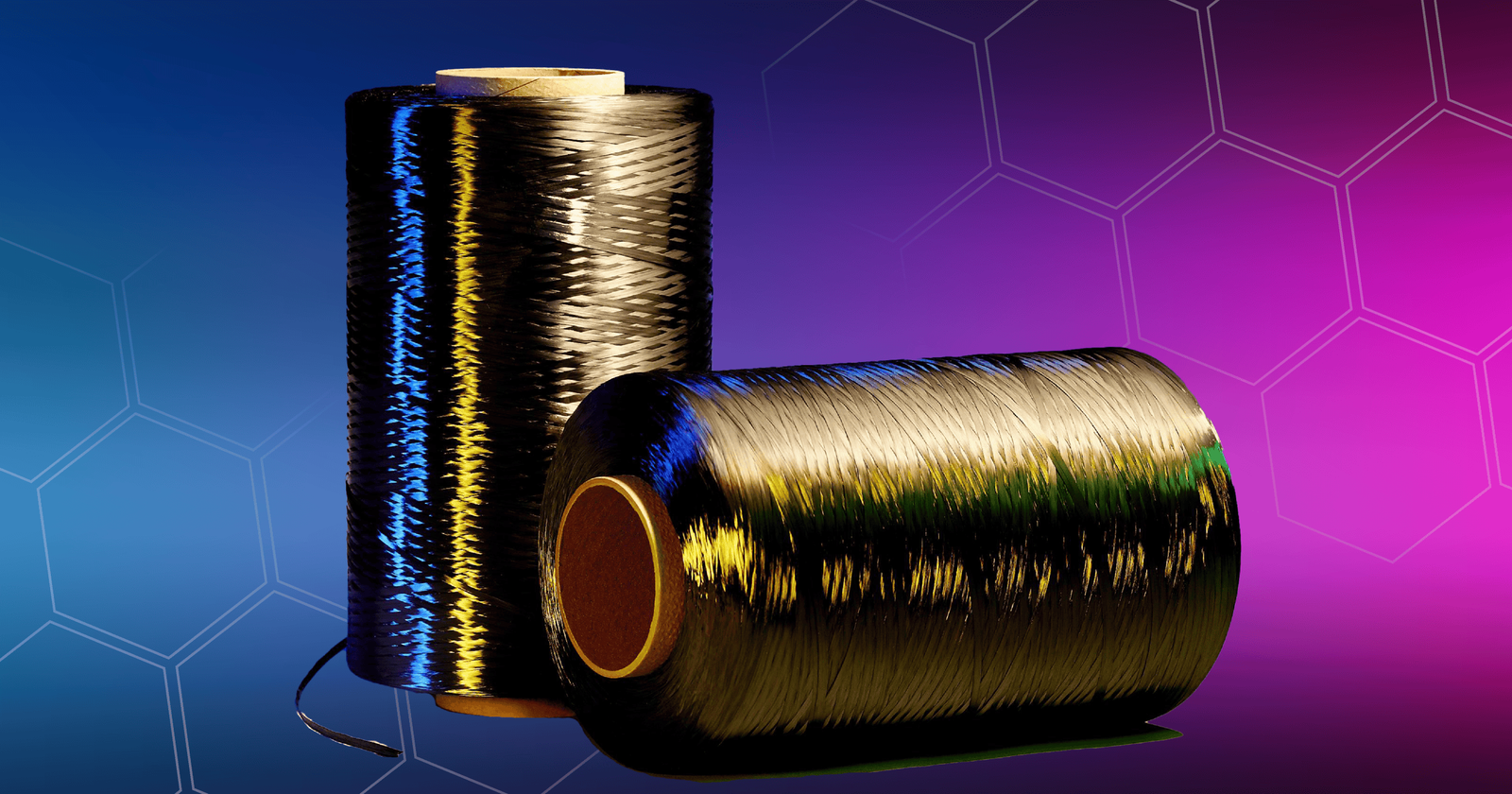
Carbon fiber, long celebrated for its performance in aerospace, is now recognized for its strategic importance. Historically, it has enabled the development of lighter and more efficient aircraft and space systems, revolutionizing aerospace much like aluminum did in the past. However, the focus is shifting from just material properties to broader issues of industrial resilience, supply security, and strategic capability.
The global carbon fiber industry is undergoing significant transformation. International producers are rapidly expanding their manufacturing capacities and enhancing technical capabilities, emphasizing the need for a robust and technologically advanced U.S. supply base. This shift has implications beyond the carbon fiber industry, as the material is central to future aerospace technologies.
Aircraft manufacturers are setting ambitious efficiency goals, engineers are exploring new airframe designs, and the Pentagon is investing in next-generation aircraft, autonomous systems, missiles, and space platforms. In these applications, advanced composites like carbon fiber reduce weight and enhance performance, enabling designs that are challenging to achieve with traditional metallic materials. Analysts predict that composites will play an increasingly vital role in future aerospace platforms.
The performance of carbon fiber is well-established, but the critical question now is whether the United States can maintain the industrial base necessary for its production. Recent global events have highlighted the risks of supply-chain dependencies. The COVID-19 pandemic disrupted manufacturing networks, while geopolitical tensions, such as Russia's invasion of Ukraine and conflicts in the Middle East, have led to reassessments of previously manageable dependencies.
These risks are particularly pronounced in aerospace and defense, where advanced materials cannot be easily substituted. Carbon fiber used in commercial aircraft, military platforms, and space systems requires years of qualification before being integrated into critical applications. Once qualified, switching suppliers is neither quick nor straightforward, making supply continuity as crucial as technical performance.
Carbon fiber is now seen as more than just a materials issue. Federal reviews across multiple administrations have raised concerns about access to critical materials and reliance on foreign sources for technologies essential to aerospace, defense, and advanced manufacturing. The rationale remains consistent: when critical materials are concentrated in vulnerable supply chains, resilience becomes a strategic priority.
In the marketplace, supply assurance is increasingly part of the value equation for aerospace and defense customers. While material strength, stiffness, quality, and consistency remain important, so does the confidence that a supplier can support a program for decades, trace raw material origins, protect critical technologies, and sustain production through geopolitical uncertainties and trade restrictions.
The question has evolved from "Can you make the material?" to "Can you reliably supply it over the life of my program?" This shift highlights the distinction between domestic manufacturing capacity and domestic supply security. A U.S.-based production line may still rely on foreign-controlled technologies, imported feedstocks, or vulnerable upstream suppliers. True resilience encompasses the entire ecosystem, from raw material production to intellectual property and workforce expertise.
The expansion of overseas carbon fiber production has implications beyond commercial competition. Concentrating critical industrial capabilities outside the U.S. can create vulnerabilities that are harder to reverse than to prevent. Experts argue that carbon fiber should be considered essential to national competitiveness and security, alongside rare earth elements and semiconductor chips.
Government assessments emphasize the need for reliable access to aerospace-grade material as demand grows for advanced platforms. Supply-chain integrity initiatives are focusing on traceability and origin, recognizing that the source of critical materials can be as important as their performance.
Maintaining this capability requires coordinated action from government, industry, and customers. Long-term procurement commitments and clear demand signals can support investment in domestic capacity. Attention to precursor materials, manufacturing technology, workforce development, and research can address vulnerabilities from raw materials to finished composites. The goal is a competitive U.S. industrial base capable of delivering qualified carbon fiber at scale for the programs that rely on it.
As governments replenish inventories and field next-generation platforms at higher production rates, the demand for qualified carbon fiber and composites will increase. For missions where weight, strength, durability, and efficiency are crucial, these materials will remain indispensable.
Strengthening the domestic carbon fiber industry supports broader national interests, enhancing aerospace leadership, defense readiness, and technological competitiveness. Preserving this advantage could be as significant as any material breakthrough.
Source: Carbon Fiber Feed