News12 October 2026· Carbon Fiber Feed
Self-healing, recyclable carbon fiber composites advance aerospace materials
Carbon FiberAerospaceCompositesEMI ShieldingResearch & InnovationSustainabilitySupply Chain
231 articles on Supply Chain.
Researchers at the Indian Institute of Science developed a recyclable carbon fiber composite with a 53% increase in flexural strength and 96% strength retention after recycling.
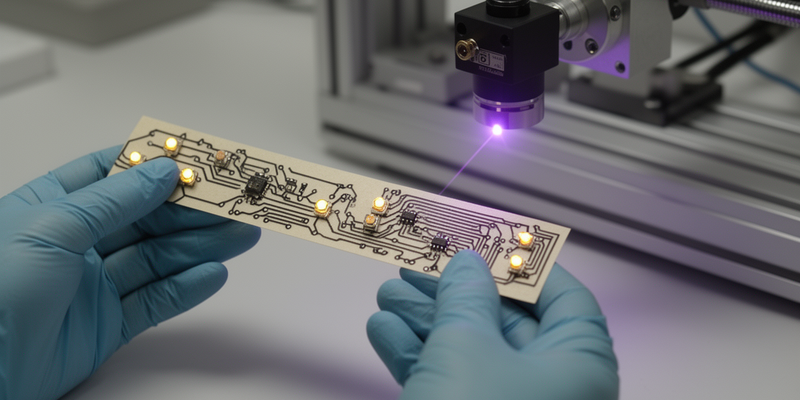
Researchers at the National University of Singapore have developed a method to create laser-induced graphene circuits on kraft paper using a 355-nanometer ultraviolet laser, enabling flexible, biodegradable electronics.
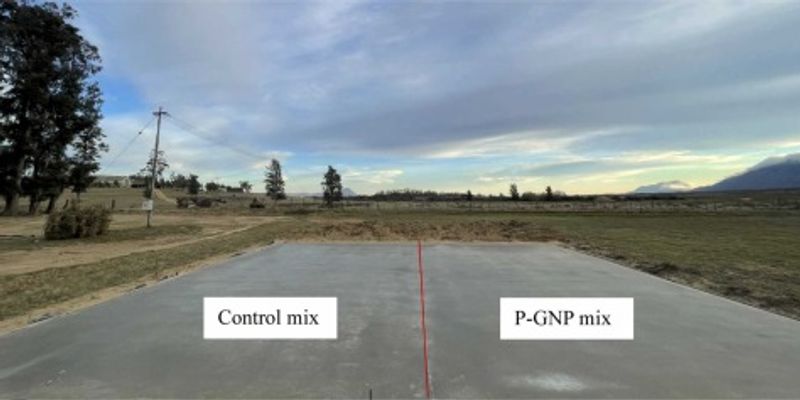
Researchers are conducting a real-world trial of pristine graphene nanoplatelet modified ready materials to assess their performance on a large scale.
Renascor Resources produced graphite with 99.97% carbon purity at its Adelaide plant, surpassing typical battery-grade standards and validating a purification process that avoids hydrofluoric acid.

Researchers at the University of Illinois Urbana-Champaign used coal-derived carbon nanodots to integrate high-quality dielectric layers on 2D semiconductors, achieving a leakage current density below 0.1 mA/cm².
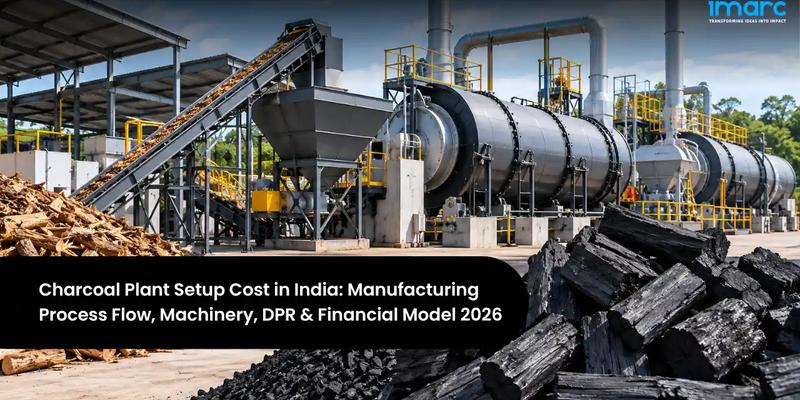
A new biochar manufacturing plant is being established in India, utilizing abundant local resources like coconut shells and agricultural residues.
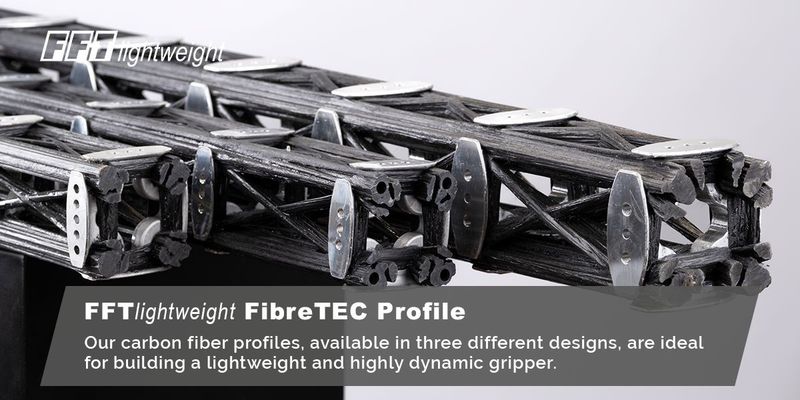
FFT Produktionssysteme's FibreTEC system reduces gripper weight by 41% compared to aluminum, enabling higher load capacity without larger robots.
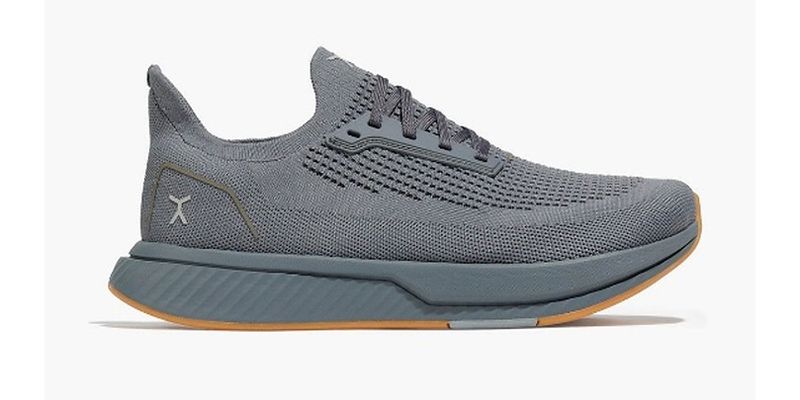
First Graphene secured its first production order with Flux Footwear to supply PureGRAPH® for their athletic shoes, enhancing durability and strength in the Graphene XT performance line.
POSCO Future M has signed a $4.5 billion long-term supply deal with Samsung SDI for lithium iron phosphate cathode materials, doubling their previous agreement's volume.
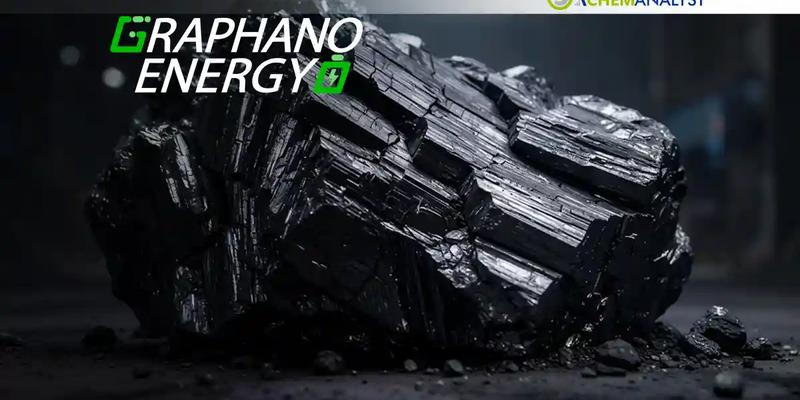
Graphano Energy Ltd. has completed prospecting at its Black Jack graphite site in Québec and plans to expand exploration westward. The company seeks $900,000 through a private placement.
Polish researchers developed a recycled plastic composite with carbon nanoplatelets that conducts heat over four times better than the original material. This innovation enhances potential applications in electronics.
The Boeing 777-9 aircraft incorporates 53% carbon-fiber reinforced polymer in its construction, contributing to the 70% total of advanced materials used.

India's domestic battery industry faces challenges due to a lack of local synthetic graphite and anode material production.
NorSAF and Nova Pangaea Technologies are collaborating to create a supply chain converting waste biomass into sustainable aviation fuel, with biochar as a carbon-negative byproduct.

Researchers at Khalifa University reviewed how graphene enhances high-density polyethylene (HDPE). They examined compounding techniques and found that graphene improves HDPE's thermal, electrical, and barrier properties when well-dispersed.
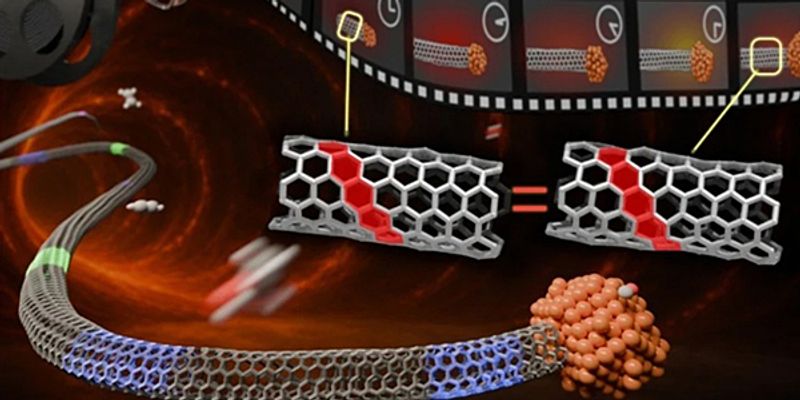
Researchers found that the chirality of carbon nanotubes is established early in their formation and remains unchanged throughout growth.
First Graphene and Aeropreg have signed a three-year agreement to develop and commercialise graphene-enhanced carbon fibre prepreg for aerospace and automotive markets.

Verde Resources is commercializing its engineered biochar technology via partnerships, including one with Ergon Asphalt & Emulsions.
Duo Packaging and the University of Manchester's GEIC have developed a graphene-enhanced polyethylene film, 2DPE, increasing recycled content to 60% and reducing film thickness to 28 microns.
HydroGraph demonstrates that pure graphene is now ready for large-scale industrial applications.
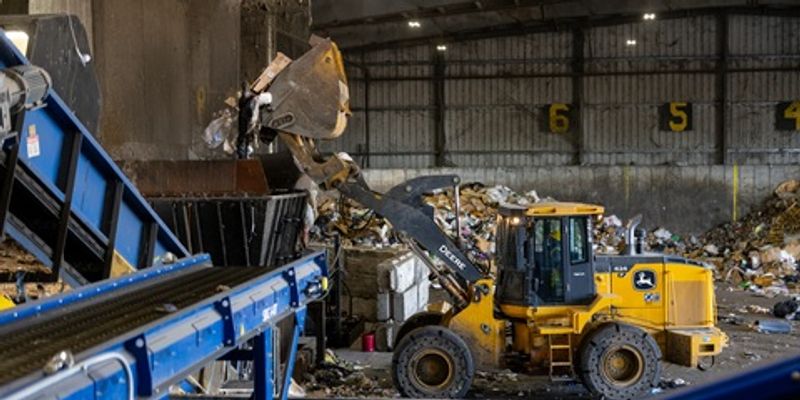
AMP has secured $70 million in financing led by Galvanize to expand its AI-powered waste processing in Portsmouth, Virginia. The facility will process over 500,000 tons of waste annually.
Cotierra raised $3 million to expand its decentralized biochar systems for tropical agriculture. The funding, led by Carbon Removal Partners and PINC, will support commercial scaling.
Vianode has enlisted JPMorgan to explore partnerships or a potential takeover to secure funding for its synthetic graphite operations in Ontario.

Graphite tolling fees rose 2.3% from June to August, increasing costs for synthetic graphite anode producers.
A South Korean carbon fiber recycling start-up, Catack-H, has signed a memorandum of understanding with Lineat to develop sustainable carbon fiber composites.

Graphite One is advancing its strategy to supply natural and artificial graphite anode materials for lithium-ion batteries in electric vehicles and energy storage systems.

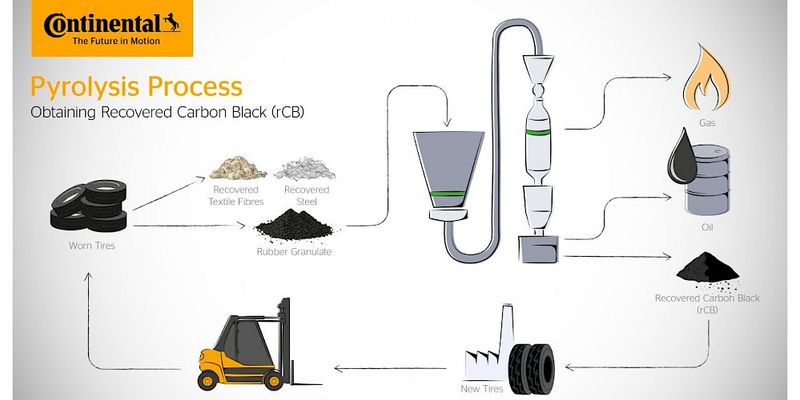
Continental is incorporating recovered carbon black from end-of-life tire pyrolysis into its tire production.
Albany Engineered Composites secured a $21.2 million contract to develop carbon-carbon composite thermal protection systems for hypersonic vehicles and solid rocket motors over 30 months.

Researchers evaluated biochar as a sustainable substitute for coal and coke in steelmaking, focusing on its metallurgical, technical, and environmental impacts from input to steel production.
Suzlon and Exel Composites have partnered for a multi-year agreement to manufacture carbon fibre composites for wind power applications.
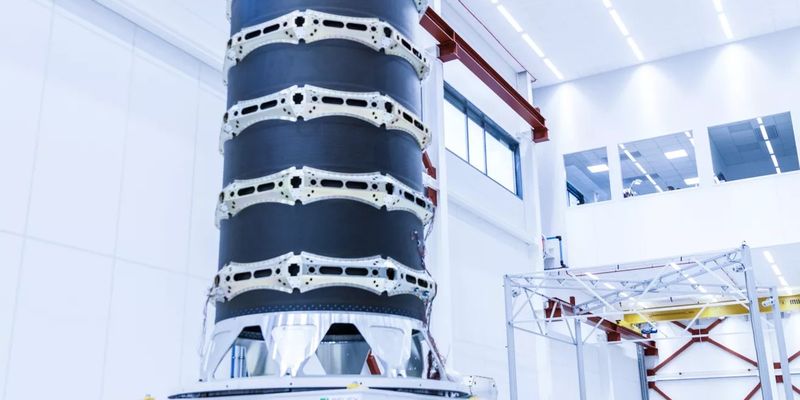
A new high-precision milling machine at Beyond Gravity's expanded Linköping facility will enable the production of 192 carbon fiber satellite dispenser modules annually.
Researchers in Texas discovered their plasma reactor, initially aimed at hydrogen production, also creates graphene oxide from methane. This unexpected find offers a potentially cheaper production method.
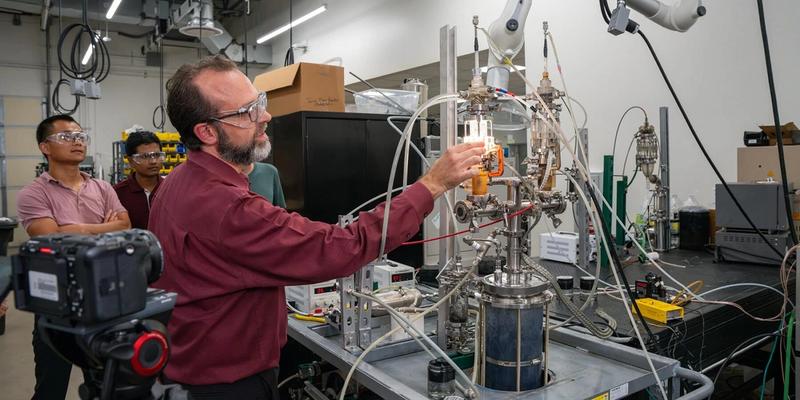
Washington University in St. Louis researchers developed a lignin-based carbon fiber that meets automotive standards, reducing production costs by 25% and using half the petroleum-derived precursor.
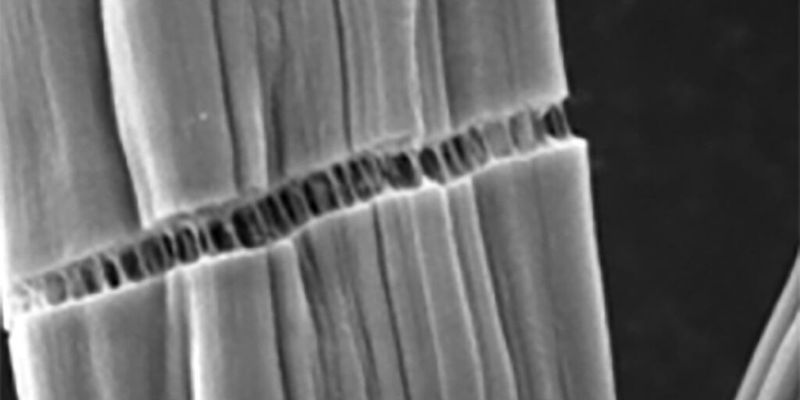
Hexcel launched HRH-10, a honeycomb core material qualified by NCAMP, at CAMX 2026, aiming to streamline development time and costs for aerospace manufacturers.
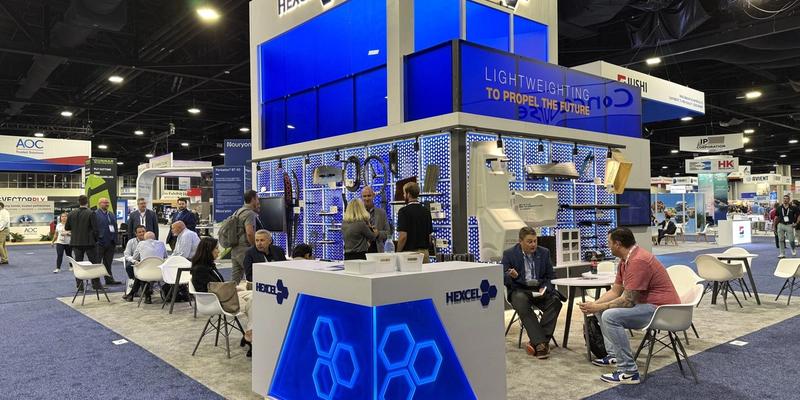
Helicon Industries is developing automated systems to enable high-volume production of carbon fiber composites.
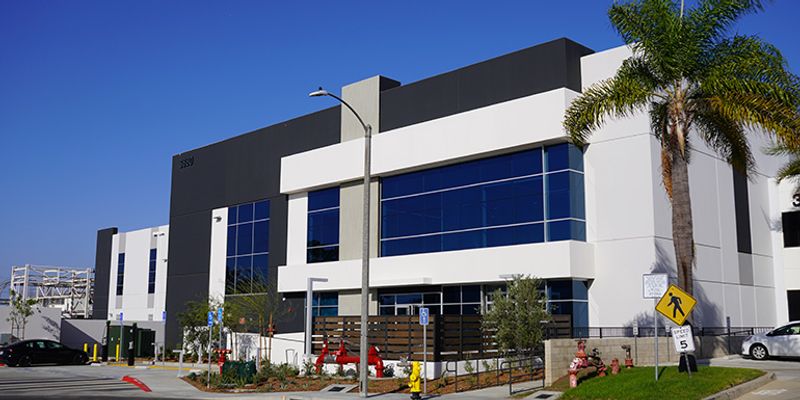
Tokai Carbon plans to launch a pilot plant for producing 'eco Carbon Black' by the end of 2027, in collaboration with Bridgestone and Japanese universities.
HydroGraph UK and CEAMS have developed graphene-enhanced nylon compounds for hydrogen tank liners, aiming to improve durability and reduce costs by addressing failure modes in Type IV tanks.
Exomad Green and Carbonfuture will supply 1.1 million tonnes of biochar carbon removal by 2035, tackling Bolivia's supply issues with certified pyrolysis and comprehensive digital tracking.
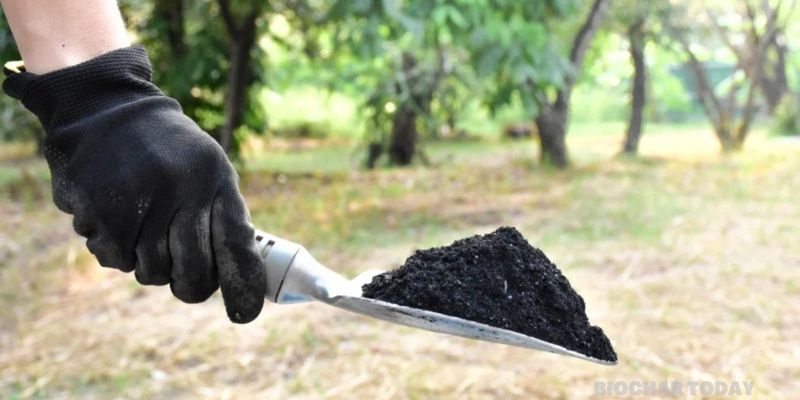
Montauk Renewables has opened a $200 million facility in Sampson County, North Carolina, turning swine waste into renewable energy and biochar.
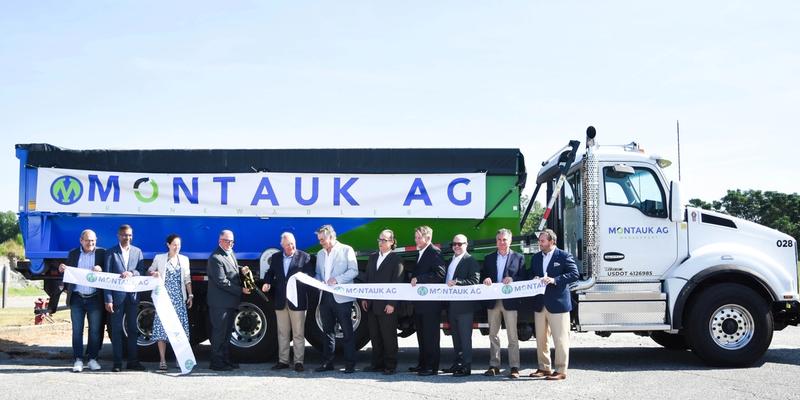
Graphene Manufacturing Group has started its second-generation graphene plant, aiming to produce 10 tonnes annually once optimised. Completion is expected by September 2026.
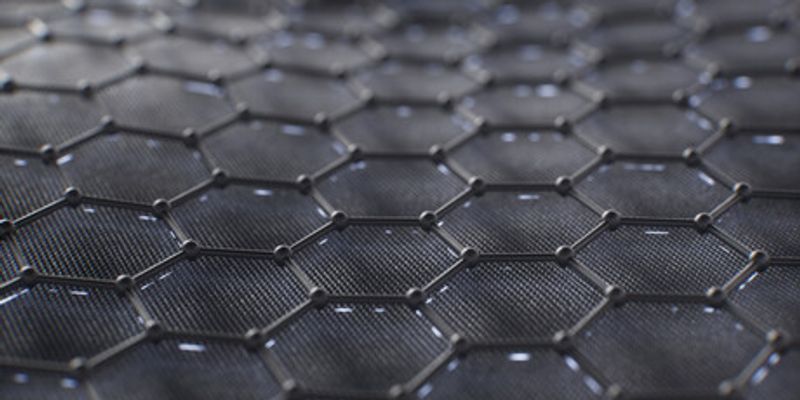
Colorfix presented commercial results for graphene-enhanced polyethylene films, including downgauging in baling, stretch, shrink and HDPE applications. The company reports resin savings and performance improvements across several packaging formats.
Researchers led by Drexel University developed a gas-phase method to produce MXene crystals, eliminating costly and wasteful steps. This approach uses titanium tetrachloride and methane as precursors.
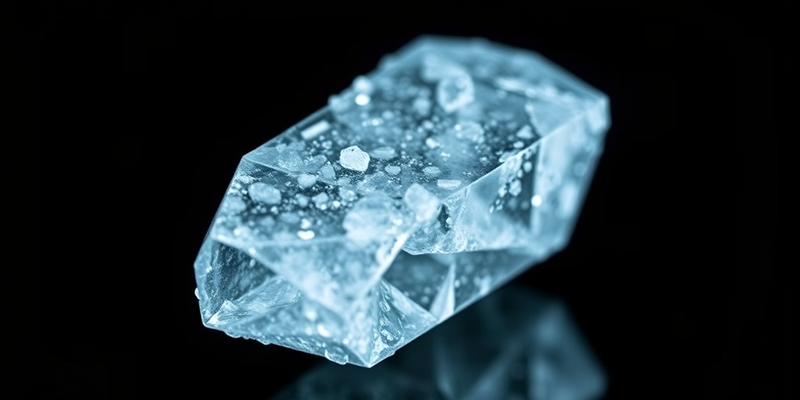
LS-L&F Battery Solution is testing precursor materials using LS MnM's metal sulfates. If successful, commercial production could start in Q4, with a 40,000-ton annual capacity.
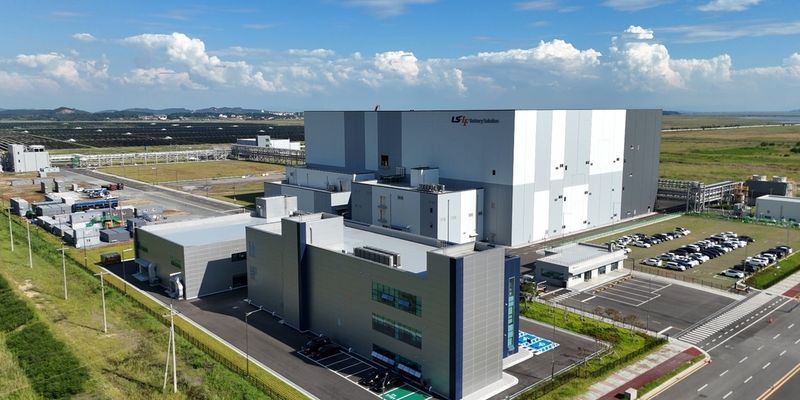
Engineers at Washington University in St. Louis developed a carbon fiber precursor using waste lignin, reducing production costs by 25% and cutting reliance on petroleum-based materials.
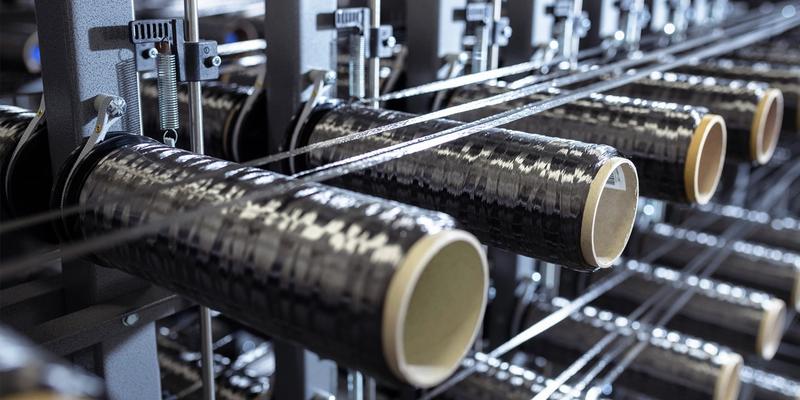
Haydale's graphene-based additive boosts thermal conductivity in glycol coolants by 28%, aligning performance with water while preserving glycol's protective properties. The company is expanding market partnerships and production capacity.
Researchers have developed a vapor-phase synthesis method to produce MXene nanomaterials, potentially reducing costs and improving scalability for electronic, environmental, and quantum technology applications.
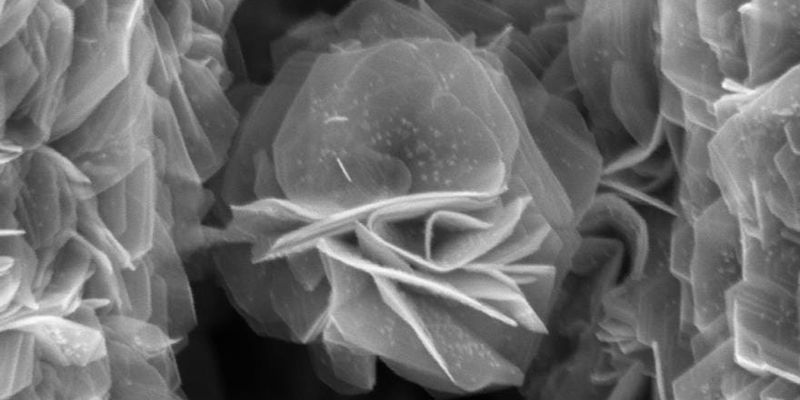
VoltaXplore is redirecting its 21700 lithium-ion cells from electric vehicles to defence drones and unmanned ground vehicles, supporting testing and qualification at its 1-MWh facility.
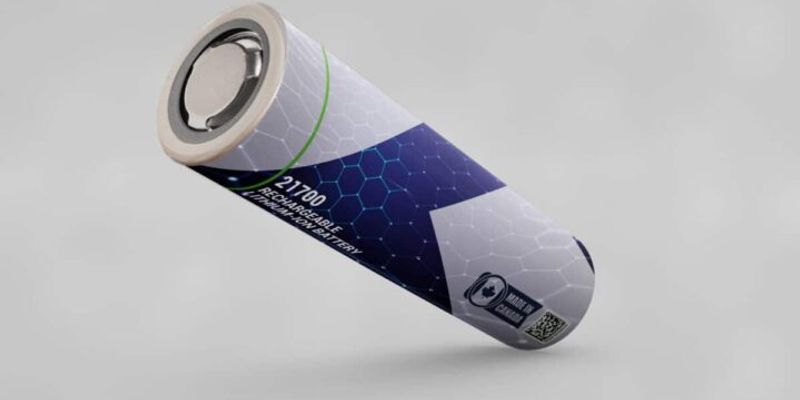
NanoXplore and VoltaXplore have been approved as qualified suppliers under Canada's Defence Drone Initiative Marketplace, covering graphene-enhanced composites and lithium-ion battery cells.

Levidian has introduced NanoFlow™ A1-30, a 30 wt.% aqueous graphene dispersion with water-like viscosity, expanding its NanoFlow™ range for easy integration into water-based applications.

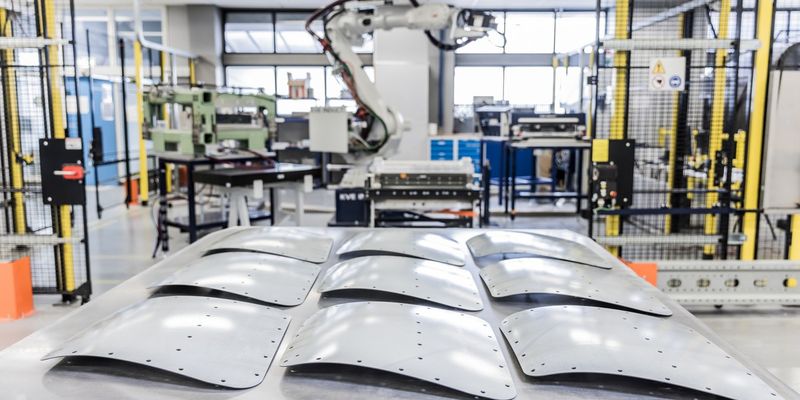
KVE has expanded its facility in The Hague by 1,800 square meters to meet growing demand for composite components in aerospace and defense, marking its 30th anniversary under Daher's ownership.
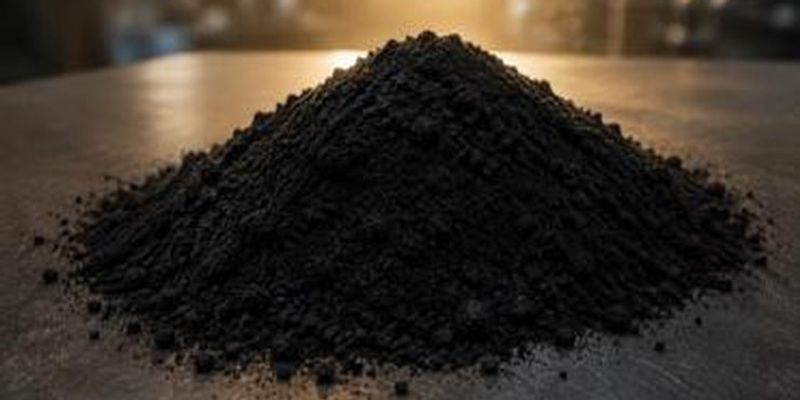
Recovered carbon black from end-of-life tyres is being considered to boost localisation in Indian tyre manufacturing.
Canatu Finland Oy concluded change negotiations, resulting in the termination of up to 14 employment contracts for financial and production-related reasons.
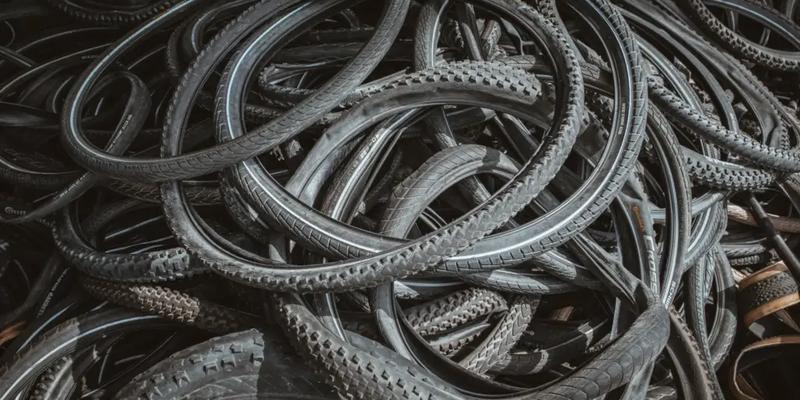
Schwalbe will expand its tyre recycling program beyond Germany in 2027, using pyrolysis to produce recycled carbon black and pyrolysis oil from the rubber.
The University of Southern Queensland received a $1.3 million grant to create sodium-ion battery electrodes that can self-repair using engineered graphene and polymer networks.

Talga Group has signed a non-binding letter of intent with EAS Batteries for a graphite anode supply from its Vittangi project in Sweden, aiming for a binding agreement by 2027.

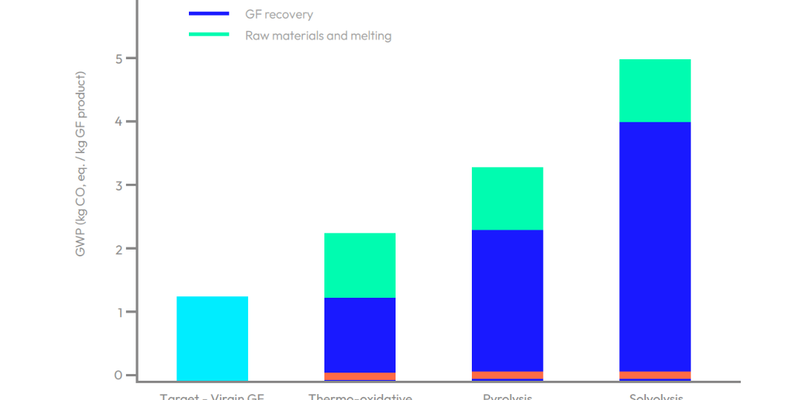
The NCC-led SusWIND program reports that recycled wind turbine blade glass fiber can achieve a carbon footprint similar to virgin fiber if recyclers improve pyrolysis efficiency and polymer recovery.
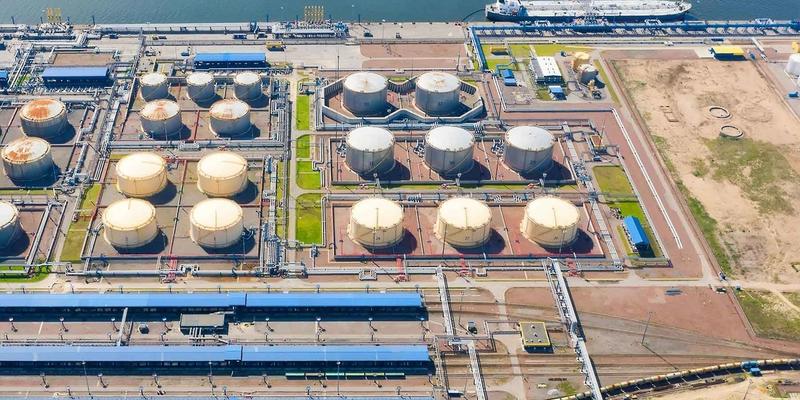
Green Carbon and ATOA Carbon plan to build biochar facilities in India, each processing 50 tons of biomass daily and generating carbon credits.
OroCarbo has reserved 12 Haffner systems for renewable hydrogen hubs planned in California, Oregon, and Washington State, utilizing residual biomass for clean energy production.
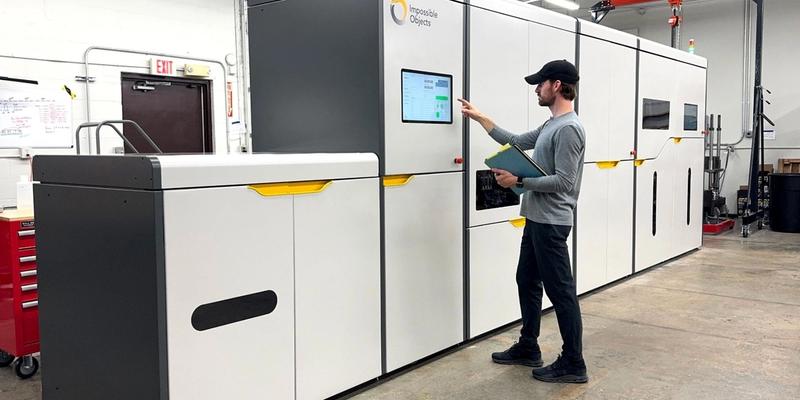
Impossible Objects secured $40 million to expand its CBAM 25 carbon-fiber 3D printing system for industrial-scale production, targeting aerospace and defense sectors with faster and stronger component manufacturing.
The company has expanded its capabilities in advanced insulation materials, including carbon fiber and composite materials, as part of its official product structure.
Stratasys has introduced the F870 FDM, a large-format 3D printer with a build area of 1000 by 610 by 610 mm, designed to enhance production for industrial manufacturers.
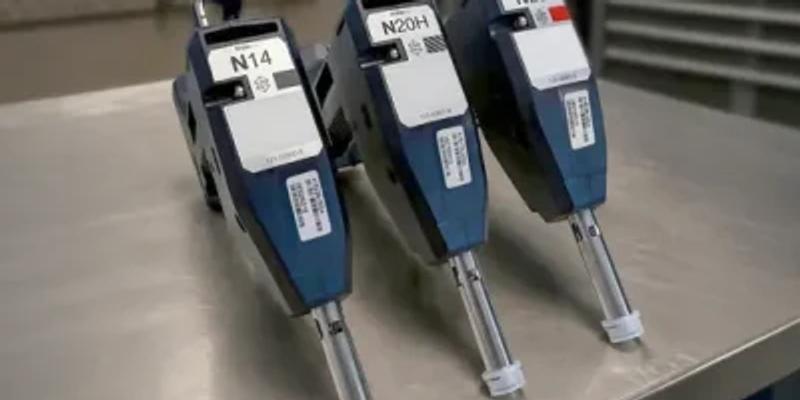
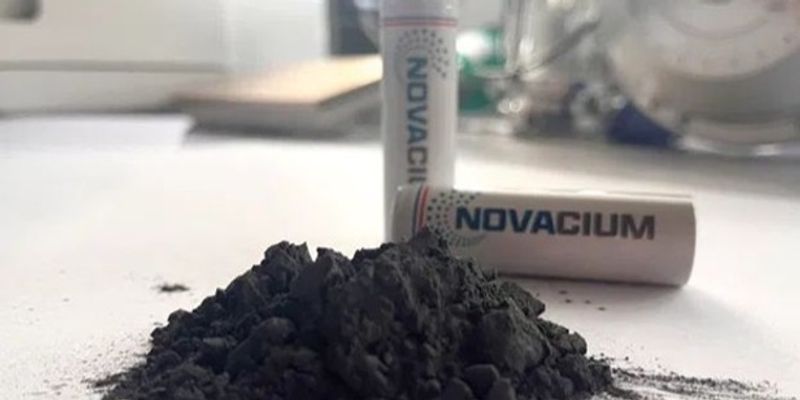
Novacium and Tokai COBEX are collaborating to evaluate a silicon and synthetic graphite anode material solution in France, aiming to enhance lithium-ion cell energy capacity.
The Graphene Engineering Innovation Centre offers roll-to-roll CVD systems for continuous graphene production, processing foils up to 15 cm wide at 5 metres per hour.

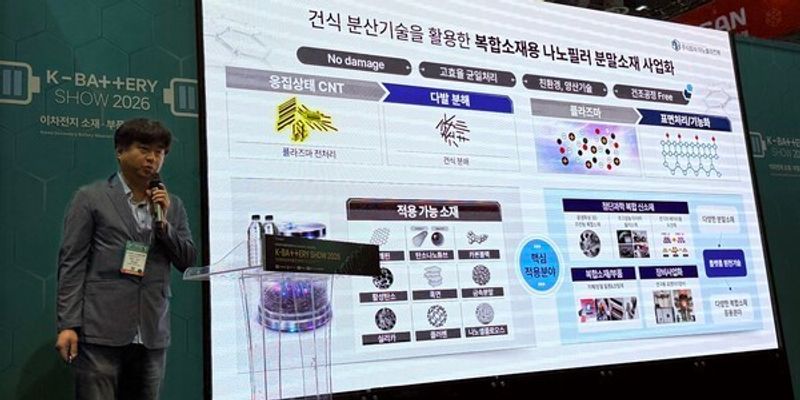
Inoplaztech plans to increase its carbon nanotube conductive additive production to 100 tons annually using proprietary plasma technology, targeting the dry electrode market for batteries.
Total Graphite plc has hired Lycopodium Minerals Africa to update the Montepuez Graphite Project's feasibility study in Mozambique. Initial results are expected by November 2026.

First Graphene received its first production order from Pacific Urethanes for PureGRAPH, enhancing fire-retardant properties in polyurethane for the Australian mining sector.
A company has launched a new sales team in the Asia Pacific region to enhance its market reach for graphene products.
Researchers at the University of Castilla-La Mancha used zinc chloride to activate biochar from olive stones, creating a catalyst that achieved 20% CO2 conversion to methane.

Char Technologies is launching its first commercial-scale pyrolysis plant in Thorold, Ontario, this month. The facility will produce biocarbon and renewable natural gas from woody biomass.
Researchers increased concrete's compressive strength by 29.3% by replacing 15% of sand with biochar from coffee grounds, charred at 350 degrees Celsius.
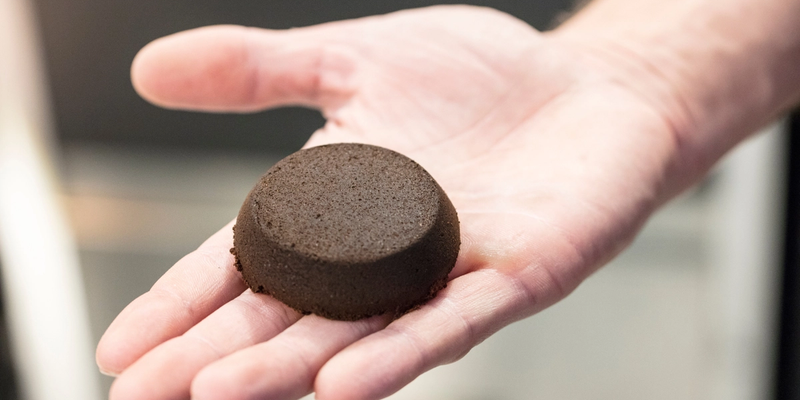
NOVONIX provided a mass-production qualification C-sample of synthetic graphite anode material to Panasonic Energy in June 2026.

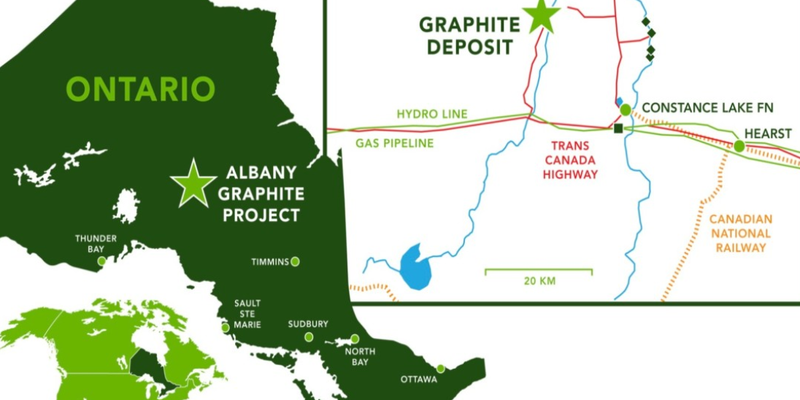
The Albany graphite deposit in Northern Ontario holds 23.1 million indicated tonnes with 4.14% graphitic carbon, suggesting over 30 years of mining potential.
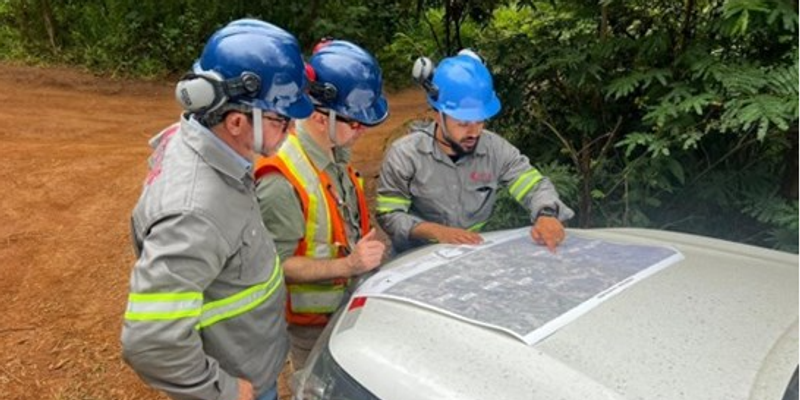
Atlas Critical Minerals Corp. reported 100% success in intersecting graphite mineralization across 20 drill holes in its Minas Gerais, Brazil project, with notable high-grade intervals confirmed by SGS Geosol.
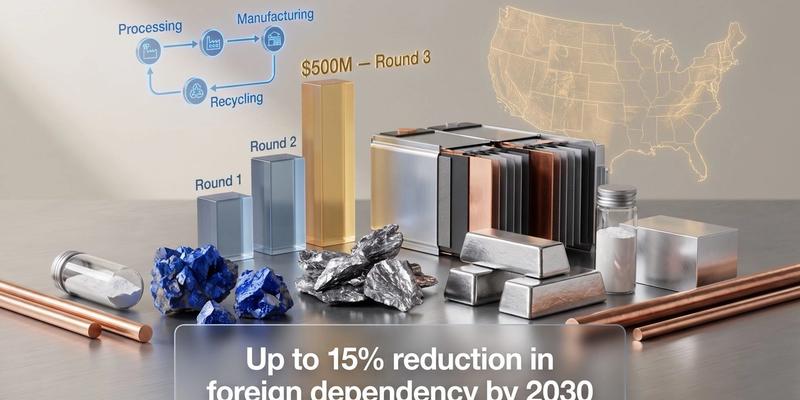
The U.S. Department of Energy has allocated $500 million to strengthen domestic processing and manufacturing of critical battery materials, aiming to reduce foreign supply chain reliance by 15% by 2030.
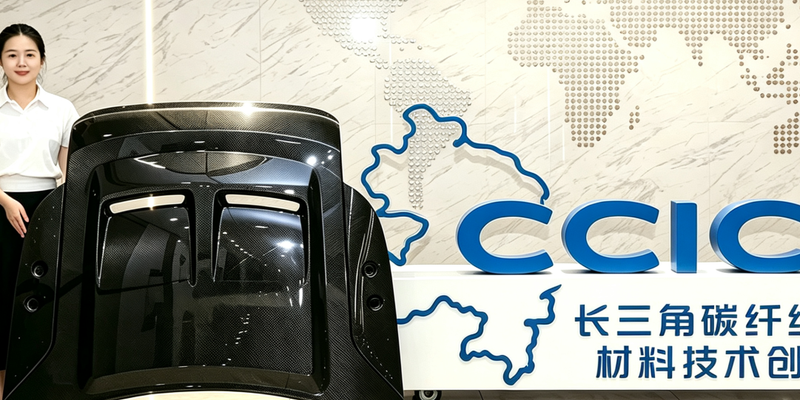
CCIC has launched a pilot line for producing ContRGF fabrics, using recycled carbon fibers for automotive and other applications. A hybrid automotive hood was demonstrated with this material.
Toray, IGCS International, and Lacks Carbon Fiber have formed a partnership to collaborate on Department of Defense projects involving CFRP anisogrid lattice structures.
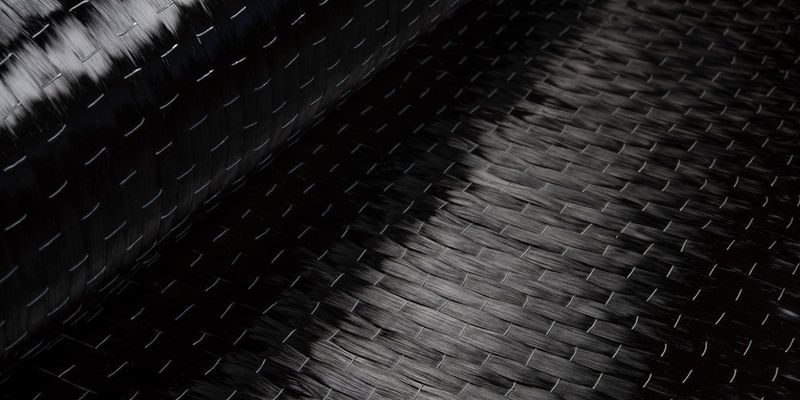
Lineat Composites is using Techlan's recycled Re-Liners to enhance sustainability in its production of aligned recycled carbon fiber.
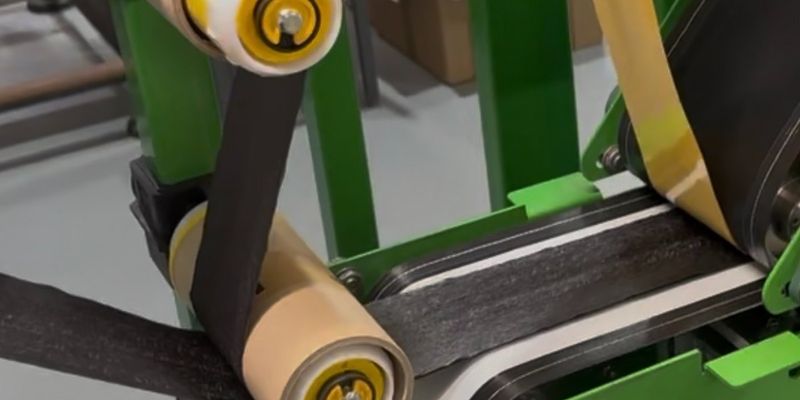
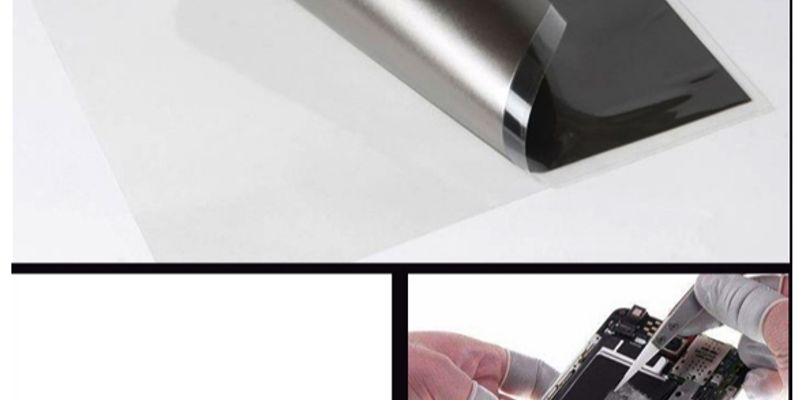
DASEN Group has expanded its multi-factory network across China and Vietnam, enhancing global supply of graphite sheets and carbon fiber products with coordinated production and R&D facilities.
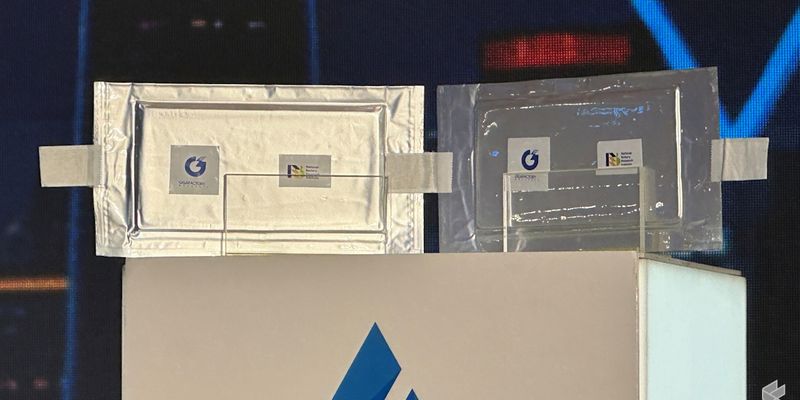
NanoMalaysia Bhd and Indonesia’s National Battery Research Institute unveiled the Nusantara Battery, a graphene-infused lithium-ion battery, at the ASEAN Battery Technology Conference in Sepang.
First Graphene has acquired MITO Material Solutions' assets, equipment, intellectual property, and product lines, expanding its portfolio with functionalised graphene oxide.
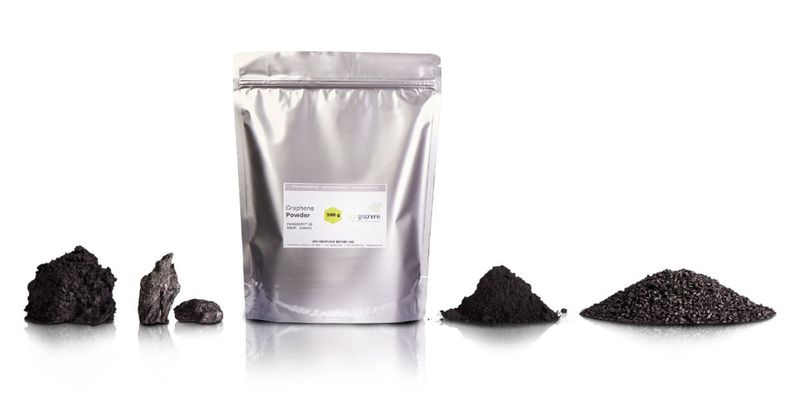
HydroGraph Clean Power Inc. opened its Texas headquarters in Austin, featuring a facility capable of producing 30 tons of pristine graphene annually. Congressman John Carter attended the event.

Levidian has launched NanoFlow-S1-20, a graphene additive containing 20 wt.% G3 graphene, designed for easy integration into solvent-based paints using standard mixing equipment.
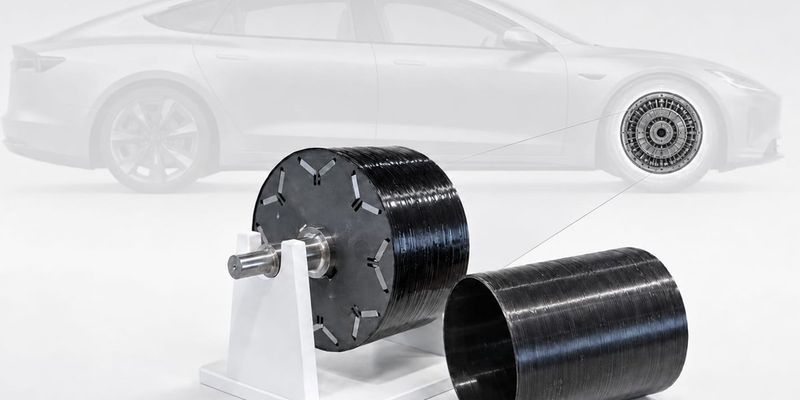
AZL Aachen GmbH is leading a consortium to benchmark CFRP rotor sleeves for electric motors, focusing on press-fit and direct-winding concepts. Production starts in August 2026.
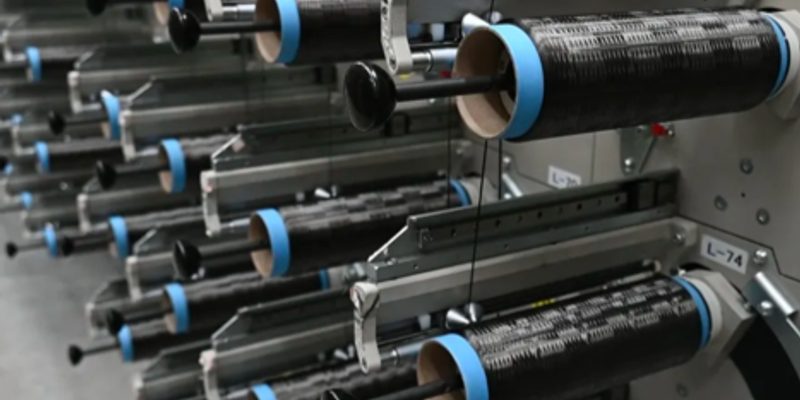
Sinofibers has achieved a 5000 MT annual production capacity for T1100-grade carbon fiber using wet spinning, with a tensile strength of 6600 MPa for aerospace applications.
Automated Fibre Placement and high-pressure resin transfer moulding have made carbon fibre components more viable for mass automotive production, increasing their use in everyday vehicles.
Researchers at KU Leuven have developed a graphene oxide membrane that efficiently separates water from isopropanol, reducing energy use in solvent purification.

Mitsubishi Chemical has introduced a new series of high-performance carbon fiber prepregs designed for advanced applications.
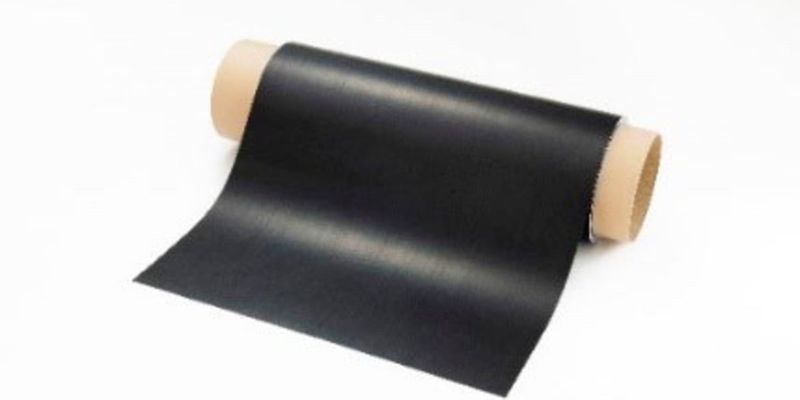
First Graphene agreed with Sixth Element Material Technology to supply PureGRAPH4 CEM in China.

The Ellington anaerobic digestion facility will use 115 tons of Arigna biochar for ground stabilization, aiding carbon offset in construction. Completion is expected in approximately 18 months.
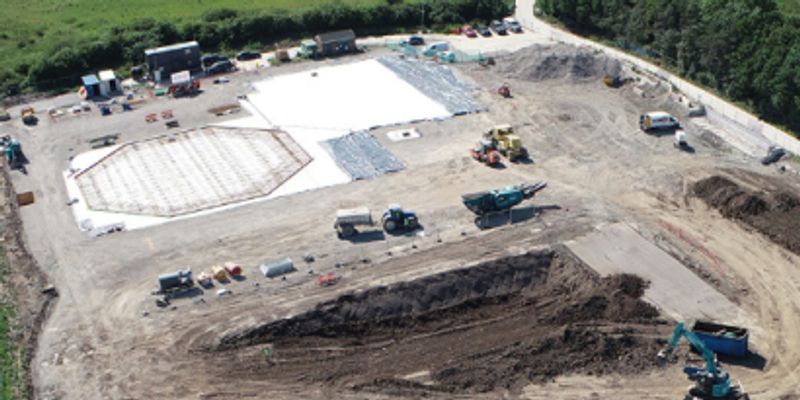
Asbury Advanced Materials has completed its acquisition of Graphit Kropfmühl, enhancing its capabilities in mining, processing, and application development of engineered carbon materials.
The North Carolina Department of Environmental Quality awarded $1 million for mobile biochar equipment to convert Hurricane Helene debris into a soil amendment for flood-damaged farmland in Haywood County.
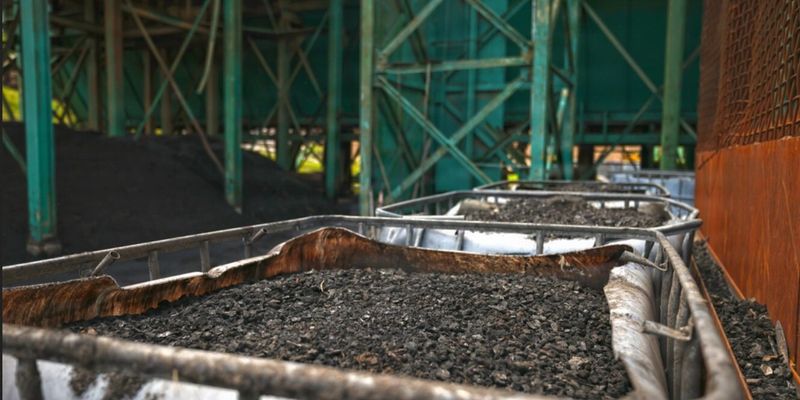
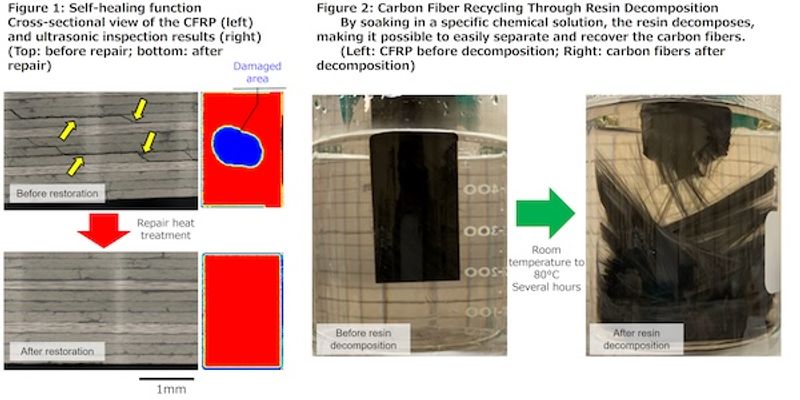
Teijin Limited has developed a thermosetting carbon fiber-reinforced plastic with a self-healing function and high recyclability, aiming to provide samples by 2028.
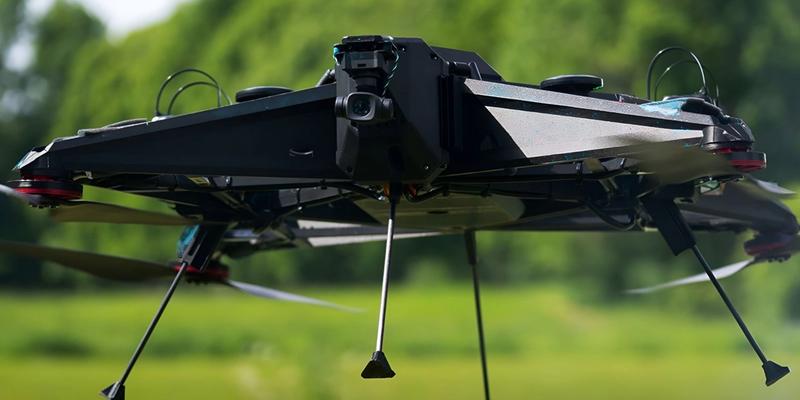
Tekever has introduced the AR6 heavy-lift drone family and broadened its collaboration with iCOMAT to boost AR5 drone production in the U.K.

MASTERMATE is advancing carbon fiber NFC technology, enabling premium smart products with seamless digital connectivity for business, luxury, and automotive applications.
Graphene Manufacturing Group has partnered with Blackwoods to distribute its graphene-based lubricant additive, G® LUBRICANT, across Australia.
Penn State researchers are assessing the sustainability of Woodland Biomass Innovations' plan to convert 1,000 tons of wood residues daily into gasoline and biochar in Tioga County, Pennsylvania.
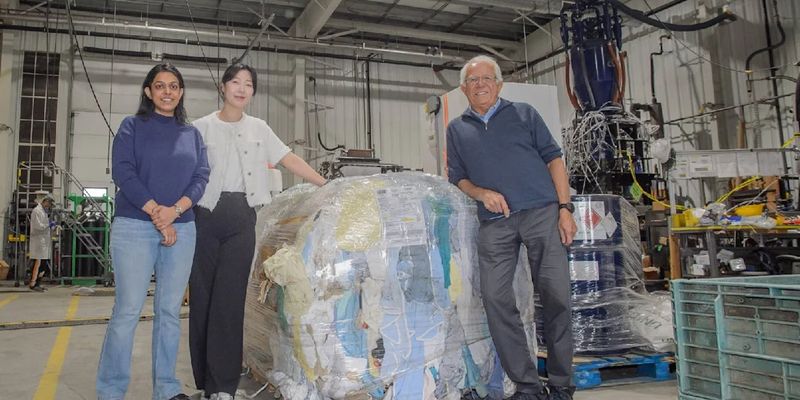
Goodwill is collaborating with Western University and Fanshawe College to recycle textile waste into biochar using pyrolysis, diverting 5,000 pounds of clothing from landfills over four years.
CCI BioEnergy has secured a contract to supply equipment for the Disco Road Organics Processing Facility in Toronto.
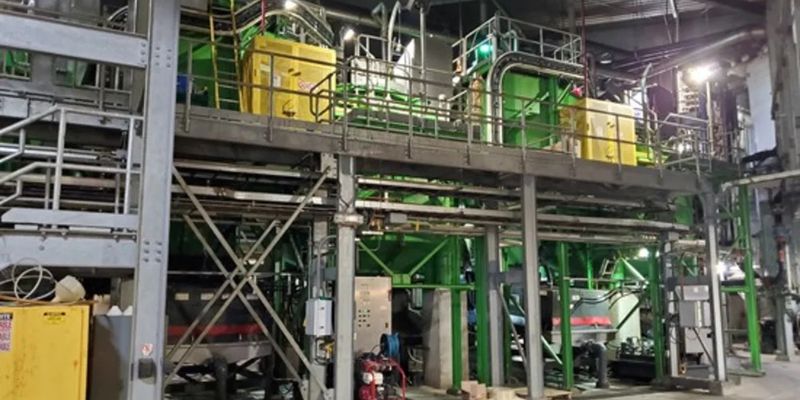
Himadri Specialty Chemicals will establish India's first carbon nanotube production facility at its West Bengal complex, with an initial capacity of 200 tons per year, starting commercial production by FY2027.

HydroGraph Clean Power is urging the U.S. to classify graphene as a critical material to reduce reliance on foreign graphite, highlighting its domestic production capability from hydrocarbon gases.
Lyten and Modovolo have partnered to enhance Modovolo's BFP 3D printing platform with graphene-enhanced PA1205 filament, doubling X-Y tensile strength compared to carbon fiber-based filaments.
Vink Chemicals and pyropower GmbH celebrated the topping-out of a new biochar power plant in Schwerin, Germany, designed to supply energy to Vink's production site.

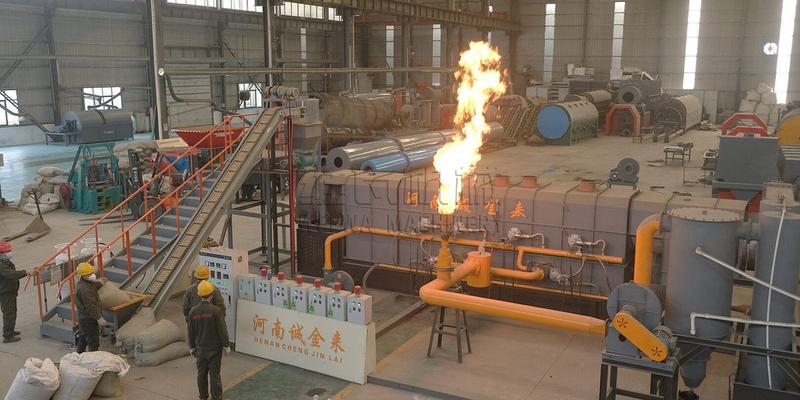
Weiwa Machinery shipped a continuous carbonization furnace to Pakistan, designed for high-capacity biochar production from local agricultural residues like coconut shells and rice husks.
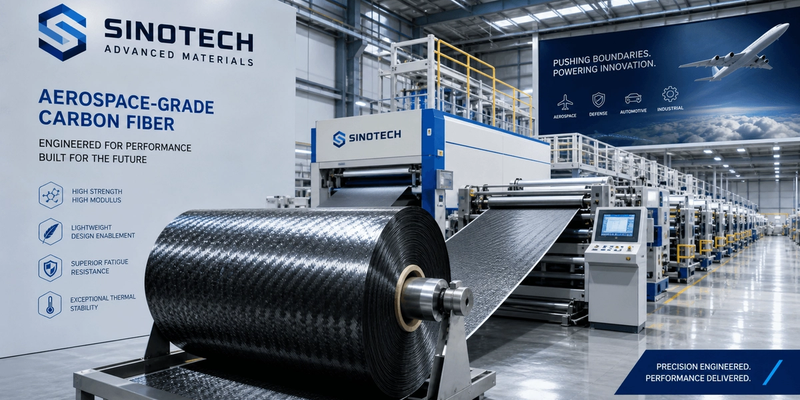
Sinotech has developed T1100-grade carbon fiber using both wet and dry-jet wet spinning methods, establishing a 5000-ton capacity for aerospace applications.
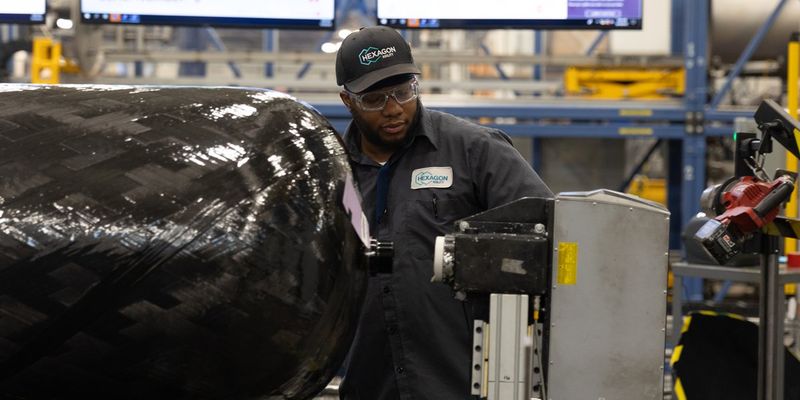
Hexagon Agility manufactures carbon-fiber tanks in Lincoln for storing and transporting natural gas, supporting data center operations.
SkyDrive has partnered with Airtificial to produce and supply lightweight carbon fiber reinforced plastic parts.
Lyten will supply its PA1205 nylon-based filaments for Modovolo's BFP 3D printing platform, enhancing performance with improved tensile strength and impact resistance over carbon fiber alternatives.
India's first 120-ton-per-annum carbon fibre demonstration plant is being established in Amravati.
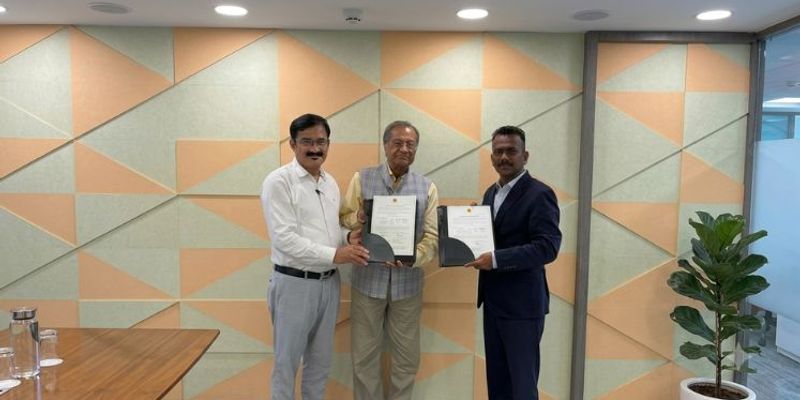
A new high-speed carbon fiber warp knitting machine in China outperforms traditional models, enhancing the production of carbon fiber reinforced polymers (CFRP) textile pre-forms.
Sora Aviation and Toray Advanced Composites will collaborate to integrate carbon fibre composites into the S-1 eVTOL aircraft.

Himadri Speciality Chemical is focusing on carbon nanotubes as a potential growth area to complement its existing battery materials business.
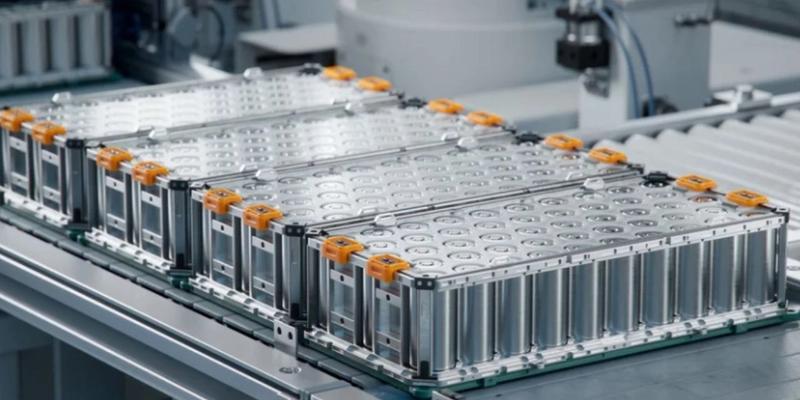
Graphite One plans to generate early revenue by finishing and blending synthetic graphite at its Ohio plant, targeting an annual capacity of 10,000 tonnes.
Graphene Manufacturing Group Ltd signed an exclusive MOU with Alstom to develop graphene products for rail HVAC systems.
Graphene Leaders Canada has commercialized its graphene-enhanced electroless nickel additive, offering improved corrosion resistance and wear performance. The technology is now available to industrial sectors worldwide.
In a video, HydroGraph CEO Kjirstin Breure discusses how their graphene enabled a biosensor company to create technology that wasn't possible with other commercially available graphenes.

Smoltek has joined the MAXBATT consortium, which includes Scania and Volvo, to enhance sustainable battery production using carbon nanofiber technology.
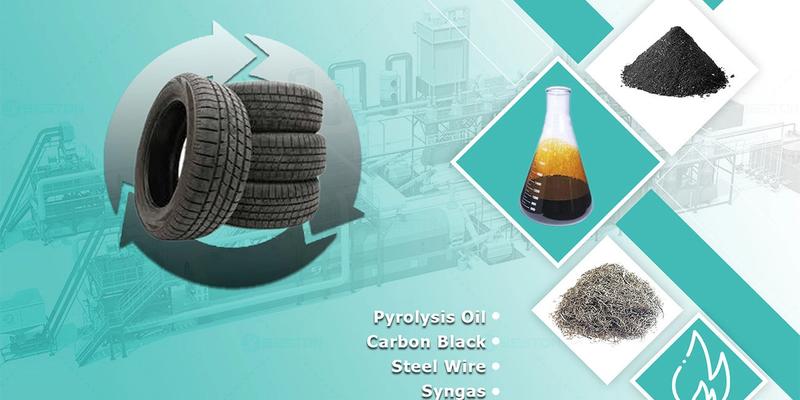
Operators can boost profits from tire pyrolysis by refining oil and carbon black into higher-value products. Upgraded materials meet industrial standards, attracting stable buyers and better margins.
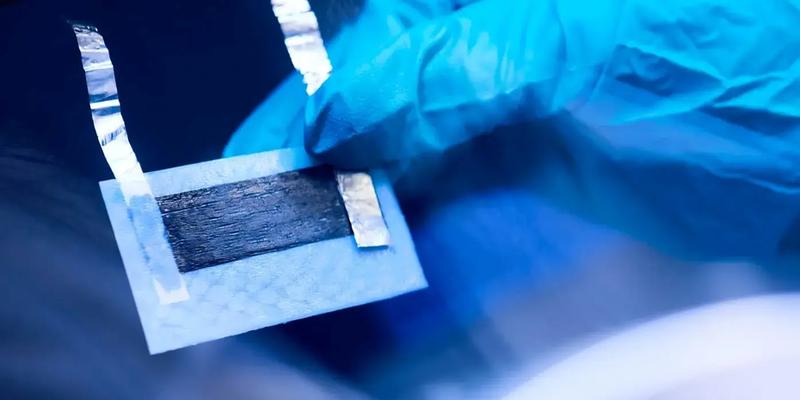
Researchers at Texas A&M University have developed a process to convert methane into graphene oxide using a nonthermal plasma-water interface, potentially reducing production costs.

Kumho plans to increase production of multi-walled carbon nanotubes (MWCNT) to enhance electric vehicle battery performance.
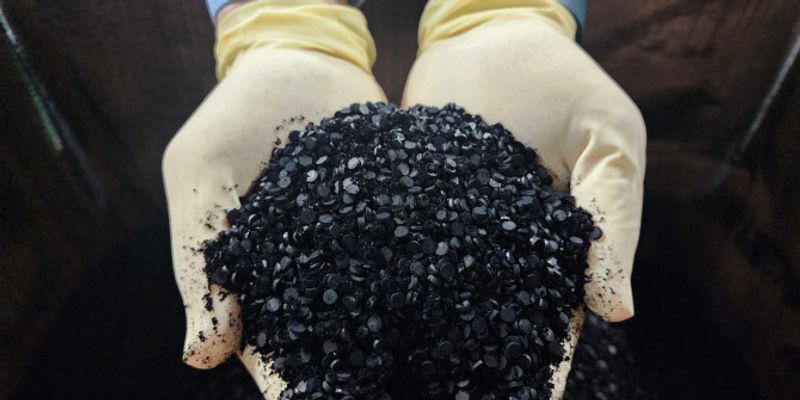
Abasca Resources has increased the Loki graphite resource in Saskatchewan to 6.99 million tonnes with 8.27% graphitic carbon, targeting a prefeasibility study by late 2026.
A major tyre producer reports increased use of recycled carbon black in their products.
FMScarbon, a carbon fiber tube supplier in China, has achieved ISO9001:2024 certification for its quality management system.
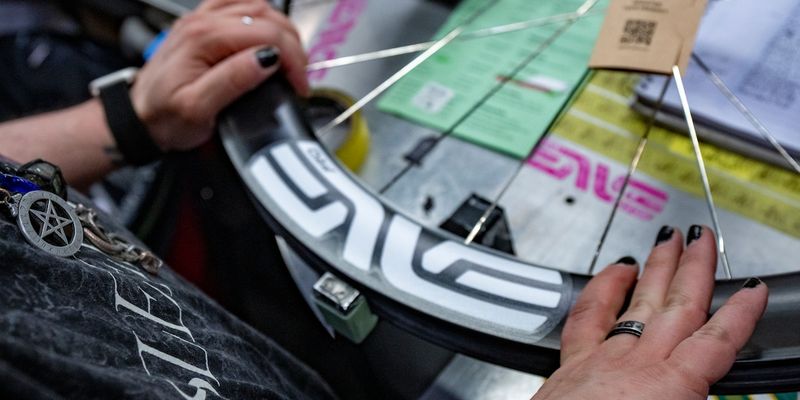
ENVE Composites in Ogden produces handmade carbon fiber wheels, now used by the Tour de France leader.
Malaysia's Bioeconomy Development Corporation secured three deals worth RM7 million with Taiwanese partners, including a RM1 million agreement for 20 tonnes of biochar with TCHAR Co Ltd.
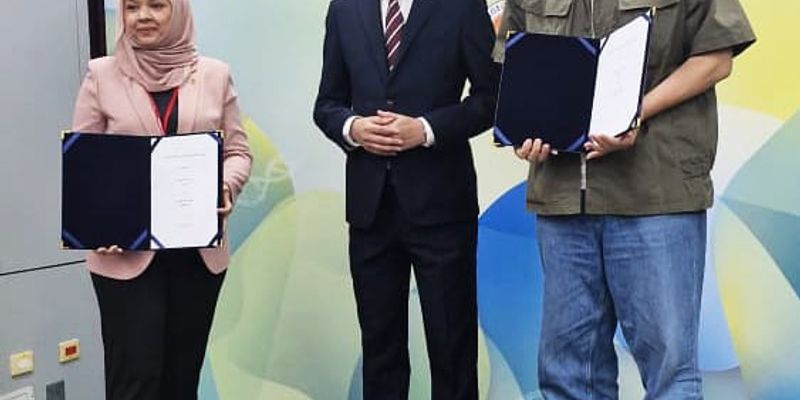
Eramet and the Gabonese Republic signed a memorandum to develop a biochar production sector using forestry by-products. An industrial seed fund "Made in Gabon" will also be launched.

HydroGraph has signed a 10-year agreement to purchase acetylene from Western International for its graphene production facility in Bellville, Texas. This deal secures a stable supply of a key feedstock for HydroGraph's graphene manufacturing, supporting consistent production and potential growth in the advanced carbon materials sector.
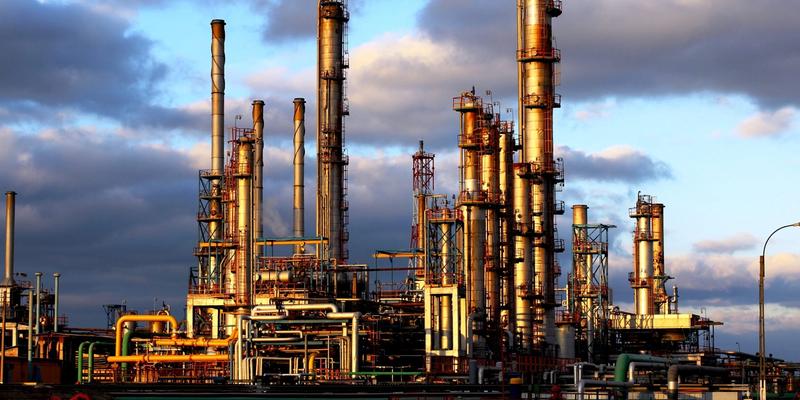
HydroGraph signed 10-year agreements to secure feedstock supply and the Bellville, Texas site for its planned graphene production. This expansion supports increased graphene manufacturing capacity, which is crucial for meeting growing demand in sectors utilizing advanced carbon materials.
HydroGraph USA has signed agreements with Western International to construct, own, and operate a new commercial-scale graphene manufacturing facility. This development is significant for the graphene sector as it enhances production capacity, potentially lowering costs and increasing availability for various applications.

NanoMalaysia (NMB) is set to begin small-scale production of a graphene-enhanced lithium-ion battery for electric vehicles at its 15,000-square-foot facility in Sepang, Malaysia. By incorporating graphene instead of graphite, the battery aims to triple energy storage capacity, which could significantly enhance the performance of carbon-based materials in EV applications.
Graphite One has selected an engineering firm to procure equipment for synthetic graphite battery anode manufacturing at its Ohio production facility, aiming for completion by 2028. This development is significant for the synthetic graphite sector, as it supports the growing demand for battery anodes in electric vehicles.
Researchers at Helmholtz-Zentrum Berlin have developed a new perovskite solar cell by incorporating graphene, enhancing its durability and efficiency. This advancement in perovskite technology could significantly reduce production costs and improve the performance of solar cells, potentially increasing the adoption of lightweight, flexible solar solutions over traditional silicon-based panels.

HydroGraph Clean Power has launched Fractal Graphene Paste, a pre-dispersed aqueous concentrate containing 20% graphene by weight, designed to simplify the incorporation of graphene into water-based industrial formulations. This development is significant for the advanced carbon materials sector as it addresses the dispersion challenges associated with graphene, potentially accelerating its adoption in applications such as construction materials, coatings, and thermal management systems.
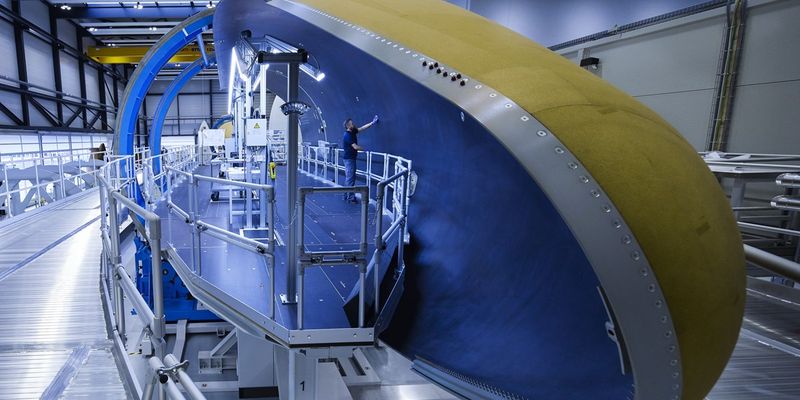
Airbus's A350 assembly process involves the carbon fiber-reinforced polymer wings traveling through four countries before completion. This highlights the international collaboration and logistical complexity involved in producing advanced carbon composite materials for aerospace applications.

Hina Battery is establishing a 2 GWh sodium-ion battery production line in Wuhan to support commercial transport and cargo operations along the Yangtze River. This development is significant as it leverages local carbon resources to reduce reliance on imported lithium, ensuring stable battery supply for heavy-duty vehicles.
Hexcel and TPC Technologies have expanded their product portfolio to include carbon fiber composite materials for use in commercial aircraft. This expansion is significant for the advanced carbon materials sector as it highlights the growing demand and application of carbon fiber composites in the aerospace industry.
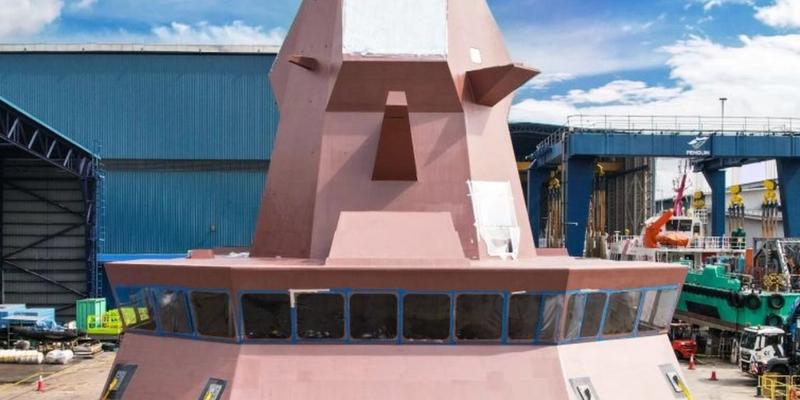
Swedish defense contractor Saab and Singapore's Penguin Shipyard International have delivered the first carbon-fiber composite superstructure for the Republic of Singapore Navy’s Victory-class Multi-Role Combat Vessel program. This integration of carbon-fiber materials into naval shipbuilding offers advantages such as reduced weight and radar cross-section, which are critical for modern combat vessel performance and efficiency.
Premier Graphene and HGI Industrial Technologies have reached a new milestone by completing the first manufacturing payment for 1,600 protective military belts under a contract with Mexico's Secretaría de la Defensa Nacional. This development highlights the growing use of graphene in defense applications, showcasing its potential to enhance the durability and protective capabilities of military equipment.
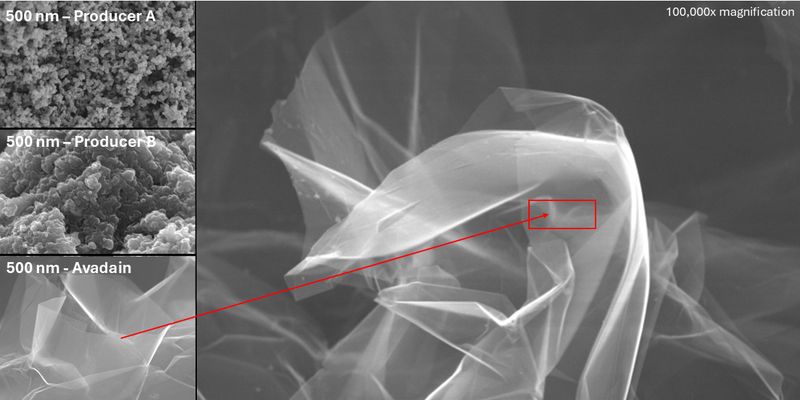
Avadain has developed a new graphene type called Large, Thin, Defect-Free (LTDF) graphene, which features flakes in the 25-100+ µm² range and averages under 5 atomic layers, aiming to enhance applications in critical minerals, rare-earth-free magnets, and high-power electronics. This advancement is significant because it addresses key limitations of commercial graphene, such as flake size, layer count, and defect density, potentially improving the performance of carbon-based materials in demanding applications.
ArianeGroup has signed a contract with Beyond Gravity to supply 27 carbon fiber-reinforced polymer (CFRP) payload fairings for the Ariane 6 rocket, with deliveries starting at the end of 2026. This contract supports the increased production rate of Ariane 6 and highlights the critical role of CFRP materials in enhancing payload capacity and flexibility for the European heavy-launcher program.
HydroGraph has certified Midland Compounding & Consulting (MCC) as a U.S. compounding partner for graphene-enhanced polymer applications. This certification enables MCC to support the development and commercialization of advanced graphene-enhanced materials, focusing on performance improvements and functional enhancements in industrial applications.
Posco Future M has announced its growth strategy in battery materials, emphasizing the development and supply of anode materials like synthetic graphite. This focus on synthetic graphite is crucial as it plays a key role in enhancing the performance and efficiency of lithium-ion batteries used in various applications.

Researchers at the Institute of Environment under the Hefei Comprehensive National Science Center have developed a technology for large-scale biochar production from agricultural and forestry biomass, capable of producing over 50,000 tonnes annually. This advancement in biochar technology supports environmental sustainability by transforming agricultural waste into a high-value carbon-rich material, with applications in soil enhancement, energy storage, and more.
Verde Resources, through its subsidiary Verde Renewables, has signed a 10-year Master Commercialization and Collaboration Agreement with Ergon Asphalt & Emulsions to supply engineered biochar for road paving and manage associated carbon removal credits. This partnership positions Verde as a key supplier in the asphalt industry, leveraging biochar to create sustainable infrastructure solutions and potentially generating additional revenue through carbon credits.

Verde Resources and Ergon Asphalt & Emulsions have signed a 10-year agreement to advance the use of engineered biochar in cold paving applications, moving their collaboration into a commercial phase. This development is significant for the advanced carbon materials sector as it tests biochar's practical performance in real-world infrastructure projects, potentially paving the way for wider adoption of carbon-storing materials in road maintenance and construction.

Carbice has partnered with Noctua to introduce a thermal pad for DIY PC builders that uses vertically aligned carbon nanotube technology. This collaboration brings advanced thermal management solutions, previously used in aerospace and AI infrastructure, to the consumer electronics market.
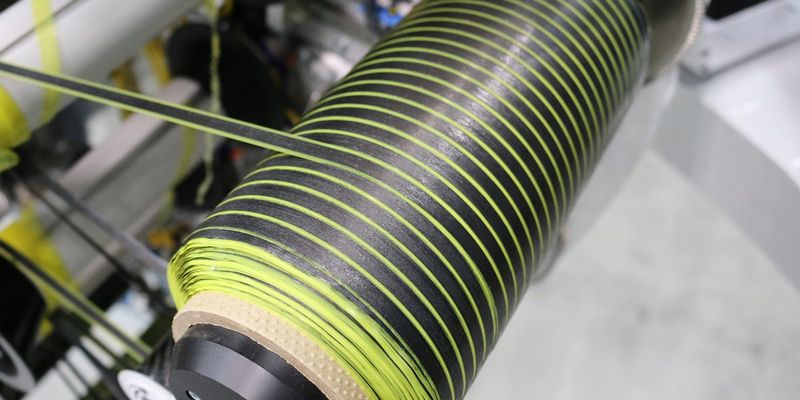
Cygnet Texkimp has introduced a 500-kilogram VHD creel to enhance carbon fiber production efficiency. This advancement is significant for the carbon fiber sector, as it allows for increased production capacity and reduced downtime in manufacturing processes.
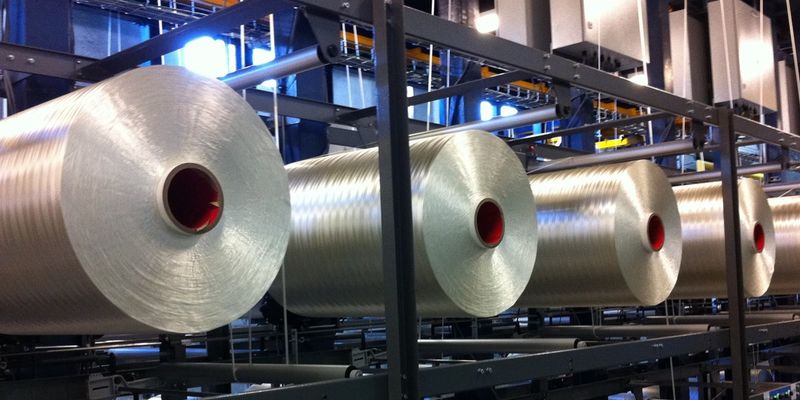
The article discusses the differences between artificial graphite, made from carbon sources like petroleum coke, and natural graphite, focusing on their applications in the lithium-ion battery industry. Understanding these differences is crucial for battery manufacturers as they select materials that optimize performance, cost, and sustainability in battery production.
Graphite One is targeting 25,000 tonnes per year of domestic synthetic graphite production by the fourth quarter of 2028. This development is significant for the synthetic graphite sector, potentially enhancing supply for battery and energy storage applications.
India has launched the National Critical Mineral Mission with a budget of 343 billion rupees to boost domestic graphite mining and reduce import dependency by 2031. This initiative is crucial for securing a stable supply of graphite, an essential material for electric vehicle batteries and other clean energy technologies, as India aims to meet its ambitious climate goals.
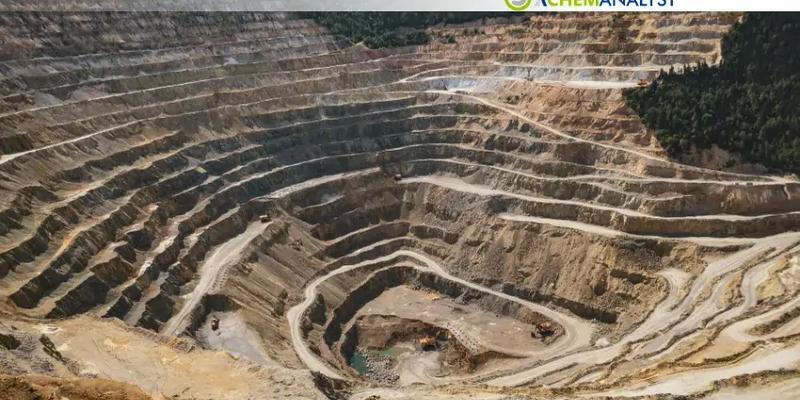
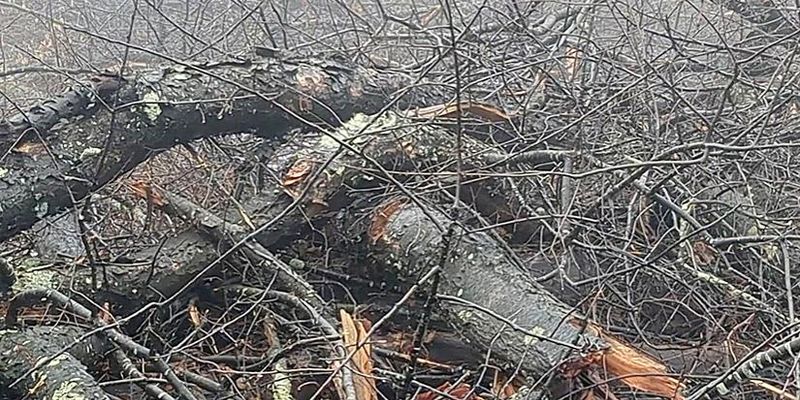
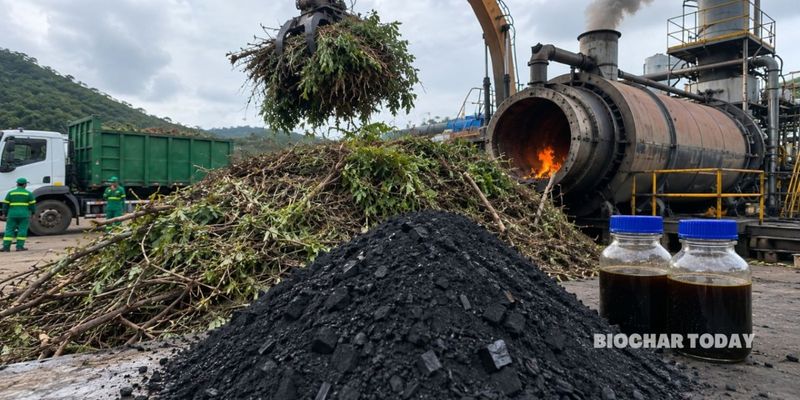
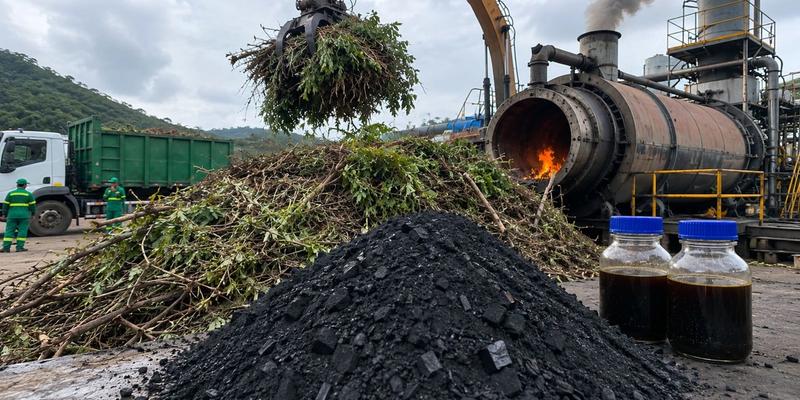
The International Virtual Institute of Global Changes and COMLURB have converted approximately one ton of urban tree trimmings in Rio de Janeiro into 300 kilograms of biochar and pyrolytic oil using pyrolysis. This initiative transforms municipal green waste into valuable resources for soil improvement and energy research, highlighting a sustainable approach to waste management in the carbon materials sector.
ZNShine Solar has partnered with Solmais to expand the distribution of its photovoltaic modules across Brazil, leveraging Solmais' extensive network. This collaboration is notable for the integration of ZNShine's patented graphene technology, which enhances the efficiency and durability of solar panels.
First Graphene Limited has signed a Memorandum of Understanding with The Sixth Element (Changzhou) Material Technology Co Ltd to distribute its PureGRAPH® CEM additive in China. This agreement targets the cement and concrete sector, offering a significant opportunity for graphene-enhanced materials to reduce carbon emissions in the world's largest cement market.

Researchers at Texas A&M University have developed a new method to produce graphene oxide from methane using a plasma-based reactor, which simultaneously generates hydrogen as a byproduct. This scalable approach could reduce reliance on graphite for graphene oxide production, offering a cost-effective alternative for applications in batteries, electronics, and advanced manufacturing.
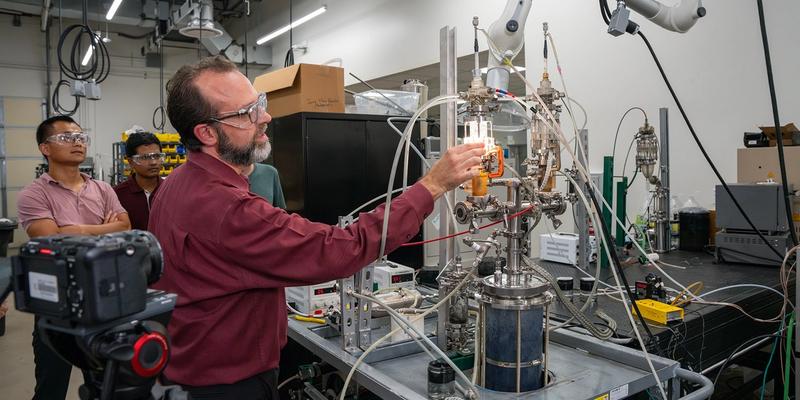
ACP Technologies has opened a new pilot facility in Ashland capable of producing 75 pounds of synthetic graphite per hour. This development is significant for the carbon fiber and synthetic graphite sectors, as it enhances production capacity and supports material scaling efforts.
TCMC has launched Carbonix Materials to develop a U.S. supply chain for graphene. This initiative aims to enhance the availability and integration of graphene in advanced carbon materials, particularly benefiting applications in composites and electronics.
Coffee!Up in the Czech Republic is transforming used coffee grounds into products like natural soap, coffee oil, biomass, and biochar, as highlighted by the European Commission. This initiative is significant for the advanced carbon materials sector because it demonstrates the potential for waste coffee grounds to be converted into valuable materials such as biochar, which can improve soil health and contribute to carbon sequestration efforts.

Talbros has partnered with Lohum to establish a joint venture for trading, manufacturing, and refining recovered carbon black. This collaboration aims to enhance the supply chain and utilization of recovered carbon black, a sustainable alternative to traditional carbon black in composites and rubber products.
Researchers at the International Virtual Institute of Global Changes, COPPE/UFRJ, in partnership with COMLURB, have converted one ton of urban pruning waste in Rio de Janeiro into approximately 300 kilos of biochar and pyrolytic oil. This initiative demonstrates the potential of using urban plant waste as a raw material for producing carbon-rich biochar, which can be used as a soil conditioner and for carbon storage, contributing to sustainable waste management and decarbonization efforts.
Composites reinforced with graphene and multi-walled carbon nanotubes are reshaping defence and aerospace design, where strength-to-weight now counts for more than the tonnage of steel and platforms.

Cygnet Texkimp has developed a 500kg VHD PAN precursor unwinding creel aimed at enhancing efficiency in carbon fibre production. This innovation is significant for carbon fibre manufacturing as it allows for the handling of larger precursor volumes, potentially reducing production downtime and costs.
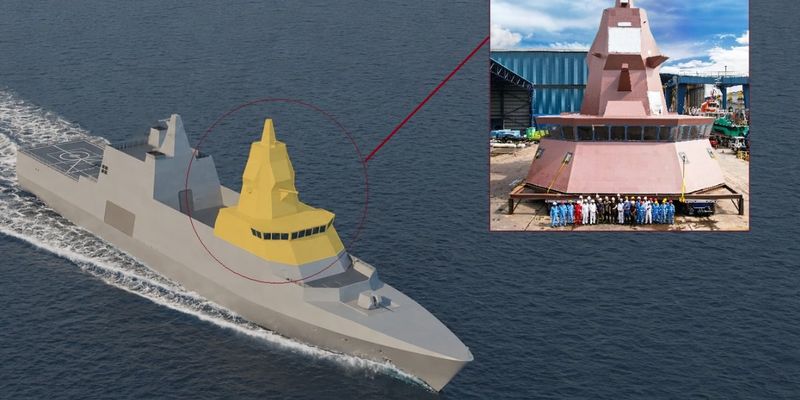
Penguin Shipyard International has completed and delivered the largest composite superstructure ever built in Singapore for the Republic of Singapore Navy's new Multi Role Combat Vessel, with the first of six structures handed over to Saab on June 27, 2026. The use of carbon fiber composites in the superstructure reduces weight and radar cross-section, enhancing the ship's stability and stealth capabilities compared to conventional steel designs.
Talbros Automotive Components has formed a joint venture with Lohum Cleantech to create Lohum Talbros CarbonTech Private Limited, focusing on the production of recovered carbon black and devulcanized rubber. This collaboration marks Talbros' strategic move into sustainable automotive materials, leveraging advanced carbon materials like recovered carbon black to support the circular economy.

Integrals Power has been selected as the LMFP supplier for the EU-funded OLiMPUS battery project, which aims for mass production in Europe by 2032. This development is significant for the advanced carbon materials sector as it involves synthetic graphite anodes, which are crucial for reducing the carbon footprint and enhancing the sustainability of battery production.
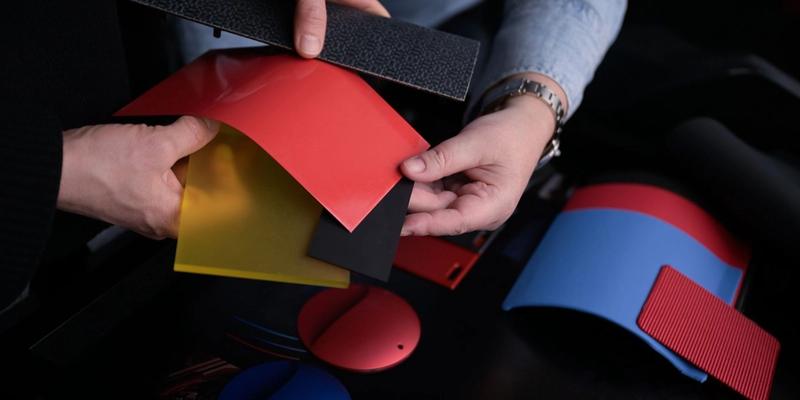
Bcomp has supplied its AmpliTex biocomposites for BMW's M Concept Neue Klasse. This development highlights the potential of biocomposites as an alternative to carbon fiber, offering advantages in weight, safety, and functionality.
Aerospace Manufacturing reports that drilling carbon fibre reinforced polymer (CFRP) aerostructures at production pace remains a bottleneck in assembly processes. This challenge affects the efficiency of manufacturing advanced composite materials used in the aerospace industry.
Pyrum Innovations has announced that its tire recycling plant project in Perl-Besch, Germany is back on track following the successful optimisation of its Dillingen facility, which now produces stable recovered carbon black (rCB). This development is crucial for the advanced carbon materials sector as it demonstrates the viability of producing high-quality rCB, a key component for sustainable tire manufacturing and other applications.
Sparc Technologies announced the expansion of its graphene additive range with a product line called Sparces on June 29, 2026. The move broadens the company's graphene additive offerings, which are relevant to composite and materials manufacturers seeking graphene-based performance enhancements.
GTechPlasma, a spin-off from Instituto Superior Técnico in Lisbon, has developed a plasma-produced graphene powder that its researchers estimate could reduce an F-16's radar signature to that of a bird, and has already supplied 260 grams of the material to a Portuguese drone manufacturer. The development is notable for the graphene sector because it demonstrates a tunable, plasma-based production process capable of reaching 40 milligrams per minute, with industrialization underway through partner company Plasmaphene, targeting a market—radar-absorbent coatings—currently restricted to U.S. suppliers.
Sparc Technologies launched SparcES™, a graphene additive range for ESD and conductive coatings targeting data centres, semiconductor facilities and EV battery plants, following 24 months of internal conductivity testing. The range positions graphene as a potential lower-dosage alternative to carbon black, graphite, carbon nanotubes and metal nanowires in a global ESD and conductive coatings market estimated at US$1.2 billion in 2026.

South Korea's Ministry of Science and ICT rated four of its 14 Small-scale R&D Zones—Seoul Hongneung, Pohang, Incheon Seo-gu, and Jinju—as "Excellent" in the 2025 annual evaluation, with Pohang's zone directing roughly 11 billion won toward Graphene Square and POSTECH to build the world's first mass-production plant for graphene film. The Pohang result signals growing state-backed infrastructure for scaling graphene manufacturing, a persistent bottleneck for the advanced carbon materials sector.
OCSiAl has been named a single-wall carbon nanotube supplier to Volkswagen Group's battery subsidiary PowerCo for its Unified Cell platform, with supply coming from OCSiAl's audited production facility in Serbia. The deal extends single-wall carbon nanotube use into a major European automaker's standardized battery platform, where the material serves as a conductive additive in graphite anodes to improve conductivity, heat dissipation, and fast-charging performance.
European semiconductor companies raised substantial funding in 2025, with the ten largest rounds ranging from NXP Semiconductors' €1 billion EIB loan down to IQE's £18 million convertible note, spanning AI chips, photonics, power electronics, memory, and chip cooling. Two graphene-focused companies, Paragraf ($55M Series C) and CamGraPhIC (€25M Series A), secured funding to scale graphene-based electronic devices and graphene silicon photonics respectively, signaling continued investor commitment to graphene's commercial role in semiconductors and optical interconnects.

HydroGraph Clean Power Inc. commercially launched Fractal Graphene Paste, a 20% graphene-by-weight aqueous dispersion with a 99.8% carbon purity and over two-year shelf life, and has supplied samples to more than 30 customers. The product targets the graphene sector's core adoption barrier—dispersion difficulty—by delivering a stable, ready-to-use concentrate compatible with standard mixing equipment, which could accelerate graphene uptake in composites, coatings, and construction materials.

Zhongfu Shenying commissioned three high-performance carbon fiber production lines in Lianyungang, Jiangsu on June 28, comprising a 1,000-ton/year T1100-grade aerospace line, a 5,000-ton/year 48K large-tow line, and a 600-ton/year M40 high-modulus line, as the first phase of a CNY6 billion project targeting 30,000 tons of annual capacity. The lines expand China's domestic supply of high-grade carbon fiber across aerospace, wind energy, hydrogen storage, and EV applications, reducing reliance on foreign sources for critical materials.
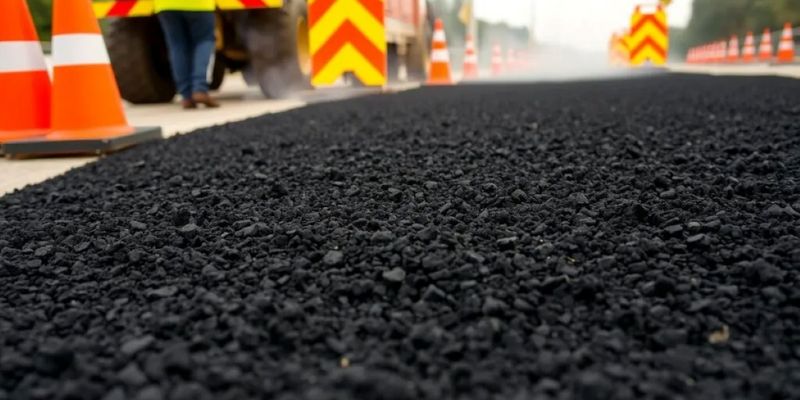
AMSA, ELSAN, and the Universitat Politècnica de Catalunya developed an asphalt mixture incorporating biochar derived from olive pits and pine residues via pyrolysis, with lab tests showing up to 75% emissions reduction in the treated pavement layer. The development expands biochar applications into road construction, positioning agricultural and forestry waste as a carbon-sequestering input for infrastructure materials.
ECS Composites, headquartered in Grants Pass, Oregon, announced advances in its carbon fiber composite enclosures for military applications, claiming weight and thickness reductions of up to 50% compared to traditional fiberglass designs. The development reflects demand for lighter carbon fiber composites in defense protective systems, where weight reduction without loss of structural integrity is a key performance requirement.

The MXeneCatSus COST Action is a European research network established to engineer MXene-based catalysts—two-dimensional materials made from Earth-abundant elements—for hydrogen generation, CO2 conversion, and nitrogen fixation. The initiative is relevant to advanced carbon materials research as MXenes share structural and functional characteristics with other 2D carbon materials and are being developed as alternatives or complements to graphene in catalytic applications.

Researchers at the University of Aveiro developed 3D-printed filters from bauxite refining waste (red mud) that removed over 90% of the antibiotic ciprofloxacin within one hour under UV light. The work demonstrates a functional application for carbon nanotubes in photocatalytic water treatment using industrial byproducts, with the material retaining performance across multiple decontamination cycles.

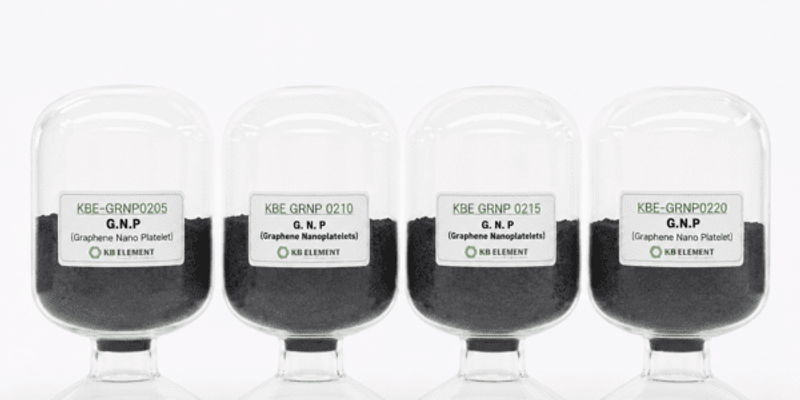
KB-Element will exhibit its non-oxidized graphene products, including graphene masterbatch pellets, at Nano Korea 2026 in Goyang, South Korea, from July 8 to 10. The company's plasma-based exfoliation process cuts production costs to roughly one-tenth of conventional methods, and its masterbatch format addresses graphene's longstanding dispersion challenges in polymer composites.
Shenzhen MASTERMATE Technology Co., Ltd., an ISO 9001-certified carbon fiber OEM/ODM manufacturer founded in 2014, produces custom carbon fiber products including drone frames, automotive parts, helmets, and jewelry for clients in over 100 countries. The company's broad custom manufacturing capabilities across autoclave molding, CNC machining, and forged carbon reflect continued demand for flexible, small-to-mid-scale carbon fiber production partnerships among global brands.
Gyeongsangbuk-do Province secured 30 billion won in South Korean state funds across three projects targeting graphene 2D nanomaterials, ultra-precise electronic glass, and on-device AI for manufacturing, running from 2026 to 2030. The graphene project, organized by POSTECH Nano Convergence Technology Institute with 14.3 billion won, aims to build Korea's first end-to-end infrastructure covering graphene synthesis through to commercialization, addressing the country's longstanding gap between R&D capability and industrial-scale production.
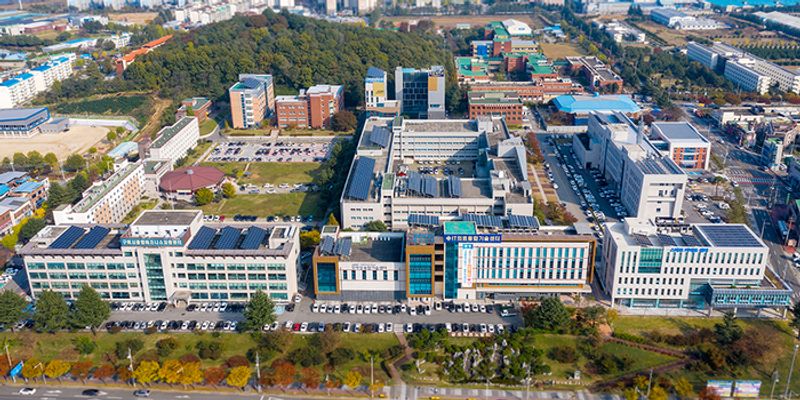
PowerCo, Volkswagen Group's battery subsidiary, selected OCSiAl to supply TUBALL single-wall carbon nanotube additives for the graphite anodes of its Unified Cell platform, manufactured at OCSiAl's Serbia facility. The deal expands the role of single-wall carbon nanotubes in large-scale EV battery production, with OCSiAl now supplying the majority of European EV battery manufacturers and planning a $300 million graphene nanotube facility in Luxembourg.
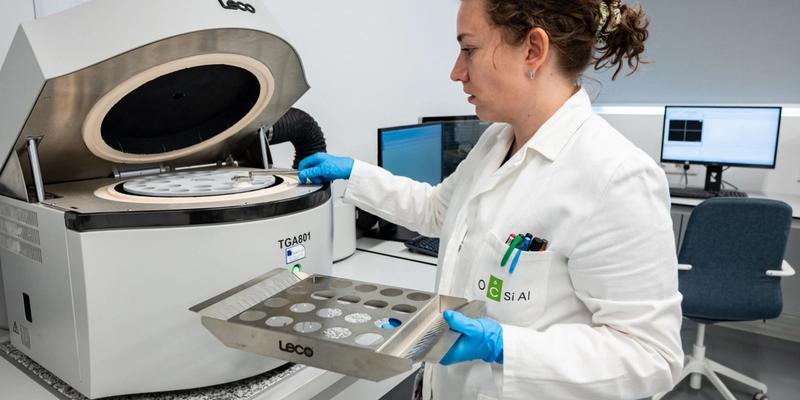
Argo Graphene Solutions Corp. (CSE: ARGO) closed a license agreement with Grapherry, Inc. on June 25, 2026, acquiring an exclusive worldwide license to Grapherry's STREAM graphene production platform in exchange for up to 11,000,000 common shares and 5,500,000 warrants, with full technology ownership transferring to Argo upon full share issuance. The deal gives Argo control over a scalable graphene production technology targeting construction, agriculture, and energy storage applications, while Grapherry's CEO Vikas Berry joined Argo's board and the company's existing CEO Scott Smale resigned.

Canada's graphene sector has developed across production, construction, filtration, printed electronics, and energy storage, with companies such as NanoXplore operating a 4,000-metric-ton-per-year facility in Montréal and firms like Zentek and Graphene Leaders Canada advancing application-specific products toward commercial deployment. The ecosystem signals a shift from materials science demonstration toward repeatable industrial use cases in carbon-based composites, conductive additives, and separation technologies, though commercial viability still depends on product qualification, standardization, and cost competitiveness against incumbent materials.
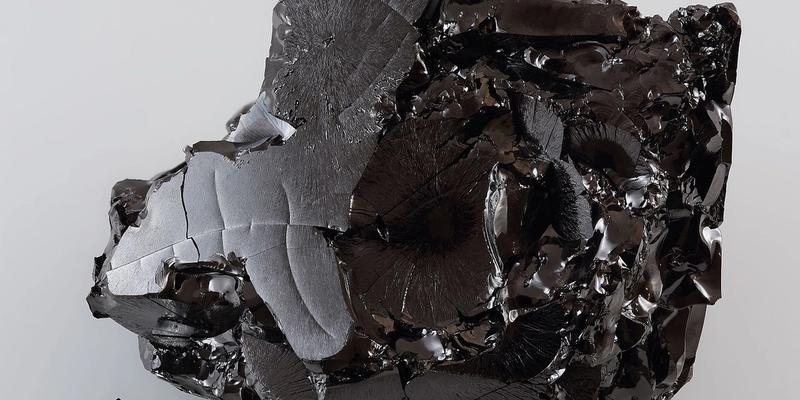
Zhongfu Shenying opened three aerospace-grade carbon fiber production lines in Lianyungang, China, reducing the country's reliance on Japanese Toray and U.S. suppliers. The expansion increases domestic supply of high-performance carbon fiber, shifting sourcing leverage away from foreign producers in a sector critical to aerospace and defense composites.
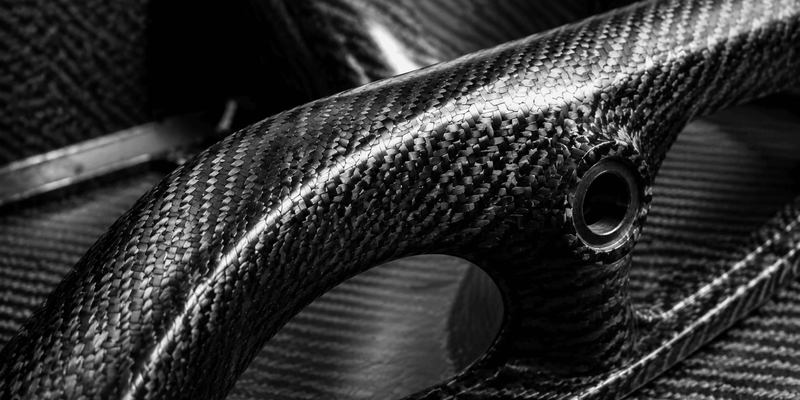
Continuous Composites secured a US Army contract to manufacture missile components using its CF3D continuous carbon fiber 3D printing technology. The contract signals growing military adoption of continuous carbon fiber additive manufacturing as a replacement for traditional winding and molding processes in structural defense applications.
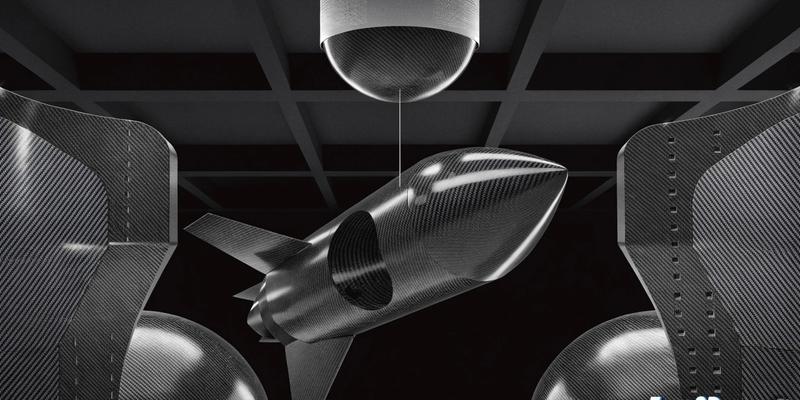
Marstrom Composite AB, a subsidiary of Scandinavian Astor Group, signed a five-year framework agreement worth approximately SEK 100 million with an undisclosed western defence company to supply structural composite components. The deal provides a long-term revenue base for Marstrom's carbon fibre composites business and signals growing demand for advanced composite structural parts in western defence programmes.
Researchers at POSTECH in South Korea engineered hollow silicon nanotube structures that reduced thermal conductivity by 70% compared to solid silicon nanowires by trapping phonons at near-room temperature. The approach uses abundant silicon compatible with existing semiconductor manufacturing, offering a potential alternative to rare-material-dependent thermoelectric devices for waste heat recovery in data centers, EV batteries, and industrial facilities.
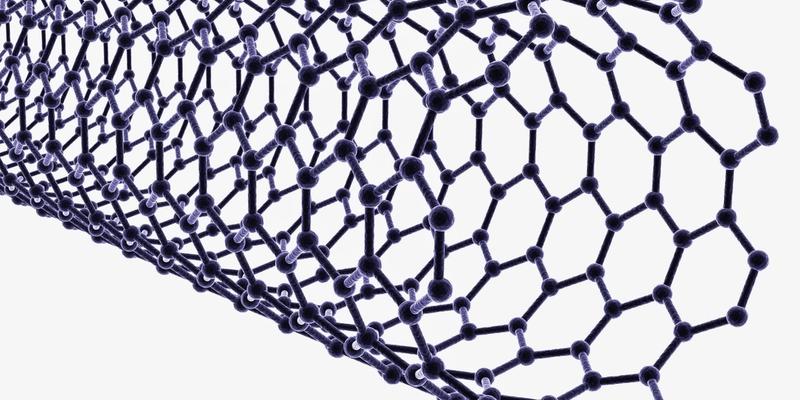
Researchers at Shihezi University used phosphoric acid-activated walnut shell biochar to catalytically pyrolyze waste agricultural plastic mulch film at three temperatures (300, 350, 400 °C), finding that 350 °C maximized olefin selectivity at 69% while 400 °C reduced tar deposition and produced carbon deposits with lower activation energy for easier regeneration. The findings give biochar catalyst developers a temperature-based framework for balancing product selectivity against catalyst deactivation and regenerability in agricultural plastic pyrolysis systems.
Penn State researchers converted waste PET plastic bottles into synthetic graphite by blending shredded PET with 2.5% graphene oxide by weight and applying heat treatment, producing crystallite dimensions that exceeded those of natural graphite without metal catalysts. The metal-free process reduces post-processing steps needed to achieve battery-grade purity and could supply graphitic carbon for lithium-ion anodes and hard carbon for sodium-ion batteries from a single plastic waste feedstock.

A study published in *Biochar* found that free and bound water in plant biomass reduce pyrolysis reaction intensity and increase biochar yield, with bound water lowering activation energy for hemicellulose decomposition while raising it for cellulose, and a 30% moisture content identified as a practical operating point. The findings give biochar producers a molecular-level basis for managing feedstock moisture to improve yield and char stability rather than treating water solely as a processing inefficiency.
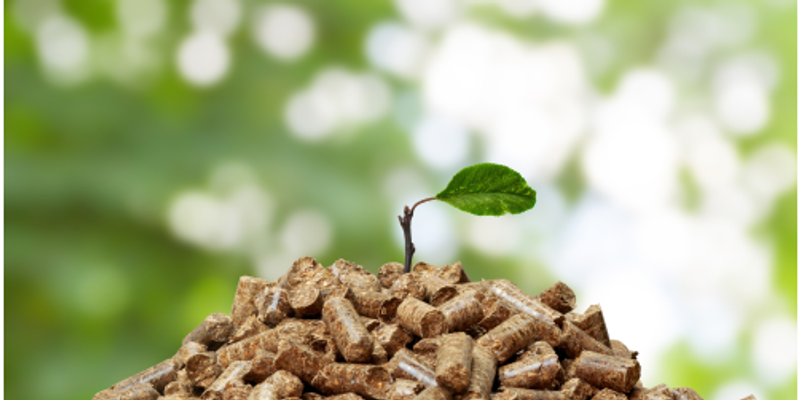
Researchers at RMIT University published a study in the Journal of Cleaner Production showing that spent coffee grounds processed via pyrolysis into biochar can increase concrete strength by up to 30%. The finding is relevant to the biochar sector as it demonstrates a scalable pathway for converting organic waste into a functional carbon-based construction material, potentially reducing landfill volumes and demand for natural sand.

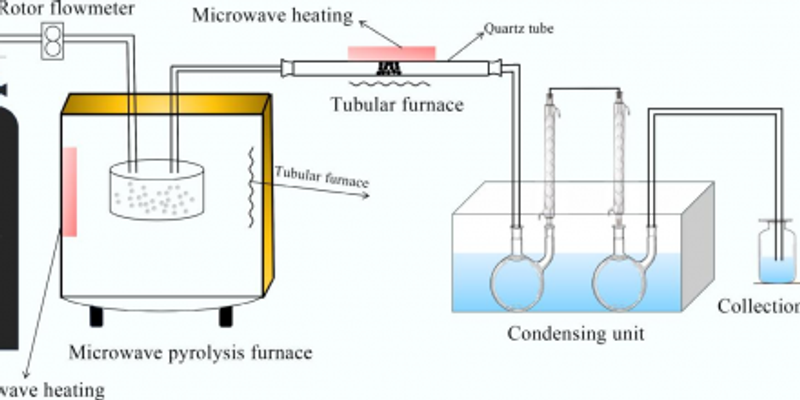
A review published in *Biochar* by Rasool et al. compared conventional and microwave-assisted pyrolysis, finding that microwave-derived biochars exhibit higher surface area, stronger mesoporosity, and greater retention of functional groups. For the biochar sector, the findings indicate microwave-assisted pyrolysis can produce more effective adsorbents for heavy metals and organic pollutants, though reactor scale-up and energy balance challenges must be resolved before industrial adoption.

Jamco joined a NEDO-led Japanese consortium—including Nagoya University, Subaru, and JAXA—to develop a circular economy supply chain for recovering and reusing CFRP from retired aircraft. The project targets a persistent gap in the carbon fiber composites sector: the lack of validated processes and standards needed to reintroduce recycled CFRP into certified aircraft components.

Holcim conducted biochar concrete pilot projects across Europe in 2025, including test pours with Canary Wharf Group using biochar from forestry residues and coffee grounds, producing their first net-zero concrete mix. The trials signal a shift for the biochar sector from experimental additive to commercial-scale construction material, with Holcim describing it as a high-performance emissions-reduction input rather than a niche product.

Bolder Industries received final permits on 15 June 2025 to build an 86ktpa end-of-life tire pyrolysis facility at the Port of Antwerp-Bruges, to be developed in two phases with EU Innovation Fund co-funding. The plant will supply recovered carbon black at commercial scale to European markets, adding to Bolder's existing US operations in Missouri and Indiana.
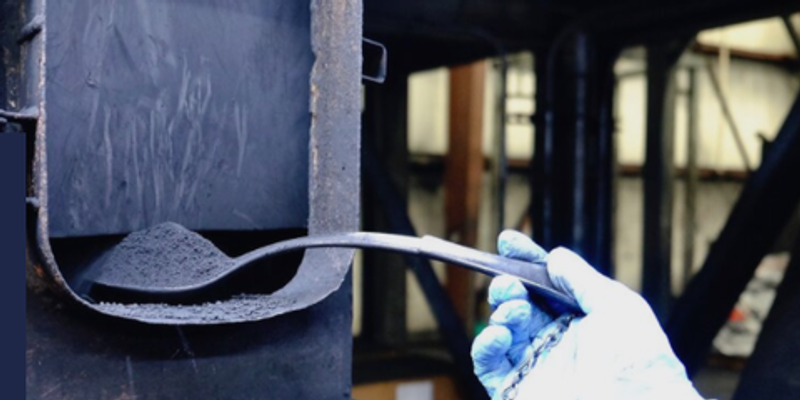
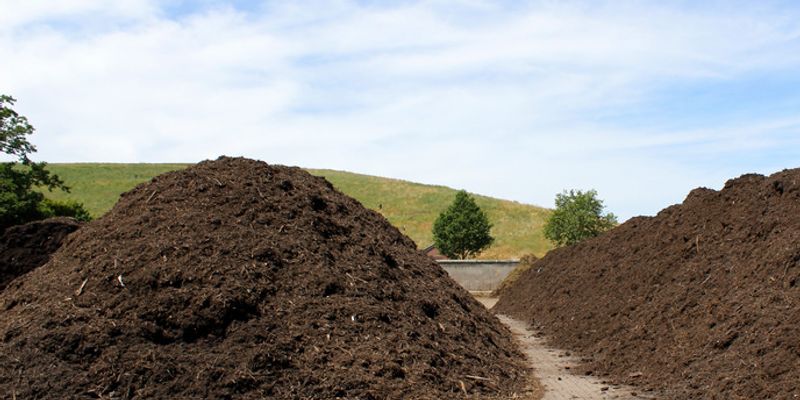
The EU-funded HOOP project helped eight European cities and regions mobilise EUR 124 million to convert urban biowaste into circular bioeconomy outputs including biochar, biogas, bioplastics, and agricultural nutrients. Biochar production via pyrolysis emerged as a replicable pathway across multiple territories, with Kuopio (Finland) establishing an operational pilot plant and Münster (Germany) confirming technical feasibility, signaling growing municipal-scale demand for pyrolysis infrastructure relevant to the biochar sector.
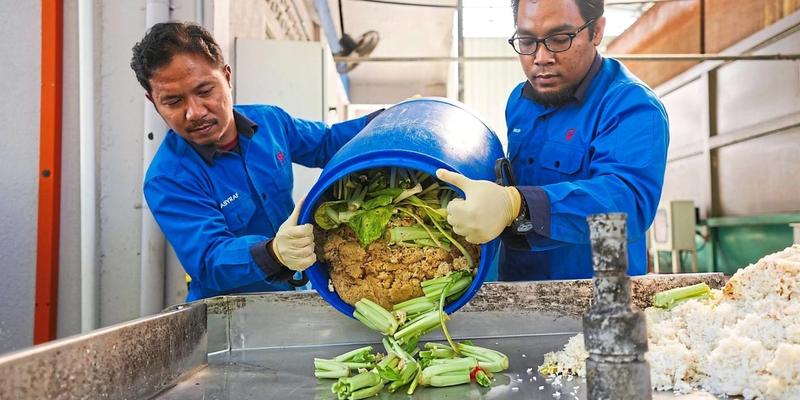
TNB Research has operated an anaerobic digestion and torrefaction pilot facility in Kajang since 2018, processing up to 350kg of food waste daily to produce biogas with 60–65% methane content and 10–30kg of biochar per torrefaction cycle. The biochar output is being evaluated for carbon material applications, soil improvement, and solid fuel enhancement, with data from the pilot intended to inform future scale-up decisions.
BRIN's Molecular Chemistry Research Center used slow pyrolysis to convert empty oil palm fruit bunch waste into bio-oil, liquid smoke, and biochar, with processing times of two to four hours. The process yields biochar as a value-added carbon material and bio-oil containing phenolic compounds usable as industrial boiler fuel or potential fuel additives.

Petro Vietnam Paint will incorporate Sparc Technologies' ecosparc graphene additive into its PERAPHENE steel protective coatings range, following in-house and third-party testing that showed improved anti-corrosion performance, with commercial availability expected later in 2026. The adoption adds to ecosparc's growing commercial traction in the graphene-enhanced protective coatings sector, where graphene additives are being validated for marine, offshore, and industrial steel infrastructure applications.
The Advanced Carbons Council published an overview of graphene and other advanced carbon materials being adopted in construction, citing applications in concrete (Concretene, First Graphene, Versarien), asphalt, and corrosion-resistant coatings (Petronas). These developments indicate growing commercial deployment of graphene additives in construction materials, with documented performance gains in compressive strength, road durability, and steel protection at low material loadings.
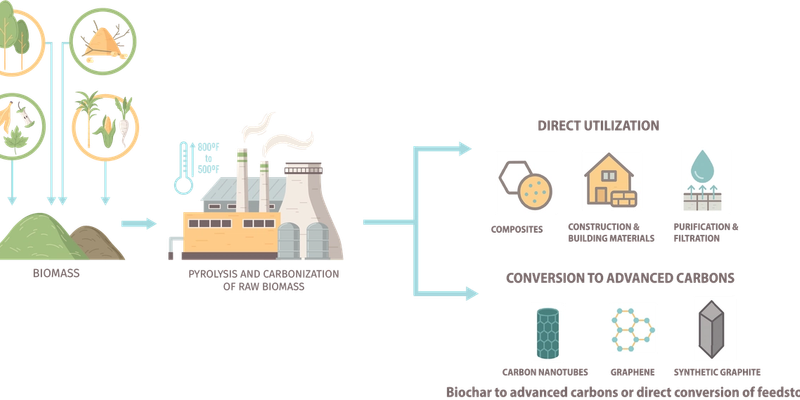
The Advanced Carbons Council highlights graphene and related carbon materials being adopted in construction applications including concrete additives (Concretene, First Graphene), graphene-reinforced 3D-printed components (Versarien), asphalt modification, and corrosion-resistant coatings (Petronas). For the advanced carbon materials sector, construction has emerged as a leading commercial deployment area, with multiple suppliers demonstrating validated, scalable products that improve strength, durability, and emissions performance without requiring major process changes.

Sicona Battery Technologies validated 600 Wh/kg energy density in graphene-wrapped silicon anode pouch cells at its Wollongong pilot line, achieving 1,200-cycle retention above 80 percent capacity with a 200 MWh/year scale-up targeted for late 2027. The result advances graphene's role as a structural buffer for silicon anodes, a combination the carbon materials and battery sectors have pursued to overcome silicon's volumetric expansion problem at commercial scale.
Scientists at the Hefei Institutes of Physical Science demonstrated a graphene-based terahertz modulator achieving 92% modulation depth at 0.4 THz and switching speeds approaching 100 GHz, with results published in Nature Photonics. The device's fabrication in standard semiconductor cleanroom processes positions graphene as a viable material for scalable 6G wireless components operating in the terahertz band.

Nanospan commercially launched GalvaShield-G, a graphene-enhanced corrosion inhibitor coating for offshore wind turbine towers and monopile foundations, priced at EUR 18 per litre and produced at its Hyderabad facility at 1,200 tonnes per annum capacity. The product demonstrates a commercial application of graphene in protective coatings for harsh marine environments, with third-party-validated maintenance interval extension from 5 to 12 years supporting the case for graphene's functional value in infrastructure composites.

Tsinghua University researchers published a CVD process in Nature Materials that produces single-crystal graphene across 12-inch silicon wafers with defect densities below 1%, using a copper-nickel alloy substrate and a dry-transfer method, achieving carrier mobilities above 16,000 cm²/V·s. The process is compatible with existing semiconductor fab infrastructure and has been licensed to SMIC and TSMC, advancing the prospect of graphene integration into commercial microelectronics manufacturing.

Inspire Nano licensed its graphene-coated copper electrode platform to Furukawa Electric for Asia-Pacific high-frequency signal transmission applications in a deal worth $9 million upfront plus royalties. The graphene coating reduces skin-effect losses at frequencies above 1 GHz by 22 percent, with direct relevance to graphene commercialization in 5G/6G infrastructure and data center cable markets.

Peking University researchers developed a graphene-coated lithium metal electrode that allows solid-state batteries to retain 92% capacity after 5,000 cycles, with findings published in Joule. The graphene coating's role in suppressing dendrite growth at the lithium-sulfide electrolyte interface advances a known barrier to commercial solid-state battery adoption, with scale-up trials planned with two Chinese manufacturers for late 2026.

A Korea University team led by Professor Lee Ji-hye grew 4 cm × 4 cm single-crystal graphene domains on copper foil via modulated CVD with hydrogen pressure cycling, surpassing the previous ~2.5 cm record, as reported in Nature Nanotechnology. The grain-boundary-free films, compatible with existing industrial CVD reactors, achieve carrier mobilities up to 600,000 cm²/V·s, advancing the viability of large-area defect-free graphene for high-performance electronics.
Hong Kong-based Graphene-X, founded by Jorge Barros in 2019, built a multi-million-dollar apparel brand around graphene-infused fabrics, generating $500,000 in Kickstarter pre-sales and partnering with Shanghai-based certified graphene producer Kyorene to develop graphene-woven yarns for products ranging from shell jackets to polo shirts. The brand demonstrates a viable commercial pathway for graphene in consumer textiles beyond its established industrial uses in electronics, batteries, and composites, with major outerwear players including Arc'teryx, The North Face, and Stone Island also integrating the material into their pipelines.

Graphene Manufacturing Group (GMG) submitted a Significant New Use Notice (SNUN) to the US EPA on June 2, 2026, seeking authorization to manufacture, distribute, and sell graphene coatings, lubricants, and fluids domestically in the United States, with approval expected by end of June 2027. The filing marks a shift from export-only access to domestic graphene production in the US, which could establish a local graphene supply chain for industrial applications including HVAC coatings and engine lubricant additives.
Researchers at EMPA demonstrated a graphene-composite leading-edge skin that reduces aircraft de-icing energy consumption by 60%, achieving ice shedding at 5 W/cm² in panels tested at -25°C and 240 km/h after 1,200 cycles without delamination. The result advances graphene's case as a functional heating element within carbon-fibre-reinforced polymer structures for aerospace applications, with EMPA now scaling production toward trial integration in a commercial trainer aircraft.

CSIC researchers developed an 18-micron graphene-polymer composite separator combining polypropylene with 0.5 wt% reduced graphene oxide, achieving 4x greater puncture resistance and a 60% reduction in thermal-runaway initiation temperatures in lithium-ion batteries. The development advances reduced graphene oxide as a functional additive in battery separators, with pilot-scale production underway alongside a Spanish cell manufacturer targeting NCM-based EV applications.
The University of Exeter's Centre for Graphene Science demonstrated a graphene-zinc oxide heterostructure UV photodetector with an 8-nanosecond response time at 365 nm, 10x faster than commercial silicon devices, as published in Advanced Materials. The result advances graphene's case as a functional material in high-speed optoelectronics, with Hamamatsu Photonics engaged for industrial-scale validation and patents filed across three jurisdictions.

NeoGraf commissioned a new production line at its Lakewood, Ohio facility, adding 2,000 tonnes per annum of flexible graphite sheet capacity funded by a $38 million investment, bringing its total to 11,000 tonnes per annum. The expansion increases domestic supply of high-purity exfoliated graphite sheets for EV battery thermal management, where the material's in-plane thermal conductivity above 600 W/m·K at low density addresses a critical requirement for North American automotive manufacturers.

GraphEnergyTech, the University of Cambridge, Taiwan Perovskite Solar Corporation, and ITRI launched the GETPSC project to develop graphene-based electrodes as a replacement for silver electrodes in perovskite solar cells. The project targets a known barrier to commercial-scale perovskite adoption, with potential secondary applications for GraphEnergyTech's conductive carbon technology in batteries, supercapacitors, and electronics.
Premier Graphene Inc and Mitsubishi Pencil Company signed a joint development agreement to co-develop graphene-based conductive inks for printed electronics, targeting two co-branded product launches in late 2026 with a combined first-year revenue target of 12 million USD. The deal advances commercial adoption of single-layer graphene dispersions in printed electronics applications such as RFID tags, smart packaging, and biosensor electrodes.

Harvard researchers demonstrated a nanoporous single-layer graphene membrane that desalinates seawater at 40% lower energy than reverse osmosis, achieving 99.4% salt rejection over 1,000 hours at 12 bar, published in Science. The result advances graphene's viability as a functional membrane material at scale, with a 100 m³/day pilot plant planned in Carlsbad, California in collaboration with Suez Environnement and IDE Technologies.
Researchers led by Elisa Riedo at NYU applied mechanical pressure via nanoindentation to nitrogen-doped CVD bilayer graphene at room temperature, inducing a partial transition to diamond-like sp³ bonding that nearly doubled film stiffness, as reported in Advanced Materials Technologies. The use of standard CVD graphene and mild processing conditions makes this phase-transition pathway potentially compatible with industrial-scale fabrication of ultrathin wear-resistant coatings in the graphene and advanced carbon materials sector.
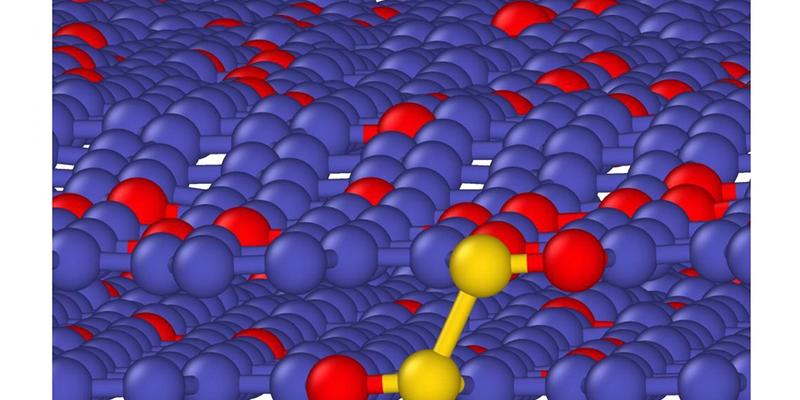
HydroGraph Clean Power received US EPA TSCA Section 5(e) clearance for two turbostratic graphene materials (P-24-0086/P-24-0087) alongside UK REACH and EU REACH registrations, authorizing commercial manufacture and supply across the US, UK, and EU. The approvals remove a key regulatory barrier for graphene commercialization in three major markets, allowing customers to scale up applications under defined compliance conditions.
Advanced Graphene Products has begun supplying ISO 10993-certified graphene oxide from its Zielona Gora facility to Boston Scientific under a $4.2 million contract for a two-year, 480-patient FDA-approved clinical trial of antimicrobial-coated cardiac catheters. The trial represents a direct application of graphene oxide in regulated medical devices, with a potential commercial supply pathway if Boston Scientific proceeds to FDA submission.

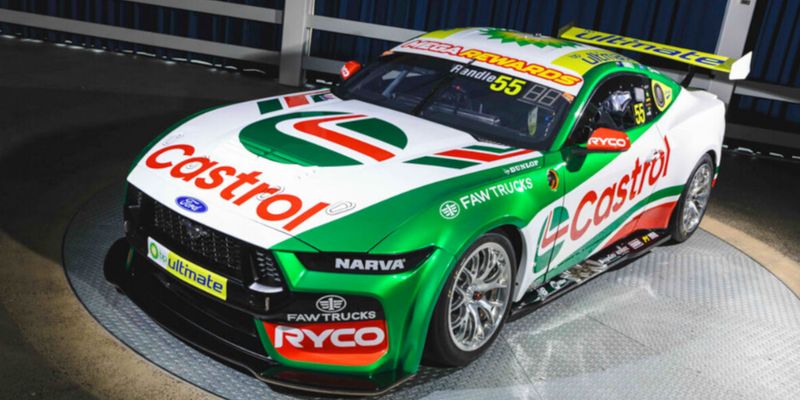
Graphene Manufacturing Group (GMG) partnered with Australian Supercars team Tickford Racing to trial GMG's liquid graphene products, including G Lubricant and THERMAL-XR, across Tickford's workshop and event infrastructure. The partnership provides GMG with a real-world performance testing environment to generate documented case studies validating its graphene-based lubricant and thermal products for broader industrial customers.
Calgary-based Carbonova closed a $25M Series B led by BDC Capital to build a 1,500-tonne-per-year graphene nanotube and hydrogen demonstration plant in Calgary, targeting commissioning in late 2027. The process targets a delivered graphene cost under $35/kg, which, if achieved at scale, could pressure pricing across the carbon nanotube and advanced composites supply chain.

Levidian and Zentek have signed an agreement to explore building a graphene-integrated manufacturing facility in the Middle East, combining Levidian's methane-derived graphene production with Zentek's graphene-enhanced air filters. The deal signals growing regional demand for graphene-enhanced products and positions the Middle East as an emerging hub for graphene manufacturing and deployment across multiple industries.
Argo Graphene Solutions Corp. completed its first graphene-infused concrete test pour of 12.5 cubic meters in Bristol, Tennessee, and launched a second pour of 15 cubic meters at the same site, with compressive strength testing scheduled at intervals through Day 56 per ASTM C39 standards. The project provides field-scale data on graphene's performance in cement matrices, targeting up to 30% gains in compressive and tensile strength, which could support broader commercial adoption of graphene in construction materials.
HydroGraph added Hubron International, a Manchester-based masterbatch and conductive polymer compounder with over 90 years of experience, to its Fractal Graphene Compounding Partner Program on February 10, 2026. The partnership gives HydroGraph access to Hubron's global distributor network and established carbon nanomaterial processing capabilities, supporting broader commercial adoption of graphene in thermoplastic applications across automotive, electronics, and other sectors.
SK On signed a five-year, $180 million supply contract with Hansolchemical for 4,500 tonnes per annum of graphene additive for NCM811 cathodes, with shipments starting Q1 2027. The deal signals growing industrial-scale demand for graphene as a functional cathode additive in EV batteries, and will require Hansolchemical to expand its Gumi facility beyond its current 1,200 tonne per annum capacity.

Levidian and Graphmatech announced a partnership to co-develop graphene-based polymer composites for hydrogen applications, including pipelines and pressure vessels where graphene reduces hydrogen gas leakage by up to 83%. The collaboration combines Levidian's graphene production with Graphmatech's dispersion technology, targeting a growing market for high-performance composites in the hydrogen sector.
Lancaster University has filed patents on a graphene oxide-enhanced concrete mix using 0.025 wt% graphene oxide that reaches 52 MPa compressive strength with 30% less Portland cement. The development indicates a scalable construction application for graphene oxide that could expand commercial demand for the material while reducing concrete's carbon footprint by 23% per cubic metre.
Researchers developed a 3D porous solar evaporator using recycled carbon fiber combined with a CuO/reduced graphene oxide photothermal layer to improve solar-driven water evaporation performance and salt resistance. The work demonstrates a pathway for valorizing recycled carbon fiber as a functional substrate in graphene-based photothermal composites, linking carbon fiber recycling with emerging solar evaporation applications.