News13 October 2026· Graphene Feed
Graphene-X's All Rounder Pants funded on Kickstarter in 27 minutes, return in two builds
GrapheneTextilesInvestment & CapitalResearch & InnovationMarket Intelligence
141 articles on Investment & Capital.
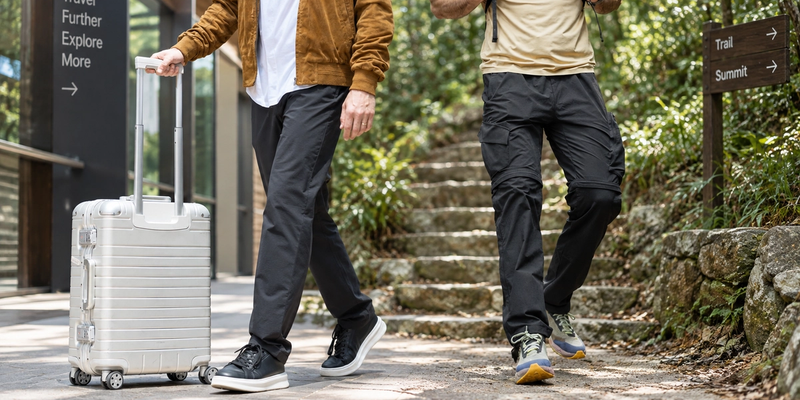
Graphene-X's new All Rounder Pants, featuring a 200 g/m² graphene-integrated fabric, surpassed their $100,000 stretch goal on Kickstarter within 60 hours, with over $115,000 pledged.
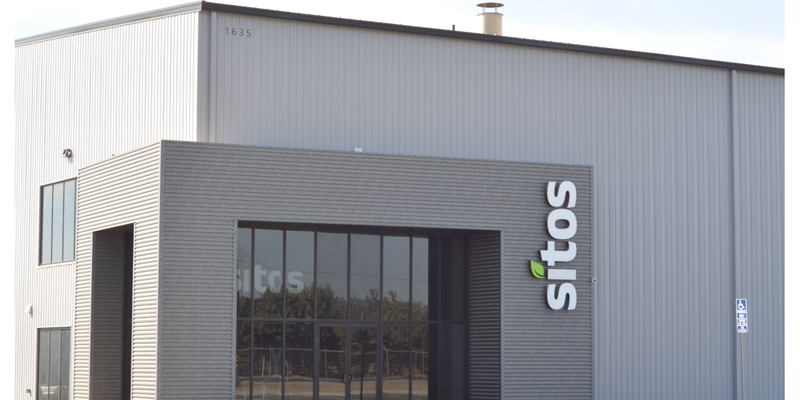
Sitos Treehouse Plant has released its first batch of almond shell biochar, produced using slow pyrolysis.
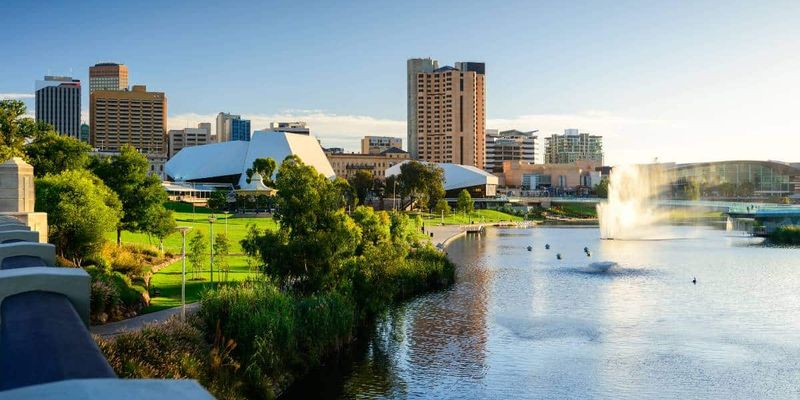
Renascor Resources produced graphite with 99.97% carbon purity at its Adelaide plant, surpassing typical battery-grade standards and validating a purification process that avoids hydrofluoric acid.
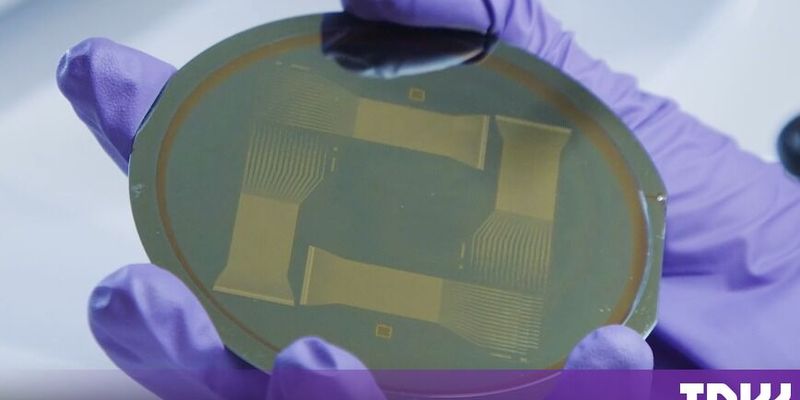
Researchers in the EU-funded MINIGRAPH project developed a magnetic robot to implant graphene electrodes in the brain along curved paths.
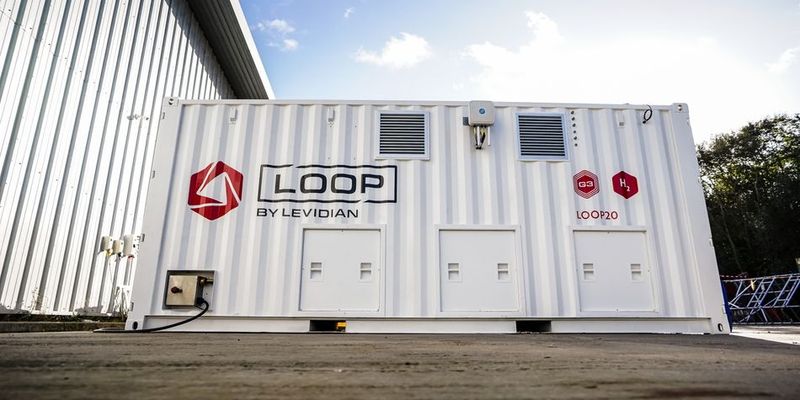
Dana Gas and Levidian have launched graphene production at Sharjah Graphene Park, with an annual capacity exceeding one tonne. The project began just four months after their initial agreement.
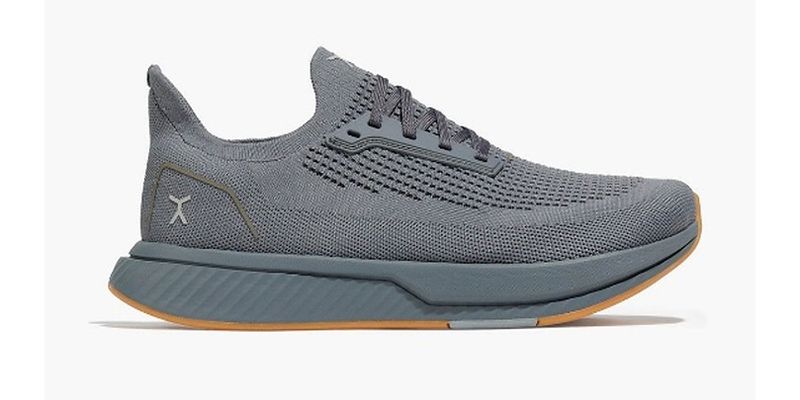
First Graphene secured its first production order with Flux Footwear to supply PureGRAPH® for their athletic shoes, enhancing durability and strength in the Graphene XT performance line.
POSCO Future M has signed a $4.5 billion long-term supply deal with Samsung SDI for lithium iron phosphate cathode materials, doubling their previous agreement's volume.
Graphano Energy Ltd. has completed prospecting at its Black Jack graphite site in Québec and plans to expand exploration westward. The company seeks $900,000 through a private placement.
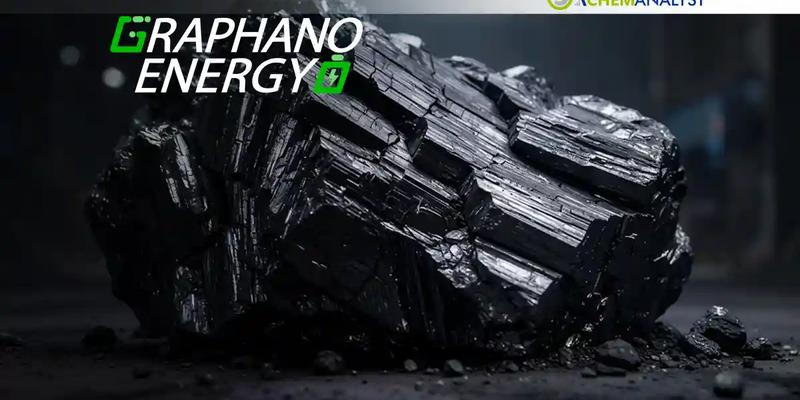
Researchers have completed the prospecting phase at the Black Jack graphite discovery and sent samples for graphitic carbon analysis.

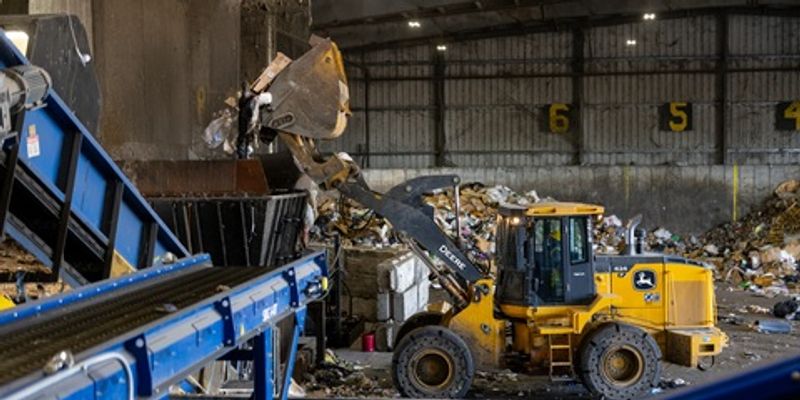
AMP has secured $70 million in financing led by Galvanize to expand its AI-powered waste processing in Portsmouth, Virginia. The facility will process over 500,000 tons of waste annually.
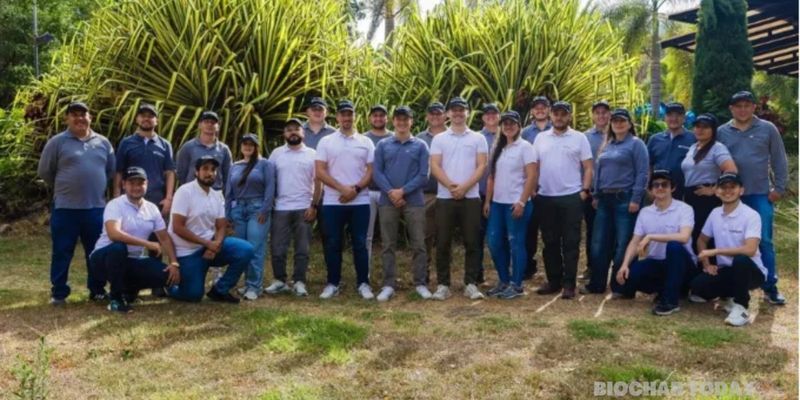
Cotierra raised $3 million to expand its decentralized biochar systems for tropical agriculture. The funding, led by Carbon Removal Partners and PINC, will support commercial scaling.
Vianode has enlisted JPMorgan to explore partnerships or a potential takeover to secure funding for its synthetic graphite operations in Ontario.

Graphite One is advancing its strategy to supply natural and artificial graphite anode materials for lithium-ion batteries in electric vehicles and energy storage systems.

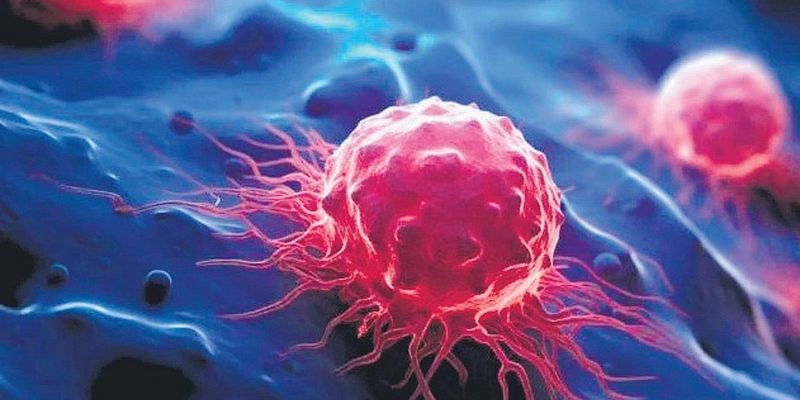
Researchers at BEMMS, in collaboration with ICMR-NARFBR, developed a nanocarbon compound showing up to 90% effectiveness in destroying breast cancer tumor tissue in preclinical mouse studies.
Albany Engineered Composites secured a $21.2 million contract to develop carbon-carbon composite thermal protection systems for hypersonic vehicles and solid rocket motors over 30 months.

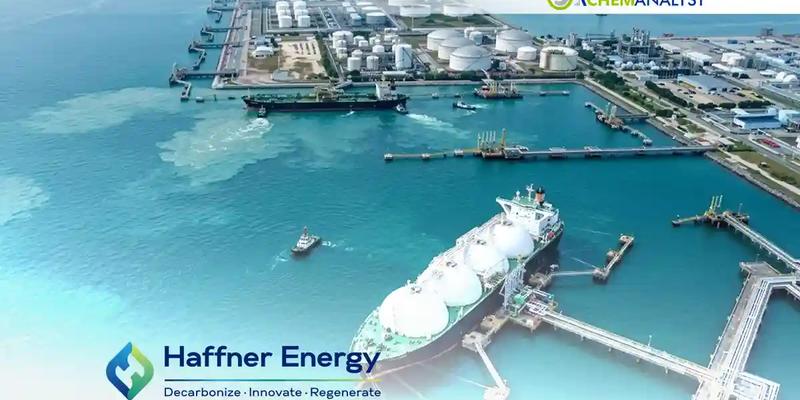
Haffner Energy received a €3.2 million contract to develop Quebec's inaugural Multi-Energy Hub, facilitating biochar and renewable fuel production.
Exomad Green and Carbonfuture will supply 1.1 million tonnes of biochar carbon removal by 2035, tackling Bolivia's supply issues with certified pyrolysis and comprehensive digital tracking.
The Advanced Carbons Council calls for a U.S. carbon materials innovation platform focused on standards, testing and buyer qualification. The paper links engineered-carbon supply chains to manufacturing, energy, defense and AI infrastructure. Serves as a model for governments world-wide.
ARIA is funding the development of perovskite-carbon fiber-reinforced polymer solar cells for use in stratospheric aircraft.

BIG has obtained $1.5 million in pre-seed funding to expand biochar carbon removal initiatives throughout Africa.
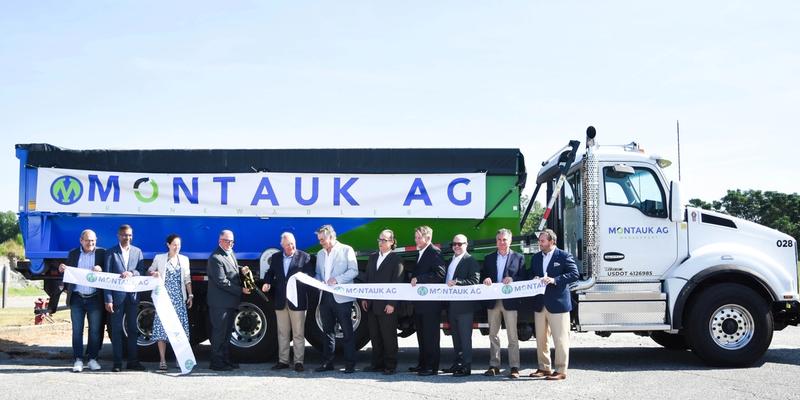
Montauk Renewables has opened a $200 million facility in Sampson County, North Carolina, turning swine waste into renewable energy and biochar.
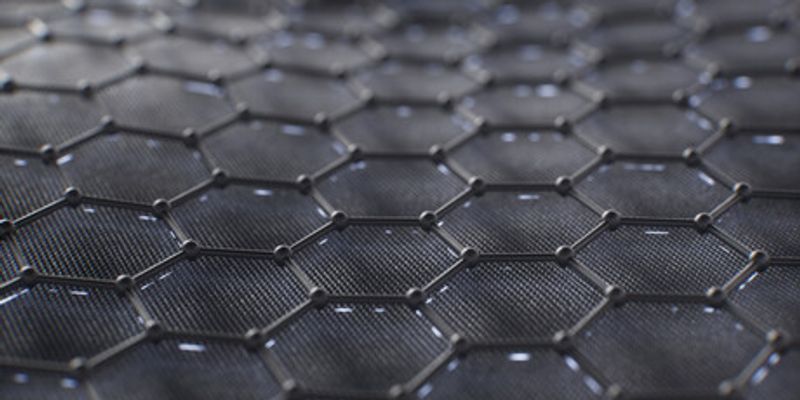
Graphene Manufacturing Group has started its second-generation graphene plant, aiming to produce 10 tonnes annually once optimised. Completion is expected by September 2026.
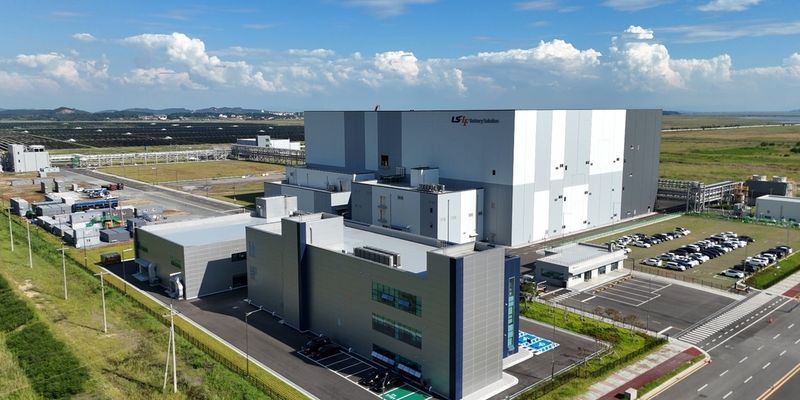
LS-L&F Battery Solution is testing precursor materials using LS MnM's metal sulfates. If successful, commercial production could start in Q4, with a 40,000-ton annual capacity.
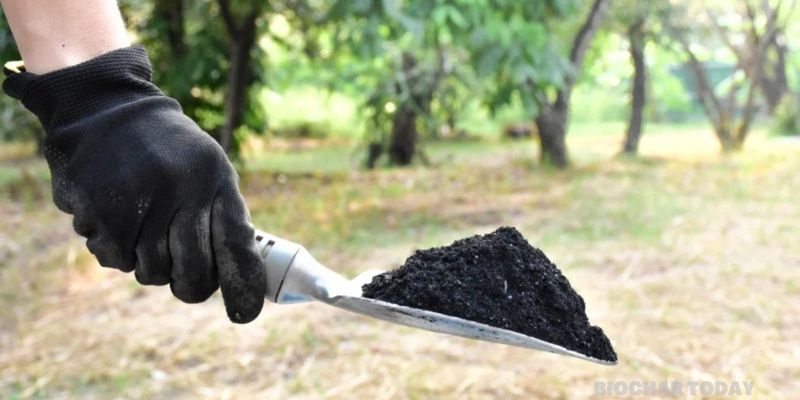
Researchers are exploring biochar-derived carbon nanomaterials to potentially reduce the cost of green hydrogen production.
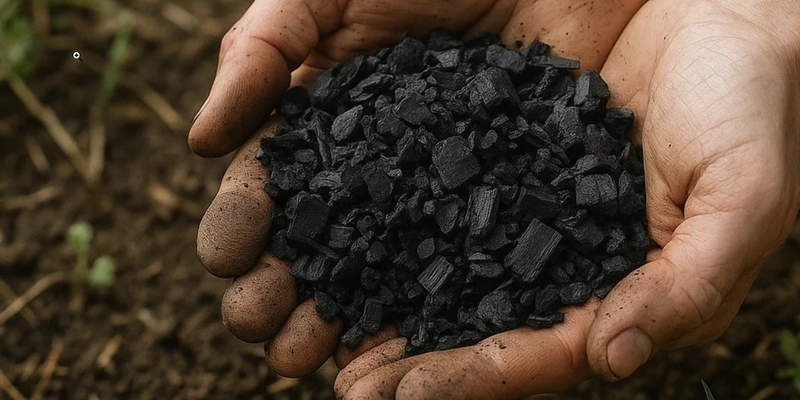
Bergen Carbon Solutions has secured a patent for its carbon purification technology, reinforcing its intellectual property in carbon material processing and supporting its strategy for high-quality carbon products.
Iowa State University researchers developed a method to print electronic circuits on 3D objects using aerosol-jet printing. NASA supports the commercialization with a $150,000 grant.
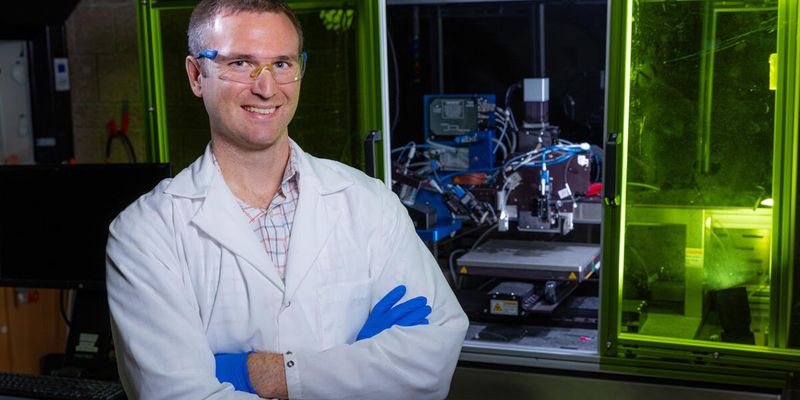
VoltaXplore is redirecting its 21700 lithium-ion cells from electric vehicles to defence drones and unmanned ground vehicles, supporting testing and qualification at its 1-MWh facility.
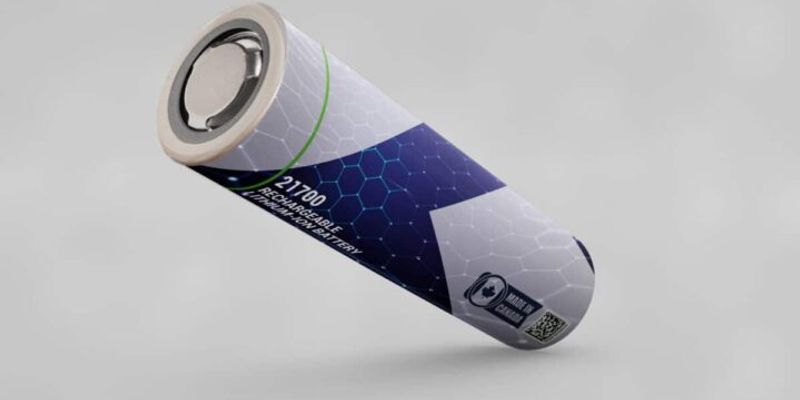
NanoXplore and VoltaXplore have been approved as qualified suppliers under Canada's Defence Drone Initiative Marketplace, covering graphene-enhanced composites and lithium-ion battery cells.

Canatu Finland Oy concluded change negotiations, resulting in the termination of up to 14 employment contracts for financial and production-related reasons.
Talga Group has signed a non-binding letter of intent with EAS Batteries for a graphite anode supply from its Vittangi project in Sweden, aiming for a binding agreement by 2027.

Unitree Robotics' STAR Market listing is set to enhance the use of carbon-fiber-reinforced materials in robotics.

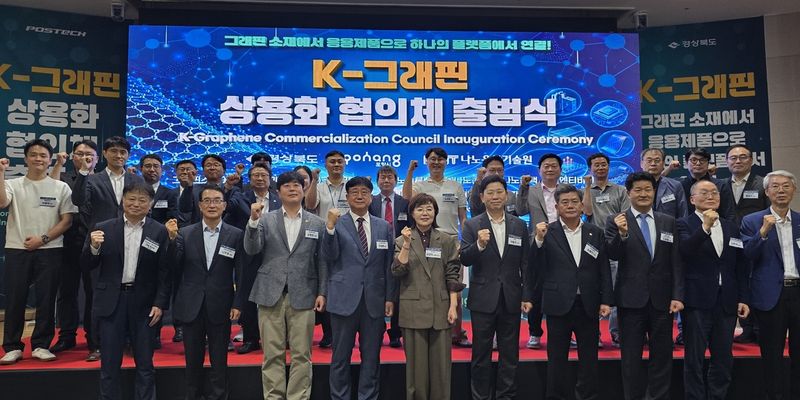
North Gyeongsang Province has established the K-Graphene Commercialization Council in Pohang to support companies in developing graphene-based products.
Green Carbon and ATOA Carbon plan to build biochar facilities in India, each processing 50 tons of biomass daily and generating carbon credits.
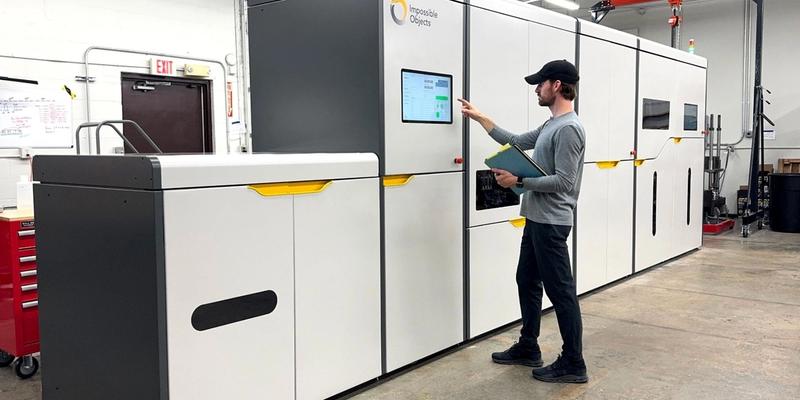
Impossible Objects secured $40 million to expand its CBAM 25 carbon-fiber 3D printing system for industrial-scale production, targeting aerospace and defense sectors with faster and stronger component manufacturing.
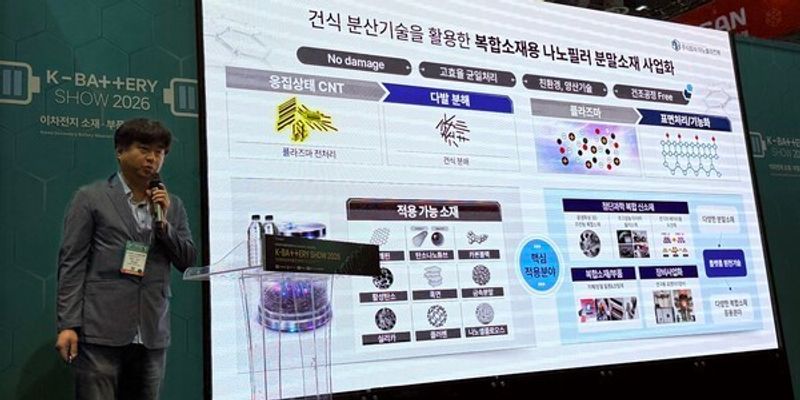
Inoplaztech plans to increase its carbon nanotube conductive additive production to 100 tons annually using proprietary plasma technology, targeting the dry electrode market for batteries.
Total Graphite plc has hired Lycopodium Minerals Africa to update the Montepuez Graphite Project's feasibility study in Mozambique. Initial results are expected by November 2026.
Researchers released data showing graphene-enhanced batteries have achieved extended life cycles, demonstrating improved performance compared to traditional battery technologies.
Advanced Carbons Council has re-certified Graphene One LLC and Armor Guys, known for the Kyorene® and GrapheNova® brands, under its Verified Graphene Product and Verified Graphene Producer programmes, recognising their vertically integrated advanced carbons operations.
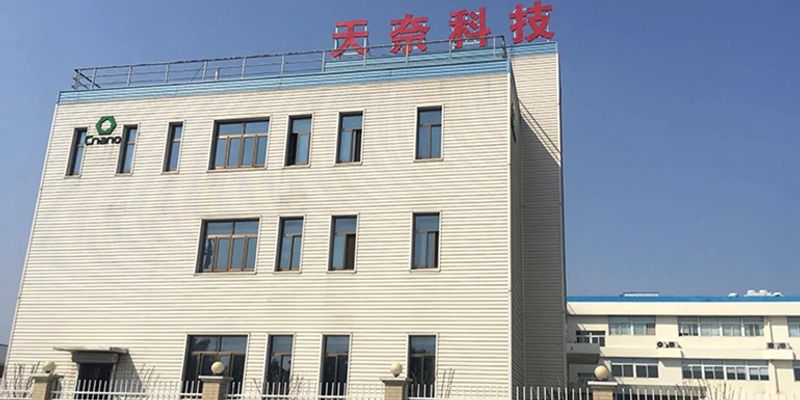
Cnano will sell 51% of C-Nano Technology to Aether Materials for USD25.5 million as part of a phased restructuring of its US CNT business. The move aims to meet US Non-PFE ownership rules and preserve customers’ eligibility for clean-energy manufacturing tax credits.
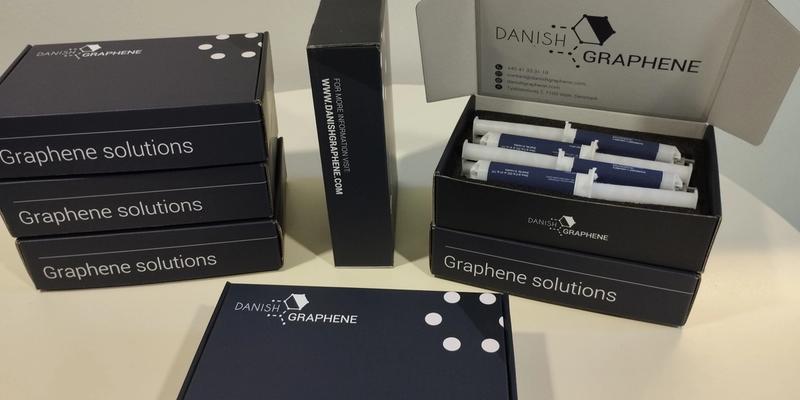
Danish Graphene secured GBP 2.5 million in seed funding to scale up production of its graphene-enhanced thermal adhesive for the space industry, attracting significant interest from hardware manufacturers.
HydroGraph's graphene research suggests that fewer layers do not always result in better quality. This challenges the common belief that thinner graphene is superior.
China GRINM, Beijing Graphene Institute, and China Reform Fund are collaborating to commercialize graphene-metal composites, advancing the material from laboratory research to market applications.
NOVONIX provided a mass-production qualification C-sample of synthetic graphite anode material to Panasonic Energy in June 2026.

Nova Pangaea Technologies finished testing its biomass process, handling up to three tonnes of softwood residues daily. The company plans to establish its first commercial plant.

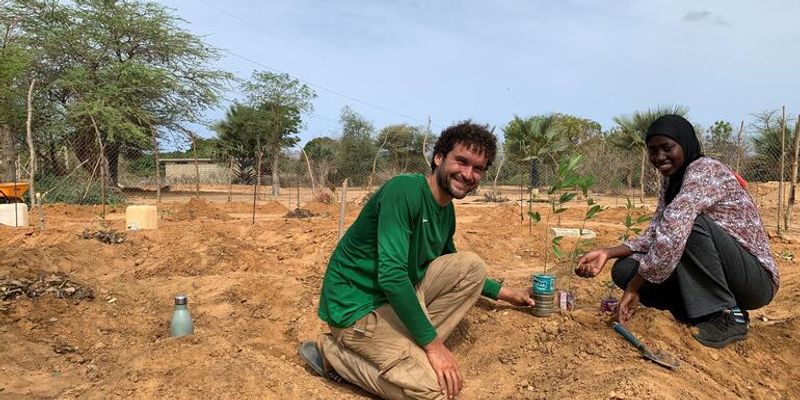
Young entrepreneurs in Ecuador, Senegal, Nigeria, and Bangladesh are transforming land restoration into economic opportunities, supported by the Youth Ecopreneur Programme. Their projects integrate technology and sustainable practices to boost productivity and market viability.
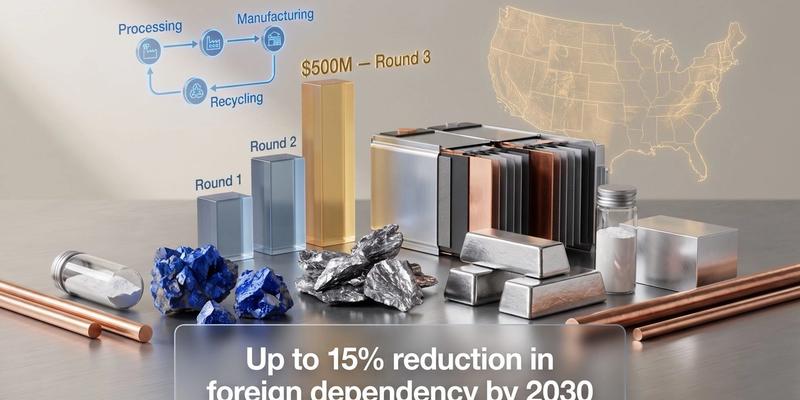
The U.S. Department of Energy has allocated $500 million to strengthen domestic processing and manufacturing of critical battery materials, aiming to reduce foreign supply chain reliance by 15% by 2030.
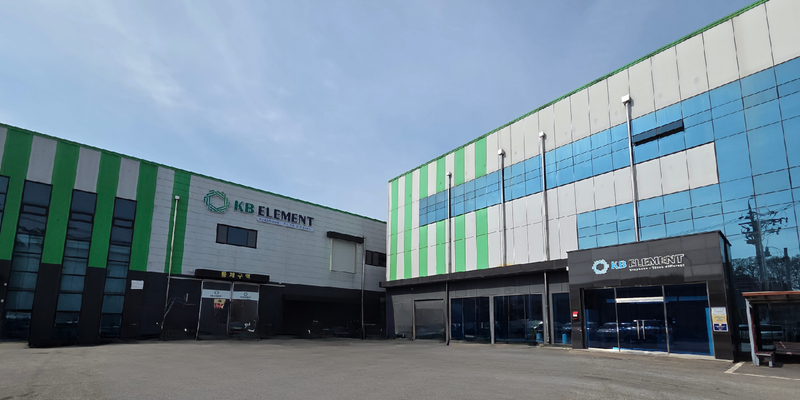
KB-ELEMENT has secured investment from nine organizations to advance mass production technology for non-oxidized graphene.
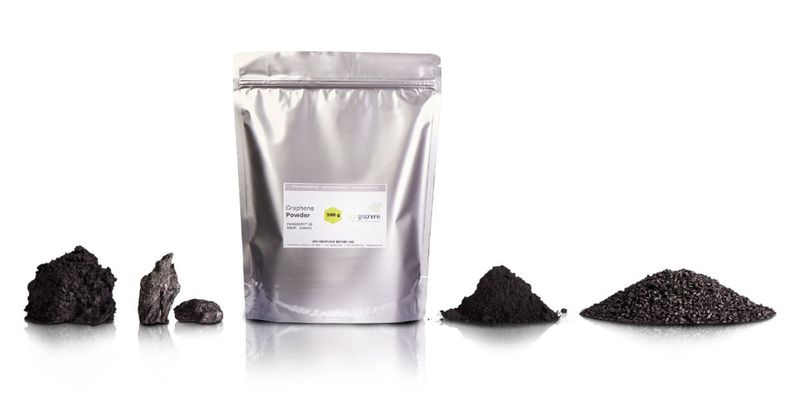
First Graphene has acquired MITO Material Solutions' assets, equipment, intellectual property, and product lines, expanding its portfolio with functionalised graphene oxide.
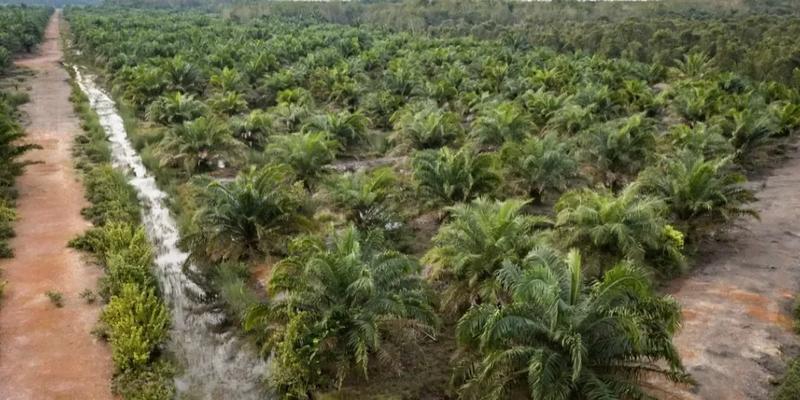
Researchers and industry leaders in Jakarta urge converting Palm Oil Mill Effluent into biogas. Indonesia's vast effluent pool remains largely untapped due to a lack of binding regulations.
Aviva is repurposing its gasification facility to produce biochar, generating 12 MW of electricity and around 47,000 carbon-removal units.
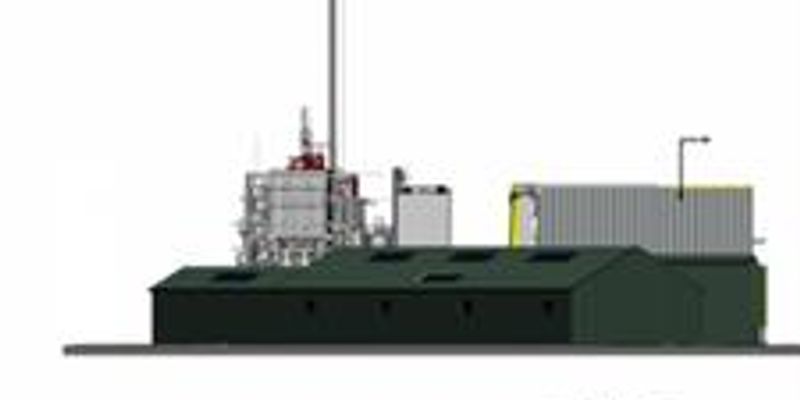
HydroGraph Clean Power Inc. opened its Texas headquarters in Austin, featuring a facility capable of producing 30 tons of pristine graphene annually. Congressman John Carter attended the event.

Graphene Manufacturing Group has rebranded its graphene battery cells to highlight their fast-charging and long-lasting features, collaborating with partners including the University of Queensland and Rio Tinto.
Adisyn Ltd has been granted a second U.S. patent for its graphene-coated semiconductor technology, enhancing its intellectual property portfolio.
First Graphene agreed with Sixth Element Material Technology to supply PureGRAPH4 CEM in China.

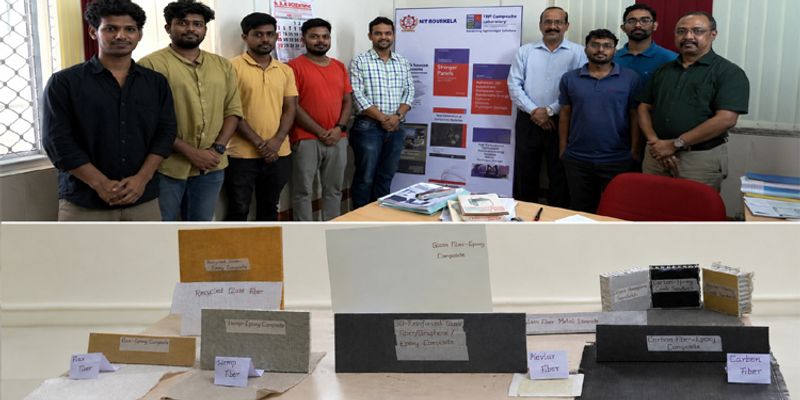
NIT Rourkela has patented a 3D-reinforced composite technology that boosts Fibre-Reinforced Polymer strength and durability, with potential applications in aerospace and automotive industries.
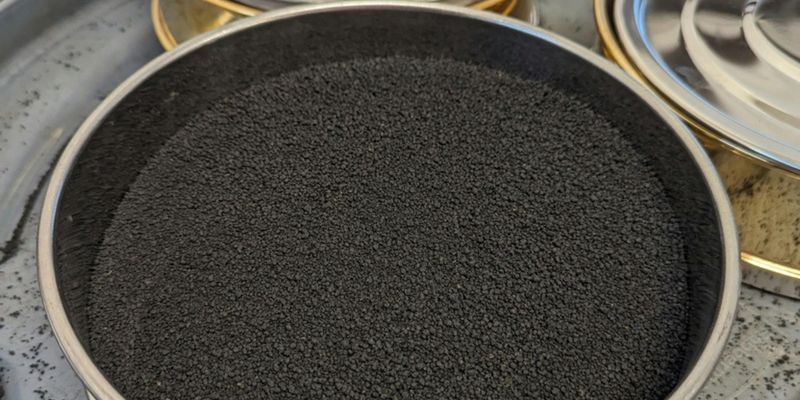
Asbury Advanced Materials has completed its acquisition of Graphit Kropfmühl, enhancing its capabilities in mining, processing, and application development of engineered carbon materials.
The federal government is providing $7 million to the Capital Regional District for a biosolids project on Vancouver Island, transforming wastewater treatment leftovers into biochar.
Tekever has introduced the AR6 heavy-lift drone family and broadened its collaboration with iCOMAT to boost AR5 drone production in the U.K.

Graphene-based technology advancements are enhancing the company's competitive edge, bolstering investor confidence in the technology sector.

Arigna will supply 115 tonnes of biochar for ground stabilisation at the £35m anaerobic digestion plant in Northumberland, reducing the project's embodied carbon.
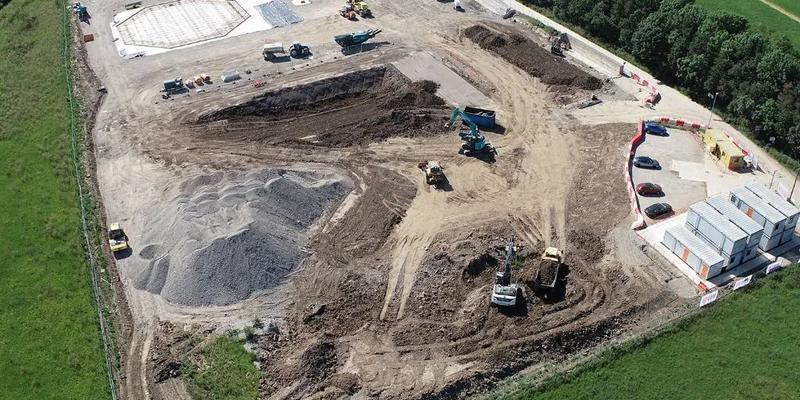
CCI BioEnergy has secured a contract to supply equipment for the Disco Road Organics Processing Facility in Toronto.
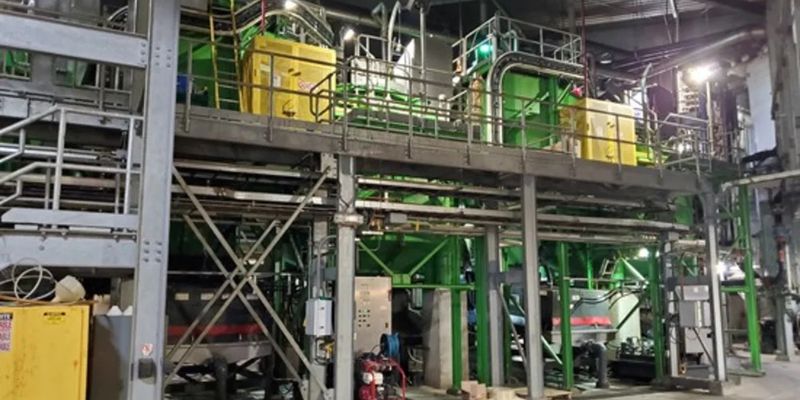
Himadri Specialty Chemicals will establish India's first carbon nanotube production facility at its West Bengal complex, with an initial capacity of 200 tons per year, starting commercial production by FY2027.

Adisyn's graphene deposition process has been independently verified as repeatable. The company also received a US patent allowance for its graphene coating technology for metallic surfaces.
Adisyn Ltd raised A$14 million through an institutional placement, signaling investor interest in its graphene-based semiconductor strategy via its subsidiary, 2D Generation Ltd.

Argo Graphene Solutions Corp. secured a 10-year exclusive license from Grapherry, Inc. for its STREAM graphene production technology, issuing 2.5 million shares and 5.5 million warrants.
Mivium is developing high-quality gallium nitride nanopowders to enhance semiconductor performance, while Avadain is licensing technology to produce large-scale, defect-free graphene for industrial applications.

Argo Graphene Solutions Corp. shares rose 6.52% as investor confidence grew in the company's commercialization prospects for advanced materials.

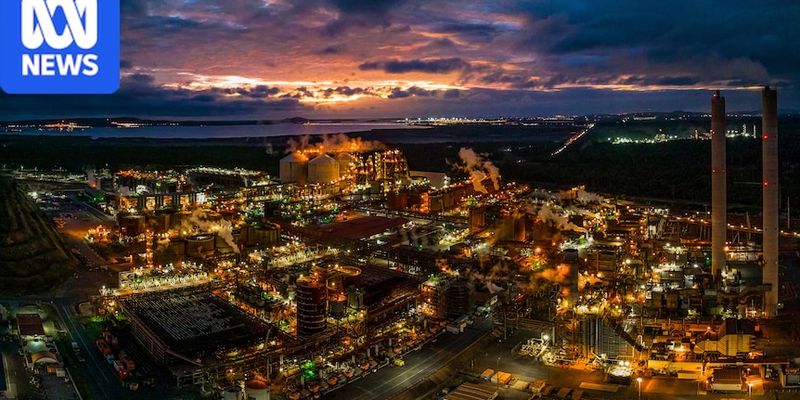
An Australian company plans a $30 million biochar facility in central Queensland, with Rio Tinto committing to purchase the biochar to potentially reduce coal use in its operations.
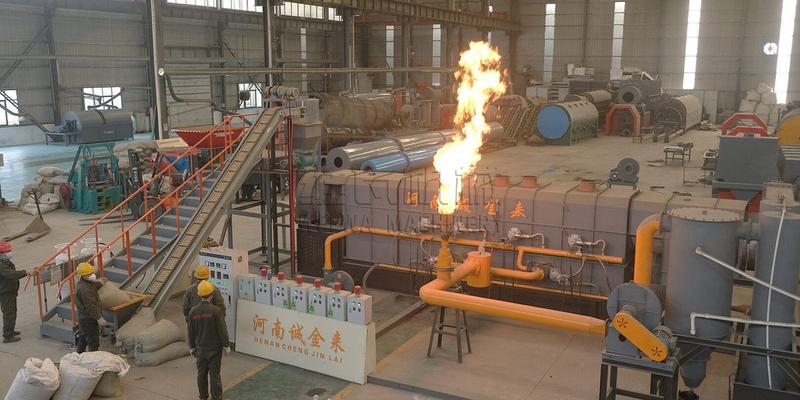
Weiwa Machinery shipped a continuous carbonization furnace to Pakistan, designed for high-capacity biochar production from local agricultural residues like coconut shells and rice husks.
India's first 120-ton-per-annum carbon fibre demonstration plant is being established in Amravati.
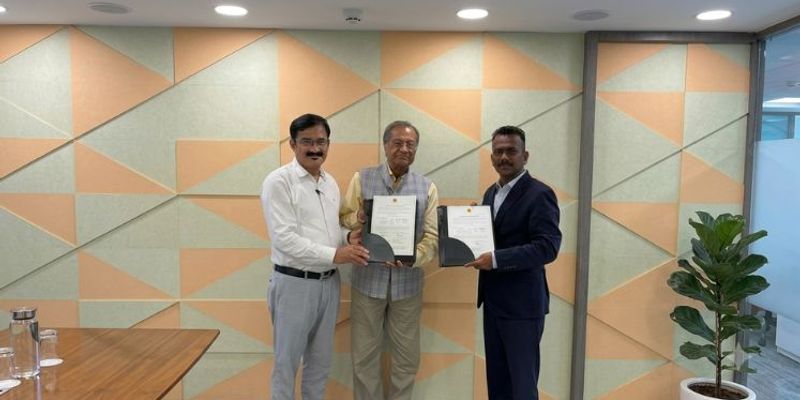
Zentek plans to release an economic study this summer for its graphite deposit near Hearst, Ontario.
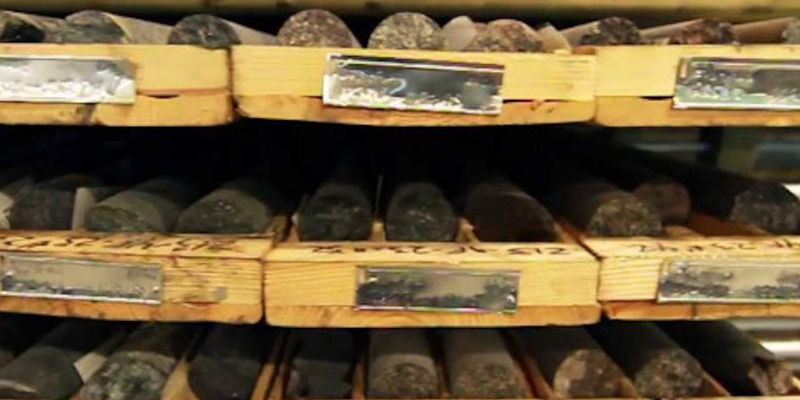
Himadri Speciality Chemical is focusing on carbon nanotubes as a potential growth area to complement its existing battery materials business.
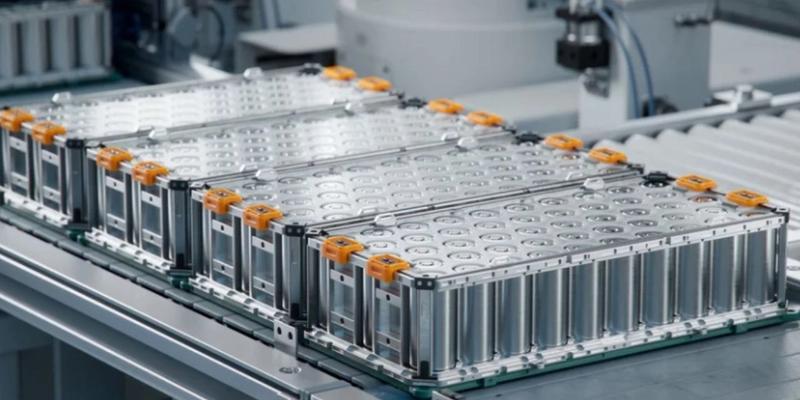
Graphite One plans to generate early revenue by finishing and blending synthetic graphite at its Ohio plant, targeting an annual capacity of 10,000 tonnes.
Abasca Resources has increased the Loki graphite resource in Saskatchewan to 6.99 million tonnes with 8.27% graphitic carbon, targeting a prefeasibility study by late 2026.
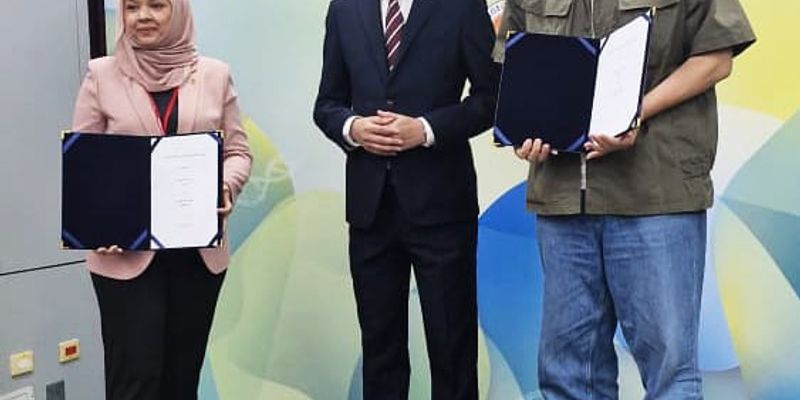
Malaysia's Bioeconomy Development Corporation secured three deals worth RM7 million with Taiwanese partners, including a RM1 million agreement for 20 tonnes of biochar with TCHAR Co Ltd.
Biochar from carbonization plants is now recognized as a valuable engineered carbon sink, offering new revenue opportunities beyond its traditional use as a soil amendment.
Eramet and the Gabonese Republic signed a memorandum to develop a biochar production sector using forestry by-products. An industrial seed fund "Made in Gabon" will also be launched.
Abasca has expanded its Loki graphite resource in Saskatchewan to include 6.99 million indicated tonnes grading 8.27% graphitic carbon, equating to 580,000 tonnes of contained metal. This expansion enhances the supply potential of graphite, a key material for batteries and other advanced carbon applications.

HydroGraph has signed a 10-year agreement to purchase acetylene from Western International for its graphene production facility in Bellville, Texas. This deal secures a stable supply of a key feedstock for HydroGraph's graphene manufacturing, supporting consistent production and potential growth in the advanced carbon materials sector.
HydroGraph signed 10-year agreements to secure feedstock supply and the Bellville, Texas site for its planned graphene production. This expansion supports increased graphene manufacturing capacity, which is crucial for meeting growing demand in sectors utilizing advanced carbon materials.
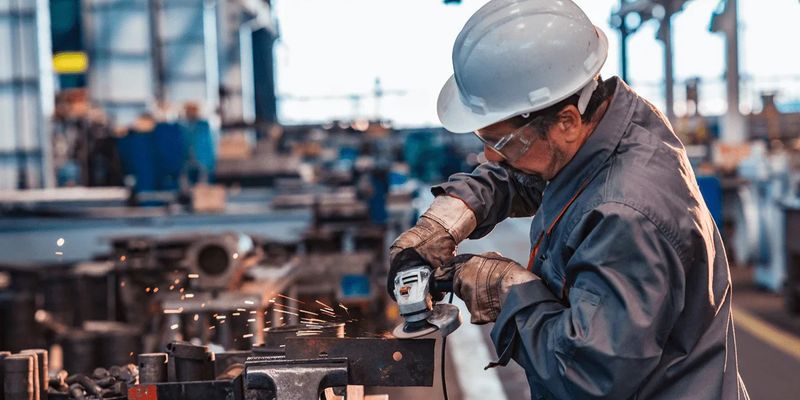
HydroGraph USA has signed agreements with Western International to construct, own, and operate a new commercial-scale graphene manufacturing facility. This development is significant for the graphene sector as it enhances production capacity, potentially lowering costs and increasing availability for various applications.

Researchers at the World Resources Institute report that current global CO₂ removal capacity is insufficient to meet the 2030 target of one billion tonnes, with technologies like Direct Air Capture and biochar facing high costs and scalability challenges. This shortfall impacts the advanced carbon materials sector, as these technologies are crucial for achieving net-negative emissions and supporting the sustainable use of biochar and other carbon-based solutions.
NanoMalaysia (NMB) is set to begin small-scale production of a graphene-enhanced lithium-ion battery for electric vehicles at its 15,000-square-foot facility in Sepang, Malaysia. By incorporating graphene instead of graphite, the battery aims to triple energy storage capacity, which could significantly enhance the performance of carbon-based materials in EV applications.
Graphite One has selected an engineering firm to procure equipment for synthetic graphite battery anode manufacturing at its Ohio production facility, aiming for completion by 2028. This development is significant for the synthetic graphite sector, as it supports the growing demand for battery anodes in electric vehicles.
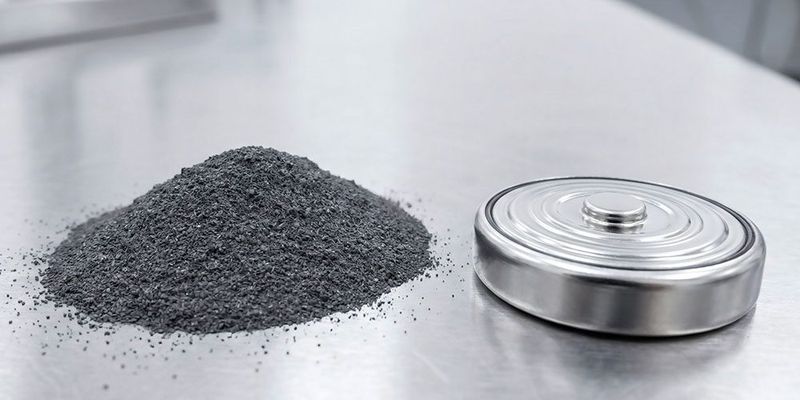
The RM of Ritchot has signed a memorandum of understanding with a biochar manufacturer to extend its landfill operations. This partnership could enhance the use of biochar in waste management, potentially improving sustainability and generating economic benefits.
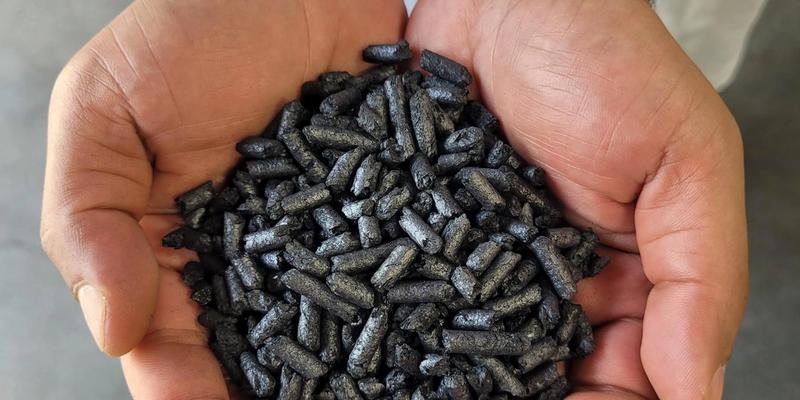
Canatu has appointed Walter Braun as Chief Technology Officer and Bernd Meier as Chief Marketing Officer, effective September 1, 2026. These appointments aim to enhance Canatu's capabilities in scaling the production and commercialization of its carbon nanotube technologies, crucial for its applications in the semiconductor and medical diagnostics industries.
The Government of Québec has announced its Plan de gestion intégrée des ressources énergétiques (PGIRE), committing $87 billion over 25 years to boost renewable energy, including forest bioenergy. This investment could significantly advance the production of renewable natural gas and biocarbon, both critical for decarbonizing industries reliant on carbon-based fuels.
Over a ten-year horizon graphene-based energy storage undercuts lithium alternatives once maintenance, replacement cycles and performance degradation are counted, not just the upfront purchase price.
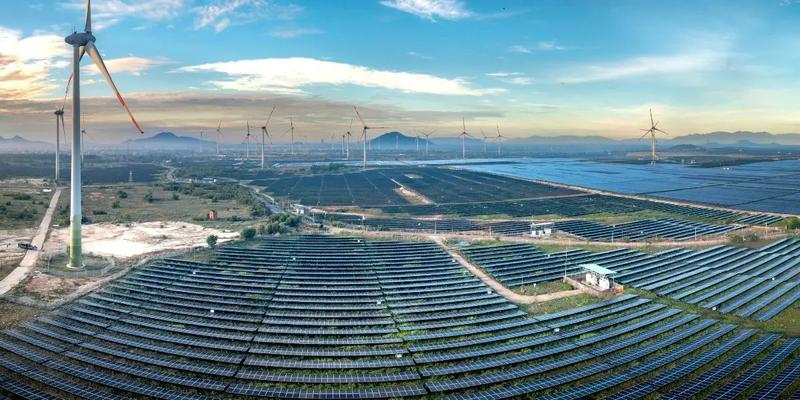
Converting accumulated forest biomass into biochar is being put forward as a wildfire prevention measure, tackling the untreated combustible material that satellite monitoring shows is driving record burn areas.

Researchers at UCLA have developed new graphene supercapacitors capable of storing significantly larger amounts of energy than existing models. This advancement could enhance the performance and efficiency of energy storage systems, impacting sectors that rely on advanced carbon materials like graphene.
Premier Graphene and HGI Industrial Technologies have reached a new milestone by completing the first manufacturing payment for 1,600 protective military belts under a contract with Mexico's Secretaría de la Defensa Nacional. This development highlights the growing use of graphene in defense applications, showcasing its potential to enhance the durability and protective capabilities of military equipment.
Posco Future M has announced its growth strategy in battery materials, emphasizing the development and supply of anode materials like synthetic graphite. This focus on synthetic graphite is crucial as it plays a key role in enhancing the performance and efficiency of lithium-ion batteries used in various applications.

Verde Resources, through its subsidiary Verde Renewables, has signed a 10-year Master Commercialization and Collaboration Agreement with Ergon Asphalt & Emulsions to supply engineered biochar for road paving and manage associated carbon removal credits. This partnership positions Verde as a key supplier in the asphalt industry, leveraging biochar to create sustainable infrastructure solutions and potentially generating additional revenue through carbon credits.

Pure Resources (ASX: PR1) and Rice University have announced peer-reviewed validation of their carbon nanotube fibre (CNTF) technology, highlighting its high thermal conductivity and potential to outperform traditional materials like copper and aluminum. This development is significant for advanced carbon materials as it demonstrates the potential of CNTF to enhance thermal management in applications such as AI data centers, drones, and defense systems.

Graphite One is targeting 25,000 tonnes per year of domestic synthetic graphite production by the fourth quarter of 2028. This development is significant for the synthetic graphite sector, potentially enhancing supply for battery and energy storage applications.
Archer Materials has completed a $7 million placement and entered into a strategic partnership with IonQ. This development could significantly impact the use of graphene in quantum computing applications, expanding its role beyond qubit hardware development.

Graphene Manufacturing Group Ltd. (GMG) has successfully commenced operations of its second-generation graphene production facility in Brisbane, Queensland. This development enhances GMG's capacity to supply high-quality graphene, potentially benefiting industries reliant on advanced carbon materials.
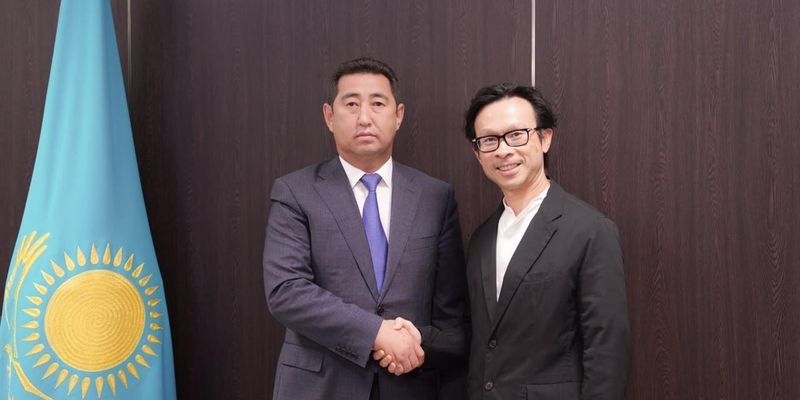
Kazakh Agriculture Minister Aidarbek Saparov met with representatives from Full Vision Capital, Towngas, and EcoCeres to discuss a project for producing sustainable aviation fuel from industrial oilseeds. This initiative could enhance the use of carbon materials like biochar by utilizing agricultural and food waste, contributing to environmentally friendly fuel alternatives.
India has launched the National Critical Mineral Mission with a budget of 343 billion rupees to boost domestic graphite mining and reduce import dependency by 2031. This initiative is crucial for securing a stable supply of graphite, an essential material for electric vehicle batteries and other clean energy technologies, as India aims to meet its ambitious climate goals.
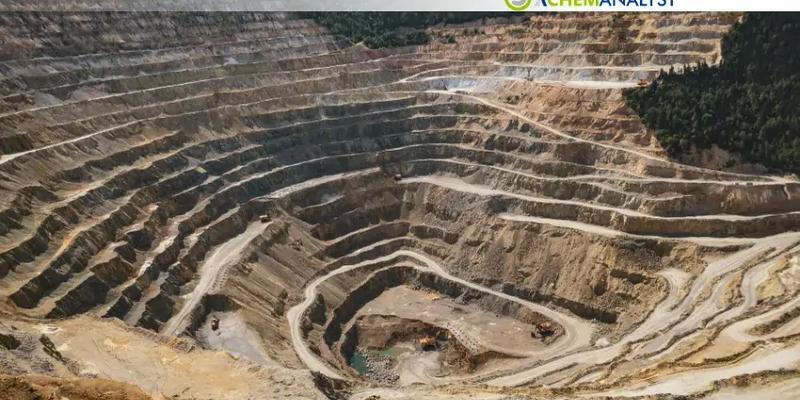
INNANO Ltd has established its operations at Exeter Science Park to further develop its graphene-enabled technologies for next-generation protective coatings. This move supports the advancement of graphene as a smart material, enhancing the protection, durability, and performance of materials in sectors like construction and energy.
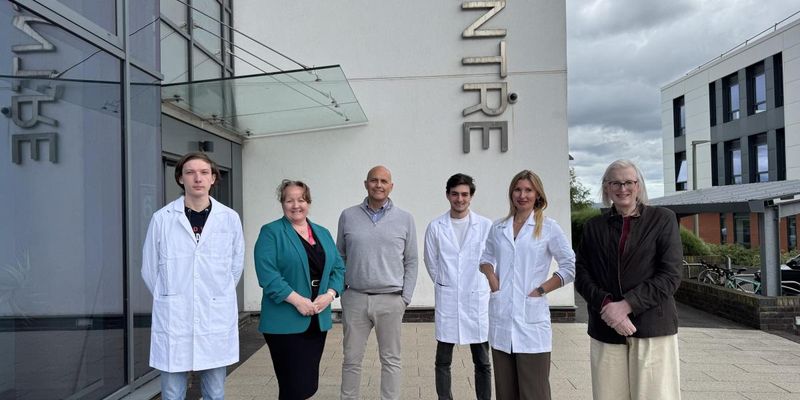
First Graphene Limited has signed a Memorandum of Understanding with The Sixth Element (Changzhou) Material Technology Co Ltd to distribute its PureGRAPH® CEM additive in China. This agreement targets the cement and concrete sector, offering a significant opportunity for graphene-enhanced materials to reduce carbon emissions in the world's largest cement market.

Avadain has increased its crowdfunding cap to $3.75 million in response to growing demand for graphene-based alternatives to critical minerals. This development highlights the rising interest in graphene as a versatile material capable of replacing scarce and expensive resources.
W&nergy and Enerfip in France have launched a crowdfunding campaign to finance the conversion of local biomass into renewable syngas and high-stability biochar. This initiative could enhance biochar production, which is valued for its potential to improve soil health and sequester carbon.
Talbros Automotive Components has formed a joint venture with Lohum Cleantech to create Lohum Talbros CarbonTech Private Limited, focusing on the production of recovered carbon black and devulcanized rubber. This collaboration marks Talbros' strategic move into sustainable automotive materials, leveraging advanced carbon materials like recovered carbon black to support the circular economy.

Bakkafrost Scotland showcased its Applecross recirculating aquaculture system (RAS) facility during a visit by Scotland’s marine minister, highlighting its strategy of rearing salmon longer in freshwater conditions. The facility plans to install pyrolysis technology to convert hatchery waste into biochar, aligning with efforts to reduce environmental impact and enhance sustainability in aquaculture.
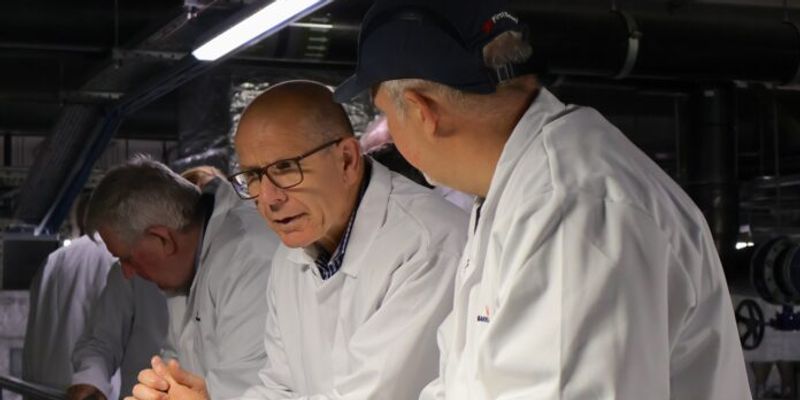
Avadain has increased its crowdfunding cap to $3.75 million to support its graphene production initiatives. This funding boost is significant for the advanced carbon materials sector as Avadain's graphene has the potential to replace silver in printed electronics and mined graphite in battery anodes.
Graphene Manufacturing Group is expanding its production capabilities to meet increasing demand for its graphene products. This development is significant for the graphene sector as it enhances supply availability, potentially lowering costs and enabling broader application in industries such as electronics and energy storage.
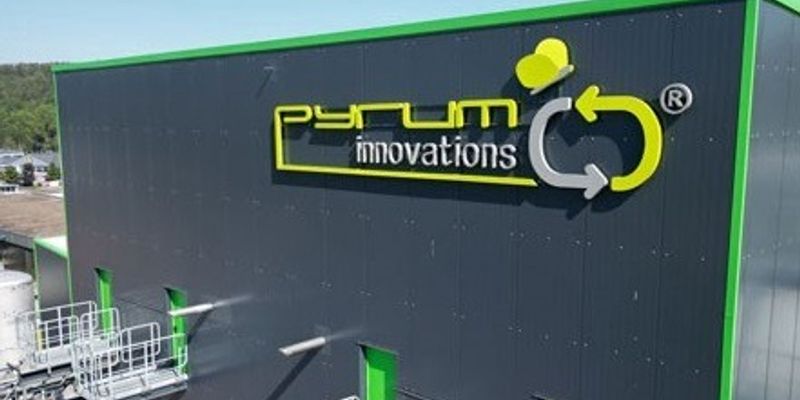
Pyrum Innovations has announced that its tire recycling plant project in Perl-Besch, Germany is back on track following the successful optimisation of its Dillingen facility, which now produces stable recovered carbon black (rCB). This development is crucial for the advanced carbon materials sector as it demonstrates the viability of producing high-quality rCB, a key component for sustainable tire manufacturing and other applications.
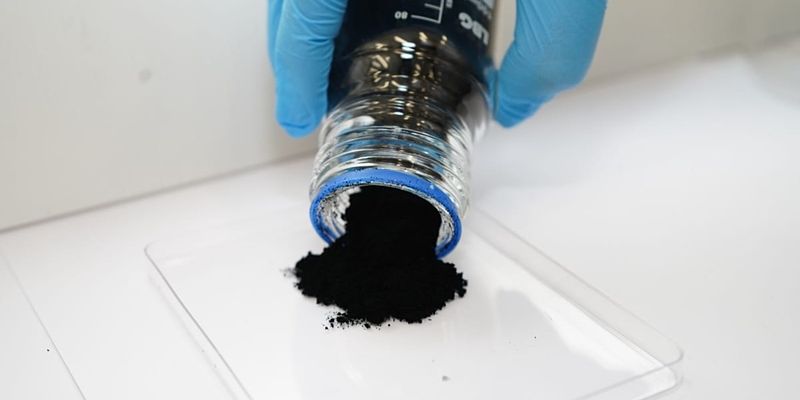
GTechPlasma, a spin-off from Instituto Superior Técnico in Lisbon, has developed a plasma-produced graphene powder that its researchers estimate could reduce an F-16's radar signature to that of a bird, and has already supplied 260 grams of the material to a Portuguese drone manufacturer. The development is notable for the graphene sector because it demonstrates a tunable, plasma-based production process capable of reaching 40 milligrams per minute, with industrialization underway through partner company Plasmaphene, targeting a market—radar-absorbent coatings—currently restricted to U.S. suppliers.
Chief Minister Sukhvinder Singh Sukhu announced that biochar plants under construction in Hamirpur, Himachal Pradesh, will contribute to earning carbon credits and creating employment. This development is significant for the biochar sector as it highlights the potential of biochar to support sustainable economic growth and carbon management.
South Korea's Ministry of Science and ICT rated four of its 14 Small-scale R&D Zones—Seoul Hongneung, Pohang, Incheon Seo-gu, and Jinju—as "Excellent" in the 2025 annual evaluation, with Pohang's zone directing roughly 11 billion won toward Graphene Square and POSTECH to build the world's first mass-production plant for graphene film. The Pohang result signals growing state-backed infrastructure for scaling graphene manufacturing, a persistent bottleneck for the advanced carbon materials sector.
Cal Poly Pomona's College of Engineering received a $198,100 grant from the DENSO North America Foundation to fund advanced manufacturing equipment, including a large-scale carbon fiber 3D printer and an industrial multi-material printer, for student use. The addition of industrial-grade carbon fiber 3D printing at the undergraduate level expands hands-on access to composite fabrication technology that is otherwise largely confined to professional industry settings.
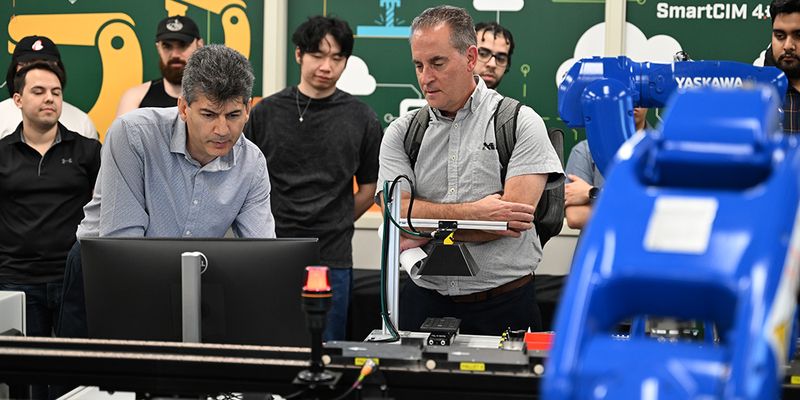
OCSiAl has been named a single-wall carbon nanotube supplier to Volkswagen Group's battery subsidiary PowerCo for its Unified Cell platform, with supply coming from OCSiAl's audited production facility in Serbia. The deal extends single-wall carbon nanotube use into a major European automaker's standardized battery platform, where the material serves as a conductive additive in graphite anodes to improve conductivity, heat dissipation, and fast-charging performance.
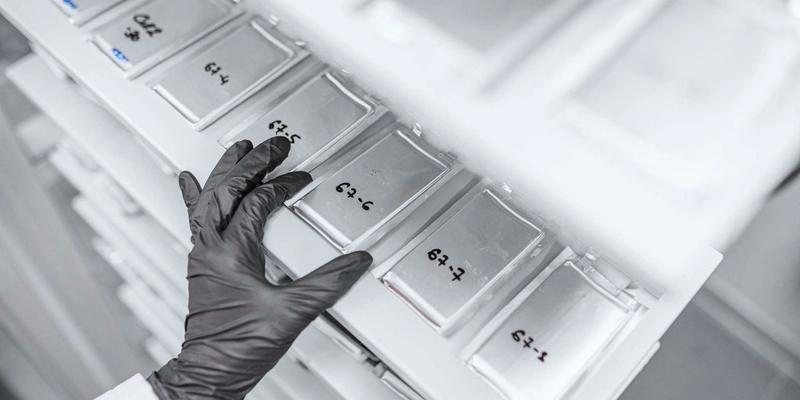
European semiconductor companies raised substantial funding in 2025, with the ten largest rounds ranging from NXP Semiconductors' €1 billion EIB loan down to IQE's £18 million convertible note, spanning AI chips, photonics, power electronics, memory, and chip cooling. Two graphene-focused companies, Paragraf ($55M Series C) and CamGraPhIC (€25M Series A), secured funding to scale graphene-based electronic devices and graphene silicon photonics respectively, signaling continued investor commitment to graphene's commercial role in semiconductors and optical interconnects.

Zhongfu Shenying commissioned three high-performance carbon fiber production lines in Lianyungang, Jiangsu on June 28, comprising a 1,000-ton/year T1100-grade aerospace line, a 5,000-ton/year 48K large-tow line, and a 600-ton/year M40 high-modulus line, as the first phase of a CNY6 billion project targeting 30,000 tons of annual capacity. The lines expand China's domestic supply of high-grade carbon fiber across aerospace, wind energy, hydrogen storage, and EV applications, reducing reliance on foreign sources for critical materials.
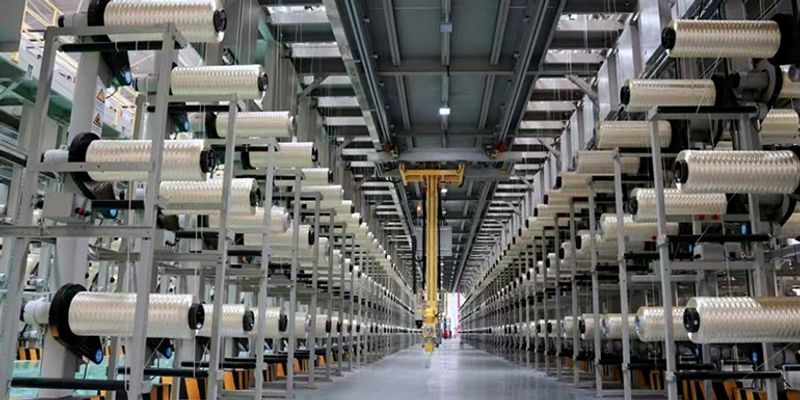
Paragraf, a graphene electronics foundry based in Cambridgeshire, UK, has formed a new Advisory Committee comprising Oreste Donzella, Jean-Michel Richard, and Thomas Piliszczuk, with Donzella and Richard also joining the board as non-executive directors. The appointments signal Paragraf's push to scale graphene semiconductor manufacturing and expand into global electronics markets, drawing on advisors with deep experience at firms including Texas Instruments, Micron, KLA, and imec.

Professor Roman Gorbachev at the University of Manchester received a £1.9 million EPSRC Open Fellowship to lead a five-year project scaling van der Waals 2D material heterostructures from micrometre samples to wafer-scale fabrication using a new ultra-high vacuum platform. The work directly advances graphene and 2D materials manufacturing by targeting industrial-process compatibility and establishing a UK fabrication hub accessible to academic and industry users.
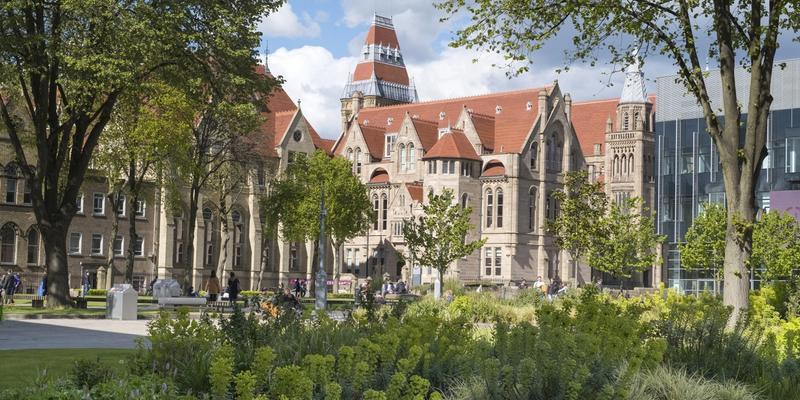
Micro-X Limited (ASX: MX1) released an investor presentation outlining its strategy to apply proprietary carbon nanotube X-ray technology to CT imaging, while noting the material is not a prospectus and that its securities are not registered in the United States. The update signals continued commercial development of carbon nanotube-based X-ray sources for medical imaging, a niche application that could influence demand and performance benchmarks for nanotube components in the medtech sector.

Gyeongsangbuk-do Province secured 30 billion won in South Korean state funds across three projects targeting graphene 2D nanomaterials, ultra-precise electronic glass, and on-device AI for manufacturing, running from 2026 to 2030. The graphene project, organized by POSTECH Nano Convergence Technology Institute with 14.3 billion won, aims to build Korea's first end-to-end infrastructure covering graphene synthesis through to commercialization, addressing the country's longstanding gap between R&D capability and industrial-scale production.
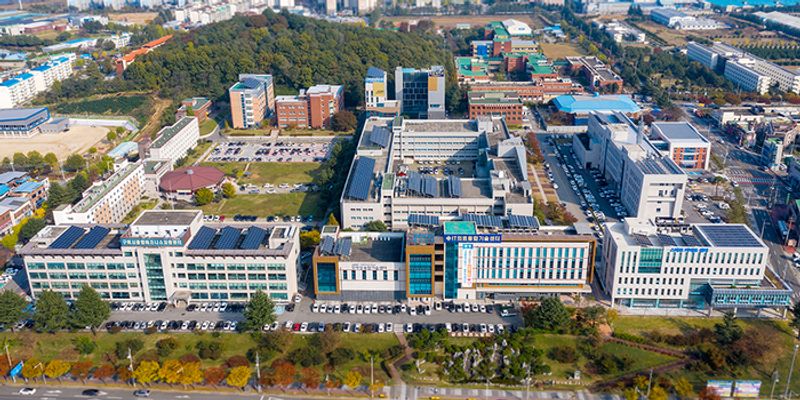
PowerCo, Volkswagen Group's battery subsidiary, selected OCSiAl to supply TUBALL single-wall carbon nanotube additives for the graphite anodes of its Unified Cell platform, manufactured at OCSiAl's Serbia facility. The deal expands the role of single-wall carbon nanotubes in large-scale EV battery production, with OCSiAl now supplying the majority of European EV battery manufacturers and planning a $300 million graphene nanotube facility in Luxembourg.
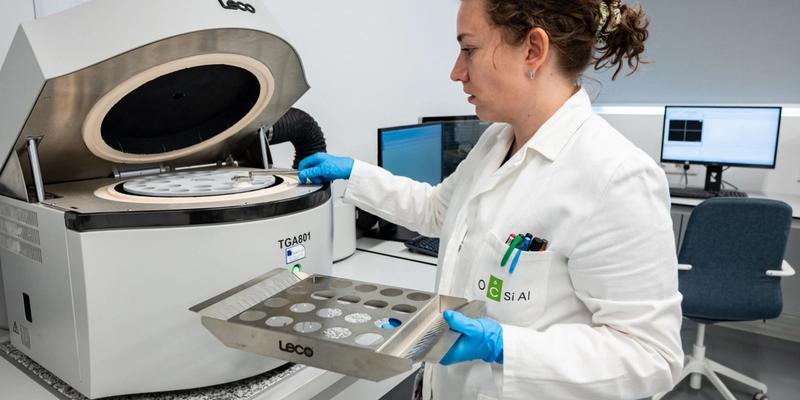
Argo Graphene Solutions Corp. (CSE: ARGO) closed a license agreement with Grapherry, Inc. on June 25, 2026, acquiring an exclusive worldwide license to Grapherry's STREAM graphene production platform in exchange for up to 11,000,000 common shares and 5,500,000 warrants, with full technology ownership transferring to Argo upon full share issuance. The deal gives Argo control over a scalable graphene production technology targeting construction, agriculture, and energy storage applications, while Grapherry's CEO Vikas Berry joined Argo's board and the company's existing CEO Scott Smale resigned.
Canada's graphene sector has developed across production, construction, filtration, printed electronics, and energy storage, with companies such as NanoXplore operating a 4,000-metric-ton-per-year facility in Montréal and firms like Zentek and Graphene Leaders Canada advancing application-specific products toward commercial deployment. The ecosystem signals a shift from materials science demonstration toward repeatable industrial use cases in carbon-based composites, conductive additives, and separation technologies, though commercial viability still depends on product qualification, standardization, and cost competitiveness against incumbent materials.
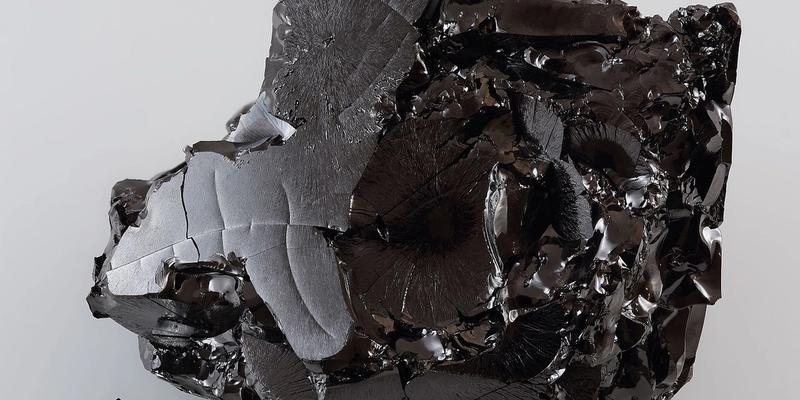
Marstrom Composite AB, a subsidiary of Scandinavian Astor Group, signed a five-year framework agreement worth approximately SEK 100 million with an undisclosed western defence company to supply structural composite components. The deal provides a long-term revenue base for Marstrom's carbon fibre composites business and signals growing demand for advanced composite structural parts in western defence programmes.
Bolder Industries received final permits on 15 June 2025 to build an 86ktpa end-of-life tire pyrolysis facility at the Port of Antwerp-Bruges, to be developed in two phases with EU Innovation Fund co-funding. The plant will supply recovered carbon black at commercial scale to European markets, adding to Bolder's existing US operations in Missouri and Indiana.
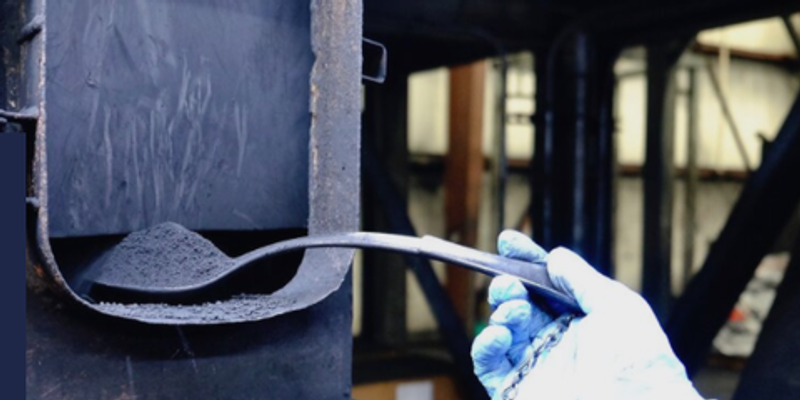
The EU-funded HOOP project helped eight European cities and regions mobilise EUR 124 million to convert urban biowaste into circular bioeconomy outputs including biochar, biogas, bioplastics, and agricultural nutrients. Biochar production via pyrolysis emerged as a replicable pathway across multiple territories, with Kuopio (Finland) establishing an operational pilot plant and Münster (Germany) confirming technical feasibility, signaling growing municipal-scale demand for pyrolysis infrastructure relevant to the biochar sector.
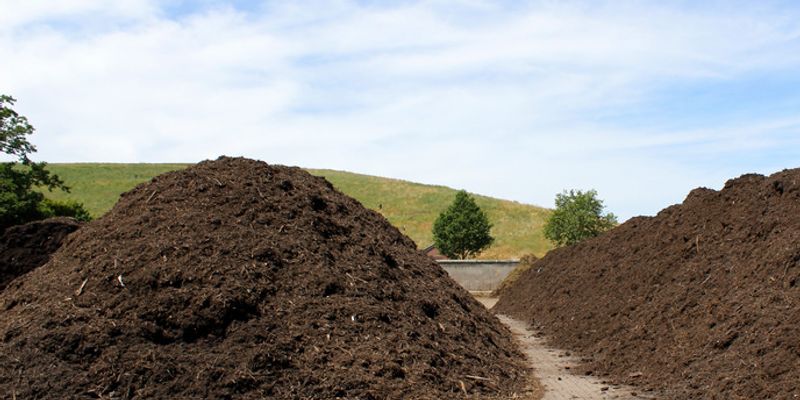
Alastair Collier, chief R&D officer of A Healthier Earth, argues in this op-ed that the carbon removal sector's primary obstacle is no longer technological but structural, citing fragmented credit markets, misaligned procurement timelines, and the absence of durable policy frameworks as the core barriers to scale. For the biochar and broader CDR industry, the piece highlights that integrating high-integrity removals into mechanisms like the UK and EU ETS could provide the long-term demand signals and price certainty needed to move projects from pilots to industrial-scale infrastructure.
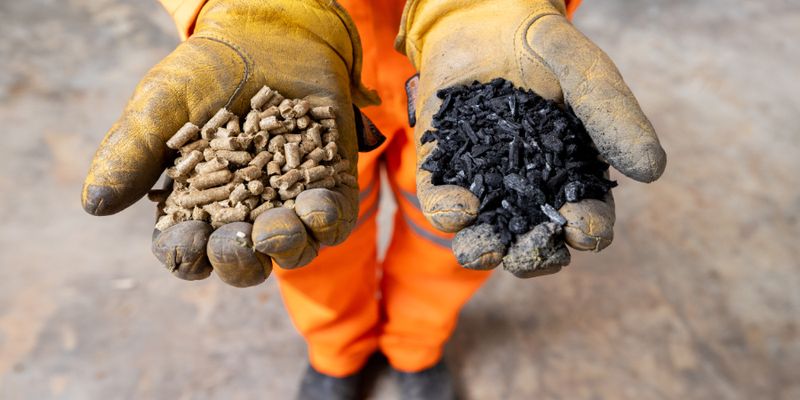
The Advanced Carbons Council published a position paper in May 2026 arguing that carbon credit financing should be redirected from geological carbon capture and sequestration toward conversion of captured carbon into advanced materials such as graphene, carbon fiber, biochar, and carbon nanotubes. The paper contends that carbon-to-materials conversion projects are commercially self-sustaining without ongoing subsidies, unlike CCS, and deliver compounding lifecycle emissions reductions across sectors including construction, aerospace, agriculture, and energy storage.
Solidion Technology (Nasdaq: STI) withdrew its previously filed Form S-1 registration statement with the SEC on June 10, 2026, citing unfavorable market conditions and deal terms. The move affects a company developing graphene-enabled silicon anodes and biomass-based graphite materials, signaling that capital access constraints may slow near-term commercialization of these advanced carbon battery materials.
Sicona Battery Technologies validated 600 Wh/kg energy density in graphene-wrapped silicon anode pouch cells at its Wollongong pilot line, achieving 1,200-cycle retention above 80 percent capacity with a 200 MWh/year scale-up targeted for late 2027. The result advances graphene's role as a structural buffer for silicon anodes, a combination the carbon materials and battery sectors have pursued to overcome silicon's volumetric expansion problem at commercial scale.
Inspire Nano licensed its graphene-coated copper electrode platform to Furukawa Electric for Asia-Pacific high-frequency signal transmission applications in a deal worth $9 million upfront plus royalties. The graphene coating reduces skin-effect losses at frequencies above 1 GHz by 22 percent, with direct relevance to graphene commercialization in 5G/6G infrastructure and data center cable markets.

Peking University researchers developed a graphene-coated lithium metal electrode that allows solid-state batteries to retain 92% capacity after 5,000 cycles, with findings published in Joule. The graphene coating's role in suppressing dendrite growth at the lithium-sulfide electrolyte interface advances a known barrier to commercial solid-state battery adoption, with scale-up trials planned with two Chinese manufacturers for late 2026.

A team at the National University of Singapore developed a graphene field-effect transistor biosensor that detects four oral cancer biomarkers from saliva in 90 seconds, achieving 94.2% sensitivity and 91.8% specificity in a 220-patient clinical pilot. The device demonstrates a scalable diagnostic application for functionalized graphene, with a spinout company pursuing commercialization and a projected per-test cost under 4 USD.
The University of Exeter's Centre for Graphene Science demonstrated a graphene-zinc oxide heterostructure UV photodetector with an 8-nanosecond response time at 365 nm, 10x faster than commercial silicon devices, as published in Advanced Materials. The result advances graphene's case as a functional material in high-speed optoelectronics, with Hamamatsu Photonics engaged for industrial-scale validation and patents filed across three jurisdictions.

NeoGraf commissioned a new production line at its Lakewood, Ohio facility, adding 2,000 tonnes per annum of flexible graphite sheet capacity funded by a $38 million investment, bringing its total to 11,000 tonnes per annum. The expansion increases domestic supply of high-purity exfoliated graphite sheets for EV battery thermal management, where the material's in-plane thermal conductivity above 600 W/m·K at low density addresses a critical requirement for North American automotive manufacturers.

Calgary-based Carbonova closed a $25M Series B led by BDC Capital to build a 1,500-tonne-per-year graphene nanotube and hydrogen demonstration plant in Calgary, targeting commissioning in late 2027. The process targets a delivered graphene cost under $35/kg, which, if achieved at scale, could pressure pricing across the carbon nanotube and advanced composites supply chain.

SK On signed a five-year, $180 million supply contract with Hansolchemical for 4,500 tonnes per annum of graphene additive for NCM811 cathodes, with shipments starting Q1 2027. The deal signals growing industrial-scale demand for graphene as a functional cathode additive in EV batteries, and will require Hansolchemical to expand its Gumi facility beyond its current 1,200 tonne per annum capacity.

First Graphene and Halocell Energy, in collaboration with Queensland University of Technology, reported that adding First Graphene's PureGraph graphene product to Halocell's perovskite solar cells raised efficiency to 30.6% and cut production costs by up to 80% by replacing gold and silver conductors via roll-to-roll processing. The result demonstrates a commercial application for graphene as a functional coating material in photovoltaics, with cost and efficiency metrics that could accelerate perovskite cell adoption over conventional silicon.
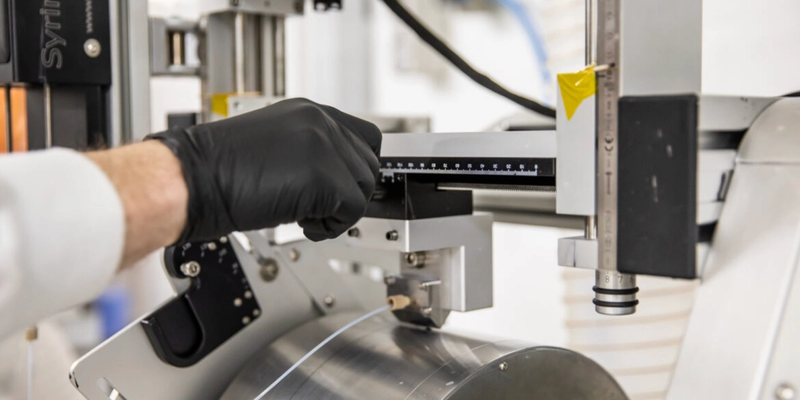
Solidion Technology (Nasdaq: STI) was granted 7 new US patents on June 8, 2026, bringing its total anode materials patent portfolio to 130 US patents. The patents cover a silane-free, graphene-enabled silicon anode process that raises Si loading in porous graphene balls to 90%, directly addressing cost, safety, and energy density limitations in current CVD-based carbon-silicon composite anode manufacturing.
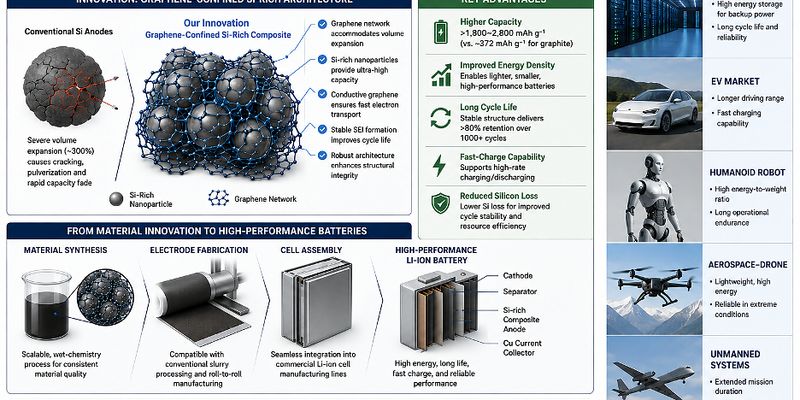
Solidion Technology announced a $35 million private placement financing round. The capital raise signals continued investor interest in graphene-related materials companies, potentially funding further development of Solidion's graphene and advanced battery materials portfolio.
After a decade of overpromising, commercial traction in coatings, concrete and batteries suggests graphene's scale-up story is becoming credible.
First Graphene (ASX:FGR) reported 53% revenue growth in the half to December 2025, pinning its scale-up thesis on construction additives, protective coatings and energy-storage applications.