103 articles on Aerospace.
Researchers have developed closed-form entropy measures for degree-based topological indices in hyper armchair carbon nanotubes.

Researchers at the Indian Institute of Science developed a recyclable carbon fiber composite with a 53% increase in flexural strength and 96% strength retention after recycling.

Global Graphene Group seeks a Sales Engineer in Dayton, Ohio, to expand its graphene markets. Apply by December 31, 2026.
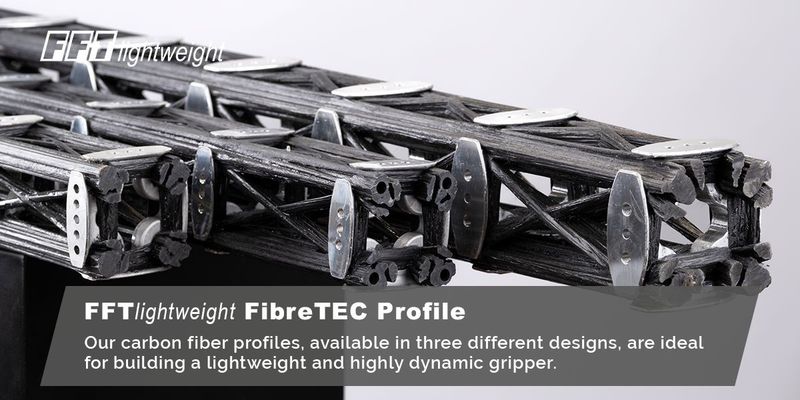
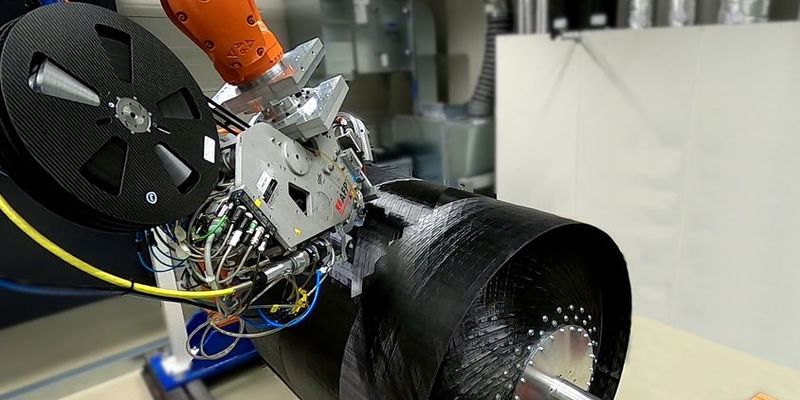
FFT Produktionssysteme's FibreTEC system reduces gripper weight by 41% compared to aluminum, enabling higher load capacity without larger robots.

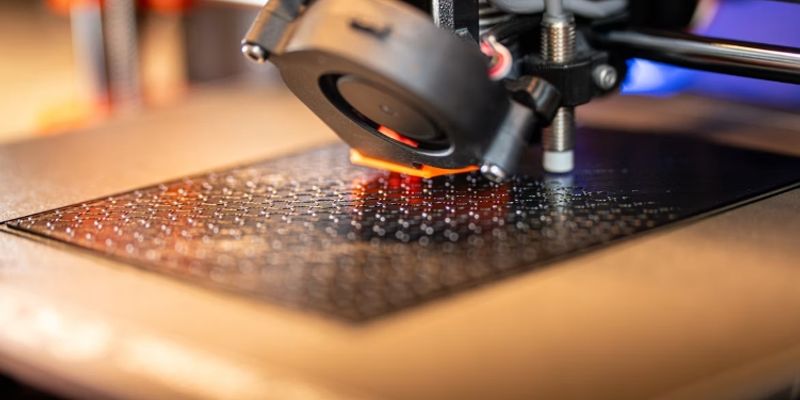
Researchers found that fully dense 3D-printed carbon fiber reinforced PA12 provides optimal strength and thermal performance for space applications.

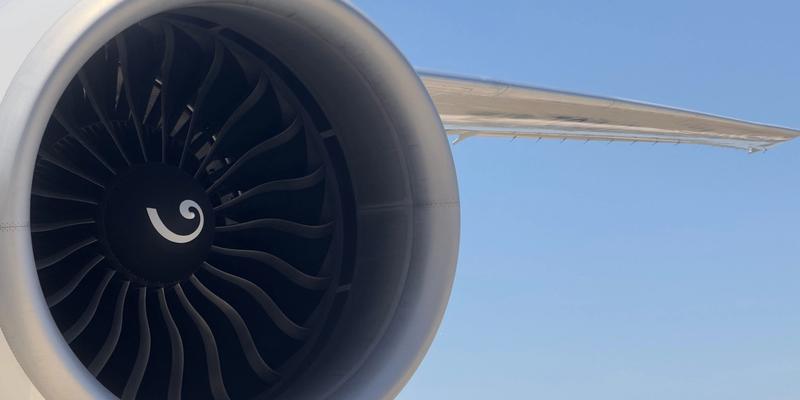
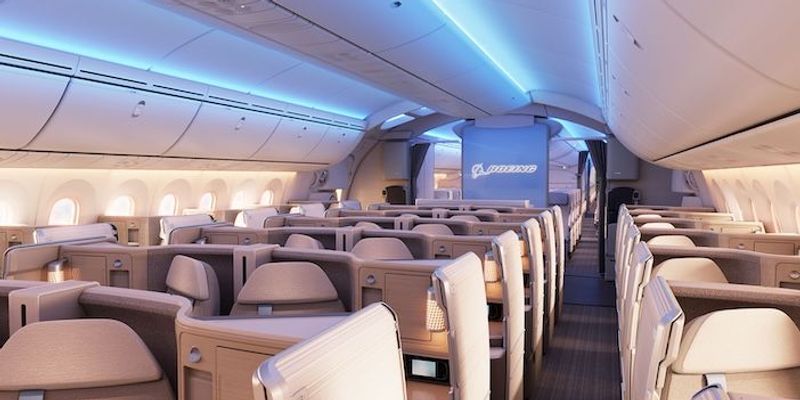
The Boeing 777-9 aircraft incorporates 53% carbon-fiber reinforced polymer in its construction, contributing to the 70% total of advanced materials used.

First Graphene and Aeropreg have signed a three-year agreement to develop and commercialise graphene-enhanced carbon fibre prepreg for aerospace and automotive markets.

A Korean research team improved the bonding strength of carbon fiber composites by 30.8% using a nanocomposite aerogel in an induction joining process.

Albany Engineered Composites secured a $21.2 million contract to develop carbon-carbon composite thermal protection systems for hypersonic vehicles and solid rocket motors over 30 months.

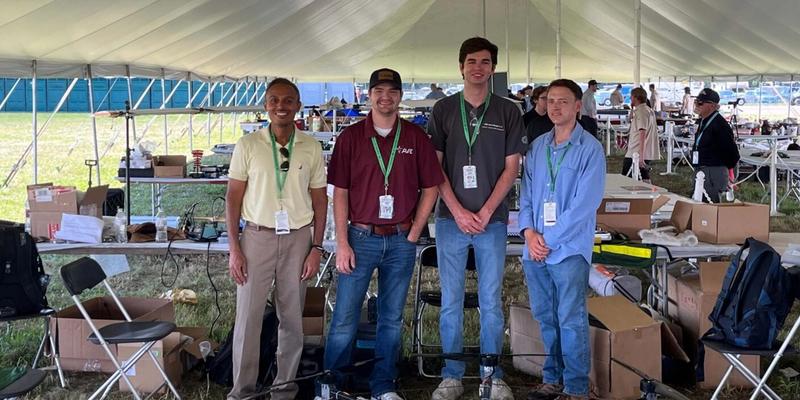
A Texas A&M student team built a six-pound carbon fiber drone that successfully lifted 110 pounds during the DARPA Lift Challenge.

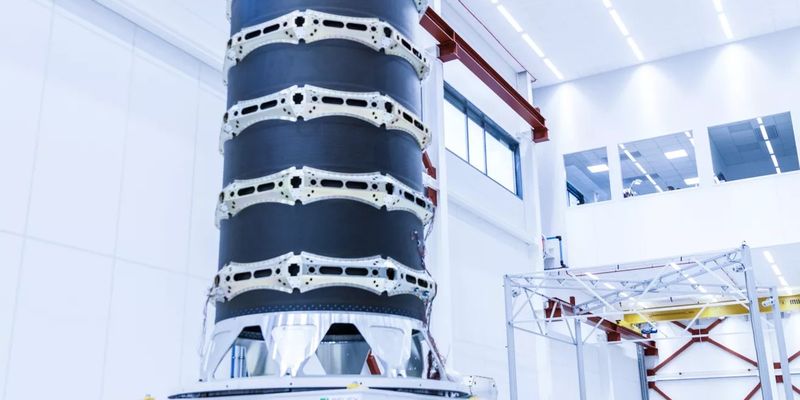
A new high-precision milling machine at Beyond Gravity's expanded Linköping facility will enable the production of 192 carbon fiber satellite dispenser modules annually.

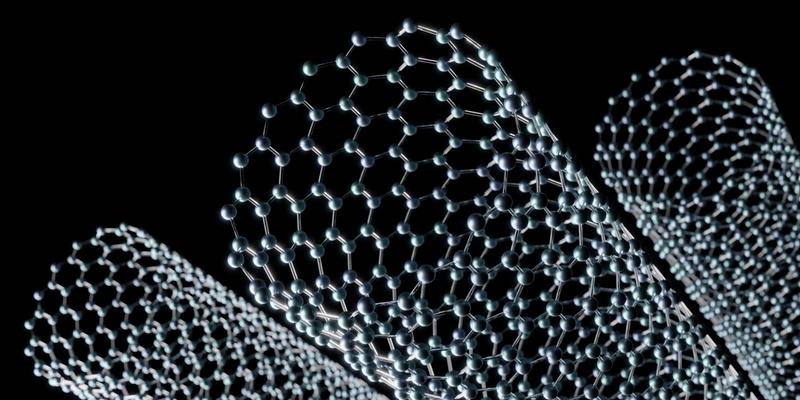
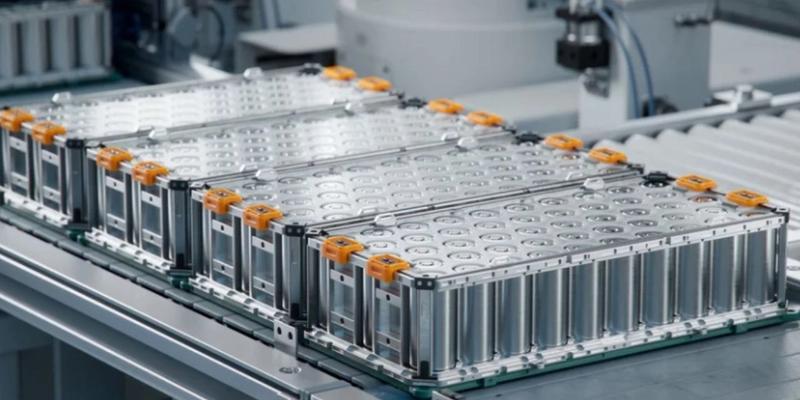
OCSiAl nanotubes are playing a critical role in a new project supported by the European Union through Horizon Europe that aims to develop aviation-grade battery cells capable of exceeding 400 Wh/kg— an energy density widely considered essential for commercially viable electric regional aircraft.

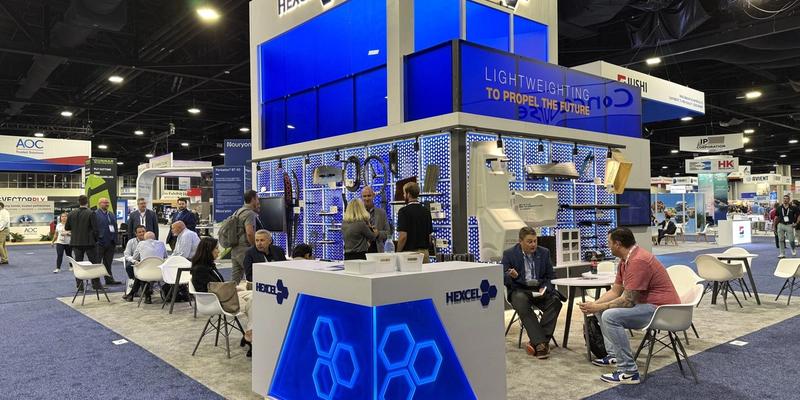
Hexcel launched HRH-10, a honeycomb core material qualified by NCAMP, at CAMX 2026, aiming to streamline development time and costs for aerospace manufacturers.

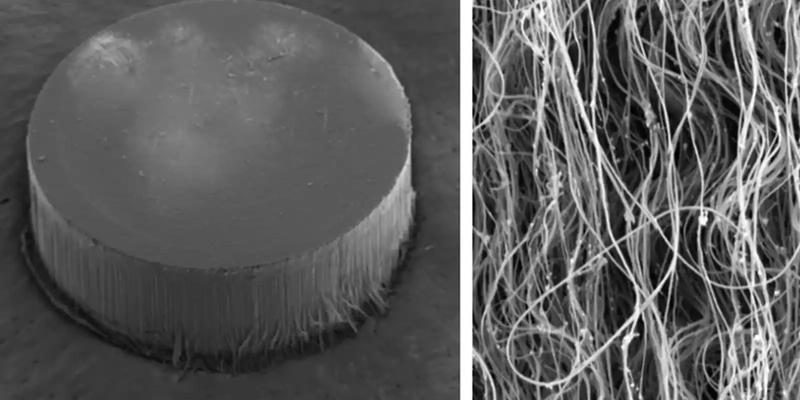
Researchers developed a carbon nanotube foam with mechanical memory, retaining its shape after compression. This property could lead to advanced impact-resistant materials and mechanical computing applications.

The Advanced Carbons Council calls for a U.S. carbon materials innovation platform focused on standards, testing and buyer qualification. The paper links engineered-carbon supply chains to manufacturing, energy, defense and AI infrastructure. Serves as a model for governments world-wide.
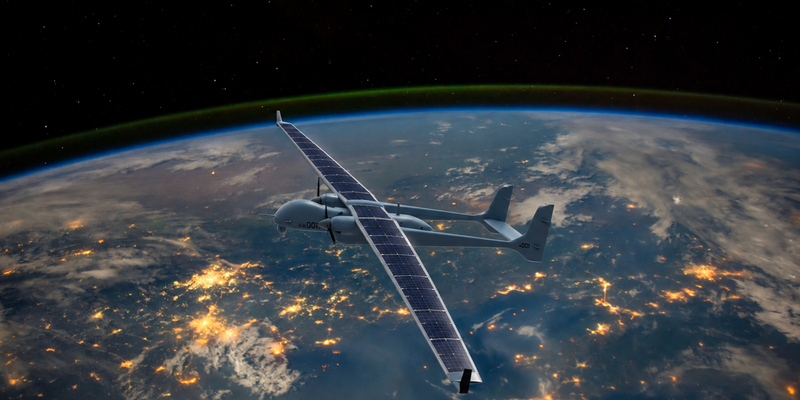
ARIA is funding the development of perovskite-carbon fiber-reinforced polymer solar cells for use in stratospheric aircraft.

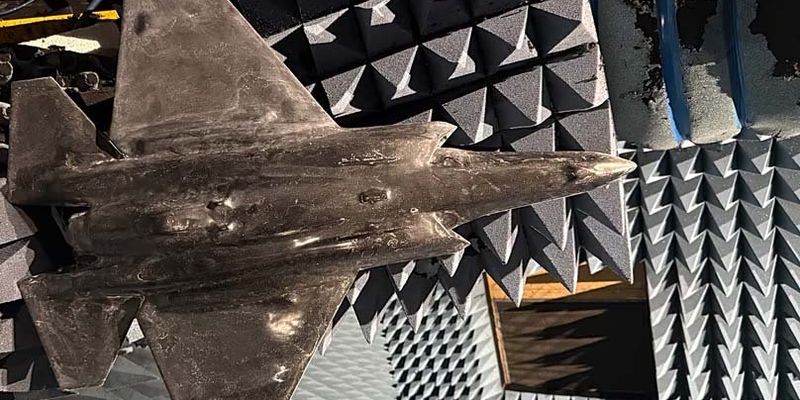
South Korean researchers developed a 17.5-micrometer-thick film that blocks 99.9999999% of radar waves by combining carbon nanotube fibers with MXene nanosheets, enhancing stealth technology.

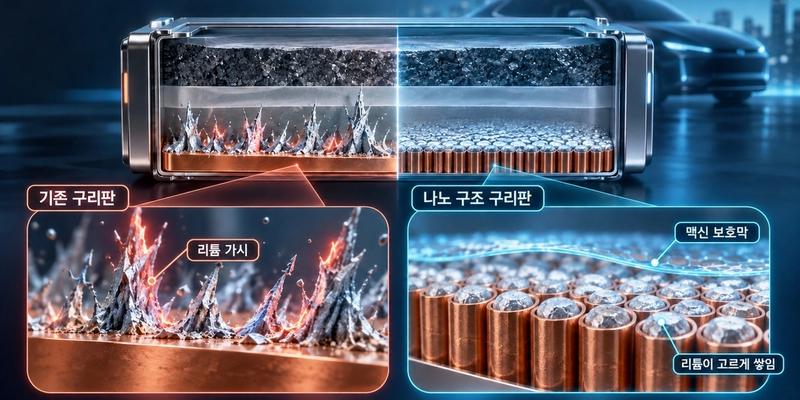
South Korean researchers have created a copper current collector that evenly spreads lithium, preventing dendrite formation and enhancing the durability of anode-free lithium-metal batteries.

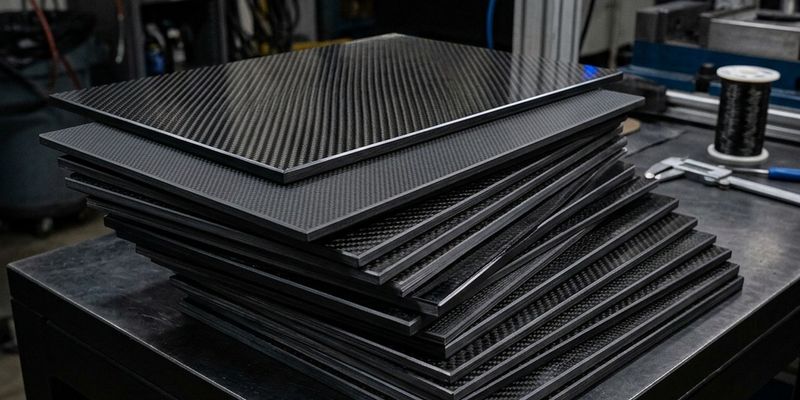
YongXian CarbonFiber has expanded its range of standard carbon fiber plates and tubes, targeting engineering buyers with enhanced options for various applications.

Korea Institute of Energy Technology developed a tube-type battery with a central cooling channel, enabling it to charge from 5% to 95% in just 9.6 minutes.

Engineers at Washington University in St. Louis have developed a renewable carbon fiber using lignin, reducing production costs by 25% and maintaining industry standards for strength.

Engineers at Washington University in St. Louis developed a carbon fiber precursor using waste lignin, reducing production costs by 25% and cutting reliance on petroleum-based materials.

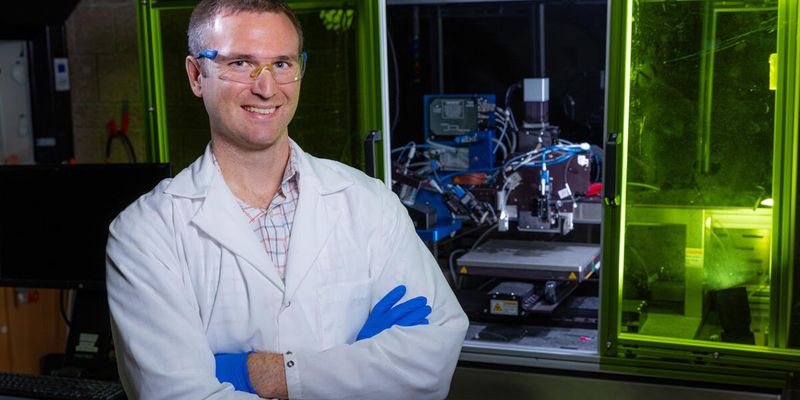
Iowa State University researchers developed a method to print electronic circuits on 3D objects using aerosol-jet printing. NASA supports the commercialization with a $150,000 grant.

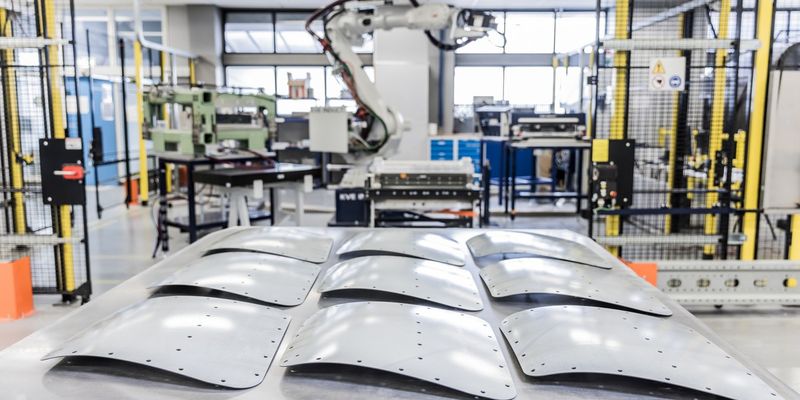
KVE has expanded its facility in The Hague by 1,800 square meters to meet growing demand for composite components in aerospace and defense, marking its 30th anniversary under Daher's ownership.

Talga Group has signed a non-binding letter of intent with EAS Batteries for a graphite anode supply from its Vittangi project in Sweden, aiming for a binding agreement by 2027.

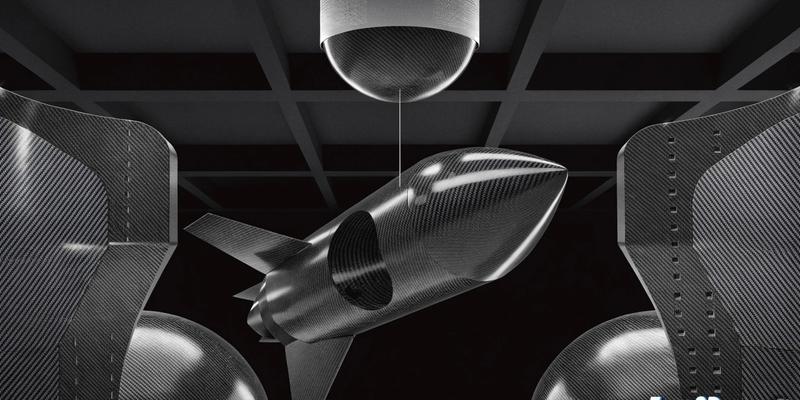
Isar Aerospace's Spectrum rocket, made with carbon fiber composites, successfully reached orbit on its second flight.

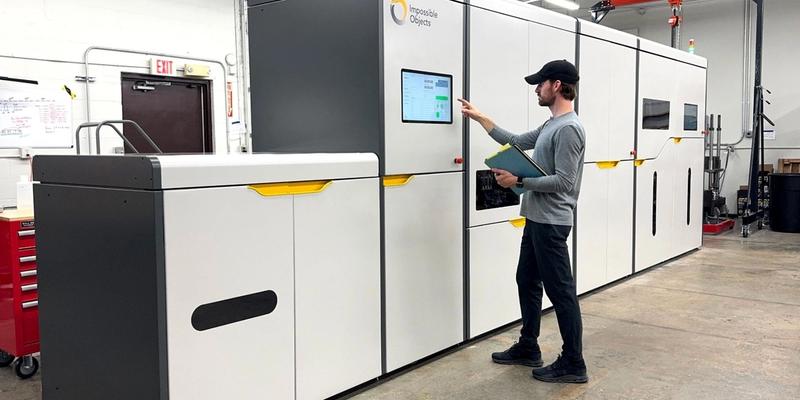
Impossible Objects secured $40 million to expand its CBAM 25 carbon-fiber 3D printing system for industrial-scale production, targeting aerospace and defense sectors with faster and stronger component manufacturing.

Researchers developed a 1-meter-diameter Type 5 cryogenic tank using carbon fiber/LMPAEK for hydrogen and methane storage under an ESA-funded project.

Stratasys has introduced the F870 FDM, a large-format 3D printer with a build area of 1000 by 610 by 610 mm, designed to enhance production for industrial manufacturers.

Researchers have developed a carbon fiber composite with a nanotube scaffold that withstands temperatures up to 437°C, surpassing previous void thresholds.

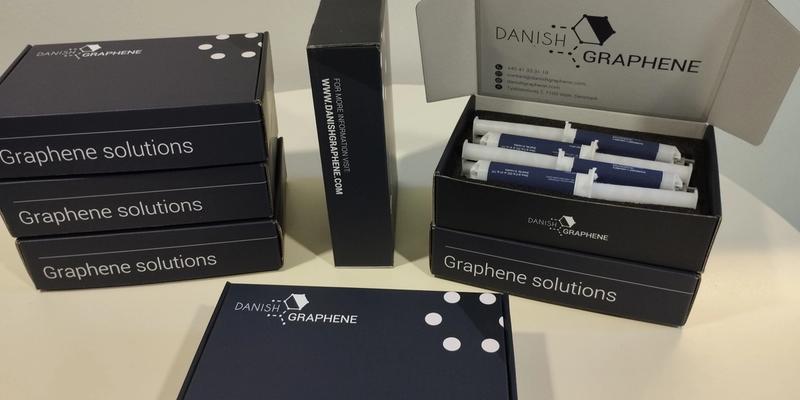
Danish Graphene secured GBP 2.5 million in seed funding to scale up production of its graphene-enhanced thermal adhesive for the space industry, attracting significant interest from hardware manufacturers.

Researchers have developed a carbon-fiber reinforced plastic where fibers are encased in carbon, potentially speeding up production of hypersonic shields and rocket components.

Nova Pangaea Technologies finished testing its biomass process, handling up to three tonnes of softwood residues daily. The company plans to establish its first commercial plant.

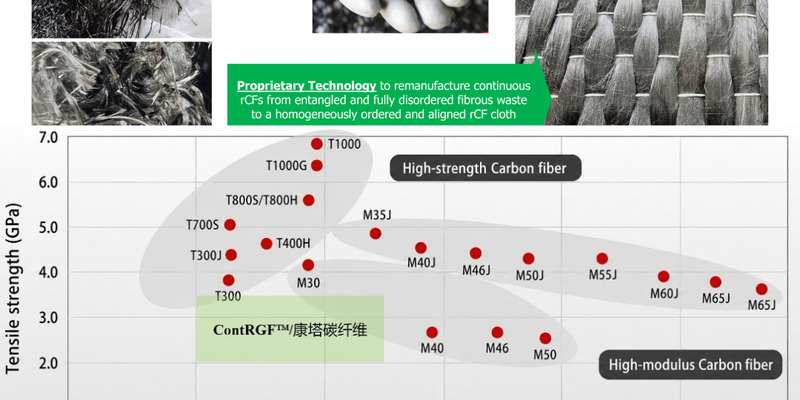
CCIC has launched a pilot line for producing ContRGF fabrics, using recycled carbon fibers for automotive and other applications. A hybrid automotive hood was demonstrated with this material.

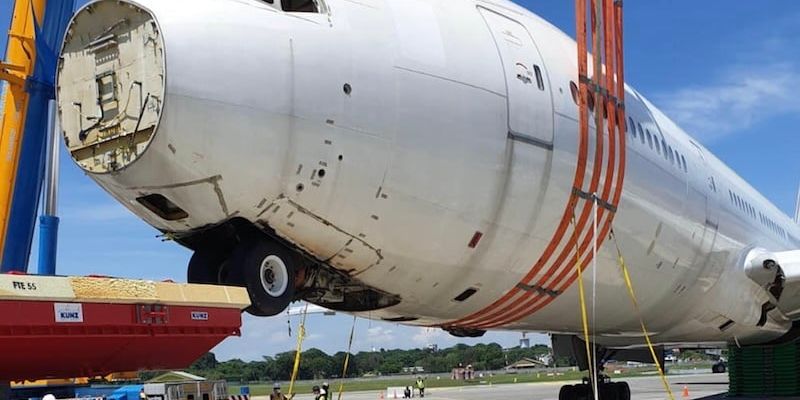
Researchers at the National University of Singapore have developed aerogels from aircraft composite waste, which may be used for insulation, noise reduction, and cleaning up oil spills.

Toray, IGCS International, and Lacks Carbon Fiber have formed a partnership to collaborate on Department of Defense projects involving CFRP anisogrid lattice structures.

McLaren and Mercedes are exploring recycled carbon fibre for F1 components, planning to introduce a carbon fibre composite rear brake duct by 2025.

Recycled supercapacitors with carbon-fiber cathodes maintained performance comparable to original devices through initial fabrication and two recycling cycles.

Researchers at MEPhI have developed a new ultra-strong composite material incorporating carbon nanotubes, aimed at applications in aviation, space, and machinery.

HydroGraph Clean Power Inc. opened its Texas headquarters in Austin, featuring a facility capable of producing 30 tons of pristine graphene annually. Congressman John Carter attended the event.

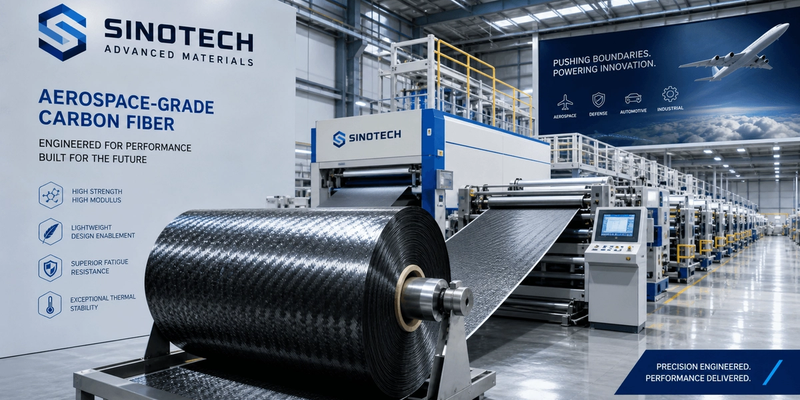
Sinofibers has achieved a 5000 MT annual production capacity for T1100-grade carbon fiber using wet spinning, with a tensile strength of 6600 MPa for aerospace applications.

Automated Fibre Placement and high-pressure resin transfer moulding have made carbon fibre components more viable for mass automotive production, increasing their use in everyday vehicles.

Researchers at Otto-von-Guericke University Magdeburg and MTU Aero Engines find that low gravity and vacuum change how carbon-fibre-reinforced polymers cure, challenging the assumption that terrestrial composite production transfers directly to orbit.

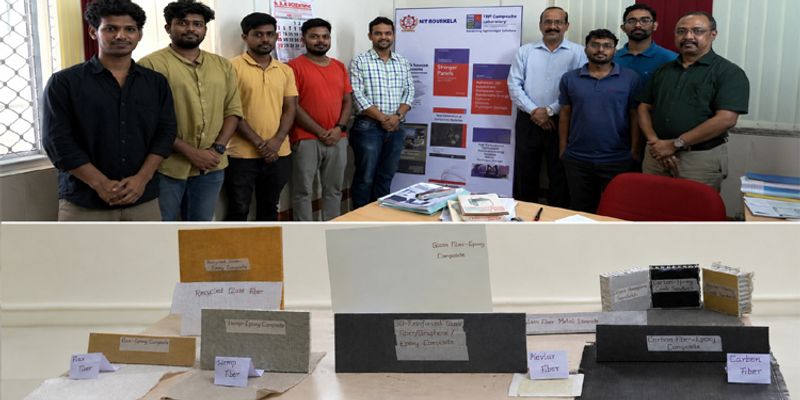
NIT Rourkela has patented a 3D-reinforced composite technology that boosts Fibre-Reinforced Polymer strength and durability, with potential applications in aerospace and automotive industries.

A company led by Cambridge PhD Liu Zhenyu is advancing carbon nanotube materials for lightweight applications.

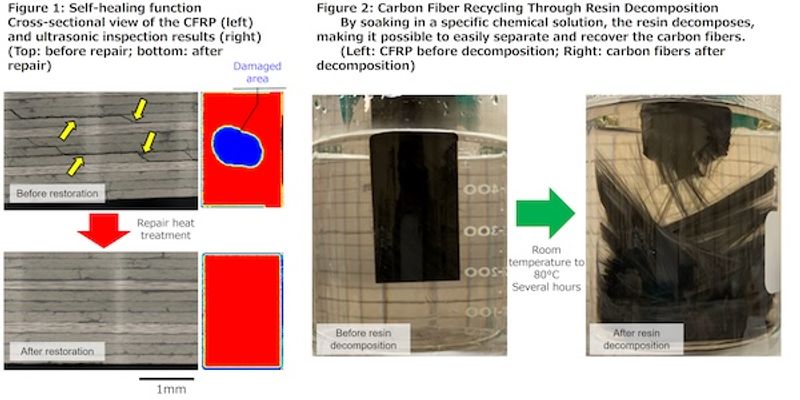
Teijin Limited has developed a thermosetting carbon fiber-reinforced plastic with a self-healing function and high recyclability, aiming to provide samples by 2028.

Researchers in China have developed an ultra-strong carbon fiber that could transform aerospace and energy sectors, offering enhanced performance and efficiency.

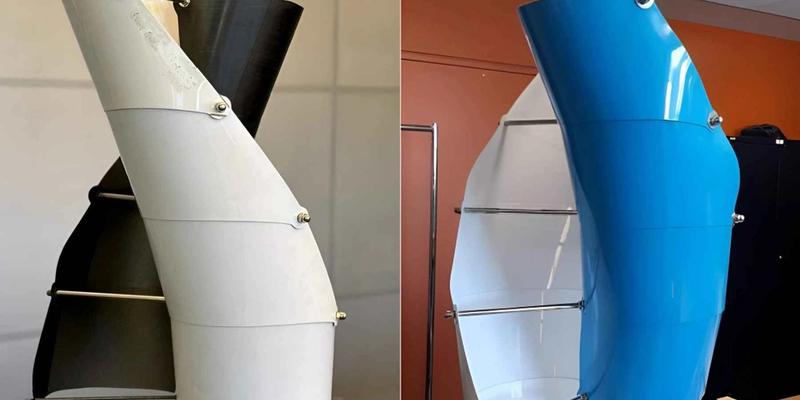
Researchers at Concordia University have created carbon-fiber composite wind turbine blades that are approximately 80% lighter than standard blades.

Teijin Carbon showcases rapid-cure prepregs for aerospace and defense applications at CAMX 2026.

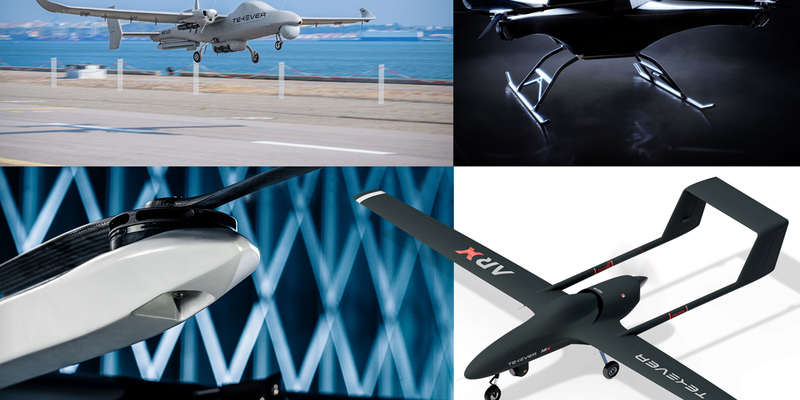
Tekever has introduced the AR6 heavy-lift drone family and broadened its collaboration with iCOMAT to boost AR5 drone production in the U.K.

MASTERMATE is advancing carbon fiber NFC technology, enabling premium smart products with seamless digital connectivity for business, luxury, and automotive applications.
Himadri Specialty Chemicals will establish India's first carbon nanotube production facility at its West Bengal complex, with an initial capacity of 200 tons per year, starting commercial production by FY2027.

Mivium is developing high-quality gallium nitride nanopowders to enhance semiconductor performance, while Avadain is licensing technology to produce large-scale, defect-free graphene for industrial applications.

HydroGraph Clean Power is urging the U.S. to classify graphene as a critical material to reduce reliance on foreign graphite, highlighting its domestic production capability from hydrocarbon gases.
Lyten showcased its 3D graphene technology and high-temperature adhesives, emphasizing their applications in AI data centers.
Lyten and Modovolo have partnered to enhance Modovolo's BFP 3D printing platform with graphene-enhanced PA1205 filament, doubling X-Y tensile strength compared to carbon fiber-based filaments.

Sinotech has developed T1100-grade carbon fiber using both wet and dry-jet wet spinning methods, establishing a 5000-ton capacity for aerospace applications.

SkyDrive has partnered with Airtificial to produce and supply lightweight carbon fiber reinforced plastic parts.
Hexcel has qualified its HexPly M91 carbon fiber-reinforced epoxy prepreg system as of July 21, 2026.
Lyten will supply its PA1205 nylon-based filaments for Modovolo's BFP 3D printing platform, enhancing performance with improved tensile strength and impact resistance over carbon fiber alternatives.
India's first 120-ton-per-annum carbon fibre demonstration plant is being established in Amravati.

Researchers have enhanced the durability of Carbon Fibre Reinforced Polymer (CFRP) in aerospace structures by adding an electroformed nickel leading-edge guard.

Sora Aviation and Toray Advanced Composites will collaborate to integrate carbon fibre composites into the S-1 eVTOL aircraft.

Researchers at Skoltech and the Harbin Institute of Technology have modelled how carbon nanotube smart sensors behave under the extreme temperatures and loads found in aircraft, predicting performance without physical testing.

Himadri Speciality Chemical is focusing on carbon nanotubes as a potential growth area to complement its existing battery materials business.

Graphene Leaders Canada has commercialized its graphene-enhanced electroless nickel additive, offering improved corrosion resistance and wear performance. The technology is now available to industrial sectors worldwide.
Researchers have shown that graphene nanoribbons may enhance semiconductor technologies, benefiting applications in fusion energy and space environments.

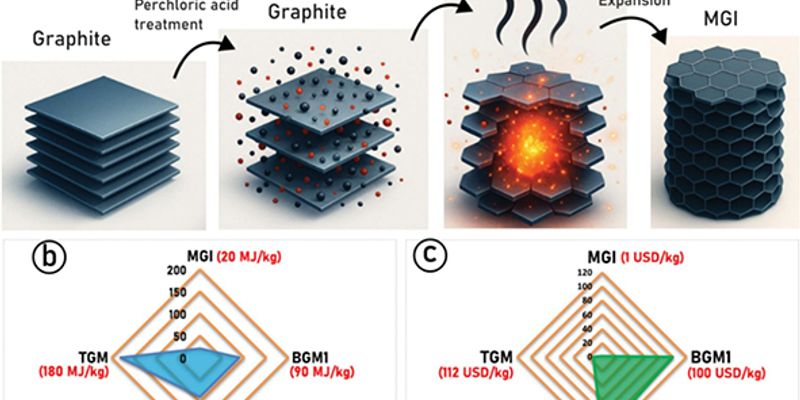
Researchers evaluated four graphene-based materials in carbon fibre/epoxy laminates for hydrogen storage tanks. The study focused on microwave-assisted graphene intermediate (MGI) composites.

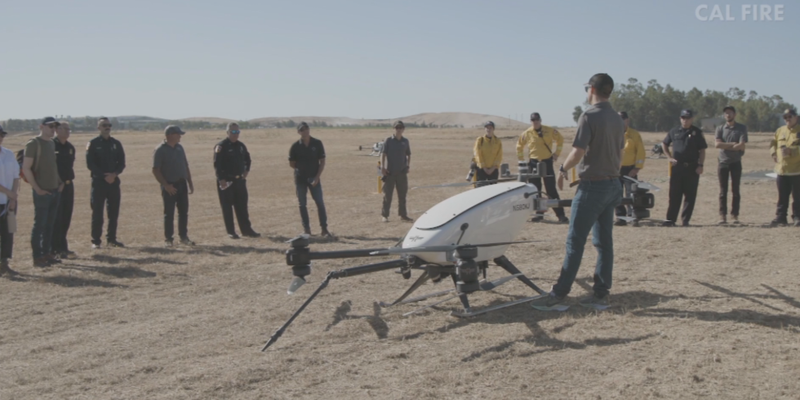
Cal Fire is testing packs of five autonomous drones, each made of carbon fiber and weighing 400 pounds, to enhance wildfire operations in California.

Toray Group celebrates its 100th anniversary, marking a century since its founding in Japan as a rayon producer before evolving into a leader in carbon-fiber technology. This milestone highlights Toray's long-standing impact and innovation in the carbon fiber industry, crucial for advanced composites used in aerospace and other sectors.

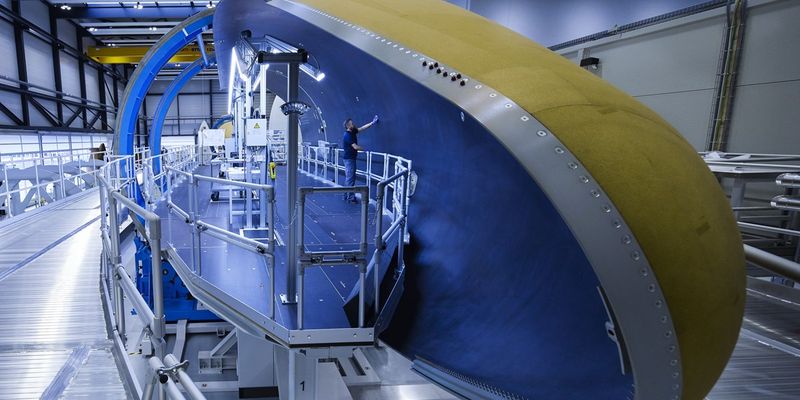
Airbus's A350 assembly process involves the carbon fiber-reinforced polymer wings traveling through four countries before completion. This highlights the international collaboration and logistical complexity involved in producing advanced carbon composite materials for aerospace applications.

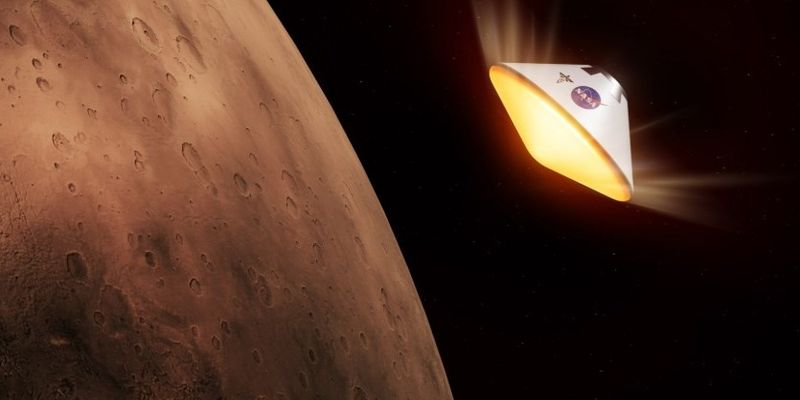
Firefly Aerospace has secured a $13 million subcontract from NASA's Jet Propulsion Laboratory to produce and test the aeroshell for the SkyFall Mars mission, slated for a late 2028 launch. This project will utilize carbon fiber composites for the aeroshell's backshell and heatshield, highlighting the material's critical role in protecting spacecraft during the harsh entry, descent, and landing phases on Mars.

Hexcel and TPC Technologies have expanded their product portfolio to include carbon fiber composite materials for use in commercial aircraft. This expansion is significant for the advanced carbon materials sector as it highlights the growing demand and application of carbon fiber composites in the aerospace industry.

Researchers at the Helmholtz-Zentrum Berlin, along with collaborators, have developed a perovskite solar cell with a graphene-oxide interface that achieves 27.3% power conversion efficiency and maintains over 90% of this efficiency after 770 hours of operation. This advancement addresses the stability issues in all-perovskite triple-junction cells, potentially paving the way for more durable and efficient solar technologies using carbon-based materials like graphene.

Premier Graphene and HGI Industrial Technologies have reached a new milestone by completing the first manufacturing payment for 1,600 protective military belts under a contract with Mexico's Secretaría de la Defensa Nacional. This development highlights the growing use of graphene in defense applications, showcasing its potential to enhance the durability and protective capabilities of military equipment.
ArianeGroup has signed a contract with Beyond Gravity to supply 27 carbon fiber-reinforced polymer (CFRP) payload fairings for the Ariane 6 rocket, with deliveries starting at the end of 2026. This contract supports the increased production rate of Ariane 6 and highlights the critical role of CFRP materials in enhancing payload capacity and flexibility for the European heavy-launcher program.

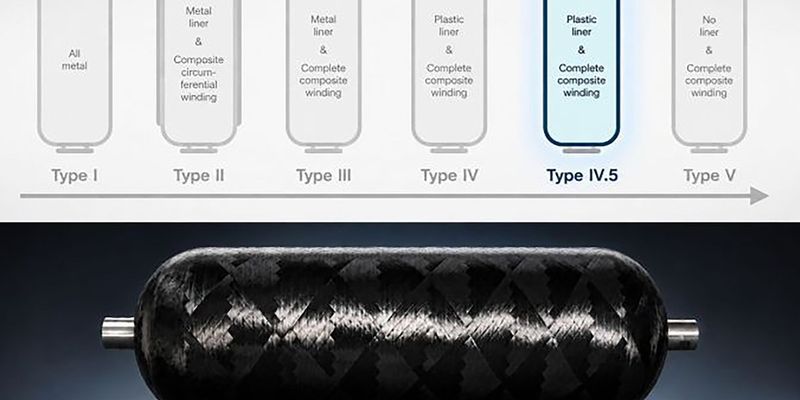
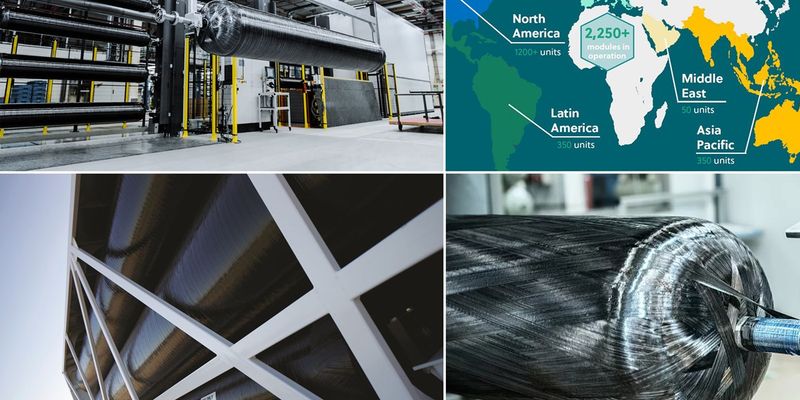
Avanco Composites has introduced a Type 4.5 pressure vessel that uses thermoplastic composites to match the polymer in the plastic liner with the matrix system in the overwrap. This fusion allows for enhanced storage solutions, particularly benefiting applications that require lightweight and efficient carbon fiber-reinforced structures.

ÉireComposites has manufactured three carbon fibre stray light baffles for the European Space Agency's Altius ozone monitoring mission. This development highlights the use of carbon fibre in aerospace applications, particularly in enhancing the performance of optical instruments.

Researchers at the Institute of Environment under the Hefei Comprehensive National Science Center have developed a technology for large-scale biochar production from agricultural and forestry biomass, capable of producing over 50,000 tonnes annually. This advancement in biochar technology supports environmental sustainability by transforming agricultural waste into a high-value carbon-rich material, with applications in soil enhancement, energy storage, and more.

Hexcel will present its advanced composite solutions, including carbon fiber and specialty reinforcements, at the Farnborough International Airshow. This event highlights Hexcel's capabilities in carbon fiber materials, which are crucial for lightweight and high-strength applications in aerospace.

Carbice has partnered with Noctua to introduce a thermal pad for DIY PC builders that uses vertically aligned carbon nanotube technology. This collaboration brings advanced thermal management solutions, previously used in aerospace and AI infrastructure, to the consumer electronics market.
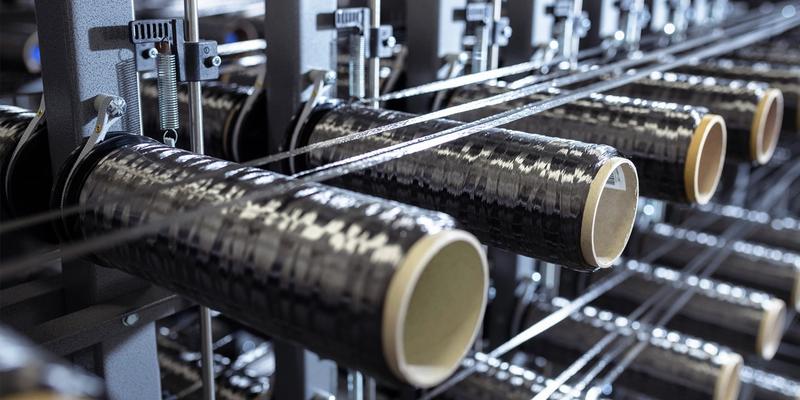
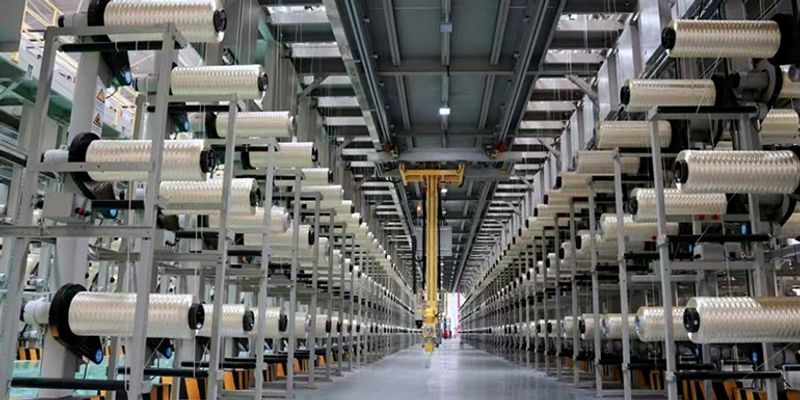
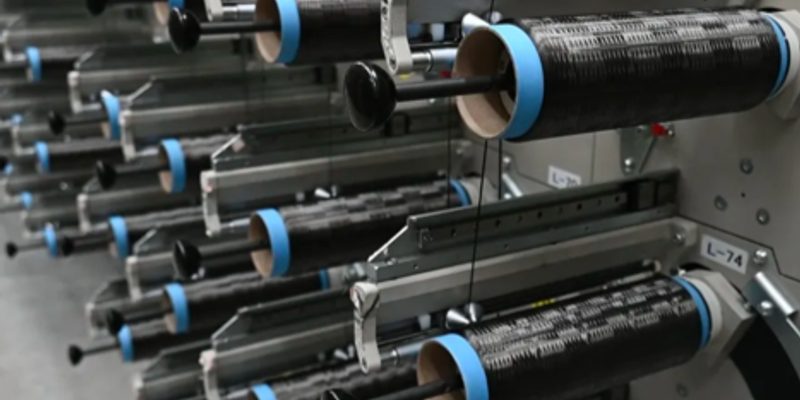
Cygnet Texkimp has introduced a 500-kilogram VHD creel to enhance carbon fiber production efficiency. This advancement is significant for the carbon fiber sector, as it allows for increased production capacity and reduced downtime in manufacturing processes.

Kazakh Agriculture Minister Aidarbek Saparov met with representatives from Full Vision Capital, Towngas, and EcoCeres to discuss a project for producing sustainable aviation fuel from industrial oilseeds. This initiative could enhance the use of carbon materials like biochar by utilizing agricultural and food waste, contributing to environmentally friendly fuel alternatives.

Nandina REM and Odyssey Space are collaborating to explore the use of recycled carbon fiber in spacecraft applications. This initiative could enhance the sustainability and cost-effectiveness of spacecraft manufacturing by utilizing recycled materials.

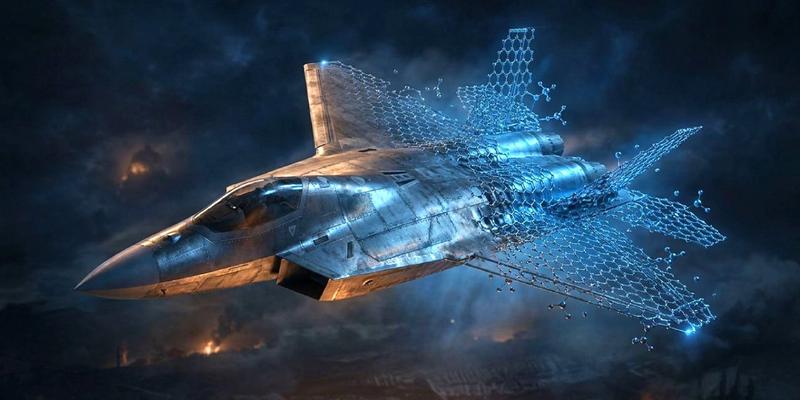
Researchers at the University of Lisbon have developed a new graphene-based composite material that significantly enhances the strength-to-weight ratio of military aircraft components. This advancement could lead to lighter, more durable aircraft structures, improving fuel efficiency and performance in military aviation.

CCIC and UNNC have introduced a recycled carbon fiber manufacturing platform at the SAMPE China 2026 Conference, addressing four major industry challenges including extreme energy use. This innovation is significant for the carbon fiber reinforced polymer (CFRP) sector as it promises to reduce costs and carbon emissions associated with production.

Composites reinforced with graphene and multi-walled carbon nanotubes are reshaping defence and aerospace design, where strength-to-weight now counts for more than the tonnage of steel and platforms.

Hexagon Composites has developed larger Type 4 composite pressure vessels utilizing carbon fiber-reinforced polymer (CFRP) to meet increasing demands in data centers and space applications. This advancement in CFRP technology allows for lighter and more efficient storage solutions, crucial for industries requiring high-performance materials.

Aerospace Manufacturing reports that drilling carbon fibre reinforced polymer (CFRP) aerostructures at production pace remains a bottleneck in assembly processes. This challenge affects the efficiency of manufacturing advanced composite materials used in the aerospace industry.
GTechPlasma, a spin-off from Instituto Superior Técnico in Lisbon, has developed a plasma-produced graphene powder that its researchers estimate could reduce an F-16's radar signature to that of a bird, and has already supplied 260 grams of the material to a Portuguese drone manufacturer. The development is notable for the graphene sector because it demonstrates a tunable, plasma-based production process capable of reaching 40 milligrams per minute, with industrialization underway through partner company Plasmaphene, targeting a market—radar-absorbent coatings—currently restricted to U.S. suppliers.

South Korea's Ministry of Science and ICT rated four of its 14 Small-scale R&D Zones—Seoul Hongneung, Pohang, Incheon Seo-gu, and Jinju—as "Excellent" in the 2025 annual evaluation, with Pohang's zone directing roughly 11 billion won toward Graphene Square and POSTECH to build the world's first mass-production plant for graphene film. The Pohang result signals growing state-backed infrastructure for scaling graphene manufacturing, a persistent bottleneck for the advanced carbon materials sector.

Toray Industries will showcase its latest advanced material solutions, including TORAYCA carbon fibre and high-performance thermoset systems, at the Farnborough International Airshow from July 20–24. These materials are crucial for meeting stringent qualification and certification requirements in aerospace, space, and defence applications, highlighting Toray's commitment to reliability and performance in critical sectors.

Zhongfu Shenying commissioned three high-performance carbon fiber production lines in Lianyungang, Jiangsu on June 28, comprising a 1,000-ton/year T1100-grade aerospace line, a 5,000-ton/year 48K large-tow line, and a 600-ton/year M40 high-modulus line, as the first phase of a CNY6 billion project targeting 30,000 tons of annual capacity. The lines expand China's domestic supply of high-grade carbon fiber across aerospace, wind energy, hydrogen storage, and EV applications, reducing reliance on foreign sources for critical materials.

Boeing and Mitsubishi Chemical Advanced Materials are testing prototype cabin sidewall panels made from pyrolysis-derived recycled carbon fiber under Mitsubishi's KyronTEX material line, while separate simulation research found a scaled-down wing spar built from recycled carbon fiber performed within acceptable stress margins compared to a virgin-fiber equivalent. Recycled carbon fiber remains limited to non-structural or secondary aerospace applications due to unresolved fiber length, alignment, and surface sizing deficiencies, with primary structural qualification requiring years of additional testing and supply chain development.
Shenzhen MASTERMATE Technology Co., Ltd., an ISO 9001-certified carbon fiber OEM/ODM manufacturer founded in 2014, produces custom carbon fiber products including drone frames, automotive parts, helmets, and jewelry for clients in over 100 countries. The company's broad custom manufacturing capabilities across autoclave molding, CNC machining, and forged carbon reflect continued demand for flexible, small-to-mid-scale carbon fiber production partnerships among global brands.

The Boeing 787 and Airbus A350 use carbon-fiber-reinforced composite materials for roughly 50% of their airframe by weight, making tail strike damage harder to detect and repair than on metal-fuselage aircraft like the Boeing 777, as illustrated by an Air France A350 that required nearly ten months of repairs after a 2024 tail strike in Toronto. For the carbon fiber composites sector, the article highlights that barely visible impact damage, complex non-destructive inspection requirements, and process-sensitive repair procedures drive significant maintenance downtime and cost, underscoring the need for advanced damage detection and repair capabilities in aerospace composite applications.

Zhongfu Shenying opened three aerospace-grade carbon fiber production lines in Lianyungang, China, reducing the country's reliance on Japanese Toray and U.S. suppliers. The expansion increases domestic supply of high-performance carbon fiber, shifting sourcing leverage away from foreign producers in a sector critical to aerospace and defense composites.

Continuous Composites secured a US Army contract to manufacture missile components using its CF3D continuous carbon fiber 3D printing technology. The contract signals growing military adoption of continuous carbon fiber additive manufacturing as a replacement for traditional winding and molding processes in structural defense applications.

French startup Eenuee, founded in 2019 near Saint-Étienne, is developing a 19-seat blended-wing-body electric regional aircraft called Gen-ee, projecting 11 times lower energy consumption than conventional aircraft of similar size, with a first full-scale prototype flight targeted for 2029. The airframe relies on advanced carbon-fiber composites developed with Duqueine Group, making composite material performance a direct enabler of the aircraft's 40%-lighter unpressurized structure and overall efficiency claims.

Jamco joined a NEDO-led Japanese consortium—including Nagoya University, Subaru, and JAXA—to develop a circular economy supply chain for recovering and reusing CFRP from retired aircraft. The project targets a persistent gap in the carbon fiber composites sector: the lack of validated processes and standards needed to reintroduce recycled CFRP into certified aircraft components.

The Advanced Carbons Council published a position paper in May 2026 arguing that carbon credit financing should be redirected from geological carbon capture and sequestration toward conversion of captured carbon into advanced materials such as graphene, carbon fiber, biochar, and carbon nanotubes. The paper contends that carbon-to-materials conversion projects are commercially self-sustaining without ongoing subsidies, unlike CCS, and deliver compounding lifecycle emissions reductions across sectors including construction, aerospace, agriculture, and energy storage.

Inspire Nano licensed its graphene-coated copper electrode platform to Furukawa Electric for Asia-Pacific high-frequency signal transmission applications in a deal worth $9 million upfront plus royalties. The graphene coating reduces skin-effect losses at frequencies above 1 GHz by 22 percent, with direct relevance to graphene commercialization in 5G/6G infrastructure and data center cable markets.

Researchers at EMPA demonstrated a graphene-composite leading-edge skin that reduces aircraft de-icing energy consumption by 60%, achieving ice shedding at 5 W/cm² in panels tested at -25°C and 240 km/h after 1,200 cycles without delamination. The result advances graphene's case as a functional heating element within carbon-fibre-reinforced polymer structures for aerospace applications, with EMPA now scaling production toward trial integration in a commercial trainer aircraft.