FURHY publishes advances in bio-based, fully recyclable concrete technology
The FURHY project, funded by the European Union's Horizon Europe program, has released three new key exploitable results, including a hybrid nonwoven material combining recycled carbon fiber and hemp fiber, as it enters its final six months. These developments are significant for the advanced carbon materials sector as they aim to create fully recyclable, bio-based composite materials with reduced carbon footprints, targeting applications in automotive and sports industries.
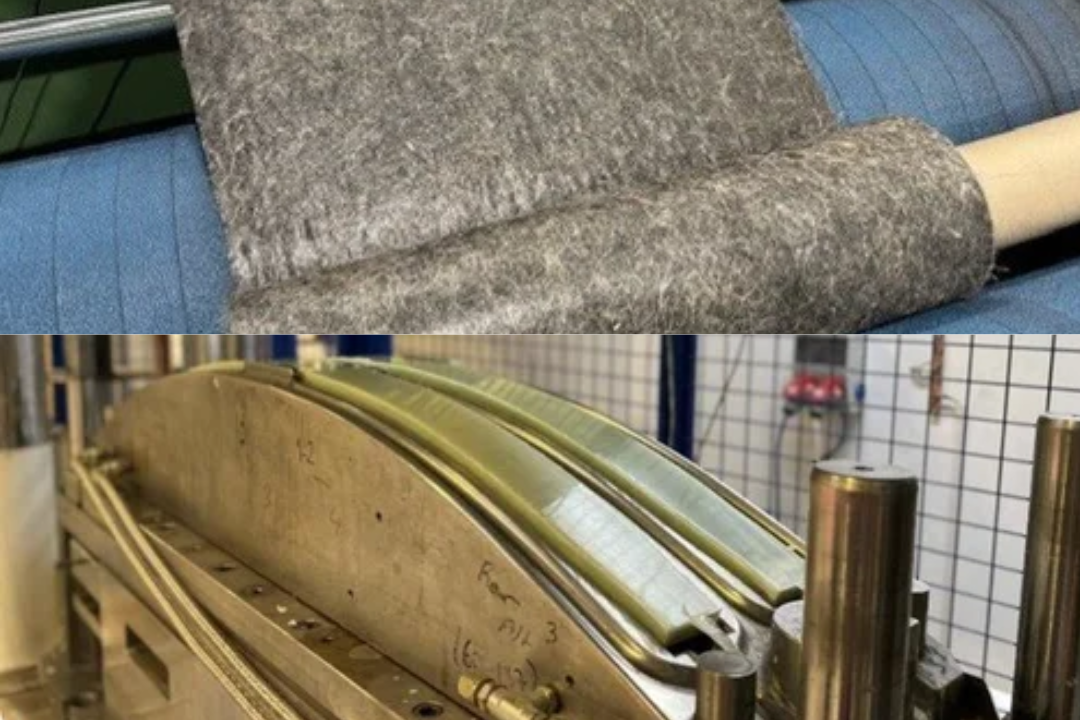
The FURHY project, funded by the European Union Horizon Europe, has announced three new key exploitable results (KERs) focused on recyclable, bio-based composite materials. These developments are part of the project's final six months, as detailed in their latest LinkedIn newsletter.
Gen 2 Carbon, based in Coseley, U.K., is spearheading the creation of a hybrid nonwoven material that combines recycled carbon fiber (rCF) with hemp fiber. This material, currently at Technology Readiness Level (TRL) 3, aims to reduce the carbon footprint of composite reinforcements compared to traditional materials. The automotive industry is the primary target market, with sports and leisure applications as secondary. Gen 2 Carbon collaborates with CETMA in Brindisi, Italy, and Centexbel in Gent, Belgium, on this initiative.
RINA, headquartered in Genoa, Italy, has conducted a life cycle assessment (LCA) of the project's innovative materials. This assessment provides primary data to evaluate the sustainability performance of bio-based composite technologies, enhancing sustainability consulting capabilities within the biocomposites supply chain.
OlgunCelik A.S. from Manisa, Turkey, in partnership with CETMA, has designed two automotive components using recyclable composite materials as alternatives to conventional metallic parts. These components have reached TRL 5 and are optimized for weight, cost, and environmental impact, with applications in light commercial and passenger vehicles.
These developments follow an earlier set of three KERs, with three more expected in the project's final newsletter. FURHY plans to host demonstration days at partner pilot sites to showcase the developed technologies in real-world conditions.
The FURHY project aims to create a bio-based, smart, and fully recyclable composite material using a fast, low-energy, out-of-autoclave process. This involves a novel bio-based epoxy resin filled with expanded graphite and hybrid reinforcement of hemp and rCF, manufactured through a low-energy prepreg compression molding process. The primary sectors targeted are aeronautics and automotive.
The project's activities are organized into eight work packages, covering resin formulation, fiber coating, composites manufacturing, material characterization, component demonstrator design, recyclability, and dissemination.
Source: Carbon Fiber Feed