Graphene energy storage costs decrease over time
Over a ten-year horizon graphene-based energy storage undercuts lithium alternatives once maintenance, replacement cycles and performance degradation are counted, not just the upfront purchase price.
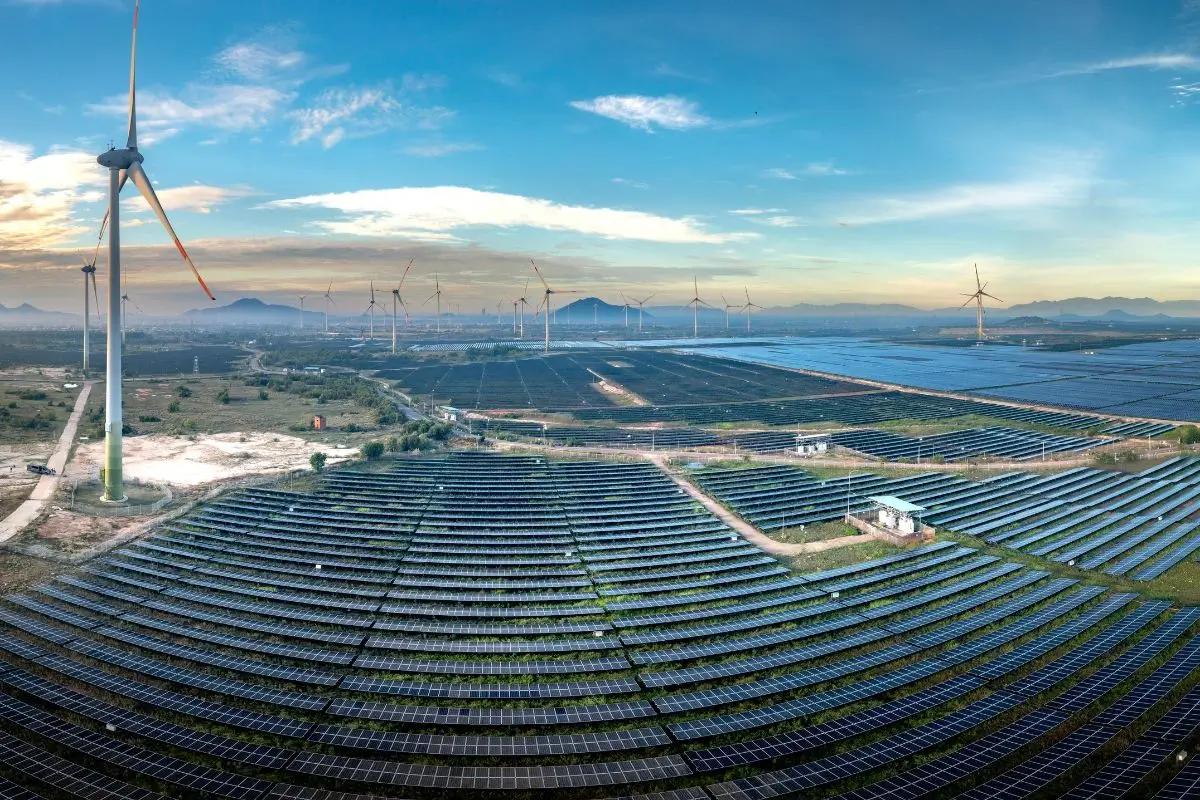
Graphene energy storage systems offer a long-term cost advantage over conventional lithium-based alternatives due to their unique material properties. While initial purchase prices may be higher, the total cost of ownership for graphene supercapacitors is reduced through extended lifespan, minimal maintenance, and enhanced safety features.
The cost of energy storage systems is often evaluated based on upfront costs per kilowatt-hour. However, this approach can be misleading when comparing technologies with differing operational lifespans and maintenance needs. Graphene supercapacitors, for instance, can operate for over 130 years at one cycle per day, eliminating the need for frequent replacements that lithium systems require.
Lithium battery systems typically reach the end of their rated life within 3 to 8 years in commercial settings, necessitating costly replacements. These replacements involve not only hardware costs but also labor, regulatory compliance, and potential disposal fees. Additionally, lithium systems suffer from capacity degradation, leading to increased operational costs over time.
In contrast, graphene supercapacitors do not degrade in capacity, maintaining consistent performance throughout their lifespan. This stability ensures that systems continue to meet their intended applications without the gradual performance decline seen in lithium installations.
Graphene systems also require less maintenance due to the absence of cell chemistry balancing and thermal management needs. This reduces both direct maintenance costs and indirect costs associated with system downtime.
Safety infrastructure costs are also lower for graphene systems, as they do not pose a thermal runaway risk. This eliminates the need for fire suppression systems and other safety measures required for lithium batteries, further reducing the overall cost.
A 10-year cost comparison highlights the financial benefits of graphene technology. While lithium systems may require full replacement within this period, graphene systems operate without replacement, maintaining consistent performance and incurring only modest operational expenses.
The crossover point where graphene's operational savings offset any initial price premium typically occurs within three to five years for commercial applications. For residential applications, the benefits extend over a 20-plus year lifespan, offering clear advantages.
Graphene supercapacitors also provide rapid charging capabilities, enhancing tariff optimization in applications with time-of-use pricing. This allows for full charging during off-peak periods, maximizing financial returns.
The modular nature of graphene storage systems allows for scalable capacity expansion without the need for complete system replacement. This flexibility reduces long-term costs for businesses and facilities with growing energy needs.
Overall, the lower total cost of ownership for graphene energy storage systems is attributed to their superior cycle life, consistent capacity, minimal maintenance, and inherent safety. These characteristics make them a cost-effective choice for long-term energy storage solutions.
Source: Graphene Feed