News12 October 2026· Graphite Feed
Porous additive directs lithium ions in thick dry electrodes to boost battery power
GraphiteBatteriesResearch & InnovationSustainability
100 articles on Batteries.
Researchers at KRICT used porous graphitic carbon nitride to guide lithium ions in thick, solvent-free cathodes, enhancing battery performance.
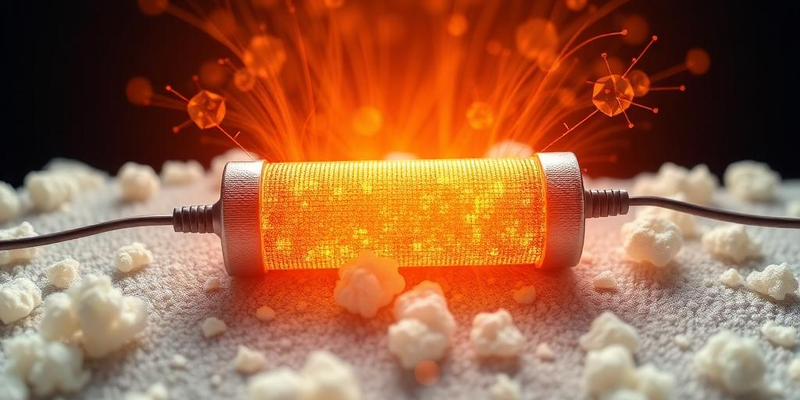
Renascor Resources produced graphite with 99.97% carbon purity at its Adelaide plant, surpassing typical battery-grade standards and validating a purification process that avoids hydrofluoric acid.

Researchers at the North University of China have optimized nitrogen-doped carbon nanotubes for lithium-ion battery anodes by pyrolyzing ZIF-67 at 700 degrees Celsius, enhancing fast-charging capabilities.
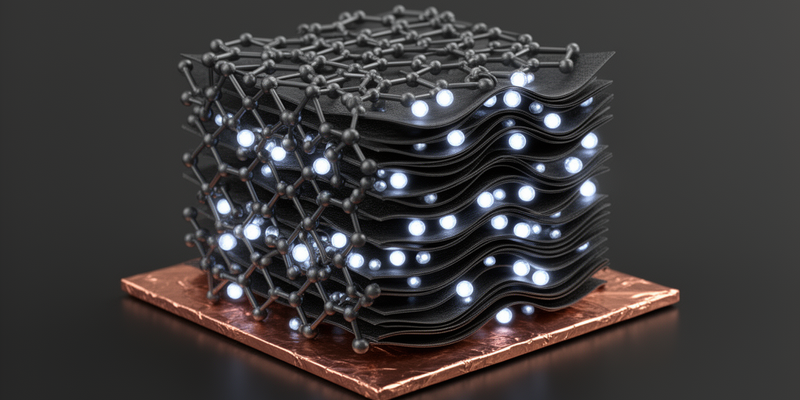
Global Graphene Group seeks a Sales Engineer in Dayton, Ohio, to expand its graphene markets. Apply by December 31, 2026.
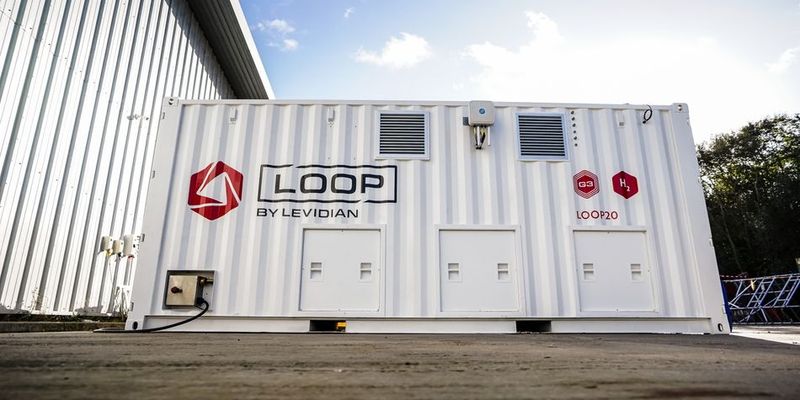
Dana Gas and Levidian have launched graphene production at Sharjah Graphene Park, with an annual capacity exceeding one tonne. The project began just four months after their initial agreement.
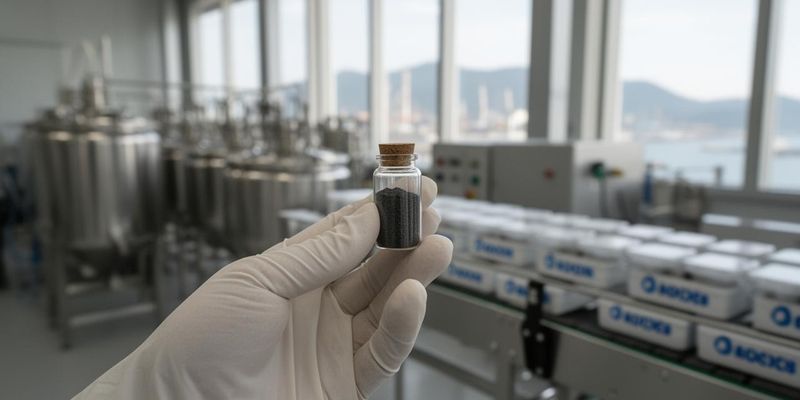
POSCO Future M has signed a $4.5 billion long-term supply deal with Samsung SDI for lithium iron phosphate cathode materials, doubling their previous agreement's volume.
Graphano Energy Ltd. has completed prospecting at its Black Jack graphite site in Québec and plans to expand exploration westward. The company seeks $900,000 through a private placement.
Researchers developed a carbon nanotube anode achieving approximately 45 Wh/kg with strong cycling stability.
Researchers developed a ternary composite using bismuth oxide, precipitated calcium carbonate, and carbon nanotubes that achieved a record specific capacitance.
India's domestic battery industry faces challenges due to a lack of local synthetic graphite and anode material production.
Vianode has enlisted JPMorgan to explore partnerships or a potential takeover to secure funding for its synthetic graphite operations in Ontario.

Graphite tolling fees rose 2.3% from June to August, increasing costs for synthetic graphite anode producers.
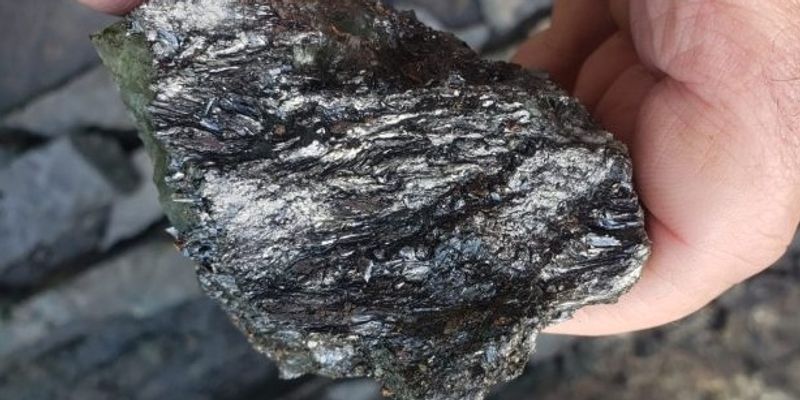
A South Korean research team created a dry cathode method incorporating porous graphitic carbon nitride to improve lithium-ion EV batteries.
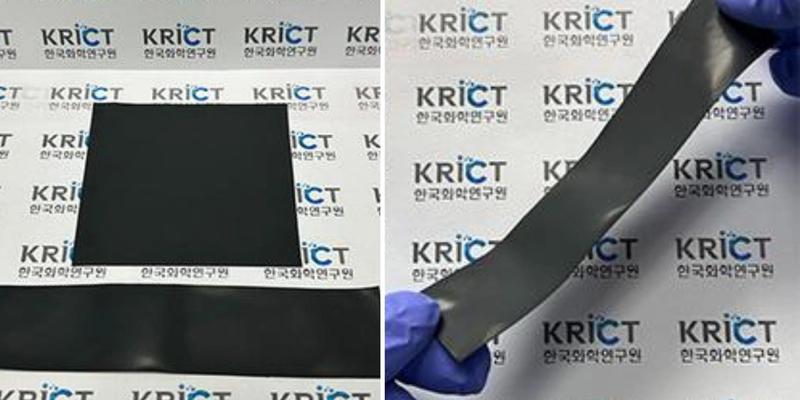
Researchers at KAIST have developed a method to produce defect-free graphene, potentially enhancing the performance of lithium-ion batteries.
Graphite One is advancing its strategy to supply natural and artificial graphite anode materials for lithium-ion batteries in electric vehicles and energy storage systems.

Researchers in Texas discovered their plasma reactor, initially aimed at hydrogen production, also creates graphene oxide from methane. This unexpected find offers a potentially cheaper production method.
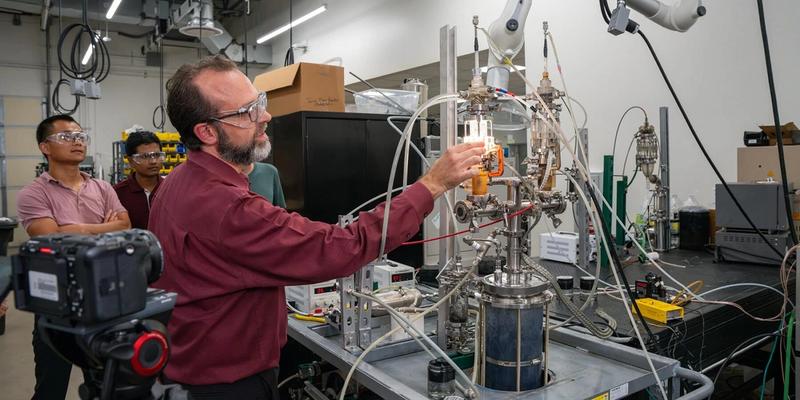
COnovate has won a $1.25M, 24-month DOE contract to scale U.S. production of eCOphite, a graphene monoxide-based anode material positioned as a graphite alternative. Used as an additive, it gives LFP batteries a durable voltage reference point for more accurate state-of-charge estimation.
The Advanced Carbons Council calls for a U.S. carbon materials innovation platform focused on standards, testing and buyer qualification. The paper links engineered-carbon supply chains to manufacturing, energy, defense and AI infrastructure. Serves as a model for governments world-wide.
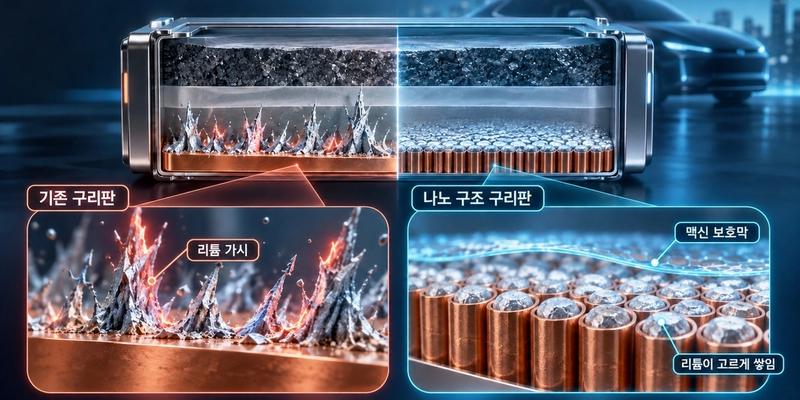
South Korean researchers have created a copper current collector that evenly spreads lithium, preventing dendrite formation and enhancing the durability of anode-free lithium-metal batteries.
Graphene Manufacturing Group has started its second-generation graphene plant, aiming to produce 10 tonnes annually once optimised. Completion is expected by September 2026.
Korea Institute of Energy Technology developed a tube-type battery with a central cooling channel, enabling it to charge from 5% to 95% in just 9.6 minutes.
LS-L&F Battery Solution is testing precursor materials using LS MnM's metal sulfates. If successful, commercial production could start in Q4, with a 40,000-ton annual capacity.
Bergen Carbon Solutions has secured a patent for its carbon purification technology, reinforcing its intellectual property in carbon material processing and supporting its strategy for high-quality carbon products.
Iowa State University researchers developed a method to print electronic circuits on 3D objects using aerosol-jet printing. NASA supports the commercialization with a $150,000 grant.
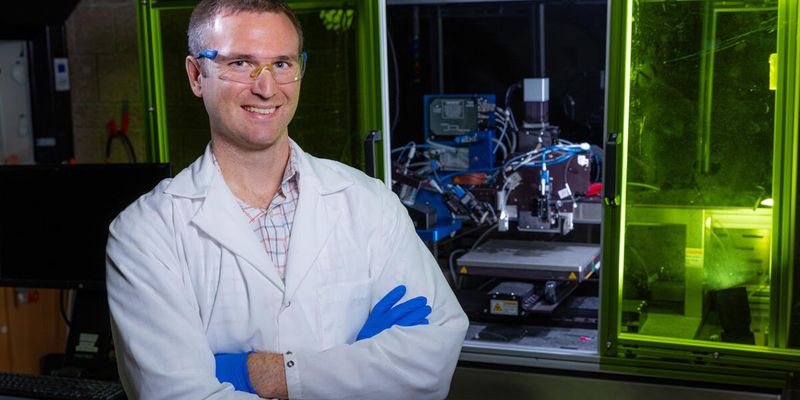
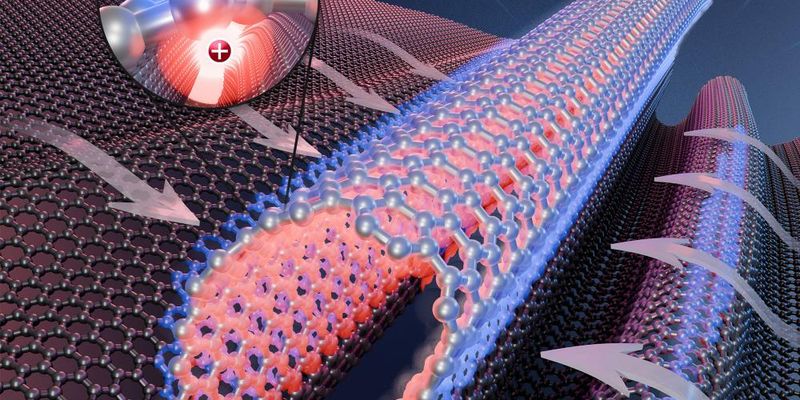
Researchers found that tiny wrinkles in graphene can alter its electrical properties. This discovery could lead to advanced control of electricity in ultrathin materials, enhancing sensor and electronic device performance.
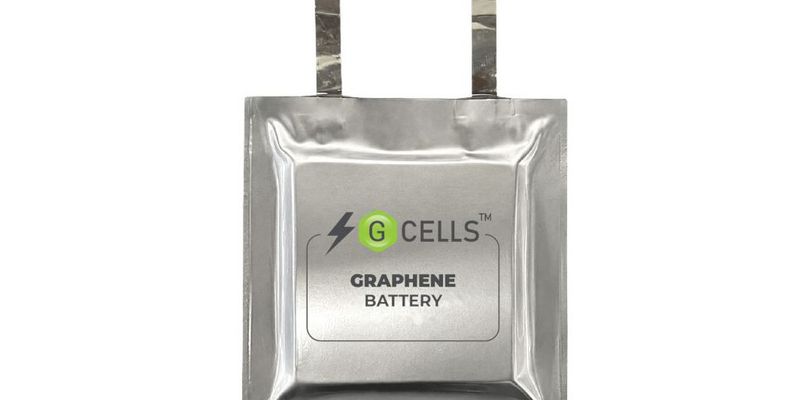
Graphene Manufacturing Group's G CELLS maintained capacity after 489 fast-charge cycles, outperforming lithium titanate oxide cells tested under the same conditions.
VoltaXplore is redirecting its 21700 lithium-ion cells from electric vehicles to defence drones and unmanned ground vehicles, supporting testing and qualification at its 1-MWh facility.
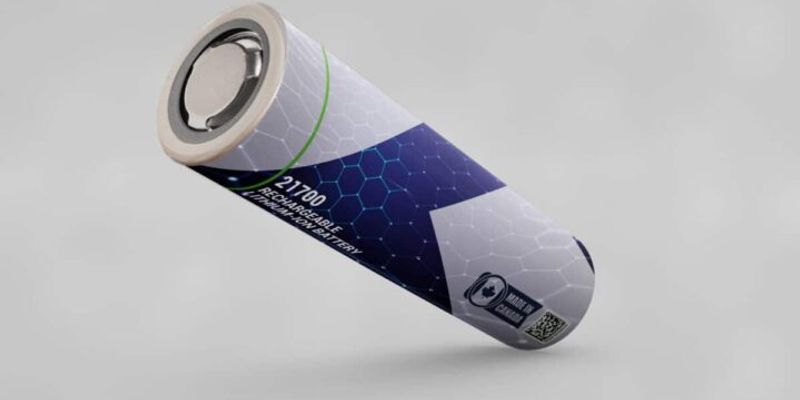
NanoXplore and VoltaXplore have been approved as qualified suppliers under Canada's Defence Drone Initiative Marketplace, covering graphene-enhanced composites and lithium-ion battery cells.

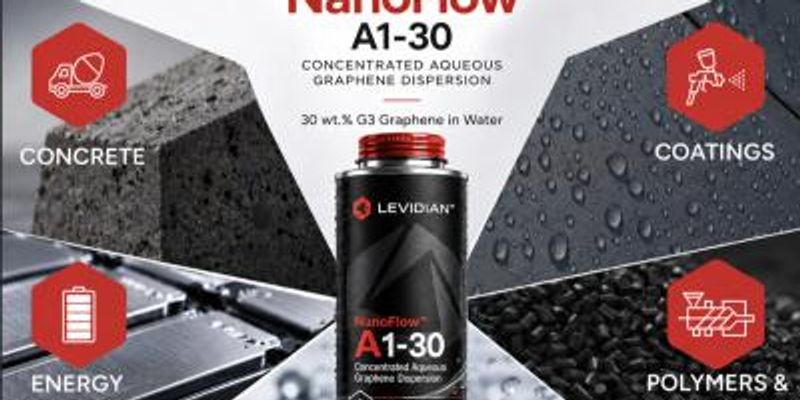
Levidian has introduced NanoFlow™ A1-30, a 30 wt.% aqueous graphene dispersion with water-like viscosity, expanding its NanoFlow™ range for easy integration into water-based applications.
Development contract advances domestic eCOphite™ anode production to improve battery performance and strengthen critical-material supply chains

The University of Southern Queensland received a $1.3 million grant to create sodium-ion battery electrodes that can self-repair using engineered graphene and polymer networks.

Talga Group has signed a non-binding letter of intent with EAS Batteries for a graphite anode supply from its Vittangi project in Sweden, aiming for a binding agreement by 2027.

Caterpillar offers graphene battery packs for power tools, featuring fast-charging and long-lasting performance. These batteries fully charge in just 20 minutes, enhancing tool efficiency and reliability.
Researchers have significantly advanced MXene-based supercapacitors, particularly with binder-free Ti3C2Tx, since their initial demonstration in 2013.

NOVONIX received testing results from a lead customer for its synthetic graphite anode qualification sample.

Novacium and Tokai COBEX are collaborating to evaluate a silicon and synthetic graphite anode material solution in France, aiming to enhance lithium-ion cell energy capacity.
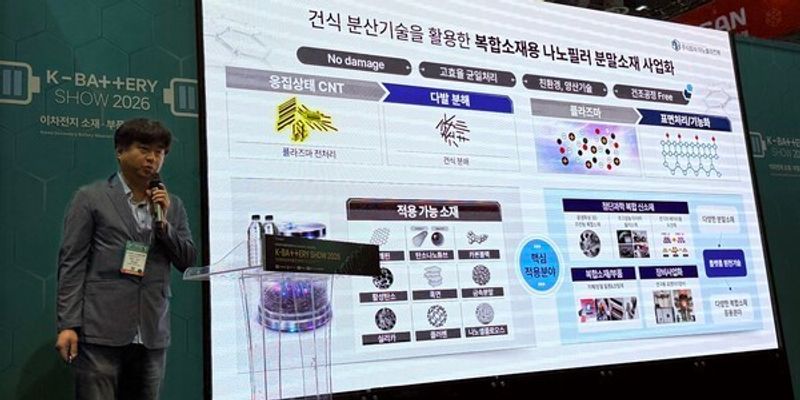
Inoplaztech plans to increase its carbon nanotube conductive additive production to 100 tons annually using proprietary plasma technology, targeting the dry electrode market for batteries.
Total Graphite plc has hired Lycopodium Minerals Africa to update the Montepuez Graphite Project's feasibility study in Mozambique. Initial results are expected by November 2026.

Researchers released data showing graphene-enhanced batteries have achieved extended life cycles, demonstrating improved performance compared to traditional battery technologies.
NOVONIX provided a mass-production qualification C-sample of synthetic graphite anode material to Panasonic Energy in June 2026.

Atlas Critical Minerals Corp. reported 100% success in intersecting graphite mineralization across 20 drill holes in its Minas Gerais, Brazil project, with notable high-grade intervals confirmed by SGS Geosol.
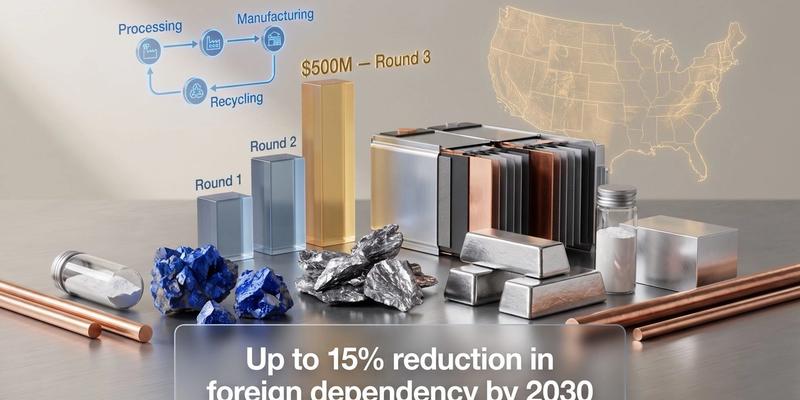
The U.S. Department of Energy has allocated $500 million to strengthen domestic processing and manufacturing of critical battery materials, aiming to reduce foreign supply chain reliance by 15% by 2030.
This paper considers how graphene additions may improve mechanical and barrier performance in polymer-based materials while supporting lightweight designs. It notes that dispersion, processing and application-specific validation remain important.
NanoMalaysia Bhd and an Indonesian partner have launched an NMC-graphene lithium-ion pouch cell at a conference, marking a step toward industrial-scale battery production in the region.
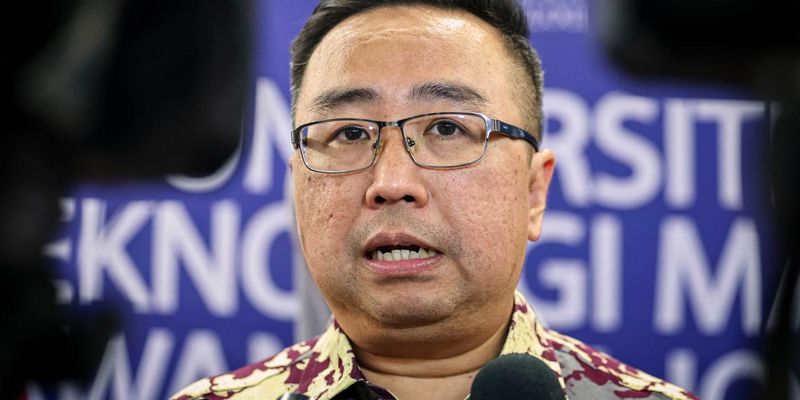
NanoMalaysia Bhd and Indonesia’s National Battery Research Institute unveiled the Nusantara Battery, a graphene-infused lithium-ion battery, at the ASEAN Battery Technology Conference in Sepang.
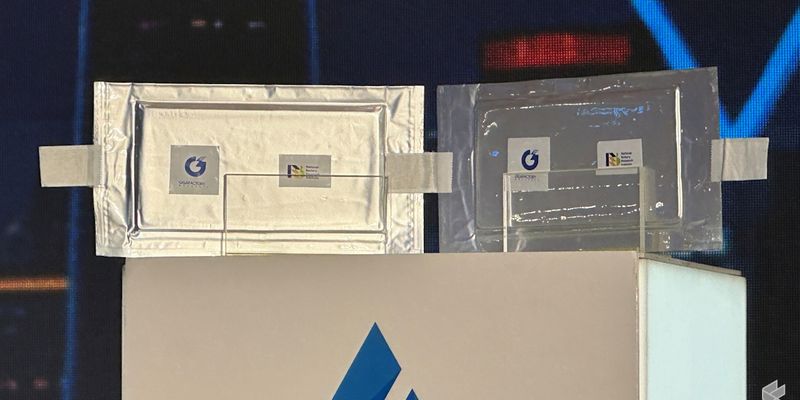
Graphene Manufacturing Group has rebranded its graphene battery cells to highlight their fast-charging and long-lasting features, collaborating with partners including the University of Queensland and Rio Tinto.
Himadri Specialty Chemicals will establish India's first carbon nanotube production facility at its West Bengal complex, with an initial capacity of 200 tons per year, starting commercial production by FY2027.

Researchers at QUT developed a molecular strategy to prevent carbon nanotube clumping, enhancing thermal power efficiency for wearable devices that convert body heat into electricity.

Himadri Speciality Chemical is focusing on carbon nanotubes as a potential growth area to complement its existing battery materials business.
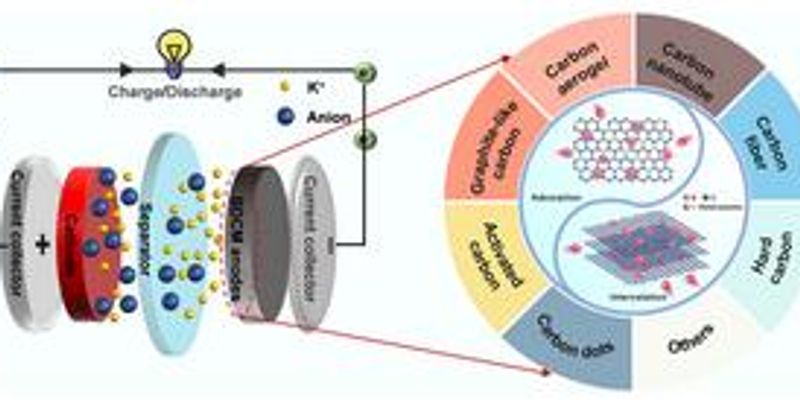
Researchers at the University of Science and Technology of China have developed carbon nanotubes from distilled grain residues to enhance potassium-ion battery performance.
Graphene Manufacturing Group Ltd signed an exclusive MOU with Alstom to develop graphene products for rail HVAC systems.
Smoltek has joined the MAXBATT consortium, which includes Scania and Volvo, to enhance sustainable battery production using carbon nanofiber technology.
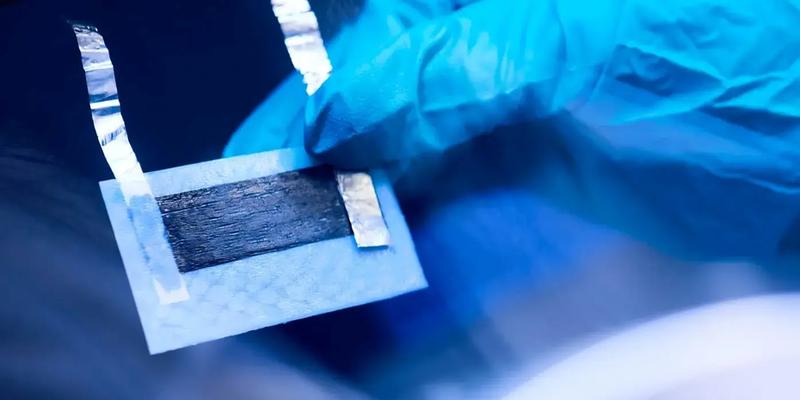
Researchers at Texas A&M University have developed a process to convert methane into graphene oxide using a nonthermal plasma-water interface, potentially reducing production costs.
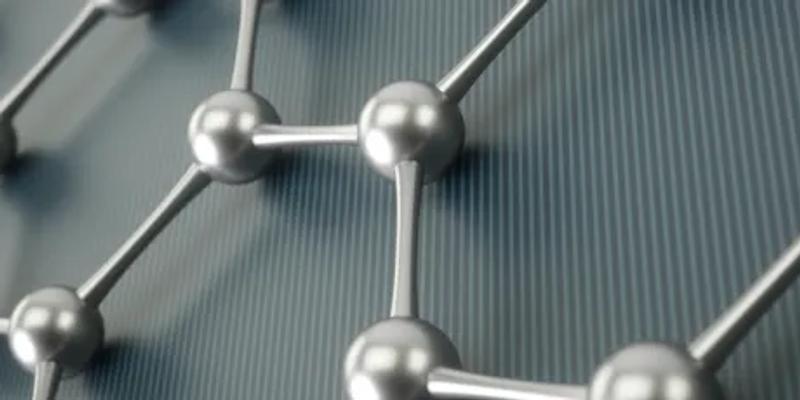
Kumho plans to increase production of multi-walled carbon nanotubes (MWCNT) to enhance electric vehicle battery performance.
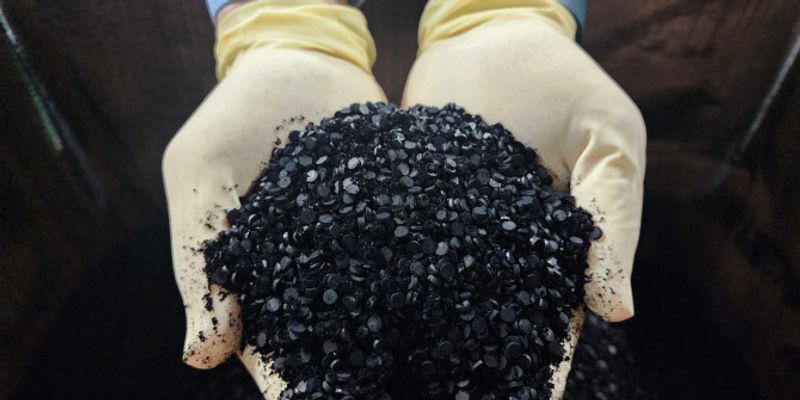
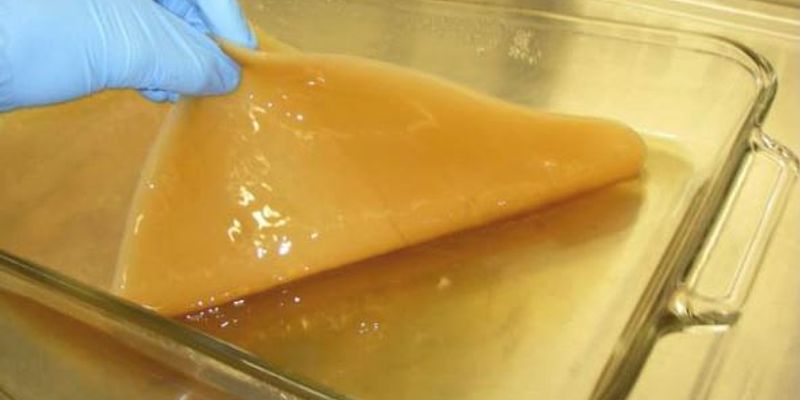
Bacterial cellulose converted into biomass-derived carbon gives supercapacitor electrodes that charge rapidly and survive millions of cycles, offering a renewable feedstock for high-power energy storage.
NanoMalaysia (NMB) is set to begin small-scale production of a graphene-enhanced lithium-ion battery for electric vehicles at its 15,000-square-foot facility in Sepang, Malaysia. By incorporating graphene instead of graphite, the battery aims to triple energy storage capacity, which could significantly enhance the performance of carbon-based materials in EV applications.
Graphite One has selected an engineering firm to procure equipment for synthetic graphite battery anode manufacturing at its Ohio production facility, aiming for completion by 2028. This development is significant for the synthetic graphite sector, as it supports the growing demand for battery anodes in electric vehicles.
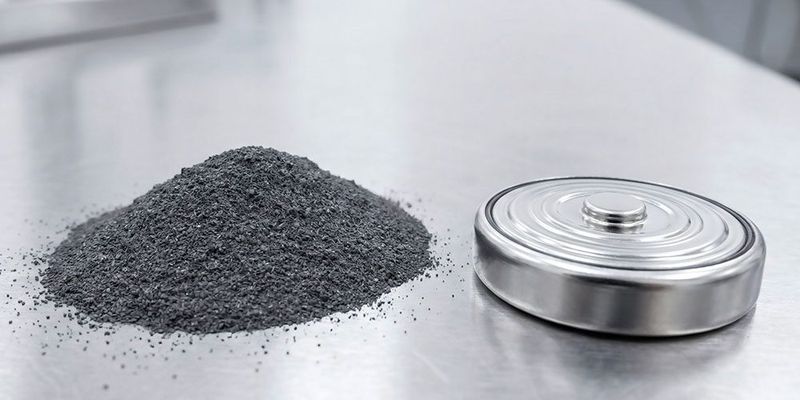
Researchers at Texas A&M University have developed a scalable process to produce graphene oxide from methane, a component of natural gas. This advancement could lower the cost of graphene oxide production, enhancing its availability for use in batteries, coatings, and electronics.
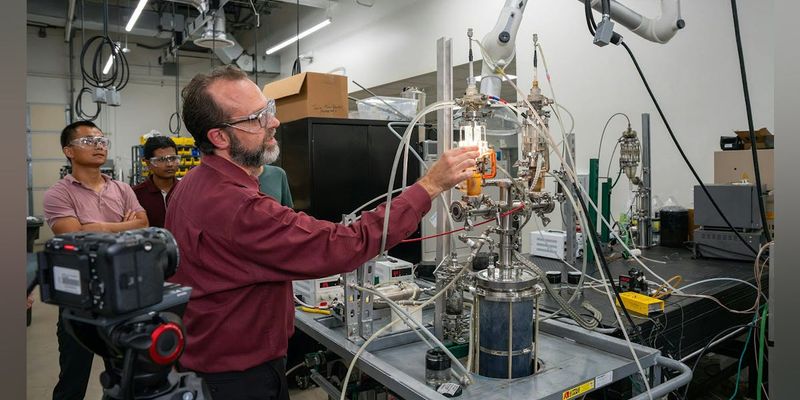
Over a ten-year horizon graphene-based energy storage undercuts lithium alternatives once maintenance, replacement cycles and performance degradation are counted, not just the upfront purchase price.
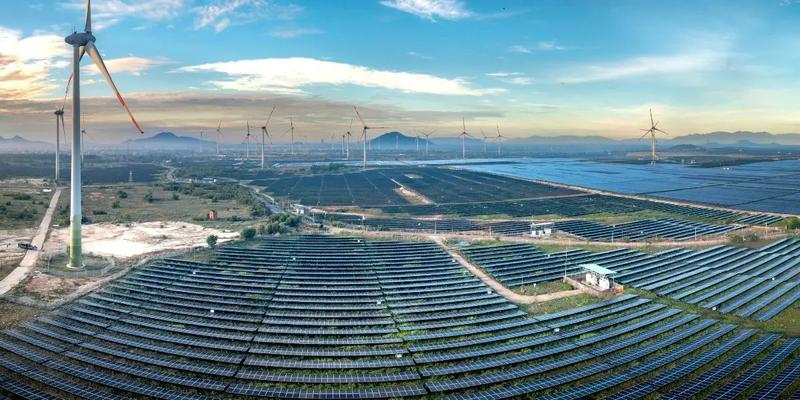
Hina Battery is establishing a 2 GWh sodium-ion battery production line in Wuhan to support commercial transport and cargo operations along the Yangtze River. This development is significant as it leverages local carbon resources to reduce reliance on imported lithium, ensuring stable battery supply for heavy-duty vehicles.
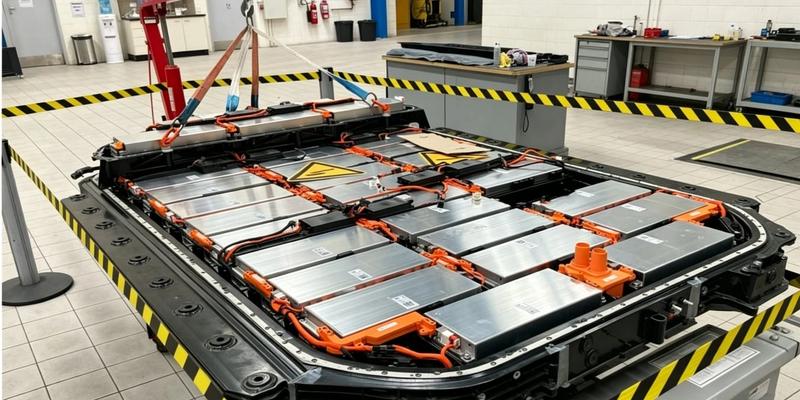
Turquoise Group has achieved Verified Graphene Producer® status, confirming its capability to produce 30 tonnes of high-purity few-layer graphene annually at its Brisbane facility. This certification enhances the company's credibility in delivering high-quality graphene, a material crucial for applications in coatings, composites, and energy storage.

Posco Future M has announced its growth strategy in battery materials, emphasizing the development and supply of anode materials like synthetic graphite. This focus on synthetic graphite is crucial as it plays a key role in enhancing the performance and efficiency of lithium-ion batteries used in various applications.

Green Development plans to establish a large battery storage facility at its biochar plant in Quonset. The project could enhance the integration of biochar production with renewable energy storage, potentially increasing efficiency and sustainability in the sector.
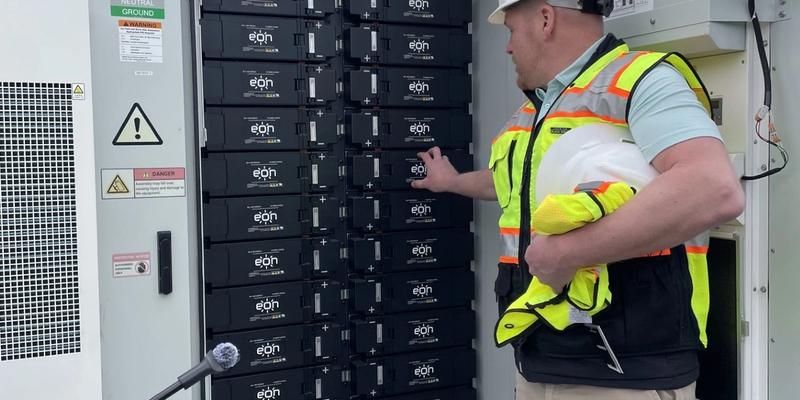
The article discusses the differences between artificial graphite, made from carbon sources like petroleum coke, and natural graphite, focusing on their applications in the lithium-ion battery industry. Understanding these differences is crucial for battery manufacturers as they select materials that optimize performance, cost, and sustainability in battery production.
India has launched the National Critical Mineral Mission with a budget of 343 billion rupees to boost domestic graphite mining and reduce import dependency by 2031. This initiative is crucial for securing a stable supply of graphite, an essential material for electric vehicle batteries and other clean energy technologies, as India aims to meet its ambitious climate goals.
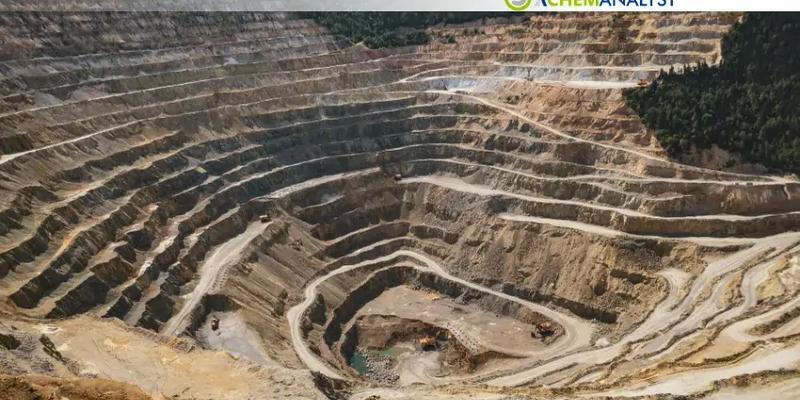
Researchers at Tohoku University have developed a covalent organic framework (COF)-graphene interlayer that significantly reduces polysulfide shuttling in lithium-sulfur batteries, achieving a high reversible capacity of 1455.7 mA h g⁻¹ at 0.2 A g⁻¹. This advancement is crucial for the practical deployment of lithium-sulfur batteries, as it addresses the long-standing challenge of polysulfide migration, potentially leading to more efficient and durable energy storage solutions.
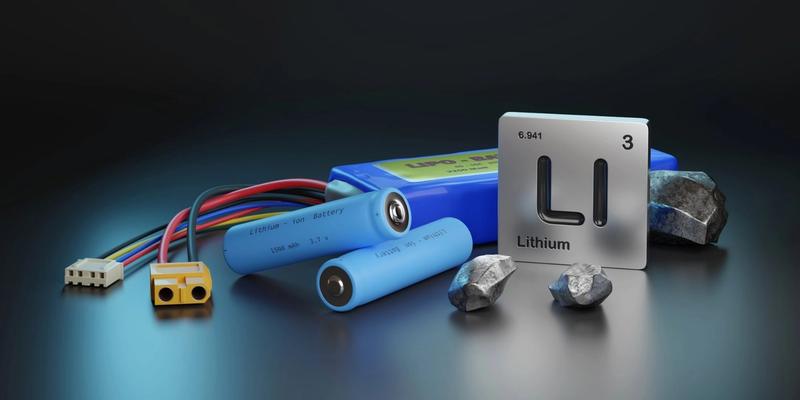
Researchers at Tohoku University have developed a graphene-based interlayer for lithium-sulfur batteries that maintains capacity over 1,000 charge-discharge cycles. This advancement addresses the polysulfide shuttle effect, enhancing the lifespan and efficiency of lithium-sulfur batteries, which are seen as a promising alternative to lithium-ion technology due to their higher energy storage potential.
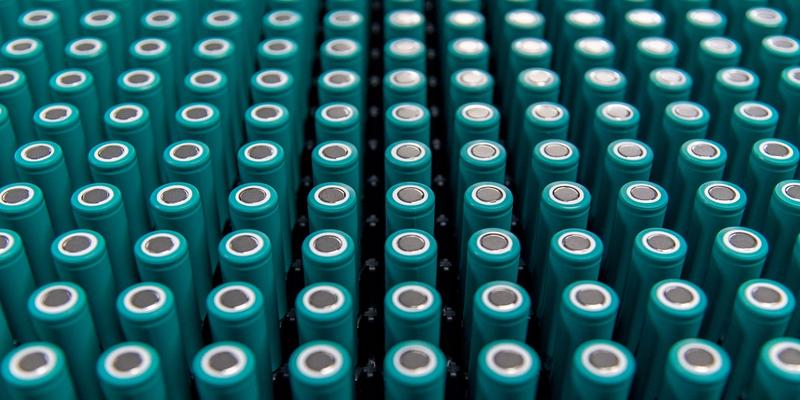
Researchers at Texas A&M University have developed a new method to produce graphene oxide from methane using a plasma-based reactor, which simultaneously generates hydrogen as a byproduct. This scalable approach could reduce reliance on graphite for graphene oxide production, offering a cost-effective alternative for applications in batteries, electronics, and advanced manufacturing.
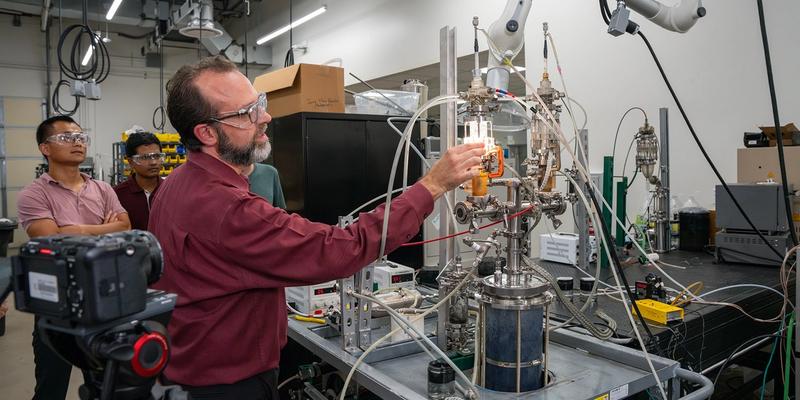
Biomass-derived carbon nanoparticles deliver high-rate sodium storage, offering a route to sodium-ion battery anodes made from renewable feedstock rather than graphite.
Researchers at the Vietnam Academy of Science and Technology have developed a sensor electrode using a composite material of graphene, carbon nanotubes (CNTs), and gold nanoparticles that can detect pesticide residues at concentrations as low as parts per billion (ppb). This advancement is significant for the field of advanced carbon materials as it enhances the sensitivity and functionality of sensors, contributing to improved agricultural product monitoring and food safety.
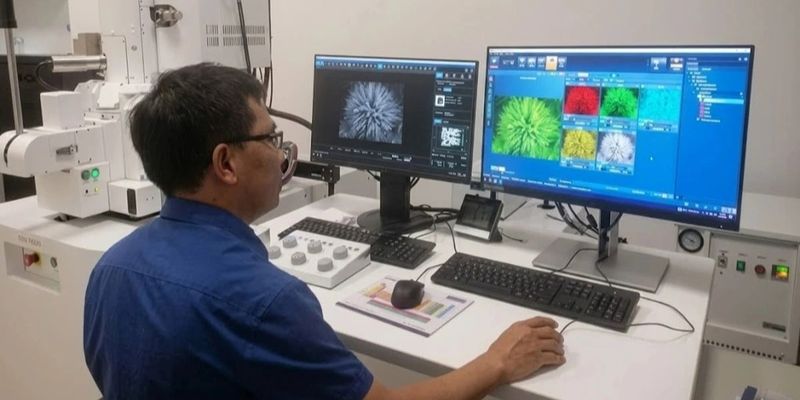
Researchers have built binder-free carbon nanotube cathodes for lithium-oxygen batteries, removing the polymer binder that limits cycle life and extending the working lifespan of the cell.
Avadain has increased its crowdfunding cap to $3.75 million to support its graphene production initiatives. This funding boost is significant for the advanced carbon materials sector as Avadain's graphene has the potential to replace silver in printed electronics and mined graphite in battery anodes.

A hybrid electrode pairing VS2 nanosheets with porous graphitic carbon nitride nanotubes speeds charge transport, improving the rate performance of solid-state supercapacitors.
Integrals Power has been selected as the LMFP supplier for the EU-funded OLiMPUS battery project, which aims for mass production in Europe by 2032. This development is significant for the advanced carbon materials sector as it involves synthetic graphite anodes, which are crucial for reducing the carbon footprint and enhancing the sustainability of battery production.
A review sets out design strategies for MXene-based hybrid architectures in potassium-ion and aluminium-ion batteries, covering the mechanisms that govern their storage performance.
Sparc Technologies announced the expansion of its graphene additive range with a product line called Sparces on June 29, 2026. The move broadens the company's graphene additive offerings, which are relevant to composite and materials manufacturers seeking graphene-based performance enhancements.

Sparc Technologies launched SparcES™, a graphene additive range for ESD and conductive coatings targeting data centres, semiconductor facilities and EV battery plants, following 24 months of internal conductivity testing. The range positions graphene as a potential lower-dosage alternative to carbon black, graphite, carbon nanotubes and metal nanowires in a global ESD and conductive coatings market estimated at US$1.2 billion in 2026.
A biochar-enhanced three-dimensional conductive network improves the kinetics of thick electrodes, addressing a bottleneck in the efficiency of lithium extraction.
Researchers published findings in February 2025 in Photonics on laser power modulation of fiber coated with multilayer graphene using lithium intercalation methods. The work identifies transport-defined lithium intercalation states in multilayer graphene, which has implications for tunable graphene-based photonic and fiber optic components.
OCSiAl has been named a single-wall carbon nanotube supplier to Volkswagen Group's battery subsidiary PowerCo for its Unified Cell platform, with supply coming from OCSiAl's audited production facility in Serbia. The deal extends single-wall carbon nanotube use into a major European automaker's standardized battery platform, where the material serves as a conductive additive in graphite anodes to improve conductivity, heat dissipation, and fast-charging performance.
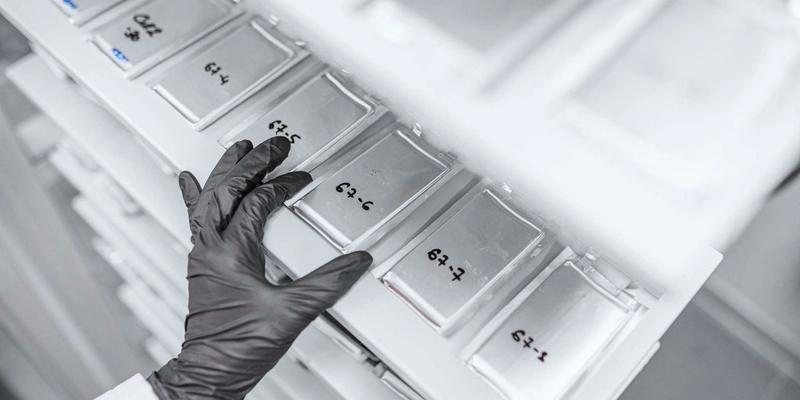
Professor Roman Gorbachev at the University of Manchester received a £1.9 million EPSRC Open Fellowship to lead a five-year project scaling van der Waals 2D material heterostructures from micrometre samples to wafer-scale fabrication using a new ultra-high vacuum platform. The work directly advances graphene and 2D materials manufacturing by targeting industrial-process compatibility and establishing a UK fabrication hub accessible to academic and industry users.

Graphene-based energy storage systems have been reported to reach energy densities up to 650 Wh/kg, compared to 150–250 Wh/kg for conventional lithium-ion batteries, according to a report focused on Italy's renewable energy storage needs. This performance gap highlights graphene's potential role in grid-scale storage applications, a key growth area for the advanced carbon materials sector.
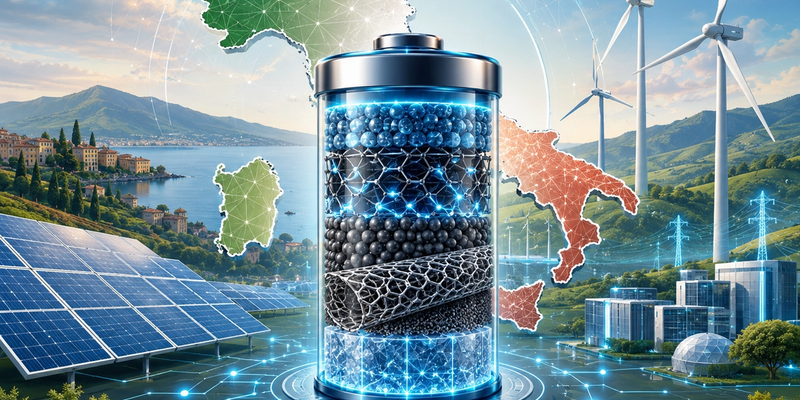
Researchers from Cambridge, Harvard, Caltech, and the Max-Planck Institute for Polymer Research published findings in Science Advances showing that nanoconfined water's apparent chemical reactivity is driven by pressure and surface chemistry rather than confinement itself, with hydroxide ions bonding to hexagonal boron nitride walls but not to inert graphene. The work offers a design principle for tailoring water reactivity by selecting confining materials and controlling internal pressures, with direct relevance to graphene-based membranes, carbon electrodes in batteries and fuel cells, and the broader development of two-dimensional carbon and carbon-adjacent materials for electrochemical applications.

PowerCo, Volkswagen Group's battery subsidiary, selected OCSiAl to supply TUBALL single-wall carbon nanotube additives for the graphite anodes of its Unified Cell platform, manufactured at OCSiAl's Serbia facility. The deal expands the role of single-wall carbon nanotubes in large-scale EV battery production, with OCSiAl now supplying the majority of European EV battery manufacturers and planning a $300 million graphene nanotube facility in Luxembourg.
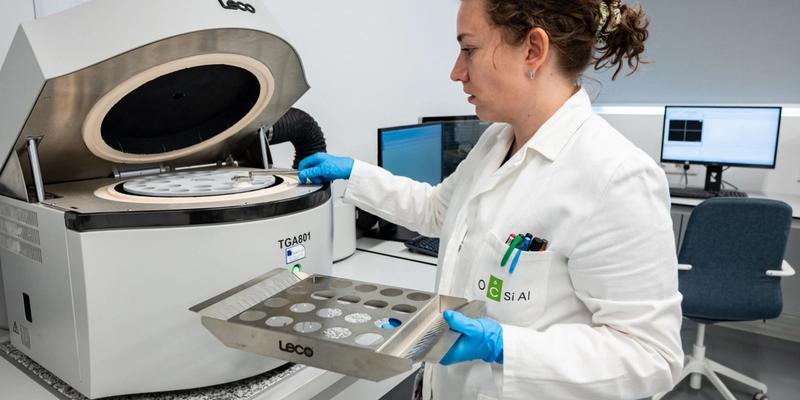
Argo Graphene Solutions Corp. (CSE: ARGO) closed a license agreement with Grapherry, Inc. on June 25, 2026, acquiring an exclusive worldwide license to Grapherry's STREAM graphene production platform in exchange for up to 11,000,000 common shares and 5,500,000 warrants, with full technology ownership transferring to Argo upon full share issuance. The deal gives Argo control over a scalable graphene production technology targeting construction, agriculture, and energy storage applications, while Grapherry's CEO Vikas Berry joined Argo's board and the company's existing CEO Scott Smale resigned.

Canada's graphene sector has developed across production, construction, filtration, printed electronics, and energy storage, with companies such as NanoXplore operating a 4,000-metric-ton-per-year facility in Montréal and firms like Zentek and Graphene Leaders Canada advancing application-specific products toward commercial deployment. The ecosystem signals a shift from materials science demonstration toward repeatable industrial use cases in carbon-based composites, conductive additives, and separation technologies, though commercial viability still depends on product qualification, standardization, and cost competitiveness against incumbent materials.
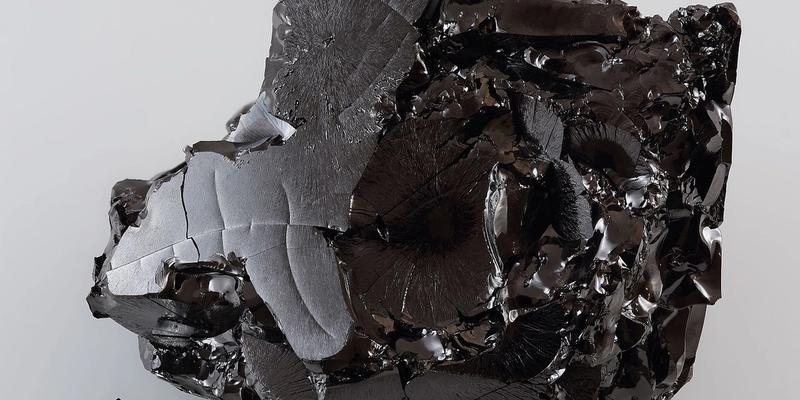
Penn State researchers converted waste PET plastic bottles into synthetic graphite by blending shredded PET with 2.5% graphene oxide by weight and applying heat treatment, producing crystallite dimensions that exceeded those of natural graphite without metal catalysts. The metal-free process reduces post-processing steps needed to achieve battery-grade purity and could supply graphitic carbon for lithium-ion anodes and hard carbon for sodium-ion batteries from a single plastic waste feedstock.
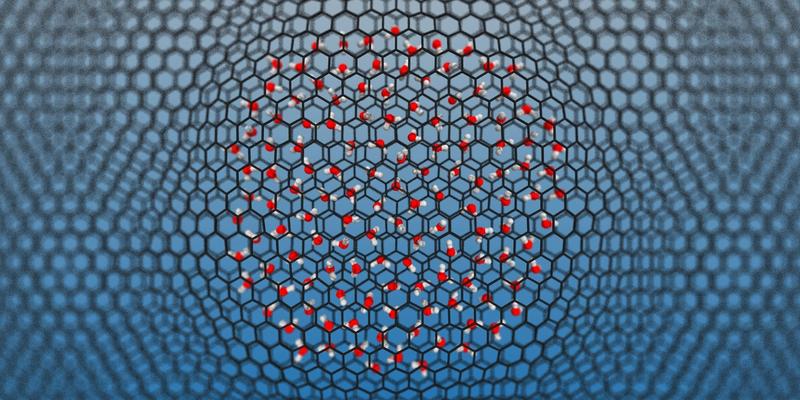
Researchers from Cambridge, Harvard, Caltech, and the Max-Planck Institute for Polymer Research used machine-learning simulations to study water confined between graphene and hexagonal boron nitride sheets, finding that confinement alone does not alter water's reactivity but that pressure and surface chemistry of the confining material are the controlling factors. For the carbon materials sector, the study establishes that graphene's chemically inert surface does not enhance water dissociation, while reactive surfaces like hBN do, offering a design principle for selecting 2D carbon and non-carbon materials in membranes, fuel cells, and electrochemical systems.
Researchers from Cambridge, Harvard, Caltech, and the Max Planck Institute for Polymer Research published findings in Science Advances showing that nanoconfined water's apparent chemical reactivity is driven by pressure and surface chemistry rather than confinement itself, using machine-learning simulations of water trapped between graphene and hexagonal boron nitride sheets. The work establishes that graphene's chemically inert surface leaves water reactivity unchanged, while reactive surfaces like hBN can actively enhance water dissociation—a design principle relevant to graphene and 2D carbon material applications in membranes, fuel cells, and electrochemical systems.
French startup Eenuee, founded in 2019 near Saint-Étienne, is developing a 19-seat blended-wing-body electric regional aircraft called Gen-ee, projecting 11 times lower energy consumption than conventional aircraft of similar size, with a first full-scale prototype flight targeted for 2029. The airframe relies on advanced carbon-fiber composites developed with Duqueine Group, making composite material performance a direct enabler of the aircraft's 40%-lighter unpressurized structure and overall efficiency claims.

The Advanced Carbons Council published a position paper in May 2026 arguing that carbon credit financing should be redirected from geological carbon capture and sequestration toward conversion of captured carbon into advanced materials such as graphene, carbon fiber, biochar, and carbon nanotubes. The paper contends that carbon-to-materials conversion projects are commercially self-sustaining without ongoing subsidies, unlike CCS, and deliver compounding lifecycle emissions reductions across sectors including construction, aerospace, agriculture, and energy storage.
Solidion Technology (Nasdaq: STI) withdrew its previously filed Form S-1 registration statement with the SEC on June 10, 2026, citing unfavorable market conditions and deal terms. The move affects a company developing graphene-enabled silicon anodes and biomass-based graphite materials, signaling that capital access constraints may slow near-term commercialization of these advanced carbon battery materials.
Sicona Battery Technologies validated 600 Wh/kg energy density in graphene-wrapped silicon anode pouch cells at its Wollongong pilot line, achieving 1,200-cycle retention above 80 percent capacity with a 200 MWh/year scale-up targeted for late 2027. The result advances graphene's role as a structural buffer for silicon anodes, a combination the carbon materials and battery sectors have pursued to overcome silicon's volumetric expansion problem at commercial scale.
Peking University researchers developed a graphene-coated lithium metal electrode that allows solid-state batteries to retain 92% capacity after 5,000 cycles, with findings published in Joule. The graphene coating's role in suppressing dendrite growth at the lithium-sulfide electrolyte interface advances a known barrier to commercial solid-state battery adoption, with scale-up trials planned with two Chinese manufacturers for late 2026.

Graphene Manufacturing Group (GMG) submitted a Significant New Use Notice (SNUN) to the US EPA on June 2, 2026, seeking authorization to manufacture, distribute, and sell graphene coatings, lubricants, and fluids domestically in the United States, with approval expected by end of June 2027. The filing marks a shift from export-only access to domestic graphene production in the US, which could establish a local graphene supply chain for industrial applications including HVAC coatings and engine lubricant additives.
CSIC researchers developed an 18-micron graphene-polymer composite separator combining polypropylene with 0.5 wt% reduced graphene oxide, achieving 4x greater puncture resistance and a 60% reduction in thermal-runaway initiation temperatures in lithium-ion batteries. The development advances reduced graphene oxide as a functional additive in battery separators, with pilot-scale production underway alongside a Spanish cell manufacturer targeting NCM-based EV applications.
NeoGraf commissioned a new production line at its Lakewood, Ohio facility, adding 2,000 tonnes per annum of flexible graphite sheet capacity funded by a $38 million investment, bringing its total to 11,000 tonnes per annum. The expansion increases domestic supply of high-purity exfoliated graphite sheets for EV battery thermal management, where the material's in-plane thermal conductivity above 600 W/m·K at low density addresses a critical requirement for North American automotive manufacturers.

GraphEnergyTech, the University of Cambridge, Taiwan Perovskite Solar Corporation, and ITRI launched the GETPSC project to develop graphene-based electrodes as a replacement for silver electrodes in perovskite solar cells. The project targets a known barrier to commercial-scale perovskite adoption, with potential secondary applications for GraphEnergyTech's conductive carbon technology in batteries, supercapacitors, and electronics.
Levidian and Zentek have signed an agreement to explore building a graphene-integrated manufacturing facility in the Middle East, combining Levidian's methane-derived graphene production with Zentek's graphene-enhanced air filters. The deal signals growing regional demand for graphene-enhanced products and positions the Middle East as an emerging hub for graphene manufacturing and deployment across multiple industries.
SK On signed a five-year, $180 million supply contract with Hansolchemical for 4,500 tonnes per annum of graphene additive for NCM811 cathodes, with shipments starting Q1 2027. The deal signals growing industrial-scale demand for graphene as a functional cathode additive in EV batteries, and will require Hansolchemical to expand its Gumi facility beyond its current 1,200 tonne per annum capacity.