Graphene oxide and methylglyoxal target chronic wound biofilms
Researchers are exploring graphene oxide combined with methylglyoxal to target biofilms in chronic wounds, leveraging its antibacterial properties.
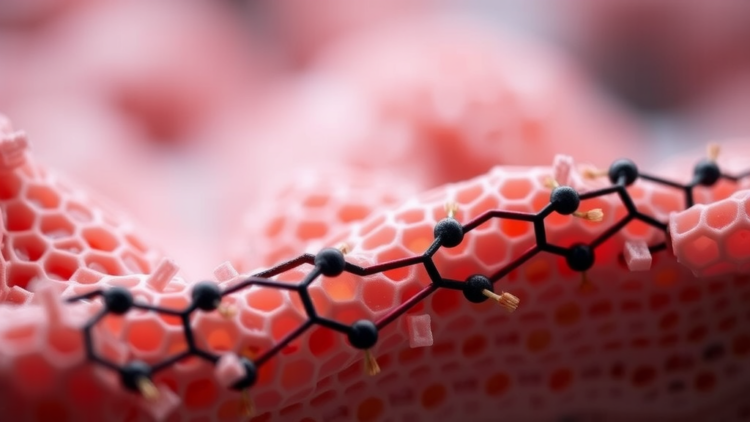
Graphene oxide, a two-dimensional carbon nanomaterial, is showing promise in the fight against chronic wound biofilms. Researchers at the University G. d’Annunzio of Chieti-Pescara in Italy have explored a novel approach combining graphene oxide with methylglyoxal, a reactive compound, to target polymicrobial biofilms that often resist conventional treatments. These biofilms, found in diabetic ulcers and pressure sores, protect bacteria like Staphylococcus aureus and Pseudomonas aeruginosa from antibiotics and the immune system.
The study, published in Applied Microbiology and Biotechnology, highlights the synergistic effects of graphene oxide and methylglyoxal against these pathogens. Graphene oxide's sharp nanosheet edges and oxidative stress capabilities, combined with methylglyoxal's protein-glycating action, create a multi-target strategy that disrupts bacterial defenses. The researchers used the checkerboard test to confirm that the combination was more effective against S. aureus and P. aeruginosa than either agent alone.
The optimal formulation included 6.25 mg/L of graphene oxide and 64 mg/L of methylglyoxal. This combination increased bacterial membrane fluidity, a sign of cellular stress, and reduced viable bacterial counts by 60 to 80 percent in the Lubbock Chronic Wound Biofilm model. The treatment also inhibited P. aeruginosa's twitching motility, potentially limiting the spread of infection across wound surfaces.
Importantly, the effective concentrations of this non-antibiotic treatment fall within non-toxic ranges, offering a promising alternative to traditional antibiotics. This approach could help reduce the selective pressure that contributes to antimicrobial resistance. The research contributes to the growing interest in nanomaterial and honey compound partnerships for infection control, providing a potential new tool for clinicians dealing with antibiotic-resistant chronic wounds.
Source: Graphene Feed