News14 October 2026· Graphene Feed
Graphene oxide transforms stem cell spheroids into exosome factories for healing
GrapheneHealthcareMembranes & FiltrationResearch & InnovationSustainabilitySafety & Toxicology
102 articles on Safety & Toxicology.
Researchers in South Korea used graphene oxide to nearly double exosome production from induced pluripotent stem cells. This method enhanced angiogenesis, promoting faster wound healing in animal models.
Researchers created carbon-fiber-reinforced geopolymer composites using red mud and ore tailings, achieving electromagnetic shielding effectiveness up to 33.5 decibels in the X-band frequency range.

Researchers have developed Lollylab, a lollipop-shaped device that measures acetaminophen levels in saliva in under two minutes using a graphene sensor, offering a noninvasive testing method.
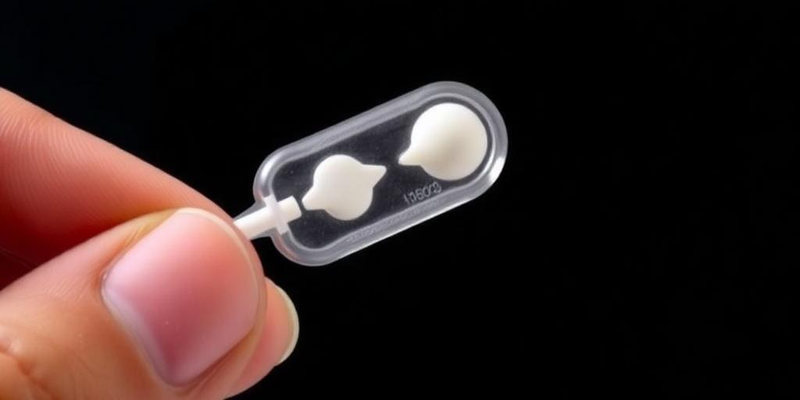
Researchers at Khalifa University have developed hybrid membranes using gallic acid-functionalized MXene, achieving over 95% rejection of dyes and pharmaceuticals in wastewater treatment tests.
Researchers in Brazil have developed a disposable electrochemical sensor using recycled PET, bamboo biochar, and copper nanoparticles to detect the toxic herbicide paraquat.
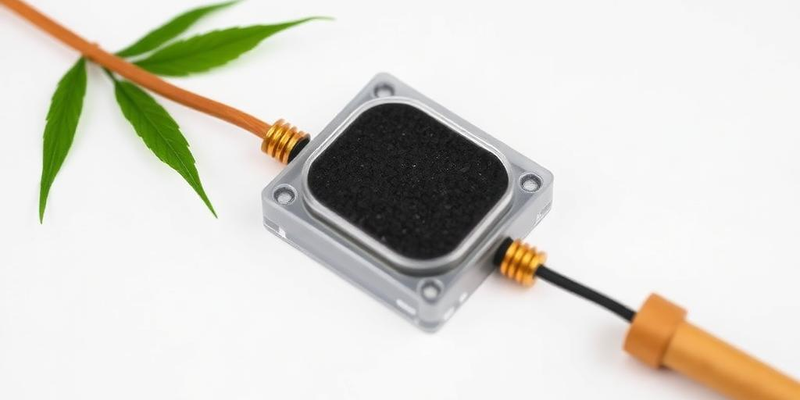
Researchers are enhancing composite materials by integrating carbon nanotubes and graphene-based sheets at the interlaminar regions, potentially improving their failure resistance.
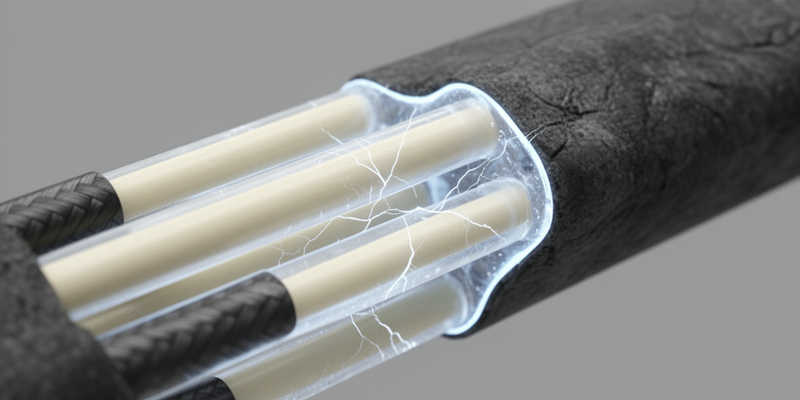
Park City is piloting biochar production in Thaynes Canyon to reduce wildfire risks and improve soil health. The project covers 200 acres and aims to enhance water retention.

Researchers developed a PVA-gelatin hydrogel with CNTs@ZIF-67 nanoparticles, achieving over 33 dB electromagnetic shielding in the X-band while remaining flexible and adhesive for wearable applications.
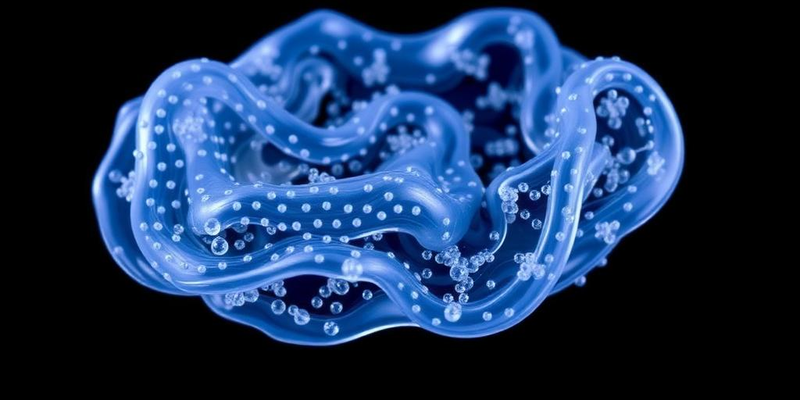
Researchers using DFT have found that carboxyl-functionalized single-walled carbon nanotubes bind the tuberculosis drug isoniazid with significantly increased strength.
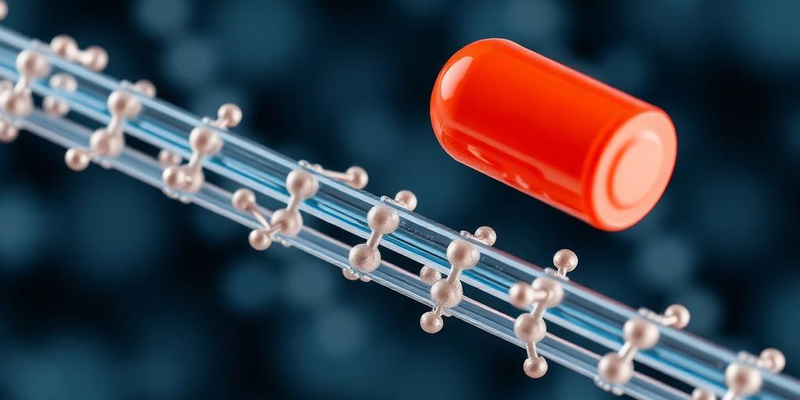
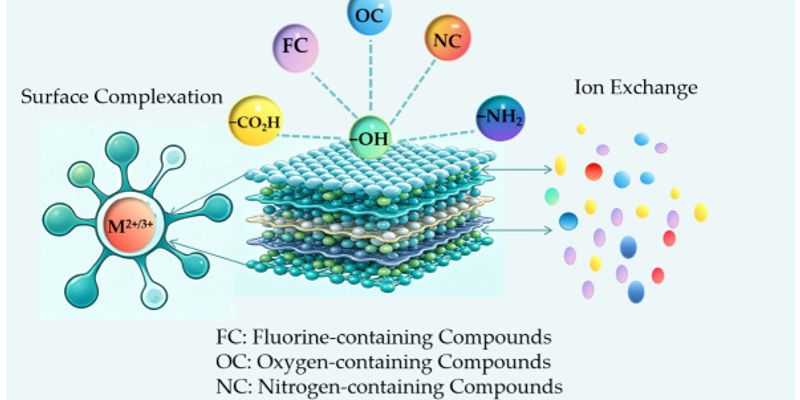
Researchers at Northeast Normal University developed a nano-magnesium oxide modified pyro-hydrochar from Rhus typhina biomass, achieving a fluoride adsorption capacity of 469.64 mg/g, outperforming other magnesium oxide adsorbents.

Researchers optimized the mechanical properties of thermoplastic polyurethane composites reinforced with multi-walled carbon nanotubes through T6 heat treatment.
Researchers developed pH-responsive carbon nanotube-based nanocarriers that release chemotherapy drugs in acidic tumor-like environments.
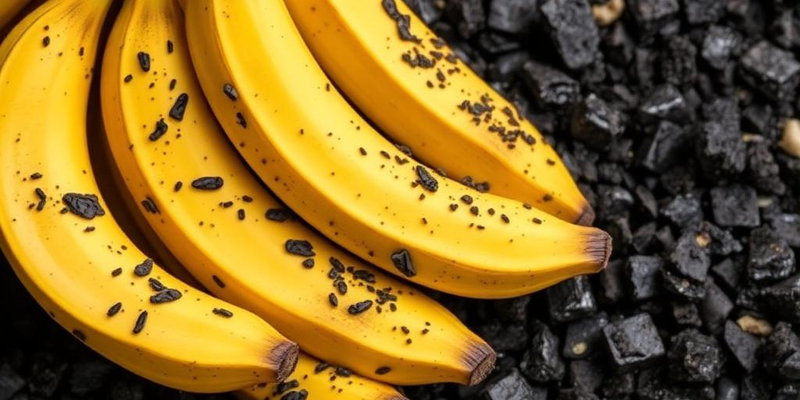
Researchers in Qatar discovered that non-activated biochar from banana peels increased biocrude yield from sewage sludge to 37.88%, thanks to its high potassium content.
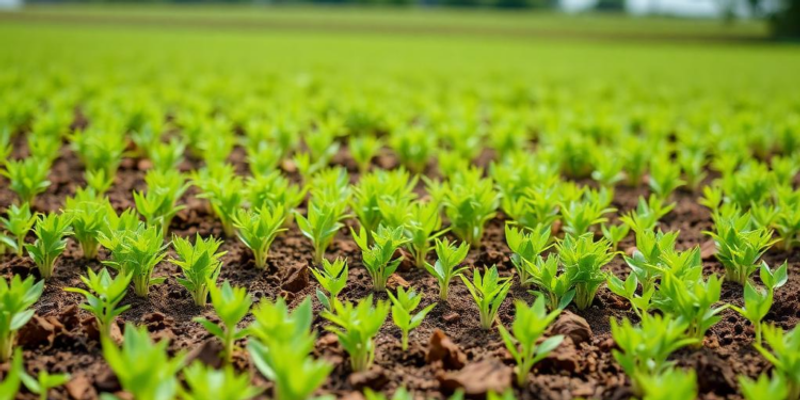
Researchers developed an AI model to determine the ideal amount of graphene oxide needed to remove toxic metals from farmland.
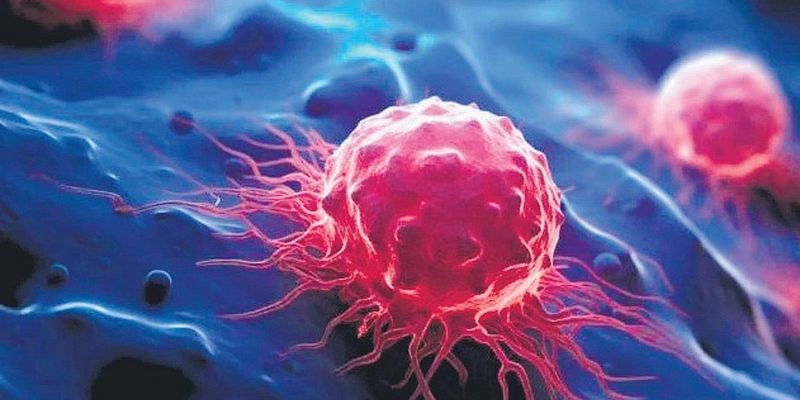
Researchers at BEMMS, in collaboration with ICMR-NARFBR, developed a nanocarbon compound showing up to 90% effectiveness in destroying breast cancer tumor tissue in preclinical mouse studies.
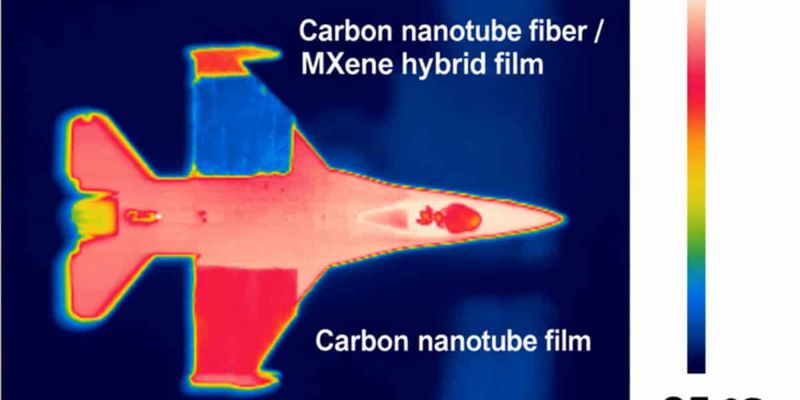
Researchers developed a hair-thin film using carbon nanotubes and MXene that blocks over 99.9999999% of radar-band electromagnetic waves.
Researchers are exploring graphene oxide combined with methylglyoxal to target biofilms in chronic wounds, leveraging its antibacterial properties.
Researchers found that tiny particles from activated carbon and biochar can bypass water filters, carrying contaminants like lead. This challenges current water-treatment assessments.
Researchers developed a carbon nanotube foam with mechanical memory, retaining its shape after compression. This property could lead to advanced impact-resistant materials and mechanical computing applications.
Researchers developed epoxy nanocomposite coatings using carbon nanotubes and nanoclay, enhancing fire safety and self-sensing capabilities.
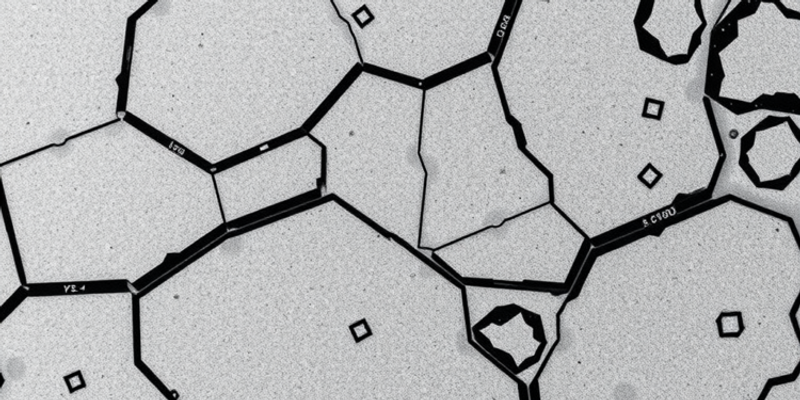
Researchers have developed miniaturized biosensor platforms capable of detecting neurodegenerative disease biomarkers, such as amyloid-beta and tau proteins, at extremely low concentrations, potentially enabling earlier diagnosis.
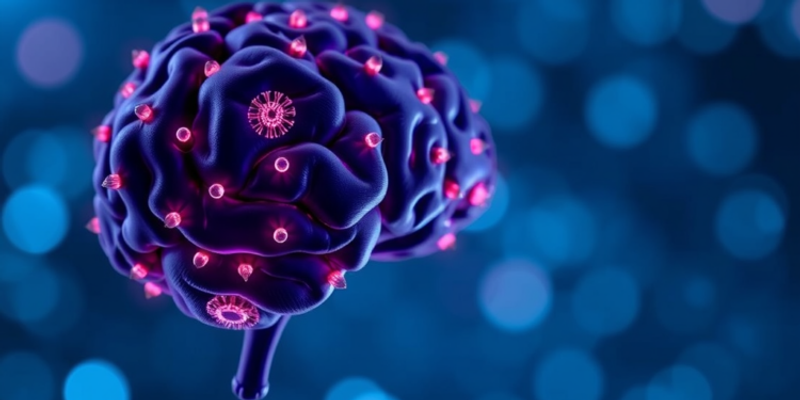
Researchers used quaternized carbon dots to fully prevent S. aureus biofilm formation at a concentration of 1,000 micrograms per milliliter.
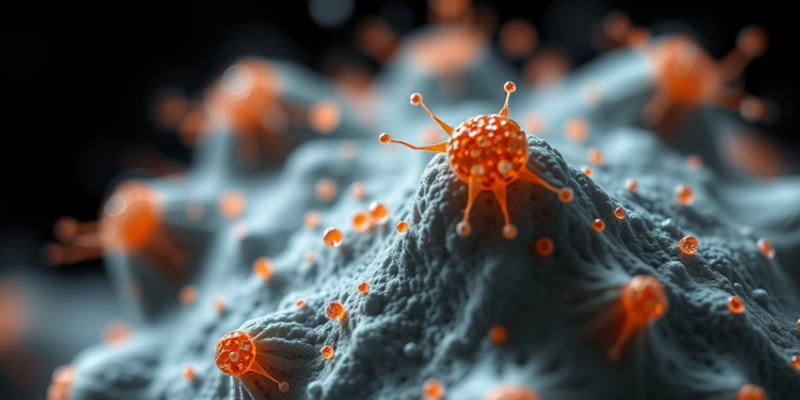
Researchers have developed multifunctional films using Ti3C2Tx and carbon nanotube fibers to protect military electronics by providing EMI shielding and heat management.
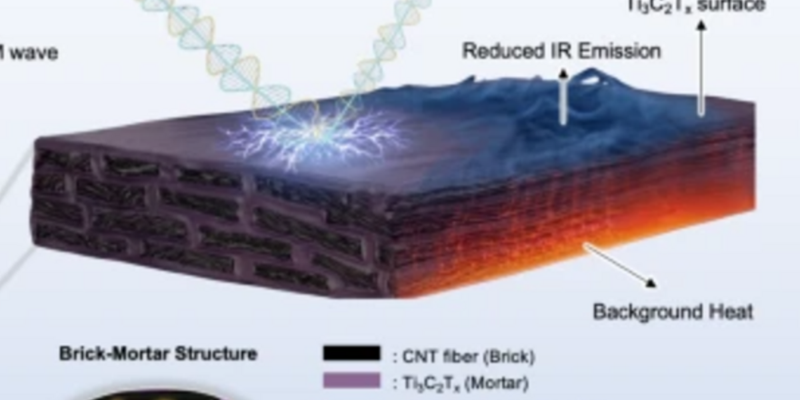
South Korean researchers developed a 17.5-micrometer-thick film that blocks 99.9999999% of radar waves by combining carbon nanotube fibers with MXene nanosheets, enhancing stealth technology.
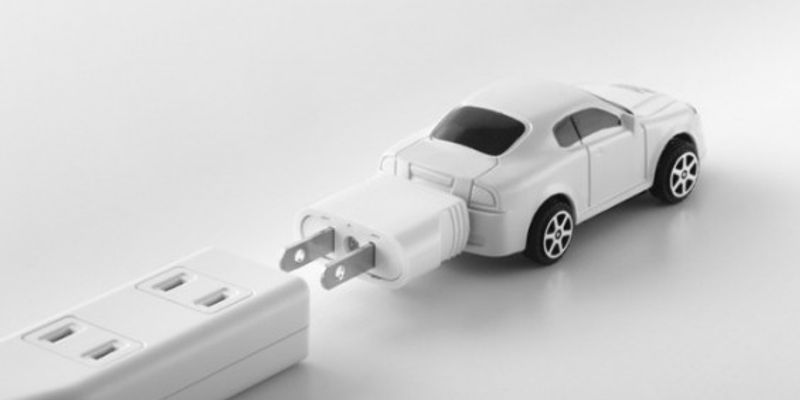
Korea Institute of Energy Technology developed a tube-type battery with a central cooling channel, enabling it to charge from 5% to 95% in just 9.6 minutes.
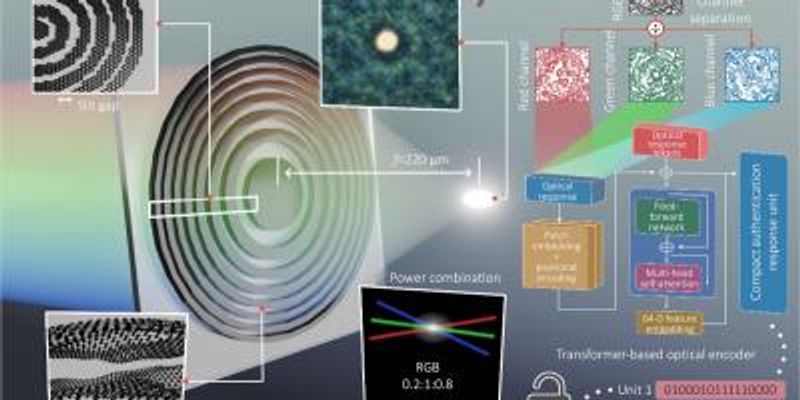
Yonsei University researchers created graphene diffractive zone plates that convert light patterns into unclonable binary security keys using a vision transformer-based model. The system shows promise for optical authentication.
Mepco Schlenk Engineering College researchers developed a concrete mix with zeolite and bamboo biochar, increasing compressive strength by 7.48% and absorbing 1.2 grams of CO2 daily.
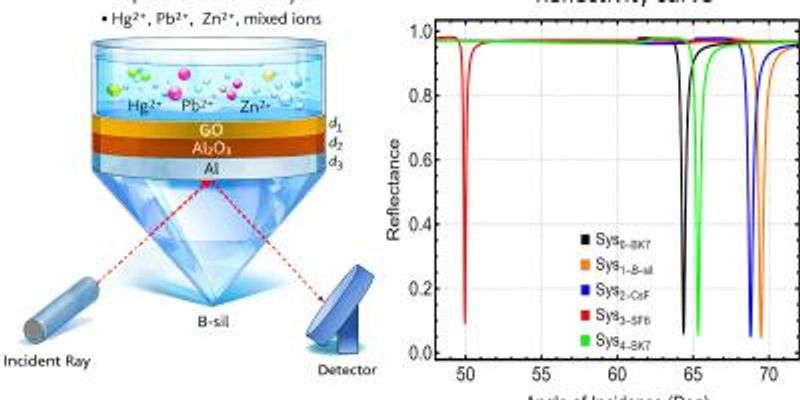
Researchers have designed a graphene oxide-based SPR sensor for detecting mercury, lead, and zinc in water. The simulated sensor achieved angular sensitivities up to 338°/RIU.
A company is incorporating carbon nanotube technology into portable X-ray machines to lower radiation exposure.

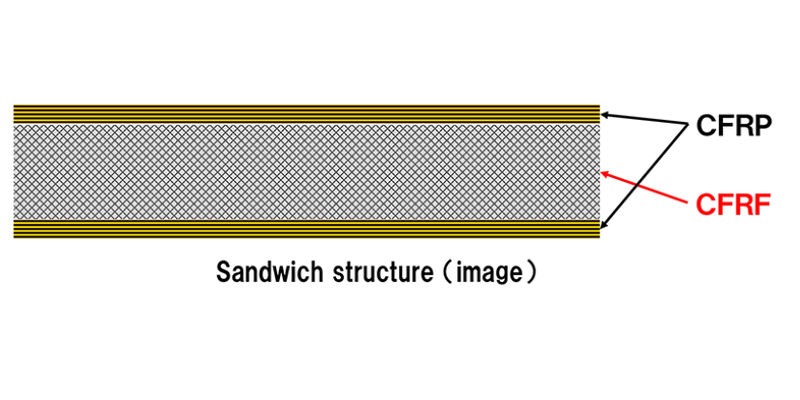
Toray Industries Inc. has created a carbon fiber-reinforced plastic that reduces X-ray radiation doses.
Researchers created a composite using flash-Joule-heated bamboo biochar, achieving 36.7 dB EMI shielding with 84% absorption and a 173% increase in fracture toughness.

Researchers have created a design for a terahertz metasurface biosensor combining graphene and MXene to identify chikungunya.
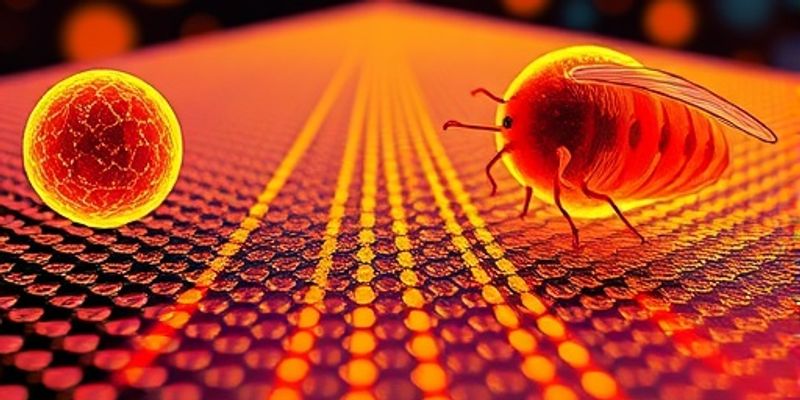
Researchers have developed carbon dots that effectively kill bacteria and break down biofilms, offering a promising tool against superbugs.

Researchers have developed a sensor using carbon nanotubes and iron-doped zinc oxide nanoparticles to detect and remove toxic dye from wastewater at trace levels.

Researchers at Kunming University of Science & Technology measured the electron-transfer rate constant of dissolved black carbon, finding it increases with pyrolysis temperature, enhancing its electron-shuttle capability.

Researchers developed dual-emission carbon dot films that allow smartphones to detect nitrite and Fe3+ ions in water.
First Graphene received its first production order from Pacific Urethanes for PureGRAPH, enhancing fire-retardant properties in polyurethane for the Australian mining sector.
Researchers in Houston found that C60-ser, a modified fullerene, reduced brain inflammation and improved spatial memory in mice after cranial radiation therapy.

Romanian researchers developed a disposable graphene–copper sensor that detects lysine enantiomers in whole blood at concentrations as low as one attomole per litre, aiding cancer diagnostics.
Researchers found that slow pyrolysis can transform heavy metal-contaminated crops into biochar, which can improve soil fertility and aid in pollution remediation due to its high specific surface area.
Researchers at the University of Oulu report wood-derived adsorbents can capture 863.8 milligrams of tetracycline per gram, highlighting their potential in addressing pharmaceutical pollution in wastewater.

The University of Iowa and University of Chicago are collaborating on nanodiamond sensors to study cellular environments, aiming to improve disease detection by analyzing changes in electronic spin.

Chinese researchers found that polyvinylpyrrolidone-functionalized graphene significantly reduces asphalt aging, with optimal doses varying by binder type. This could enhance pavement durability in extreme climates.
Researchers at XCT have highlighted the importance of experimental conditions in C60 cyclic voltammetry. Solvent, electrolyte, and electrode variables significantly affect the observed reduction potentials and peak shapes.
Researchers have observed the reduction of Eu3+ ions to Eu2+ on detonation nanodiamond surfaces using X-ray photoelectron spectroscopy and nuclear magnetic resonance.
Researchers at the National University of Singapore have developed aerogels from aircraft composite waste, which may be used for insulation, noise reduction, and cleaning up oil spills.
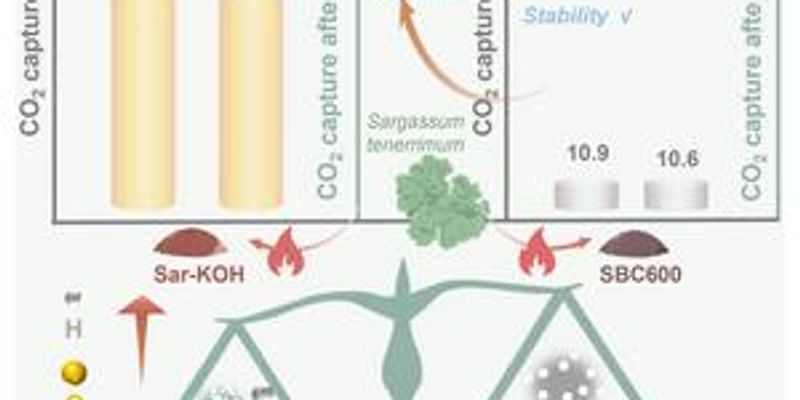
Researchers at Nankai University have developed Sar-KOH, a Sargassum-derived biochar with a CO2 adsorption capacity of 120.5 mg/g, using potassium hydroxide treatment before pyrolysis.
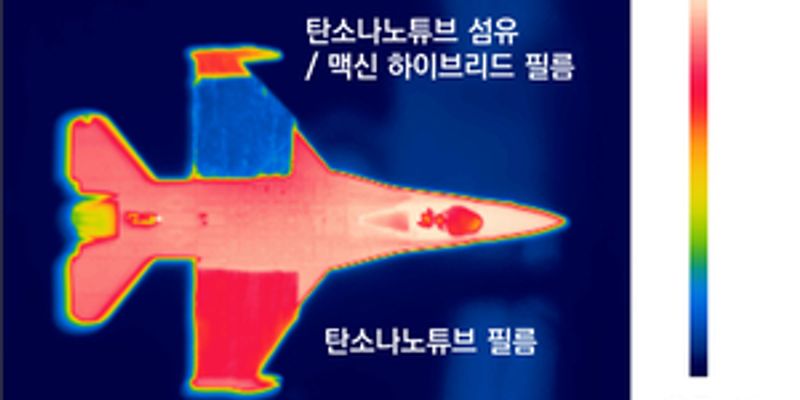
South Korean researchers have built a carbon nanotube film thinner than a human hair that blocks more than 99.9999999% of electromagnetic waves and evades thermal imaging, with fighter jets and drones the intended use.
Researchers at Rice University demonstrated that graphene nanowrinkles can alter electrical properties, potentially enabling new applications in chemical and biological sensing.
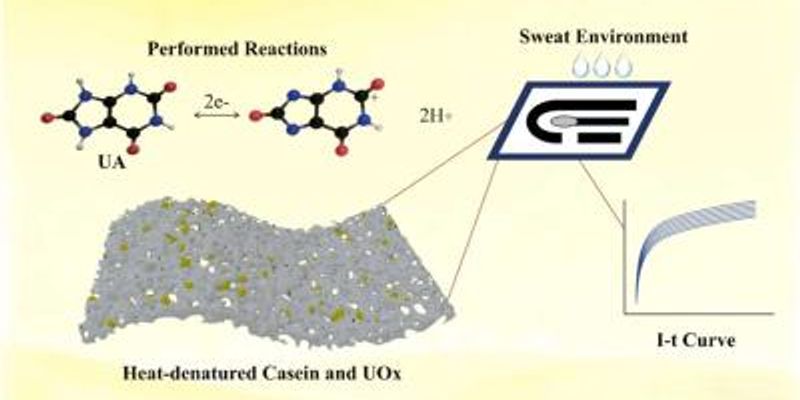
Researchers at Shanghai University and Shanghai General Hospital have built an electrochemical biosensor pairing a three-dimensional graphene framework with a heat-denatured casein interlayer to detect uric acid in sweat at femtomolar levels.
Researchers have reviewed the preparation and application of layered double hydroxides (LDHs) and biochar composites for water pollution control. The coprecipitation method shows promise for industrial-scale production due to its simplicity and effective pollutant adsorption.
Researchers in Poland have developed a graphene-based early warning system for heart failure, pending further testing and clinical validation.

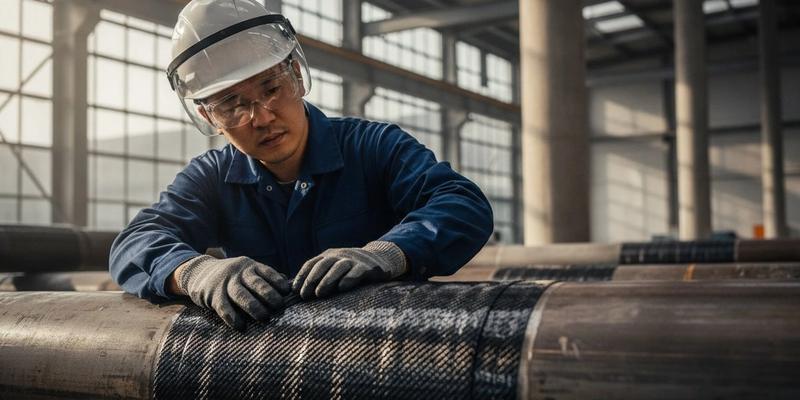
A new technical guide details the use of Carbon Fiber Reinforced Polymers (CFRP) for structural rehabilitation in pipeline repair, offering empirical data for design improvements.
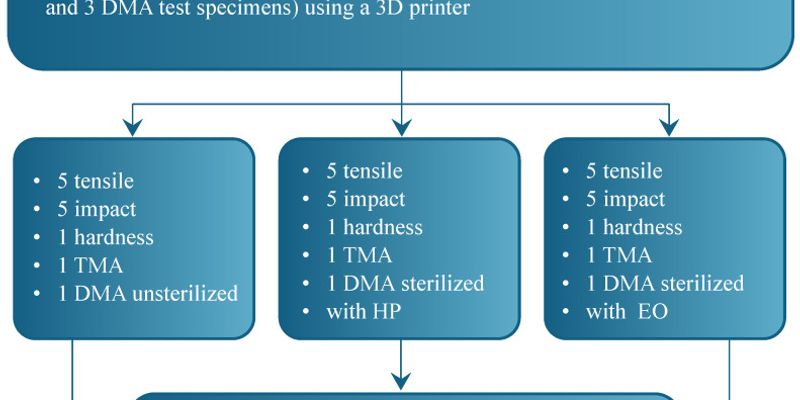
Researchers found that sterilization processes can alter the properties of carbon fiber-reinforced polycarbonate parts made through fused deposition modeling, impacting their suitability for medical use.
Researchers, including MSE assistant professor Zafer Mutlu, are using graphene nanoribbons to create sensors capable of tracking extreme radiation levels.
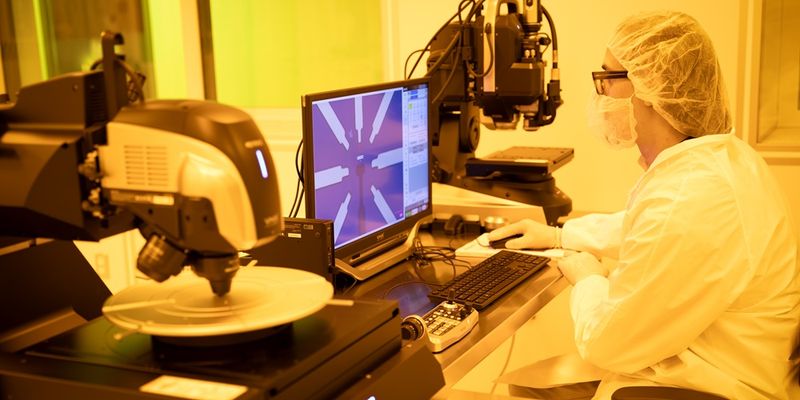
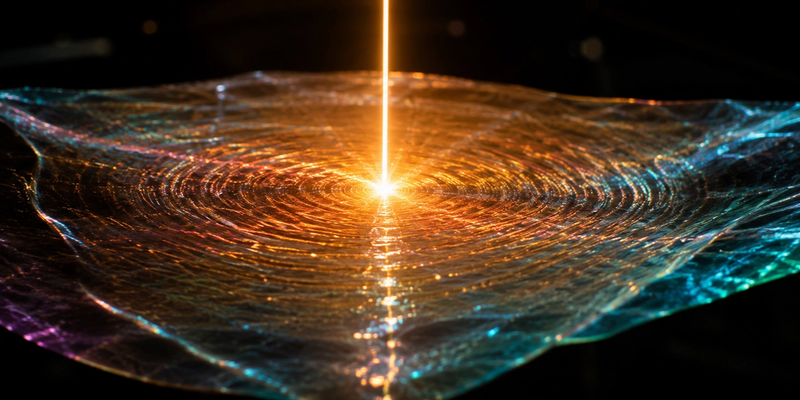
Researchers explain how optothermal Raman thermometry measures thermal conductivity in graphene by using laser-induced temperature changes. The method's accuracy depends on precise absorbed-power measurements.
Graphene fibers, when graphitized at high temperatures, achieve thermal conductivities around 1290 W m⁻¹K⁻¹, surpassing most metals, but require per-fiber measurement for accurate application-specific values.
Researchers developed suspended microdevices to measure the thermal conductivity of carbon nanotubes, revealing quasiballistic transport behavior at micrometer lengths, challenging traditional diffusive models.
Researchers at Yunnan Minzu University developed a biochar catalyst from spent coffee grounds that converts over 99% of hydrogen sulfide into elemental sulfur, offering a sustainable waste treatment solution.

A new Biochar Research and Training Facility with a 1.5-ton daily processing capacity opened at Y.S. Parmar University in Himachal Pradesh to address forest fire hazards.

Researchers have created an MXene-based flame retardant for waterborne epoxy coatings, significantly improving fire protection and thermal performance.
Researchers converted eucalyptus wood waste into biochar, achieving an aluminum adsorption capacity of 139.2 mg/g. The biochar retained 78% capacity after five reuse cycles, highlighting its durability.
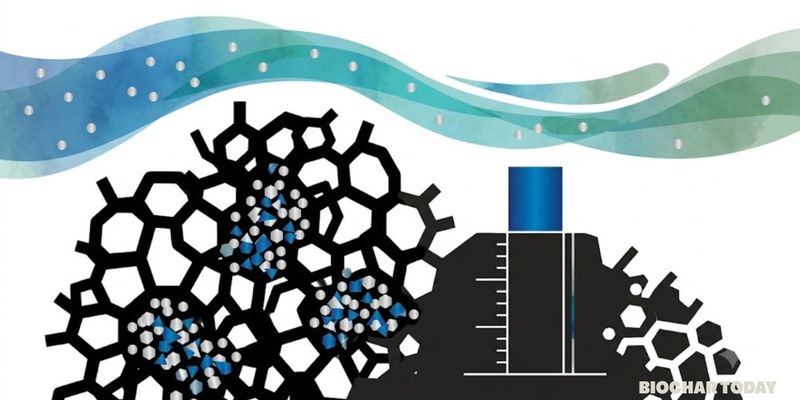
Researchers at Skoltech and the Harbin Institute of Technology have modelled how carbon nanotube smart sensors behave under the extreme temperatures and loads found in aircraft, predicting performance without physical testing.
Researchers incorporated carboxylated multi-walled carbon nanotubes into a chitosan hydrogel to enhance electrical conductivity and signal transmission in red blood cell sensors.
Mackenzie Fly Fishing has developed graphene-infused outdoor clothing that deters ticks, following unexpected results during a Highlands stalking trip. The fabric's anti-tick properties require no chemical treatments.

Researchers at the University of Arizona demonstrated that graphene nanoribbons can withstand gamma radiation, suggesting their potential use as radiation sensors in fusion reactors and deep space applications.
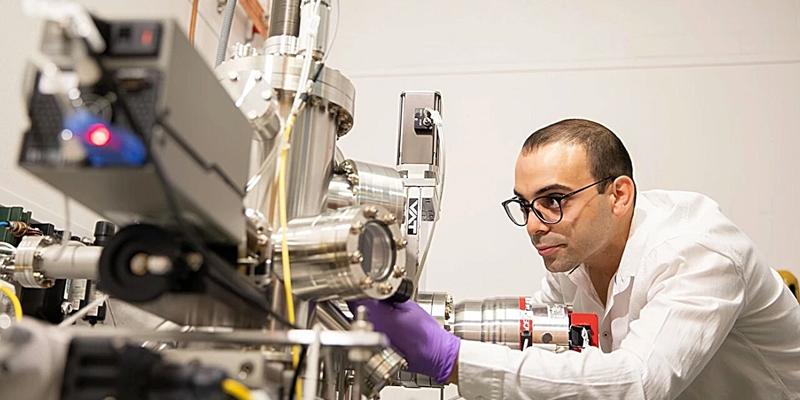
KeAi Communications Co., Ltd. reports on the antibacterial and anticancer capabilities of polymer nanocomposites enhanced with graphene-silicon nitride nanomaterials.
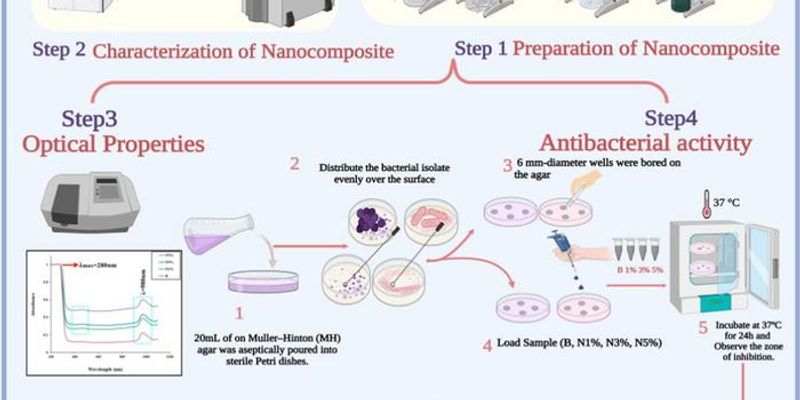
Researchers examined how proteins bind to charged graphene quantum dots, assessing the impact on toxicity, cellular uptake, and light emission.
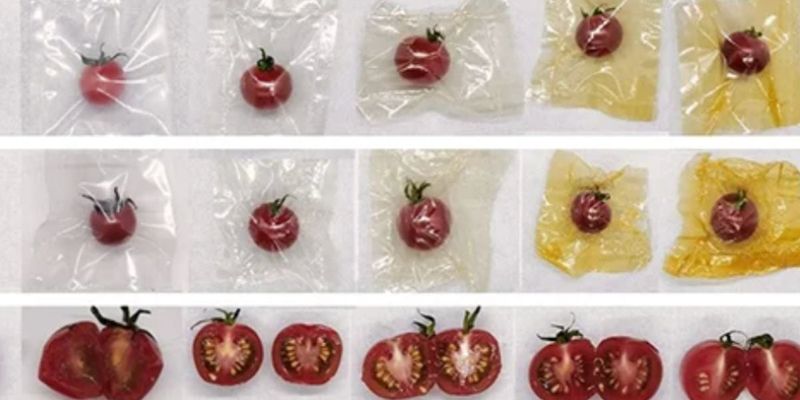
Researchers at Kyushu University developed a pumpkin peel-based nanomaterial that surpasses plastic in blocking UV light, reducing microbial growth, and preserving antioxidants, offering a sustainable packaging alternative.
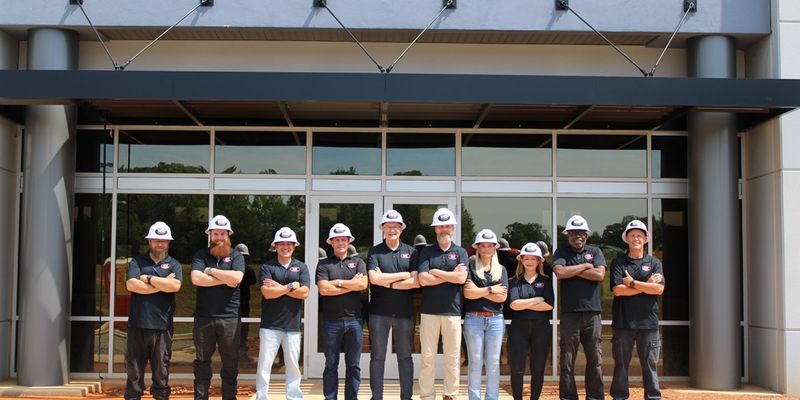
SHD Composites' Mooresville facility will increase Cambium's U.S. composites production capacity fourfold.
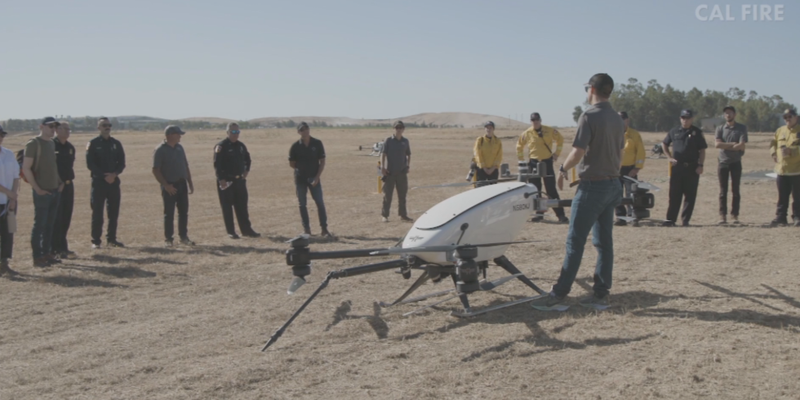
Cal Fire is testing packs of five autonomous drones, each made of carbon fiber and weighing 400 pounds, to enhance wildfire operations in California.
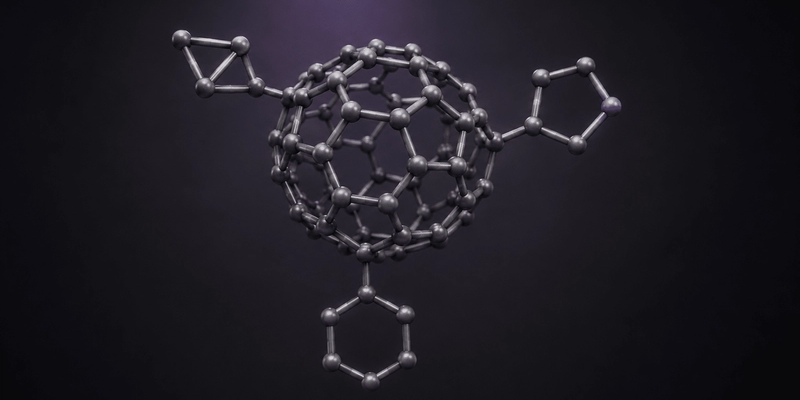
Bingel, Prato and Diels-Alder reactions each attach different groups to the C60 cage, changing solubility, electronic behaviour and how the fullerene organises with neighbouring molecules.
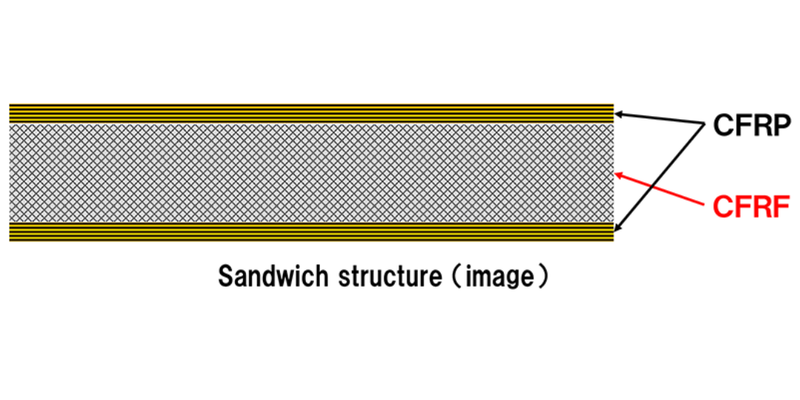
Toray has developed a radiolucent carbon fiber-reinforced plastic (CFRP) component that reduces X-ray radiation doses by 8%. This advancement enhances the use of CFRP in medical imaging applications, offering improved diagnostic precision with lower radiation exposure.
A report on biochar plants in Rajasthan indicates that UV treatment effectively maintains faecal coliform levels within permissible limits in treated liquids at most sites. This is significant for the biochar sector as it highlights the potential of biochar to be used in wastewater management while addressing environmental safety concerns.

Researchers from Brazil's Federal University of Pelotas and Federal University of Rio Grande do Sul have developed a laser-induced graphene sensor capable of detecting dopamine in tear fluid with high sensitivity. This advancement could lead to noninvasive monitoring of neurological disorders, utilizing the electroactive properties of graphene to provide a compact and scalable alternative to traditional methods that often require blood or implanted devices.
Researchers at the Helmholtz-Zentrum Berlin, along with collaborators, have developed a perovskite solar cell with a graphene-oxide interface that achieves 27.3% power conversion efficiency and maintains over 90% of this efficiency after 770 hours of operation. This advancement addresses the stability issues in all-perovskite triple-junction cells, potentially paving the way for more durable and efficient solar technologies using carbon-based materials like graphene.
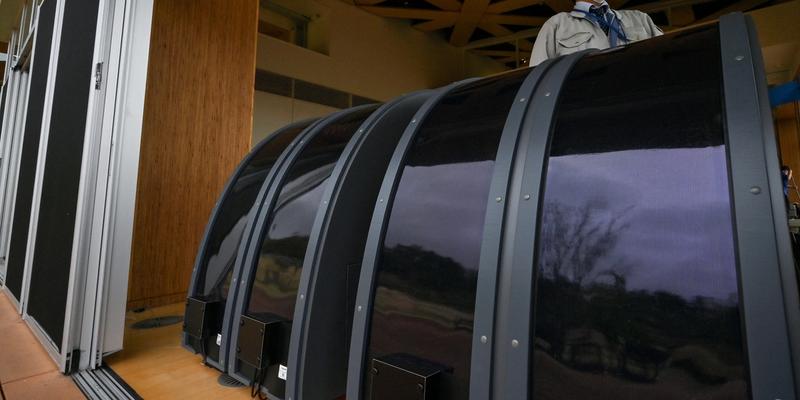
Toray Industries Inc. has developed a radiolucent carbon fiber-reinforced plastic component that reduces X-ray radiation doses. This advancement in CFRP technology is significant for medical imaging equipment, offering safer diagnostic procedures with lower radiation exposure.

Researchers have developed a graphene-based sensing platform designed for rapid detection of PFAS. This advancement could enhance monitoring efforts by utilizing graphene's sensitivity and conductivity properties to provide quicker analysis at the point of need.
Plasma functionalisation stops multi-walled carbon nanotubes agglomerating in polyurethane coatings, a dispersion problem that has limited their antimicrobial performance in solid films.
Researchers at Zhejiang University have developed a piezoresistive fiber bandage using multi-walled carbon nanotubes for shape sensing in slender medical continuum robots. This innovation provides a low-cost, highly stretchable alternative to fiber-optic systems, potentially expanding the use of carbon nanotube-based sensors in medical robotics for improved intraoperative guidance.
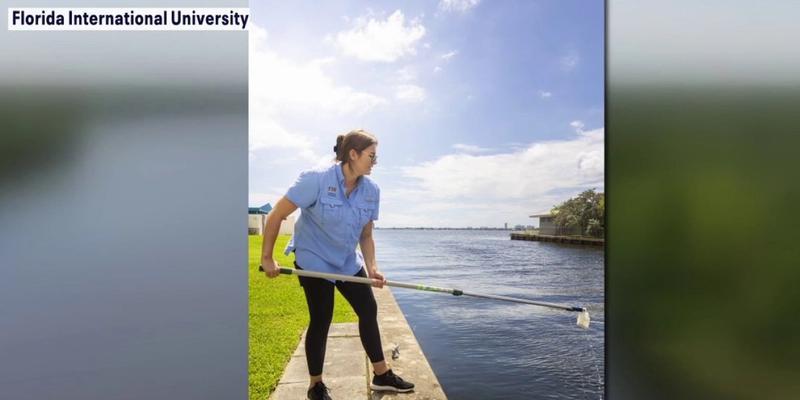
Researchers at Florida International University have found that a water sample from the Hillsborough River near downtown Tampa contained 12 nanograms per liter of 6PPD-Q, a toxic chemical from tire wear, exceeding the EPA benchmark of 11 nanograms per liter. This study highlights the potential of using sargassum-based biochar to filter out harmful pollutants, which could protect Florida's aquatic ecosystems from the adverse effects of tire-derived chemicals.
Researchers from the study published in Biochar have demonstrated that using iron and manganese modified biochar (FMBC) with specific irrigation strategies can significantly reduce cadmium and mercury levels in rice grown in co-contaminated paddy fields. This approach could enhance the safety of rice by stabilizing these metals and reducing their uptake, offering a viable solution for managing heavy metal contamination in agricultural soils.
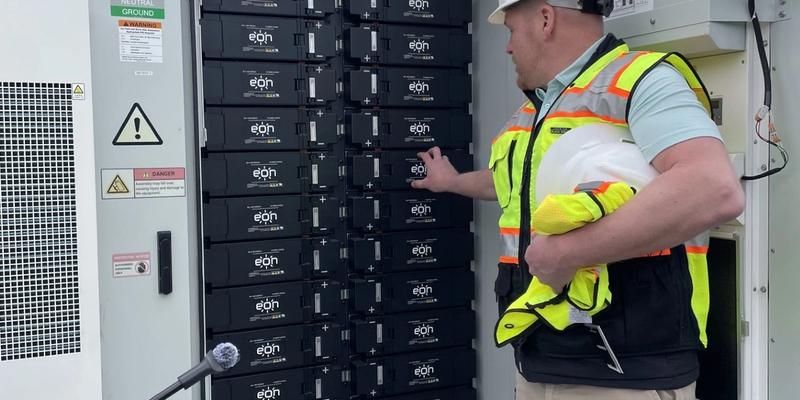
Green Development plans to establish a large battery storage facility at its biochar plant in Quonset. The project could enhance the integration of biochar production with renewable energy storage, potentially increasing efficiency and sustainability in the sector.
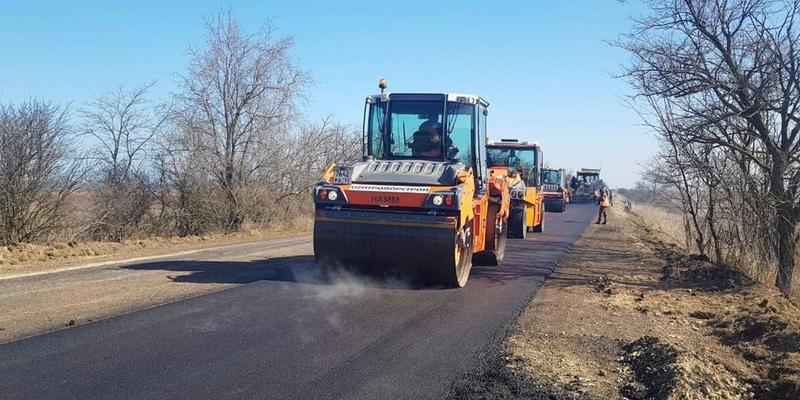
Barcelona City Hall, in collaboration with the BIT Habitat foundation and BIMSA, is trialling asphalt mixed with biochar from olive pits and pine biomass, starting in September with monitoring through 2027. This initiative aims to reduce CO2 emissions by up to 76% and store carbon in the road itself, potentially transforming road infrastructure into a long-term carbon sink using biochar.
Researchers at the Vietnam Academy of Science and Technology have developed a sensor electrode using a composite material of graphene, carbon nanotubes (CNTs), and gold nanoparticles that can detect pesticide residues at concentrations as low as parts per billion (ppb). This advancement is significant for the field of advanced carbon materials as it enhances the sensitivity and functionality of sensors, contributing to improved agricultural product monitoring and food safety.
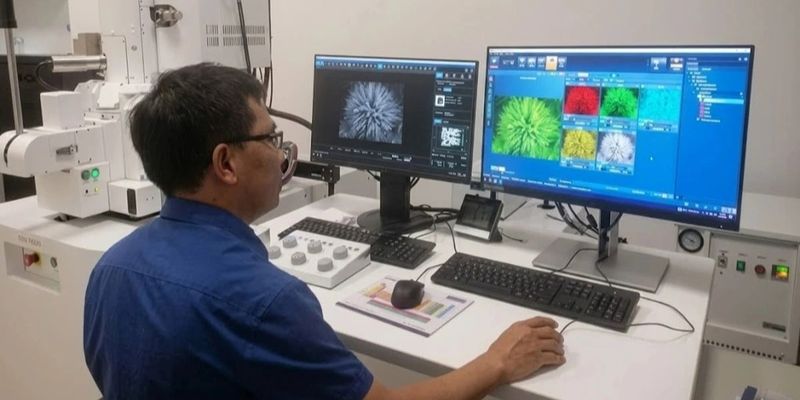
Researchers at Van Yüzüncü Yıl University fabricated twelve carbon nanotube-modified PVC/PMMA nanocomposites at three PVC ratios, characterising how the nanotubes change thermal and electrical behaviour.
Researchers at RSC Advances led by Hai Bang Truong have demonstrated that engineered biochar can increase arsenic removal efficiency by seventy-two times. This advancement in biochar technology could significantly enhance water purification processes, making it a valuable tool for environmental remediation.

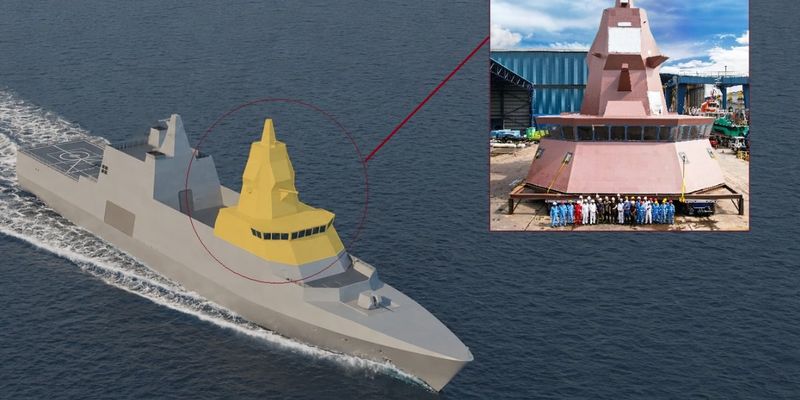
Penguin Shipyard International has completed and delivered the largest composite superstructure ever built in Singapore for the Republic of Singapore Navy's new Multi Role Combat Vessel, with the first of six structures handed over to Saab on June 27, 2026. The use of carbon fiber composites in the superstructure reduces weight and radar cross-section, enhancing the ship's stability and stealth capabilities compared to conventional steel designs.
Researchers at an unnamed institution have developed a photoregenerable β-Ga₂O₃-functionalized biochar that captures and breaks down PFOS, a persistent "forever chemical," under UV light. This advancement could significantly enhance the use of biochar in water treatment applications, addressing contamination by PFOS and potentially other similar pollutants.
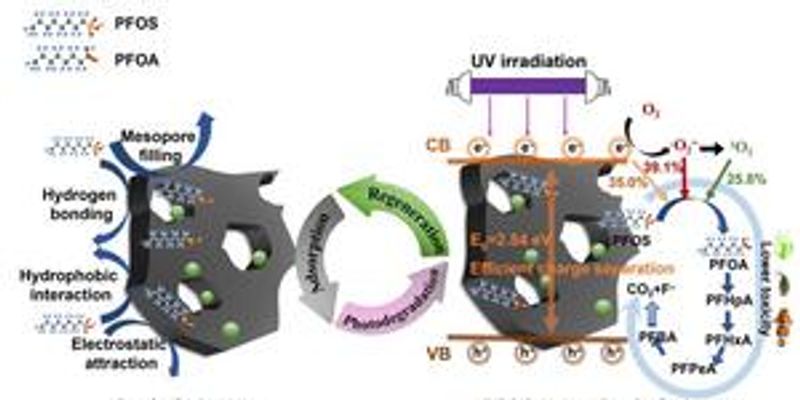
Researchers at Jinan University and San Diego State University developed a photoregenerable gallium-oxide-functionalised biochar that both captures and degrades PFOS, one of the most persistent forever chemicals.

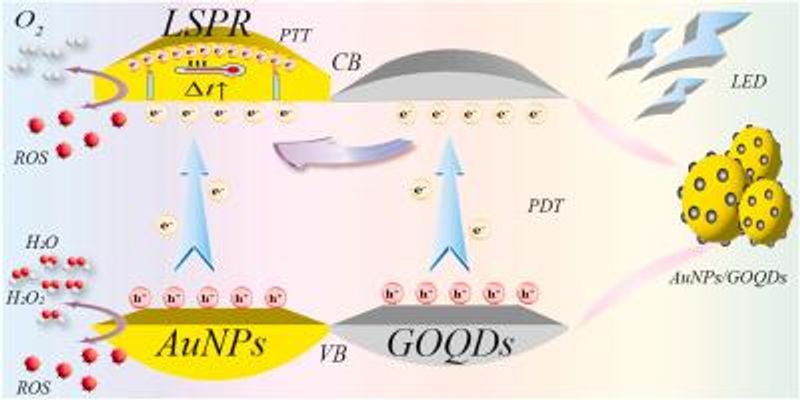
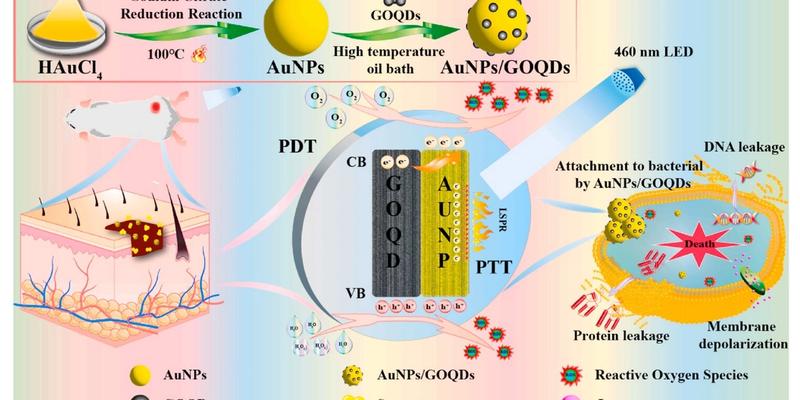
Researchers at Gannan Medical University and Shanghai University developed a gold nanoparticle–graphene oxide quantum dot (AuNPs/GOQDs) Schottky junction nanocomposite that achieved over 97% bacterial eradication in vitro and approximately 99% wound closure in mice within 9 days under 460 nm LED irradiation. The work advances graphene quantum dot applications by demonstrating that pairing GOQDs with AuNPs suppresses charge recombination to boost reactive oxygen species output while simultaneously enhancing photothermal conversion, offering a drug-free pathway to address multidrug-resistant infections.
Researchers functionalized fabric with reduced graphene oxide (RGO) and MWCNT-CuxO composites to create a flexible, non-enzymatic glucose sensor. The work advances carbon nanotube and graphene applications in wearable electrochemical sensing for health monitoring.
Researchers at ICN2, led by Jose A. Garrido, are developing graphene-based thin film devices for neural stimulation and recording, with work spanning device fabrication, in vivo testing in rodent and large-animal models, and clinical translation efforts. The work demonstrates a pathway for graphene to move from laboratory research into regulated medical devices, advancing the material's role in bioelectronics beyond conventional carbon fiber or composite applications.
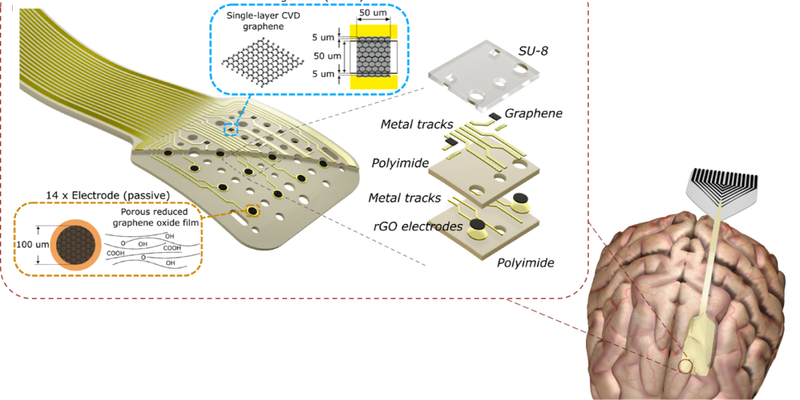
INBRAIN Neuroelectronics completed enrollment of ten patients (eight treated) in a first-in-human trial of its graphene cortical interface, conducted during brain tumor resection surgeries at Northern Care Alliance NHS Foundation Trust, with no device-related adverse events or perioperative failures observed. The results support graphene as a viable electrode material for neural interfaces, with implications for the graphene sector as the technology advances toward clinical commercialization in brain-computer interface applications.
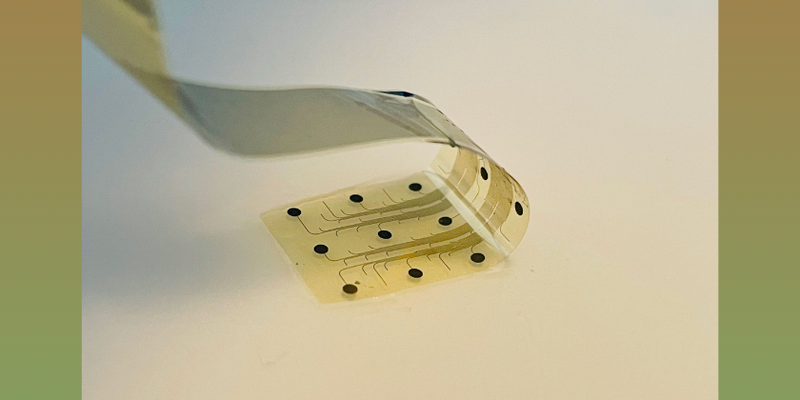
US NIOSH researchers measured occupational exposures to graphene family nanomaterials (GFN) across 11 manufacturing facilities, finding that 38% of respirable samples and 53% of inhalable samples exceeded the suggested occupational exposure band of <10 µg/m³. The findings indicate that graphene producers and downstream processors face uncontrolled worker exposure risks, with primary manufacturers showing higher inhalable concentrations due to handling dry powdered materials.
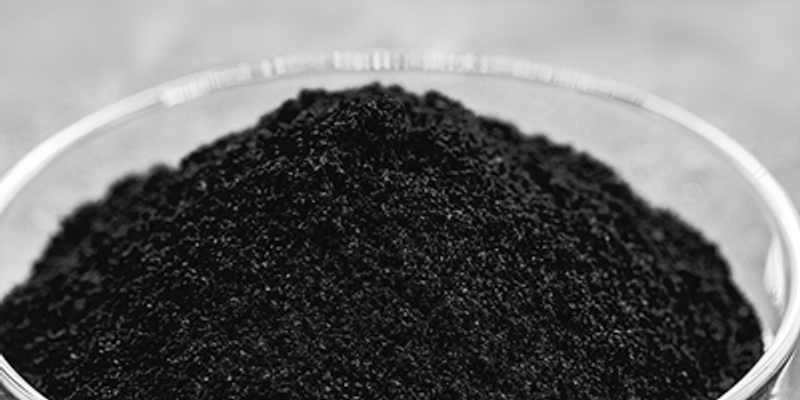
The Boeing 787 and Airbus A350 use carbon-fiber-reinforced composite materials for roughly 50% of their airframe by weight, making tail strike damage harder to detect and repair than on metal-fuselage aircraft like the Boeing 777, as illustrated by an Air France A350 that required nearly ten months of repairs after a 2024 tail strike in Toronto. For the carbon fiber composites sector, the article highlights that barely visible impact damage, complex non-destructive inspection requirements, and process-sensitive repair procedures drive significant maintenance downtime and cost, underscoring the need for advanced damage detection and repair capabilities in aerospace composite applications.

Chinese researchers combined gold nanoparticles with graphene oxide quantum dots to form a Schottky junction nanocomposite that, when activated by blue LED light, achieved 97% bacterial eradication and nearly 99% wound closure in mice within nine days. The work demonstrates a functional wound-treatment application for graphene oxide quantum dots, advancing their use beyond structural roles into photodynamic and photothermal biomedical therapies.
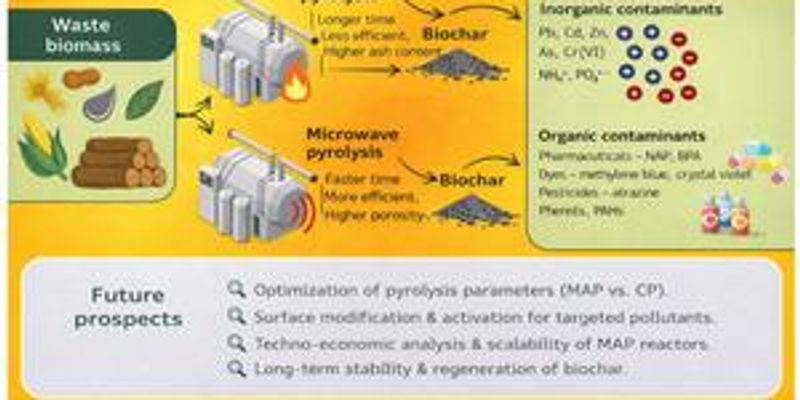
A review published in the journal *Biochar* compared conventional and microwave-assisted pyrolysis as production routes for biochar, finding that microwave-derived biochars typically exhibit higher surface area, stronger mesoporosity, and greater retention of functional groups relevant to pollutant capture. For the advanced carbon materials sector, the findings highlight biochar's expanding role beyond remediation into electrode materials and catalysis, while noting that reactor scale-up and energy balance challenges must be resolved before microwave-assisted pyrolysis reaches industrial viability.
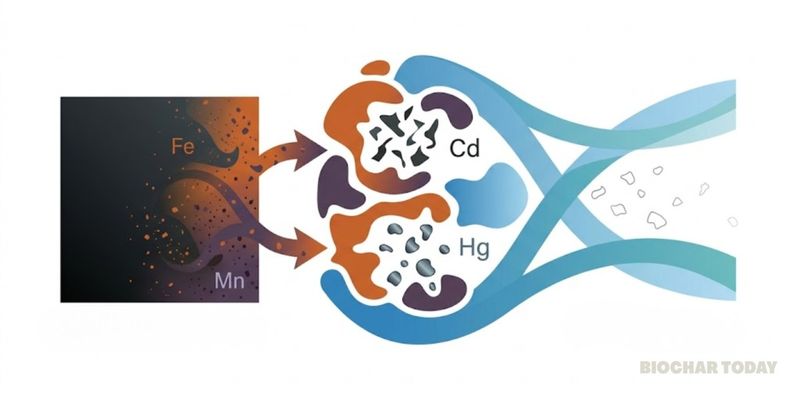
Tong Sun and colleagues published a study in *Biochar* (2026) showing that iron-manganese oxide modified biochar combined with either continuous flooding or aerobic irrigation reduces grain cadmium to 0.05 mg/kg and total mercury to 0.02 mg/kg in co-contaminated rice paddies. The findings demonstrate a functional agricultural application for engineered biochar, where surface chemistry modifications directly determine remediation performance across competing heavy-metal pathways in soil.
A research team at Osaka University built a graphene nanoribbon-based gas sensor capable of detecting individual CO2 molecules at ambient pressure, achieving detection limits below 10 parts per trillion, as published in Nature Materials. The result demonstrates graphene nanoribbons as a viable platform for ultra-sensitive gas detection, with potential applications in environmental monitoring and medical breath analysis.

CSIC researchers developed an 18-micron graphene-polymer composite separator combining polypropylene with 0.5 wt% reduced graphene oxide, achieving 4x greater puncture resistance and a 60% reduction in thermal-runaway initiation temperatures in lithium-ion batteries. The development advances reduced graphene oxide as a functional additive in battery separators, with pilot-scale production underway alongside a Spanish cell manufacturer targeting NCM-based EV applications.
Advanced Graphene Products has begun supplying ISO 10993-certified graphene oxide from its Zielona Gora facility to Boston Scientific under a $4.2 million contract for a two-year, 480-patient FDA-approved clinical trial of antimicrobial-coated cardiac catheters. The trial represents a direct application of graphene oxide in regulated medical devices, with a potential commercial supply pathway if Boston Scientific proceeds to FDA submission.