News14 October 2026· Graphene Feed
Graphene oxide transforms stem cell spheroids into exosome factories for healing
GrapheneHealthcareMembranes & FiltrationResearch & InnovationSustainabilitySafety & Toxicology
81 articles on Healthcare.
Researchers in South Korea used graphene oxide to nearly double exosome production from induced pluripotent stem cells. This method enhanced angiogenesis, promoting faster wound healing in animal models.
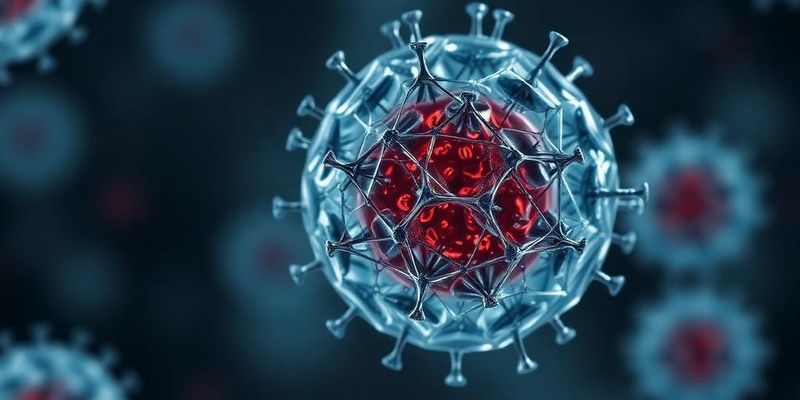
Researchers have developed closed-form entropy measures for degree-based topological indices in hyper armchair carbon nanotubes.
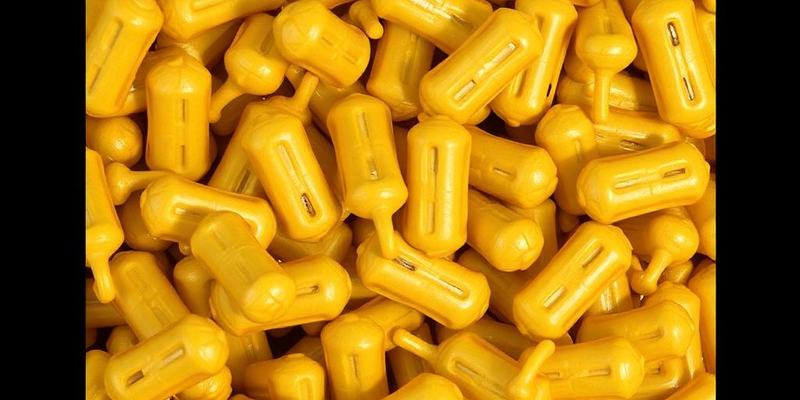
Researchers have developed Lollylab, a lollipop-shaped device that measures acetaminophen levels in saliva in under two minutes using a graphene sensor, offering a noninvasive testing method.
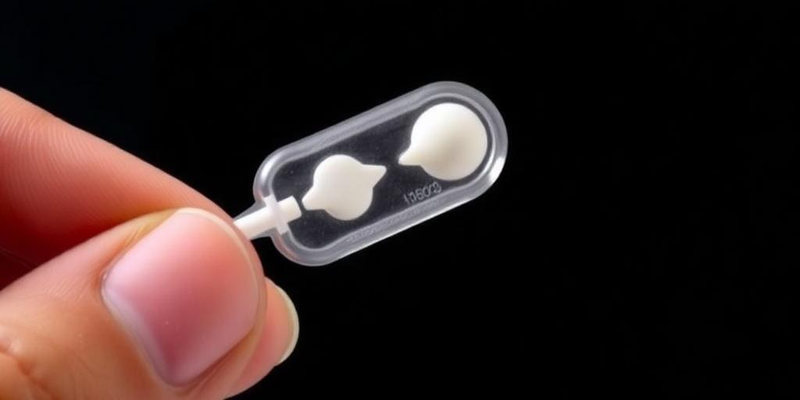
Researchers developed a cost-effective method to integrate graphene oxide into contact lenses, enhancing smart vision capabilities while remaining compatible with current manufacturing processes.
Researchers at Khalifa University have developed hybrid membranes using gallic acid-functionalized MXene, achieving over 95% rejection of dyes and pharmaceuticals in wastewater treatment tests.
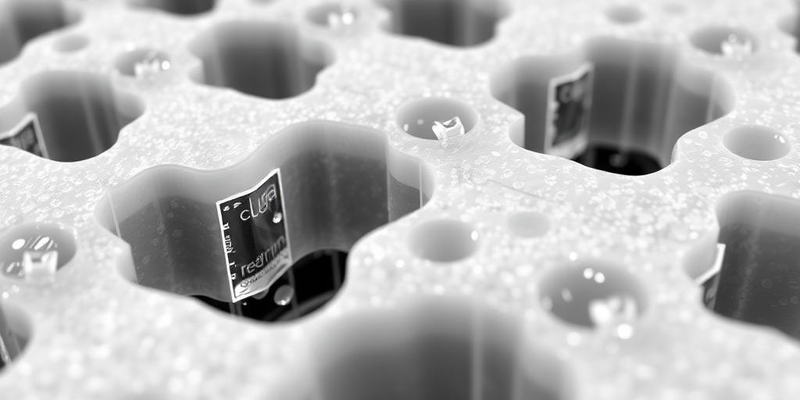
Researchers from Peking University, Tsinghua University, and the University of Hong Kong developed graphene reservoirs to precisely control ice thickness in cryo-electron microscopy, achieving uniform depths as thin as 15 nanometers.
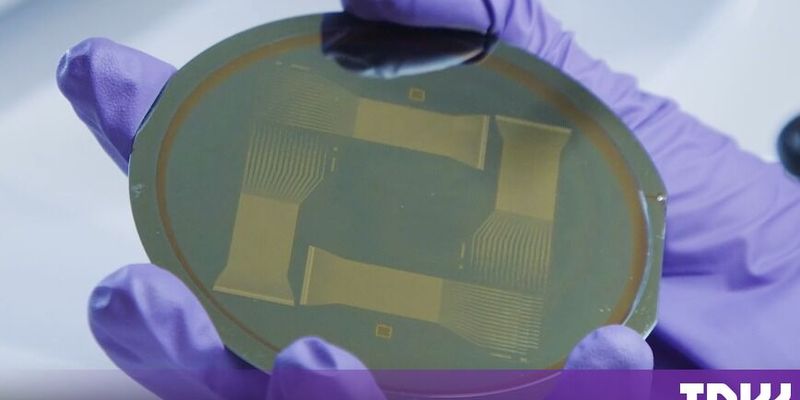
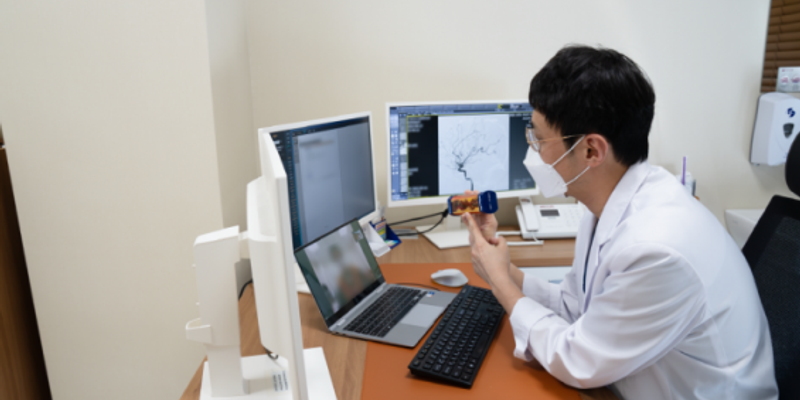
Researchers in the EU-funded MINIGRAPH project developed a magnetic robot to implant graphene electrodes in the brain along curved paths.
Researchers developed a PVA-gelatin hydrogel with CNTs@ZIF-67 nanoparticles, achieving over 33 dB electromagnetic shielding in the X-band while remaining flexible and adhesive for wearable applications.
Global Graphene Group seeks a Sales Engineer in Dayton, Ohio, to expand its graphene markets. Apply by December 31, 2026.
Researchers developed a multi-walled carbon nanotube and cobalt oxide nanocomposite to detect glucose in sweat.

Researchers using DFT have found that carboxyl-functionalized single-walled carbon nanotubes bind the tuberculosis drug isoniazid with significantly increased strength.
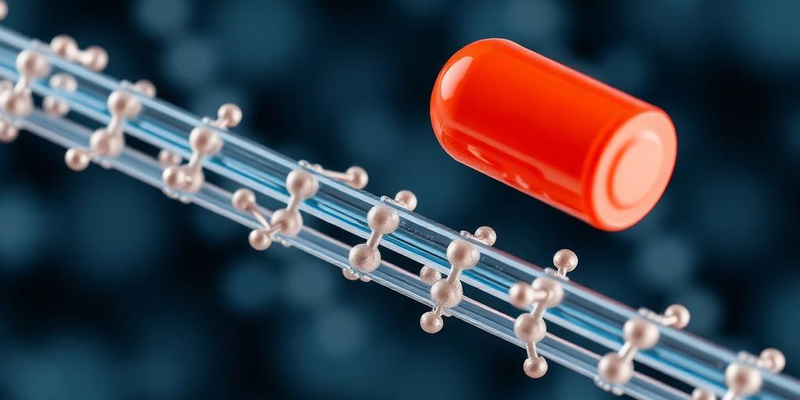
Researchers developed pH-responsive carbon nanotube-based nanocarriers that release chemotherapy drugs in acidic tumor-like environments.

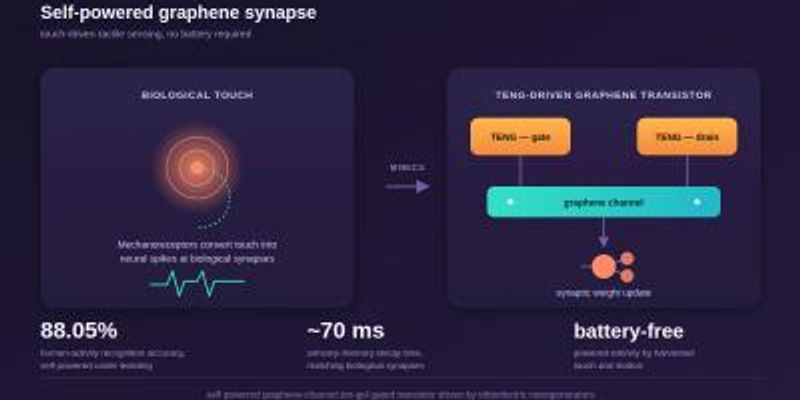
Researchers developed a flexible graphene neural interface that mimics synapses, integrating transistors and rGO electrodes for wearable sensing applications.
Researchers have developed carbon dots from papaya leaves that can purify water and combat cancer cells without needing external dopants.

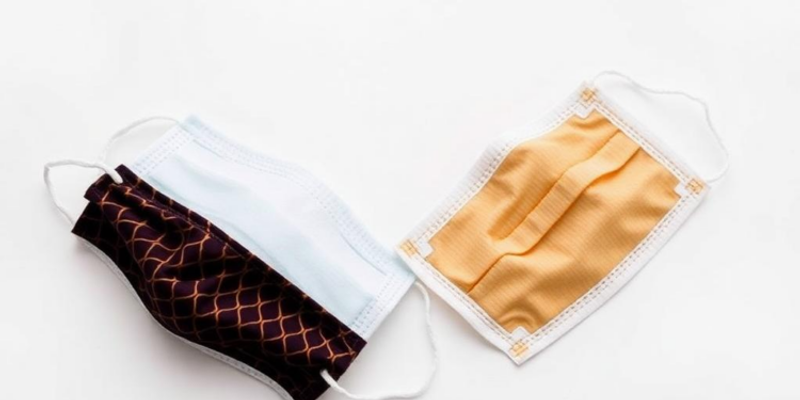
Researchers have transformed discarded masks into high-performance nanocomposites using carbon nanotubes and graphene nanoplatelets.
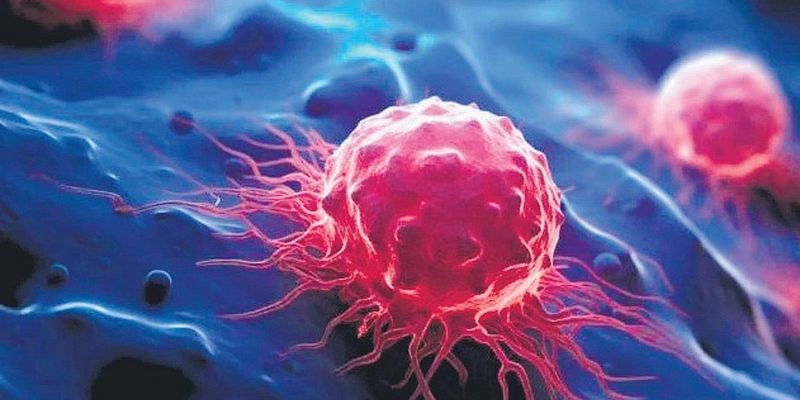
Researchers at BEMMS, in collaboration with ICMR-NARFBR, developed a nanocarbon compound showing up to 90% effectiveness in destroying breast cancer tumor tissue in preclinical mouse studies.
Researchers are exploring graphene oxide combined with methylglyoxal to target biofilms in chronic wounds, leveraging its antibacterial properties.
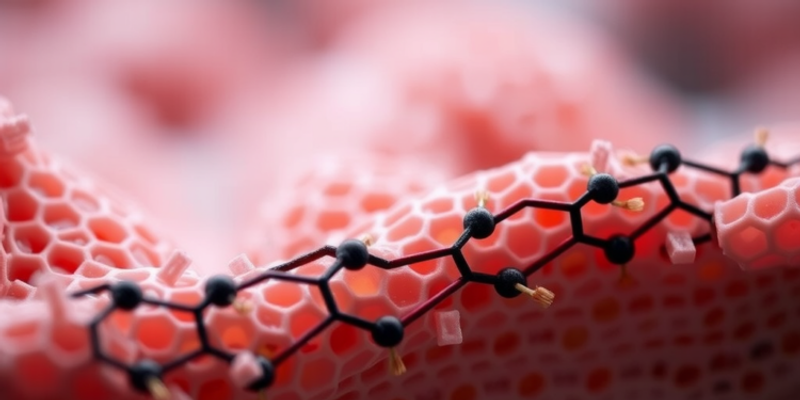
Researchers developed a carbon nanotube foam with mechanical memory, retaining its shape after compression. This property could lead to advanced impact-resistant materials and mechanical computing applications.
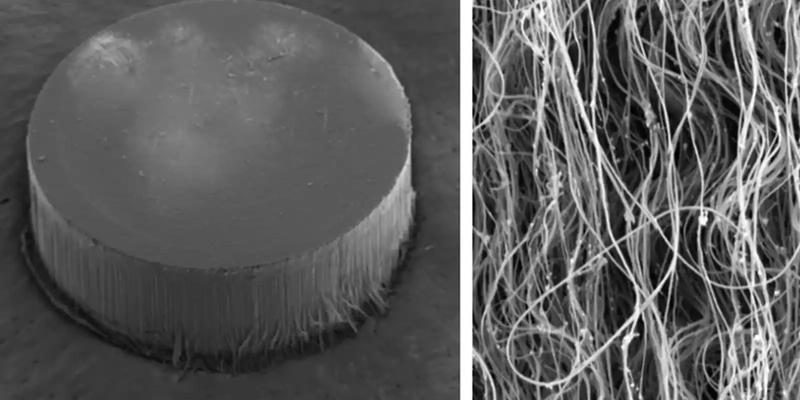
Researchers have developed a biomimetic nanoparticle platform using graphitic carbon nitride to control light for potential therapeutic applications.
Researchers have developed miniaturized biosensor platforms capable of detecting neurodegenerative disease biomarkers, such as amyloid-beta and tau proteins, at extremely low concentrations, potentially enabling earlier diagnosis.

Researchers used quaternized carbon dots to fully prevent S. aureus biofilm formation at a concentration of 1,000 micrograms per milliliter.
The Advanced Carbons Council calls for a U.S. carbon materials innovation platform focused on standards, testing and buyer qualification. The paper links engineered-carbon supply chains to manufacturing, energy, defense and AI infrastructure. Serves as a model for governments world-wide.
Researchers discovered that using polar solvents in the modification of single-walled carbon nanotubes enhances their optical properties, enabling the detection of cholesterol.
Korea Institute of Energy Technology developed a tube-type battery with a central cooling channel, enabling it to charge from 5% to 95% in just 9.6 minutes.
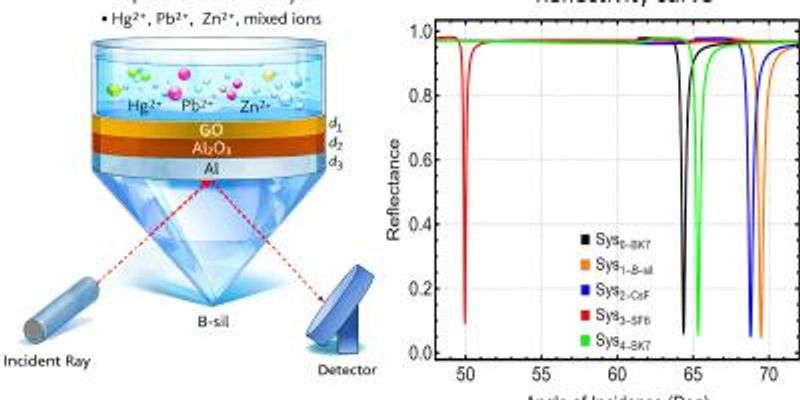
Researchers have designed a graphene oxide-based SPR sensor for detecting mercury, lead, and zinc in water. The simulated sensor achieved angular sensitivities up to 338°/RIU.
A company is incorporating carbon nanotube technology into portable X-ray machines to lower radiation exposure.

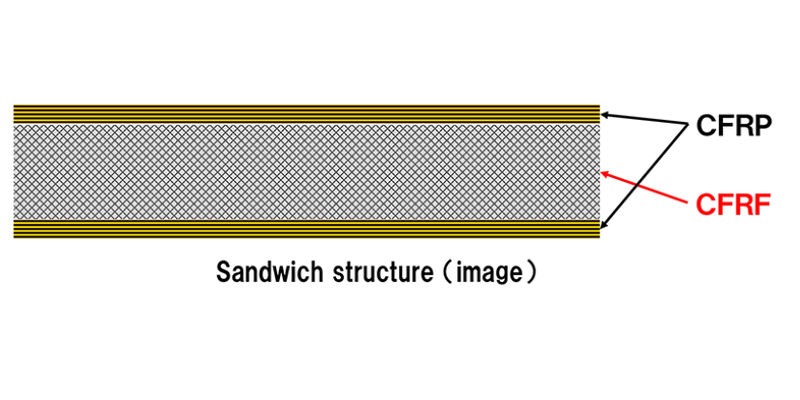
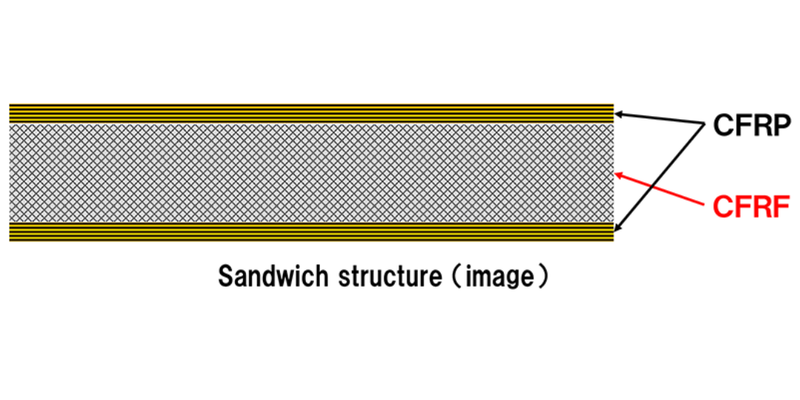
Toray Industries Inc. has created a carbon fiber-reinforced plastic that reduces X-ray radiation doses.
Researchers have developed carbon dots that effectively kill bacteria and break down biofilms, offering a promising tool against superbugs.

Researchers have developed digital X-ray technology using carbon nanotubes, a material discovered in 1991, marking a significant advancement in medical imaging.

Researchers in Houston found that C60-ser, a modified fullerene, reduced brain inflammation and improved spatial memory in mice after cranial radiation therapy.

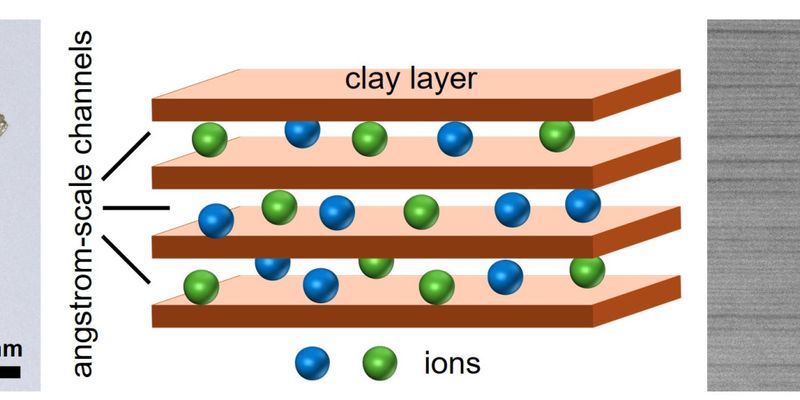
Researchers at the National Graphene Institute demonstrated that vermiculite clay channels can control ion flow in response to pressure, voltage, and pH, mimicking biological ion channels.
Romanian researchers developed a disposable graphene–copper sensor that detects lysine enantiomers in whole blood at concentrations as low as one attomole per litre, aiding cancer diagnostics.
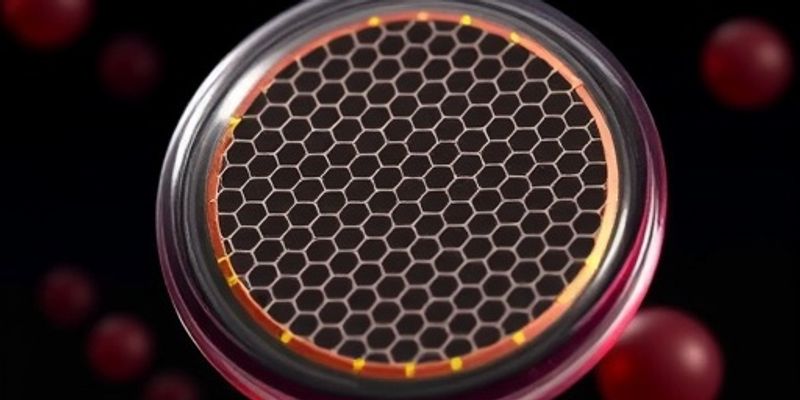
The University of Iowa and University of Chicago are collaborating on nanodiamond sensors to study cellular environments, aiming to improve disease detection by analyzing changes in electronic spin.

DASEN Group has expanded its multi-factory network across China and Vietnam, enhancing global supply of graphite sheets and carbon fiber products with coordinated production and R&D facilities.
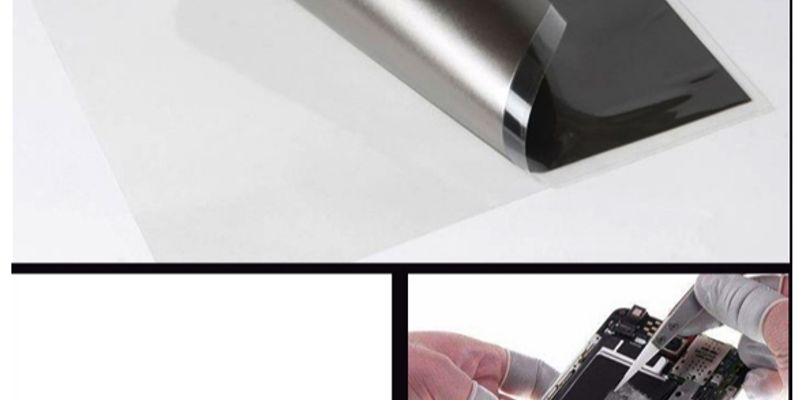
Researchers have developed a wearable skin patch with embedded copper oxide in graphene, designed to release copper ions when heated for a potential cancer treatment.
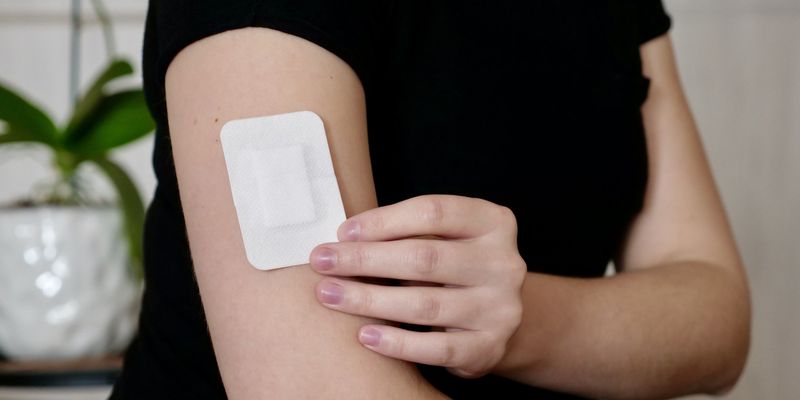
INBRAIN is advancing a graphene-based brain-computer interface for Parkinson's care, integrating neural decoding, stimulation, and Azure AI.
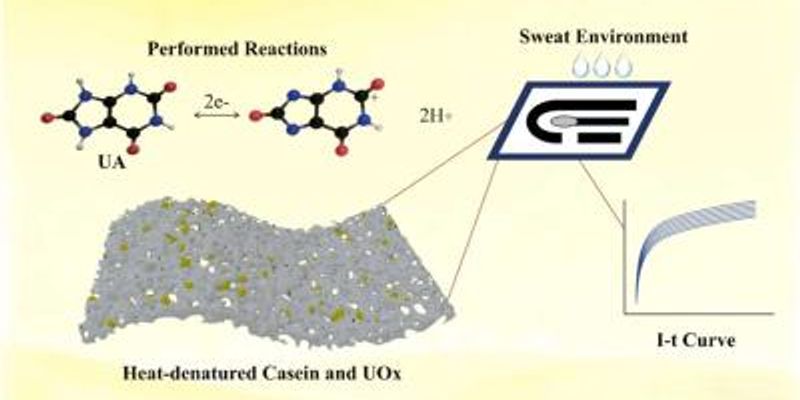
Researchers at Shanghai University and Shanghai General Hospital have built an electrochemical biosensor pairing a three-dimensional graphene framework with a heat-denatured casein interlayer to detect uric acid in sweat at femtomolar levels.
Researchers at the University of Pittsburgh have developed a scaffold using carbon nanotubes and nano-hydroxyapatite to enhance immune cell activity for faster bone regeneration.
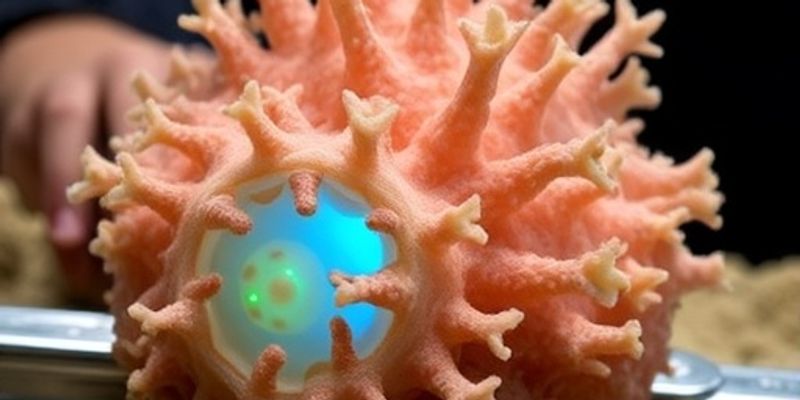
Researchers in Poland have developed a graphene-based early warning system for heart failure, pending further testing and clinical validation.

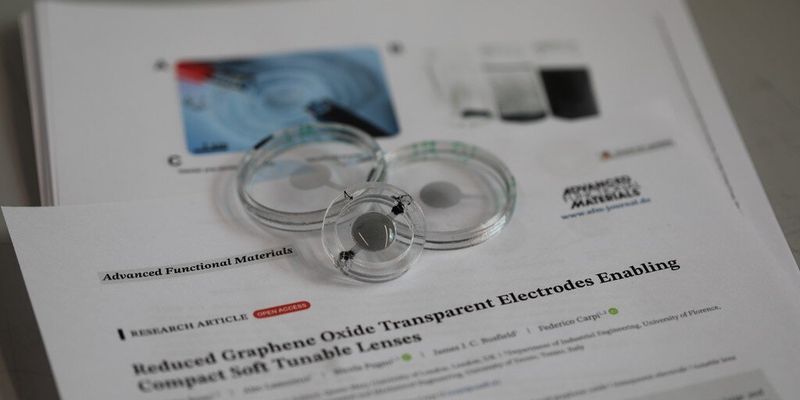
Researchers at Queen Mary University of London have developed a graphene-based soft lens that can electronically change focus without bulky parts, potentially advancing medical devices and cameras.
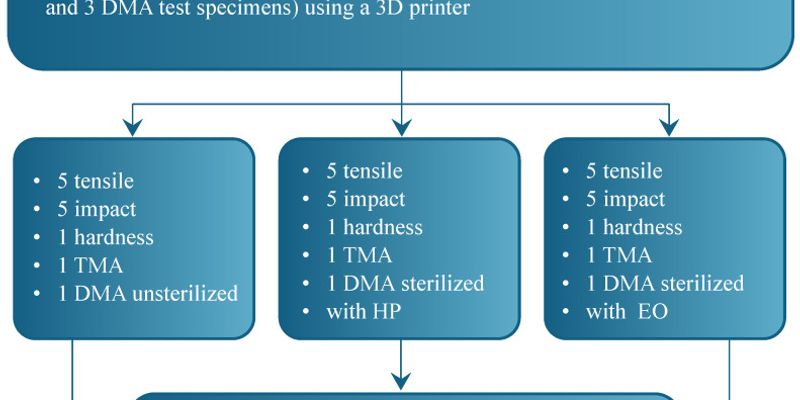
Researchers found that sterilization processes can alter the properties of carbon fiber-reinforced polycarbonate parts made through fused deposition modeling, impacting their suitability for medical use.
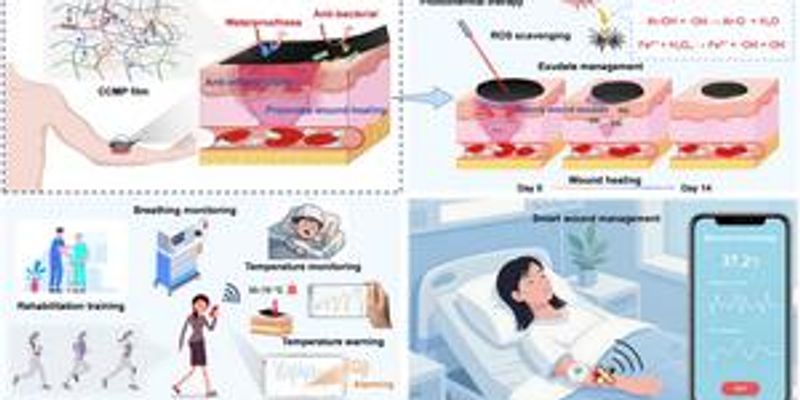
Researchers developed a conductive e-skin patch using aminated multi-walled carbon nanotubes and dopamine integrated into carboxymethyl starch.
The North Carolina Department of Environmental Quality awarded $1 million for mobile biochar equipment to convert Hurricane Helene debris into a soil amendment for flood-damaged farmland in Haywood County.
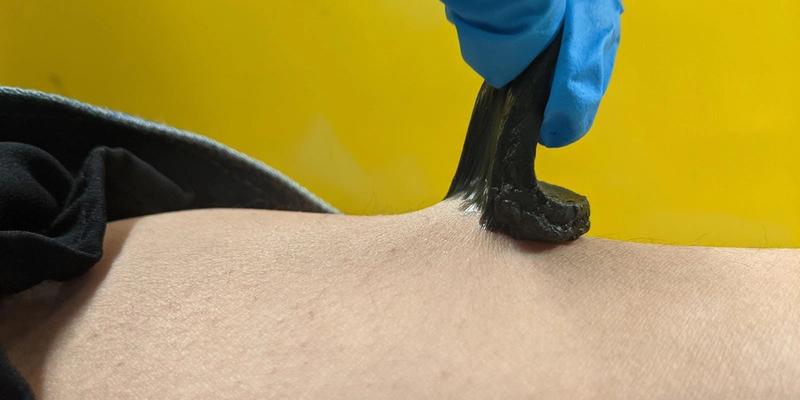
Researchers developed a non-invasive glucose monitoring device using carbon nanotubes and a 2D nickel-based metal-organic framework.
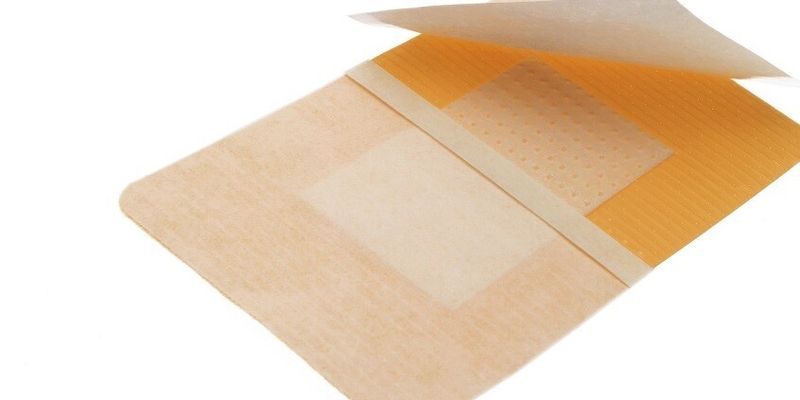
Drexel and Penn State researchers created a new hydrogel for biosensors that maintains skin contact through sweat and hair, enhancing durability and comfort during physical activity.
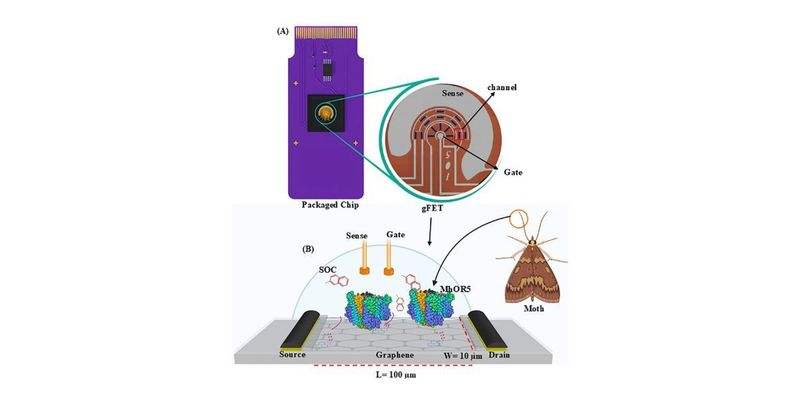
Bioengineers at UC San Diego integrated an insect olfactory receptor into graphene chips, creating a sensor that detects diverse organic compounds. This could lead to scalable, nature-inspired chemical sensors.
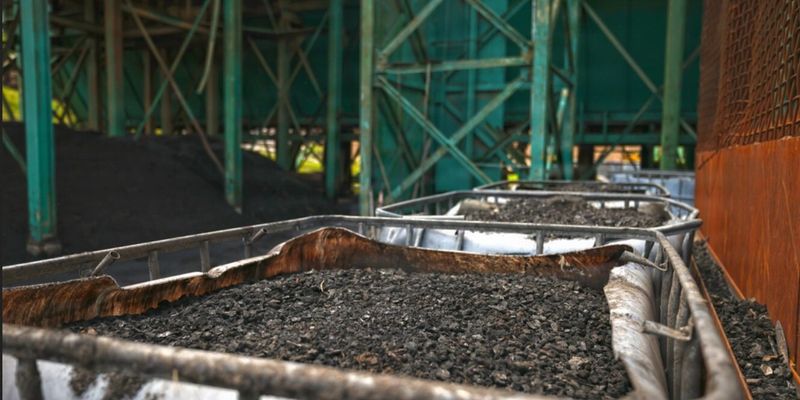
Researchers converted eucalyptus wood waste into biochar, achieving an aluminum adsorption capacity of 139.2 mg/g. The biochar retained 78% capacity after five reuse cycles, highlighting its durability.

Mackenzie Fly Fishing has developed graphene-infused outdoor clothing that deters ticks, following unexpected results during a Highlands stalking trip. The fabric's anti-tick properties require no chemical treatments.

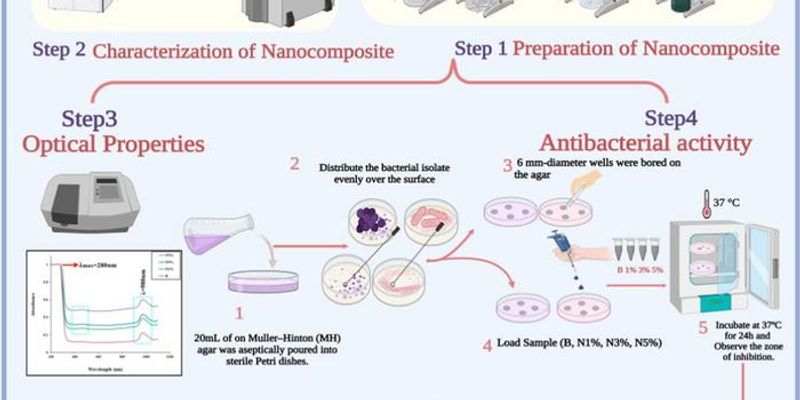
KeAi Communications Co., Ltd. reports on the antibacterial and anticancer capabilities of polymer nanocomposites enhanced with graphene-silicon nitride nanomaterials.
Researchers examined how proteins bind to charged graphene quantum dots, assessing the impact on toxicity, cellular uptake, and light emission.
Researchers at the Skolkovo Institute of Science and Technology have developed a room-temperature infrared phototransistor using single-walled carbon nanotubes (SWCNTs) and lithium niobate (LiNbO3), achieving specific detectivities of up to 10^10 cm·Hz^1/2/W. This advancement in SWCNT-based pyroelectric phototransistors could lead to more affordable and portable IR sensing technologies, potentially transforming applications such as thermal imaging, environmental monitoring, and optical communications.
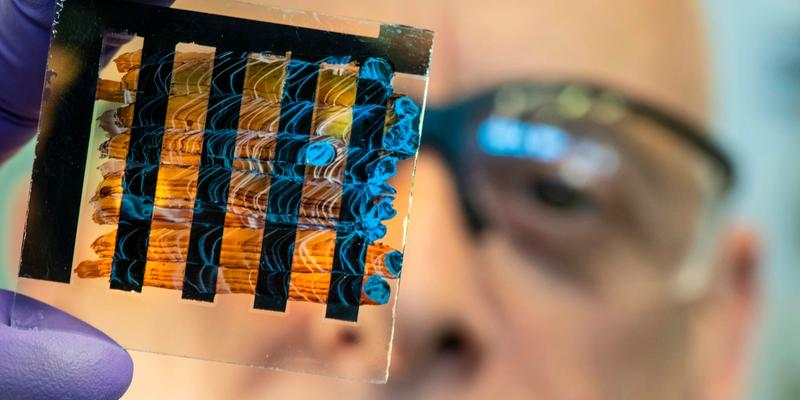
Toray has developed a radiolucent carbon fiber-reinforced plastic (CFRP) component that reduces X-ray radiation doses by 8%. This advancement enhances the use of CFRP in medical imaging applications, offering improved diagnostic precision with lower radiation exposure.
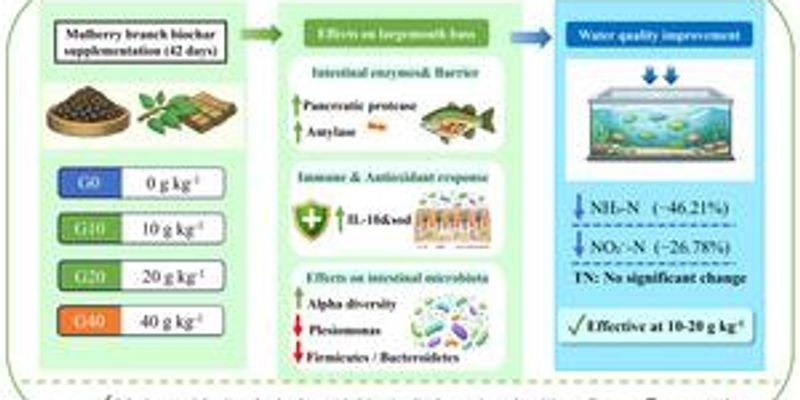
Dietary mulberry branch biochar improved intestinal health in largemouth bass and water quality in the surrounding aquaculture system, pointing to a feed additive use for the material.
Canatu has appointed Walter Braun as Chief Technology Officer and Bernd Meier as Chief Marketing Officer, effective September 1, 2026. These appointments aim to enhance Canatu's capabilities in scaling the production and commercialization of its carbon nanotube technologies, crucial for its applications in the semiconductor and medical diagnostics industries.
Varex Imaging has developed Multi-Beam X-Ray (MBX) technology utilizing Cold Cathode Emitters (CCE) based on carbon nanotube technology. This advancement could enhance the performance and efficiency of x-ray imaging systems by leveraging the unique properties of carbon nanotubes.
Researchers have found that graphene quantum dots (GQDs) could provide a new approach for studying and potentially disrupting the protein aggregation associated with Parkinson's disease. This discovery highlights the potential of graphene-based materials in biomedical applications, particularly in targeting neurodegenerative disorders.
Researchers from Brazil's Federal University of Pelotas and Federal University of Rio Grande do Sul have developed a laser-induced graphene sensor capable of detecting dopamine in tear fluid with high sensitivity. This advancement could lead to noninvasive monitoring of neurological disorders, utilizing the electroactive properties of graphene to provide a compact and scalable alternative to traditional methods that often require blood or implanted devices.
Toray Industries Inc. has developed a radiolucent carbon fiber-reinforced plastic component that reduces X-ray radiation doses. This advancement in CFRP technology is significant for medical imaging equipment, offering safer diagnostic procedures with lower radiation exposure.

Turquoise Group has achieved Verified Graphene Producer® status, confirming its capability to produce 30 tonnes of high-purity few-layer graphene annually at its Brisbane facility. This certification enhances the company's credibility in delivering high-quality graphene, a material crucial for applications in coatings, composites, and energy storage.

Plasma functionalisation stops multi-walled carbon nanotubes agglomerating in polyurethane coatings, a dispersion problem that has limited their antimicrobial performance in solid films.
Researchers at Zhejiang University have developed a piezoresistive fiber bandage using multi-walled carbon nanotubes for shape sensing in slender medical continuum robots. This innovation provides a low-cost, highly stretchable alternative to fiber-optic systems, potentially expanding the use of carbon nanotube-based sensors in medical robotics for improved intraoperative guidance.
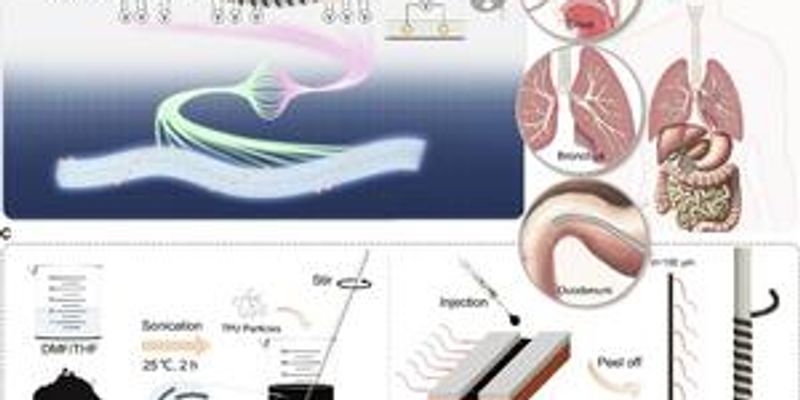
Researchers from the Skolkovo Institute of Science and Technology have developed a new infrared sensor using single-walled carbon nanotubes, which shows a conductivity change 10,000 to 100,000 times more pronounced than graphene. This advancement could lead to more sensitive and compact thermal cameras and medical sensors, leveraging the unique properties of carbon nanotubes for enhanced infrared detection without the need for cooling.
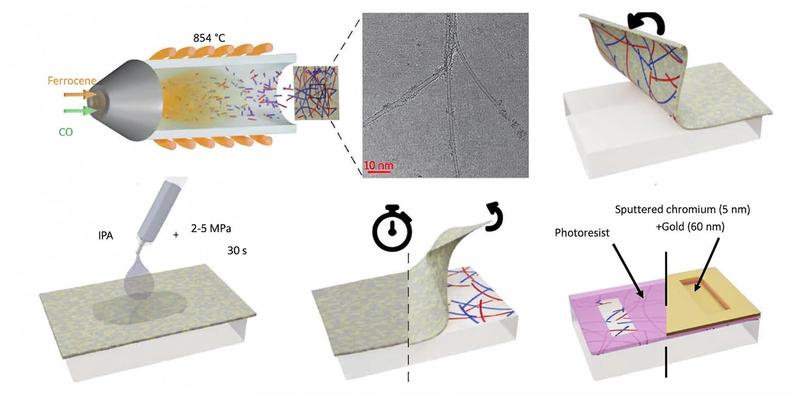
Researchers from the study published in Biochar have demonstrated that using iron and manganese modified biochar (FMBC) with specific irrigation strategies can significantly reduce cadmium and mercury levels in rice grown in co-contaminated paddy fields. This approach could enhance the safety of rice by stabilizing these metals and reducing their uptake, offering a viable solution for managing heavy metal contamination in agricultural soils.

The Government of Himachal Pradesh, in collaboration with Dr Y.S. Parmar University of Horticulture and Forestry and ProClime Services Private Limited, has launched India's first indigenous biochar project in Hamirpur district, aiming to convert forest biomass into biochar to reduce fire risks and generate carbon credits. This initiative is significant for the advanced carbon materials sector as it transforms waste biomass into biochar, a stable carbon-rich material, thereby contributing to carbon sequestration and offering a sustainable model for forest management and rural livelihoods.

Researchers at Concordia University have developed nanocomposites using graphene oxide and reduced graphene oxide embedded in a nanocellulose matrix, achieving high accuracy in predictive modeling with R² > 0.99. This advancement is significant for the field of advanced carbon materials as it demonstrates the potential of these composites in applications such as wearable electronics and biosensors, leveraging the unique properties of graphene oxide and reduced graphene oxide.
South Korea's Ministry of Science and ICT rated four of its 14 Small-scale R&D Zones—Seoul Hongneung, Pohang, Incheon Seo-gu, and Jinju—as "Excellent" in the 2025 annual evaluation, with Pohang's zone directing roughly 11 billion won toward Graphene Square and POSTECH to build the world's first mass-production plant for graphene film. The Pohang result signals growing state-backed infrastructure for scaling graphene manufacturing, a persistent bottleneck for the advanced carbon materials sector.
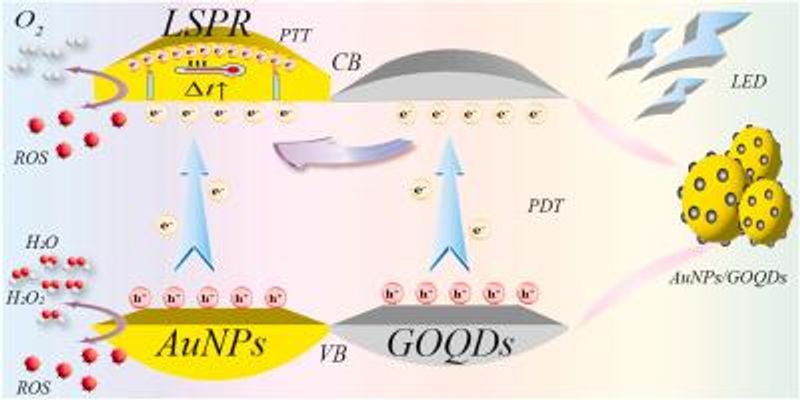
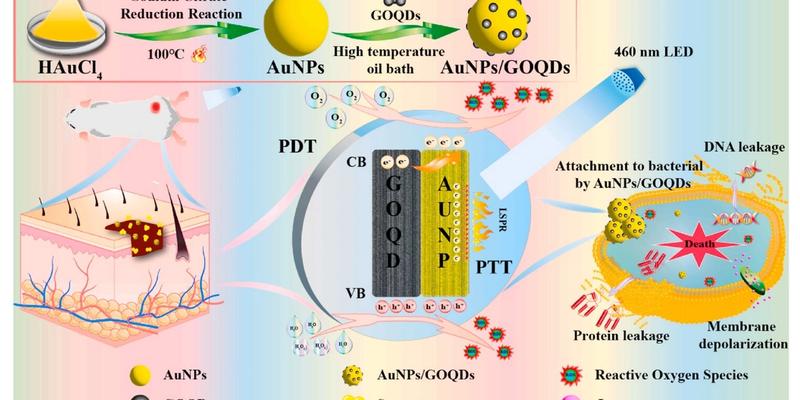
Researchers at Gannan Medical University and Shanghai University developed a gold nanoparticle–graphene oxide quantum dot (AuNPs/GOQDs) Schottky junction nanocomposite that achieved over 97% bacterial eradication in vitro and approximately 99% wound closure in mice within 9 days under 460 nm LED irradiation. The work advances graphene quantum dot applications by demonstrating that pairing GOQDs with AuNPs suppresses charge recombination to boost reactive oxygen species output while simultaneously enhancing photothermal conversion, offering a drug-free pathway to address multidrug-resistant infections.
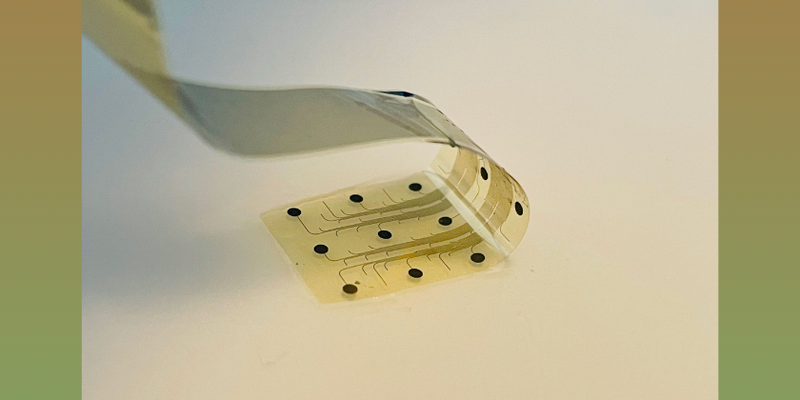
Researchers at ICN2, led by Jose A. Garrido, are developing graphene-based thin film devices for neural stimulation and recording, with work spanning device fabrication, in vivo testing in rodent and large-animal models, and clinical translation efforts. The work demonstrates a pathway for graphene to move from laboratory research into regulated medical devices, advancing the material's role in bioelectronics beyond conventional carbon fiber or composite applications.
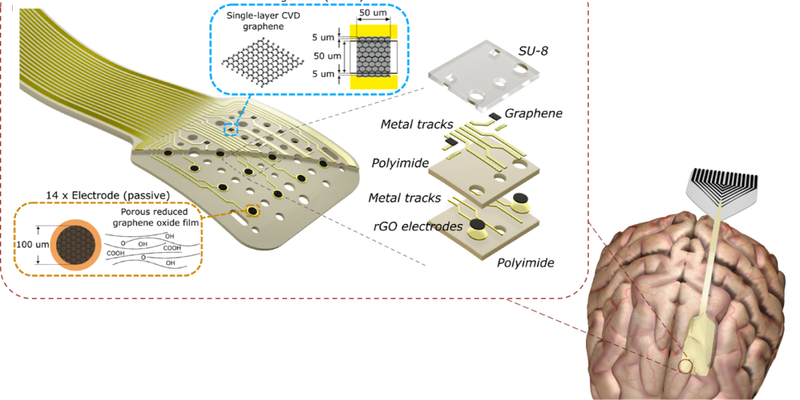
INBRAIN Neuroelectronics completed enrollment of ten patients (eight treated) in a first-in-human trial of its graphene cortical interface, conducted during brain tumor resection surgeries at Northern Care Alliance NHS Foundation Trust, with no device-related adverse events or perioperative failures observed. The results support graphene as a viable electrode material for neural interfaces, with implications for the graphene sector as the technology advances toward clinical commercialization in brain-computer interface applications.
US NIOSH researchers measured occupational exposures to graphene family nanomaterials (GFN) across 11 manufacturing facilities, finding that 38% of respirable samples and 53% of inhalable samples exceeded the suggested occupational exposure band of <10 µg/m³. The findings indicate that graphene producers and downstream processors face uncontrolled worker exposure risks, with primary manufacturers showing higher inhalable concentrations due to handling dry powdered materials.
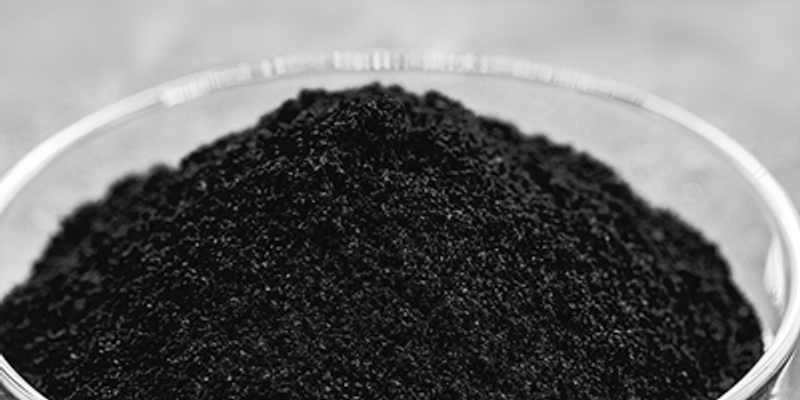
Micro-X Limited (ASX: MX1) released an investor presentation outlining its strategy to apply proprietary carbon nanotube X-ray technology to CT imaging, while noting the material is not a prospectus and that its securities are not registered in the United States. The update signals continued commercial development of carbon nanotube-based X-ray sources for medical imaging, a niche application that could influence demand and performance benchmarks for nanotube components in the medtech sector.

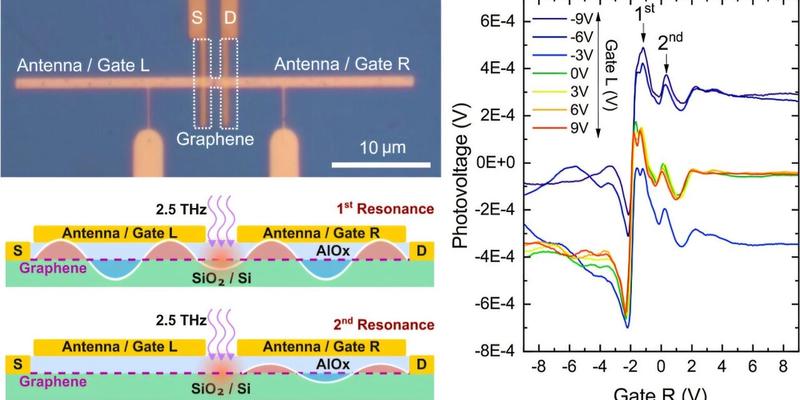
Researchers at ICFO and partner institutions built a monolayer graphene terahertz photodetector using acoustic graphene plasmon cavities grown via chemical vapor deposition, achieving a 30% higher photoresponse than conventional devices without hexagonal boron nitride encapsulation, published in ACS Photonics in 2026. The result shows that CVD-grown graphene can deliver competitive THz detection performance without the fabrication complexity of hBN encapsulation, lowering a barrier to large-scale graphene device manufacturing.
Chinese researchers combined gold nanoparticles with graphene oxide quantum dots to form a Schottky junction nanocomposite that, when activated by blue LED light, achieved 97% bacterial eradication and nearly 99% wound closure in mice within nine days. The work demonstrates a functional wound-treatment application for graphene oxide quantum dots, advancing their use beyond structural roles into photodynamic and photothermal biomedical therapies.
A team led by Yingke Wu and Tanja Weil at the Max Planck Institute for Polymer Research synthesized 3–4 nm nanodiamonds from nanographene building blocks under high pressure and temperature, publishing the results in Nature. The bottom-up method gives precise control over nanodiamond size and allows silicon- and germanium-based optical emitters to be incorporated during synthesis without post-processing, which is relevant for carbon-based quantum and photonic material development.
Fullerene C60, a cage-like carbon nanomaterial discovered in 1985, is under active research for applications in organic electronics, photovoltaics, lubricants, coatings, biomedical systems, and perovskite/silicon tandem solar cells. Within the advanced carbon materials sector, C60 occupies a distinct niche from fiber- or graphene-based materials, with its electron-accepting properties and molecular tunability driving continued interest in energy and specialty coating applications.
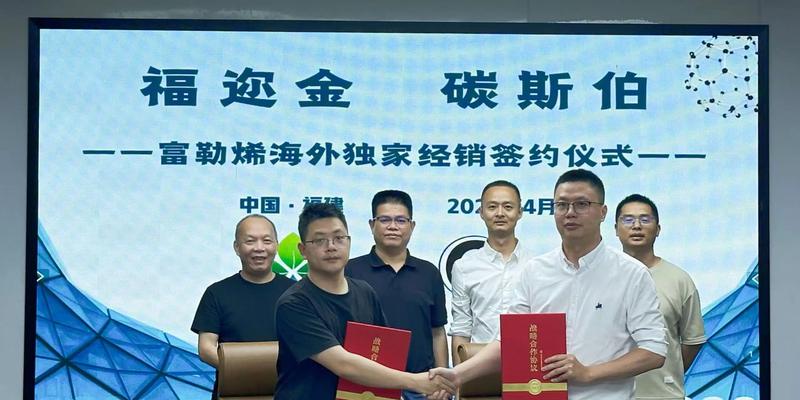
Canatu Plc restructured its leadership team on June 25, 2026, consolidating reporting lines directly to CEO Maximilian Slawinski and renaming its Automotive business unit to Robotics, Mobility and Defence. The reorganization signals Canatu's broadened market focus for its carbon nanotube products beyond automotive into robotics and defence applications.
Researchers at Vietnamese universities fabricated a glassy carbon electrode modified with poly(pyrocatechol violet) and electrochemically reduced graphene oxide using one-step cyclic voltammetry, achieving a metronidazole detection limit of 0.013 µM. The work demonstrates a route to functionalized reduced graphene oxide composites that avoids toxic chemical reductants, relevant to the development of graphene-based electrochemical sensing materials.

A research team at Osaka University built a graphene nanoribbon-based gas sensor capable of detecting individual CO2 molecules at ambient pressure, achieving detection limits below 10 parts per trillion, as published in Nature Materials. The result demonstrates graphene nanoribbons as a viable platform for ultra-sensitive gas detection, with potential applications in environmental monitoring and medical breath analysis.

A team at the National University of Singapore developed a graphene field-effect transistor biosensor that detects four oral cancer biomarkers from saliva in 90 seconds, achieving 94.2% sensitivity and 91.8% specificity in a 220-patient clinical pilot. The device demonstrates a scalable diagnostic application for functionalized graphene, with a spinout company pursuing commercialization and a projected per-test cost under 4 USD.
Advanced Graphene Products has begun supplying ISO 10993-certified graphene oxide from its Zielona Gora facility to Boston Scientific under a $4.2 million contract for a two-year, 480-patient FDA-approved clinical trial of antimicrobial-coated cardiac catheters. The trial represents a direct application of graphene oxide in regulated medical devices, with a potential commercial supply pathway if Boston Scientific proceeds to FDA submission.

Levidian and Zentek have signed an agreement to explore building a graphene-integrated manufacturing facility in the Middle East, combining Levidian's methane-derived graphene production with Zentek's graphene-enhanced air filters. The deal signals growing regional demand for graphene-enhanced products and positions the Middle East as an emerging hub for graphene manufacturing and deployment across multiple industries.