Graphene quantum dots show promise against Parkinson's protein aggregation
Researchers have found that graphene quantum dots (GQDs) could provide a new approach for studying and potentially disrupting the protein aggregation associated with Parkinson's disease. This discovery highlights the potential of graphene-based materials in biomedical applications, particularly in targeting neurodegenerative disorders.
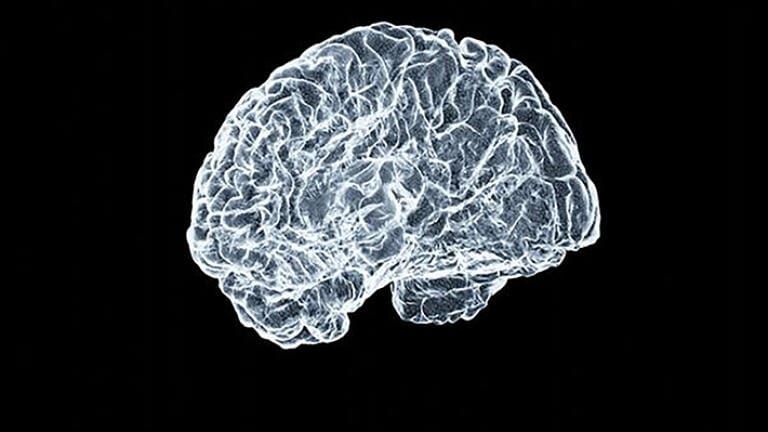
Graphene quantum dots (GQDs) are emerging as a promising tool in the study of neurodegenerative diseases, particularly in disrupting protein aggregation processes linked to conditions such as Parkinson's disease. A multinational research team, led by Poznań University of Medical Sciences, explored the interaction between these nanoscale carbon-based materials and α-synuclein, a protein known to form toxic aggregates in Parkinson's disease and multiple system atrophy.
The study, published in Science and Technology of Advanced Materials, demonstrated that GQDs can interfere with the formation of α-synuclein fibers, potentially reducing structures associated with neuronal damage. The research utilized various models, including laboratory assays, neuronal cell cultures, and animal studies. In mice, intranasal administration of GQDs reduced toxic protein aggregates and appeared to stimulate autophagy, a natural process for removing damaged proteins.
While the findings underscore the potential of nanomaterials in investigating protein misfolding disorders, the researchers caution that further studies are necessary to understand the safety, biological interactions, and long-term effects of GQDs before considering clinical applications.
Professor Małgorzata Kujawska, the study's lead, noted: "While clinical use of GQDs remains a long way off, these findings strengthen the case for further research into nanomaterial-based strategies for neurodegenerative diseases."
The research team suggests that optimizing graphene quantum dots could advance future approaches not only for Parkinson's-related conditions but also for other diseases involving toxic protein accumulation.
Source: Graphene Feed