News14 October 2026· Graphene Feed
Graphene and Nanotube Coating Makes PET Fibres Conductive
GrapheneCoatingsConductive InksTextilesResearch & InnovationSustainability
32 articles on Textiles.
Chinese researchers have developed a coating of graphene oxide and carbon nanotubes that makes PET/TLCP composite fibres conductive.

Researchers in Mexico have developed a graphene oxide-modified titanium dioxide photoanode that degrades 85% of methylene blue dye in 120 minutes under acidic conditions, offering potential for direct treatment of industrial effluents.
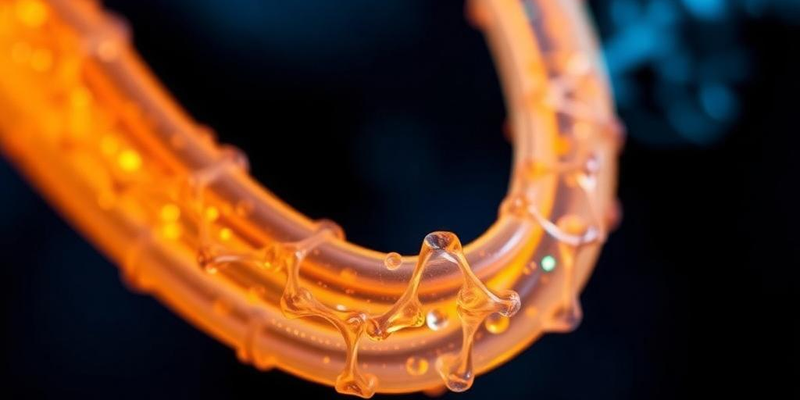
Researchers have developed closed-form entropy measures for degree-based topological indices in hyper armchair carbon nanotubes.
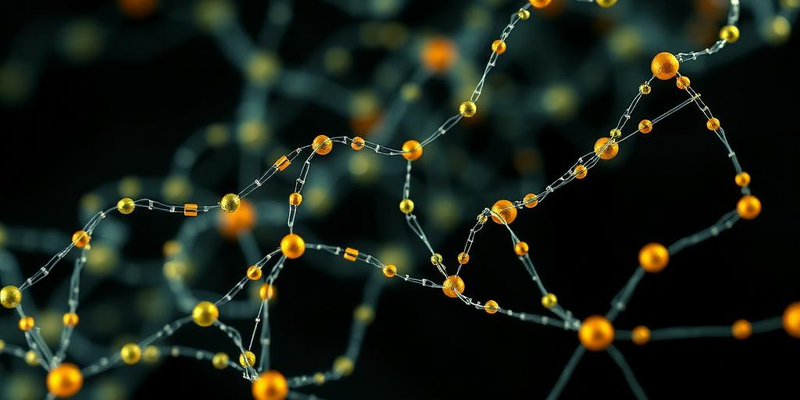
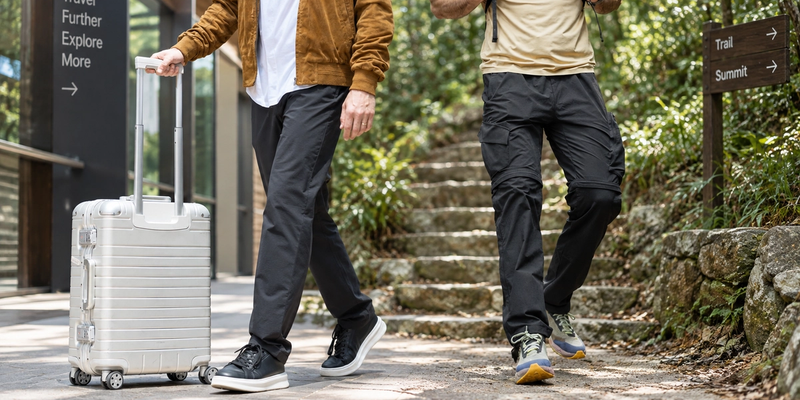
Graphene-X's new All Rounder Pants, featuring a 200 g/m² graphene-integrated fabric, surpassed their $100,000 stretch goal on Kickstarter within 60 hours, with over $115,000 pledged.
Global Graphene Group seeks a Sales Engineer in Dayton, Ohio, to expand its graphene markets. Apply by December 31, 2026.
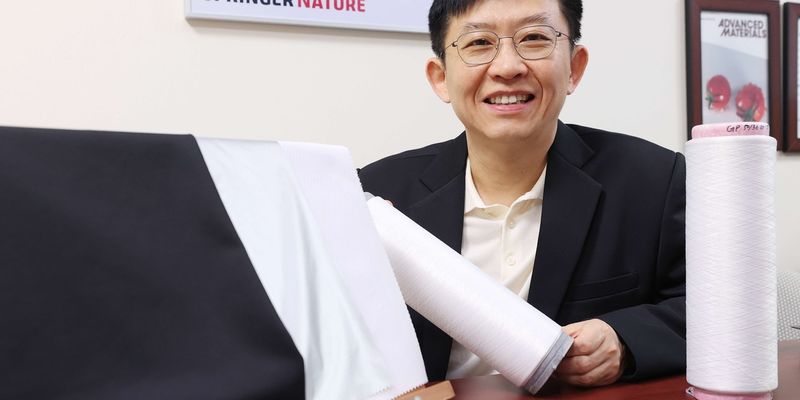
Researchers at KAIST have discovered liquid crystal behavior in graphene oxide, marking a world first in materials science.
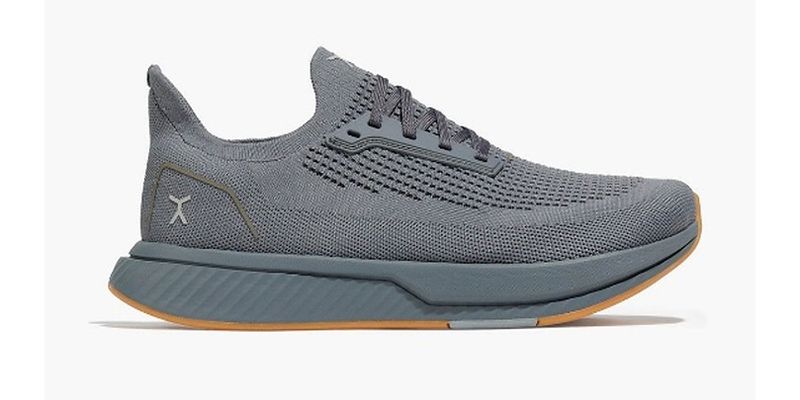
First Graphene secured its first production order with Flux Footwear to supply PureGRAPH® for their athletic shoes, enhancing durability and strength in the Graphene XT performance line.
The Advanced Carbons Council calls for a U.S. carbon materials innovation platform focused on standards, testing and buyer qualification. The paper links engineered-carbon supply chains to manufacturing, energy, defense and AI infrastructure. Serves as a model for governments world-wide.
South Korean researchers developed a graphene nanomesh for wearable gas sensors, achieving six times higher sensitivity than flat graphene sensors. The design maintains flexibility and breathability for mask integration.
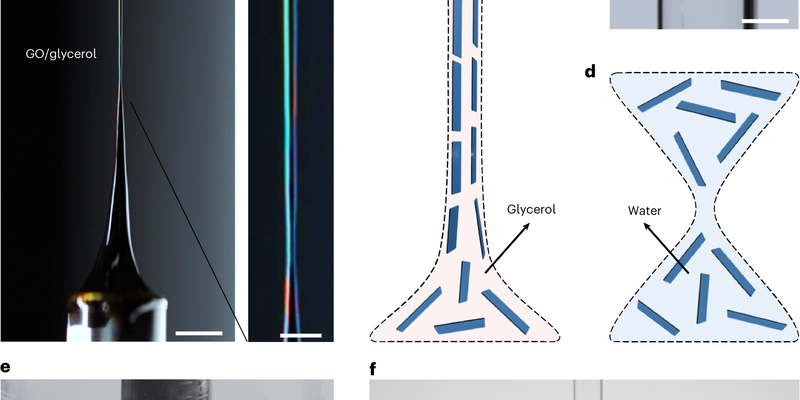
Researchers created polymer fibres with carbon nanotubes and graphene oxide flakes, reaching a gravimetric toughness of nearly 1,000 J g−1, surpassing spider silk and Kevlar.
Researchers tested carbon dots for removing methylene blue dye from textile wastewater.

Advanced Carbons Council has re-certified Graphene One LLC and Armor Guys, known for the Kyorene® and GrapheNova® brands, under its Verified Graphene Product and Verified Graphene Producer programmes, recognising their vertically integrated advanced carbons operations.

Researchers incorporated thermally exfoliated graphene oxide into PVDF, enhancing both piezoelectric and triboelectric responses. This nanocomposite could advance self-powered wearables and flexible sensors.
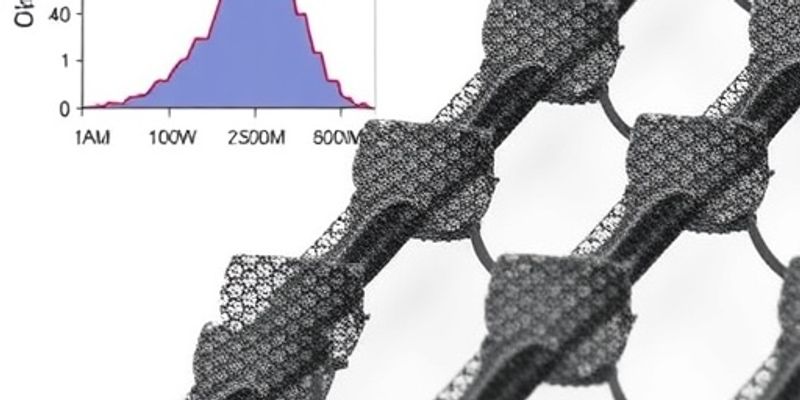
Graphene fibers, when graphitized at high temperatures, achieve thermal conductivities around 1290 W m⁻¹K⁻¹, surpassing most metals, but require per-fiber measurement for accurate application-specific values.
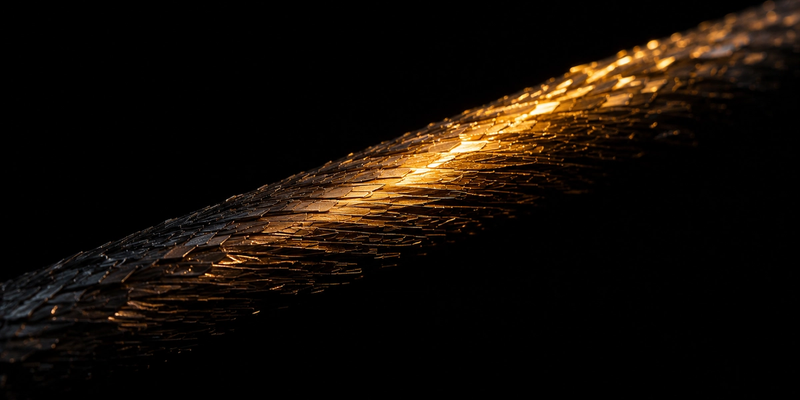
The North Carolina Department of Environmental Quality awarded $1 million for mobile biochar equipment to convert Hurricane Helene debris into a soil amendment for flood-damaged farmland in Haywood County.
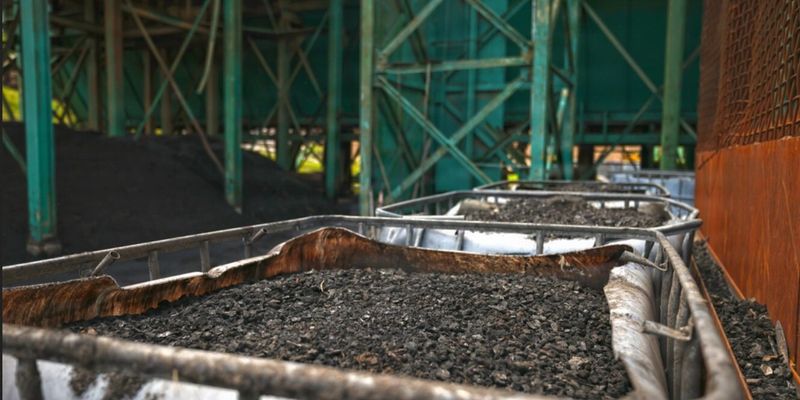
FIU researcher Islam Ibrahim Hussein developed a reusable filter from rice husk biochar to remove industrial dyes from water. The material was effective in tests and can be reused multiple times.

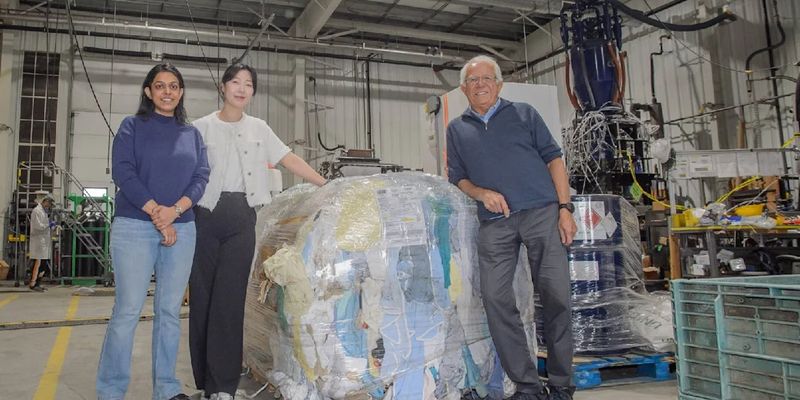
Goodwill is collaborating with Western University and Fanshawe College to recycle textile waste into biochar using pyrolysis, diverting 5,000 pounds of clothing from landfills over four years.
A new high-speed carbon fiber warp knitting machine in China outperforms traditional models, enhancing the production of carbon fiber reinforced polymers (CFRP) textile pre-forms.
Mackenzie Fly Fishing has developed graphene-infused outdoor clothing that deters ticks, following unexpected results during a Highlands stalking trip. The fabric's anti-tick properties require no chemical treatments.

Researchers at Kyushu University developed a pumpkin peel-based nanomaterial that surpasses plastic in blocking UV light, reducing microbial growth, and preserving antioxidants, offering a sustainable packaging alternative.
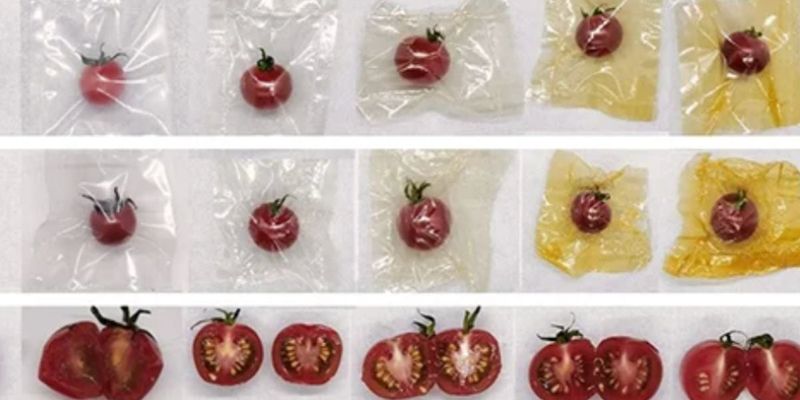
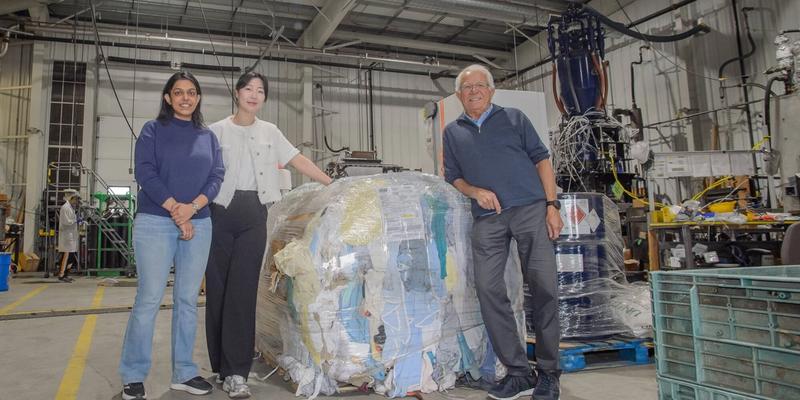
Researchers at Western University have partnered with Goodwill to reduce textile waste by using biochar and AI-powered sorting technologies. This collaboration is significant for the advanced carbon materials sector as it demonstrates a novel application of biochar in waste management, potentially increasing demand for biochar production.
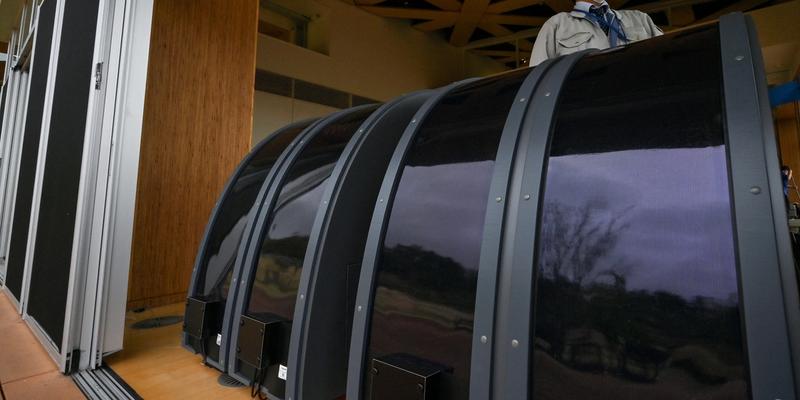
Researchers at the Helmholtz-Zentrum Berlin, along with collaborators, have developed a perovskite solar cell with a graphene-oxide interface that achieves 27.3% power conversion efficiency and maintains over 90% of this efficiency after 770 hours of operation. This advancement addresses the stability issues in all-perovskite triple-junction cells, potentially paving the way for more durable and efficient solar technologies using carbon-based materials like graphene.
Turquoise Group has achieved Verified Graphene Producer® status, confirming its capability to produce 30 tonnes of high-purity few-layer graphene annually at its Brisbane facility. This certification enhances the company's credibility in delivering high-quality graphene, a material crucial for applications in coatings, composites, and energy storage.

Researchers at the Harbin Institute of Technology and the University of Wollongong interfaced MXene flakes onto fibre fabric to create an ultrafast electron transport layer for energy storage.
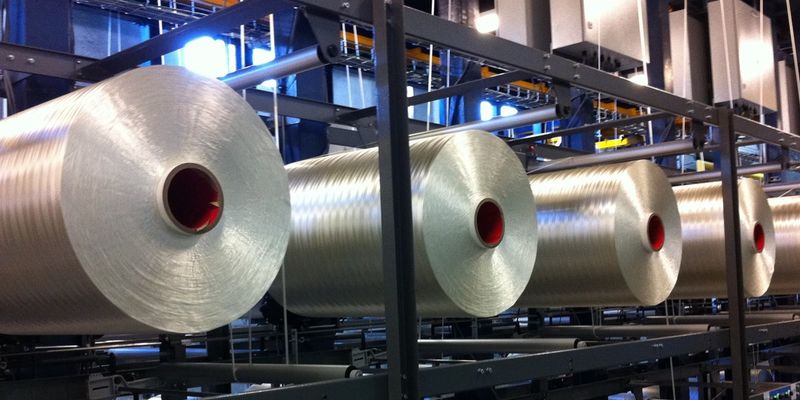
Cygnet Texkimp has introduced a 500-kilogram VHD creel to enhance carbon fiber production efficiency. This advancement is significant for the carbon fiber sector, as it allows for increased production capacity and reduced downtime in manufacturing processes.
The Government of Himachal Pradesh, in collaboration with Dr Y.S. Parmar University of Horticulture and Forestry and ProClime Services Private Limited, has launched India's first indigenous biochar project in Hamirpur district, aiming to convert forest biomass into biochar to reduce fire risks and generate carbon credits. This initiative is significant for the advanced carbon materials sector as it transforms waste biomass into biochar, a stable carbon-rich material, thereby contributing to carbon sequestration and offering a sustainable model for forest management and rural livelihoods.

Researchers at the Vietnam Academy of Science and Technology have developed a sensor electrode using a composite material of graphene, carbon nanotubes (CNTs), and gold nanoparticles that can detect pesticide residues at concentrations as low as parts per billion (ppb). This advancement is significant for the field of advanced carbon materials as it enhances the sensitivity and functionality of sensors, contributing to improved agricultural product monitoring and food safety.
Researchers prepared 4D-printed shape memory polyurethane nanocomposites containing 0.25 to 1.0 wt% multi-walled carbon nanotubes by solvent casting, characterising the effect on mechanical and shape-recovery behaviour.
Researchers functionalized fabric with reduced graphene oxide (RGO) and MWCNT-CuxO composites to create a flexible, non-enzymatic glucose sensor. The work advances carbon nanotube and graphene applications in wearable electrochemical sensing for health monitoring.
Terrance Barkan of The Graphene Council published a framework mapping the commercialization maturity journey of graphene through stages from discovery to mature commercialization, identifying nine recurring obstacles including capital access, regulation, standardization, and value chain complexity. The framework positions graphene as approaching proven commercial viability in multiple application areas—including composites, construction materials, and thermal management—while arguing that its "killer application" lies in broad adoption as a performance-enhancing additive across sectors rather than in any single use case.
Hong Kong-based Graphene-X, founded by Jorge Barros in 2019, built a multi-million-dollar apparel brand around graphene-infused fabrics, generating $500,000 in Kickstarter pre-sales and partnering with Shanghai-based certified graphene producer Kyorene to develop graphene-woven yarns for products ranging from shell jackets to polo shirts. The brand demonstrates a viable commercial pathway for graphene in consumer textiles beyond its established industrial uses in electronics, batteries, and composites, with major outerwear players including Arc'teryx, The North Face, and Stone Island also integrating the material into their pipelines.

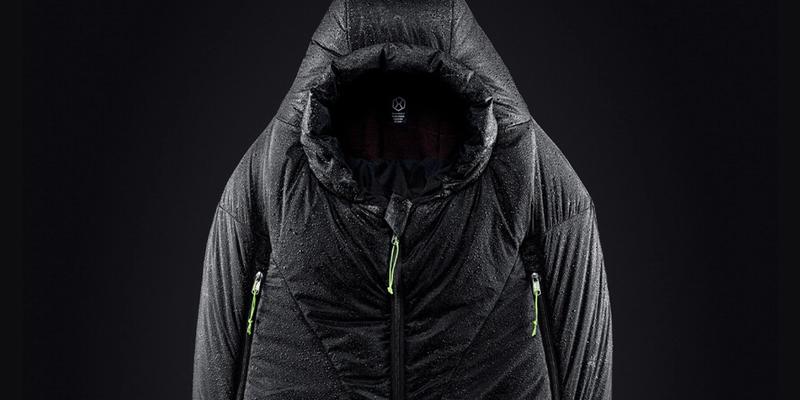
Graphene-X, a Hong Kong-based outdoor gear company, launched the Tardigrade Sleeping System via Kickstarter, a modular sleeping bag rated to -22°F that incorporates graphene-based materials. The product signals growing commercial application of graphene in consumer thermal regulation gear beyond industrial and electronics uses.