Is There a Material Stronger than Graphene at the Nanoscale?
Researchers at the National University of Singapore developed monolayer amorphous carbon (MAC), a two-dimensional material with toughness measured at eight times that of graphene's ~130 GPa tensile strength benchmark. The finding suggests that engineered structural disorder in carbon nanomaterials may offer performance advantages over crystalline perfection, with potential implications for composite reinforcement and next-generation carbon material design.
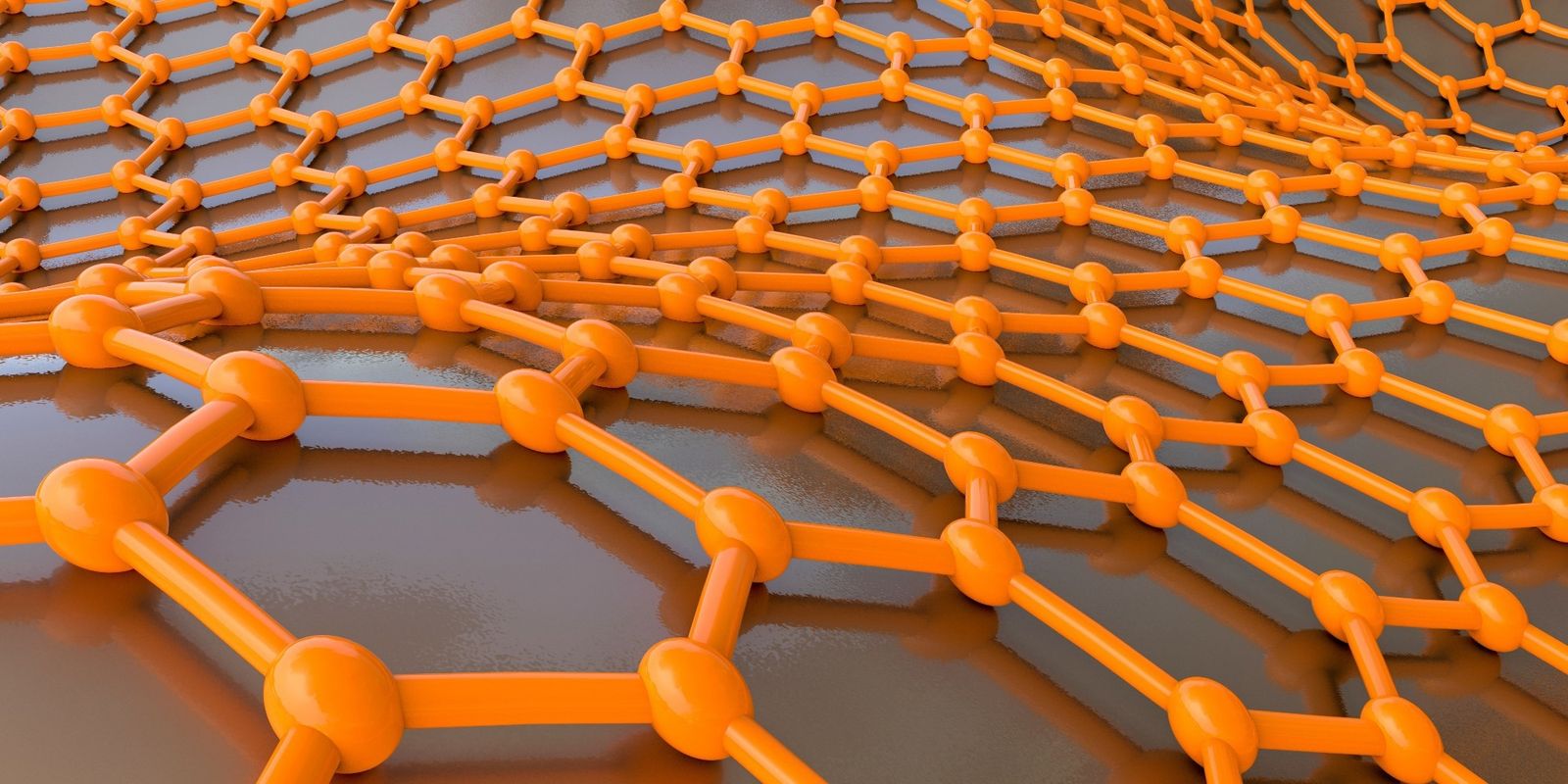
Graphene is widely recognized for its exceptional in-plane stiffness among two-dimensional materials, boasting a Young's modulus of approximately 1 TPa and an intrinsic tensile strength of about 130 GPa, making it nearly 100 times stronger than steel. However, other nanoscale carbon materials demonstrate superior performance in specific metrics. Carbyne and diamond nanothreads, for instance, exhibit higher values along certain one-dimensional orientations, although large-scale production remains a challenge. A recent development at the National University of Singapore introduces monolayer amorphous carbon (MAC), which is eight times tougher than graphene, indicating that future advancements may favor designed disorder over perfect crystallinity.
Source: original article