Midea unveils SpaceMaster oven series with graphene technology at IFA
Midea launched the SpaceMaster oven series at IFA, featuring Graphene Turbo Hot Air Technology with a rapid 0.2-second heating response.
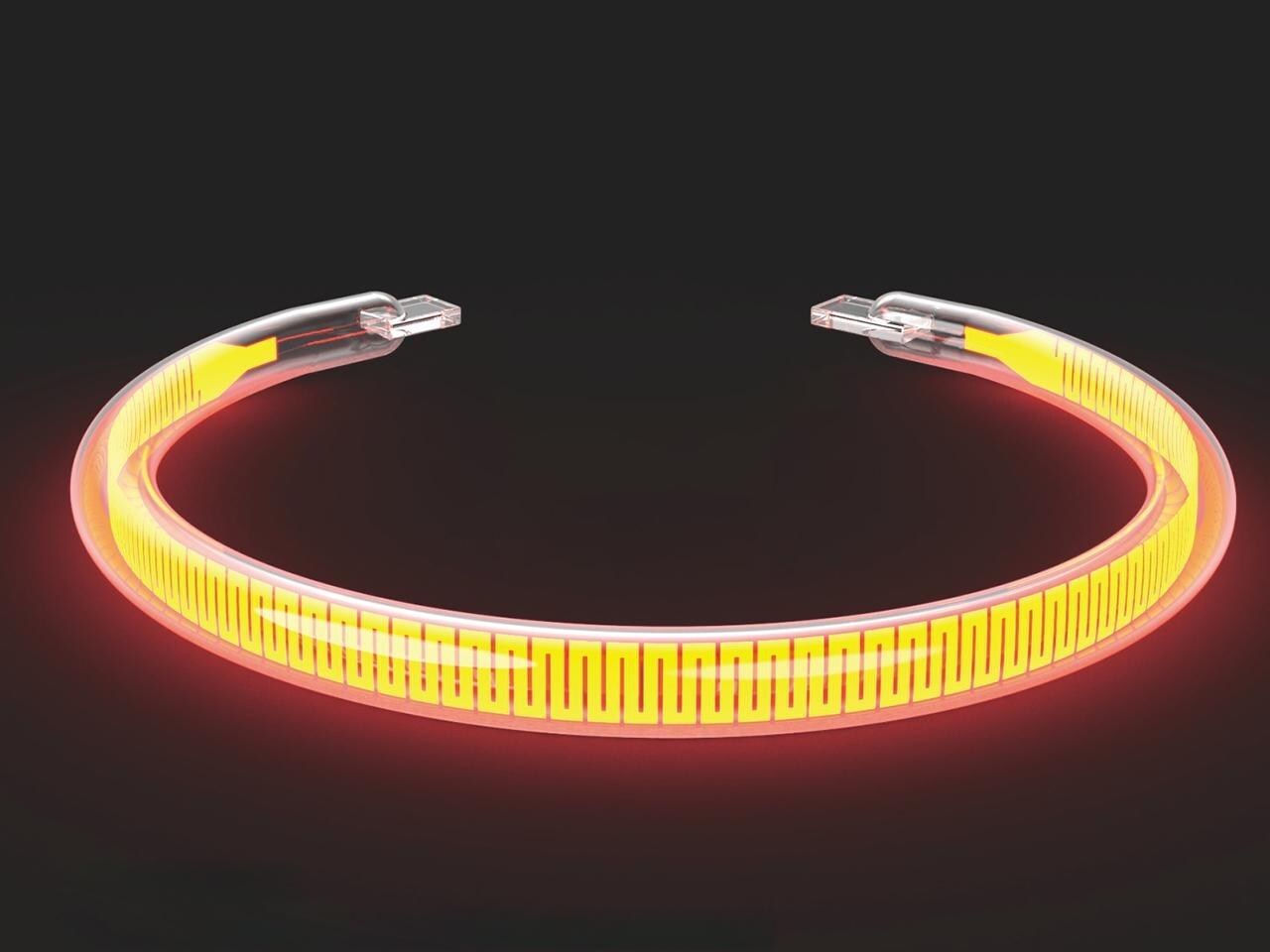
Midea Group has unveiled its SpaceMaster oven series, featuring the company's proprietary Graphene Turbo Hot Air Technology. This represents another instance of graphene being utilized in mass-market thermal management applications.
The SpaceMaster Series, introduced ahead of IFA 2026 in Berlin, is set for a broader commercial release in 2027. While primarily a consumer appliance, the significant aspect from a materials standpoint is Midea's integration of graphene in the heating system to enhance thermal response and heat distribution.
Midea states that the graphene-enabled heating system can adjust heat output in approximately 0.2 seconds, allowing for faster and more precise temperature control.
Graphene's high in-plane thermal conductivity, along with its electrical conductivity and low thermal mass, makes it a material of interest for resistive heating, heat spreading, and thermal management applications. These properties can potentially enable rapid heating and cooling cycles, improve temperature uniformity, and reduce the thermal inertia seen in conventional heating systems.
Details about the heating element's architecture remain undisclosed by Midea. Information on the specific form of graphene used, graphene loading, substrate material, electrode design, electrical resistance, power density, and manufacturing method has not been released.
It is unclear whether graphene serves as the primary resistive heating medium, a thermally conductive coating or composite, or part of a hybrid heating structure.
The company credits the system's rapid response to graphene's thermal properties, claiming it also enhances heat distribution within the appliance. However, comparative data against traditional metallic resistance-heating systems have not been provided.
Such data would be crucial for evaluating the material's practical contributions. Important parameters would include improvements in heating rate, temperature uniformity, electrical efficiency, cycling stability, oxidation resistance at high temperatures, and long-term performance under repeated thermal loading.
This application is noteworthy as domestic appliances could represent a high-volume market for functional graphene materials. Graphene's commercial use has primarily focused on composites, coatings, thermal-interface materials, batteries, and conductive additives. Heating elements and thermal management systems offer another avenue to leverage graphene's combined electrical and thermal properties.
For appliance manufacturers, performance advantages must be weighed against cost, manufacturing scalability, reliability, and compatibility with existing production processes.
Midea has not confirmed whether the graphene-based heating technology will extend to other appliance categories or if the SpaceMaster platform is the initial phase of a broader rollout.
The SpaceMaster Series is expected to be showcased at IFA 2026, with global distribution anticipated in 2027. Further technical details on the graphene material and heating-element design are needed to evaluate the technology's significance compared to established resistive heating methods.
Source: Graphene Feed