Revolutionary flash memory using a single electron created in China
Researchers in China have developed a new flash memory device using a graphene-based structure that operates with a single electron.
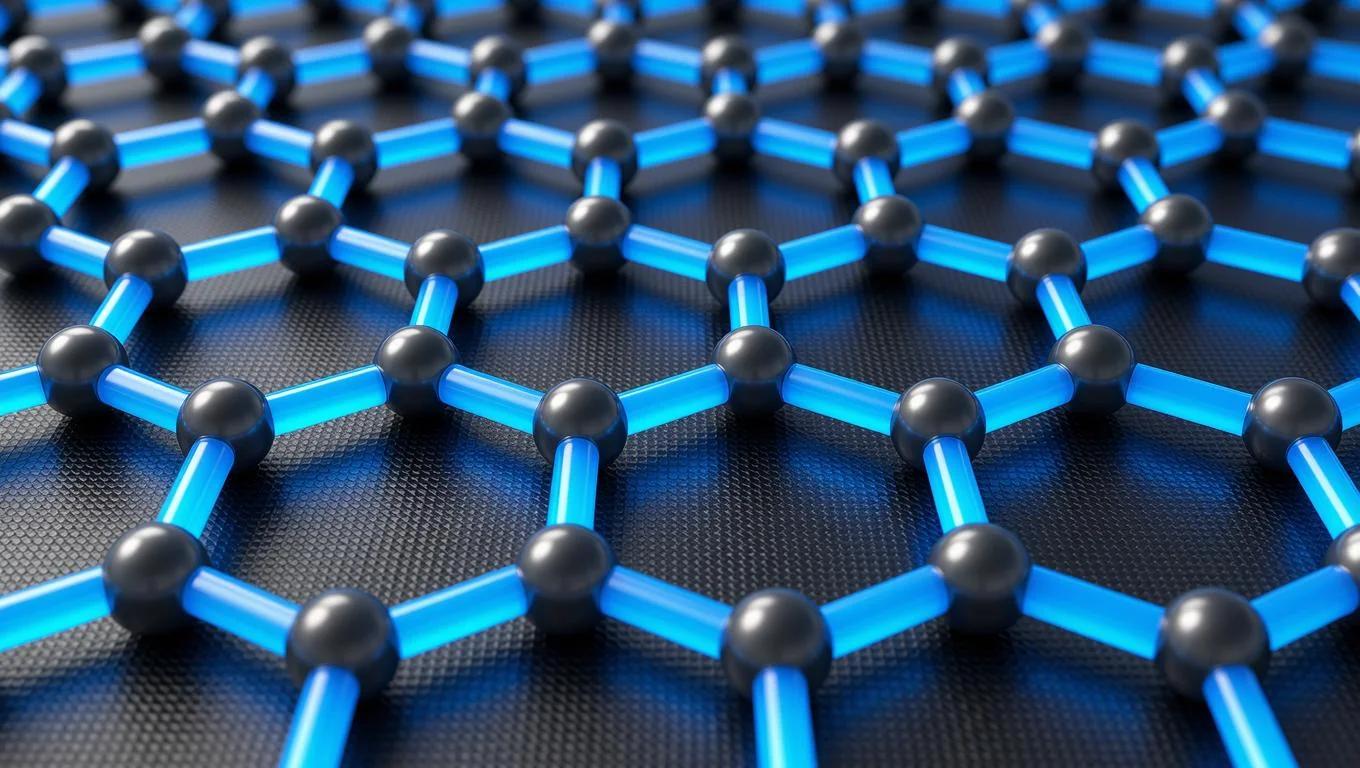
Researchers at Fudan University in China have developed an experimental flash memory technology utilizing a graphene-based structure to store data with a single electron. This innovation could significantly reduce energy consumption in electronic devices if it progresses beyond the laboratory stage.
Traditional microcircuits require approximately 200,000 electrons to reliably store a single bit of data, primarily to safeguard against disturbances and data loss. The Chinese research team has introduced a novel approach by creating a two-dimensional structure using graphene, which effectively traps a single electron and amplifies its electrical signal. During testing, the signal amplitude reached about 0.5 Volts, surpassing similar experimental technologies.
The new technology, named "Guiyi" (Return to One), draws inspiration from a Buddhist metaphor and aims to store large amounts of data with minimal physical resources. Professor Zhou Peng, leading the project, plans to establish a company by year-end to commercialize this development, with market-ready devices anticipated in approximately five years.
This research builds on the team's earlier projects, such as the zero-power memory PoX introduced in 2025 and the Changying platform for integrating two-dimensional memory with silicon microchips. Guiyi is currently a laboratory prototype, and several challenges remain before mass production can begin. These include scaling up production, proving long-term reliability, and ensuring stability in real-world conditions. Successful implementation could extend smartphone and laptop battery life and reduce data center energy consumption significantly.
Source: Graphene Feed