Breakthrough cancer treatment: surgery-free wearable skin patch
Researchers have developed a wearable skin patch with embedded copper oxide in graphene, designed to release copper ions when heated for a potential cancer treatment.
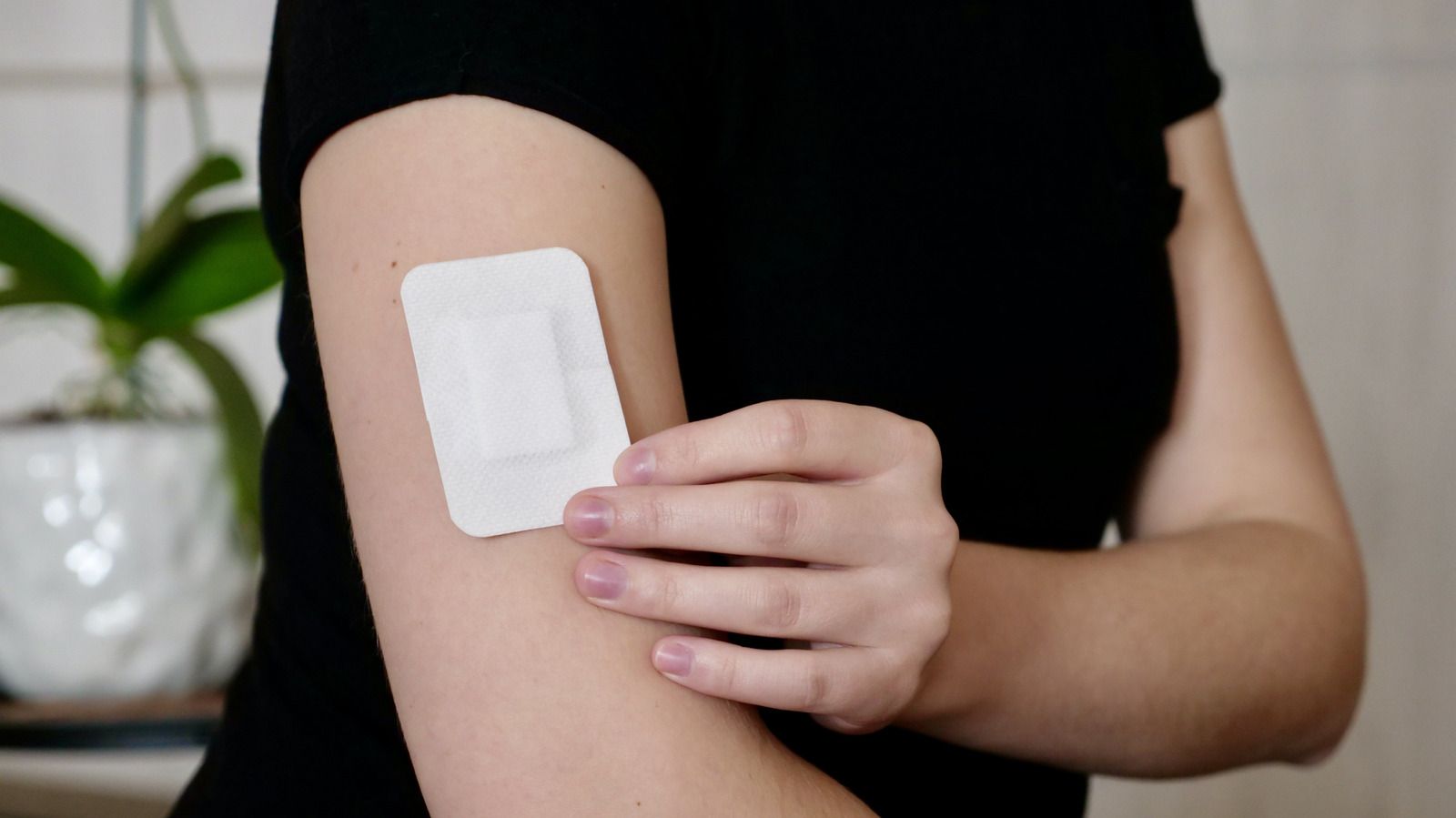
Researchers have developed a novel wearable patch that could offer a non-invasive treatment for melanoma, a type of skin cancer. This innovative patch utilizes sunlight to release copper ions that target melanoma cells, eliminating the need for surgery, needles, or radiation. The patch, only 230 micrometers thick, can stretch to 184% of its original length to fit various body areas. Although still in early research stages and not yet approved for human use, this development could significantly impact melanoma treatment.
The patch comprises three main components: a porous graphene layer, copper oxide, and polydimethylsiloxane. The graphene layer, created using a laser on the patch's plastic material, converts light into heat. Embedded copper oxide releases copper ions when heated, while polydimethylsiloxane ensures the patch conforms to the skin.
This technology employs photothermal therapy, where light is converted into heat to stress and kill cancer cells. The patch maintains a controlled temperature to avoid harming the wearer. The copper oxide further aids in cell destruction by providing excess copper to the cancer cells.
Beyond killing melanoma cells, the patch induces the release of damage-associated molecular patterns (DAMPs) from damaged tumors. These DAMPs can signal the immune system to mount a broader antitumor response, potentially enhancing the body's ability to fight cancerous tumors.
While promising, this research is currently limited to animal testing. In trials with mice implanted with melanoma, the patch group showed an 80% survival rate after a month, compared to the control group, which did not survive. Future research will involve further animal trials, with successful outcomes potentially leading to human trials.
Notably, these patches have shown reusability up to three times without losing efficacy. This could offer a simple treatment option for melanoma patients in the future, pending further research and trials.
Source: Graphene Feed