UJ researchers design efficient solar material for water treatment
Researchers at the University of Johannesburg fabricated a three-layer nanocomposite photocatalyst (Ti1.33N@BiVO4/GdIn2Se3) incorporating a custom-synthesized MXene, achieving 20× greater electrical conductivity and charge-carrier lifetimes up to 59.5 seconds compared to single-component baselines. The MXene engineering approach demonstrates a pathway for improving charge-carrier retention in 2D carbon-adjacent materials, with direct relevance to MXene-based composite development for energy and environmental applications.
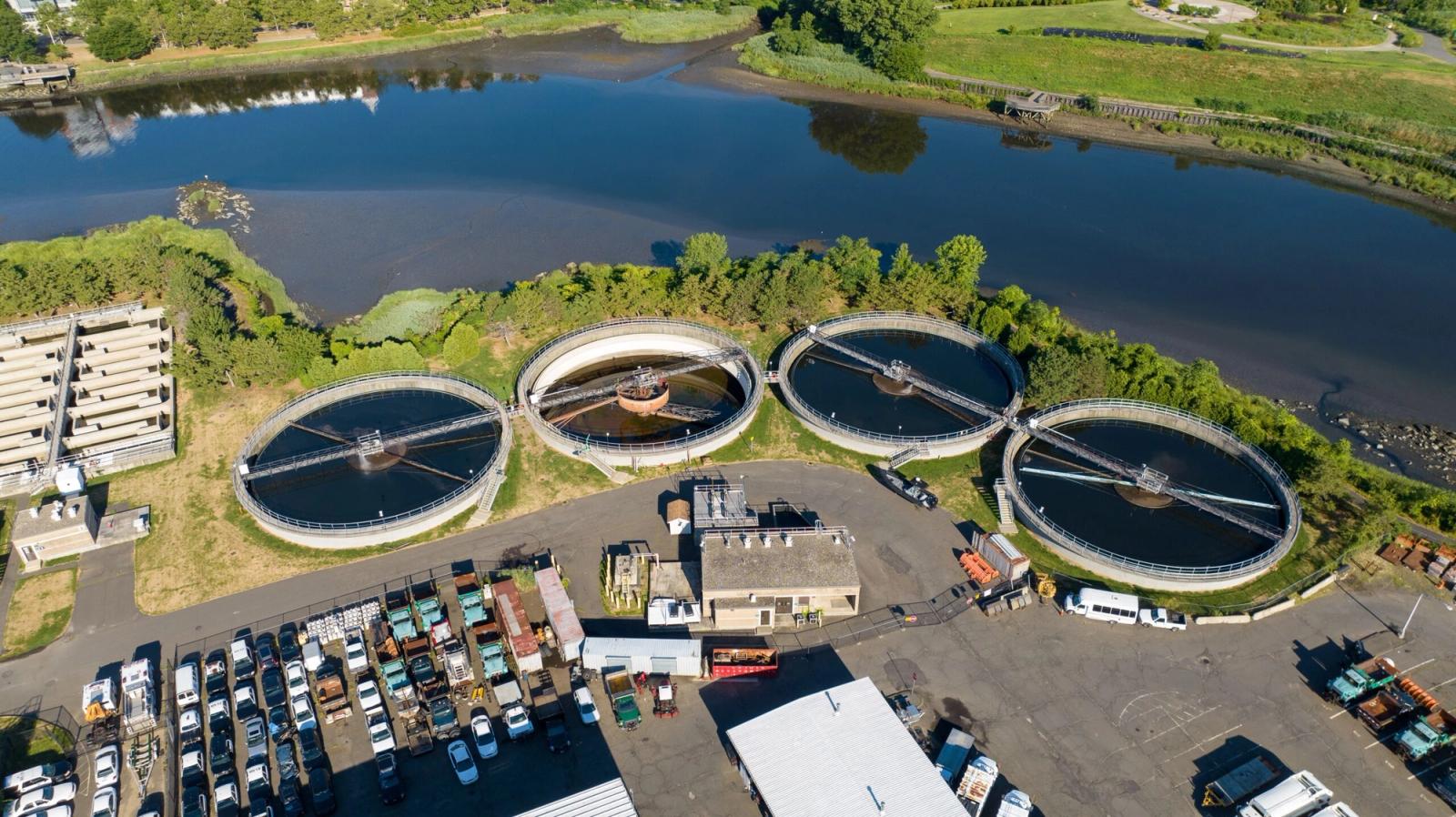
Researchers at the University of Johannesburg have developed a photosensitive material that efficiently utilizes sunlight for potential applications in water purification and hydrogen production. This material, a three-layer nanocomposite, demonstrates enhanced capabilities in performing oxidation and reduction processes, crucial for breaking down pollutants in air and water.
The study, led by Professor Langelihle (Nsika) Dlamini, is a collaboration between the UJ Faculties of Science and Engineering. The research team, including experts from the University of Stellenbosch and UJ, designed and tested this innovative material. The nanocomposite features a custom combination of materials, utilizing the S-Scheme and Schottky Junction mechanisms to optimize electrical flow and light capture.
A key component of the material is Ti1.33N, part of the emerging MXene family of 2D materials. This component significantly enhances the material's electrical conductivity, allowing it to retain energy from light for extended periods. The three-layer structure demonstrates 20 times more electrical conductivity than its individual components, BiVO4 and GdIn2Se3.
Photosensitive materials for water purification and hydrogen production face challenges such as rapid recombination of electrical charges and limited use of the solar spectrum. The new material addresses these issues by maintaining energy for longer durations, potentially enabling industrial-scale applications.
The research team is now focused on developing a light-driven reactor using this material for laboratory-scale water purification. While harnessing solar energy for large-scale water purification remains a future goal, this study marks a promising advancement towards more efficient and economical solutions for treating polluted water sources.
Source: MXenes