News18 September 2026· MXenes
New process for making MXenes via vapor-phase synthesis could expand its applications
MXenesElectronicsEMI ShieldingMembranes & FiltrationOptoelectronicsResearch & InnovationSustainabilitySupply Chain
15 articles on MXenes.
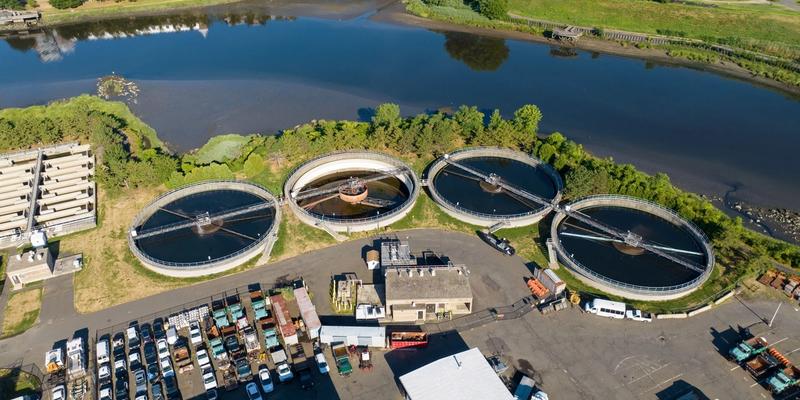
Researchers have developed a vapor-phase synthesis method to produce MXene nanomaterials, potentially reducing costs and improving scalability for electronic, environmental, and quantum technology applications.
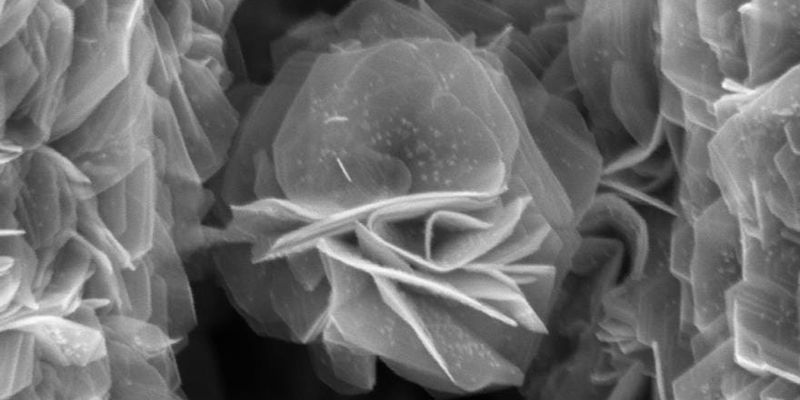
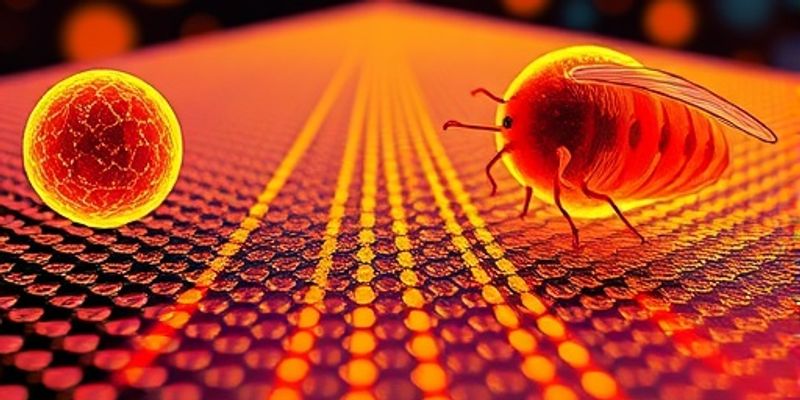
Researchers have created a design for a terahertz metasurface biosensor combining graphene and MXene to identify chikungunya.
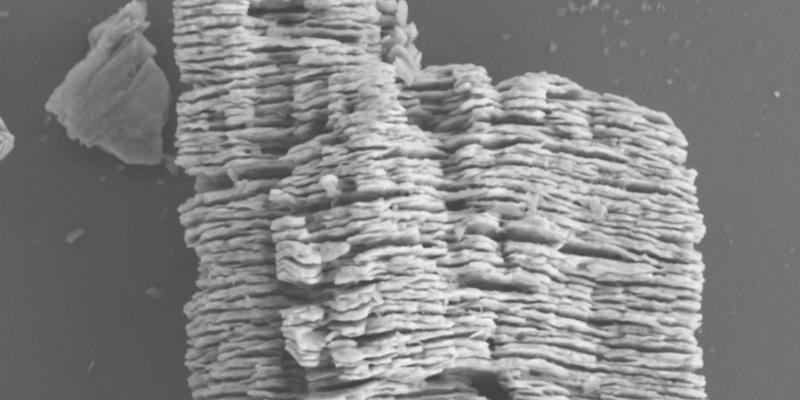
Researchers have significantly advanced MXene-based supercapacitors, particularly with binder-free Ti3C2Tx, since their initial demonstration in 2013.

Researchers at TU Wien have developed a material combining MXene and gold that uses sunlight and electricity to produce ammonia from nitrate.

Researchers at Zhejiang University developed a new synthesis method to create rare earth MXenes, yielding semiconducting and magnetic properties valuable for future electronics.
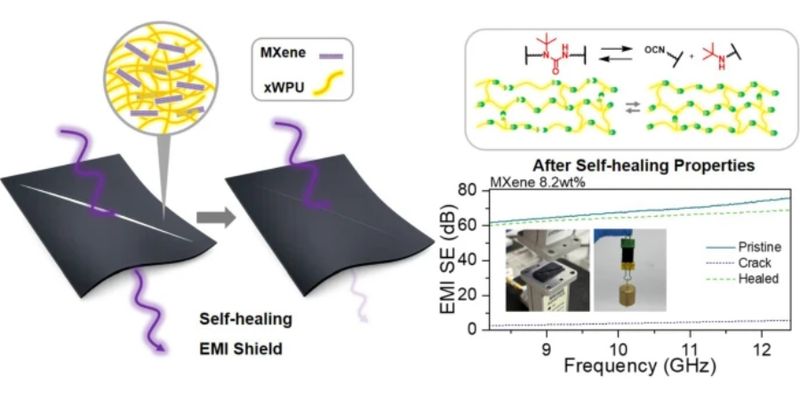
Researchers in South Korea have created a self-healing waterborne polyurethane coating that shields electronics from electromagnetic interference. The coating repairs damage with heat or near-infrared light.
Researchers have developed a straightforward method to produce water-repellent graphene, enhancing its potential applications in various industries.
A review in Nano Research highlights how terminal groups (Tₓ) on MXenes influence their properties and applications, emphasizing their potential for tailored electronic, optical, and mechanical functionalities.
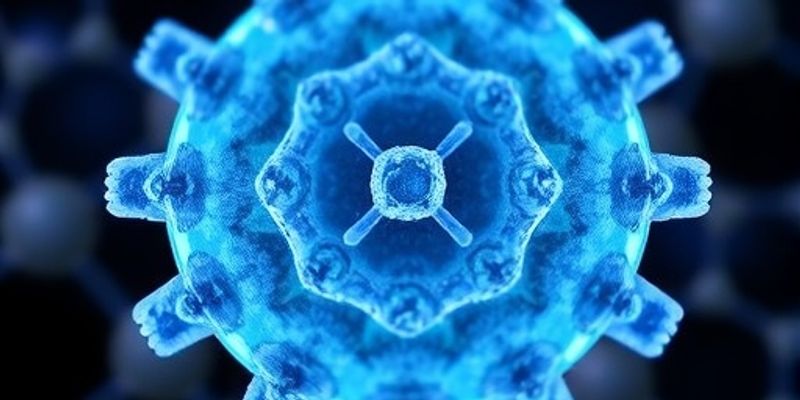
Researchers have created an MXene-based flame retardant for waterborne epoxy coatings, significantly improving fire protection and thermal performance.
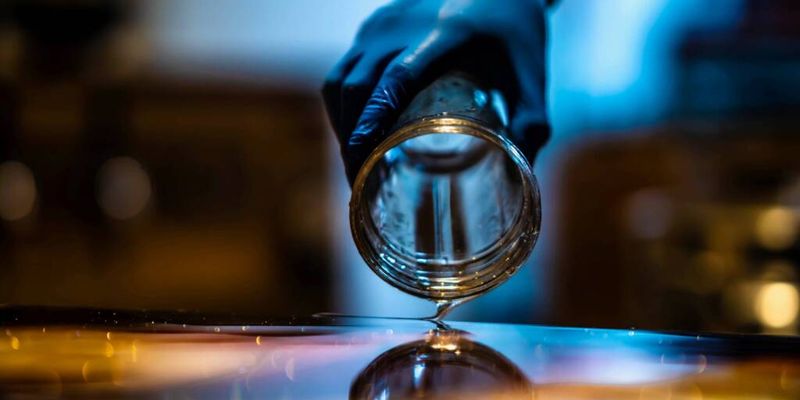
Researchers at Taiyuan University of Technology, led by Sang Shengbo, have developed a multi-responsive MXene actuator capable of programmable complex deformations. This advancement is significant for the development of soft robotics, which can benefit from the unique properties of MXene materials.

Researchers have optimized reduced Ti3C2 MXene to achieve a photothermal conversion efficiency of 91.66% under an 808-nanometer laser. This enhancement in free electron concentration can significantly improve MXene's performance in photothermal applications, potentially impacting fields like energy conversion and thermal management.
Researchers at the Harbin Institute of Technology and the University of Wollongong interfaced MXene flakes onto fibre fabric to create an ultrafast electron transport layer for energy storage.
A review sets out design strategies for MXene-based hybrid architectures in potassium-ion and aluminium-ion batteries, covering the mechanisms that govern their storage performance.
The MXeneCatSus COST Action is a European research network established to engineer MXene-based catalysts—two-dimensional materials made from Earth-abundant elements—for hydrogen generation, CO2 conversion, and nitrogen fixation. The initiative is relevant to advanced carbon materials research as MXenes share structural and functional characteristics with other 2D carbon materials and are being developed as alternatives or complements to graphene in catalytic applications.

Researchers at the University of Johannesburg fabricated a three-layer nanocomposite photocatalyst (Ti1.33N@BiVO4/GdIn2Se3) incorporating a custom-synthesized MXene, achieving 20× greater electrical conductivity and charge-carrier lifetimes up to 59.5 seconds compared to single-component baselines. The MXene engineering approach demonstrates a pathway for improving charge-carrier retention in 2D carbon-adjacent materials, with direct relevance to MXene-based composite development for energy and environmental applications.