Zinc-air battery achieves 98% efficiency and 820-hour lifespan with new graphene catalyst
Researchers in China have developed a fluorinated graphene catalyst that boosts zinc-air battery efficiency to 98% and extends operational life to over 820 hours.
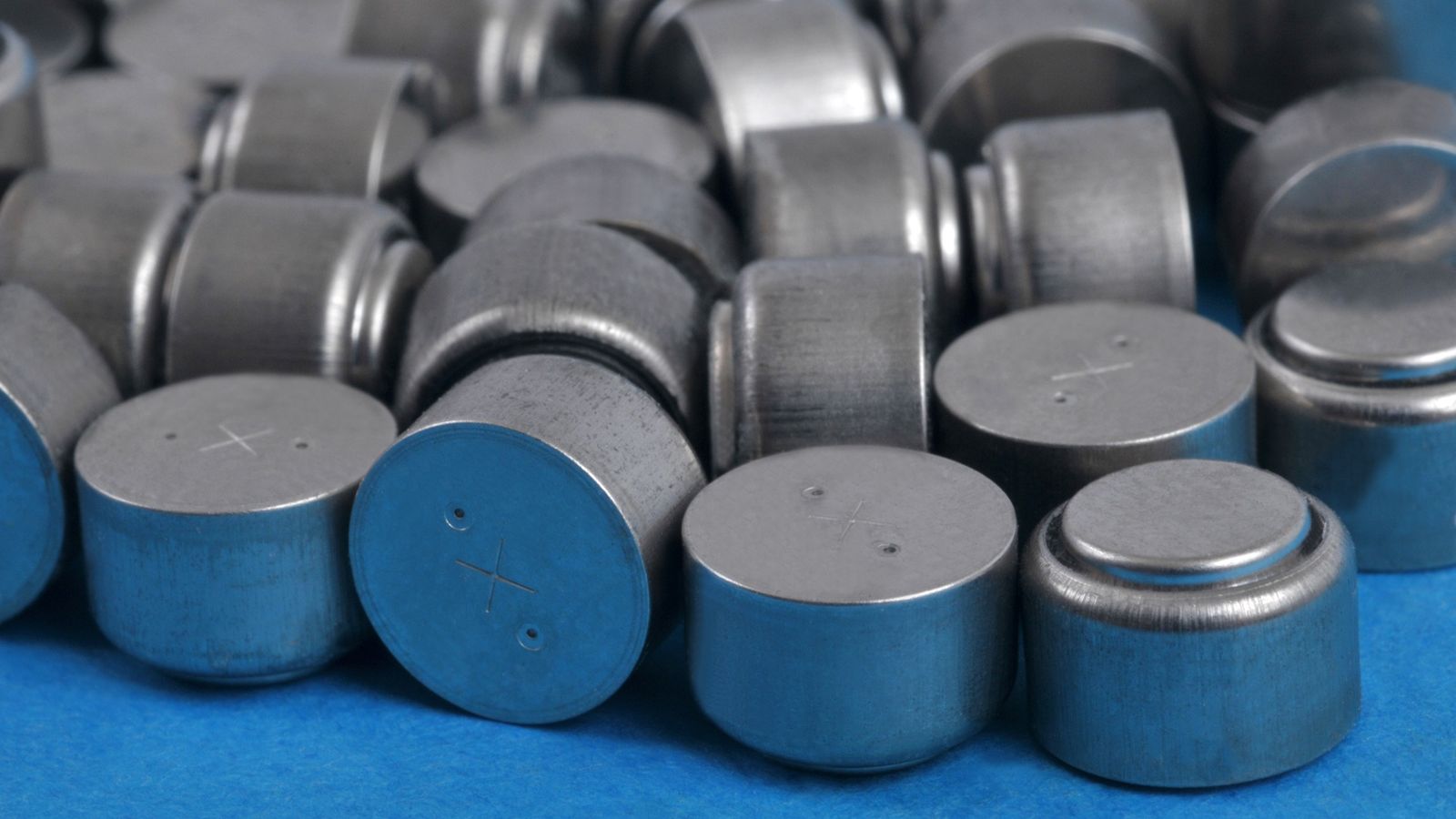
Researchers at the Fujian Institute of Research on the Structure of Matter, part of the Chinese Academy of Sciences, have developed a fluorinated graphene catalyst that significantly enhances the performance of zinc-air batteries. The catalyst, named FG-3, has increased the efficiency of these batteries to approximately 98 percent and extended their operational lifespan to over 820 hours.
The team, led by Dr. Wen Zhenhai and Dr. Huang Junheng, engineered FG-3 with a 3.1 percent fluorine composition. This catalyst improves the efficiency and durability of zinc-air batteries by facilitating a two-electron reaction involving oxygen and hydrogen peroxide, which is more efficient and reversible than previous methods.
Zinc-air batteries are considered a promising alternative to lithium-ion batteries due to their higher energy storage potential and the abundance of zinc. However, their recharging capability has been limited by complex chemical reactions. The new graphene catalyst addresses these challenges, achieving 97.6 percent efficiency after 1,500 charging cycles and maintaining stability in ambient air conditions.
The development process involved a controlled heating technique to adjust fluorine levels in the graphene, resulting in improved electrical conductivity and chemical reaction rates. FG-3 demonstrated superior performance with a large surface area and optimal interaction with electrolytes, enhancing the battery's overall efficiency.
Further testing of the FG-3 catalyst in zinc batteries showed a hydrogen peroxide selectivity of 97.4 percent and a Faradaic efficiency of 98 percent. A non-rechargeable zinc-air battery using this catalyst reached a peak power density of 569 mW cm-2, while the rechargeable version maintained high efficiency across numerous cycles.
The study, published in Angewandte Chemie International Edition, suggests that this innovation could lead to new strategies for developing carbon catalysts without metal reliance, offering substantial improvements in zinc-based battery technologies.
Source: Graphene Feed