96 articles on Energy Generation.
Nova Pangaea Technologies finished testing its biomass process, handling up to three tonnes of softwood residues daily. The company plans to establish its first commercial plant.

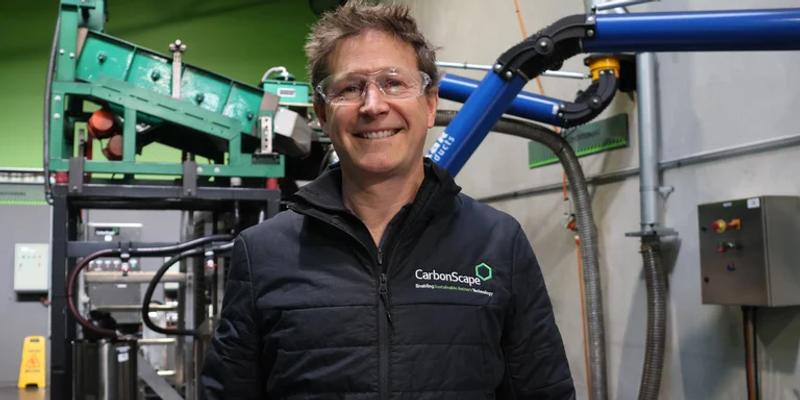
CarbonScape produces high-quality synthetic graphite by recycling materials, reducing reliance on fossil fuels for green energy components.

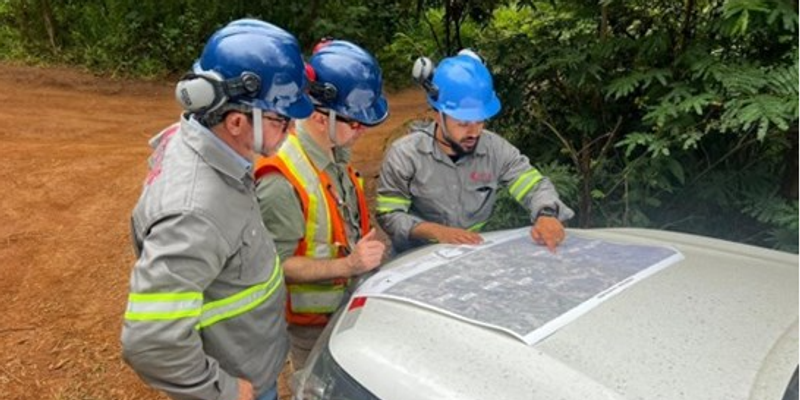
Atlas Critical Minerals Corp. reported 100% success in intersecting graphite mineralization across 20 drill holes in its Minas Gerais, Brazil project, with notable high-grade intervals confirmed by SGS Geosol.

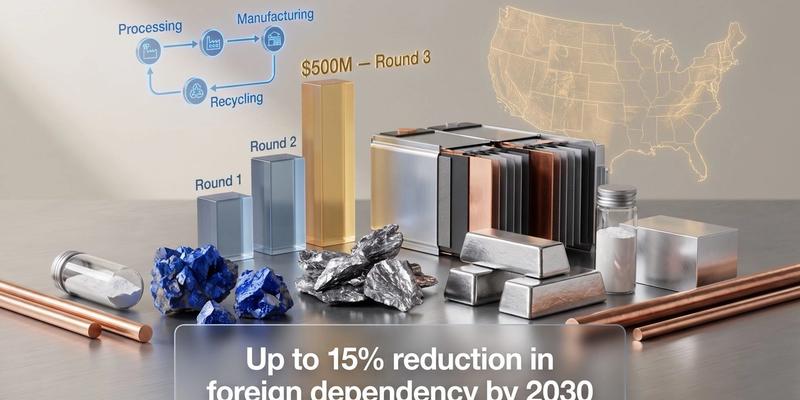
The U.S. Department of Energy has allocated $500 million to strengthen domestic processing and manufacturing of critical battery materials, aiming to reduce foreign supply chain reliance by 15% by 2030.

Researchers at TU Wien have developed a material combining MXene and gold that uses sunlight and electricity to produce ammonia from nitrate.

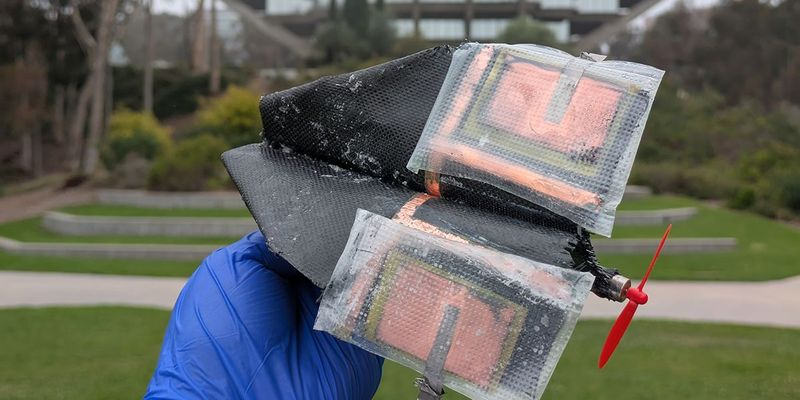
Recycled supercapacitors with carbon-fiber cathodes maintained performance comparable to original devices through initial fabrication and two recycling cycles.

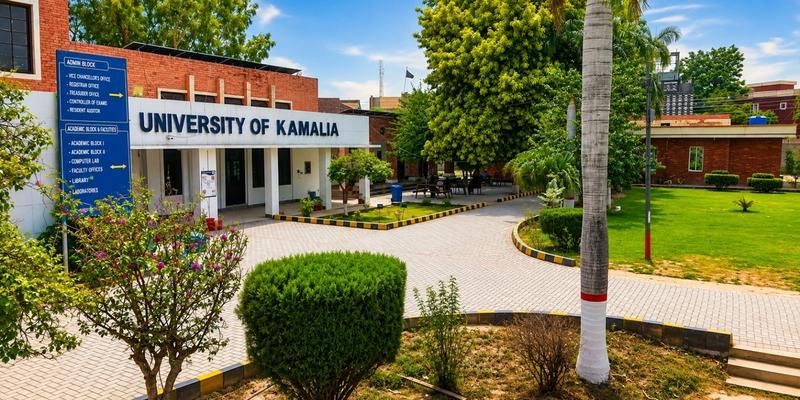
Kamalia University has initiated the SAFER PLUS project to convert agricultural residues into biochar, electricity, and surplus heat using an integrated system.

ABII and IDSurvey are enhancing standards, testing, and certification to meet rising global demand for Indonesian biochar.

Researchers and industry leaders in Jakarta urge converting Palm Oil Mill Effluent into biogas. Indonesia's vast effluent pool remains largely untapped due to a lack of binding regulations.

Aviva is repurposing its gasification facility to produce biochar, generating 12 MW of electricity and around 47,000 carbon-removal units.

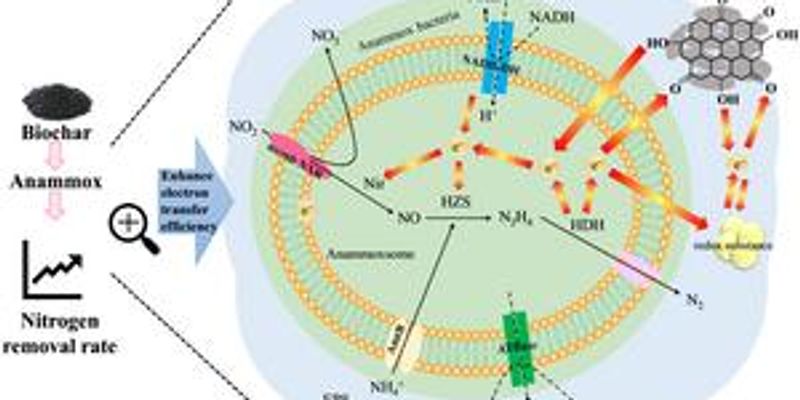
A review indicates that adding biochar to anammox reactors could enhance their efficiency by acting as a conductive interface.

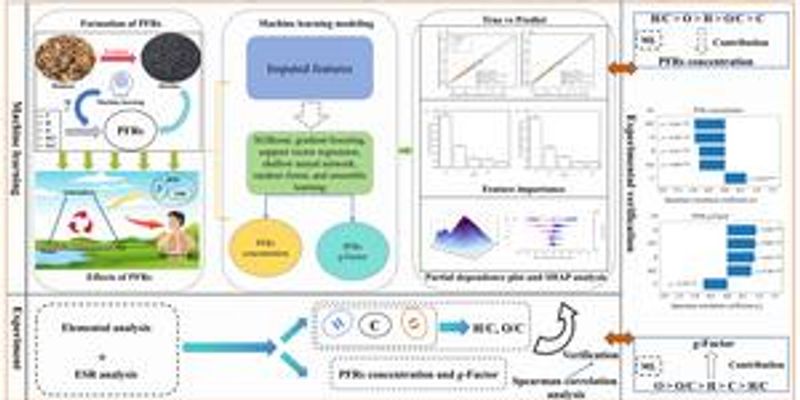
Researchers have used machine learning to predict the concentration of persistent free radicals and g-Factor in lignocellulose-derived biochar based on its elemental composition.
HydroGraph Clean Power Inc. opened its Texas headquarters in Austin, featuring a facility capable of producing 30 tons of pristine graphene annually. Congressman John Carter attended the event.

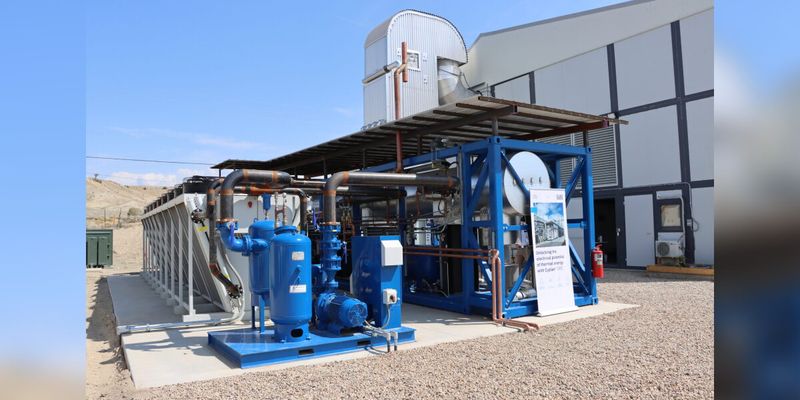
CO2 Sync has opened an emissions-free energy plant in Price, Utah, producing biochar to enhance soil nutrient retention.

Researchers at Zhejiang University developed a new synthesis method to create rare earth MXenes, yielding semiconducting and magnetic properties valuable for future electronics.

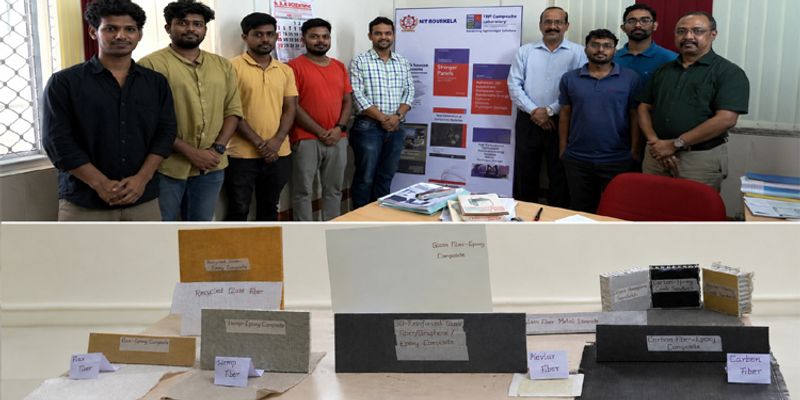
NIT Rourkela has patented a 3D-reinforced composite technology that boosts Fibre-Reinforced Polymer strength and durability, with potential applications in aerospace and automotive industries.
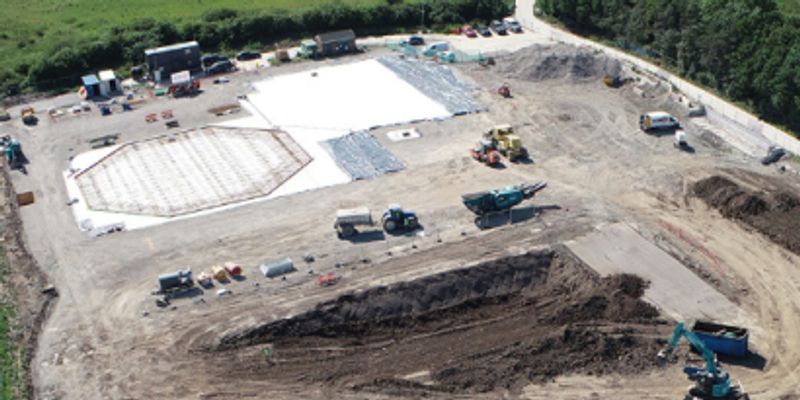
The Ellington anaerobic digestion facility will use 115 tons of Arigna biochar for ground stabilization, aiding carbon offset in construction. Completion is expected in approximately 18 months.

Researchers found that the gas environment during biomass heating significantly impacts biochar quality, alongside temperature.

The North Carolina Department of Environmental Quality awarded $1 million for mobile biochar equipment to convert Hurricane Helene debris into a soil amendment for flood-damaged farmland in Haywood County.
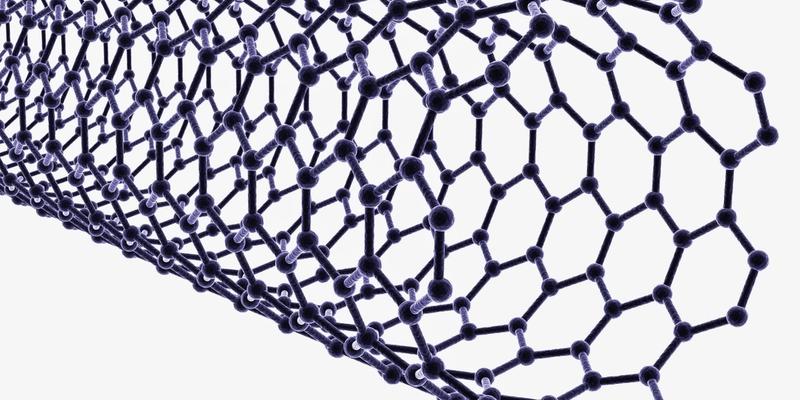
A company led by Cambridge PhD Liu Zhenyu is advancing carbon nanotube materials for lightweight applications.

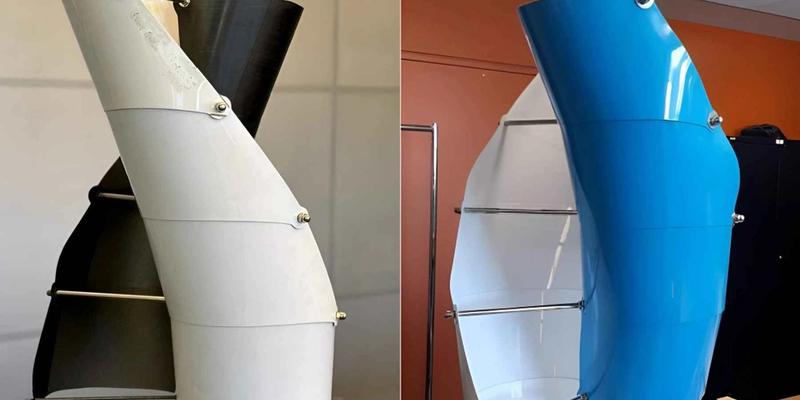
Researchers at Concordia University have created carbon-fiber composite wind turbine blades that are approximately 80% lighter than standard blades.

Penn State researchers are assessing the sustainability of Woodland Biomass Innovations' plan to convert 1,000 tons of wood residues daily into gasoline and biochar in Tioga County, Pennsylvania.

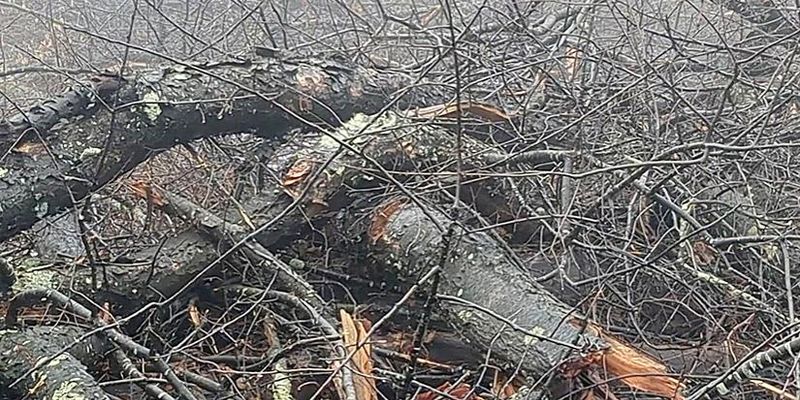
Himachal Pradesh has launched India's first indigenous biochar plant, processing 1.5 tonnes of pine needles daily to combat forest fires and climate change.
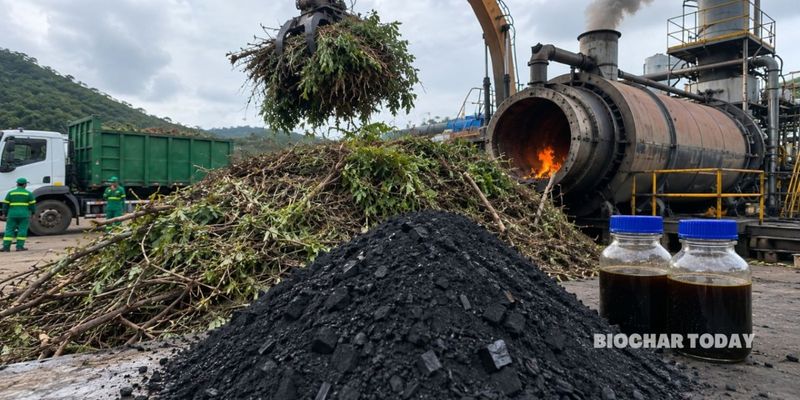
CCI BioEnergy has secured a contract to supply equipment for the Disco Road Organics Processing Facility in Toronto.

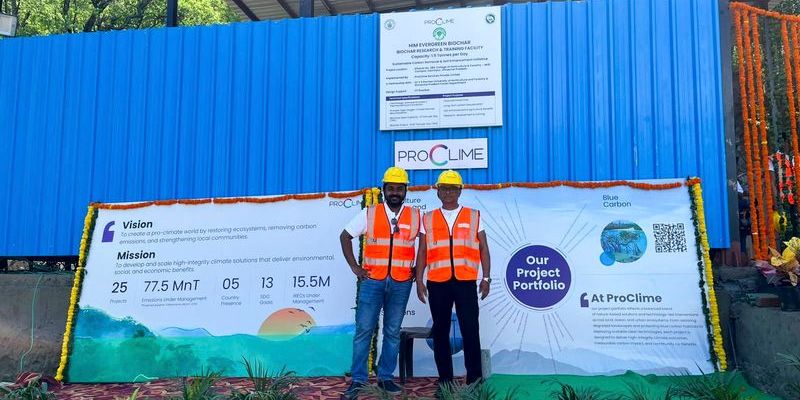
A new Biochar Research and Training Facility with a 1.5-ton daily processing capacity opened at Y.S. Parmar University in Himachal Pradesh to address forest fire hazards.
Himadri Specialty Chemicals will establish India's first carbon nanotube production facility at its West Bengal complex, with an initial capacity of 200 tons per year, starting commercial production by FY2027.

Argo Graphene Solutions Corp. secured a 10-year exclusive license from Grapherry, Inc. for its STREAM graphene production technology, issuing 2.5 million shares and 5.5 million warrants.

Helmholtz-Zentrum Berlin, Universität Potsdam, and Empa developed a solar cell with 27.3% efficiency using a graphene oxide and self-assembled monolayer bilayer, targeting 30% efficiency.

Lyten showcased its 3D graphene technology and high-temperature adhesives, emphasizing their applications in AI data centers.
Vietnamese researchers are producing biochar and charcoal pellets from durian peels to reduce waste and increase the value of agricultural byproducts.

Vink Chemicals and pyropower GmbH celebrated the topping-out of a new biochar power plant in Schwerin, Germany, designed to supply energy to Vink's production site.

Researchers at Punjab Agricultural University review biochar's production routes and its use across environmental remediation, energy and catalysis, mapping how its physicochemical properties drive each application.

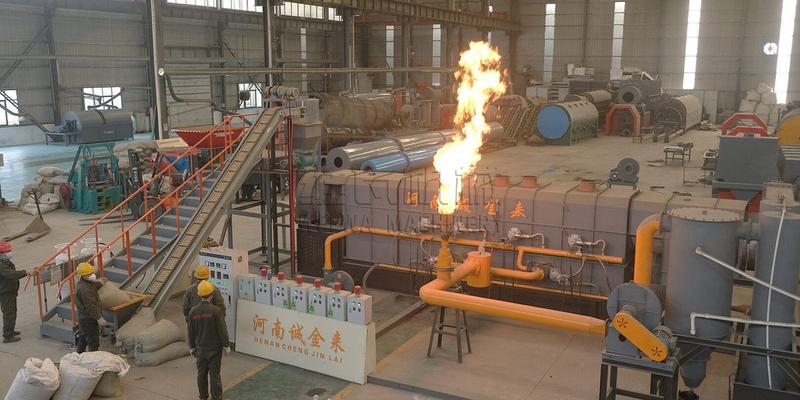
Weiwa Machinery shipped a continuous carbonization furnace to Pakistan, designed for high-capacity biochar production from local agricultural residues like coconut shells and rice husks.

India's first 120-ton-per-annum carbon fibre demonstration plant is being established in Amravati.

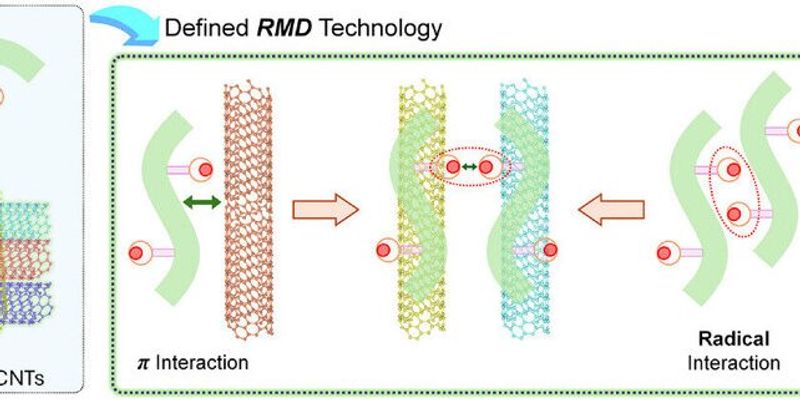
Researchers at Queensland University of Technology used a small molecule to stop single-walled carbon nanotubes clumping, achieving record heat-to-electricity conversion in a problem that had stalled the field for two decades.

Researchers at the University of Arizona demonstrated that graphene nanoribbons can withstand gamma radiation, suggesting their potential use as radiation sensors in fusion reactors and deep space applications.

Graphene Manufacturing Group Ltd signed an exclusive MOU with Alstom to develop graphene products for rail HVAC systems.

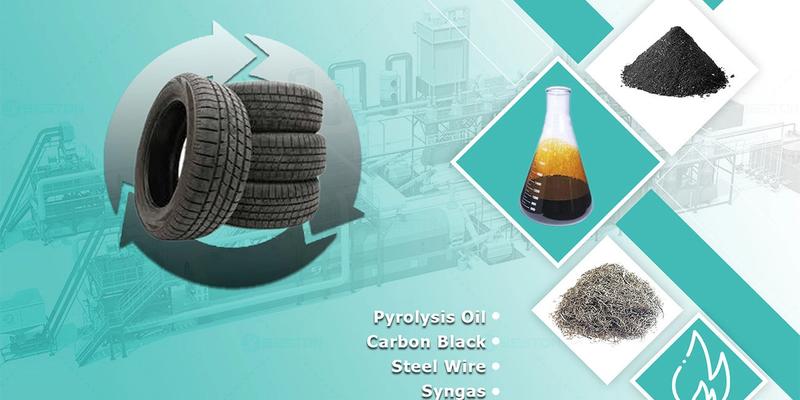
Operators can boost profits from tire pyrolysis by refining oil and carbon black into higher-value products. Upgraded materials meet industrial standards, attracting stable buyers and better margins.

Researchers have shown that graphene nanoribbons may enhance semiconductor technologies, benefiting applications in fusion energy and space environments.

Researchers at Concordia University have developed a method to shape carbon fiber wind blades without molds by curing flat carbon-fiber plies that curve upon cooling.

Eramet and the Gabonese Republic signed a memorandum to develop a biochar production sector using forestry by-products. An industrial seed fund "Made in Gabon" will also be launched.

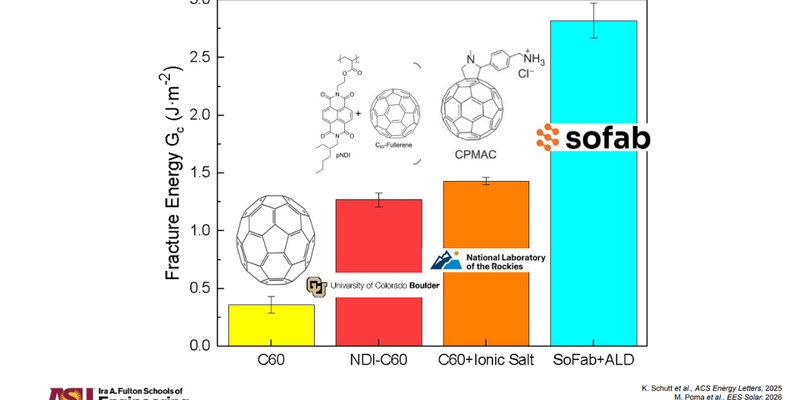
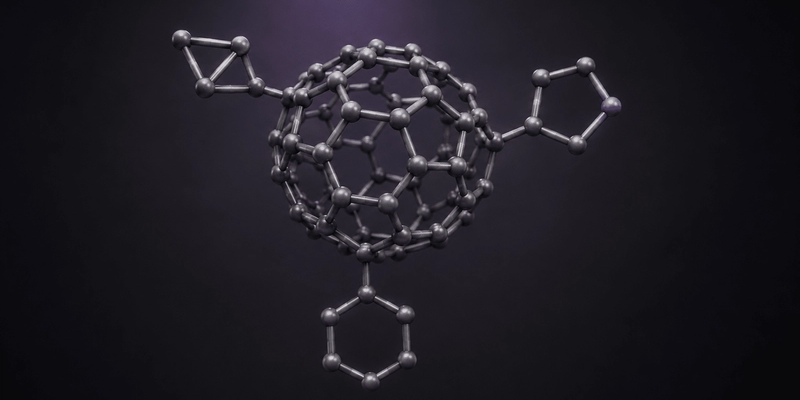
Bingel, Prato and Diels-Alder reactions each attach different groups to the C60 cage, changing solubility, electronic behaviour and how the fullerene organises with neighbouring molecules.

Researchers at the World Resources Institute report that current global CO₂ removal capacity is insufficient to meet the 2030 target of one billion tonnes, with technologies like Direct Air Capture and biochar facing high costs and scalability challenges. This shortfall impacts the advanced carbon materials sector, as these technologies are crucial for achieving net-negative emissions and supporting the sustainable use of biochar and other carbon-based solutions.

Researchers at Penn State have developed a battery-free solar computing chip that integrates silicon photovoltaics, MoS₂/WSe₂ complementary logic, and graphene chemical sensors. This innovation highlights the potential of graphene in enhancing the efficiency and functionality of solar-powered computing devices.

Researchers at Helmholtz-Zentrum Berlin have developed a new perovskite solar cell by incorporating graphene, enhancing its durability and efficiency. This advancement in perovskite technology could significantly reduce production costs and improve the performance of solar cells, potentially increasing the adoption of lightweight, flexible solar solutions over traditional silicon-based panels.

A report on biochar plants in Rajasthan indicates that UV treatment effectively maintains faecal coliform levels within permissible limits in treated liquids at most sites. This is significant for the biochar sector as it highlights the potential of biochar to be used in wastewater management while addressing environmental safety concerns.

Nex Cap Energy has identified key industries that benefit most from graphene supercapacitors, highlighting sectors such as telecommunications, electric vehicle fleets, solar, and marine applications. This development underscores the potential of graphene in enhancing energy storage solutions across diverse fields.

The Government of Québec has announced its Plan de gestion intégrée des ressources énergétiques (PGIRE), committing $87 billion over 25 years to boost renewable energy, including forest bioenergy. This investment could significantly advance the production of renewable natural gas and biocarbon, both critical for decarbonizing industries reliant on carbon-based fuels.
Hina Battery is establishing a 2 GWh sodium-ion battery production line in Wuhan to support commercial transport and cargo operations along the Yangtze River. This development is significant as it leverages local carbon resources to reduce reliance on imported lithium, ensuring stable battery supply for heavy-duty vehicles.

Valency International has opened Africa's first large-scale biochar plant using cashew nut shells in Côte d'Ivoire. This development could enhance the production of biochar, a carbon-rich material, from agricultural waste, promoting sustainable practices in the region.

Researchers at the Helmholtz-Zentrum Berlin, along with collaborators, have developed a perovskite solar cell with a graphene-oxide interface that achieves 27.3% power conversion efficiency and maintains over 90% of this efficiency after 770 hours of operation. This advancement addresses the stability issues in all-perovskite triple-junction cells, potentially paving the way for more durable and efficient solar technologies using carbon-based materials like graphene.

Researchers at UCLA have developed new graphene supercapacitors capable of storing significantly larger amounts of energy than existing models. This advancement could enhance the performance and efficiency of energy storage systems, impacting sectors that rely on advanced carbon materials like graphene.
Researchers at the National Research and Innovation Agency have developed biobriquettes from ginger rhizome waste, offering an alternative energy source. This innovation not only reduces environmental pollution from ginger waste but also supports the clean energy transition by utilizing biochar derived from lignocellulose-rich materials.

Researchers at Helmholtz-Zentrum Berlin built a perovskite triple-junction solar cell reaching 27.3% efficiency with no measurable degradation over 770 hours of operation.

Researchers at the Institute of Environment under the Hefei Comprehensive National Science Center have developed a technology for large-scale biochar production from agricultural and forestry biomass, capable of producing over 50,000 tonnes annually. This advancement in biochar technology supports environmental sustainability by transforming agricultural waste into a high-value carbon-rich material, with applications in soil enhancement, energy storage, and more.
BrandName has introduced a continuous bamboo pyrolysis machine designed to convert waste bamboo materials into biochar. This development is significant for the biochar sector as it offers a sustainable method to recycle flue gas as heating fuel, enhancing the efficiency and environmental impact of biochar production.

Researchers at City University of Hong Kong reached 20.5% power conversion efficiency in an organic solar cell by recovering normally non-emissive triplet excitons as extractable charge carriers.

The Government of Himachal Pradesh, in collaboration with Dr Y.S. Parmar University of Horticulture and Forestry and ProClime Services Private Limited, has launched India's first indigenous biochar project in Hamirpur district, aiming to convert forest biomass into biochar to reduce fire risks and generate carbon credits. This initiative is significant for the advanced carbon materials sector as it transforms waste biomass into biochar, a stable carbon-rich material, thereby contributing to carbon sequestration and offering a sustainable model for forest management and rural livelihoods.

Graphene Manufacturing Group Ltd. (GMG) has successfully commenced operations of its second-generation graphene production facility in Brisbane, Queensland. This development enhances GMG's capacity to supply high-quality graphene, potentially benefiting industries reliant on advanced carbon materials.

India has launched the National Critical Mineral Mission with a budget of 343 billion rupees to boost domestic graphite mining and reduce import dependency by 2031. This initiative is crucial for securing a stable supply of graphite, an essential material for electric vehicle batteries and other clean energy technologies, as India aims to meet its ambitious climate goals.

Innofibre is collaborating with PyroGenesis to convert biomass into syngas, focusing on the development and commercialization of bio-based products. This collaboration is significant for the advanced carbon materials sector as it enhances the production and application of biochar, a valuable carbon material.

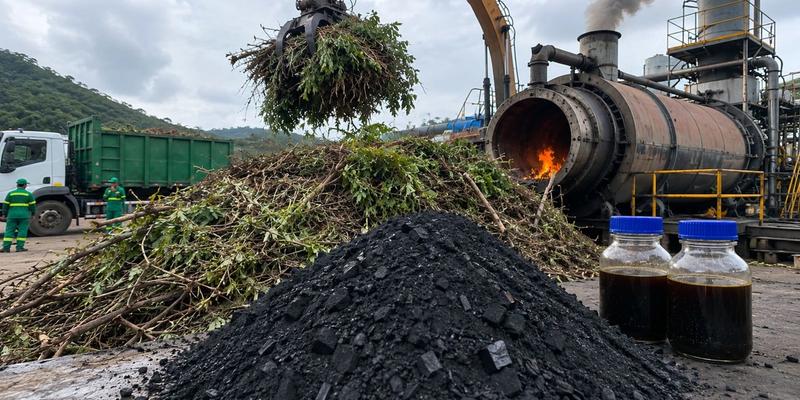
The International Virtual Institute of Global Changes and COMLURB have converted approximately one ton of urban tree trimmings in Rio de Janeiro into 300 kilograms of biochar and pyrolytic oil using pyrolysis. This initiative transforms municipal green waste into valuable resources for soil improvement and energy research, highlighting a sustainable approach to waste management in the carbon materials sector.

ZNShine Solar has partnered with Solmais to expand the distribution of its photovoltaic modules across Brazil, leveraging Solmais' extensive network. This collaboration is notable for the integration of ZNShine's patented graphene technology, which enhances the efficiency and durability of solar panels.

Researchers at Tohoku University have developed a graphene-based interlayer for lithium-sulfur batteries that maintains capacity over 1,000 charge-discharge cycles. This advancement addresses the polysulfide shuttle effect, enhancing the lifespan and efficiency of lithium-sulfur batteries, which are seen as a promising alternative to lithium-ion technology due to their higher energy storage potential.

Researchers at MIT have discovered that rhombohedral graphene can host multiple superconducting states simultaneously, with some states becoming stronger under magnetic fields. This finding is significant for advanced carbon materials as it reveals new possibilities for manipulating graphene's superconducting properties, which could impact quantum computing and other technologies relying on superconductivity.

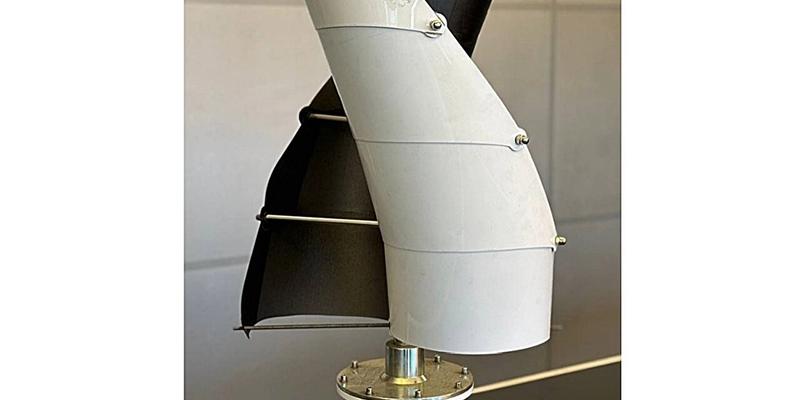
Researchers at Concordia University have developed a 4D-printing method to create curved blades for vertical-axis wind turbines from flat carbon-fibre composite panels, resulting in blades that weigh 80% less than commercial aluminum blades. This advancement could significantly reduce manufacturing costs and promote the use of lightweight carbon-fibre composites in renewable energy systems.

TCMC has launched Carbonix Materials to develop a U.S. supply chain for graphene. This initiative aims to enhance the availability and integration of graphene in advanced carbon materials, particularly benefiting applications in composites and electronics.
Researchers at Concordia University have developed a 4D-printing method for carbon-fibre composite panels that makes small vertical-axis wind turbine blades lighter, cheaper and easier to produce.

Researchers chemically restructured terpene molecules from pine resin rosin to make high-quality bulk graphite, overcoming a longstanding limitation of biomass-derived carbon precursors.

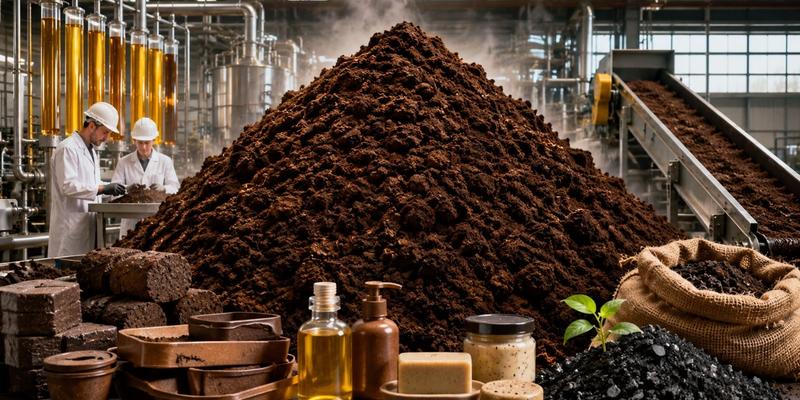
Coffee!Up in the Czech Republic is transforming used coffee grounds into products like natural soap, coffee oil, biomass, and biochar, as highlighted by the European Commission. This initiative is significant for the advanced carbon materials sector because it demonstrates the potential for waste coffee grounds to be converted into valuable materials such as biochar, which can improve soil health and contribute to carbon sequestration efforts.

W&nergy and Enerfip in France have launched a crowdfunding campaign to finance the conversion of local biomass into renewable syngas and high-stability biochar. This initiative could enhance biochar production, which is valued for its potential to improve soil health and sequester carbon.

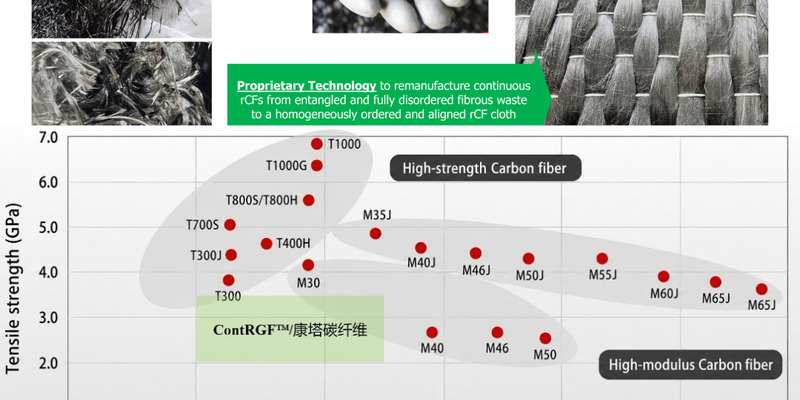
CCIC and UNNC have introduced a recycled carbon fiber manufacturing platform at the SAMPE China 2026 Conference, addressing four major industry challenges including extreme energy use. This innovation is significant for the carbon fiber reinforced polymer (CFRP) sector as it promises to reduce costs and carbon emissions associated with production.

Researchers at the International Virtual Institute of Global Changes, COPPE/UFRJ, in partnership with COMLURB, have converted one ton of urban pruning waste in Rio de Janeiro into approximately 300 kilos of biochar and pyrolytic oil. This initiative demonstrates the potential of using urban plant waste as a raw material for producing carbon-rich biochar, which can be used as a soil conditioner and for carbon storage, contributing to sustainable waste management and decarbonization efforts.

Researchers at the Vietnam Academy of Science and Technology have developed a sensor electrode using a composite material of graphene, carbon nanotubes (CNTs), and gold nanoparticles that can detect pesticide residues at concentrations as low as parts per billion (ppb). This advancement is significant for the field of advanced carbon materials as it enhances the sensitivity and functionality of sensors, contributing to improved agricultural product monitoring and food safety.

Ant Studio in Noida has designed a sustainable home for Kamran Haider using green cement and biochar to offset carbon emissions. This approach highlights the potential for advanced carbon materials like biochar to enhance sustainability in building design by reducing embodied carbon and improving energy efficiency.

Bakkafrost Scotland showcased its Applecross recirculating aquaculture system (RAS) facility during a visit by Scotland’s marine minister, highlighting its strategy of rearing salmon longer in freshwater conditions. The facility plans to install pyrolysis technology to convert hatchery waste into biochar, aligning with efforts to reduce environmental impact and enhance sustainability in aquaculture.

A hybrid electrode pairing VS2 nanosheets with porous graphitic carbon nitride nanotubes speeds charge transport, improving the rate performance of solid-state supercapacitors.
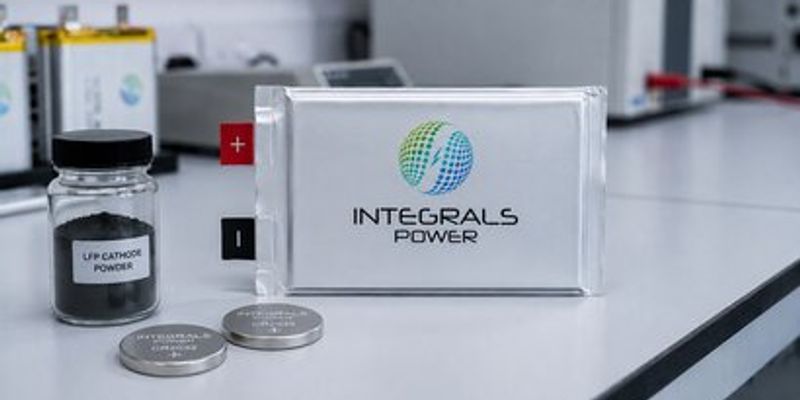
Integrals Power has been selected as the LMFP supplier for the EU-funded OLiMPUS battery project, which aims for mass production in Europe by 2032. This development is significant for the advanced carbon materials sector as it involves synthetic graphite anodes, which are crucial for reducing the carbon footprint and enhancing the sustainability of battery production.

A review published in the journal Biochar highlights the potential of biochar-based porous materials for sustainable uranium capture. This is significant for advanced carbon materials as it suggests a new application for biochar in environmental remediation and resource recovery.

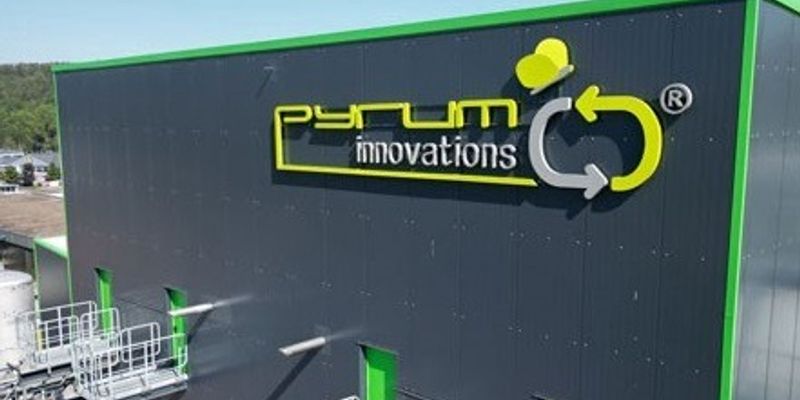
Pyrum Innovations has announced that its tire recycling plant project in Perl-Besch, Germany is back on track following the successful optimisation of its Dillingen facility, which now produces stable recovered carbon black (rCB). This development is crucial for the advanced carbon materials sector as it demonstrates the viability of producing high-quality rCB, a key component for sustainable tire manufacturing and other applications.

Researchers developed a biochar-based catalyst to convert microalgae into cleaner fuels, as reported on June 30, 2026. This advances biochar's role beyond soil amendment into catalytic applications, expanding its relevance within the advanced carbon materials sector.
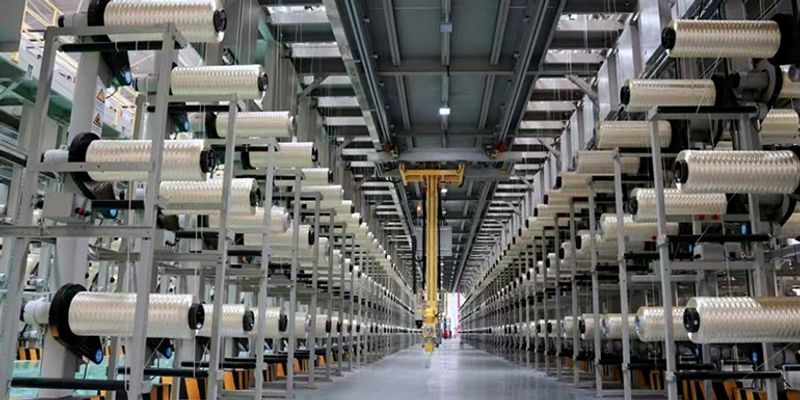
Zhongfu Shenying commissioned three high-performance carbon fiber production lines in Lianyungang, Jiangsu on June 28, comprising a 1,000-ton/year T1100-grade aerospace line, a 5,000-ton/year 48K large-tow line, and a 600-ton/year M40 high-modulus line, as the first phase of a CNY6 billion project targeting 30,000 tons of annual capacity. The lines expand China's domestic supply of high-grade carbon fiber across aerospace, wind energy, hydrogen storage, and EV applications, reducing reliance on foreign sources for critical materials.

Tsinghua University Press awarded the 13th annual Nano Research Award to UCLA professor Xiangfeng Duan, recognized for his work on 2D materials, van der Waals heterostructures, and porous graphene architectures, and to Akira Fujishima of the University of Shanghai for Science and Technology, recognized for discovering the Honda–Fujishima Effect and pioneering TiO₂ photocatalysis. Duan's advances in graphene-based energy storage and 2D material synthesis are directly relevant to the carbon materials sector, while Fujishima's photocatalytic coatings have established commercial applications in surface decontamination and industrial wastewater treatment.

Professor Roman Gorbachev at the University of Manchester received a £1.9 million EPSRC Open Fellowship to lead a five-year project scaling van der Waals 2D material heterostructures from micrometre samples to wafer-scale fabrication using a new ultra-high vacuum platform. The work directly advances graphene and 2D materials manufacturing by targeting industrial-process compatibility and establishing a UK fabrication hub accessible to academic and industry users.

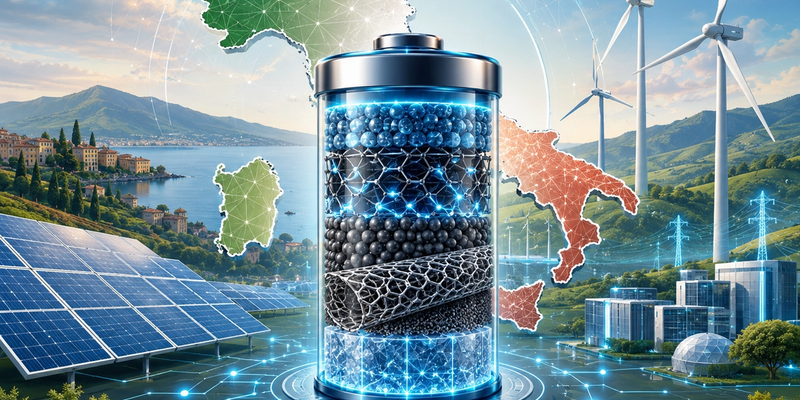
Graphene-based energy storage systems have been reported to reach energy densities up to 650 Wh/kg, compared to 150–250 Wh/kg for conventional lithium-ion batteries, according to a report focused on Italy's renewable energy storage needs. This performance gap highlights graphene's potential role in grid-scale storage applications, a key growth area for the advanced carbon materials sector.

Fullerene C60, a cage-like carbon nanomaterial discovered in 1985, is under active research for applications in organic electronics, photovoltaics, lubricants, coatings, biomedical systems, and perovskite/silicon tandem solar cells. Within the advanced carbon materials sector, C60 occupies a distinct niche from fiber- or graphene-based materials, with its electron-accepting properties and molecular tunability driving continued interest in energy and specialty coating applications.

Researchers at POSTECH in South Korea engineered hollow silicon nanotube structures that reduced thermal conductivity by 70% compared to solid silicon nanowires by trapping phonons at near-room temperature. The approach uses abundant silicon compatible with existing semiconductor manufacturing, offering a potential alternative to rare-material-dependent thermoelectric devices for waste heat recovery in data centers, EV batteries, and industrial facilities.

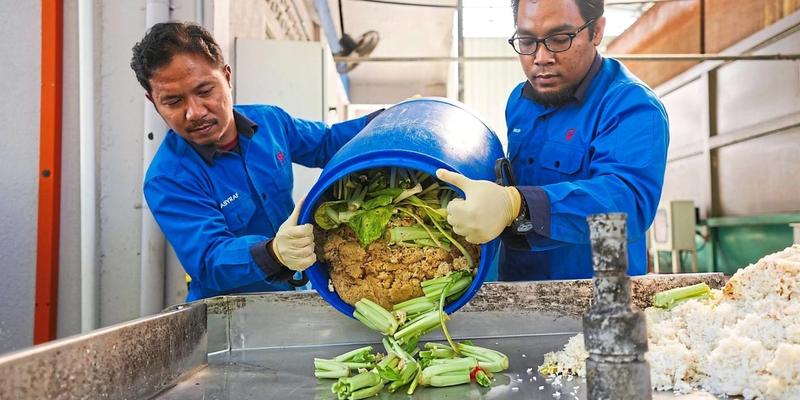
TNB Research has operated an anaerobic digestion and torrefaction pilot facility in Kajang since 2018, processing up to 350kg of food waste daily to produce biogas with 60–65% methane content and 10–30kg of biochar per torrefaction cycle. The biochar output is being evaluated for carbon material applications, soil improvement, and solid fuel enhancement, with data from the pilot intended to inform future scale-up decisions.

BRIN's Molecular Chemistry Research Center used slow pyrolysis to convert empty oil palm fruit bunch waste into bio-oil, liquid smoke, and biochar, with processing times of two to four hours. The process yields biochar as a value-added carbon material and bio-oil containing phenolic compounds usable as industrial boiler fuel or potential fuel additives.

Nanospan commercially launched GalvaShield-G, a graphene-enhanced corrosion inhibitor coating for offshore wind turbine towers and monopile foundations, priced at EUR 18 per litre and produced at its Hyderabad facility at 1,200 tonnes per annum capacity. The product demonstrates a commercial application of graphene in protective coatings for harsh marine environments, with third-party-validated maintenance interval extension from 5 to 12 years supporting the case for graphene's functional value in infrastructure composites.

GraphEnergyTech, the University of Cambridge, Taiwan Perovskite Solar Corporation, and ITRI launched the GETPSC project to develop graphene-based electrodes as a replacement for silver electrodes in perovskite solar cells. The project targets a known barrier to commercial-scale perovskite adoption, with potential secondary applications for GraphEnergyTech's conductive carbon technology in batteries, supercapacitors, and electronics.
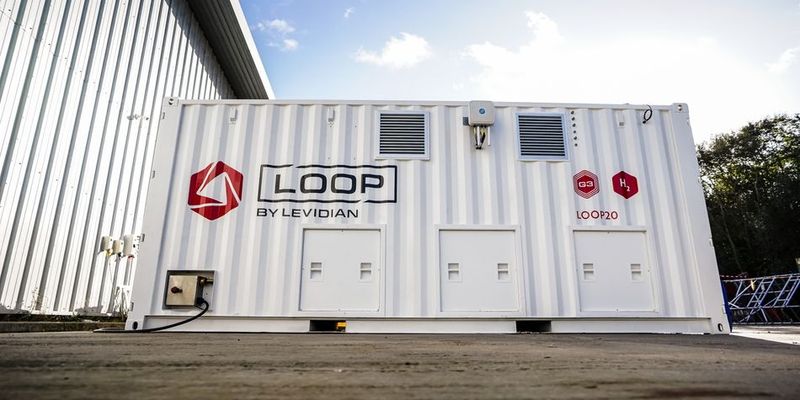
Levidian and Zentek have signed an agreement to explore building a graphene-integrated manufacturing facility in the Middle East, combining Levidian's methane-derived graphene production with Zentek's graphene-enhanced air filters. The deal signals growing regional demand for graphene-enhanced products and positions the Middle East as an emerging hub for graphene manufacturing and deployment across multiple industries.
First Graphene and Halocell Energy, in collaboration with Queensland University of Technology, reported that adding First Graphene's PureGraph graphene product to Halocell's perovskite solar cells raised efficiency to 30.6% and cut production costs by up to 80% by replacing gold and silver conductors via roll-to-roll processing. The result demonstrates a commercial application for graphene as a functional coating material in photovoltaics, with cost and efficiency metrics that could accelerate perovskite cell adoption over conventional silicon.

Researchers developed a 3D porous solar evaporator using recycled carbon fiber combined with a CuO/reduced graphene oxide photothermal layer to improve solar-driven water evaporation performance and salt resistance. The work demonstrates a pathway for valorizing recycled carbon fiber as a functional substrate in graphene-based photothermal composites, linking carbon fiber recycling with emerging solar evaporation applications.
Researchers at Yunnan Normal University and Kunming University of Science and Technology used biomass-derived graphene as a catalyst support to cut iridium loading in oxygen-evolution reaction catalysts for PEM electrolysis while maintaining performance.
First Graphene (ASX:FGR) reported 53% revenue growth in the half to December 2025, pinning its scale-up thesis on construction additives, protective coatings and energy-storage applications.