


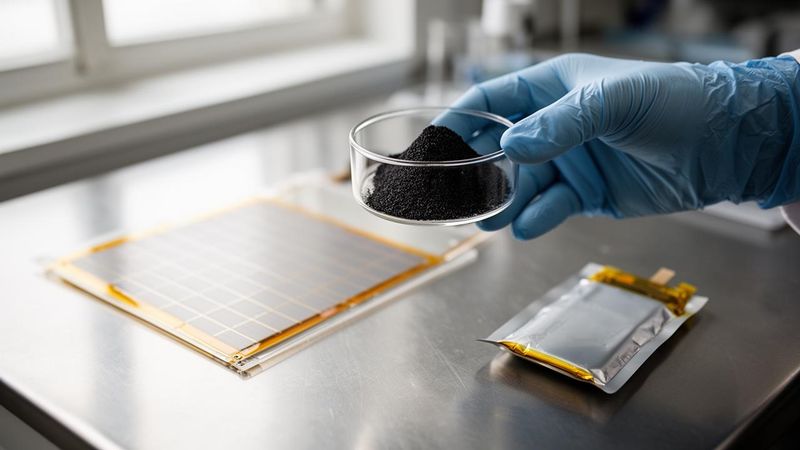
SK On Develops CNT Powder Process to Reduce LFP Costs, Wins Top Prize at Future Event
SK On has created a process to replace costly carbon nanotube paste with powder in LFP battery cathodes, reducing production costs.
Defence, Space and Energy brings the Council standards and verification work to the sectors where advanced carbon materials carry the highest consequences for performance and safety. Carbon fibre and its composites, high-conductivity graphene and carbon nanotubes, and engineered graphite sit inside airframes, satellites, pressure vessels, batteries and power systems, where a material has to do exactly what its specification says.
For these applications the ACC provides the shared classification framework that lets buyers compare materials on a like-for-like basis, an in-person verification programme that qualifies producers against their claims, and independent testing that turns a datasheet into evidence. This is the layer that separates a qualified supplier from an unproven one, and it is increasingly what programme managers and prime contractors require before they design a material in.
The division tracks the standards bodies, supply chains and technology shifts that matter to defence, aerospace and energy engineers, and connects them to the wider ACC network of producers, testing partners and specialists across more than forty verticals. The aim is practical: reduce the risk of adopting an advanced carbon material, and shorten the path from selection to qualification.
Latest coverage
Reporting, analysis and policy the ACC is tracking across the topics and applications most relevant to this division.
SK On has created a process to replace costly carbon nanotube paste with powder in LFP battery cathodes, reducing production costs.
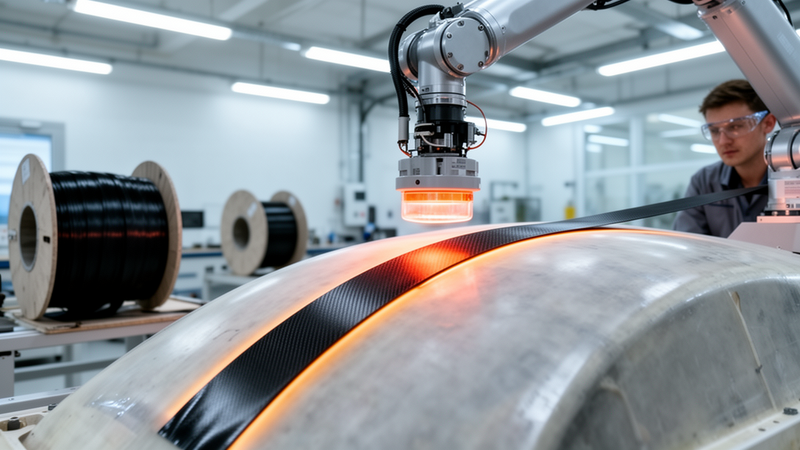
Researchers demonstrated improved mechanical properties in carbon fiber-polycarbonate composites using infrared-assisted automated fiber placement, highlighting its potential for semi-structural applications in aerospace and automotive industries.
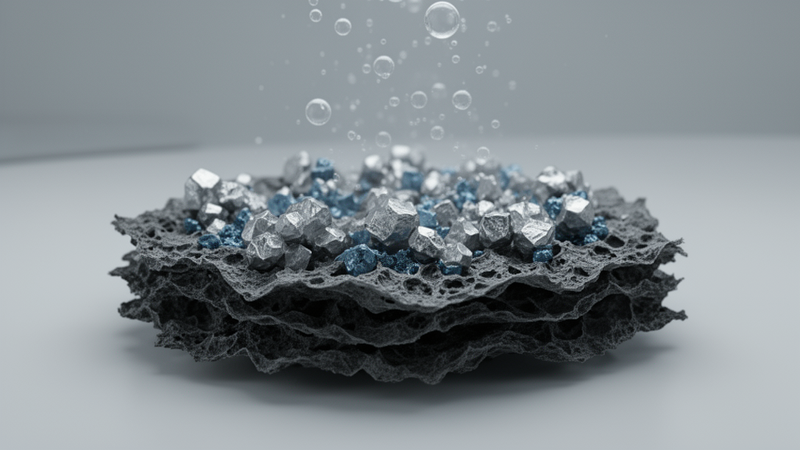
Researchers created a hybrid electrode with nickel cobalt oxide and cadmium oxide on reduced graphene oxide, achieving 2700 coulombs per gram in charge storage for supercapacitors.
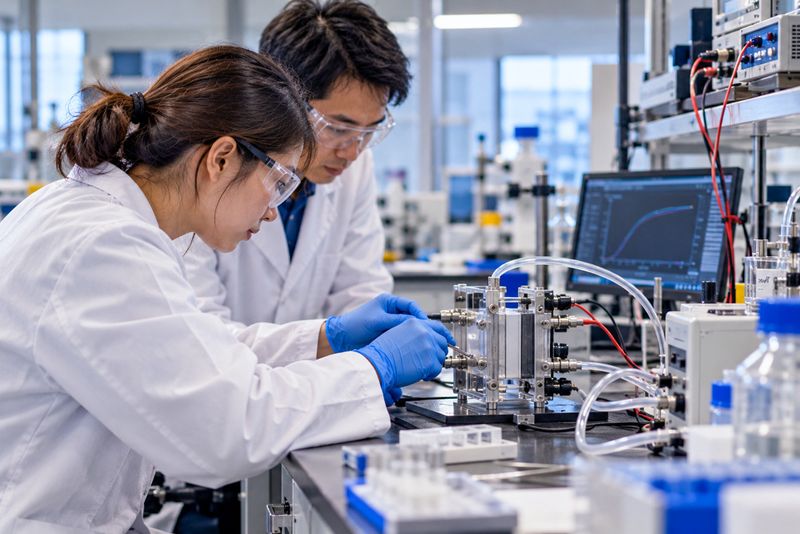
Chinese researchers achieved 98% energy recovery in a rechargeable zinc-air battery using a fluorine-engineered graphene catalyst.
Researchers developed a one-step method to convert CO2 into 3D graphene with a tunable structure, achieving over 200 mAh/g at 150C in lithium-ion battery anodes.
Researchers have developed a thermal defluorination method to create fluorinated graphene, improving zinc-air battery performance.
Researchers in China have developed a fluorinated graphene catalyst that boosts zinc-air battery efficiency to 98% and extends operational life to over 820 hours.
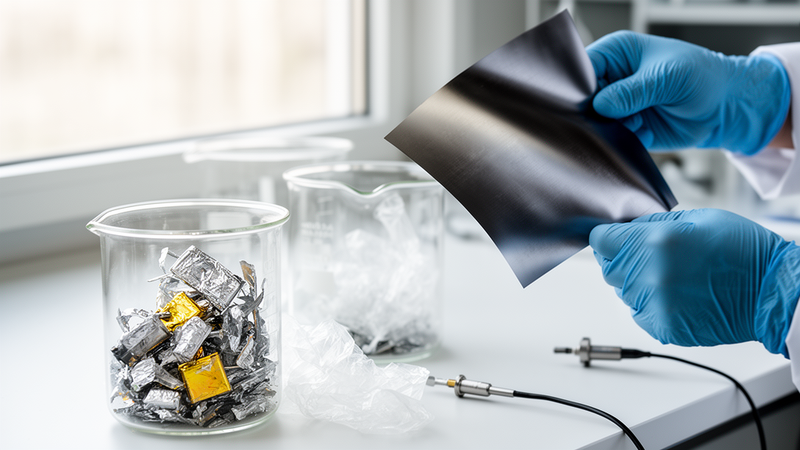
Researchers have developed carbon nanotube structures that can absorb over 99.9999% of microwaves, using waste batteries and plastic as materials.
Researchers have developed closed-form entropy measures for degree-based topological indices in hyper armchair carbon nanotubes.
Tell us which sectors you work in and what you are looking for. The team will respond directly.
Get updates on advanced carbon materials. Choose your interests in the preference centre.
Access market intelligence, standards, and the global carbon materials network.
Become a member