AI predicts biochar's cadmium capture from wastewater with high accuracy
Researchers at Henan University used CatBoost machine learning models to predict cadmium adsorption on biochar with over 94% accuracy.
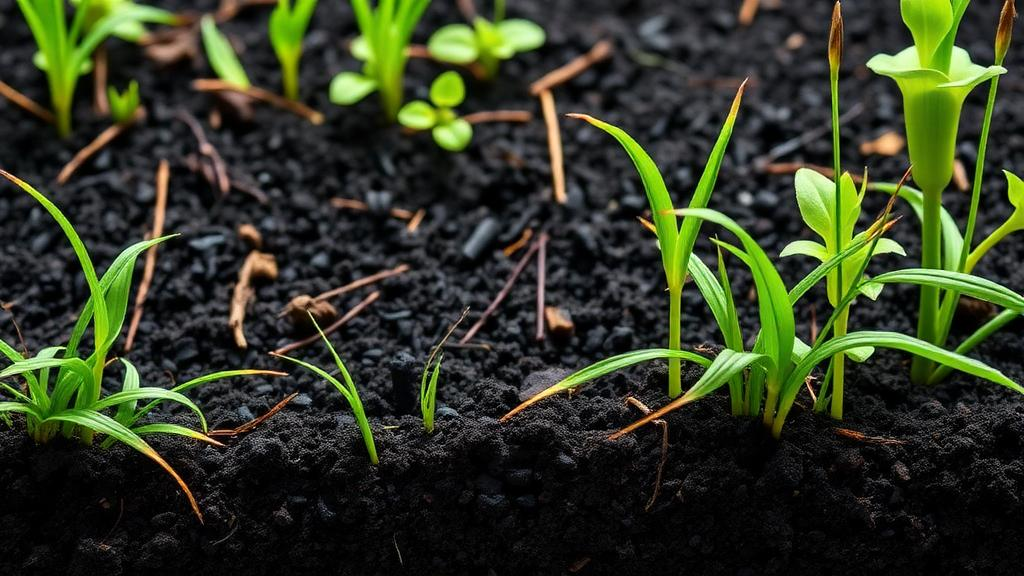
Biochar, a carbon-rich material derived from biomass, is emerging as a key tool in the removal of cadmium from wastewater. Cadmium, a toxic heavy metal, poses significant environmental and health risks, accumulating in human organs and causing severe poisoning incidents. Researchers at Henan University in China have leveraged machine learning to enhance the predictability and efficiency of biochar's cadmium adsorption capabilities, addressing the variability that has long challenged its application.
In a recent study published in the Journal of Materials Science, the research team, including Yangzhou Wang and Yangyang Wang, developed eight tree-based machine learning models to predict cadmium adsorption by biochar. These models, such as random forests and gradient boosting methods, analyze data by creating decision trees. The team compiled a dataset of 1,393 data points from published experiments, detailing biochar properties, testing conditions, and cadmium adsorption outcomes. This comprehensive dataset allows for a more systematic approach to understanding the numerous variables influencing adsorption, such as pore structure, surface chemistry, and solution pH.
Among the models, CatBoost, a gradient boosting machine developed by Yandex, demonstrated superior performance. It achieved an R² value of 0.943, indicating it could explain over 94% of the variance in cadmium adsorption capacity. The model's root mean square error was just 9.44 milligrams per gram, showcasing its precision. This level of accuracy is noteworthy for complex environmental systems where multiple factors can obscure clear predictions.
The study's robustness is further highlighted by its commitment to external validation. The researchers synthesized a novel biochar, K-FM-BC, which was not included in the initial dataset. CatBoost predicted its cadmium adsorption capacity with a deviation of only 3.6% from the actual measured value, demonstrating the model's ability to generalize beyond its training data.
The researchers also conducted a feature importance analysis to identify key factors influencing cadmium capture. Adsorption conditions accounted for 45.6% of the predictive weight, followed by the chemical composition of biochar at 34.6%, physical properties at 17.4%, and pyrolysis conditions at 2.4%. This analysis provides valuable insights for optimizing biochar design, suggesting that the conditions under which biochar is used are more critical than the specifics of its production.
To further understand the model's predictions, the team used interpretability tools like SHAP and partial dependence plots. These analyses identified five critical factors for performance: adsorbent dosage, initial cadmium concentration, average pore size, H/C ratio, and ash content. This information guided the design of the K-FM-BC material, suggesting optimal ranges for pore size and H/C ratio to enhance cadmium adsorption.
Biochar's potential as a sustainable adsorbent is significant, given its production from agricultural waste and other biomass. While previous studies have explored modified biochars for heavy metal capture, the application of machine learning to predict cadmium adsorption is particularly challenging due to the complex interactions in real wastewater. The researchers acknowledge the need for further investigation into the effects of competing ions and diverse raw material characteristics before deploying these models in industrial settings.
This study marks a step forward in environmental materials engineering, where artificial intelligence not only analyzes but also guides material design. The Henan University team's work demonstrates a complete cycle from data collection to predictive modeling and material optimization, paving the way for smarter, more efficient water treatment solutions.
Source: Biochar Feed