AI transforms waste management in Hampton Roads
AMP Robotics has implemented a biochar process at their Hampton Roads facility to manage organic waste. This development is significant for the advanced carbon materials sector as it utilizes biochar, a form of carbon, to enhance waste management and potentially improve soil health.
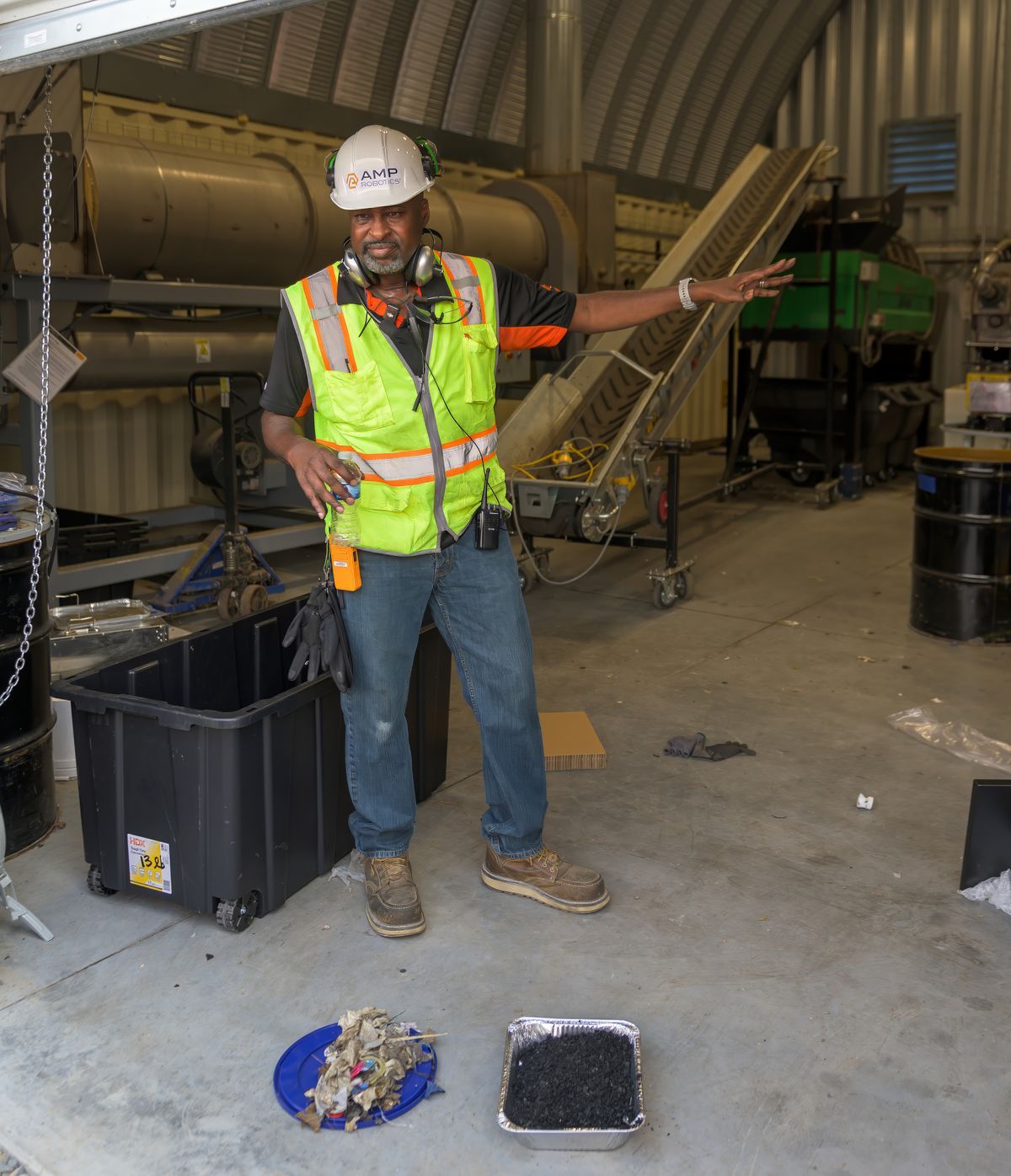
The Southeastern Public Service Authority (SPSA) is transforming recycling in Hampton Roads through advanced technology, with a focus on carbon-rich materials. As of July 1, Suffolk residents can dispose of all waste in a single cart, which is then processed at an AMP Robotics facility in Portsmouth. This facility uses cameras, machine learning, and automated air jets to recover recyclables and organic materials directly from the waste stream.
The Portsmouth facility is part of a 20-year partnership between SPSA and AMP Robotics, marking the first phase of a broader initiative. Upgraded to handle approximately 108,000 tons of municipal solid waste annually, it processes about a quarter of the region's waste. A second, larger facility is under construction and will quadruple capacity by 2029, enabling all eight SPSA member communities to utilize this AI-powered process.
AMP Robotics employs commercially available cameras with proprietary AI software to identify at least 16 different materials. This system allows for efficient sorting without the need for separate infrared cameras for each commodity. The AI identifies materials by size and location, optimizing recovery rates to at least 90%.
A key component of the process is the recovery of organic material, which is converted into biochar through pyrolysis. This carbon-rich product can be used for landfill cover, water filtration, soil improvement, and potentially concrete production. Additionally, it generates carbon credits by storing carbon that would otherwise be released through decomposition.
The upcoming Victory Boulevard facility will streamline operations by consolidating sorting processes under one roof, eliminating the need to transport partially sorted materials. It will also expand processing capacity to approximately 540,000 tons annually, accommodating nearly all municipal solid waste from SPSA's member communities.
According to SPSA Executive Director Dennis Bagley, the technology represents a broader vision of the circular economy, emphasizing the importance of utilizing every piece of waste effectively.
Source: Biochar Feed