Airbus A350 wing assembly involves travel through four countries
Airbus's A350 assembly process involves the carbon fiber-reinforced polymer wings traveling through four countries before completion. This highlights the international collaboration and logistical complexity involved in producing advanced carbon composite materials for aerospace applications.
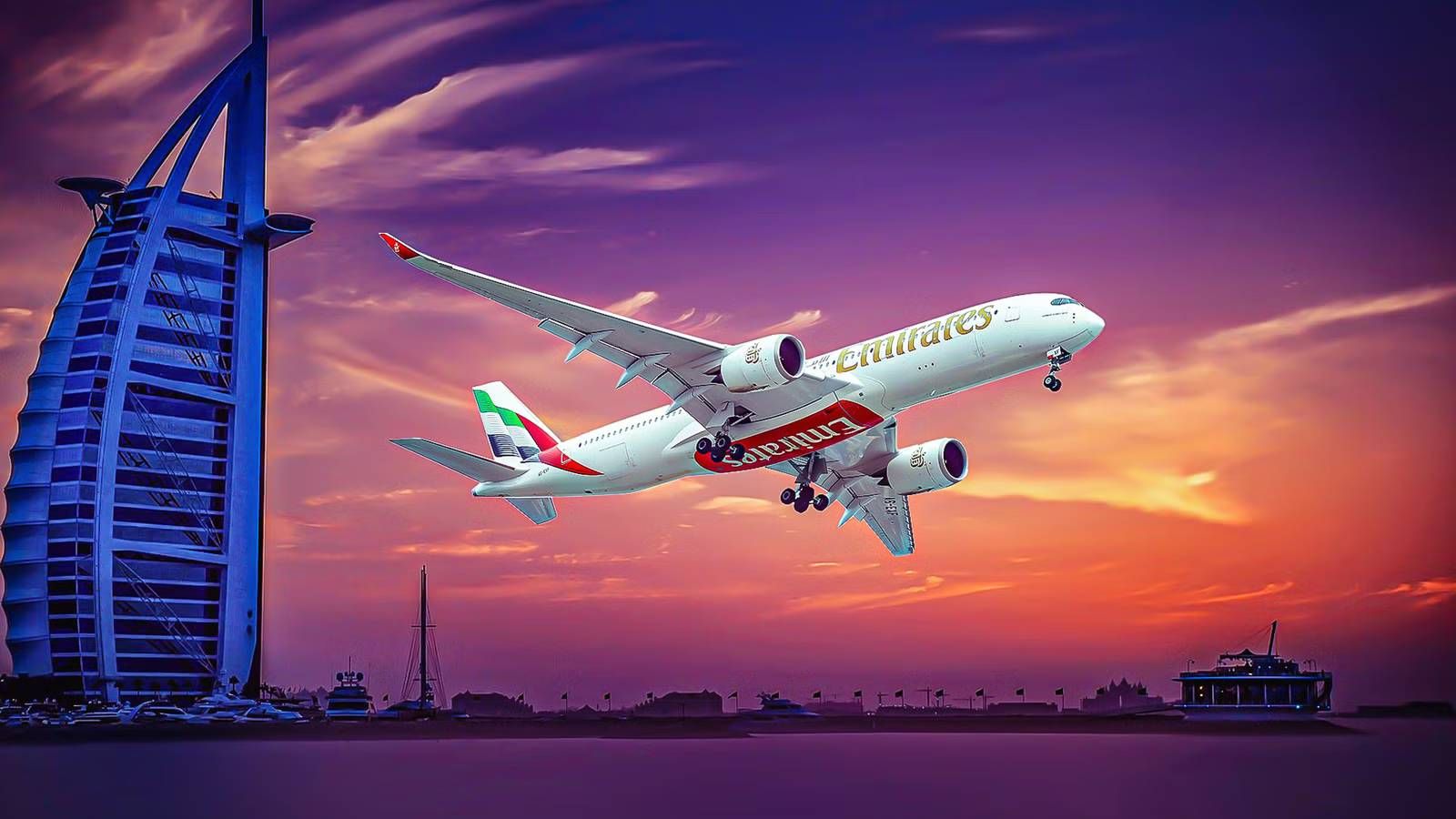
The Airbus A350's journey from concept to completion highlights the role of advanced carbon materials in modern aviation. Central to this process are the aircraft's carbon fiber-reinforced polymer wings, which traverse four countries before final assembly. This multinational production approach leverages specialized expertise across Europe, with each facility contributing to the A350's sophisticated design and construction.
Airbus SE's decentralized manufacturing model reflects its origins as a consortium of European aerospace manufacturers. This strategy allows Airbus to harness decades of engineering expertise at various sites, optimizing production for quality and efficiency. For the A350, major structural sections are produced where industrial capabilities are strongest: wings in the United Kingdom, fuselage sections in Germany, cockpit sections in France, and tailplanes in Spain. Final assembly occurs in Toulouse, France, where these components are integrated into a complete aircraft.
The A350's wings, primarily constructed from carbon fiber-reinforced polymer, exemplify the advantages of composite materials over traditional metal alloys. These materials offer reduced weight, enhanced fatigue resistance, and improved corrosion performance. At Airbus' Broughton facility in North Wales, the wings are manufactured using advanced composite techniques, including precise carbon fiber placement and autoclave curing. This process ensures the production of complex aerodynamic shapes with fewer parts, maintaining high quality standards.
Once the wing structures are completed, they are transported to Bremen, Germany, where Airbus installs essential systems such as electrical wiring, hydraulic lines, and flight control mechanisms. This stage, known as wing equipping, transforms the structural component into a fully operational aircraft wing. The equipping process reduces the workload during final assembly in France, allowing teams to focus on integrating the aircraft rather than constructing subsystems.
The wings are then transported to Toulouse aboard the Airbus BelugaXL, a cargo aircraft designed to carry oversized components. This logistics network ensures timely delivery of assemblies, minimizing inventory costs and supporting Airbus' manufacturing strategy. Upon arrival in Toulouse, the wings are joined to the fuselage, and the aircraft undergoes extensive testing before delivery to customers. The A350's production process, characterized by its advanced carbon fiber wings, underscores Airbus' commitment to specialization and international collaboration in aircraft manufacturing.
Source: Carbon Fiber Feed