38 articles on Polymers.
Graphene is being formulated, screened, qualified and packaged around specific applications. Some of those products are beginning to move through conventional distribution networks. That may be one of the clearest signs yet that parts of the graphene industry are maturing.

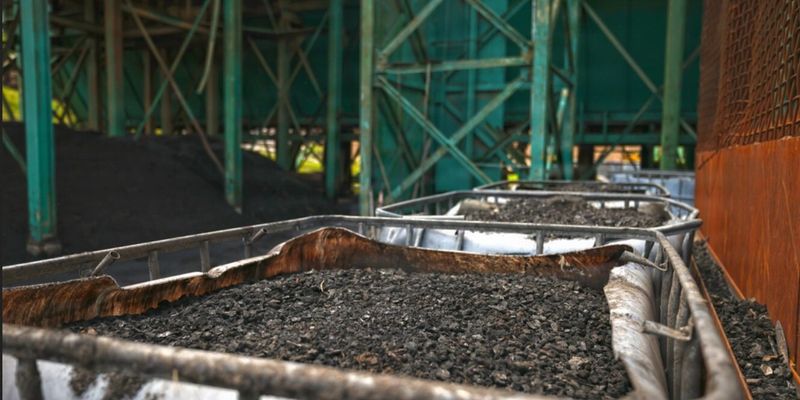
Recycled supercapacitors with carbon-fiber cathodes maintained performance comparable to original devices through initial fabrication and two recycling cycles.

An industrial study evaluates graphene masterbatch reinforcement in polyethylene blown film. At a 1% let-down ratio, the study reports mechanical-property gains and demonstrates 10% gauge reduction with retained tensile and puncture performance.

Researchers at MEPhI have developed a new ultra-strong composite material incorporating carbon nanotubes, aimed at applications in aviation, space, and machinery.

The IMMENSE team created a conductive photopolymer resin with multi-walled carbon nanotubes for advanced additive manufacturing applications.

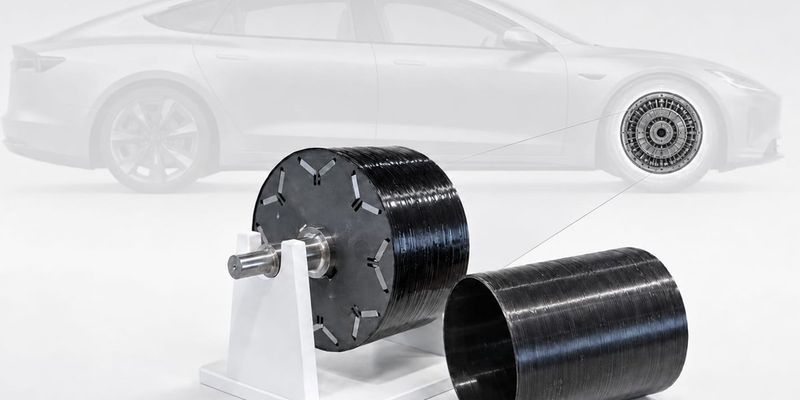
AZL Aachen GmbH is leading a consortium to benchmark CFRP rotor sleeves for electric motors, focusing on press-fit and direct-winding concepts. Production starts in August 2026.

Researchers at Otto-von-Guericke University Magdeburg and MTU Aero Engines find that low gravity and vacuum change how carbon-fibre-reinforced polymers cure, challenging the assumption that terrestrial composite production transfers directly to orbit.

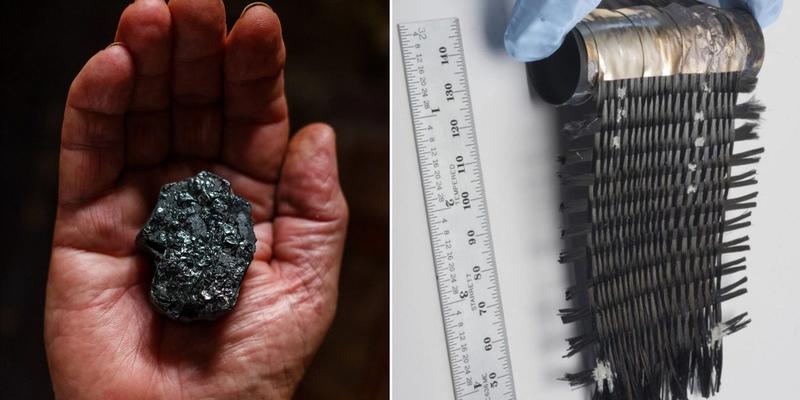
China has introduced a technology to convert regular coal into advanced carbon materials like carbon fibers and graphene.

The North Carolina Department of Environmental Quality awarded $1 million for mobile biochar equipment to convert Hurricane Helene debris into a soil amendment for flood-damaged farmland in Haywood County.

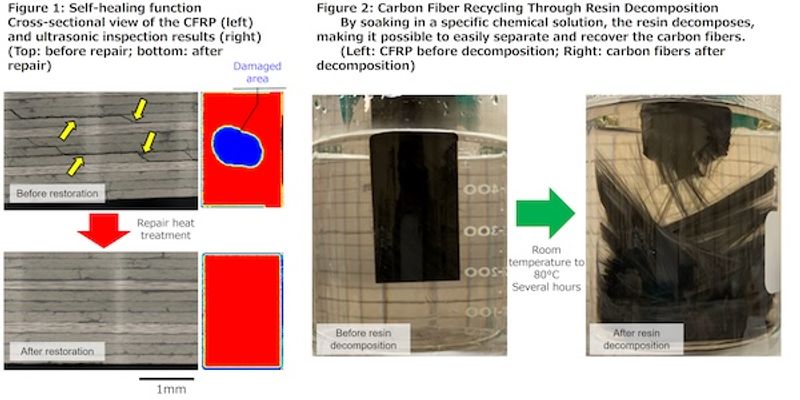
Teijin Limited has developed a thermosetting carbon fiber-reinforced plastic with a self-healing function and high recyclability, aiming to provide samples by 2028.

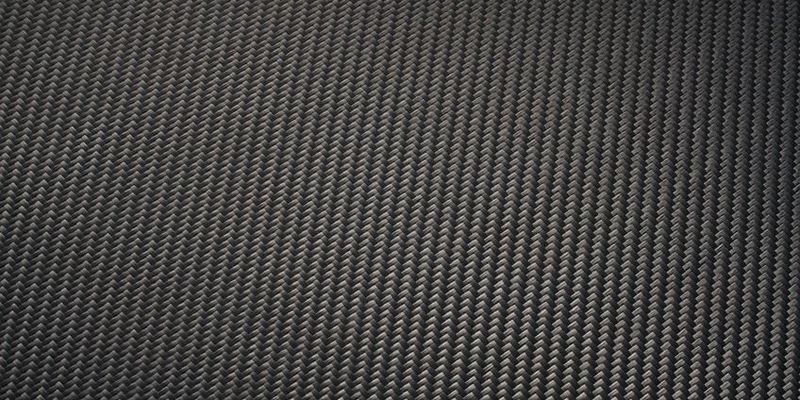
MASTERMATE is advancing carbon fiber NFC technology, enabling premium smart products with seamless digital connectivity for business, luxury, and automotive applications.

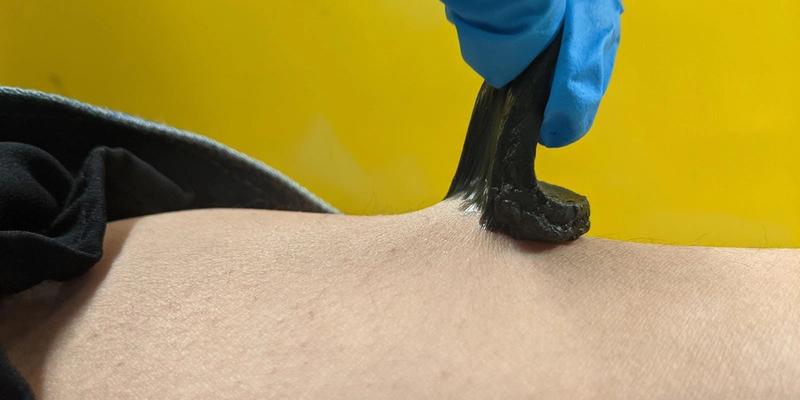
Drexel and Penn State researchers created a new hydrogel for biosensors that maintains skin contact through sweat and hair, enhancing durability and comfort during physical activity.

Himadri Specialty Chemicals will establish India's first carbon nanotube production facility at its West Bengal complex, with an initial capacity of 200 tons per year, starting commercial production by FY2027.

Adisyn's graphene deposition process has been independently verified as repeatable. The company also received a US patent allowance for its graphene coating technology for metallic surfaces.
SkyDrive has partnered with Airtificial to produce and supply lightweight carbon fiber reinforced plastic parts.
A new high-speed carbon fiber warp knitting machine in China outperforms traditional models, enhancing the production of carbon fiber reinforced polymers (CFRP) textile pre-forms.
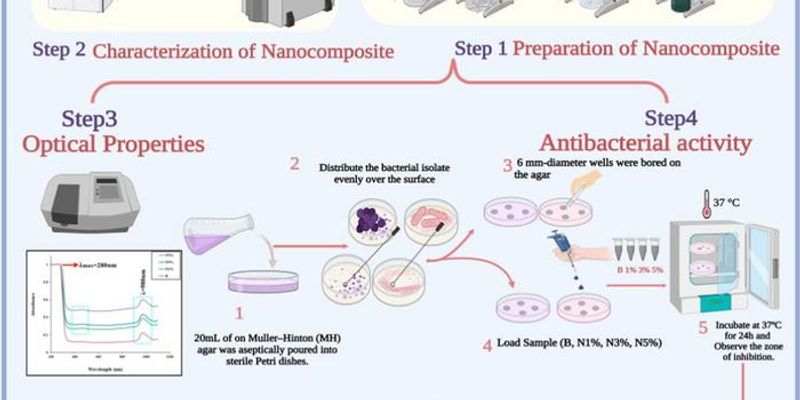
KeAi Communications Co., Ltd. reports on the antibacterial and anticancer capabilities of polymer nanocomposites enhanced with graphene-silicon nitride nanomaterials.

In a video, HydroGraph CEO Kjirstin Breure discusses how their graphene enabled a biosensor company to create technology that wasn't possible with other commercially available graphenes.

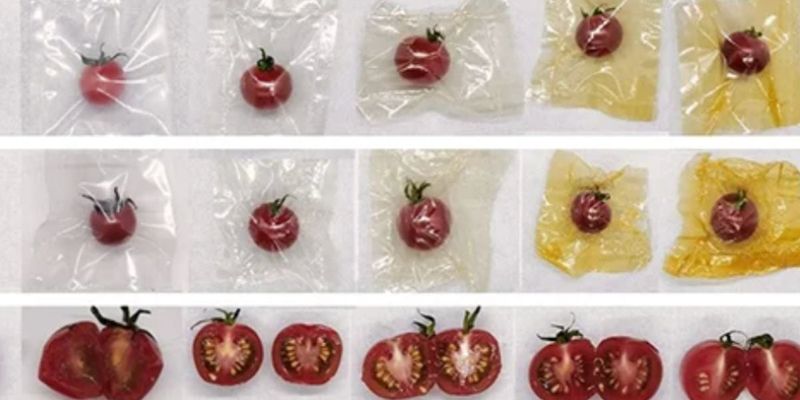
Researchers at Kyushu University developed a pumpkin peel-based nanomaterial that surpasses plastic in blocking UV light, reducing microbial growth, and preserving antioxidants, offering a sustainable packaging alternative.

Airbus's A350 assembly process involves the carbon fiber-reinforced polymer wings traveling through four countries before completion. This highlights the international collaboration and logistical complexity involved in producing advanced carbon composite materials for aerospace applications.

HydroGraph has certified Midland Compounding & Consulting (MCC) as a U.S. compounding partner for graphene-enhanced polymer applications. This certification enables MCC to support the development and commercialization of advanced graphene-enhanced materials, focusing on performance improvements and functional enhancements in industrial applications.

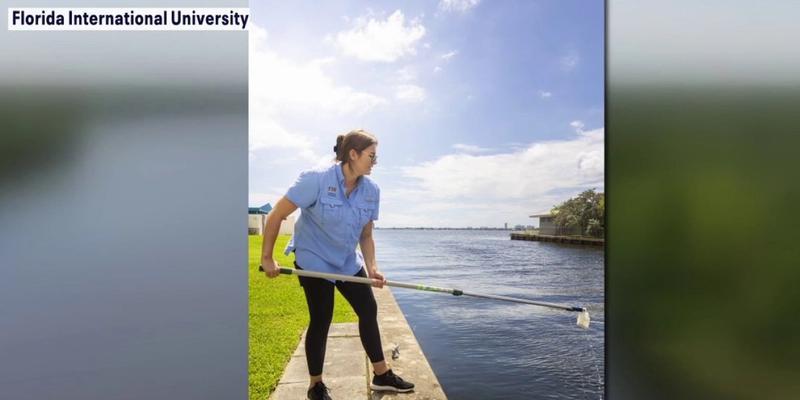
Researchers at Florida International University have found that a water sample from the Hillsborough River near downtown Tampa contained 12 nanograms per liter of 6PPD-Q, a toxic chemical from tire wear, exceeding the EPA benchmark of 11 nanograms per liter. This study highlights the potential of using sargassum-based biochar to filter out harmful pollutants, which could protect Florida's aquatic ecosystems from the adverse effects of tire-derived chemicals.

The Government of Himachal Pradesh, in collaboration with Dr Y.S. Parmar University of Horticulture and Forestry and ProClime Services Private Limited, has launched India's first indigenous biochar project in Hamirpur district, aiming to convert forest biomass into biochar to reduce fire risks and generate carbon credits. This initiative is significant for the advanced carbon materials sector as it transforms waste biomass into biochar, a stable carbon-rich material, thereby contributing to carbon sequestration and offering a sustainable model for forest management and rural livelihoods.

India has launched the National Critical Mineral Mission with a budget of 343 billion rupees to boost domestic graphite mining and reduce import dependency by 2031. This initiative is crucial for securing a stable supply of graphite, an essential material for electric vehicle batteries and other clean energy technologies, as India aims to meet its ambitious climate goals.

ACP Technologies has opened a new pilot facility in Ashland capable of producing 75 pounds of synthetic graphite per hour. This development is significant for the carbon fiber and synthetic graphite sectors, as it enhances production capacity and supports material scaling efforts.
The Morning reports that India's new mineral policy includes guidelines for the treatment and potential sale of effluent generated during the production of reduced graphene oxide. This development could impact the graphene industry by providing a framework for managing waste and potentially creating additional revenue streams from effluent sales.

Researchers at Concordia University have developed a 4D-printing method to create curved blades for vertical-axis wind turbines from flat carbon-fibre composite panels, resulting in blades that weigh 80% less than commercial aluminum blades. This advancement could significantly reduce manufacturing costs and promote the use of lightweight carbon-fibre composites in renewable energy systems.

Coffee!Up in the Czech Republic is transforming used coffee grounds into products like natural soap, coffee oil, biomass, and biochar, as highlighted by the European Commission. This initiative is significant for the advanced carbon materials sector because it demonstrates the potential for waste coffee grounds to be converted into valuable materials such as biochar, which can improve soil health and contribute to carbon sequestration efforts.

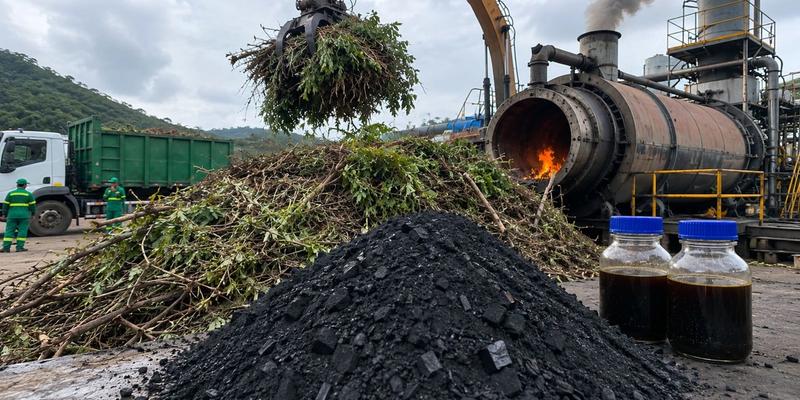
Researchers at the International Virtual Institute of Global Changes, COPPE/UFRJ, in partnership with COMLURB, have converted one ton of urban pruning waste in Rio de Janeiro into approximately 300 kilos of biochar and pyrolytic oil. This initiative demonstrates the potential of using urban plant waste as a raw material for producing carbon-rich biochar, which can be used as a soil conditioner and for carbon storage, contributing to sustainable waste management and decarbonization efforts.

Researchers at Van Yüzüncü Yıl University fabricated twelve carbon nanotube-modified PVC/PMMA nanocomposites at three PVC ratios, characterising how the nanotubes change thermal and electrical behaviour.
Researchers have synthesized a waterborne polymer/reduced graphene oxide (rGO) nanocomposite. This development is significant for the production of environmentally friendly coatings and materials utilizing graphene's unique properties.
Researchers prepared 4D-printed shape memory polyurethane nanocomposites containing 0.25 to 1.0 wt% multi-walled carbon nanotubes by solvent casting, characterising the effect on mechanical and shape-recovery behaviour.

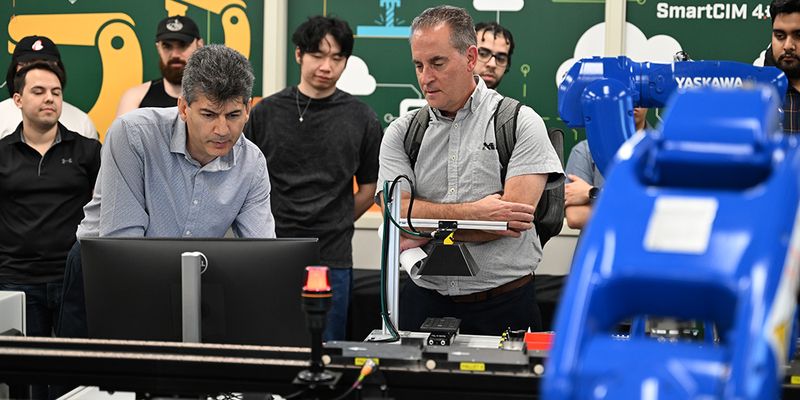
Cal Poly Pomona's College of Engineering received a $198,100 grant from the DENSO North America Foundation to fund advanced manufacturing equipment, including a large-scale carbon fiber 3D printer and an industrial multi-material printer, for student use. The addition of industrial-grade carbon fiber 3D printing at the undergraduate level expands hands-on access to composite fabrication technology that is otherwise largely confined to professional industry settings.

Canada's graphene sector has developed across production, construction, filtration, printed electronics, and energy storage, with companies such as NanoXplore operating a 4,000-metric-ton-per-year facility in Montréal and firms like Zentek and Graphene Leaders Canada advancing application-specific products toward commercial deployment. The ecosystem signals a shift from materials science demonstration toward repeatable industrial use cases in carbon-based composites, conductive additives, and separation technologies, though commercial viability still depends on product qualification, standardization, and cost competitiveness against incumbent materials.

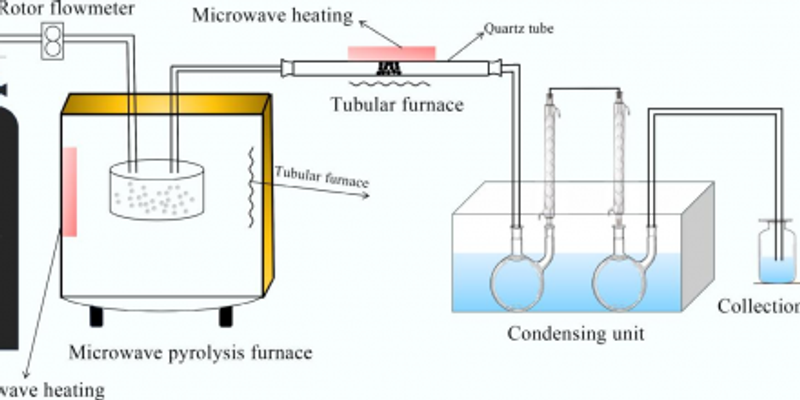
Researchers at Shihezi University used phosphoric acid-activated walnut shell biochar to catalytically pyrolyze waste agricultural plastic mulch film at three temperatures (300, 350, 400 °C), finding that 350 °C maximized olefin selectivity at 69% while 400 °C reduced tar deposition and produced carbon deposits with lower activation energy for easier regeneration. The findings give biochar catalyst developers a temperature-based framework for balancing product selectivity against catalyst deactivation and regenerability in agricultural plastic pyrolysis systems.
CSIC researchers developed an 18-micron graphene-polymer composite separator combining polypropylene with 0.5 wt% reduced graphene oxide, achieving 4x greater puncture resistance and a 60% reduction in thermal-runaway initiation temperatures in lithium-ion batteries. The development advances reduced graphene oxide as a functional additive in battery separators, with pilot-scale production underway alongside a Spanish cell manufacturer targeting NCM-based EV applications.
HydroGraph added Hubron International, a Manchester-based masterbatch and conductive polymer compounder with over 90 years of experience, to its Fractal Graphene Compounding Partner Program on February 10, 2026. The partnership gives HydroGraph access to Hubron's global distributor network and established carbon nanomaterial processing capabilities, supporting broader commercial adoption of graphene in thermoplastic applications across automotive, electronics, and other sectors.

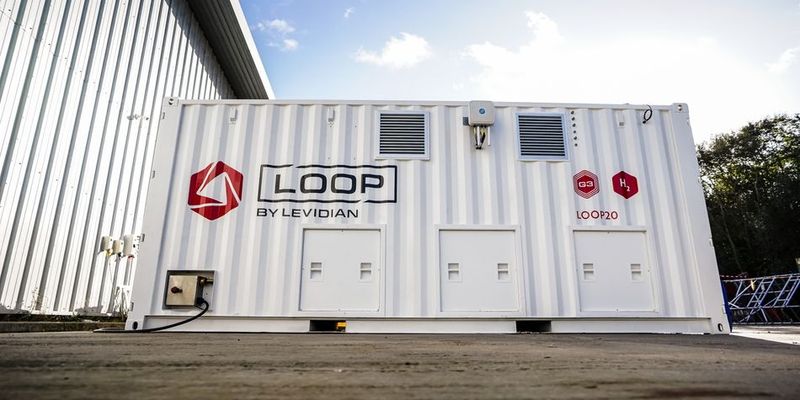
Levidian and Graphmatech announced a partnership to co-develop graphene-based polymer composites for hydrogen applications, including pipelines and pressure vessels where graphene reduces hydrogen gas leakage by up to 83%. The collaboration combines Levidian's graphene production with Graphmatech's dispersion technology, targeting a growing market for high-performance composites in the hydrogen sector.