Bacterial cellulose provides sustainable option for high-performance energy storage, study finds
Bacterial cellulose converted into biomass-derived carbon gives supercapacitor electrodes that charge rapidly and survive millions of cycles, offering a renewable feedstock for high-power energy storage.
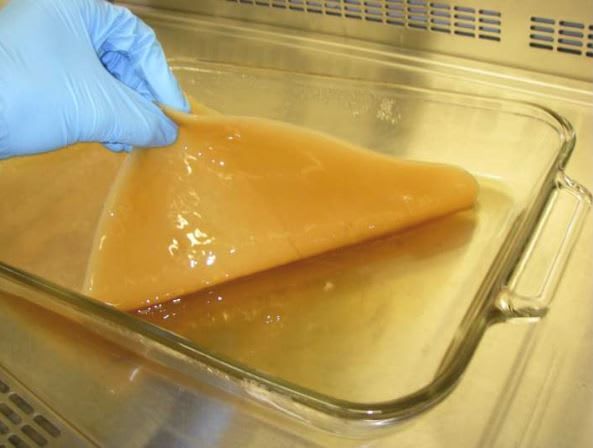
Bacterial cellulose-derived carbon (BCC) is gaining attention as a sustainable material for high-performance energy storage, particularly in supercapacitors. These devices, known for their rapid charging, high power density, and long cycle life, rely heavily on the quality of electrode materials. Researchers are increasingly exploring biomass-derived carbon materials, such as BCC, as renewable alternatives to conventional electrodes.
BCC stands out due to its purity and nanoscale fiber network, which can be converted into porous carbon through controlled heat treatment. This conversion process enhances the material's ability to store electrical charge. A comprehensive literature review led by Professor Dahlang Tahir from Hasanuddin University, Indonesia, examined BCC electrodes for supercapacitors. Published in the Journal of Energy Storage, the review analyzed 49 journal articles to assess fabrication strategies, structural changes during processing, and their impact on electrochemical and mechanical performance.
The review highlighted the importance of preserving the original nanofiber network of bacterial cellulose before carbonization. Freeze-drying emerged as the most common pre-carbonization method, as it helps maintain the cellulose structure during water removal. The study found that activation and heteroatom doping generally improved performance by increasing surface area and creating additional active sites. Composite electrodes, especially those combining BCC with pseudocapacitive materials, achieved the highest capacitance values.
The mechanical performance and stability of flexible BCC-based supercapacitors were also analyzed. Despite the rapid growth in BCC research, the review identified several methodological issues, such as inconsistent reporting standards and limited mechanistic research, which hinder progress. Professor Tahir emphasized the need for predictive design of BCC electrodes, scalable carbonization protocols, and prototype demonstrations in flexible supercapacitor systems.
While most BCC electrodes remain at the proof-of-concept stage, the review suggests significant potential for outperforming commercial activated carbon under comparable conditions. The key challenge is to design BCC electrodes that combine high performance with mechanical durability and environmental stability, supporting the United Nations Sustainable Development Goals.
The shift to sustainable materials like bacterial cellulose is driven by both environmental and economic imperatives. As demand for portable electronics, electric vehicles, and grid-scale storage grows, the need for abundant, renewable, and low-cost materials becomes urgent. Bacterial cellulose, produced from agricultural waste and fermentation processes, offers a scalable solution. The findings from Hasanuddin University underscore the potential of BCC in energy storage, but also highlight the need for continued research and collaboration to transition from laboratory to commercial applications.
Source: Biomass & Recycled Carbons Feed