Barcelona plans to turn a street into a climate laboratory by 2027 using asphalt
The city of Barcelona plans to transform a street into a climate laboratory by 2027, using asphalt that incorporates biochar made from olive pits and other biomass. This initiative aims to explore the potential of biochar in reducing urban heat and enhancing the sustainability of road materials.
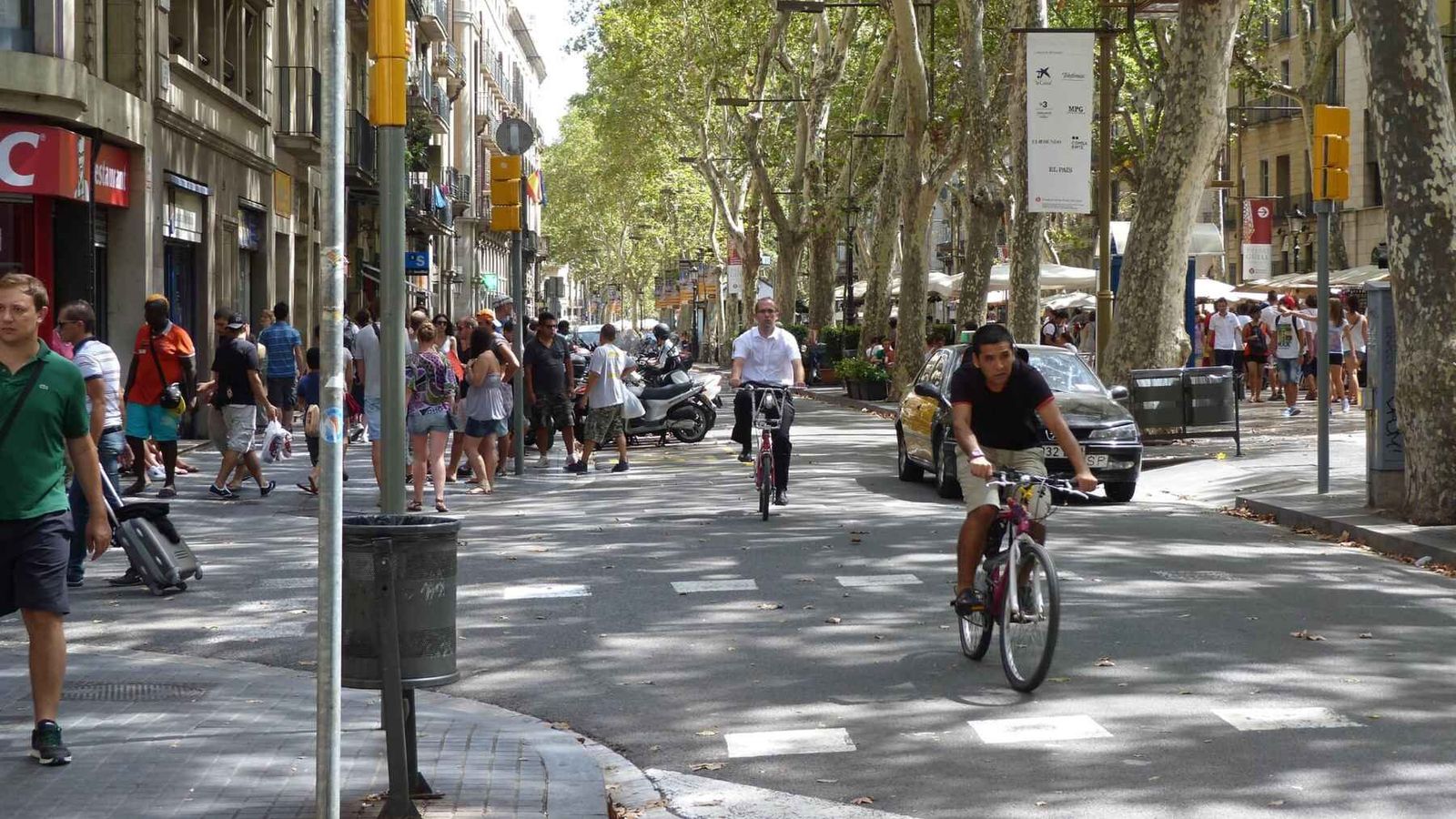
Barcelona is set to explore an innovative approach to urban construction by incorporating biochar into street paving. This project replaces traditional asphalt ingredients with biochar derived from olive pits and other biomass, aiming to transform agricultural waste into a sustainable construction material.
The initiative, named Biochar, emerged as a winning proposal in Barcelona's 'La sección de calle del siglo XXI' urban challenge. According to BIT Habitat, the mix could reduce CO2 emissions from the upper asphalt layer by 75%, while Carboliva estimates a 76% reduction related to material production. This demonstrates a potential shift in how streets are constructed.
The core concept involves substituting limestone filler in asphalt with biochar, a carbon-rich byproduct of biomass conversion. This process utilizes olive pits and pine residues, creating a circular economy where agricultural byproducts support urban infrastructure.
Biochar's significance lies in its ability to sequester carbon absorbed by the original plants, preventing its rapid release into the atmosphere. This transforms pavement into more than just a surface for vehicles and pedestrians.
BIT Habitat aims to fully replace the filler in the top asphalt layer with biochar, moving towards complete decarbonization of the pavement. Carboliva, the Andalusian supplier, describes biochar as a renewable carbon sink within asphalt, potentially reducing CO2 emissions by 76% during production.
While this technology is still in its pilot phase, it represents a step towards reducing emissions in public works. The project's success depends on its ability to withstand urban conditions, such as traffic and weather.
Technical tests by Carboliva, AMSA, ELSAN, and Universitat Politècnica de Catalunya (UPC) indicate that biochar-enriched mixes perform as well or better than conventional ones, with improved resistance to water damage and cracking.
BIT Habitat notes that while laboratory results are promising, real-world testing is crucial. The project is supported by Barcelona City Council, Barcelona de Infraestructuras Municipales (BIMSA), and the Diputación de Barcelona, with a grant of 90,000 euros.
The research phase will continue until September 2026, with urban pilot sections expected in 2027. These trials will help determine if the approach can be scaled to other areas.
Urban climate strategies often focus on visible elements like solar panels and electric buses. However, construction materials also contribute to carbon footprints. If biochar proves durable and cost-effective, it could become a key component of sustainable urban development.
The Biochar project not only utilizes olive pits but also aims to make infrastructure serve dual purposes: supporting traffic and storing renewable carbon. The project's success will be measured by its performance in real-world conditions, providing valuable data regardless of the outcome.
Source: Biochar Feed