Biochar Demonstrator Unveiled by CO₂RE Greenhouse Gas Removal Hub
The CO₂RE Greenhouse Gas Removal Hub is developing a biochar demonstrator to enhance soil health and increase nutrient availability in acidic soils.
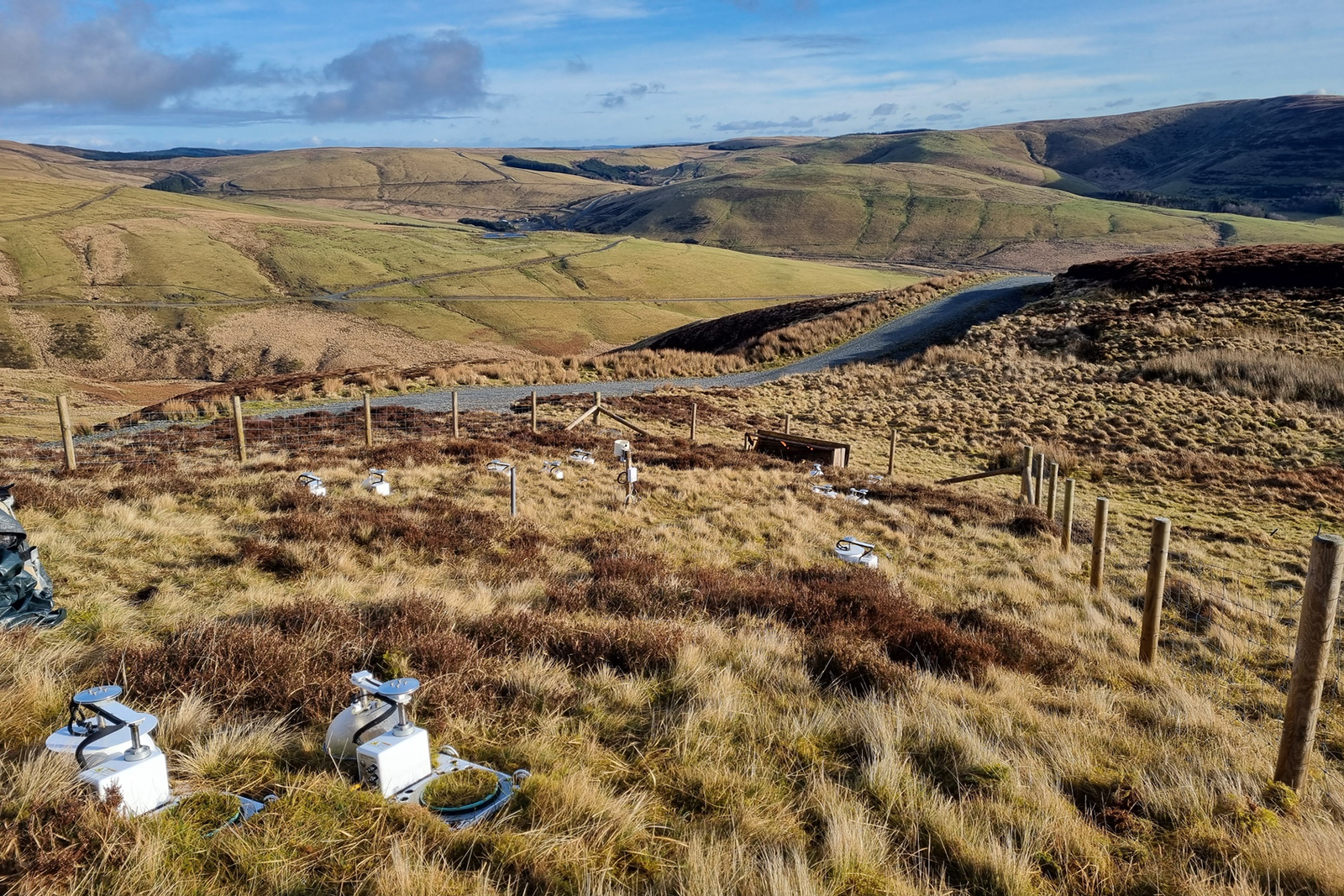
The Biochar Demonstrator, led by the University of Nottingham, focuses on biochar production and its applications. Collaborating institutions include Bangor University, the University of Leeds, Forest Research, the UK Centre for Ecology and Hydrology, and the Scottish Universities Environment Research Centre. The program examines biochar's production, stability, deployment, economic aspects, stakeholder perspectives, and policy implications.
Under the leadership of Professor Colin Snape, the project has found no adverse effects on crops or soil when biochar is applied to various soil types, including arable and forestry sites. Biochar offers several co-benefits in agriculture, such as acting as a liming agent on acidic soils, enhancing nutrient availability, and improving crop quality in wheat and barley. It also aids in nutrient retention and shows no significant long-term impact on biodiversity, as indicated by microbial diversity and earthworm biomass studies. In forestry, biochar improves the survival and growth of tree saplings under drought conditions. It can be co-deployed with other greenhouse gas removal (GGR) methods, such as paludiculture and perennial biomass crop production. Trials have shown that cumulative biochar applications can sequester 20–25 tonnes of CO2 equivalent per hectare, with higher sequestration in grasslands.
Research indicates that pyrolysis of biosolids to create biochar effectively removes environmental contaminants and enhances nutrient retention in agricultural soils. Biochar also buffers fertilizer addition, providing a balanced nutrient release. Further details are available in the GGR-D programme report.
The enhanced rock weathering project investigates using crushed quarry waste to accelerate natural CO2 sequestration. The peatland project (GGR-Peat) aims to restore and enhance peat formation processes. The perennial biomass crops project (PBC4GGR) explores the potential of plants like willow and miscanthus to support bioenergy with carbon capture and storage (BECCS) in the UK. The woodland creation and management project (NetZeroPlus) examines the GGR impacts of various tree-planting strategies.
The CO2RE Hub conducts comprehensive research on the environmental, economic, social, cultural, ethical, legal, and governance aspects of GGR.
Source: Biochar Feed