Can F1 teams achieve full circularity? Examining McLaren and Mercedes efforts
McLaren and Mercedes are exploring recycled carbon fibre for F1 components, planning to introduce a carbon fibre composite rear brake duct by 2025.
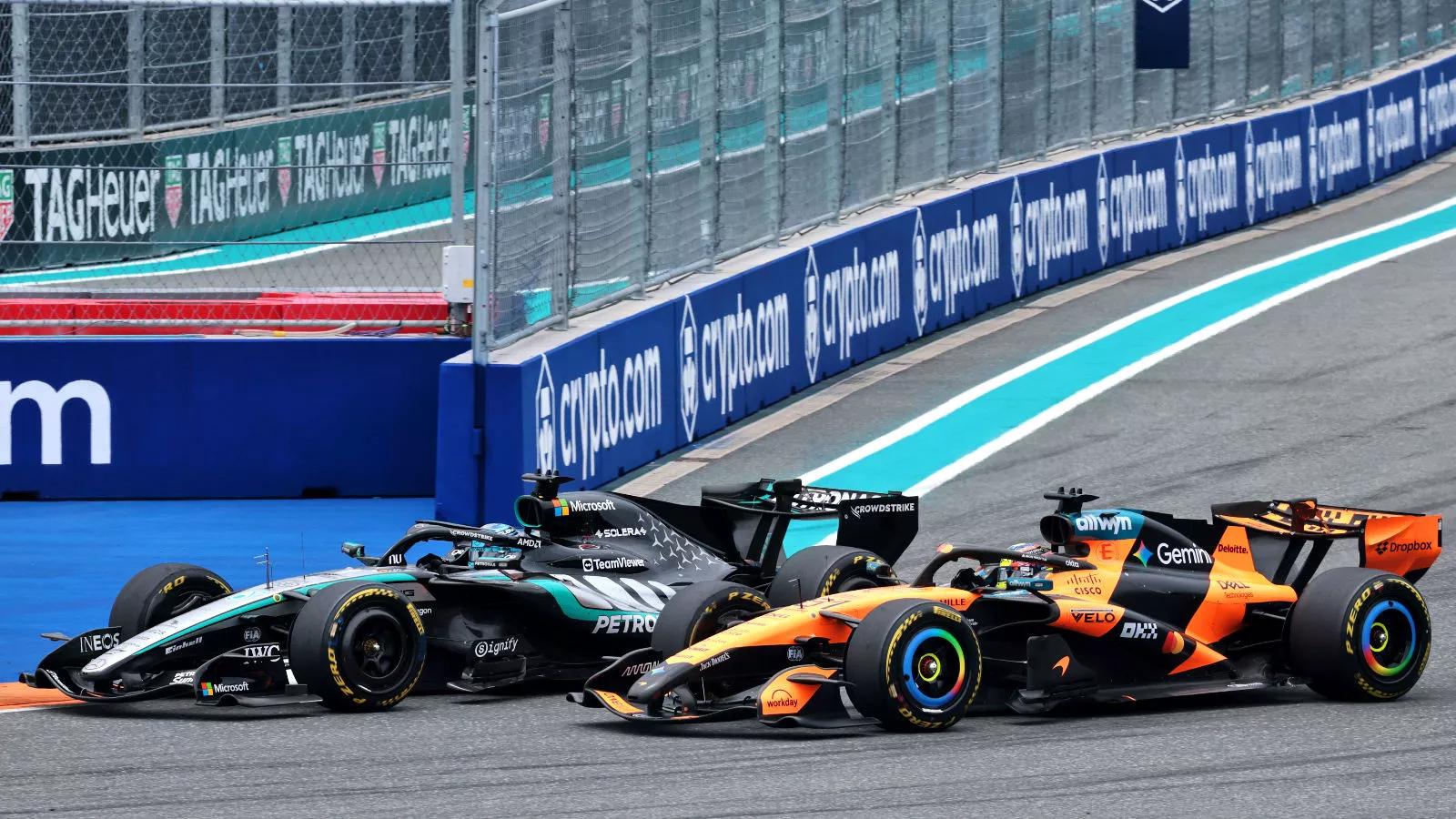
McLaren Racing Limited and Mercedes-AMG Petronas Formula One Team are exploring the potential for a fully circular Formula 1 car, focusing on advanced carbon materials. McLaren's 2026 sustainability report highlights its progress towards this goal, emphasizing the importance of understanding the lifecycle of components, from design to retirement.
Central to McLaren's initiative is the circularity metric, derived from the F1 Constructors' Circularity Handbook. This metric measures the circularity of an F1 car's chassis production by considering material inflows and outflows. In 2025, McLaren's circularity score was 22%, incorporating recycled metals and bio-derived materials.
The team has made strides by using renewable textile fibers and recycled carbon fiber (RCF) in car components. For instance, Lando Norris raced with a seat made from renewable fibers in 2021, and McLaren tested a flax-based keel panel in 2022. The use of RCF, which retains up to 85% of carbon fiber's original strength, was demonstrated at the 2023 United States Grand Prix.
Mercedes has also embraced bio-based carbon fiber composites, introducing a rear brake duct with 30% bio-based materials at the 2025 Azerbaijan Grand Prix. This marks a significant step in using lower-carbon materials without compromising performance.
Both teams are committed to advancing circularity in F1. McLaren's collaboration with the FIA and Deloitte to develop the F1 Constructors' Circularity Handbook aims to guide all teams in reducing environmental impact. Mercedes, with its broader sustainability strategy, highlights achievements like using electric trucks for logistics and refurbishing computational hardware, contributing to industry-wide circularity efforts.
Source: Carbon Fiber Feed