Chinese quantum chemistry tech converts coal to carbon fibers and graphene
China has introduced a technology to convert regular coal into advanced carbon materials like carbon fibers and graphene.
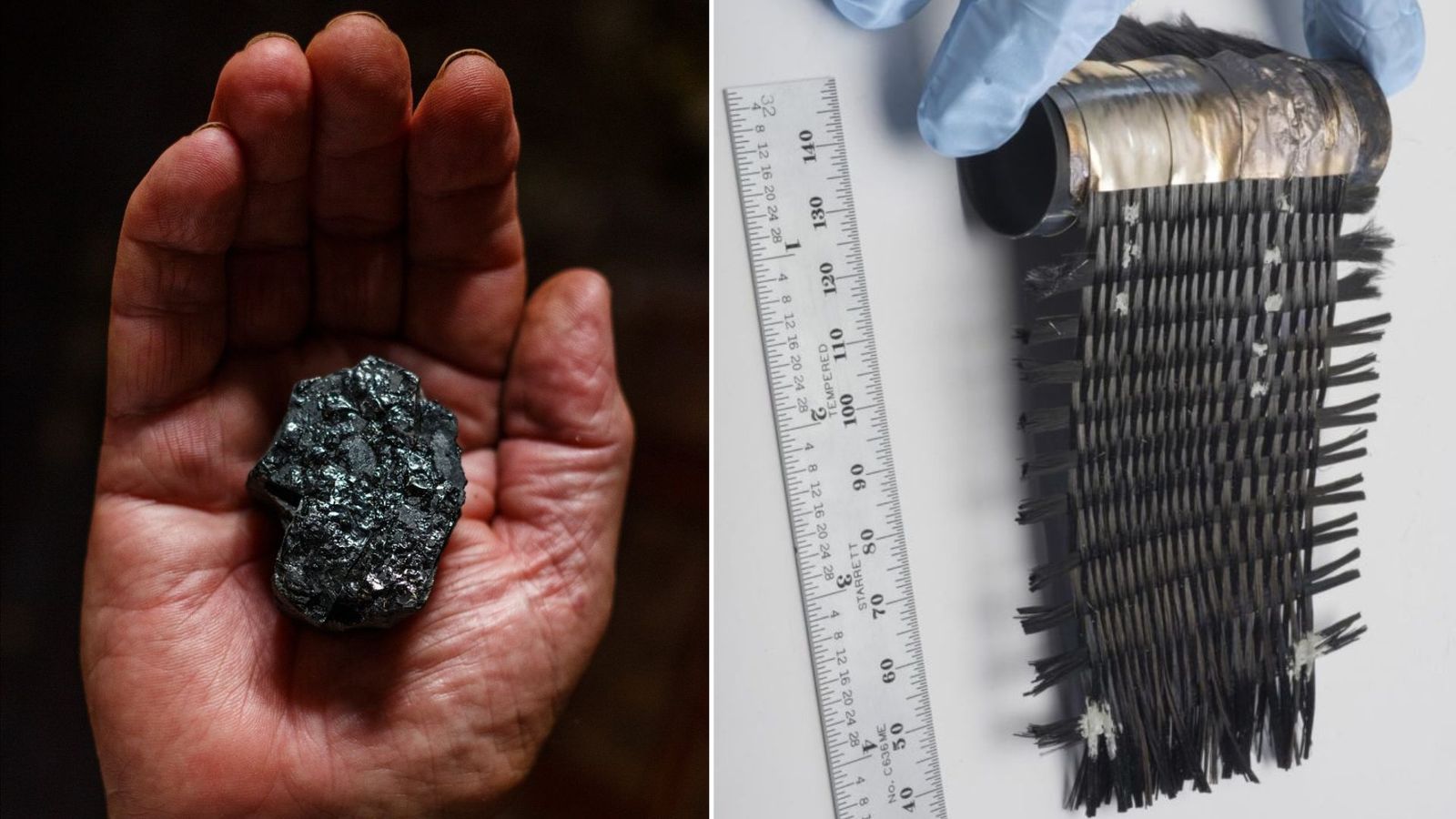
A new technology developed in China is transforming coal into high-value carbon materials, such as carbon fibers and graphene, for use in industries including energy storage and aerospace. This process, presented at a conference in Taiyuan, Shanxi Province, utilizes a specialized coal liquefaction method to convert coal into premium carbon materials, potentially enhancing the economic value of coal while reducing emissions from traditional coal use.
The technology is a joint development by Zhaoqing Shunxin Coal Chemical Industry Technology Co., Ltd. and Guangdong Coal-based Carbon Materials Research Co., Ltd. It was reviewed by an expert panel from the China International Association for the Promotion of Science and Technology in October 2025, which recommended its commercialization after assessing it as internationally leading.
Instead of burning coal for energy, the process extracts carbon-rich molecular structures to serve as feedstock for advanced engineering materials. Utilizing quantum chemistry, the technology separates coal molecules based on chemical structure and bond strength. Molecules with lower bond energies are converted into oil and gas, while stable aromatic structures form condensed-ring pitch, a precursor for advanced carbon materials.
The condensed-ring pitch can be used to produce a variety of materials, including carbon foam, carbon fibers, 3D graphene, and supercapacitor-grade activated carbon. These materials find applications in sectors such as aerospace, energy storage, and electronics. The developers assert that their carbon foam exceeds China's Class A flame-retardancy standard, making it suitable for military and aerospace uses.
Environmentally, the technology claims to convert approximately 60% of the carbon in coal into carbon materials, reducing carbon dioxide emissions by about two tonnes per tonne of coal processed. The process reportedly generates minimal waste gas, wastewater, or solid waste.
Economically, this approach aims to elevate coal's value by producing advanced carbon materials worth tens to hundreds of thousands of yuan per tonne, compared to the lower value of raw coal. These figures are provided by the developers and await independent verification.
The technology is advancing towards industrial deployment, with a cooperation agreement signed with China Pingmei Shenma Group to build a 6,000-tonne-per-year coal-based carbon materials project in Henan Province. Several carbon products have completed user testing and are ready for commercial-scale deployment.
This development signifies a shift in the perception of coal, from a primary energy source to a potential raw material for high-performance engineered products, reflecting a broader trend of exploring coal's potential in advanced materials.
Source: Graphene Feed