Coaxing bilayer graphene into a single diamond-like layer for industrial use
Researchers led by Elisa Riedo at NYU applied mechanical pressure via nanoindentation to nitrogen-doped CVD bilayer graphene at room temperature, inducing a partial transition to diamond-like sp³ bonding that nearly doubled film stiffness, as reported in Advanced Materials Technologies. The use of standard CVD graphene and mild processing conditions makes this phase-transition pathway potentially compatible with industrial-scale fabrication of ultrathin wear-resistant coatings in the graphene and advanced carbon materials sector.
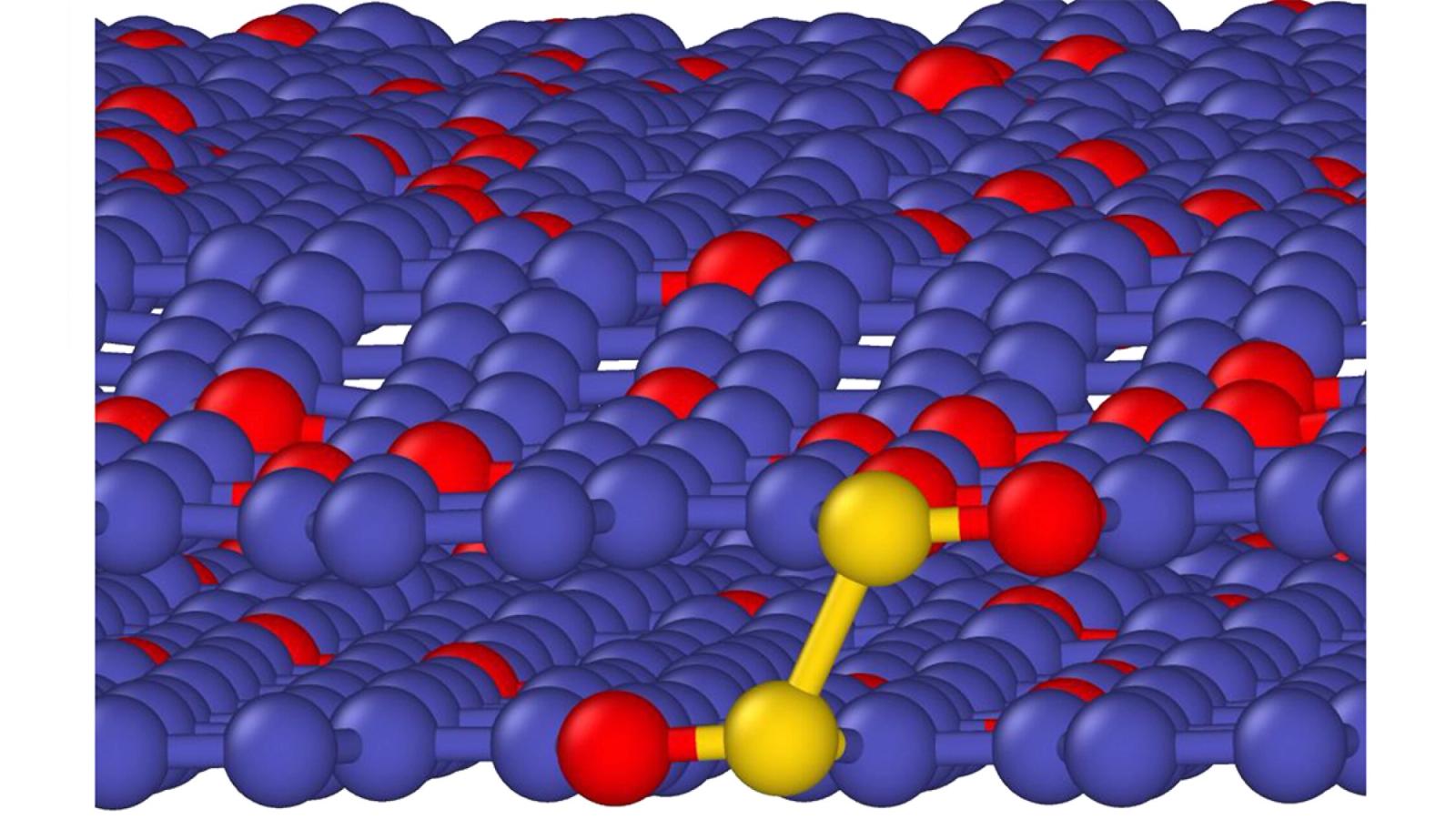
Researchers have demonstrated that bilayer graphene can be transformed into a diamond-like phase through nitrogen doping and applied pressure, without the need for extreme heat. This process, outlined in Advanced Materials Technologies, offers a scalable method to create ultrathin coatings that combine the hardness of diamond with graphene's processability.
The study, led by Elisa Riedo, Herman F. Mark Professor in Chemical and Biomolecular Engineering, explores the balance between carbon's sp² and sp³ bonding. Graphene's flat sp² bonds provide electrical conductivity and mechanical strength, while diamond's 3D sp³ bonds offer exceptional hardness. The introduction of nitrogen atoms lowers the energy barrier, enabling the transition at room temperature when pressure is applied.
Using chemical vapor deposition (CVD), the team grew nitrogen-doped bilayer graphene films on silicon dioxide substrates. The films, subjected to modulated nanoindentation, exhibited nearly double the stiffness of the substrate, indicating stronger diamond-like interlayer bonds. Molecular dynamics simulations suggest that nitrogen stabilizes these bonds, locking parts of the bilayer into a diamond-like configuration.
The findings suggest potential industrial applications, as the process is compatible with large-scale fabrication methods and operates under mild conditions, avoiding high temperatures that can damage 2D materials. However, questions remain regarding the extent and stability of the transformation, and its impact on electronic properties. Future research will focus on optimizing doping levels, pressure, and substrates to balance mechanical and electrical characteristics.
This study highlights graphene's versatility, suggesting that its atomic structure can be manipulated to switch between different phases. Such control could lead to adaptive materials that change properties based on conditions, expanding graphene's potential applications.
Source: original article