Corn stover biochar boosts photocatalyst to remove sunscreen pollutants from water
Researchers developed nitrogen-modified biochar by mixing corn stover biochar with urea in a 1:2 mass ratio and conducting a second pyrolysis.
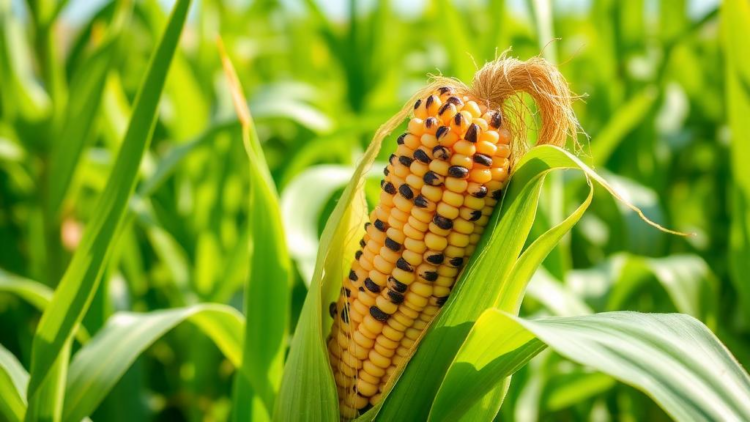
Researchers from China and New Zealand have developed a new photocatalyst using corn stover biochar, layered cobalt-aluminium hydroxide, cobalt sulfide, and bismuth vanadate. This composite, named CoAl-LDH@CoSx-BiVO4-NBC, achieved a 93.4% degradation rate of para-aminobenzoic acid (PABA), a common sunscreen component, under xenon lamp irradiation. Published in the Journal of Saudi Chemical Society, the study demonstrates a method for converting agricultural waste into high-performance materials for removing persistent pharmaceutical and personal care product pollutants from water.
The environmental challenge posed by pharmaceuticals and personal care products (PPCPs) is significant, as these compounds accumulate in water bodies, posing toxic risks to plants and animals. Photocatalysis, an advanced oxidation process, offers a promising solution by operating under various light conditions. The research focused on layered double hydroxides (LDHs), known for their large surface areas but limited by particle agglomeration and metal leaching.
To address these limitations, the team utilized biochar derived from corn straw as a substrate. The biochar was produced through pyrolysis and modified with nitrogen, resulting in a material that disperses LDH particles effectively, increasing the number of active reaction sites. The synthesis involved hydrothermal steps to combine bismuth vanadate with the biochar and transform CoAl-LDH into a structure with oxygen vacancies, enhancing photocatalytic performance.
Characterization techniques confirmed the composite's architecture, with X-ray diffraction and electron microscopy revealing distinct phase interfaces. The composite's specific surface area was measured at 166.84 square meters per gram, surpassing that of the etched LDH alone. Optical and electrochemical tests showed improved light absorption and charge carrier separation, attributed to a built-in electric field formed at the interfaces of the composite components.
Density functional theory calculations indicated that the electric field directs photogenerated electrons and holes, enhancing catalytic activity. Experiments identified superoxide radicals as the primary reactive species, with additional contributions from other radicals. The study also explored practical conditions, noting that neutral pH and optimal catalyst dosage improve performance, though recycling tests showed a decline in efficiency over multiple cycles.
This research highlights a novel approach to recycling biomass into effective photocatalysts, with potential applications in treating other PPCP contaminants in wastewater.
Source: Biochar Feed