Graphene sensors enable rapid PFAS detection
Researchers have developed a graphene-based sensing platform designed for rapid detection of PFAS. This advancement could enhance monitoring efforts by utilizing graphene's sensitivity and conductivity properties to provide quicker analysis at the point of need.
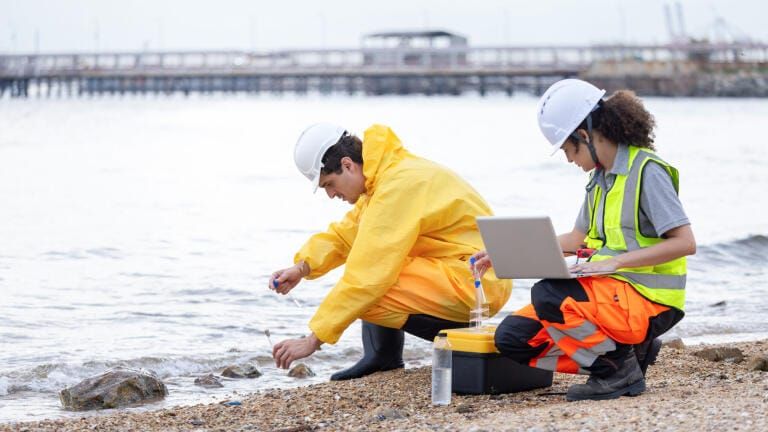
Grapheal has developed a new graphene-based sensing platform, PFAST, to enhance the monitoring of per- and polyfluoroalkyl substances (PFAS) by enabling analysis closer to the point of need. This system is designed to provide rapid detection of PFAS in water, facilitating more frequent testing as regulatory demands evolve.
PFAS, known as 'forever chemicals', are persistent compounds used in various industrial and consumer applications. Their stability and widespread environmental presence have increased the demand for reliable monitoring methods, especially in drinking water and wastewater management.
Traditional PFAS analysis relies on laboratory-based techniques like liquid chromatography-tandem mass spectrometry (LC-MS/MS), which, while sensitive, require specialized equipment and workflows. Grapheal's PFAST platform aims to complement these methods by offering rapid, field-deployable screening directly at sampling sites.
The sensor system employs graphene technology to detect ultra-trace levels of PFAS in complex water samples, reducing the need for sample transport and lengthy laboratory processing. This could enable water operators to make faster decisions and increase monitoring frequency.
The development of this technology is supported by a €2.5 million grant from the European Innovation Council Accelerator programme, aiding its progress towards industrialization. Grapheal's approach integrates a miniature electronic sensor with specialized surface chemistry to generate rapid responses for environmental monitoring.
As global regulations on PFAS tighten, the demand for faster and more accessible analytical solutions grows. Portable sensing technologies like PFAST could serve as an additional tool for environmental laboratories and water management organizations aiming to improve contaminant surveillance.
Source: Graphene Feed